Reviewed · EVENING EXPERIENCES
Tokyo: Evening Tour – Temples, Neon Streets & Culture
Tokyo changes character after sunset. Temples glow under soft lantern light, department-store signs flicker to life, and neighborhoods such as Shibuya and Shinjuku turn into bright theaters of daily life. This private evening walk gives you a local guide and a flexible route instead of a fixed group march.
In This Article
- Key points to know before booking
- Why Tokyo works better after sunset
- Asakusa after the lanterns come on
- Shibuya Crossing under the city lights
- Shinjuku, from Omoide Yokocho to Kabukicho
- Akihabara for anime, games, and technology
- Backstreets, rooftops, and the value of a local eye
- How the private format affects the experience
- Is $83 a fair price?
- Timing, fitness, and what to bring
- Who should book this evening walk?
- My verdict: book it for a tailored first evening
- FAQ
- What time does the Tokyo evening tour start?
- How long does the tour last?
- Which neighborhoods might the tour visit?
- Is public transportation included?
- Is the tour private?
- Are children allowed to join?
- What languages are available?
I like two things right away: the cooler timing, especially in Tokyo’s hot summer, and the chance to shape the night around your interests. Guides Deen and Sofia have adjusted routes for different abilities and shopping goals, including one guest recovering from knee surgery. The main consideration is that public transit fares, food, shopping, and any entry fees cost extra.
Key points to know before booking
- Start after 4 PM: You can set out as the afternoon fades, with tours typically lasting three to four hours and ending by 11 PM at the latest.
- Private and adjustable: Your guide can change the pace, neighborhood choices, and stops to suit your interests and energy.
- Tokyo after dark: See Asakusa temples, Shibuya Crossing, Shinjuku nightlife, or Akihabara under neon and evening light.
- Transit is part of the experience: You move between districts by Tokyo’s public transportation, with fares paid separately.
- Good for photographers: Guides may take photos when available and can point out photogenic alleys, rooftops, and side streets.
- A strong option in hot weather: Evening temperatures and thinner crowds make a long city walk easier than a midday outing.
Why Tokyo works better after sunset
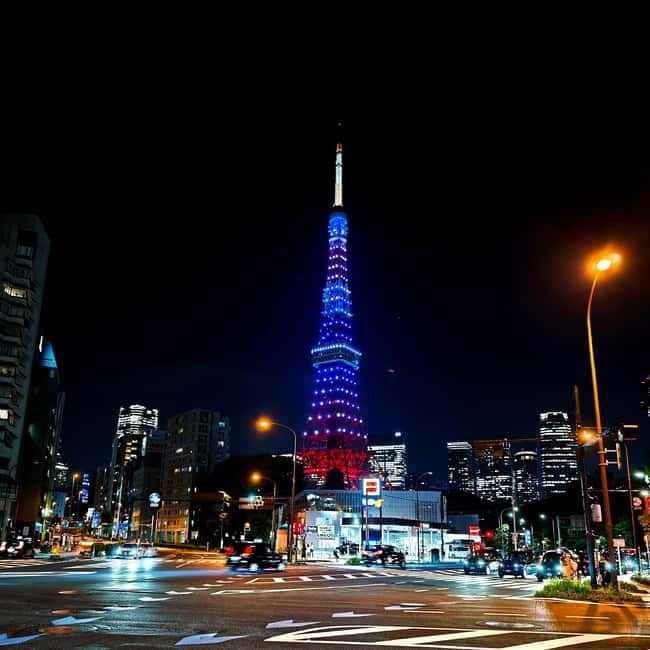
A daytime Tokyo tour can leave you staring at famous sights through heat, crowds, and glare. This outing begins any time after 4 PM, when the city starts its daily changeover. The temples grow quieter, shop signs come on, and the streets gain a different rhythm.
I especially like this timing for first-time visitors who want Tokyo’s famous movie-like scenes without spending the whole day in a crowded district. You still see major sights, but the guide can also steer you toward backstreets and smaller lanes that are easy to miss when you are following a standard sightseeing route.
The evening setting also helps with photographs. Neon signs and illuminated temples provide stronger contrast than harsh afternoon sun. Bring a charged phone or camera, but keep expectations sensible: the exact route and the number of photo stops depend on your starting time, pace, and chosen neighborhoods.
This is a walking tour with transit between districts, not a private car ride. That matters. Tokyo’s trains and subways are efficient, but stations can mean stairs, corridors, and plenty of walking. You get a more local way to move through the city, though you also need comfortable shoes and some energy left for the ride home.
Other evening experiences in Tokyo


Asakusa after the lanterns come on
Asakusa is one of the most rewarding places to begin or include in an evening route. The area is home to Tokyo’s oldest temple, and its mood shifts as daylight fades. Lanterns bring out the details of the temple grounds, while the thinner crowds make it easier to pause and look around.
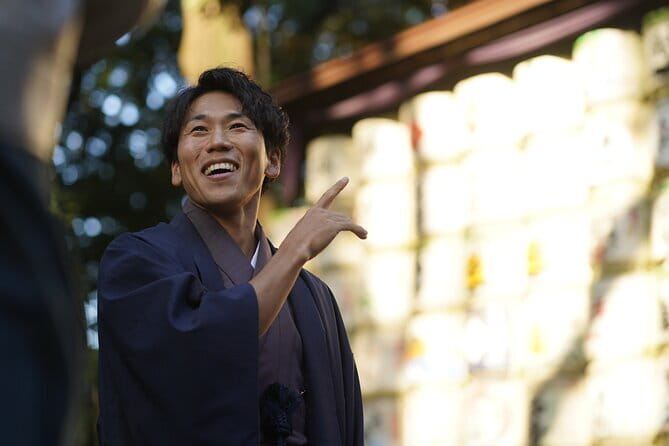
Your guide can explain the connection between the temple area, traditional streets, and modern Tokyo. That contrast is the point. In one neighborhood, you can see old religious spaces and long-established city customs, then step toward bright signs and late-night shops a short distance away.
Asakusa is also a good place for a slower start. If you need time to get oriented, take photos, or adjust to Tokyo’s scale, the temple district gives you room to do that. It may be less exciting for someone who only wants neon and nightlife, so tell your guide early if you prefer a faster, more modern route.
The tour does not promise every listed neighborhood in one night. Three hours is enough for a useful taste of several areas, but not enough for a detailed visit to all of Asakusa, Shibuya, Shinjuku, and Akihabara. The flexible format works best when you choose priorities instead of trying to collect every famous stop.
Shibuya Crossing under the city lights
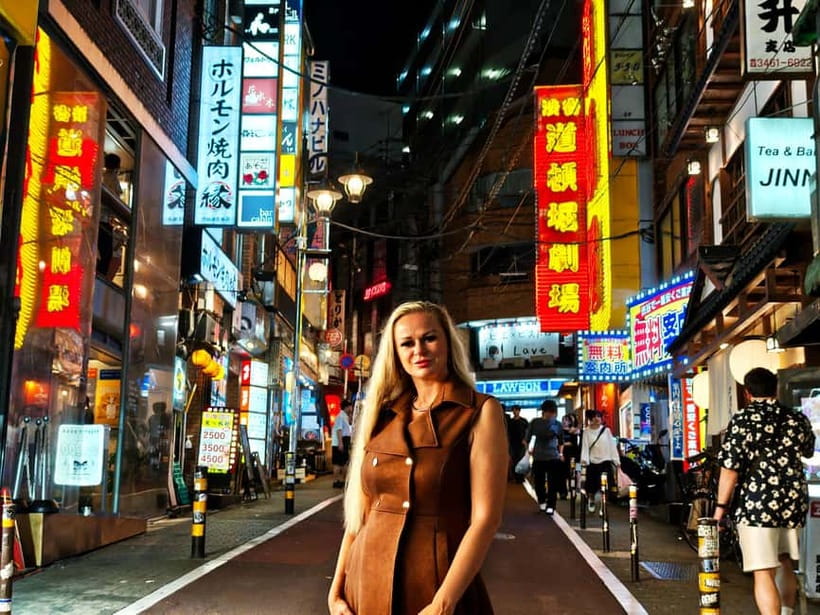
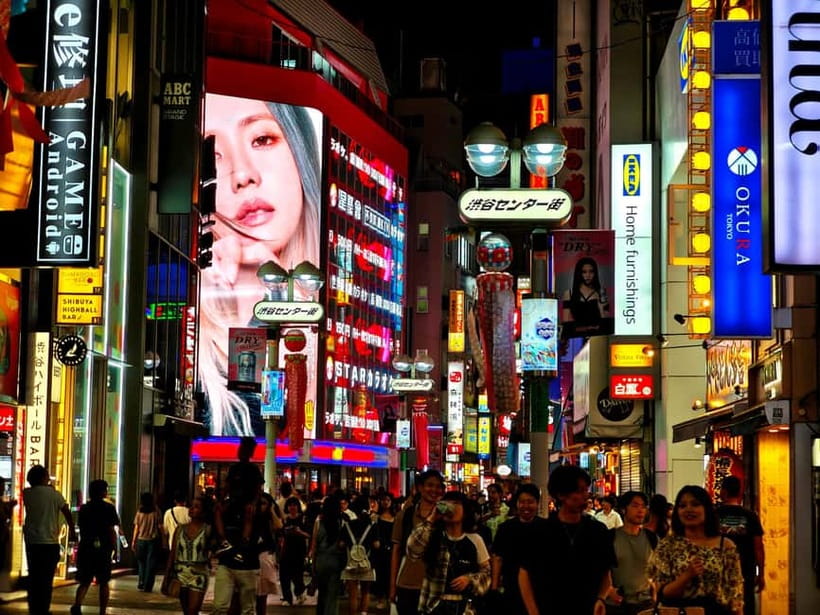
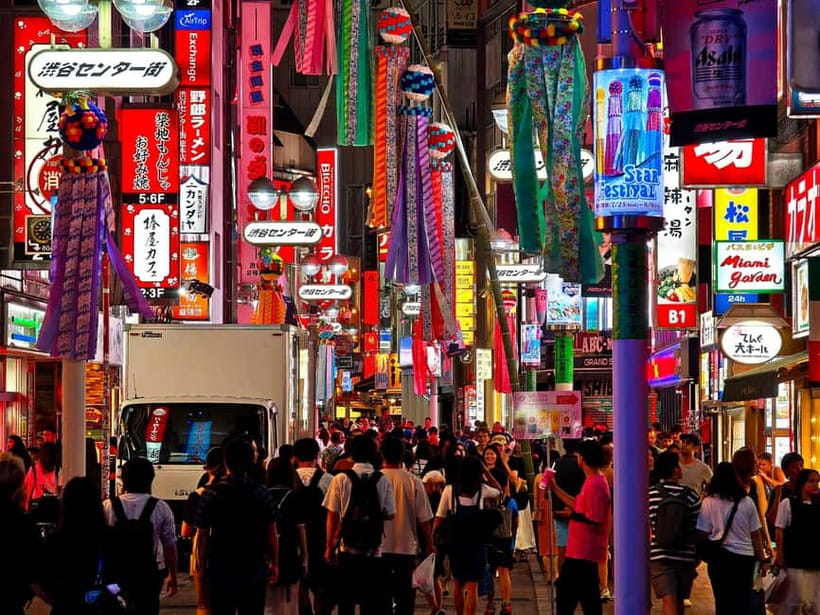
Shibuya Crossing is Tokyo’s great urban spectacle. Under billboards and glowing signs, several streams of pedestrians cross at once while traffic pauses around them. At night, the scale and light make the scene especially striking.
A guide adds value here by helping you understand where to stand and how to read the surrounding streets. The crossing itself takes only a few minutes to experience, but the district offers more than one famous intersection. Your guide may lead you to nearby streets or a photo-friendly viewpoint, depending on the route and the time available.
Shibuya suits visitors who want Tokyo’s modern energy in one concentrated stop. It can also feel crowded and loud, even in the evening. If you prefer calm temples and quiet lanes, make that clear when planning the route. If you want city lights, photographs, and a fast change of pace, Shibuya earns its place.
The practical advantage of seeing it with a private guide is flexibility. You are not waiting for a large group to gather or following a rigid schedule. You can spend a little longer taking pictures, skip a stop that does not interest you, or move on if the crowd feels tiring.
Shinjuku, from Omoide Yokocho to Kabukicho
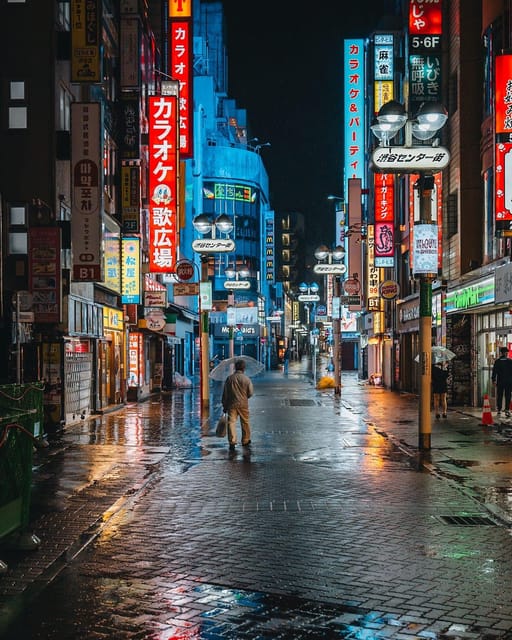
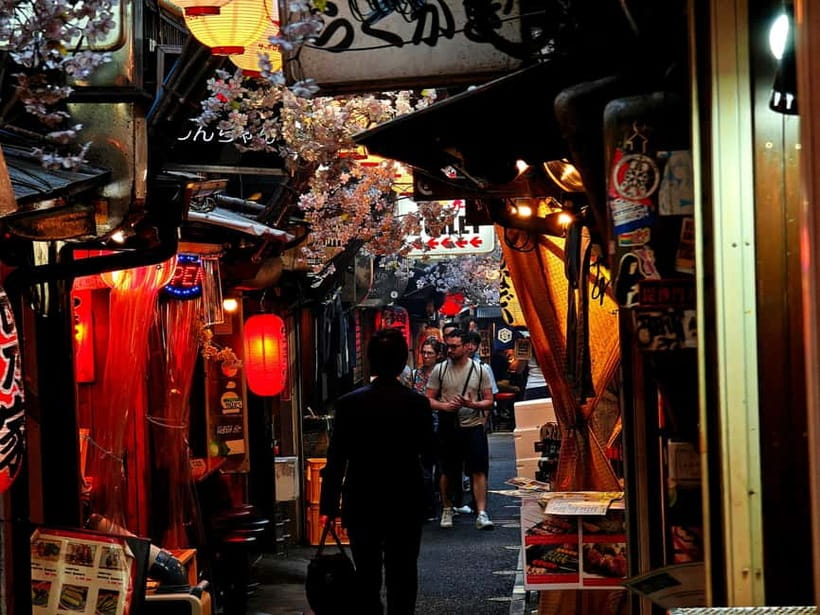
Shinjuku is where the evening route can become most atmospheric. The nightlife district fills with glowing signs, small eating places, karaoke bars, game arcades, and narrow streets. Omoide Yokocho and Kabukicho offer very different impressions of the area, and a guide helps you move between them without wasting your limited time.
Omoide Yokocho is known for its compact lanes and small izakaya-style restaurants. Even if you do not stop for a meal, walking through the area gives you a close look at a side of Tokyo that is easy to miss from a major avenue. Space is tight, so it is not the best place for a large group. Here, the private format feels useful.
Kabukicho brings larger signs, more activity, and a stronger nightlife feel. Your guide can explain the district and help you find your way through its maze of streets. The experience is about observing Tokyo at night, not about forcing you into a restaurant or bar. Food and personal spending are not included, so you decide if and where to buy something.
Shinjuku may be the best match for you if you want an evening that feels social and fast-moving. It is less suitable if you want a quiet cultural walk from start to finish. The route can be adjusted, so you can ask for more street atmosphere or less time in the nightlife zone.
Akihabara for anime, games, and technology
Akihabara offers another version of Tokyo after dark. Anime, gaming, and technology shape the signs, shops, and street life. Even if you are not an enthusiast, the district is useful for seeing how strongly Japanese pop culture influences the city’s visual identity.
Fans will likely want more time here, especially if they have specific shopping interests. The guide can help you focus rather than wander through every bright storefront. One guest specifically valued Sofia’s help in finding gifts to take home, so tell your guide if shopping is part of your goal.
Akihabara can also work for the curious first-time visitor. You do not need to know every character or game to enjoy the color and spectacle. Still, it is a specialized district. If your main interests are temples, food, or architecture, you may get more from Asakusa or Shinjuku.
The useful feature here is not simply seeing neon. It is having someone help connect the signs, stores, and street activity to the interests you bring. Since the route is private, a dedicated fan and a curious beginner do not have to receive the same evening.
Backstreets, rooftops, and the value of a local eye
The most distinctive part of this experience may be the places that are not fixed in advance. Depending on the day, your guide may take you to lesser-known alleys, rooftop views, or photogenic backstreets. These choices give the tour room to respond to weather, crowd levels, and your interests.
That flexibility is more valuable than it sounds. Tokyo is too large to understand from a list of famous stops. A guide who can say, in effect, this street is better tonight, or this area will suit your camera, can turn a basic city walk into a more personal evening.
The guides also bring different strengths. Deen adjusted a route for a group member recovering from knee surgery, while Sofia tailored a walk to a guest’s interests and shopping needs. Those examples suggest that you should be direct about mobility, shopping, photography, anime, nightlife, or temple visits before the walk begins.
The tour includes guide-taken photos if available, and a professional photographer may be available. That wording matters: treat photos as a possible bonus, not a guaranteed photo session. Bring your own camera or phone and ask about photo stops during planning.
How the private format affects the experience
This is a private group tour, so you do not share the guide’s attention with a busload of strangers. That makes a real difference in Tokyo, where narrow lanes and busy stations can quickly split a large group apart.
A private guide can also change the pace. You can linger at a temple, shorten a crowded district, or spend extra time looking for gifts. One traveler recovering from knee surgery received an adjusted route, which is a useful sign for anyone who needs a gentler plan.
Still, private does not mean effortless. The experience is designed around walking, and the total distance changes with your choices. Wheelchair access is listed, but you should discuss the route and transit needs in advance, since stations and crowded streets can present practical challenges.
Hotel or location pickup on foot is available as an optional add-on. The exact meeting time and place are confirmed after booking, so leave room in your evening plans and do not schedule a tight dinner reservation immediately afterward.
Is $83 a fair price?
At $83 per person, the cost is reasonable if you want a custom introduction to Tokyo rather than a basic orientation walk. You are paying for a private guide, route planning, local context, and the ability to shift the evening around your interests.
The value improves for couples, families, or small groups who would otherwise pay for several separate activities. Children under 12 join free, but you still need to include them in the booking. For a family, that can make the price easier to justify.
The price does not include train or subway fares, entrance tickets, meals, snacks, shopping, or private car transport. These extras are easy to manage, but you should budget for them. If you want a fully inclusive nightlife package with dinner and tickets, this is not that kind of tour.
I would compare the cost with what you need most. If you are comfortable navigating Tokyo, using transit, and choosing your own neighborhoods, you may prefer to explore independently. If you want help connecting several districts in one evening, the private format offers solid value.
Timing, fitness, and what to bring
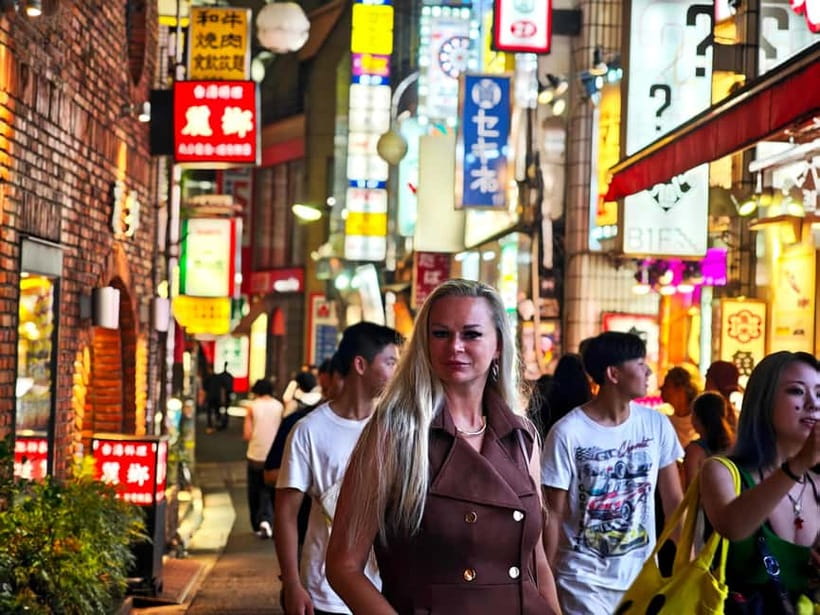
Plan on three hours, with some outings lasting three to four hours. Tours can continue until 11 PM at the latest, so this works well as an evening anchor rather than a quick pre-dinner stroll.
Wear comfortable clothes and good walking shoes. Bring a charged smartphone, camera, and enough battery for maps, photos, and transit information. You may also want a small water bottle, though food and drinks are your own expense.
The late start helps with summer heat, but it does not remove the need for stamina. You may walk between sights, stand in stations, and cover substantial ground. Tell the guide what pace suits you, particularly if anyone in your group has knee, back, or mobility concerns.
English and Spanish are available. The tour is wheelchair accessible, and the private format allows more discussion about your needs than a fixed group outing. Confirm your preferences when arranging the meeting details.
Who should book this evening walk?
I would recommend it most to first-time visitors who want to see several sides of Tokyo without spending a full day in the heat. It also suits photographers, couples, families with older children, pop-culture fans, and anyone who feels unsure about navigating Shinjuku or Akihabara at night.
It is a particularly good choice if you want a guide who listens. The strongest examples from the supplied experiences involve route changes for mobility needs, personal shopping help, and stops shaped around individual interests. Those are practical benefits, not just pleasant extras.
I would think twice if you want a long temple visit, a full meal tour, or guaranteed access to every neighborhood listed. The three-hour limit calls for choices. You will get more from the walk if you name two or three priorities rather than asking to see all of Tokyo in one night.
My verdict: book it for a tailored first evening
Book this tour if you want Tokyo’s night mood with a private guide, especially during hot weather or on your first evening in the city. The mix of illuminated Asakusa, Shibuya’s crossing, Shinjuku’s nightlife streets, and Akihabara’s pop culture gives you plenty of range, while the flexible route keeps the experience personal.
Before booking, decide what matters most: temples, photographs, nightlife, shopping, anime, or a gentle pace. Tell the guide that list, wear good shoes, and budget separately for transit and food. If you do that, $83 buys more than a checklist of sights. It gives you a capable local companion for making sense of Tokyo after dark.
FAQ
What time does the Tokyo evening tour start?
You can start any time after 4 PM. The exact meeting time and location are confirmed after booking.
How long does the tour last?
The stated duration is three hours, though tours typically last three to four hours. They can continue until 11 PM at the latest.
Which neighborhoods might the tour visit?
Possible areas include Asakusa, Shibuya, Shinjuku, and Akihabara. The route is flexible, so the exact neighborhoods depend on your interests, pace, and the guide’s plan for the day.
Is public transportation included?
No. You use Tokyo’s public transportation to move between neighborhoods, but those fares are paid separately.
Is the tour private?
Yes. The experience is for a private group rather than a large shared group.
Are children allowed to join?
Yes. Children under 12 join free, but you must include them in the booking.
What languages are available?
The tour is offered in English and Spanish.
More Evening Experiences in Tokyo


More tours in Tokyo we've reviewed

Evening Experiences, compared.
 ★ 5.0Tokyo Night Foodie Tour in Shinjuku – Seasonal Sushi, Wagyu BeefFrom $111
 ★ 4.5Tokyo After 5: Authentic Japanese Food & Drink Night TourFrom $122
 ★ 4.6Tokyo: Legend Samurai Entertainment Night in Kanda ShrineFrom $44
 ★ 4.5The Dark Side of Tokyo – Night Walking Tour Shinjuku KabukichoFrom $25
 ★ 4.8Tokyo: Night Foodie Tour in ShinjukuFrom $164
 ★ 5.0Tokyo: Daikoku JDM Car Meet & Night Car Culture TourFrom $99