Reviewed · PRIVATE
10-Day Private Tour with more than 60 Attractions in Japan
Japan in ten days can feel like a puzzle of trains, hotel changes, temple hours, and crowded roads. This private tour solves much of that by giving your group a driver, an air-conditioned car, and a route from Tokyo to Kobe that covers more than 60 sights.
In This Article
- A 10-Day Japan Route That Connects the Big Names
- Tokyo Day One: Markets, Shrines, Anime, and Big Views
- Kamakura and Yokohama: Temples Before the Waterfront
- Mt. Fuji Day Three: The View Depends on the Weather
- Hakone Day Four: Ropeways, Hot Springs, and Art
- Nikko Day Five: Shoguns, Waterfalls, and Mountain Air
- Kyoto Days Six and Seven: Major Temples With Little Wasted Motion
- Osaka Day Eight: Castles, Markets, and Neon Nights
- Nara Day Nine: Deer, Buddhist Art, and Gardens
- Kobe Day Ten: Waterfalls, Chinatown, and Mt. Rokko
- What the $9,000 Price Really Buys
- Who Will Get the Most From This Tour
- Should You Book It?
- FAQ
- How long is each tour day?
- How many people can join the private tour?
- Where does the tour start?
- Where can I be dropped off at the end?
- Are hotels and entrance fees included?
- Can the itinerary change?
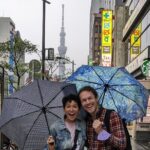
I like the personal service, especially the help with photos and the guide Newton’s cheerful storytelling. I also like the freedom to choose your own hotels and adjust the plan. The catch is important: the $9,000 group price excludes accommodation and many admission fees, and ten hours a day in the car can make this an energetic rather than leisurely trip.
- A private route across seven major destinations: Tokyo, Kamakura, Mt. Fuji, Hakone, Nikko, Kyoto, Osaka, Nara, and Kobe all fit into one trip.
- Newton’s friendly guiding style: He explains temple stories, local history, and small anecdotes while also adapting to your requests.
- A useful car-based plan: Parking, tolls, fuel, bottled water, and private transport are included.
- More than famous city sights: You’ll see bamboo groves, mountain lakes, waterfalls, traditional gardens, shrines, markets, and old neighborhoods.
- You choose the hotels: Accommodation is not included, which gives you control over comfort and budget but requires extra planning.
- The schedule is full: Each day runs about ten hours, including driving, and traffic may force changes or skipped stops.
A 10-Day Japan Route That Connects the Big Names
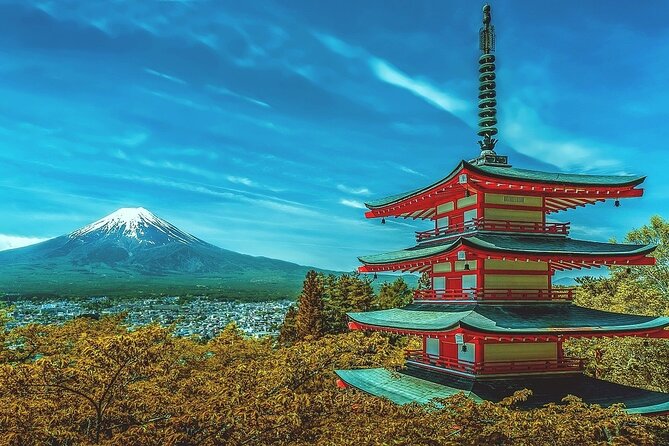
This tour is designed for a first visit when you want to see a lot without arranging every long-distance transfer yourself. It begins in Shinjuku at 7 a.m. and finishes in Kobe, with drop-off also available in Kyoto, Nara, or Osaka.
The private vehicle matters most on the days outside Tokyo. Kamakura, Yokohama, Mt. Fuji, Hakone, and Nikko are all possible by public transport, but each needs careful connections. Here, you can move directly between sights and leave the driving, tolls, parking, and route changes to someone else.
That convenience comes with a tradeoff. You are not paying only for sightseeing. You are paying for a dedicated vehicle and driver over ten long days. If your group has up to five people, the cost can make more sense when divided among everyone. For one or two people, it is a major splurge.
Tokyo Day One: Markets, Shrines, Anime, and Big Views
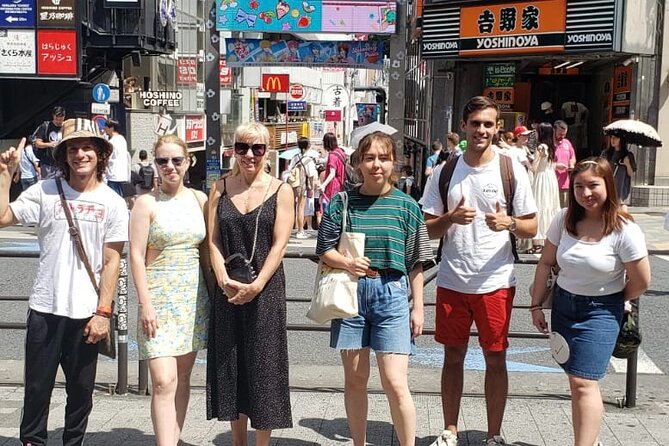
The opening day sweeps through several sides of Tokyo. At Tsukiji Fish Market, you get a quick look at one of the city’s best-known food areas. The scheduled 45 minutes is enough for a first taste, but not for a slow, meal-centered visit.
Senso-ji in Asakusa gives you a stronger dose of old Tokyo. It is the city’s oldest religious building and one of its most colorful. I would pay attention to the approach, the temple gate, and the busy street leading toward the main hall. Newton’s storytelling is useful here, since the temple has a memorable founding story and plenty of visual detail.
Tokyo Skytree follows, with about an hour for the observation decks. The admission fee is not included and is listed at 3,100 yen per person. This is one of the clearest places to ask yourself if the view is worth the extra cost, especially since the tour also includes Tokyo Tower and several free city viewpoints.
The Imperial Palace adds a quieter historical pause. You can explore the East Garden without booking, while the palace itself remains the Imperial Family’s residence. The site also connects modern Tokyo with Edo Castle and the Tokugawa shoguns.
Akihabara is a short 30-minute stop. That is enough for a quick look at the electronics shops, manga, anime, and video-game culture, but not enough for serious shopping. If this is a priority, ask to adjust the schedule.
The Statue of Liberty in Odaiba is a quick photo stop, with Rainbow Bridge behind it. It is a fun oddity rather than a major cultural sight, and the schedule notes that it is possible only if time allows.
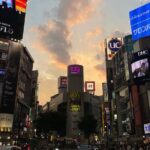
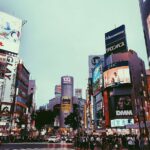
Meiji Jingu offers a sharp change of mood. The shrine sits in a forested setting in central Shibuya and honors Emperor Meiji and Empress Shoken. Then come Shibuya Crossing and Takeshita Street, two compact introductions to Tokyo’s youth culture, fashion, sweets, and crowds.
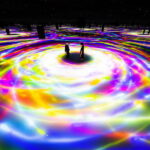
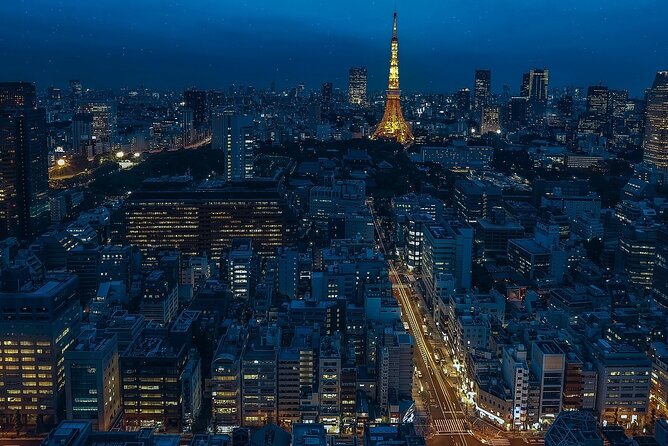
Tokyo Tower is listed for only ten minutes, so expect a photograph rather than a full visit. TeamLab Planets is another optional addition if time permits. Its water rooms, flower spaces, and large installations require a separate ticket listed at 3,800 yen per person. With eleven stops on day one, this is an ambitious schedule, not a slow city walk.
Other private tours in Tokyo

Kamakura and Yokohama: Temples Before the Waterfront
Day two moves south to Kamakura and Yokohama. Hokoku-ji, often called the Bamboo Temple, is a fine early stop, with a bamboo garden and a calmer feel than the major temple compounds. Admission is 200 yen.
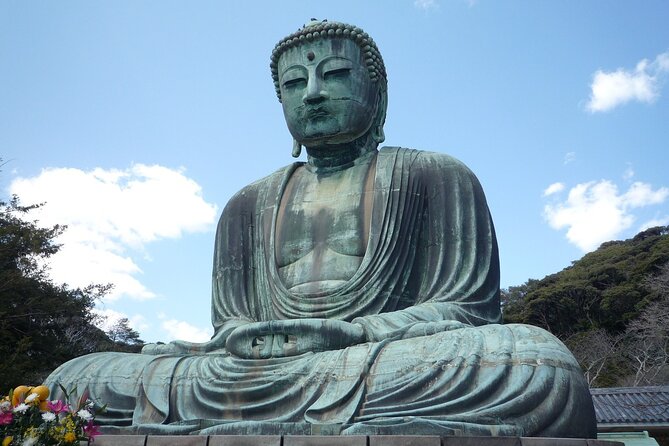
Hase-dera is known for its large wooden Kannon statue and layered temple grounds. Kotoku-in houses Kamakura’s Great Buddha, one of Japan’s most recognizable religious images. These stops are short, at 45 minutes and 30 minutes, so you will get the main sights rather than a long period for quiet reflection.
Tsurugaoka Hachimangu is Kamakura’s central shrine and a cultural gathering place. Its ponds represent the Taira and Minamoto clans, adding a bit of historical meaning to the broad approach and shrine buildings. Komachidori gives you 90 minutes for food, sweets, souvenirs, and browsing.
The afternoon continues to Yokohama Chinatown, a compact district with food stalls, shops, and a long connection to the city’s Chinese community. Sankeien Gardens offers a more traditional setting, but its 900-yen entry fee is extra.
Minatomirai is included only if time permits. Its modern waterfront, high-rises, and shopping areas provide a useful contrast with Kamakura’s temples, although traffic between Kamakura and Yokohama can make this day difficult to complete exactly as written.
Mt. Fuji Day Three: The View Depends on the Weather
Day three is built around views of Mt. Fuji. Start at Oshino Hakkai, where eight springs are fed by water from the mountain. Chureito Pagoda is another classic photo location, followed by Lake Kawaguchiko and the Mt. Fuji Panoramic Ropeway.
The ropeway rises from Lake Kawaguchiko toward Mt. Tenjo and offers a broad view over the lake and mountain area. The listed fee is 800 yen per person. Oishi Park is another good viewing stop, especially when its lavender provides color in the foreground.
Saiko Iyashi no Sato Nemba recreates an old-style village with thatched buildings. Its 500-yen admission is extra, but it gives the day more than repeated mountain photographs. The nearby Arakura Fuji Sengen Shrine and its hillside park add another viewpoint.
The Mt. Fuji 5th Station receives two hours. It is a popular starting point for climbers and gives you the atmosphere of the mountain’s upper slopes without requiring a climb. The listed admission is 2,100 yen per group.
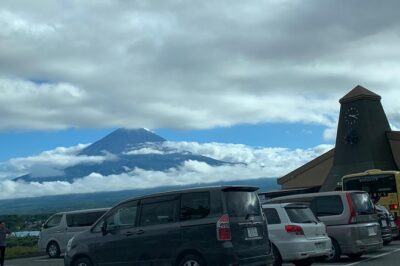
Gotemba receives another two hours. The area is associated with green tea grown near Mt. Fuji and with Shizuoka’s agricultural products. The key warning is weather. Clouds may hide Mt. Fuji, and the operator may change the route or skip a stop if conditions, traffic, or crowds become difficult.
Hakone Day Four: Ropeways, Hot Springs, and Art
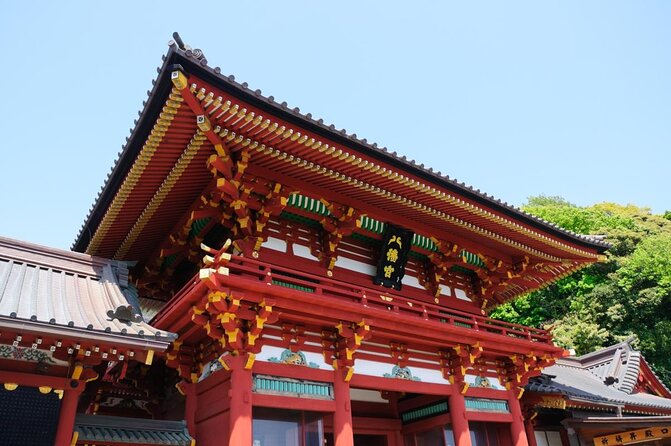
Hakone is a mountain day with several paid add-ons. Amazake-chaya Tea House, founded 400 years ago, offers a chance to rest and try amazake made from a long-used recipe. It is one of the more distinctive food stops on the route.
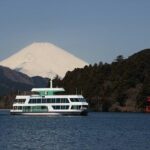
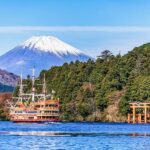
Hakone Shrine sits in forest near Lake Ashi, with its famous setting beside the water. The shrine admission is listed at 500 yen. A Lake Ashi cruise costs 900 yen, and the tour can also take you on the Hakone Ropeway for 900 yen one way.
The ropeway links Sounzan and Togendai through Owakudani. At Owakudani, volcanic ground and sulfurous air create a memorable stop. The black eggs, boiled in the hot springs, are the local snack to look for. The listing shows no separate admission for the valley, but the transport and food are separate considerations.
Gora Park and the Hakone Open-Air Museum round out the day. Gora Park costs 550 yen, while the museum costs 1,500 yen. The museum spreads sculptures through a large outdoor setting and is one of the route’s better choices for people who need a break from temples.
Nikko Day Five: Shoguns, Waterfalls, and Mountain Air
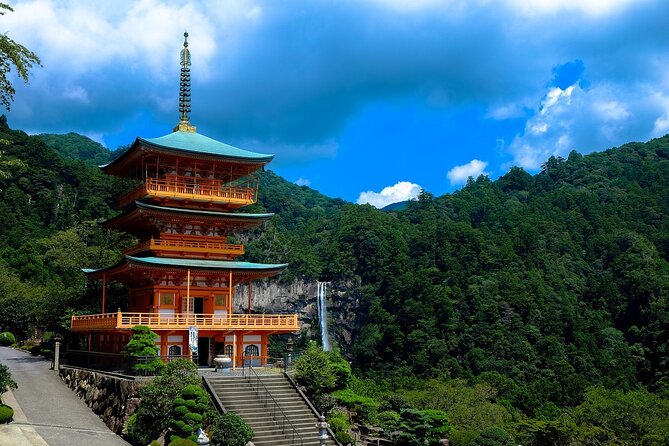
Nikko brings imperial and religious Japan together. Toshogu Shrine is the main event, with two hours set aside for its colorful buildings and elaborate carvings. It honors Tokugawa Ieyasu, founder of the shogunate that ruled Japan from 1603 to 1867. Admission is listed at 800 yen.
Shinkyo Bridge is a short, graceful stop over the Daiya River. Narabi Jizo offers something quieter: a row of stone Jizo figures associated with protecting children and travelers. The Nikko Tamozawa Imperial Villa Memorial Park shows a blend of late Edo, Meiji, and Taisho-era architecture, with a 550-yen entry fee.
The road then climbs toward Akechidaira Observation Area, Kegon Falls, and Lake Chuzenji. Akechidaira costs 500 yen and provides views toward the falls, lake, and Mt. Nantai. Kegon Falls costs 500 yen, while Lake Chuzenji is free to see.
This is another day where road conditions matter. The sights are spread across different elevations, so the private vehicle saves time and effort. Autumn leaves are a particular draw at the observation area, but the schedule does not promise a specific seasonal view.
Kyoto Days Six and Seven: Major Temples With Little Wasted Motion
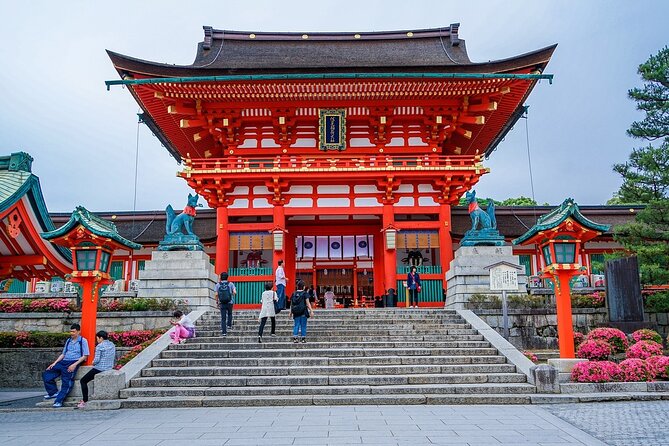
Kyoto receives two packed days. Kiyomizu-dera is the headline stop on day six, followed by Sanjusangendo, Yasaka Shrine, Nishiki Market, Fushimi Inari, and Nijo Castle.
Kiyomizu-dera’s wooden buildings and hillside position make it one of Kyoto’s essential visits. Sanjusangendo is known for its long temple hall and rows of Buddhist statues. Entry fees are 400 yen and 600 yen respectively.
Yasaka Shrine is free and ties the day to Kyoto’s festival traditions. Nishiki Market gets two hours, which is useful because this is one of the few places where you can slow down over food, small shops, and local ingredients.
Fushimi Inari’s orange torii gates stretch up Mt. Inari. You can walk only partway and still see the famous effect, but the one-hour schedule will not cover the full route. Nijo Castle, with its rings of fortifications, palace buildings, and gardens, closes the day. Admission is listed at 1,300 yen.
Day seven turns west to Kinkakuji, the Golden Pavilion. The upper floors are covered in gold leaf and reflect in the pond. Forty minutes is enough for the main view, though the grounds can be crowded.
Arashiyama follows with the bamboo forest, Tenryuji Temple, an observation deck, the Kimono Forest, and Monkey Park Iwatayama. The bamboo paths are free, while Tenryuji costs 500 yen, the observation deck 630 yen, and Monkey Park 550 yen. Monkey Park requires a walk uphill, so it is not simply another roadside photo stop.
Gion receives two hours. This is the place to slow down, look at traditional streets, and remember that it is a working district, not a theme park. The tour presents it as an atmospheric evening stop, but no special night walk or meal is included.
Osaka Day Eight: Castles, Markets, and Neon Nights
Osaka’s day begins at Osaka Castle, a major symbol of the city and a key site in the unification of Japan during the sixteenth century. Entry is 650 yen.
Shitennoji is an early Buddhist temple with a long tradition, though its buildings have been rebuilt many times. Sumiyoshi Taisha offers a free shrine visit and a different style of religious architecture.
TeamLab Botanical Garden Osaka is an evening-style outdoor art experience in a botanical garden. The works respond to wind, rain, trees, and birds, with an entry fee listed at 1,800 yen. It is another optional-feeling addition in a day already filled with major stops.
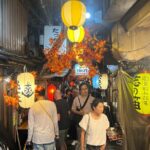
Kuromon Market offers street food, seafood, produce, and souvenirs. Dotonbori then gives you two hours beside the canal, with bright signs, restaurants, and Osaka’s famous entertainment district. These food-focused stops are where you should protect your time if eating is more important to you than collecting another temple visit.
Nara Day Nine: Deer, Buddhist Art, and Gardens
Nara is compact enough to feel less frantic than Kyoto, but the day still includes several stops. Nigatsudo is part of the Todai-ji complex and sits on a hillside above the Great Buddha Hall area. The listed admission is 800 yen.
Kofuku-ji was once one of Nara’s powerful major temples. Nara Park is free and known for its roaming deer and famous religious sites. The deer are the star, but you should treat them as animals, not props, and follow local instructions when feeding them.
Sanjo-dori gives you time along Nara’s main boulevard, with shops and city life. Isuien Garden and the Neiraku Museum close the day. Entry is 1,200 yen per person, and this is a worthwhile choice for anyone who wants a composed garden setting after the larger temple grounds.
Kobe Day Ten: Waterfalls, Chinatown, and Mt. Rokko
The final day shifts to Kobe. Nunobiki Falls sits close to downtown and connects natural scenery with Japanese art and literature. Ikuta Shrine is among the city’s oldest shrines and includes the historic Ikuta Forest area.
Kobe Chinatown, known as Nankin-machi, is a good lunch and browsing stop near Motomachi. The final mountain outing uses the Rokko Cable Car, listed at 1,030 yen one way. The cable route climbs about 500 meters from the lower station.
Weathercock House, also called the Former Thomas House, is one of Kobe’s Ijinkan buildings. Admission is 500 yen. The day ends with drop-off in Kobe, Kyoto, Nara, or Osaka, which is helpful if you are continuing your trip rather than staying in Kobe.
What the $9,000 Price Really Buys
The $9,000 cost covers the whole private group of up to five, not each person. It includes the air-conditioned vehicle, private transport, fuel, parking, tolls, bottled water, and help taking pictures or making videos.
It does not include hotels, meals, or the long list of entrance fees. If you paid every listed admission for one person, the total would add up quickly. The exact amount depends on which optional attractions you choose, but Tokyo Skytree, TeamLab, Hakone transport, Kyoto temples, Osaka attractions, and Nikko sites can turn the base price into a much larger trip budget.
For five people, the base cost works out to $1,800 each before those extras. For a couple, it is $4,500 each. I would book it for a family or close-knit group that values convenience and wants a driver for the out-of-town days. I would not choose it for a solo visitor or a pair on a tight budget.
The hotels being separate is both a strength and a weakness. You can choose simple lodging or a higher-end stay, but you must coordinate locations with the daily route. Ask how the pickup and drop-off plan works with your selected hotels before paying.
Who Will Get the Most From This Tour
This suits first-time visitors who want a broad introduction and do not want to handle Japan’s intercity transport themselves. It is also useful for families, older adults, or groups that want door-to-door movement and a private setting.
Newton’s style, based on the feedback associated with the experience, is cheerful, active, and story-focused. He is also praised for driving carefully, adapting to requests, and keeping the mood light in very hot weather. That personal touch may matter as much as the route itself.
You should think twice if you prefer long museum visits, unplanned meals, slow neighborhood walks, or public transport. The schedule often allows 30 to 60 minutes per sight, and the daily total includes commuting time. Traffic may lead to changes, skipped stops, or a different order.
Free cancellation is available up to 24 hours before the start time. The experience depends on good weather, with a different date or full refund offered if poor weather causes cancellation.
Should You Book It?
Book this private Japan tour if your priority is maximum coverage with minimum transport hassle. The route gives you Tokyo’s major districts, Kamakura temples, Mt. Fuji viewpoints, Hakone scenery, Nikko’s shrines, Kyoto’s classics, Osaka nightlife, Nara’s deer, and Kobe’s hills in one tightly arranged trip.
Before booking, price out your hotels and entrance fees, confirm which optional stops matter most, and accept that ten-hour days can be tiring. If you do, the private car, flexible route, and Newton’s warm guiding style make this a practical choice for a group of four or five seeing Japan for the first time.
FAQ
How long is each tour day?
Each day lasts about ten hours, including commuting time.
How many people can join the private tour?
The $9,000 price covers one private group of up to five people.
Where does the tour start?
The tour starts in Shinjuku, Tokyo, at 7:00 a.m.
Where can I be dropped off at the end?
The final day is in Kobe, but drop-off can be arranged in Kobe, Kyoto, Nara, or Osaka.
Are hotels and entrance fees included?
No. Accommodation and many attraction admissions are extra. The tour does include the vehicle, private transport, bottled water, fuel, parking, and toll charges.
Can the itinerary change?
Yes. Traffic, crowds, long waiting times, and weather can lead to changes or skipped stops. You can also discuss itinerary adjustments for your private group.
More Private Tours in Tokyo

More tours in Tokyo we've reviewed
Private, compared.
 ★ 5.0Tokyo 6hr Private Tour with Government-Licensed GuideFrom $155
 ★ 5.0Private Tour to Mt. Fuji and Hakone (Fully Licenced Operator)From $497
 ★ 5.0Tokyo Customized Private Tour (Must See Places in 1 Day)From $145
 ★ 4.8Tokyo: Private City Highlights Tour with Local GuideFrom $1064 - 8 hours
 ★ 5.0Private Custom Tour: Tokyo in a DayFrom $159
 ★ 5.0Tokyo 4hr Private Tour with Government-Licensed GuideFrom $109