Reviewed · MT FUJI DAY TRIPS
Mt. Fuji Private Chartered Tour with Nature and Wasabi Farm
Mt. Fuji is only part of the story here. This private day takes you from Tokyo to a sacred shrine, a five-story pagoda, living wasabi fields, spring-fed villages, and possibly the mountain’s 5th Station. The wasabi farm is the surprise star, especially if you get to pull a plant from the water and taste it fresh.
In This Article
- Key points to know before booking
- Why the private format matters on a 10-hour Fuji day
- Arakura Fuji Sengen Shrine and the pagoda view
- Kikuchi Wasabi Farm, where water is the main attraction
- Lunch near Fuji with practical dietary choices
- Mt. Fuji 5th Station, with a weather backup
- Oshino Hakkai and Mt. Fuji’s spring water
- What happens when Fuji disappears behind clouds
- The $658.89 price and what you receive
- Who will enjoy this Fuji outing most
- Should you book this private Mt. Fuji tour?
- FAQ
- How long is the Mt. Fuji private tour?
- Where does the tour start?
- Is this a private tour?
- Does the tour include lunch?
- Will the tour always visit Mt. Fuji 5th Station?
- Can I see and taste fresh wasabi?
- What is the cancellation policy?
I like the private car and flexible plan, which matter on a long day with several stops. I also like the thoughtful food options, since lunch can accommodate vegan and gluten-free diets. The drawback is simple: Mt. Fuji controls the schedule. Clouds can erase the big view, and the drive from Tokyo makes this a full, tiring day.
Key points to know before booking

- Fresh wasabi in a working farm: Wear the supplied rubber boots if offered, walk through the water-fed fields, and learn how the plant grows.
- Private access to a classic Fuji view: Arakura Fuji Sengen Shrine and its pagoda offer one of Japan’s most famous views when the weather cooperates.
- Weather changes the day: The guide may choose the 5th Station, Kawaguchi area, or another stop depending on visibility.
- A real private tour: Only your group participates, with a guide, driver, lunch, and entrance fees included.
- A long day outside Tokyo: Plan on about 10 hours, beginning at 8:00 a.m. from Shinjuku or with hotel pickup.
- Good for mixed diets and mixed interests: The day combines shrines, food, farming, mountain views, and village springs rather than focusing only on photographs.
Why the private format matters on a 10-hour Fuji day
A Mt. Fuji outing from Tokyo is not a quick hop across town. You leave at 8:00 a.m. and spend roughly 10 hours on the road and at several stops. With a private car, you do not have to manage train connections, local buses, or the timing of a large group.
You can meet at the Tiffany & Co. Shinjuku Store on 3-chōme-30-11 Shinjuku, or request pickup at your Tokyo hotel. The tour ends back at your hotel or the meeting point, depending on the pickup arrangement. The private setup is most useful for families and groups of friends, particularly when people have different interests or need a flexible lunch.
Your guide rides with you and explains the day as you go. Names connected with this tour include Nao, Ramesh, Yuki, Mark, and Toshi, also called Toshison. The strongest praise centers on friendly communication, punctual pickup, useful explanations, and the ability to adjust the schedule when weather or personal interests get in the way.
That flexibility is not a small perk. A clear Fuji day may call for the 5th Station, while a cloud-covered summit makes a shrine, waterfall, farm, or village a better use of your time. You are paying for a private plan that can react to conditions rather than follow a fixed route at all costs.
A few more Tokyo tours and experiences worth a look
Arakura Fuji Sengen Shrine and the pagoda view

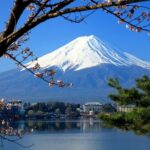
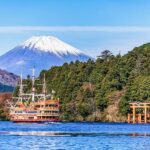
The first major stop is Arakura Fuji Sengen Shrine and its park. The classic photograph here frames Mt. Fuji behind a five-story pagoda, creating one of the most recognizable views in Japan. When the mountain is visible, this is the image many people hope to bring home.
The stop lasts about 30 minutes, so use your time well. The path includes stairs, and one particularly enthusiastic account called the climb tough. You should wear comfortable shoes and avoid treating this as a casual roadside photo stop. The climb is manageable for many people, but it can be a poor match for anyone who struggles with stairs.
The shrine adds more than a famous viewpoint. It gives you a sense of how Mt. Fuji is tied to Japanese spiritual life, with sacred places built around the mountain rather than simply facing it as scenery. Your guide can help connect the shrine, the pagoda, and Fuji worship in a way that a quick photo stop cannot.
Clouds are the great spoiler. The pagoda remains attractive, but the famous composition loses much of its force if Fuji disappears. The good news is that the guide does not treat one missed view as a failed day. Several other stops have value even under gray skies.
Kikuchi Wasabi Farm, where water is the main attraction
The wasabi farm is the most unusual part of the day. Rather than seeing wasabi only as the green paste beside sushi, you get to visit fields fed by clean mountain water and learn how the plant is cultivated. The farm is described as more than 100 years old, surrounded by rivers and mountains.
At the farm, you may be able to harvest wasabi and taste it fresh. Rubber boots are used for the field experience, a detail worth remembering when you plan clothing. This is hands-on in a modest, practical way. You are not just looking at rows of plants from behind a fence.
The farm also explains why Mt. Fuji’s spring water matters. Snow and rain filter through the mountain before emerging as cold, clear water in the surrounding region. That water supports agriculture, village life, and local food traditions. The stop turns a familiar condiment into a lesson in geology, farming, and place.
The visit is scheduled for about 30 minutes, so it is a short introduction rather than a long agricultural tour. Still, it gives the day a strong sense of local character. The pagoda is the expected Fuji stop. A wasabi field is something you are less likely to arrange easily on your own.
Lunch near Fuji with practical dietary choices

Lunch takes about an hour and features regional Japanese food near Mt. Fuji. Vegan and gluten-free options are available, which is a real advantage when you are spending a full day outside Tokyo and do not want to gamble on finding a suitable meal.
The exact restaurant and menu can vary with the day’s plan. That is worth accepting because the private format is built around local conditions and group needs, not a single rigid dining arrangement. If your group has food restrictions, make sure they are clearly included when you book.
The meal is also a useful pause between outdoor stops. You have already dealt with stairs and a farm visit, and the afternoon may include higher elevations or more walking. A proper lunch gives you time to warm up, regroup, and ask the guide about the next section.
A few people who took this tour especially valued a small local meal rather than a hurried stop at a highway facility. That fits the tone of the experience: it aims to connect you with regional food instead of treating lunch as fuel between photographs.
Mt. Fuji 5th Station, with a weather backup

After lunch, the guide checks the conditions for Mt. Fuji’s 5th Station. If visibility is good, you can reach a point close to the mountain and look up at Fuji from a different angle. This is not the same view as the pagoda. At Arakura, Fuji is a distant backdrop. At the 5th Station, the mountain feels much nearer.
The scheduled stop is about 30 minutes. The short visit makes sense in a day already covering a wide area, but you should not expect a long mountain excursion or a climb toward the summit. This is a scenic and cultural stop, not a mountaineering tour.
If clouds or poor conditions block the view, the guide may substitute the Kawaguchi area. That is a sensible approach. Paying for a drive to a cloud bank is not a good use of your day, and the private format lets the guide protect your time.
Some departures have also included an old shrine near the 5th Station, depending on the exact route and conditions. Because the day is tailored, do not assume every group will see precisely the same combination of stops. Ask your guide what is realistic on the morning of your tour.
Other private tours in Tokyo


Oshino Hakkai and Mt. Fuji’s spring water

Oshino Hakkai is a small village known for natural springs supplied by Mt. Fuji. The water comes from the mountain and emerges in clear pools, giving the village its special character. On a good day, you may also see Fuji reflected in the water.
The stop lasts about 30 minutes, so think of it as a focused visit rather than a long village walk. You can look at the springs, take photographs, and listen as your guide explains the relationship between the water and the mountain.
This is one of the best stops for understanding Fuji as a source of life, not just a beautiful cone. The mountain supplies water to farms and communities far below its slopes. That idea links naturally with the wasabi farm, where water is also central to cultivation.
Oshino Hakkai can be busy, though the supplied information does not promise a quiet visit. The private vehicle helps with the wider route, but it cannot control conditions at a popular village. The real value here is the combination of clear springs, traditional surroundings, and a guide who can explain what you are seeing.
What happens when Fuji disappears behind clouds

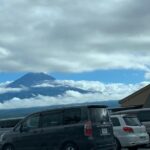
You should book this tour for the region, not for a guaranteed photograph. The mountain is often hidden by cloud, haze, or rain, and no private vehicle can change that. Several departures have gone ahead in poor weather and still made room for the waterfall area, wasabi farm, local lunch, shrines, sake, matcha, or wine tasting, depending on the route.
The tour description specifically allows the plan to shift with weather. That is its best defense against disappointment. A guide such as Nao can adjust the schedule around your interests, while Ramesh, Yuki, Mark, and Toshi have each been singled out for friendly service, clear communication, or strong local explanations.
Still, be realistic. If your only goal is to stand beneath a cloudless Mt. Fuji, this is a gamble. Consider building a little flexibility into your Japan schedule, so a less-than-perfect forecast does not carry too much emotional weight.
The activity ends with a tasting of sake, matcha, or wine. The exact choice may depend on the day and route. It gives the return journey a pleasant cultural finish, especially for adults who want more than scenic stops.
The $658.89 price and what you receive

At $658.89 per person, this is an expensive day trip. The price makes more sense when you consider that it covers a private guide, private driver and vehicle, lunch, entrance fees, and hotel pickup when arranged. You are not simply buying transportation to a viewpoint.
Value depends heavily on group size. For one or two people, the per-person figure is hard to defend unless you place a high value on comfort, flexibility, and personal guiding. For a family or group of friends, the private format can compare more favorably with booking several separate tickets, arranging local transport, and paying for meals and admissions on your own.
Group discounts are offered, though the supplied details do not give the discount amount. Check the final price for your party before booking. The tour also provides a mobile ticket, and confirmation arrives at booking.
I would compare this with a standard group bus trip only if price is your first concern. A group tour may cost less, but it will usually offer less control when clouds arrive, less time for questions, and fewer chances to follow a specific interest such as farming, shrines, or food.
Who will enjoy this Fuji outing most
I would recommend this day to families, couples, and groups of friends who want a broad introduction to the Mt. Fuji area without arranging every transfer themselves. It suits you especially well if you like mixing scenery with culture and food.
The day also works for people with a clear personal interest. You can ask for more attention to photography, local traditions, outdoor stops, or food, subject to time and conditions. The guides are described as flexible, and that matters more here than a long list of fixed attractions.
Vegan and gluten-free diners have a useful advantage. Most travelers can participate, and the meeting point is near public transportation if you choose to start in Shinjuku rather than use hotel pickup.
I would hesitate to recommend it to someone who wants a relaxed, slow-paced day. Ten hours, several stops, a long drive from Tokyo, stairs at Arakura, and changing weather make this an active outing. It is also not a dedicated hiking tour, so serious walkers may find the outdoor portions too brief.
Free cancellation is available if you cancel at least 24 hours before the 8:00 a.m. start. Changes or cancellations inside that window are not accepted for a refund.
Should you book this private Mt. Fuji tour?
Book it if you want one efficient day that covers Fuji views, a shrine, a pagoda, a working wasabi farm, spring water, lunch, and a possible tasting. The strongest reason to choose it is not simply the private car. It is the guide’s ability to keep the day worthwhile when the mountain refuses to appear.
The wasabi harvest is the detail that separates this from a standard Fuji photo trip. The fresh water, rubber boots, and chance to taste the plant add a real local experience. Add the private planning and dietary support, and the tour has a strong case for a family or small group.
Skip it if your budget is tight, you dislike long day trips, or you need a guaranteed Fuji view. For everyone else, especially first-time visitors who want nature and culture in one carefully managed day, this is a well-rounded and unusually personal way to get beyond Tokyo.
FAQ
How long is the Mt. Fuji private tour?
The experience lasts approximately 10 hours, beginning at 8:00 a.m. and returning to Tokyo afterward.
Where does the tour start?
You can meet at the Tiffany & Co. Shinjuku Store at 3-chōme-30-11 Shinjuku, Shinjuku City, or arrange pickup at your Tokyo hotel.
Is this a private tour?
Yes. Only your group participates in the activity, with a private vehicle, guide, and driver.
Does the tour include lunch?
Yes. Lunch is included, with vegan and gluten-free options available.
Will the tour always visit Mt. Fuji 5th Station?
The 5th Station is visited when the weather allows a good view. If conditions are poor, the guide may substitute the Kawaguchi area or another suitable stop.
Can I see and taste fresh wasabi?
The tour includes a visit to Kikuchi Wasabi Farm, where you can learn about cultivation and may harvest and taste fresh wasabi. Rubber boots are used for the field activity.
What is the cancellation policy?
You can cancel for a full refund up to 24 hours before the experience starts. Cancellations or changes made less than 24 hours before the start time are not accepted for a refund.
More Private Tours in Tokyo
More Mt Fuji Day Trips in Tokyo

More tours in Tokyo we've reviewed












Mt Fuji Day Trips, compared.
 ★ 5.0Mt Fuji and Hakone 1-Day Bus Tour Return by Bullet TrainFrom $163
 ★ 4.0Mt Fuji & Hakone Cruise, Drum Show Bullet Train 1 Day from TokyoFrom $149
 ★ 4.4Tokyo Mt Fuji 5th St & Hakone Cruise Bus Tour w/Bullet TrainFrom $15410 hours
 ★ 4.5From Tokyo: Mount Fuji Full-Day Sightseeing TripFrom $6810 hours
 ★ 4.7Tokyo: Mt. Fuji Tour, Hakone Ropeway, Owakudani, Lake AshiFrom $5410 hours
 ★ 4.4Tokyo:Mt.Fuji,Kawaguchiko Oishi Park,Arakurayama Sengen ParkFrom $5410 hours