Reviewed · SHINJUKU TOURS
Tokyo: Shinjuku Ramen Tour Taste 4 Mini Bowls of Tradition
Tokyo’s ramen culture makes more sense once you taste the main styles side by side. This 2-hour-30-minute tour moves through Shinjuku and Kabukicho, serving four mini bowls: shio, miso, shoyu, and tonkotsu. The small portions let you compare the broths without turning lunch into a food endurance test.
In This Article
- Key Points to Know Before You Book
- Why Four Mini Bowls Work Better Than One Big Bowl
- Starting in Shinjuku 3 Chome with Shio Ramen
- Kabukicho Brings Miso Into the Lineup
- Shinjuku Finishes with Shoyu and Tonkotsu
- What the Guide Adds to the Meal
- Is $114 a Fair Price for the Ramen Tasting?
- Who Will Enjoy This Shinjuku Food Walk?
- Timing, Group Size, and Practical Details
- My Take: Book It for the Comparison
- FAQ
- How many types of ramen do you taste?
- How large are the ramen servings?
- How long does the tour last?
- Where does the tour begin?
- What time does the tour start?
- Where does the tour end?
- Is transportation included?
- How many people can join?
- Can I cancel for a full refund?
I like the clear structure and the small group size, capped at seven people. I also like that guides such as Yo and Kazu bring in the history, ingredients, regional differences, and cooking methods instead of simply handing you bowls and pointing to the noodles. The main drawback is the price: at $114 per person, you are paying a premium for guidance and access to several tastings, and transportation is not included.
Key Points to Know Before You Book

- Four classic ramen styles: Taste shio, miso, shoyu, and tonkotsu in mini portions.
- Three Shinjuku-area stops: The route includes Shinjuku 3 Chome, Kabukicho, and another Shinjuku stop.
- A small group setting: The maximum is seven participants, which suits a conversational food walk.
- Guides add context: Yo and Kazu are among the guides associated with the experience, with explanations covering ramen history, toppings, broth, and regional differences.
- A 1:30 pm start: The afternoon timing works well as a substantial lunch or an early dinner.
- $114 buys more than noodles: The fee includes four mini bowls and a local guide, but not transportation.
Why Four Mini Bowls Work Better Than One Big Bowl

Ramen is not one dish with four minor variations. Shio, miso, shoyu, and tonkotsu can differ sharply in taste, aroma, weight, and aftertaste. Sampling them in one sitting gives you a useful reference point that is hard to build when you eat one bowl at a time on separate days.
Shio ramen is seasoned mainly with salt. It can taste lighter and cleaner than the other three styles, though light does not mean bland. The broth may let you notice the noodles, toppings, and underlying stock more clearly.
Miso ramen brings fermented soybean paste into the bowl. It tends to have a fuller, more rounded taste. If you enjoy savory food with a strong, comforting character, this may become your favorite.
Shoyu ramen uses soy sauce as a major seasoning. It often gives the broth a darker color and a distinct salty, savory edge. One especially useful part of the tasting is noticing how soy sauce changes the character of the soup without making it the same as miso.
Tonkotsu ramen is built around pork bone broth. It is usually the most substantial of the four styles in this tasting, with a fuller mouthfeel that some people immediately prefer. The tour gives you a chance to compare that weight with the cleaner profile of shio and the fermented depth of miso.
The portions matter. Four full bowls would be too much for most people, especially when you want to pay attention to subtle differences. Mini servings turn the meal into a guided comparison rather than a race to finish.
A few more Tokyo tours and experiences worth a look
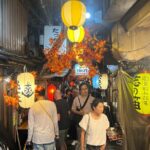
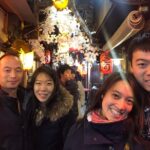
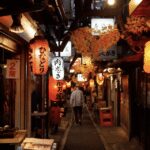
Starting in Shinjuku 3 Chome with Shio Ramen
The tour begins at Trn, 3-chōme-28-15 Shinjuku, Shinjuku City, Tokyo 160-0022, at 1:30 pm. The meeting point is near public transportation, but the experience does not include transportation, so you need to get there on your own and allow time to find the exact address.
The first tasting focuses on shio ramen and lasts about 30 minutes. This is a sensible opening course because salt-based broth gives your palate a relatively direct introduction to the basic balance of ramen. You can focus on seasoning, broth, noodles, and toppings before moving into the heavier styles.
I would pay attention here to how the broth feels rather than judging it only by strength. Some people arrive expecting every ramen bowl to be bold and heavy, then discover that salt ramen is their surprise favorite. A mini bowl is particularly useful for this style because it gives you enough to understand the flavor without asking you to make a full meal of it.
The first stop is also a chance to ask questions. The supplied information does not specify the name of the shop, exact toppings, or noodle type, so those details may vary. Your guide can explain what is being served on the day and how it fits into the larger ramen picture.
Kabukicho Brings Miso Into the Lineup
The second stop is in Kabukicho, with about 30 minutes devoted to miso ramen. Moving from shio to miso should make the contrast easy to notice. You go from a seasoning that can feel clean and direct to one with a deeper fermented flavor and a more pronounced savory body.
This stop gives the guide a natural opening to discuss how ramen styles differ across Japan. The tour is not limited to a quick list of ingredients. The educational side covers ramen’s history, regional differences, cooking techniques, broth, and toppings, so the tasting has a practical purpose.
Kabukicho is one of the best-known areas in Shinjuku, but this tour is not designed as a sightseeing circuit. The point is to visit ramen shops and compare bowls. If you want a long walking tour focused on Tokyo landmarks, this is not the right format. If you want a food-centered route with short stops and a clear theme, the neighborhood setting works well.
The 30-minute stop also keeps the pace moving. You have enough time to eat a mini bowl and talk through it, but you are not sitting through a long restaurant meal. That makes the outing easy to fit between other afternoon plans.
Shinjuku Finishes with Shoyu and Tonkotsu

The final Shinjuku stop lasts about an hour and includes two styles: shoyu and tonkotsu. This is the longest part of the tour, and it makes sense to place the two remaining bowls together. By this stage, you have already established a baseline with shio and miso, so the last comparison becomes more meaningful.
Shoyu is a useful bridge between the styles. Soy sauce brings a recognizable savory note, but the bowl can still feel lighter than tonkotsu. The experience gives you a chance to notice whether the broth’s main character comes from seasoning, stock, or both.
Tonkotsu then provides the bold finish. It is made with pork bone broth and is often the bowl people remember most clearly. If you prefer a lighter soup, you may find it rich by the end of the tasting. If you like full-bodied broth, this may be the highlight.
Because two bowls are served at the final stop, pacing becomes important. Take your time, taste each broth before adding anything, and compare them directly. The format is designed for tasting, not simply eating as quickly as possible.
The tour ends back at the meeting point. That is convenient for anyone who wants to continue exploring Shinjuku afterward, though you should not plan a separate activity at the exact end time. The listed duration is approximately 2 hours and 30 minutes.
What the Guide Adds to the Meal

A ramen tour needs a guide who can explain more than the names of the soups. The experience includes a local guide, and the guide names connected with the tour include Yo and Kazu. Your assigned guide may differ, so treat those names as examples rather than a guarantee.
The strongest part of the guiding format is the chance to connect taste with technique. You can learn how broth, seasoning, noodles, and toppings contribute to the finished bowl. You can also ask why a certain style is associated with a particular regional tradition or how ramen changed as it spread throughout Japan.
The social side is another plus. With no more than seven people, the group is small enough for conversation. That can make a solo booking feel less awkward, and it gives families or couples a shared way to compare favorites. One person may choose tonkotsu, another shio, and the disagreement becomes part of the fun.
The guide may also help you find shops you would not have selected on your own. The information supplied describes cozy, local ramen stops rather than crowded tourist-focused venues, but the exact shops are not named in advance. Do not book this expecting a fixed list of famous restaurants. Book it for the chance to be guided through several carefully chosen tastings.






Is $114 a Fair Price for the Ramen Tasting?

At $114 per person, this is not a cheap lunch. You could certainly eat ramen for less in Tokyo, especially if you choose one regular bowl and order directly at a shop.
The value comes from the complete package. You receive four mini bowls, a local guide, explanations of ramen traditions, and a planned route through several Shinjuku-area locations. You also avoid the uncertainty of choosing four different styles without knowing which shops serve them well.
I see the price as easier to justify for a first visit to Japan, a solo visitor who wants company, or anyone who cares about food culture as much as the meal itself. It is harder to justify if you already know ramen well, speak Japanese comfortably, and feel confident selecting shops on your own.
Transportation is not included. The route is near public transportation, but you pay for getting to the starting point and for any travel you make before or after the tour. The meeting point should be checked carefully because the address is given in a compact format.
Who Will Enjoy This Shinjuku Food Walk?

This experience suits ramen fans who want comparison rather than quantity. You get four styles in a single afternoon, with enough explanation to understand why the bowls taste different.
It is also a good choice for families. The smaller portions are manageable for children, and the variety keeps the meal from becoming repetitive. The supplied feedback specifically includes families with children who had wanted a ramen activity during their holiday.
Solo visitors can benefit from the small group. You join alone but have an easy conversation starter from the first bowl. Couples can use the tasting to decide which style they want to seek out again later.
First-time visitors to Japan may get the most from the history and regional context. You will leave with a basic ramen vocabulary that helps when reading menus later: shio for salt, miso for fermented soybean seasoning, shoyu for soy sauce, and tonkotsu for pork bone broth.
This is less suitable for someone seeking a large, leisurely meal, a cooking class, or a broad tour of Shinjuku nightlife. It is also not ideal if you have strict dietary restrictions that make pork or other ramen ingredients unsuitable. The supplied information does not provide a dietary accommodation policy, so ask before booking if that matters to you.
Timing, Group Size, and Practical Details

The start time is 1:30 pm. You can treat the tour as a late lunch, but do not eat a heavy meal beforehand. Four mini bowls are smaller than four standard bowls, yet they still add up.
The total time is approximately 2 hours and 30 minutes. The three listed stops take about 30 minutes, 30 minutes, and 1 hour, with movement and transitions included in the overall outing. Keep your schedule flexible around the stated end time.
The maximum group size is seven. That is small enough for direct conversation and guide attention, while still offering the chance to meet other people. Most people can participate, and the activity is near public transportation.
A mobile ticket is provided. Confirmation arrives when you book, so keep the ticket accessible on your phone. The tour returns to its starting point, which simplifies your plans afterward.
Free cancellation is available if you cancel at least 24 hours before the local start time. Cancellations or changes made less than 24 hours ahead are not accepted for a refund. The experience also requires a minimum number of participants, and if that minimum is not met, you are offered another date or experience, or a full refund.
My Take: Book It for the Comparison
I would choose this tour if I wanted a focused introduction to Tokyo ramen and did not want to spend my first afternoon researching four separate shops. The four-style format is the real strength, especially because the bowls are small enough to compare without getting uncomfortably full.
I would skip it if my main goal were the lowest possible food cost or if I wanted one large bowl from a specific famous ramen shop. At $114, the experience asks you to pay for organization, explanation, and variety.
For most food-focused visitors, the best reason to book is simple: you leave knowing what you like. The difference between shio, miso, shoyu, and tonkotsu becomes something you can taste and remember, not just a list of words on a menu.
FAQ
How many types of ramen do you taste?
You taste four traditional styles: shio, miso, shoyu, and tonkotsu.
How large are the ramen servings?
The experience includes four mini bowls, designed to let you sample each style without eating four full portions.
How long does the tour last?
The activity lasts approximately 2 hours and 30 minutes.
Where does the tour begin?
It begins at Trn, 3-chōme-28-15 Shinjuku, Shinjuku City, Tokyo 160-0022, Japan.
What time does the tour start?
The scheduled start time is 1:30 pm.
Where does the tour end?
The tour ends back at the meeting point.
Is transportation included?
No. Transportation is not included, although the meeting area is near public transportation.
How many people can join?
The maximum group size is seven participants.
Can I cancel for a full refund?
Yes, if you cancel at least 24 hours before the experience start time. Cancellations made less than 24 hours before the start are not refunded.
More Shinjuku Tours in Tokyo
More tours in Tokyo we've reviewed












Shinjuku Tours, compared.
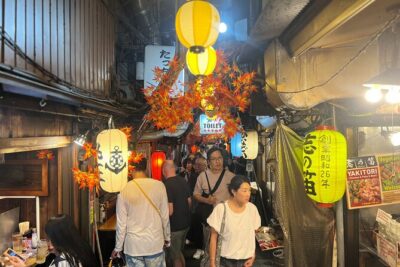 ★ 5.0Tokyo: Shinjuku Food Tour (13 Dishes at 4 Local Eateries)From $86
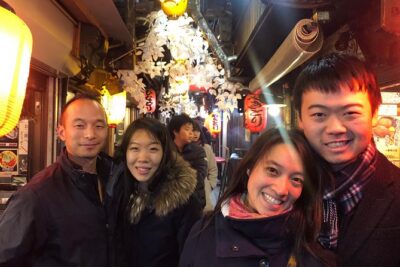 ★ 5.0Tokyo Bar Hopping Tour in Shinjuku (All-You-Can-Drink + Dinner)From $106
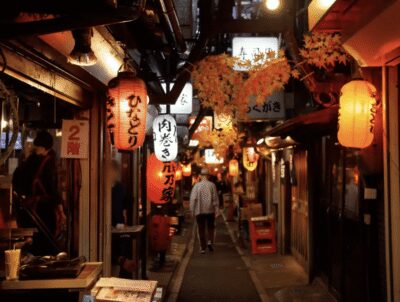 ★ 4.9Tokyo: Shinjuku Local Bar and Izakaya Guided Walking TourFrom $343 hours
 ★ 4.9Tokyo: Shinjuku Food Tour (13 Dishes and 4 Eateries)From $97
 ★ 5.0Tokyo Night Foodie Tour in Shinjuku – Seasonal Sushi, Wagyu BeefFrom $111
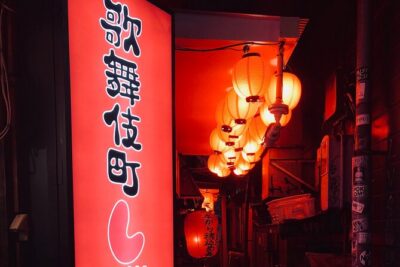 ★ 5.0Tokyo: Shinjuku Local Bar & Izakaya Crawl TourFrom $39