Reviewed · GINZA TOURS
Ginza Tokyo: Easy Matcha (Green Tea) Experience
Making matcha by hand gives this Ginza experience its appeal. You learn how powdered tea is prepared, hear a short explanation of tea ceremony customs, then drink your own cup with a wagashi sweet. I like the small one-to-two-person format and the fact that Aki takes time to explain both technique and history. The $13 price also makes this an easy addition to a day in Tokyo.
In This Article
- Key points to know before booking
- A short matcha lesson in the middle of Ginza
- What happens during the 30-minute experience
- The difference between casual and formal tea ceremony
- Why making your own matcha matters
- Aki’s teaching style and the small group setting
- Matcha and wagashi: a useful Japanese pairing
- How the $13 price works for your day
- Who will enjoy this Ginza tea experience?
- Timing, location, and practical planning
- What the experience does especially well
- What you should consider before booking
- Should you book it?
- FAQ
- Where does the matcha experience take place?
- How long does the activity last?
- What time is the activity available?
- Is this a formal tea ceremony?
- What is included?
- Can one person book the experience?
- Is the experience available in English?
I also like the casual setting. You do not need formal clothes or a long block of time, and the activity lasts about 30 minutes. The trade-off is that this is an introduction, not a full-length tea ceremony in a traditional tea house. If you want a quiet, highly formal ritual, this may feel brief.
Key points to know before booking
- Grind your own matcha: You prepare the powdered tea yourself after a short lesson.
- Enjoy wagashi with your tea: A Japanese sweet is included and helps balance matcha’s sharp, grassy taste.
- Meet Aki in central Ginza: The activity takes place at Japan Premium Lounge Cafe, inside the Wako Building.
- Plan for only 30 minutes: It fits neatly between shopping, sightseeing, and meals.
- Expect a casual tea ceremony: You learn the basics without the formality of a traditional tea house.
- Best for one or two people: The small format allows time for questions and personal guidance.
A short matcha lesson in the middle of Ginza
Ginza is one of Tokyo’s busiest shopping districts, so a calm tea break can be welcome. This activity gives you a simple way to pause without losing half a day. You step indoors, sit down for a short lesson, prepare matcha, and enjoy a Japanese sweet before returning to the city streets.
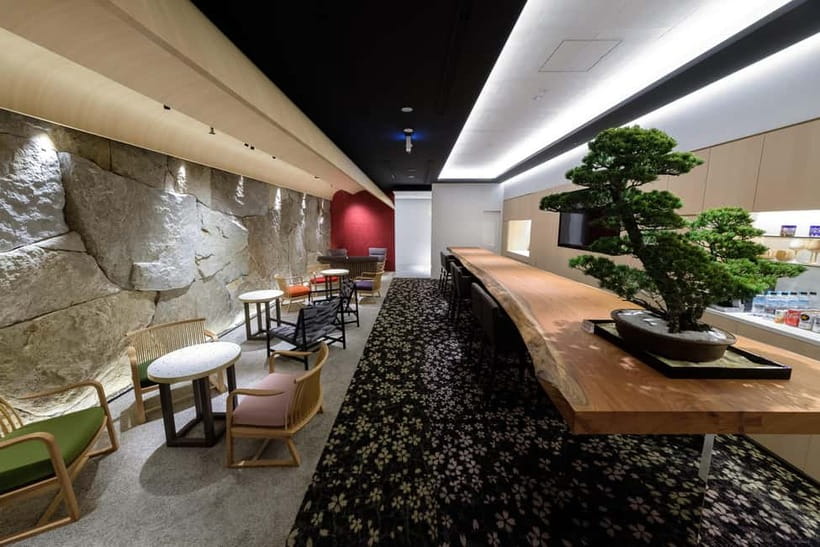
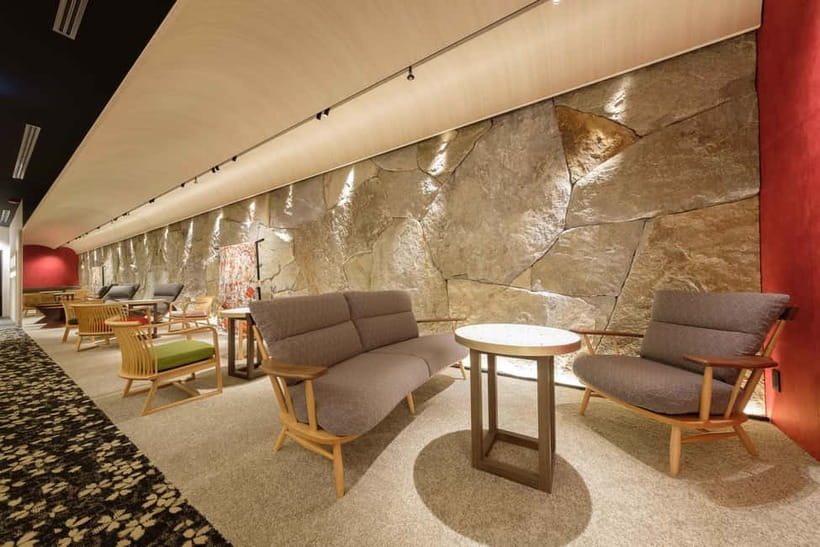
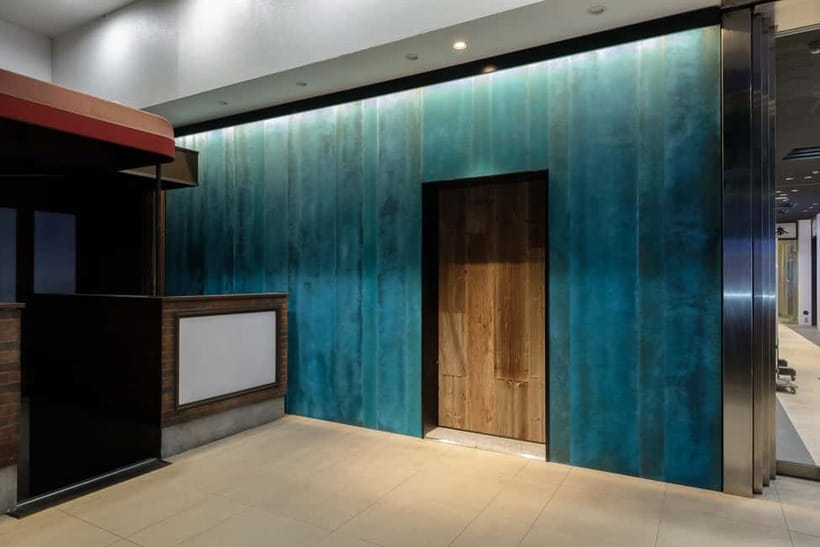
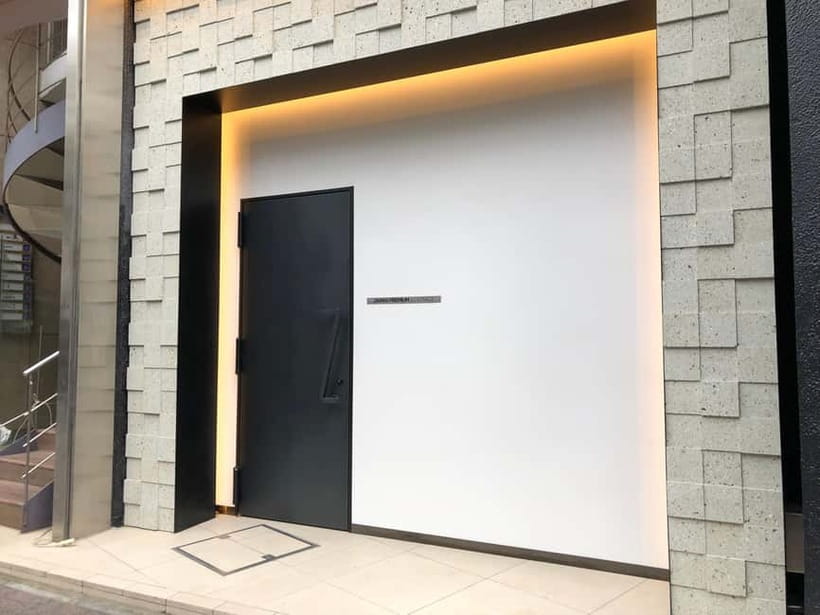
The experience takes place at Japan Premium Lounge Cafe, at 8-3-11 Ginza, Chuo-ku, on the first floor of the Wako Building. The cafe has entrances on both sides of the store. Look for the black door on the west side or the green wall and wooden door on the east side.
That entrance detail matters in Ginza, where large buildings can have several doors and busy streets can make a short meeting point harder to spot. Give yourself enough time to find the Wako Building, especially if you are coming from another part of Tokyo.
The activity begins and ends at the same place. There is no transport between stops, no long walk, and no outdoor portion to manage. You can treat it as a compact stop during a Ginza afternoon.
A few more Tokyo tours and experiences worth a look

What happens during the 30-minute experience
The session starts with a brief explanation of Japanese tea ceremony and matcha. You learn what makes matcha different from ordinary steeped green tea and get an introduction to the customs around preparing and drinking it.
The lesson is short, but it gives your cup some context. Instead of simply receiving tea in a bowl, you take part in the process and understand why the preparation matters. The experience also includes an explanation of the art of grinding matcha, which is one of the more hands-on parts of the session.
After the introduction, you make your own powdered matcha. This is the central activity. You are not only watching a host perform the steps. You get to handle the process yourself, with guidance along the way.
That makes the experience more memorable than a standard tea tasting. You notice the work involved before the tea reaches the cup, and you get a better sense of matcha as a crafted drink rather than a green powder added to hot water.
The activity then moves to drinking the tea. You enjoy one cup of matcha with a wagashi, a traditional Japanese sweet. Wagashi often provides a gentle sweetness alongside matcha’s strong flavor, so the pairing is an important part of the experience rather than a random snack.
You also have a chance to ask questions. Aki is described as warm, patient, and happy to explain the history of matcha and the steps you are following. That personal attention is especially useful in a one-to-two-person session, where the lesson can respond to your questions instead of moving at a fixed pace for a large group.
The session finishes at the cafe, giving you an easy return to your Ginza plans.
The difference between casual and formal tea ceremony
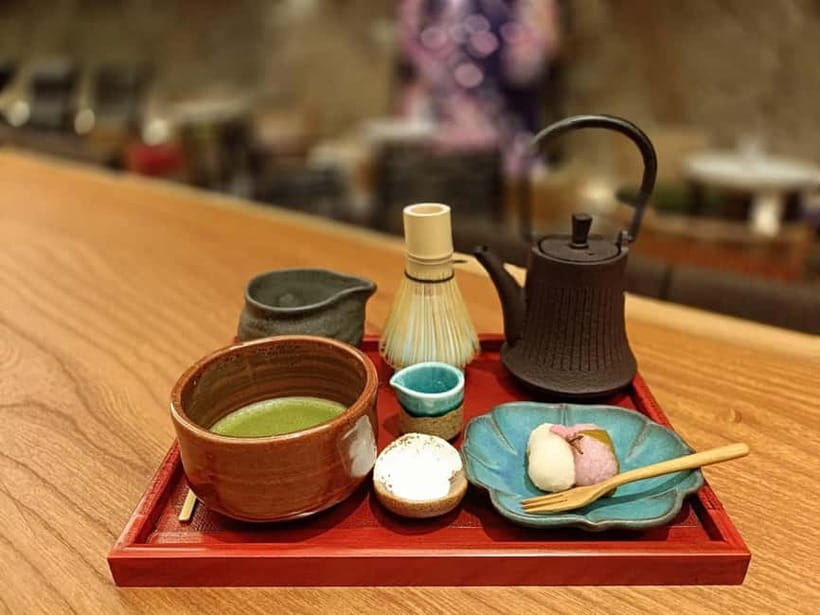
This is a casual tea ceremony experience, and that wording sets the right expectation. You learn the basic ideas and prepare a cup of matcha, but you are not entering a long, formal ceremony with an elaborate sequence of movements.
That can be a real advantage. Formal tea ceremony experiences may require more time, more concentration, and greater attention to etiquette. This Ginza version is easier to fit into a first visit to Tokyo, particularly if you want a cultural activity without committing to a full afternoon.
You also do not need special clothing. Comfortable clothes are all you need, which keeps the experience practical after a morning of sightseeing. The activity is suitable for individuals and couples, and the one-to-two-person format helps it feel personal rather than staged for a crowd.
The limitation is clear, too. If your main goal is to see every formal gesture or experience the quiet architecture and atmosphere of a traditional tea ceremony house, you may want something longer and more ceremonial. This activity focuses on making, tasting, and learning the basics in a modern, accessible setting.
I would think of it as a first introduction, not a complete study of tea ceremony.
Why making your own matcha matters
The hands-on part gives this short activity its value. Matcha is not prepared like a normal teabag or loose-leaf tea. The powdered leaves become part of the drink, so the process affects the final texture and taste.
Grinding the tea yourself helps you pay attention to that process. You can see how the powder is made and understand why the drink has such a distinctive character. Even a brief lesson can change the way you think about matcha when you encounter it later in Japan.
You also gain a small sense of responsibility for the final cup. The tea is not simply placed in front of you. You have taken part in preparing it, then taste the result with the wagashi.
The session does not promise advanced tea-making skills, and 30 minutes is not enough for that. But it offers a clear, practical lesson that you can remember after leaving Ginza. If you later order matcha at a cafe or buy tea as a gift, you will have more context for what you are seeing.
Aki’s teaching style and the small group setting
The host, Aki, is a useful part of the experience. The available feedback describes her as welcoming, gracious, and willing to answer questions. One person specifically valued her explanation of matcha history before making the tea, while another praised the thorough explanation of techniques and history.
That combination is important. A tea experience can become stiff if the instructor focuses only on rules. Here, the tone is meant to be friendly and approachable, which suits people trying matcha for the first time.
The format is for one or two people. That is a better fit for a couple or solo visitor who wants direct instruction. You should have room to ask about the tea, the ceremony, or the preparation without waiting for a large group to finish.
A small format can also make the experience feel more relaxed. You do not have to worry about performing in front of a room full of strangers. At the same time, the small group size means this is not a social group activity if you are hoping to meet many other people.
The session is available in English and Japanese. That makes the short lecture more useful for English-speaking visitors who want to understand what they are doing rather than simply copy movements.
A few more Tokyo tours and experiences worth a look



Matcha and wagashi: a useful Japanese pairing
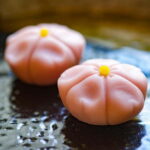
The included wagashi is more than a free extra. Japanese sweets are often paired with tea because their sweetness offsets the tea’s sharper, more earthy flavor.
If you have never tasted matcha on its own, the wagashi gives your palate a gentler way into it. You can take a bite of the sweet, then sip the tea and notice how the flavors change together.
You receive one cup of matcha and one wagashi. This is a tasting experience, not a meal, so plan to eat before or after if you are hungry. The small serving keeps the session focused and helps it fit into a busy sightseeing day.
For many people, the pairing may be as memorable as the ceremony itself. It connects the practical steps of preparing tea with one of Japan’s long-standing food traditions.
How the $13 price works for your day
At $13 per person, this is an inexpensive cultural activity in central Tokyo. The price includes the matcha, wagashi, short lecture, tea preparation, and a photo opportunity.
The value comes from the combination of instruction and participation. You are paying for more than a drink at a cafe, since you also receive an explanation and prepare the tea yourself. The small group format makes the price especially attractive for a solo visitor or couple looking for a short cultural stop.
It is also easy to use as a filler between bigger plans. You might schedule it before shopping in Ginza, after visiting nearby sights, or during a break when you want to sit down. Because it takes about 30 minutes, you do not need to build your entire day around it.
There are limits to the price, of course. This is not a long formal ceremony, a full meal, or an extended workshop. If you compare it with those types of activities, you will find less time and fewer elements. If you compare it with a quick cup of tea, you receive much more guidance and involvement for a modest increase in cost.
The option to reserve and pay later can also help if your Tokyo schedule is still shifting. Cancellation is available with a full refund up to 24 hours in advance.
Who will enjoy this Ginza tea experience?
I would recommend it most to:
- First-time matcha drinkers who want an easy introduction
- Solo visitors or couples seeking a private-feeling activity
- People with a tight Tokyo schedule
- Anyone interested in Japanese food customs and daily traditions
- Shoppers who want a quiet pause in Ginza
- Families with children aged five and older, provided the child can take part calmly
It is particularly useful for people who feel curious about tea ceremony but intimidated by strict etiquette. The casual format lowers the barrier. You can learn the basic ideas without worrying that you will make a serious mistake.
It may be less suitable if you want a long, formal ceremony or a large social group. Children under five cannot take part, and the activity is built around listening, preparing tea, and tasting it, not running around or sightseeing outdoors.
Comfortable clothes are recommended. There is no need to dress formally, which makes it easy to add after a full morning on foot.
Timing, location, and practical planning
The experience runs from 10:00 to 18:00. Check the time you select carefully and allow for Tokyo’s crowded streets, even if the cafe is easy to reach once you are in Ginza.
Use the full meeting address: Japan Premium Lounge Cafe, 8-3-11, Ginza, Chuo-ku, Tokyo, 1F Wako Building. Since the store has a black west entrance and a green wall with a wooden door on the east side, check both sides if you do not see the cafe right away.
The activity ends where it starts, so you can continue directly to your next Ginza stop. That is one of its strongest practical features. You will not need to arrange a taxi, follow a guide across town, or account for a long transfer.
The photo opportunity is included, but the supplied information does not specify who takes the photo or how many images you receive. Treat it as a chance to record the moment rather than a formal photography service.
What the experience does especially well
The strongest part is the balance between instruction and ease. You learn about tea ceremony, grinding, and matcha history, but the session avoids making the process feel difficult.
The teaching also appears to be a major strength. Aki’s friendly manner and willingness to answer questions can make a difference, especially if you have never handled matcha before. The feedback gives the host high marks for kindness, thorough technique, and clear history.
The activity also makes smart use of its Ginza setting. You get a taste of Japanese tradition without leaving one of Tokyo’s main shopping districts. That mix of old custom and modern city convenience is useful for a packed itinerary.
Finally, the format respects your time. Thirty minutes is enough to learn and taste, but short enough to preserve the rest of your day.
What you should consider before booking
The biggest consideration is the brief duration. Tea ceremony has many layers, and this experience can only introduce a few of them. You will not receive the same depth as you would from a longer ceremony in a dedicated tea house.
The cafe setting may also feel less traditional than some people expect. That is part of the design, not a flaw, but it is worth knowing before you book. Choose this for convenience and participation, not for a highly formal atmosphere.
The experience includes one cup of matcha and one wagashi. If you want a full snack or meal, plan another stop in Ginza.
Should you book it?
Book this experience if you want a low-cost, hands-on introduction to matcha that fits neatly into a Tokyo sightseeing day. The short lesson, personal format, English availability, included wagashi, and kind instruction from Aki make it a strong choice for beginners.
Skip it if you are looking specifically for a lengthy, formal tea ceremony in a traditional setting. For everyone else, $13 buys a pleasant pause, a useful cultural lesson, and the chance to make your own tea in the heart of Ginza.
FAQ
Where does the matcha experience take place?
It takes place at Japan Premium Lounge Cafe, 8-3-11, Ginza, Chuo-ku, Tokyo, on the first floor of the Wako Building.
How long does the activity last?
The experience lasts approximately 30 minutes.
What time is the activity available?
It is open from 10:00 to 18:00.
Is this a formal tea ceremony?
No. It is a casual tea ceremony experience designed as an easy introduction to matcha and Japanese tea customs.
What is included?
You receive one cup of matcha, one wagashi Japanese sweet, a brief tea ceremony lecture, and a photo opportunity.
Can one person book the experience?
Yes. The activity is suitable for individuals and couples, with a format for one to two people.
Is the experience available in English?
Yes. The activity is offered in English and Japanese.
More Tea Ceremony & Matcha in Tokyo
More Ginza Tours in Tokyo


More tours in Tokyo we've reviewed






Ginza Tours, compared.
 ★ 4.8Chopstick Making Workshop in GinzaFrom $251 hour
 ★ 4.5Tokyo: Art Aquarium Museum GINZA Entry TicketFrom $171 day
 ★ 5.0Tokyo: Best Ginza Food Tour at 3 Local EateriesFrom $150
 ★ 4.5Official Japan Go-Kart Through Tokyo Bay / Ginza (IDP Required)From $85
 ★ 5.0Private Ginza Architecture Walking TourFrom $132
 ★ 4.8Tokyo GINZA: KONPARU Japanese Cabaret Show with DrinkFrom $502 hours