Reviewed · TEA CEREMONY & MATCHA
Yokohama : Tea Ceremony with Sweets and Souvenir
A Japanese tea ceremony can feel formal and mysterious, but this Yokohama session keeps things friendly and hands-on. You learn the basic steps, brew your own tea, taste a carefully paired sweet, and leave with a small tea set rather than just a few photos.
In This Article
- Key points
- A Gentle First Taste of Japanese Tea Culture
- Meeting Ryota and Sarina in Yokohama
- The One-Hour Tea Ceremony, Step by Step
- Why Making Your Own Tea Matters
- Traditional Sweets and the Flavor of Matcha
- A Social Experience, Not a Silent Performance
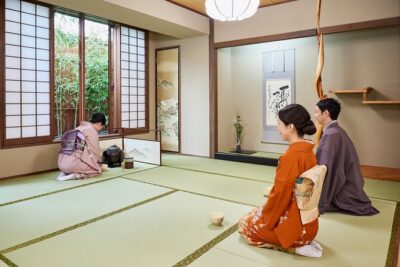
- The Tea-Room Setting and Possible Garden Time
- The Tea Set Souvenir
- Is $45 a Fair Price?
- Who Will Enjoy This Most?
- Booking Details Worth Knowing
- Should You Book the Yokohama Tea Ceremony?
- FAQ
- How long does the Yokohama tea ceremony last?
- What is included in the price?
- Do I make the tea myself?
- Is the activity conducted in English?
- How large is the group?
- Where do I meet for the tea ceremony?
- Can I cancel for a full refund?
I like the English guidance and the chance to make the tea yourself. I also like the relaxed social side, with hosts such as Ryota and Sarina taking time to chat about Yokohama and Japan. The main consideration is the short one-hour format: this is a gentle introduction, not a full study of tea ceremony traditions.
Key points
- You brew the tea yourself: The guide demonstrates the process, then helps you make your own authentic Japanese tea.
- Sweets are part of the lesson: Traditional Japanese sweets are selected to suit the flavor of the tea.
- Small groups keep it personal: Numbers are limited to 10, so you can ask questions without feeling lost.
- Ryota and Sarina add a social touch: Their English guidance includes conversation about life in Japan and places to visit in Yokohama.
- The souvenir has real use: You take home an original Japanese tea set, not just a paper keepsake.
- The meeting point can vary: Confirm the exact tea-room location before setting out, since arrangements depend on the venue.
A Gentle First Taste of Japanese Tea Culture
This experience is aimed at overseas visitors who want a clear, comfortable introduction to Japanese tea. You are not expected to know how to sit, hold a whisk, or follow a long list of rules. The friendly tone matters because tea ceremony can seem intimidating if you encounter it only as a silent performance.
The session focuses on participation. You watch the guide explain and demonstrate the brewing method, then try it yourself. That simple change, from watching to doing, helps you understand the care behind the drink.
You can expect the tea to be the main subject, but conversation is part of the appeal. The hosts speak English and create room for questions about Japanese customs, daily life, and Yokohama. One especially useful feature is the chance to ask for ideas about places to see after the ceremony.
The activity has earned a perfect rating from five verified bookings, with repeated praise for the clear explanations, kind hosts, calm mood, and hands-on brewing. That is a small sample, so I would not treat it as proof that every session will feel identical. Still, the same strengths appear again and again, which gives you a good sense of what this experience aims to do.
A few more Tokyo tours and experiences worth a look

Meeting Ryota and Sarina in Yokohama
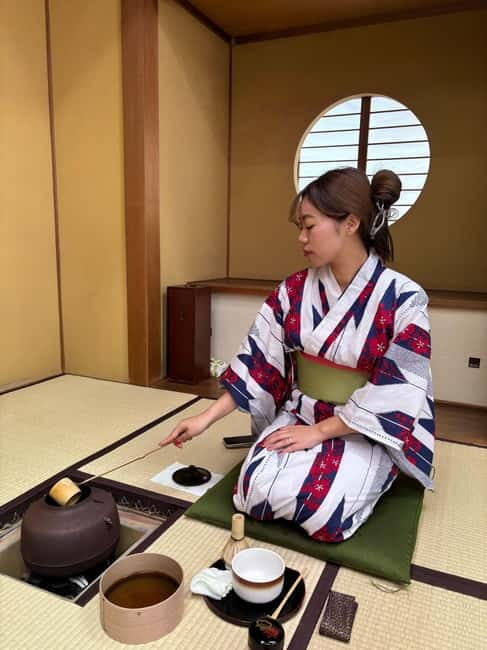
The provider is RyotaAwashima, and the guides named for this activity are Ryota and Sarina. Their role goes beyond setting down tea utensils. They explain what you are doing, help you through the brewing process, and keep the atmosphere easy for people who may be new to Japanese customs.
That personal approach is important in a one-hour activity. A large demonstration can leave you sitting quietly at the edge of the room. With a maximum of 10 participants, you have a better chance to hear the explanation and get help when it is your turn.
The exact meeting point varies with the tea-room location. You will be contacted with the details, so do not assume the activity begins at one permanent Yokohama address. Give yourself time to read the meeting instructions carefully.
A hotel meeting and return transfer took place during one arranged outing, with the hosts arriving in a Tesla. That does not mean hotel pickup is guaranteed for every booking, so confirm the arrangement rather than building your day around it. The reliable point is that the meeting location depends on the selected tea room.
The One-Hour Tea Ceremony, Step by Step
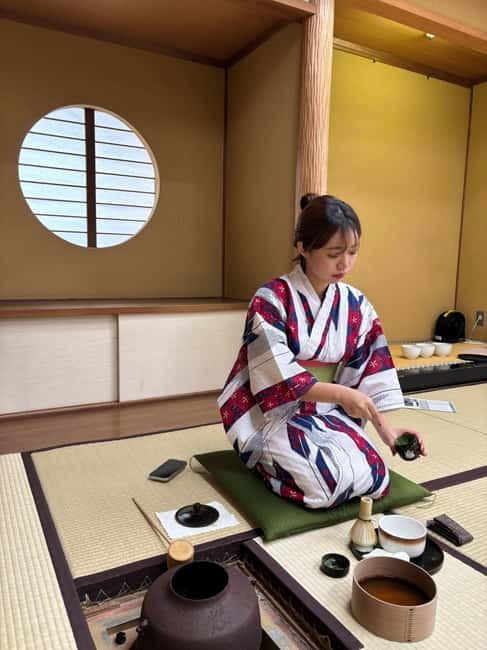
The experience begins with an introduction to the ceremony and the tea you will prepare. The guide explains the basic ideas in English, then shows you how the equipment is used.
You do not simply receive a finished bowl. The central activity is brewing your own tea with help from the guide. This makes the session more useful than a quick tasting, since you leave with a better sense of the movements and sequence involved.
The guide demonstrates first, which takes pressure off you. You can watch the order of each step, then copy it at your own pace. If you have never prepared Japanese tea before, that structure should make the process approachable.
The tea is generally presented as matcha in the experience descriptions and participant feedback. Matcha has a strong, distinctive taste, so the sweet served alongside it is not an afterthought. The pairing helps soften and balance the tea, while showing how Japanese sweets fit into the ceremony.
Expect the pace to be calm rather than rushed. Still, one hour passes quickly. The session is long enough for an introduction, brewing practice, sweets, conversation, and the souvenir, but not for a detailed examination of every school or historical rule connected with tea ceremony.
Why Making Your Own Tea Matters
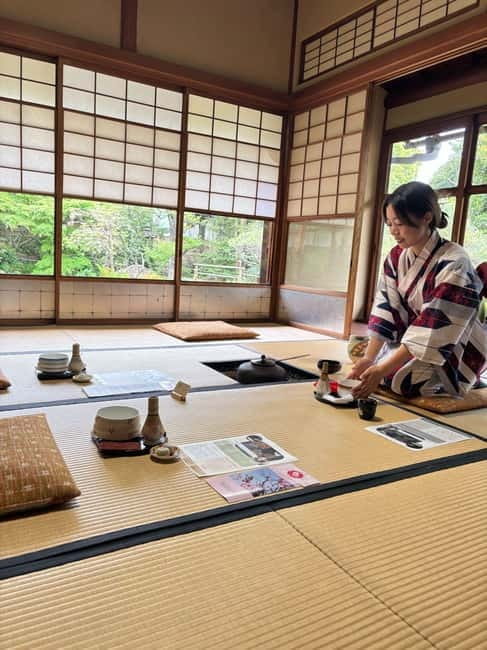
Watching a tea ceremony can be beautiful, but it can also leave you unsure about what each action means. Making the tea yourself turns the activity into something you can remember through your hands.
You notice the small choices involved in preparing the drink. You follow the guide, handle the equipment, and see how the finished tea comes together. Even if your technique is not perfect, the attempt gives you a stronger connection to the custom.
That hands-on format also suits mixed groups. A tea expert may enjoy refining the method, while a first-time visitor can simply follow the instructions. The activity is designed for people who are curious about Japan, not only for serious tea fans.
I would treat the session as a cultural introduction rather than formal training. The guide can show you the correct method, but the limited duration means you will not become a tea practitioner in an hour. The value is in gaining context and confidence, then carrying that memory into the rest of your Japan trip.
Traditional Sweets and the Flavor of Matcha
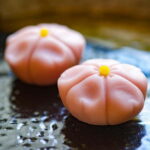
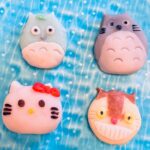
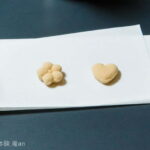
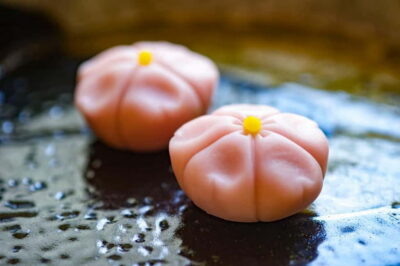
The sweets are selected to go well with the tea, so they add both taste and cultural context. Japanese sweets often bring a different texture and sweetness to the experience than familiar Western desserts. Here, you get to notice how the sweet changes the way the tea tastes.
The activity does not specify the exact sweet served, and the selection may vary. That is worth keeping in mind if you have a strong preference or dietary concern. Ask the provider in advance if the ingredients matter to you.
For most people, the pairing will be one of the most enjoyable parts of the hour. The sweet gives you a small pause between steps and makes the ceremony feel welcoming rather than strictly instructional.
It also helps explain why tea ceremony is about more than a beverage. The setting, the preparation, the presentation, and the food all work together. You get a modest but clear example of that connection without having to commit to a long formal ceremony.
A few more Tokyo tours and experiences worth a look


A Social Experience, Not a Silent Performance
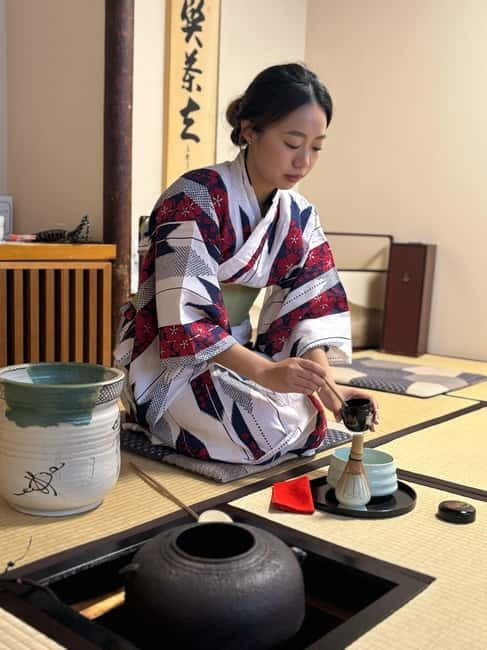
The tea ceremony is built around connection between people. You can attend alone, with friends, or as part of a small group, and the hosts encourage conversation as part of the experience.
This is a good choice if you enjoy meeting people while learning something local. Past sessions have included relaxed conversation about life in general, along with practical suggestions for places to visit in Yokohama. That can be especially useful early in your stay, when you are still deciding how to spend your time.
The social tone also makes the activity suitable for families and groups with different interests, although the supplied information does not specify a minimum age. A person who is less interested in tea may still enjoy the craft, the sweets, the guide’s stories, and the souvenir.
The tradeoff is that a social format may not satisfy someone seeking a highly formal, silent ceremony. If you want strict etiquette, extended ritual, or a historic temple setting, confirm the style before booking. This session is deliberately casual and designed to be easy for overseas visitors.
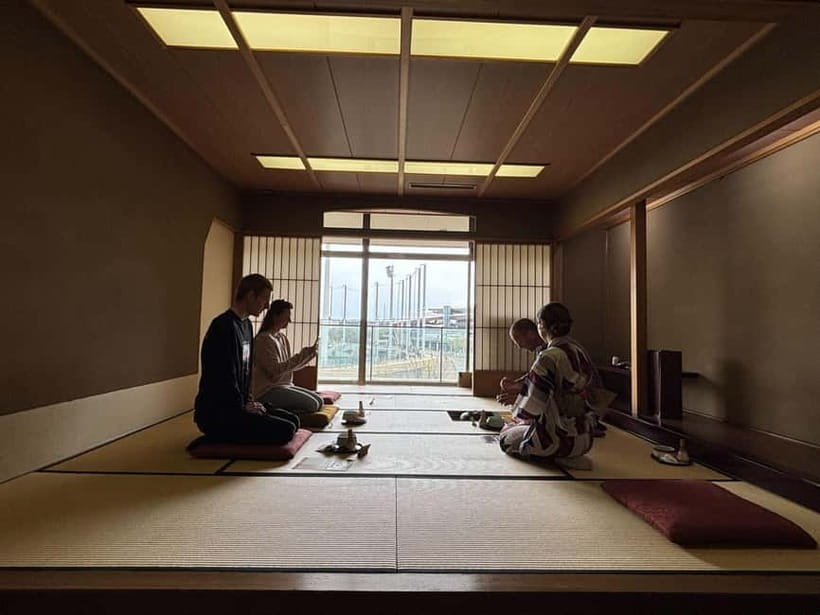
The Tea-Room Setting and Possible Garden Time
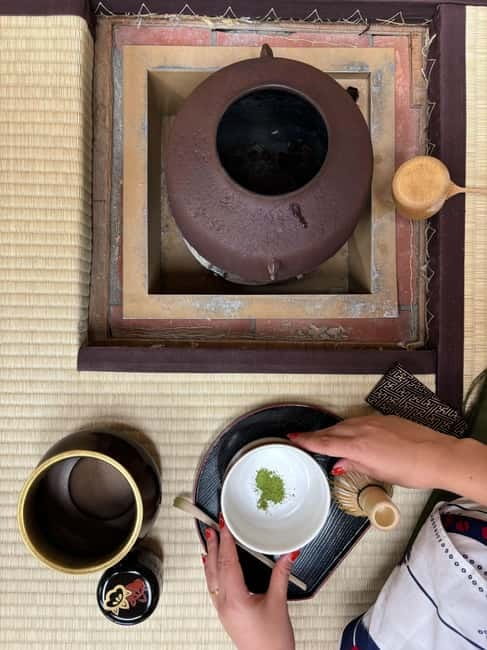
The tea room location is not fixed in the available information. That means you should wait for the meeting instructions before planning nearby sightseeing or transport.
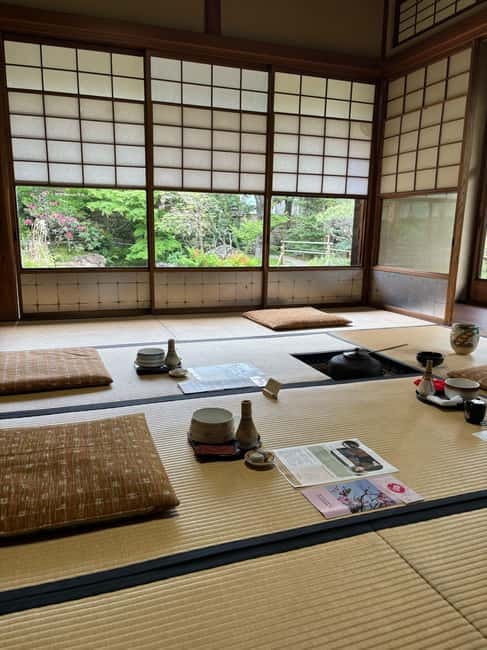
One arranged outing included time to walk through a lovely Japanese garden while the hosts prepared the room. This garden visit may depend on the specific venue and should not be treated as a guaranteed part of every booking. If it is included, it gives you a pleasant transition into the ceremony and a chance to enjoy the surroundings before sitting down.
The setting itself matters because tea ceremony is sensitive to mood. A quiet room and careful preparation can make the hour feel separate from the noise of the city. You will not need a full day for this pause, which makes it easy to place between Yokohama sightseeing stops.
The activity also advertises an express security check. That feature is more common with major attractions than with a small tea session, so its practical value may depend on the venue and local arrangements. The key point is that the experience is intended to run smoothly, with the guide handling the setup before your brewing lesson begins.
The Tea Set Souvenir
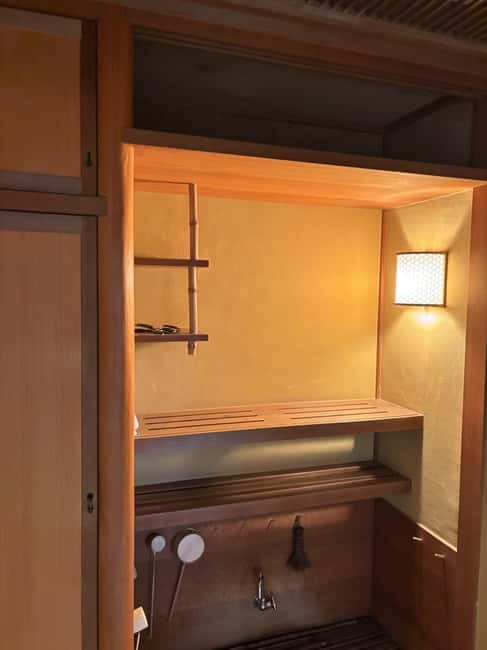
At the end, you take home an original Japanese tea set. This is one of the strongest reasons to compare this activity with a basic cultural demonstration.
A souvenir you can use has more staying power than a printed certificate. Each time you prepare tea at home, you have a reason to remember the lesson and the people who guided you. The set is also a thoughtful gift for someone interested in Japanese food or design.
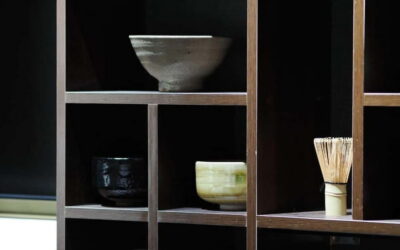
The supplied information describes it as beautifully crafted and practical, but it does not give the exact contents, size, or material. If luggage space is tight, ask for those details before booking. Most visitors should find it easy to carry, but you should not assume it will fit into a small personal bag.
The gift arrives after the ceremony, making it feel like part of the experience rather than an unrelated purchase. It also gives the one-hour session a clear ending: learn, prepare, taste, then take a piece of the activity home.
Is $45 a Fair Price?
At $45 per person, this is not the cheapest way to drink tea in Yokohama. You are paying for more than a bowl of matcha, though. The price includes an English-speaking guide, instruction, Japanese sweets, a small-group setting, and an original tea souvenir.
The group limit of 10 helps support the price. You get a chance to brew the tea yourself and receive guidance instead of watching from a distance. If the hosts also provide photographs, as happened during one arranged session, that adds another useful memory, though photography should not be assumed unless confirmed.
The value is strongest for first-time visitors who want a simple cultural activity with no language barrier. It is also appealing if you are looking for a one-hour plan between larger Yokohama attractions. The price is less compelling if you already have extensive tea ceremony experience or only want a short tasting without instruction.
Think of it as a compact cultural lesson with a physical keepsake. For many visitors, that combination makes $45 reasonable. Just remember that the duration is fixed at one hour, and the exact setting and meeting arrangements can vary.
Who Will Enjoy This Most?
I would recommend this activity to you if you meet one or more of these descriptions:
- You are visiting Japan for the first time and want an easy introduction to tea ceremony.
- You prefer practical activities where you make or prepare something yourself.
- You want English instruction and the freedom to ask questions.
- You enjoy small-group experiences and informal conversation.
- You want a useful Japanese souvenir rather than another generic gift.
- You have only an hour available in Yokohama.
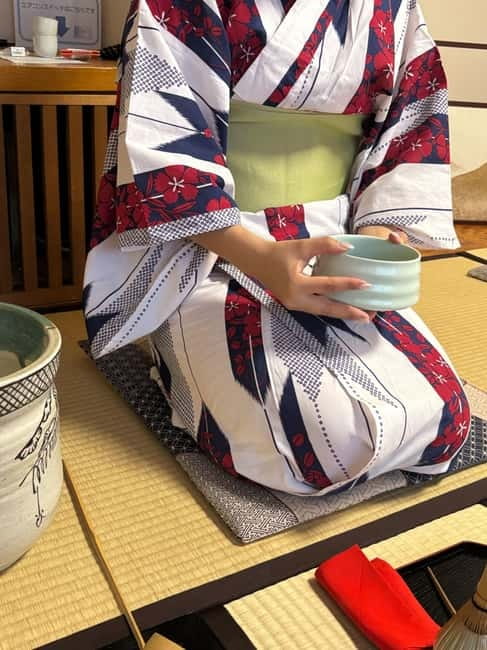
It may be less suitable if you want a highly formal ceremony with strict silence and traditional dress. The casual format is a feature for most overseas visitors, but it is also the main limitation for anyone seeking a more ceremonial presentation.
I would also check the tea-room location before booking if you have a tight schedule. Since the meeting point varies, the activity may not begin as close to your hotel or sightseeing route as you expect.
Booking Details Worth Knowing
The activity lasts one hour, and starting times depend on availability. The group is limited to 10 participants, with English as the listed language.
You should bring a camera if you want to record the setting or your tea-making experience. Smoking is not allowed. Photography by the hosts has been provided during at least one session, but you should still bring your own camera if personal photos matter to you.
Cancellation is free up to seven days before the activity for a full refund. That policy gives you some flexibility, but the seven-day cutoff is firm enough that you should check your plans before the deadline.
The meeting point will be supplied after arrangements are made. Read that message closely, especially if you are coming from another part of Yokohama. If you need details about the exact tea, sweet ingredients, tea set contents, or hotel pickup, ask before confirming.
Should You Book the Yokohama Tea Ceremony?
Book it if you want a friendly, hands-on introduction to Japanese culture rather than a long formal ritual. The English guidance, small group, traditional sweet, and tea set make the $45 price easier to justify, especially for a first visit to Japan.
The strongest reason to choose it is the personal format. Ryota and Sarina help you brew the tea, answer questions, and make room for conversation about Yokohama. The calm setting and practical souvenir are useful bonuses.
Skip it if your main goal is an elaborate ceremonial performance or a full-day cultural lesson. For everyone else, this is a compact and well-focused way to slow down, learn a Japanese custom, and leave with something you can use at home.
FAQ
How long does the Yokohama tea ceremony last?
The experience lasts one hour.
What is included in the price?
The price includes an English-speaking guide, a Japanese tea brewing session, traditional Japanese sweets, and an original Japanese souvenir.
Do I make the tea myself?
Yes. The guide demonstrates the correct brewing method, then helps you prepare your own Japanese tea.
Is the activity conducted in English?
Yes. English is the listed language, and the guides provide explanations and assistance in English.
How large is the group?
The activity is limited to 10 participants.
Where do I meet for the tea ceremony?
The meeting point varies according to the tea-room location. You will receive the meeting details after booking arrangements are made.
Can I cancel for a full refund?
Yes. You can cancel up to seven days in advance for a full refund.
More Dessert Tours in Tokyo
More Tea Ceremony & Matcha in Tokyo


More tours in Tokyo we've reviewed



Tea Ceremony & Matcha, compared.
 ★ 5.0Matcha Making Class in Tokyo with Authentic Japanese Sweets SetFrom $21
 ★ 5.0Kimono Tea Ceremony at Tokyo, Asakusa MaikoyaFrom $55
 ★ 5.0Tokyo: Traditional Tea Ceremony with a Tea MasterFrom $381 hour
 ★ 4.5Dynamic Tokyo: Tokyo Tower, Tea Experience, Bay Cruise Day TourFrom $99
 ★ 4.9Tokyo: Matcha Making Experience with Mochi Sweets in AsakusaFrom $221 hour
 ★ 4.7Tokyo: Matcha and Kimono ExperienceFrom $57