Reviewed · NIKKO DAY TRIPS
1 Day Nikko Walking Tour, Toshogu and Kanmangafuchi from Tokyo
Nikko gives you a very different Japan from Tokyo: forested hills, a dramatic gorge, and shrines covered in carved detail. This 11-hour small-group tour handles the train tickets, local buses, shrine admission, and guiding, so you can focus on the place rather than the connections.
In This Article
- Key points before you book
- Why Nikko makes a strong day trip from Tokyo
- Starting in Shinjuku and riding north
- Kanmangafuchi Abyss and the Jizo statues
- Japanese lunch, with an important choice
- Toshogu Shrine and its famous carvings
- What the guide adds to the day
- How demanding is the walk?
- Who will get the most from this Nikko day?
- Returning to Shinjuku in the evening
- Should you book this Nikko tour?
- FAQ
- How long does the Nikko tour last?
- Where does the tour start?
- Where does the tour end?
- Is transportation from Tokyo included?
- Is the train always direct from Shinjuku to Nikko?
- Is lunch included?
- Can I request a vegetarian meal on the day?
- How much walking is involved?
- Can the Kanmangafuchi visit change?
- How many people can join the tour?
- Are children allowed on the tour?
- What is the cancellation policy?
I like the maximum group size of 15, which keeps the day more personal, and I like the direct train option from Shinjuku to Tobu Nikko Station. The guide support is another real plus. Guides such as Shin and Emi have been praised for their care, clear explanations, and ability to adjust when someone walks more slowly.
The catch is simple: this is a full day with roughly 5 kilometers of walking, and one review measured it at more than 7 kilometers. Lunch can also be ordinary, so the no-lunch option may suit you if you prefer choosing your own meal.
Key points before you book
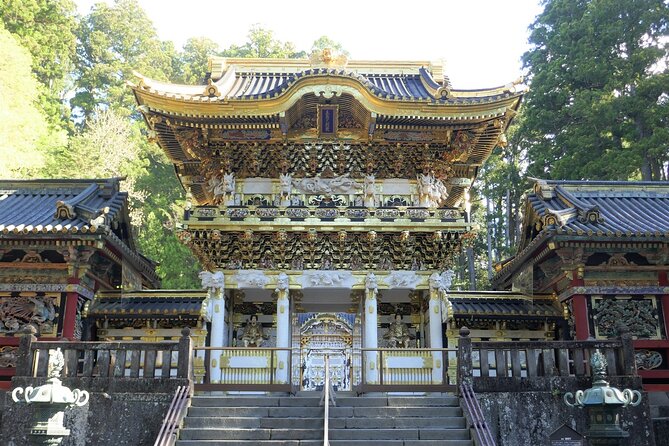
- Toshogu Shrine is the main event: See the ornate sanctuary of Tokugawa Ieyasu, plus the famous sleeping cat and three monkey carvings.
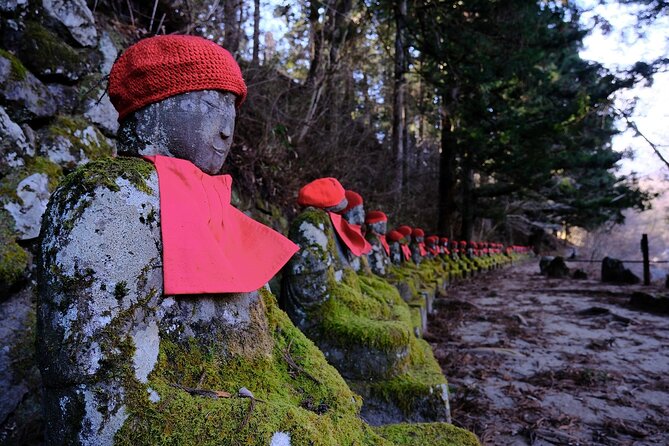
- Kanmangafuchi feels quieter and more natural: Walk beside the gorge and its row of about 70 Jizo statues.
- The train ride removes a major hassle: Round-trip rail tickets from Shinjuku are included, with a direct limited express service used in normal conditions.
- You need comfortable shoes: Slopes, stairs, uneven paths, and around 5 kilometers of walking make this a poor fit for anyone wanting a gentle sightseeing day.
- Choose lunch carefully: The standard or vegetarian option includes a Japanese-style meal. The no-lunch option requires you to bring food or find your own meal near a crowded rest area.
- Winter plans can change: From around December to mid-March, or during unsafe weather, Kanmangafuchi may be replaced by another Nikko sight.
Why Nikko makes a strong day trip from Tokyo
Tokyo can keep you occupied for a week, but Nikko adds a completely different setting without requiring an overnight stay. The city sits amid mountain scenery and is best known for its grand religious sites connected with Tokugawa Ieyasu, founder of the shogunate that ruled Japan for more than two centuries.
The value here is not just the number of sights. It is the contrast. You leave central Tokyo by train, pass into a quieter part of the country, walk beside a river gorge, and then spend time at one of Japan’s most decorated shrine complexes.
Doing this independently is possible, but the day requires more planning. You would need to sort out the long rail journey, local bus connections, admission to Toshogu, and the timing of the return train. This tour bundles those pieces together and provides an English-speaking guide to explain what you are seeing.
The price is $169.75 per person. That is not a cheap day trip, but it includes round-trip train tickets from Shinjuku, local transportation noted in the schedule, Toshogu admission, an English-speaking licensed guide, and an audio guide service. If you value a fixed plan and help with transportation, the price is reasonable. If you are comfortable managing Japanese rail and bus systems on your own, you may find the premium harder to justify.
A few more Tokyo tours and experiences worth a look

Starting in Shinjuku and riding north
The meeting point is the JTB Sunrise Tours Sales Office at 2-chome-2-2 Nishishinjuku. The listed start time is 8:40 am, so allow time to reach the office and locate the correct entrance in the busy Shinjuku area.
The usual transfer is a direct limited express train from JR Shinjuku Station to Tobu Nikko Station, followed by the same general route back. The ride to Nikko is about two hours, and the return train is also listed at about two hours.
This is one of the day’s best practical features. You do not need to drive, rent a car, or arrange a taxi in a mountain town you do not know. You also avoid the stress of finding the right platform and buying long-distance tickets at the last minute.
There is an important timing note. If the tour is combined with people joining from Shinjuku, the guide may travel from Tokyo to the Nikko meeting point. In that case, the group may wait until around 11:35 am. The departure time from Nikko is 11:40 am, and arriving late because of your own plans can result in cancellation.
Train arrangements can change because of timetables or operating conditions. The replacement may involve a JR Tohoku Shinkansen with a conventional train, or a limited express from Tobu Asakusa Station with a subway connection. The required rail fare remains included, and the guide accompanies the group from the departure point through the return to Shinjuku.
Seating on public transportation is not guaranteed. Keep your bag compact, and do not count on sitting beside your travel companion on every part of the ride.
Kanmangafuchi Abyss and the Jizo statues
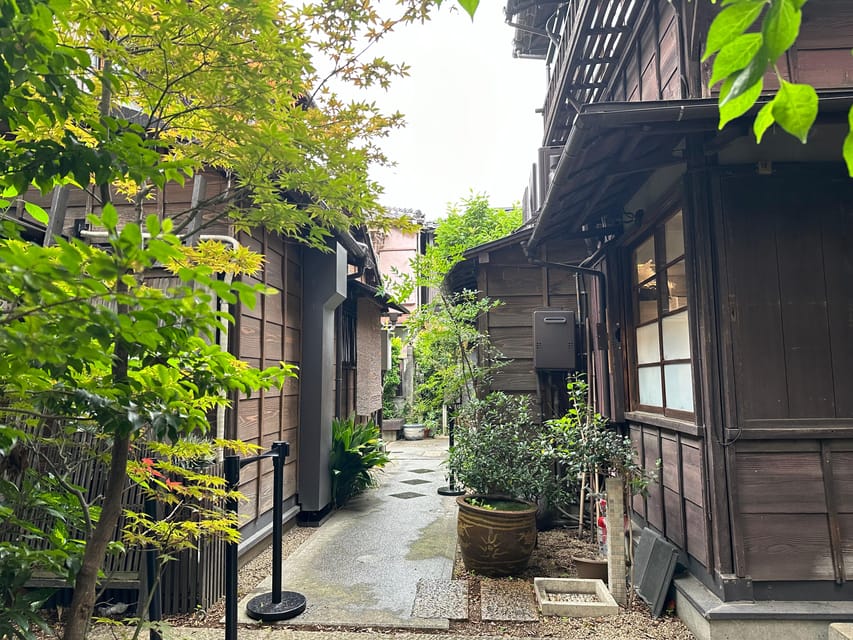
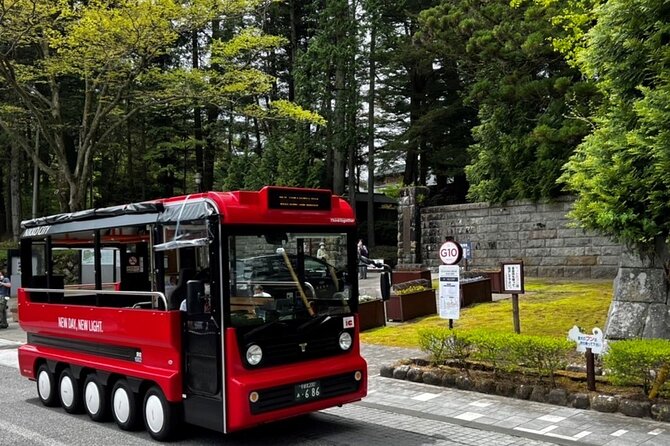
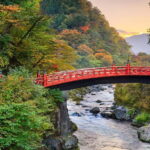
After meeting the Nikko participants, the group takes a route bus to a stop near Kanmangafuchi Abyss. This is not a huge canyon, but that is part of its appeal. The gorge is a small, atmospheric stretch formed by an eruption of Mount Nantai, with water, rocks, trees, and a path beside the river.
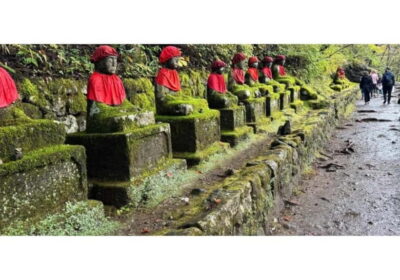
The walk includes a row of about 70 stone Jizo figures. Jizo is a Buddhist bodhisattva associated with protecting children, and these figures give the path a quiet, human feeling. Local legend says their number changes whenever someone counts them, an old story that fits the slightly mysterious mood of the place.
You get around 20 minutes at Jiun-ji and the gorge area. That is enough for a look and a short walk, but it is not a long, unhurried nature stop. A botanical garden lies across from the statues, offering seasonal scenery, though the schedule does not promise an extended visit there.
This portion requires care. There are slopes and uneven walking surfaces, and the full day can feel longer than the distance suggests. From April through November, land leeches can be present. Cover your legs, wear thick socks that reach above the ankles, and bring insect repellent.
The gorge visit may be replaced from around December to mid-March, or during bad weather when the path is not considered safe. Possible alternatives include Futarasan Shrine, Taiyuuin Mausoleum at Rinno-ji Temple, Tamozawa Imperial Villa, Toshogu Museum, Kanaya Hotel History House, or Nikko Botanical Gardens.
That seasonal flexibility protects the group, but it also means you should not book this day solely for Kanmangafuchi if visiting in winter.
Japanese lunch, with an important choice
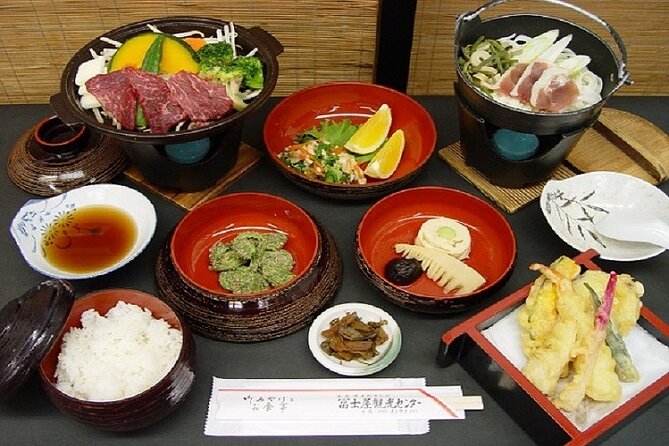
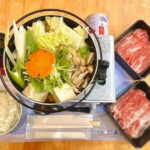
The lunch option gives you a Japanese-style meal during a 50-minute stop in Nikko. You can select a standard lunch or a vegetarian lunch when booking. Same-day changes are not available, so choose the vegetarian option in advance if needed.
One review found the lunch only so-so and suggested choosing a different place. Another described the traditional meal as delicious. That difference tells you what to expect: lunch is a useful convenience, but it may not be the strongest reason to book the tour.
The 50-minute break is fairly tight. If you choose the no-lunch option, you are responsible for your own meal, and cafes and restaurants near the rest area may be crowded. Bring something with you before leaving Tokyo if you want to avoid spending your break searching for food.
I would choose the included lunch if you want the simplest possible day and do not have strong food preferences. I would choose no lunch only if you plan ahead and are happy to carry food or accept a less predictable meal stop.
Children five and under may join without charge, but lunch is not provided for them. If a young child needs a meal, book the child lunch option.
Toshogu Shrine and its famous carvings
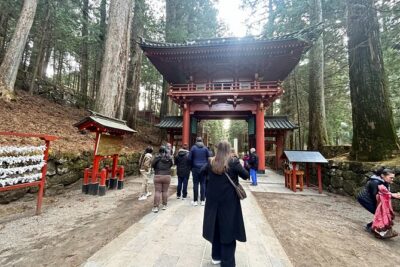
Toshogu Shrine is the central sight and receives about 1 hour and 20 minutes. It is a UNESCO World Heritage Site and the burial shrine of Tokugawa Ieyasu, who founded the Tokugawa shogunate.
This is not a plain, restrained shrine. The buildings are packed with carved animals, painted surfaces, gates, and decorative details. The famous three monkeys represent seeing no evil, hearing no evil, and speaking no evil. The sleeping cat is another small carving that many people make a point of finding.
Your guide helps give these details a place in the wider story. That matters here because the shrine can feel like a flood of gates, halls, carvings, and signs. An English-speaking licensed guide can explain which details deserve your attention instead of leaving you to guess.
The site includes stairs and slopes, and you may need to remove your shoes in some areas. Wear shoes that come off and go back on easily. A backpack is more practical than a shoulder bag, especially when moving through crowded areas or handling footwear.
Crowds can affect the visit. An audio service is available so you can hear the guide’s explanations even when the group is spread out. Still, do not expect complete silence or a private look at every carving.
The shrine stop is long enough to see the main highlights, but not long enough to inspect every corner at a leisurely pace. If you are passionate about Japanese religious architecture or want extensive photography time, an independent overnight visit may suit you better.
Other walking tours we've reviewed in Tokyo


What the guide adds to the day
The guide is the human link between a complicated travel day and a meaningful visit. The strongest praise has focused on personal attention, kindness, preparation, and practical help.
Shin has been described as professional and well informed. Emi has been praised for being warm, patient, flexible, and able to answer a wide range of questions. Guides can vary by departure, so you should not assume either person will lead your group, but the comments point to the kind of service this format aims to provide.
A small group makes a difference. One group had only six people, which allowed the guide to pay closer attention to individuals. The maximum is 15, still small enough for questions and basic assistance without the feel of a large coach tour.
English ability may vary by guide. One review found the guide’s English adequate rather than polished, but also valued the close attention to detail. The audio service helps during crowded moments and gives you another way to follow the explanation.
The guide may also help when walking is difficult. One review praised the guide for finding solutions for people with mobility concerns. That does not make the tour fully accessible, though. Stairs, slopes, public buses, and at least several kilometers on foot remain part of the day.
How demanding is the walk?
The official walking distance is about 5 kilometers, or 3 miles. One person reported walking more than 7 kilometers, so I would prepare for the longer figure rather than the shorter one.
The distance is spread across several stops, but the terrain matters. Kanmangafuchi includes a gorge path, while Toshogu has slopes and stairs. The tour also uses public transportation, where standing may be necessary.
You should have a moderate level of fitness. Wear supportive shoes, carry water, and use a backpack rather than a loose bag. In warmer months, cover your legs and bring repellent because of land leeches.
This is not the right day for anyone hoping to remain close to the train station or avoid stairs. It can work for someone with walking difficulties if the guide can make adjustments, but contact the provider before booking if you need specific assistance. The tour data does not promise wheelchair access or step-free routes.
Who will get the most from this Nikko day?
I would recommend this tour to you if you have limited time in Japan and want to see Nikko without giving up a night in Tokyo. It is also a good match if rail travel feels daunting, you want explanations in English, or you prefer a planned day with a small group.
It suits first-time visitors who want the major shrine plus a quieter outdoor stop. The combination feels well judged: Toshogu supplies the grand architecture, while Kanmangafuchi gives you space, river sounds, and a more subdued religious setting.
You may want to skip it if you dislike long train rides, fixed schedules, crowded heritage sites, or organized meals. Independent visitors who enjoy researching rail routes and choosing restaurants may have more freedom on their own.
Families should consider the walking distance and stairs. Anyone under 18 needs written parental permission, and anyone under 15 or not yet enrolled in middle school must be accompanied by a parent or guardian.
Returning to Shinjuku in the evening
The day ends at Tobu Nikko Station, followed by the train back toward Shinjuku. The expected arrival is around 6:30 pm to 7:45 pm, so do not book a tight dinner reservation, theater ticket, or evening airport transfer.
If some members of the group joined only for the Nikko portion, the guide may continue with the people returning to Shinjuku. If you plan to leave the group near the station, ask the guide how to get back before separating.
The late arrival is a small price for fitting Nikko into one day, but it affects your evening plans. I would keep the night flexible and treat the return as part of the experience rather than trying to squeeze in another major activity.
Should you book this Nikko tour?
Book it if you want a well-organized first visit to Nikko with train tickets, shrine admission, local transportation, and an English-speaking guide handled for you. The small group, strong personal attention, and mix of Toshogu and Kanmangafuchi make the $169.75 price easier to defend.
Think twice if lunch quality matters greatly, you want a slow visit, or you are not comfortable with several hours of walking. In that case, consider arranging your own Nikko day or staying overnight.
My practical choice would be the standard tour with lunch if convenience is your priority. Pick the vegetarian meal in advance if required, wear shoes that are easy to remove, cover your legs in warmer months, and arrive early at the Shinjuku meeting point. Free cancellation is available up to 24 hours before the start time, but late cancellations and changes are not refunded.
FAQ
How long does the Nikko tour last?
The experience lasts about 11 hours. It begins at 8:40 am in Shinjuku and usually ends near Shinjuku West Station between 6:30 pm and 7:45 pm.
Where does the tour start?
The meeting point is the JTB Sunrise Tours Sales Office at 2-chome-2-2 Nishishinjuku, Shinjuku City, Tokyo.
Where does the tour end?
The tour ends at Shinjuku Station, near Shinjuku West Station.
Is transportation from Tokyo included?
Yes. Round-trip train tickets from Shinjuku Station are included, along with the transportation costs specified in the schedule.
Is the train always direct from Shinjuku to Nikko?
The usual route is a direct limited express train from JR Shinjuku Station to Tobu Nikko Station. Operating conditions or timetable changes may require a different route using other trains or a subway connection.
Is lunch included?
Lunch is included only if you choose the standard lunch or vegetarian lunch option. The no-lunch option requires you to arrange your own meal.
Can I request a vegetarian meal on the day?
No. You must select the vegetarian lunch option when booking because same-day changes are not accepted.
How much walking is involved?
The stated walking distance is about 5 kilometers, or 3 miles. The route includes slopes and stairs around Kanmangafuchi Abyss and Toshogu Shrine.
Can the Kanmangafuchi visit change?
Yes. In winter, around December to mid-March, or during unsafe weather, the tour may visit another Nikko attraction instead.
How many people can join the tour?
The maximum group size is 15 people.
Are children allowed on the tour?
Children up to five years old may join free of charge, but lunch is not included for them. Anyone under 18 needs written parental permission, and anyone under 15 or not yet enrolled in middle school must join with a parent or guardian.
What is the cancellation policy?
You can cancel for a full refund up to 24 hours before the experience start time. Cancellations or changes made less than 24 hours in advance are not accepted or refunded.
More 1-Day Tours in Tokyo


More Walking Tours in Tokyo
More Nikko Day Trips in Tokyo
More tours in Tokyo we've reviewed



Nikko Day Trips, compared.
 ★ 4.5Tokyo: Nikko Toshogu Shrine and Kegon Waterfall TourFrom $8410h 30m
 ★ 5.0Nikko, Kegon Waterfall & Chuzenji Lake from TokyoFrom $89
 ★ 4.4From Tokyo: Nikko, Toshogu Shrine, Waterfall & Chūzenji LakeFrom $54
 ★ 4.3Nikko: Edo Wonderland Edomura Cultural Theme Park TicketFrom $351 day
 ★ 4.8Tokyo: Nikko World Heritage Private Day Trip Hotel Pick-upFrom $39011 hours - 1 day
From Tokyo: Nikko World Heritage Sight Full Day Private TourFrom $36210 hours
★ 4.8Tokyo: Nikko World Heritage Private Day Trip Hotel Pick-upFrom $39011 hours - 1 day
From Tokyo: Nikko World Heritage Sight Full Day Private TourFrom $36210 hours