Reviewed · NIKKO DAY TRIPS
Nikko: Edo Wonderland Edomura Cultural Theme Park Ticket
Edo Wonderland turns a day in Nikko into a trip through old Japan, with wooden streets, theatrical fights, costume rentals, craft lessons, and enough oddball attractions to keep children and adults busy. The ninja action show is the main event, but the oiran performance and traditional plays add a slower, more graceful side of Edo life.
In This Article
- Key points to know before you go
- A full day inside an Edo-period town
- Ninja fights, oiran theater, and traditional performances
- Renting a kimono and choosing your Edo identity
- Sword handling, archery, shamisen, and craft workshops
- Exhibits that give the setting more meaning
- Ninja houses, a maze, and playful surprises
- Eating Edo-style food during the visit
- The real challenge is reaching Nikko’s park
- What the $35 admission covers
- Who should spend the day here
- Should you book Edo Wonderland?
- FAQ
- Where is Edo Wonderland located?
- How long is the ticket valid?
- How much does admission cost?
- What is included with admission?
- Is kimono rental included?
- Do workshops cost extra?
- How do I reach Edo Wonderland from Tokyo?
- Are the performances available in English?
- Is the park wheelchair accessible?
I like the freedom to build your own day. You can watch a show, dress as a samurai or princess, try a sword lesson, then stop for ramen or shaved ice. I also like the mountain setting, which gives the park a calm, spacious feel rather than the hard-edged sensation of a modern amusement park.
The catch is getting there. From Tokyo, the journey can take two to three hours, and the shuttle from the nearest stations does not run often. English explanations are limited, some activities cost extra, and cash is important.
Key points to know before you go
- Ninja theater is the park’s biggest crowd-pleaser: Fast action, clear physical comedy, and strong visual storytelling make it easy to follow without much Japanese.
- Costumes change the whole experience: Kimono rental lets you appear in photos as a lord, samurai, princess, farmer, or another Edo citizen.
- Arrive early for workshops: Samurai training and children’s ninja, police, and samurai sessions have limited places.
- Transport takes planning: Tobu’s limited express from Asakusa to Kinugawa Onsen is the most direct route, while JR travelers can use Utsunomiya, Nikko, and a free shuttle.
- Bring cash: Food, games, costume rental, and extra crafts are not included, and one report found no ATM inside the park.
- Allow a full day: Your admission covers shows, exhibits, the maze, the ninja training hall, and several free activities.
A full day inside an Edo-period town
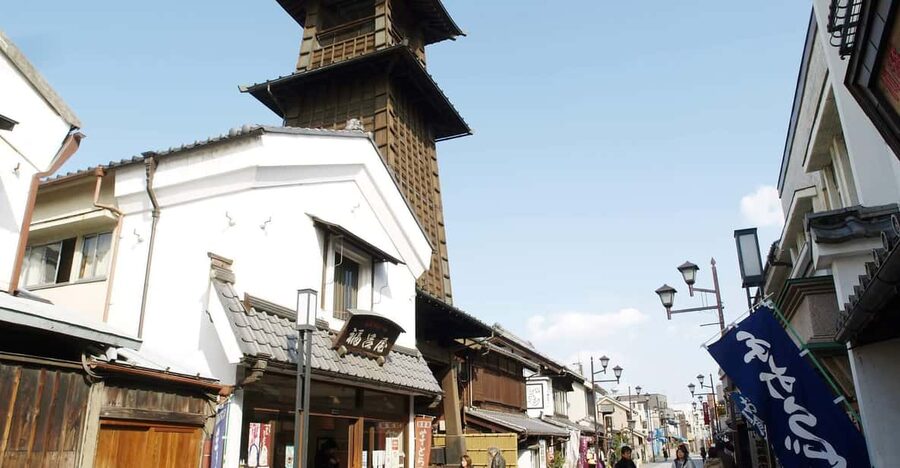
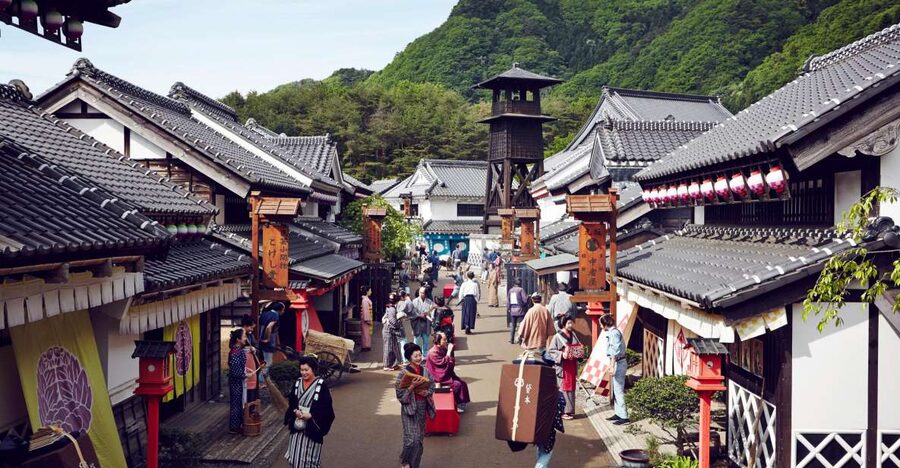
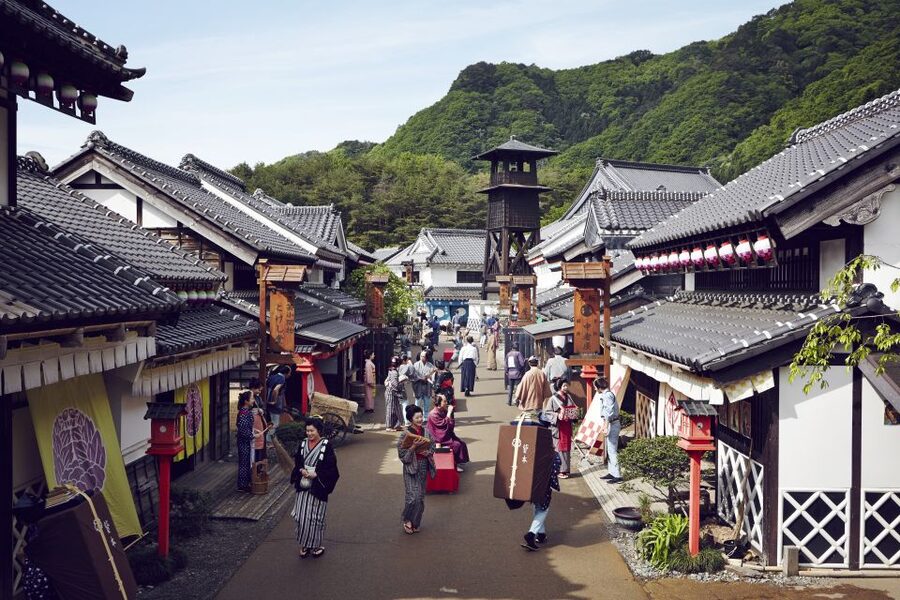
The first pleasure is simply walking through the gate. Edo Wonderland is built as a period town, with traditional-style buildings and streets set against the mountains around Nikko. It feels more like a film set that you can enter than a standard ride park.
That design matters. You are not moving from one isolated attraction to another inside a modern hall. You pass shops, theaters, restaurants, exhibits, and small amusements as part of one continuous town. The setting gives even a short visit a strong sense of place.
I would begin by picking up a park schedule and marking the shows you most want to see. The performances are a major part of the day, and it is easy to lose track of time while taking photos or browsing the streets. Some programs run at set times, so do not leave the ninja theater until the end unless you are happy to risk missing it.
The park suits families especially well, but it is not only for children. Adults who enjoy Japanese history, costume photography, theater, or traditional crafts will find plenty to do. The mechanical maze and unusual ninja houses add playful breaks between the more formal cultural activities.
A few more Tokyo tours and experiences worth a look

Ninja fights, oiran theater, and traditional performances
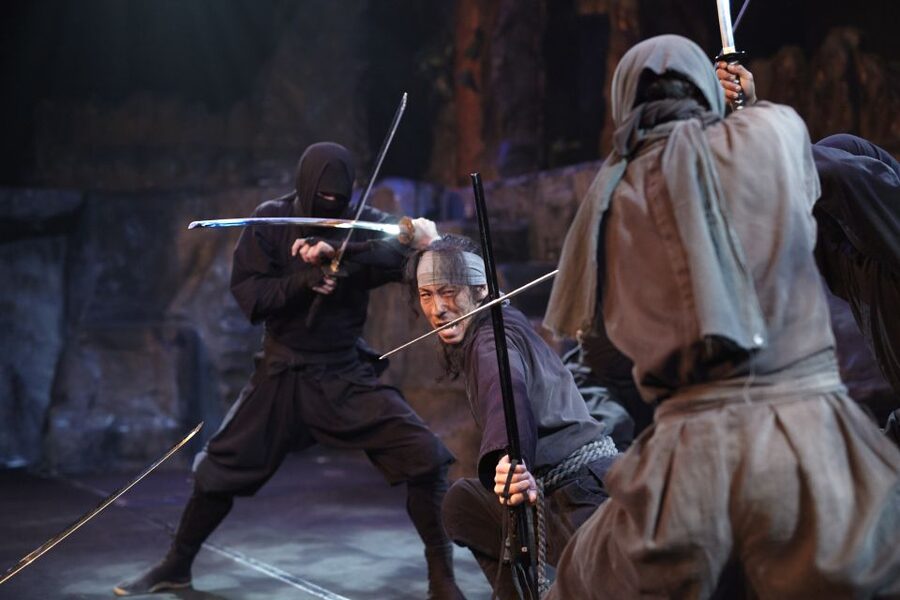
The live shows give Edo Wonderland its energy. The ninja performance is the one I would put at the top of the list. It uses movement, staged combat, humor, and visual tricks, so you can follow the basic story even if you do not speak Japanese.
That language point is important. Much of the entertainment is presented in Japanese, and English explanations are limited. Still, the actors rely heavily on gesture, timing, facial expression, and action. The result is easier to follow than a spoken historical lecture.
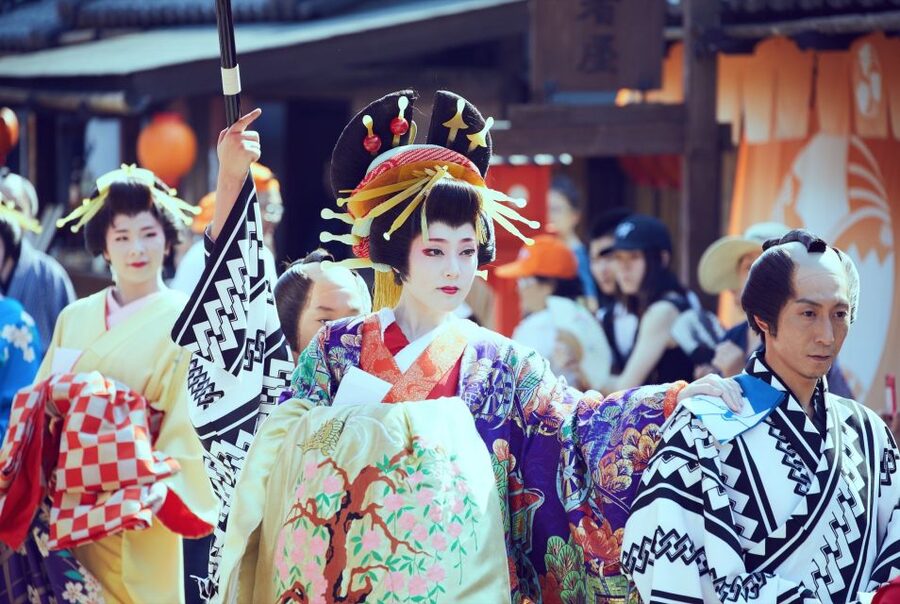
The oiran cultural show offers a different mood. Instead of the quick movement of a ninja fight, it presents the formal beauty and ritual associated with an oiran performance. It is a useful counterpoint to the action shows because it shows that Edo culture was not only about warriors and martial arts.
You may also find water magic shows and other traditional plays on the schedule. These performances help break up the day and give you a chance to sit down. I would check the program soon after entering, then plan your route around the shows rather than trying to see the park in a strict order.
The quality of the acting has been one of the strongest points of the experience. Even when the language is unfamiliar, clear movement and broad comic timing make the performances accessible. If you want a more detailed explanation of the historical background, you may need to read signs carefully or arrange separate guidance, since the ticket itself does not include a personal guide.
Renting a kimono and choosing your Edo identity
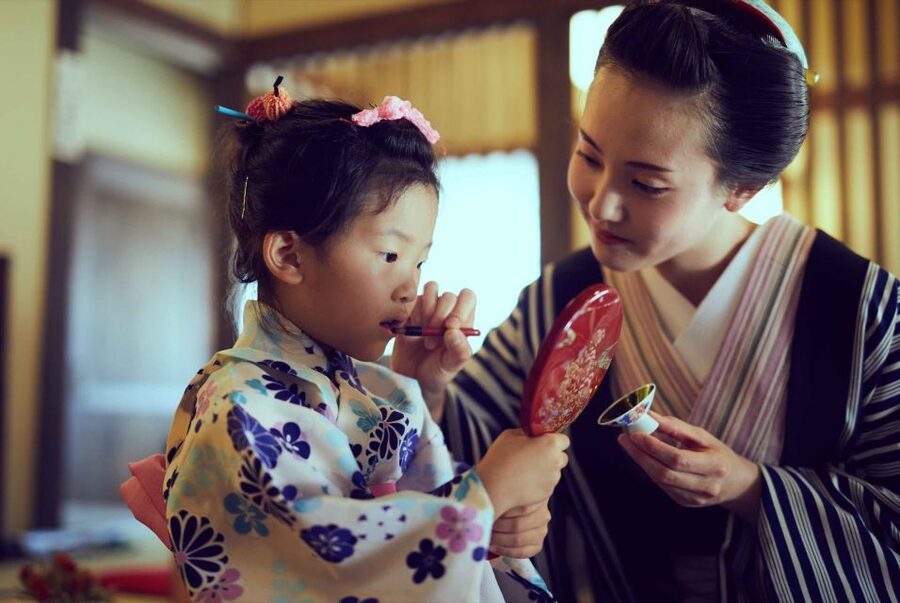
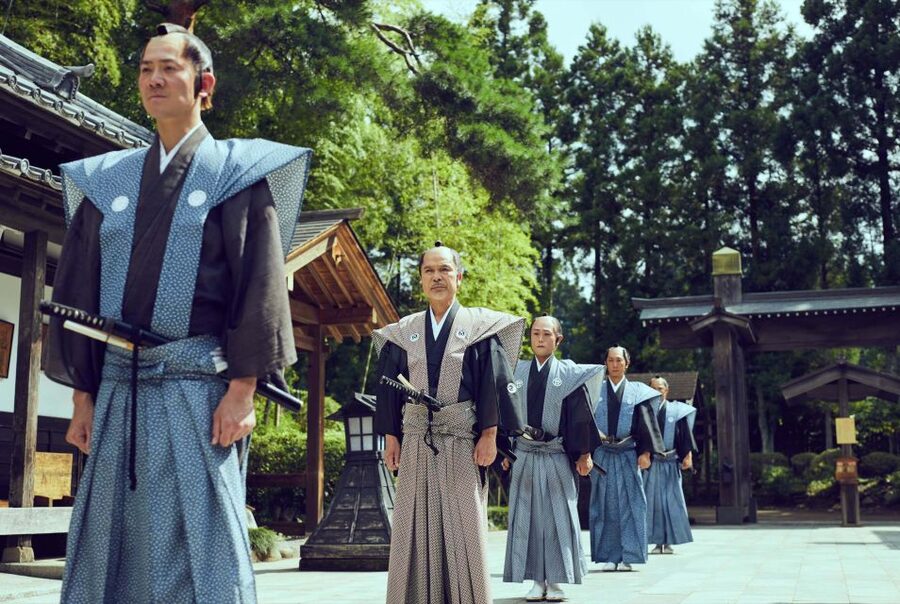
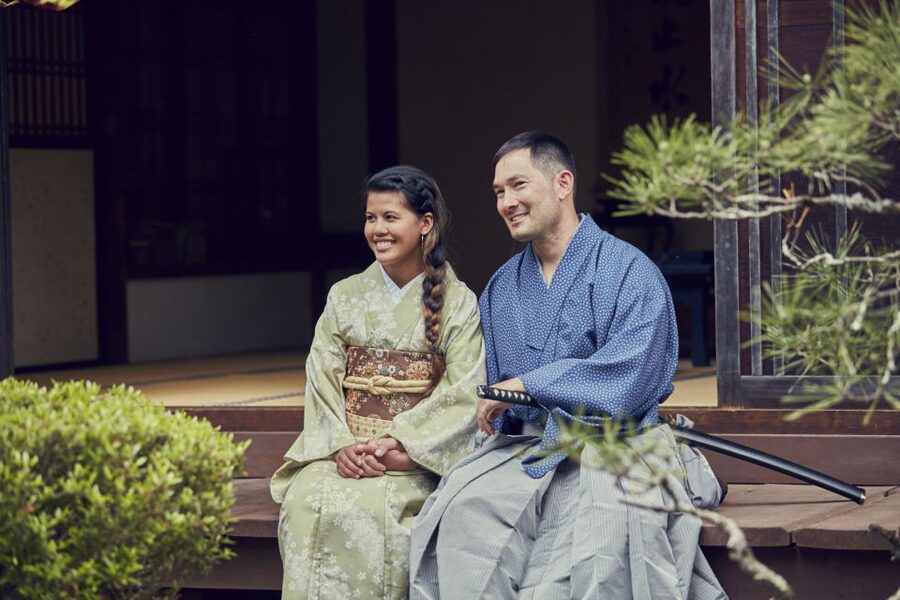
A costume rental is an extra charge, but it can be the most memorable addition to your day. You can select clothing associated with different social roles, including a lord, samurai, princess, farmer, or other Edo citizen.
I would treat the costume as more than a photo prop. Walking through the town in period clothing changes how you notice the architecture, shopfronts, bridges, and theater entrances. It gives children a role to play, while adults often enjoy the chance to create a set of photos that would be difficult to stage elsewhere.
The traditional clothing also shows the structure of Edo society in a simple, visual way. You are not only looking at an exhibit about rank or dress. You can see how a particular outfit changes your appearance and how the park’s buildings frame it.
Plan extra time for the rental process, especially if your group wants several different outfits. The costume fee is not part of the $35 admission price, and you should also allow for food, games, and paid craft activities. On hot days, the extra layers may feel warm, but one practical tip is clear: the costume is worth considering even in summer if photos are a priority.
Sword handling, archery, shamisen, and craft workshops
Edo Wonderland offers hands-on ways to move beyond watching. The free sword experience and ninja training hall are included with admission. The park also provides access to a maze and other activities, giving you plenty of options without paying an extra fee at every stop.
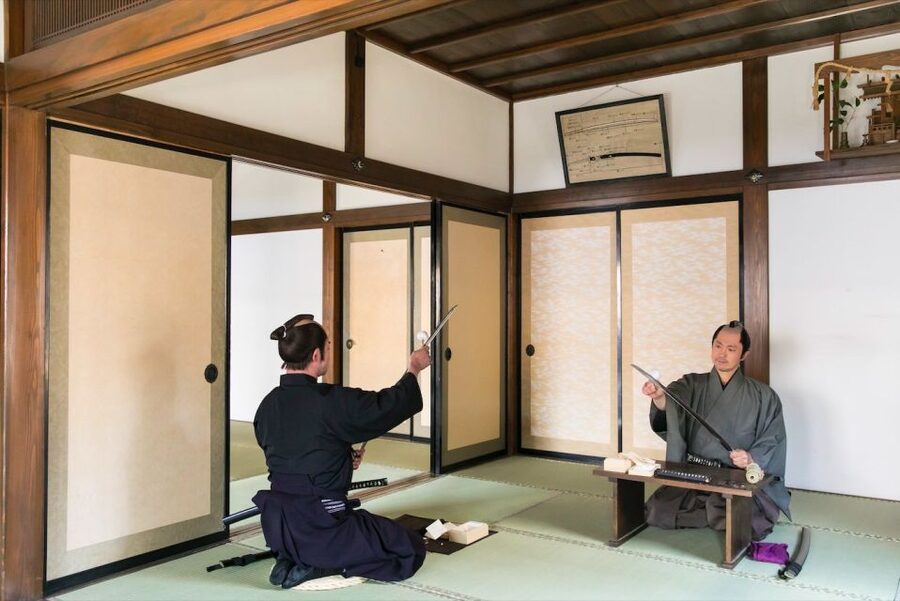
Samurai training is especially popular, so register early if it is on your list. Places can fill quickly. The activity is a practical introduction rather than a long martial arts course, but that is part of its appeal. You get a structured taste of samurai etiquette and sword handling without needing previous experience.
Traditional archery and horseback archery are also offered among the cultural activities. Availability and timing matter, so check the day’s schedule when you arrive. These sessions give you a better feel for the discipline behind the warrior image than a staged fight alone.
Other lessons may include shamisen, the three-stringed Japanese instrument, along with traditional beni lipstick application, ukiyo-e woodblock printing, and aizome indigo dyeing. These paid activities are not included in the ticket, so check the extra prices before committing.
The craft sessions can be a better choice for visitors who want something calm and tactile. Woodblock printing and indigo dyeing connect you with everyday artistic traditions, while beni lipstick offers a small but unusual look at historical beauty practices. Daruma painting is another extra-cost option.
Children have access to free work experiences with ninja, police, and samurai themes, but these sessions are limited and require registration on the day. If you are visiting with children, make that one of your first jobs after entry.
Exhibits that give the setting more meaning
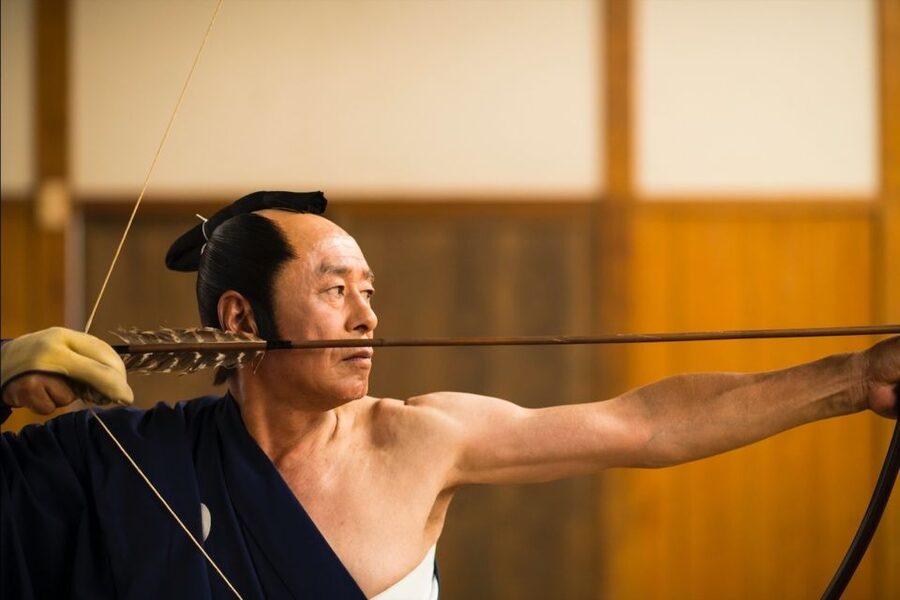
The buildings and costumes are fun on their own, but the exhibits explain what you are looking at. Displays include Edo firefighters and swordsmiths, along with other parts of daily life and traditional work.
I like these exhibits because they add useful detail without turning the day into a museum visit. You can spend a few minutes learning about a craft or public role, then return to the streets and performances. The combination works well for families with different attention spans.
The firefighter exhibit is a good reminder that Edo towns depended on organized local groups and specialized skills. The swordsmith display connects directly with the samurai activities, giving you a little more context before or after a sword lesson.
English information is not extensive. If you need every exhibit explained in detail, this may feel thin for the price. If you are happy to learn through objects, demonstrations, costumes, and theater, the park communicates a great deal without requiring fluent Japanese.
A few more Tokyo tours and experiences worth a look


Ninja houses, a maze, and playful surprises
The smaller amusements keep the day from becoming too serious. The ninja house is designed with hidden features, while the ninja training house creates strange visual effects that make the rules of physics seem unreliable. These are compact attractions, but they are memorable because they turn Edo themes into physical puzzles.
The mechanical maze is another included activity. It is a good choice when you need a break from shows or want something that children can tackle without much translation. Games elsewhere in the park cost extra, so keep a little spending money aside if you want to try them.
These attractions are not substitutes for major theme-park rides. Edo Wonderland’s appeal lies in its setting, acting, costumes, and activities rather than high-speed thrills. That makes it a better match for people who want cultural play and photos than for anyone seeking a day of roller coasters.
Eating Edo-style food during the visit
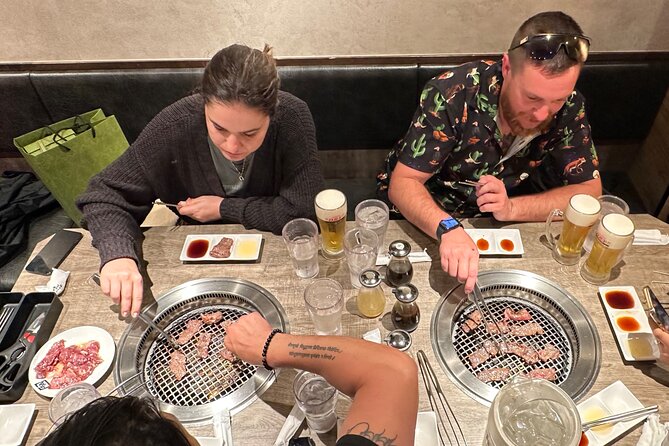
Food and drinks are not included in the ticket, but the restaurants give you another way to stay with the theme. Expect seasonal Edo-style dishes, noodles, sweets, and drinks, with ramen, shaved ice, and mochi among the foods enjoyed during a visit.
The food is useful as a pause between performances. Instead of leaving the park to find lunch, you can eat on site and return to the shows. Prices have been described as reasonable, but you should still carry cash because the park does not have an ATM and card payment may not be available everywhere.
Vegetarian choices may be limited. If you follow a vegetarian diet, ask about ingredients before ordering and do not assume that a dish is suitable because it contains vegetables. This is one area where more information for international visitors would help.
I would plan one proper meal and one snack stop. Seasonal sweets and shaved ice are particularly welcome in warm weather, while a bowl of ramen makes an easy, filling lunch.
The real challenge is reaching Nikko’s park
Edo Wonderland is at 470-2 Karakura, Nikko, Tochigi Prefecture. The park is not a quick side trip from central Tokyo. Travel from Shinjuku or Asakusa can take two to three hours, and your return journey takes the same planning.
The most direct public transport option is the Tobu limited express from Asakusa to Kinugawa Onsen Station. From there, use the local connection or shuttle information provided for the park. Check the route in advance, since a missed connection can cost you a large part of the day.
JR Pass holders can travel by Shinkansen from Tokyo to Utsunomiya, change to a local train toward JR Nikko Station, then use the free shuttle bus to Edo Wonderland. This route can involve several changes. One particularly difficult journey required an early start and multiple trains before reaching the park in time.
The free shuttle is a key detail. It does not run frequently, with reports of waits approaching an hour or more after a missed departure. Arrive at the station early and confirm the shuttle schedule before you settle into breakfast or sightseeing.
For that reason, I prefer staying in Nikko or nearby rather than making Edo Wonderland a same-day Tokyo outing. You will arrive with more energy, have time to see the full schedule, and avoid turning a fun cultural day into a transport endurance test.
What the $35 admission covers
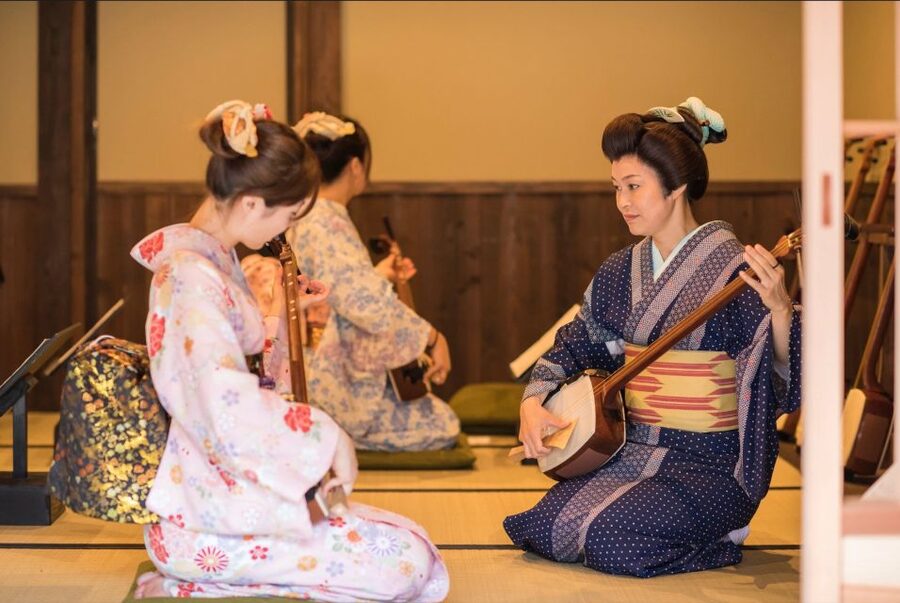
At about $35 per person, the ticket is good value if you use the park as a full-day experience. Admission includes the shows, theaters, exhibits, the free sword activity, ninja training hall, maze, and children’s Edo work activities.
The value drops if you arrive late, see only one show, and leave after a quick walk. The journey is too long for a short stop unless Edo Wonderland is simply one item on a wider Nikko plan.
Budget separately for the kimono rental, paid workshops, games, food, and drinks. The base ticket gives you a substantial day, but the most distinctive photo and craft options can add to the total.
The ticket allows cancellation up to 24 hours in advance for a full refund, and you can reserve now and pay later. It is also valid for one day from first activation, skips the ticket line, and the park is wheelchair accessible.
Who should spend the day here
I would recommend Edo Wonderland to families, first-time visitors who want a playful introduction to Edo culture, and anyone who enjoys live theater and costume photos. The park works particularly well for mixed-age groups because one person can watch a show while another explores a maze, exhibit, shop, or food stop.
It is also a strong choice if you are already staying in Nikko. The mountain setting and traditional buildings offer a quieter contrast to Tokyo, and you can give the park the time it needs.
I would hesitate if your main goal is detailed English history interpretation or formal museum scholarship. Limited English signage and Japanese-language shows may leave you wanting more explanation. I would also reconsider a Tokyo day trip if you dislike early mornings, multiple train changes, or uncertain shuttle waits.
Should you book Edo Wonderland?
Book it if you want a hands-on, theatrical day where you can dress up, watch a memorable ninja show, try simple samurai activities, eat themed food, and wander through an old-style Japanese town. The strongest reasons to go are the excellent live performances, the setting, and the chance to make your own day rather than follow a fixed tour.
Stay in Nikko if possible, arrive early, register for limited workshops at once, check the show schedule, and bring cash. If you make those preparations, the $35 ticket can cover a surprisingly full day of entertainment and cultural activities.
FAQ
Where is Edo Wonderland located?
Edo Wonderland is at 470-2 Karakura, Nikko, Tochigi Prefecture 321-2524, Japan.
How long is the ticket valid?
The ticket is valid for one day from first activation.
How much does admission cost?
The listed price is $35 per person.
What is included with admission?
Admission includes entry, exhibits, theaters, live performances, the free sword experience, the ninja training hall, the maze, and children’s Edo work activities.
Is kimono rental included?
No. Kimono rental costs extra.
Do workshops cost extra?
Some activities are included, such as the sword experience and ninja training hall. Woodblock printing, indigo dyeing, Daruma painting, and other additional experiences are not included.
How do I reach Edo Wonderland from Tokyo?
The most direct route is the Tobu limited express from Asakusa to Kinugawa Onsen Station. JR Pass holders can travel by Shinkansen to Utsunomiya, continue by local train to JR Nikko Station, and use the free shuttle bus.
Are the performances available in English?
The activities and shows are mainly in Japanese, and English explanations are limited. The visual action and physical performances are generally easy to follow.
Is the park wheelchair accessible?
Yes, the activity information states that Edo Wonderland is wheelchair accessible.
More Tickets in Tokyo

More Tickets & Passes in Tokyo
More Nikko Day Trips in Tokyo
More tours in Tokyo we've reviewed












Nikko Day Trips, compared.
 ★ 4.5Tokyo: Nikko Toshogu Shrine and Kegon Waterfall TourFrom $8410h 30m
 ★ 5.0Nikko, Kegon Waterfall & Chuzenji Lake from TokyoFrom $89
 ★ 4.4From Tokyo: Nikko, Toshogu Shrine, Waterfall & Chūzenji LakeFrom $54
 ★ 4.8Tokyo: Nikko World Heritage Private Day Trip Hotel Pick-upFrom $39011 hours - 1 day
From Tokyo: Nikko World Heritage Sight Full Day Private TourFrom $36210 hours
★ 4.8Tokyo: Nikko World Heritage Private Day Trip Hotel Pick-upFrom $39011 hours - 1 day
From Tokyo: Nikko World Heritage Sight Full Day Private TourFrom $36210 hours
 ★ 5.0From Tokyo: Nikko World Heritage Sight Full Day Private TourFrom $461