Reviewed · DESSERT TOURS
Tokyo 6hr Private Guided Tour & Japanese Sweets Making Experience
Tokyo is easiest to understand when someone helps you read the details. This private tour pairs a hands-on wagashi workshop in Asakusa with a flexible walking tour, so you can see famous places and ask questions that a large group tour rarely allows.
In This Article
- Key points to know before booking
- What the six-hour format really gives you
- Jidaiya and the wagashi workshop
- Asakusa, Senso-ji, and Tokyo’s older character
- Tsukiji for food and local color
- Meiji Shrine and Takeshita Street
- Three gardens, three very different choices
- The Imperial Palace without entering the palace
- Akihabara and Shinjuku after dark
- Price, transport, and private-tour value
- Who should book this Tokyo experience?
- Should you book it?
- FAQ
- How long does the private Tokyo tour last?
- What does the tour include?
- Can I visit every stop listed?
- Is transportation included?
- Can I enter the Imperial Palace?
- Is the tour suitable for young children?
I like the one-to-one attention and the chance to choose only two or three sights instead of racing through every address on the list. I also like the practical help with Tokyo’s train system, something guide Ted was especially praised for explaining. The main drawback is that the long list of possible stops can mislead you: you cannot visit them all in six hours, and private transport is not included.
Key points to know before booking
- Make wagashi by hand at Jidaiya: The one-hour Japanese sweets workshop gives the tour a real activity, not just a series of photo stops.
- Choose two or three Tokyo areas: Your route can focus on Asakusa, Meiji Shrine, gardens, Akihabara, or another listed district.
- Get private guide attention: Only your group participates, making it easy to ask about customs, food, temple behavior, and trains.
- Use the tour to learn Tokyo transit: A 24-hour Metro Pass costs 800 yen for adults and 400 yen for children, but transport itself is not included.
- Expect a fast, selective day: The advertised stops are a menu of options, not a promise that you will see every location.
- Best for ages 12 and up: Young children and babies cannot join, while most other participants can take part.
What the six-hour format really gives you
This is not a traditional sightseeing circuit with a bus carrying you from landmark to landmark. The guide meets you in Tokyo, and the tour operates on foot and by public transportation. You pay for a private guide, the wagashi activity, and the freedom to shape the day, but you pay your own transit costs and any garden admission fees.
The six hours are best used for a clear theme. You might spend the morning around Asakusa, learn temple customs, make sweets, and then head to one modern district such as Akihabara or Shinjuku. Or you could combine one traditional area, one garden, and one shrine.
I would not try to squeeze in Asakusa, Tsukiji, Meiji Shrine, three gardens, the Imperial Palace, Akihabara, Harajuku, and Golden Gai. Tokyo distances and train transfers take time. The list of thirteen places shows what can be discussed with your guide, not a fixed route.
That flexibility is the heart of the experience. Guides such as Takako, Sachi, Sachiko Horiguchi, Coco, Aiko, Emiko, and Ted have been singled out for friendly conversation, clear explanations, and custom planning. Your assigned guide may be different, but the private format gives you room to say what matters most.
Other guided tours in Tokyo
Jidaiya and the wagashi workshop
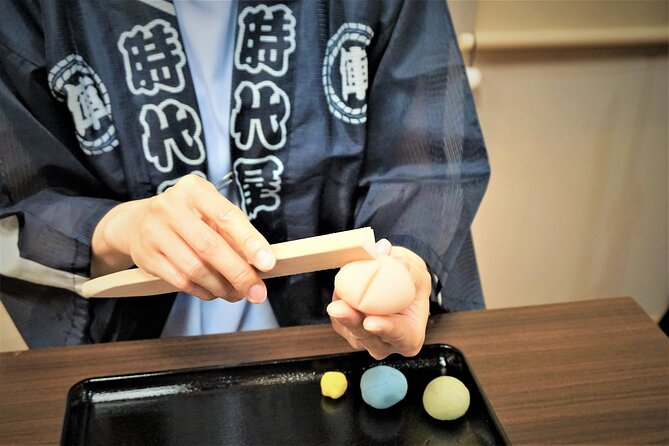
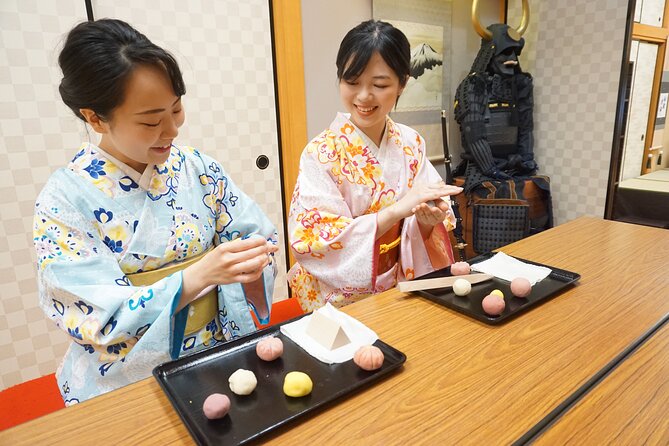
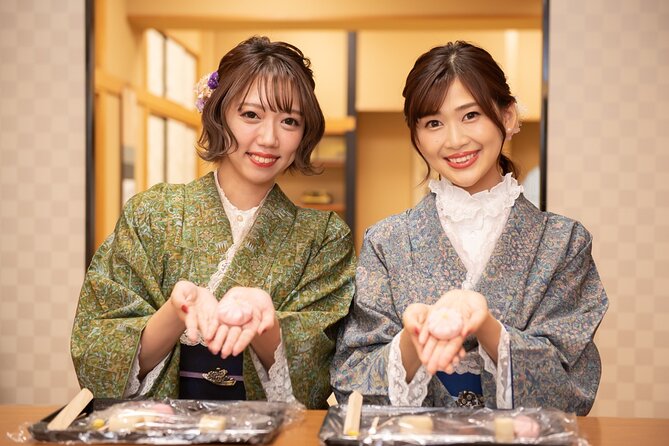
Jidaiya is the practical center of the experience. Its programs are designed for people who want more than a quick walk through Asakusa, and the wagashi session gives you something to do with your hands.
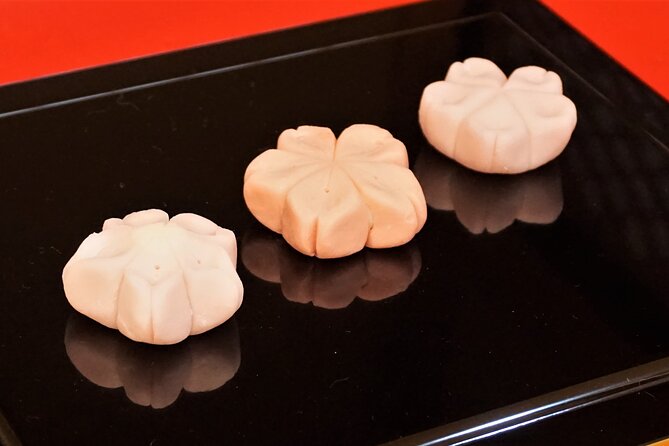
Wagashi are traditional Japanese sweets, often made with ingredients such as sweet bean paste and shaped with care. The supplied details do not specify the exact sweets you will make, so ask your guide or the operator about the day’s design and ingredients before booking if that matters to you.
The workshop lasts about one hour. That is long enough to make the activity meaningful without taking over the entire outing. You can expect instruction rather than a simple tasting, and the private setting should make it easier to ask how the sweets relate to Japanese seasonal customs and tea culture.
This is also the strongest reason to pick this tour over a standard walking tour. You leave with an experience you can remember, not only a set of temple photographs. The activity suits adults and children aged 12 or older who enjoy crafts, food, and cultural explanation.
Asakusa, Senso-ji, and Tokyo’s older character
Asakusa is the natural choice for a first visit. It is known as Tokyo’s low city, or shitamachi, an area where older local character survives amid the modern capital. The district gives you a different feel from the office towers and major rail hubs.
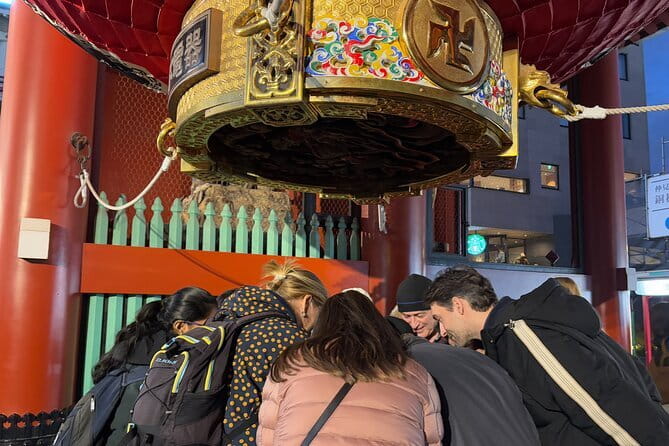
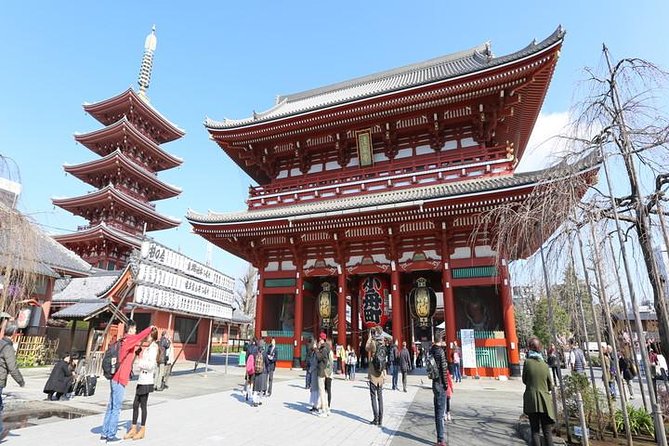
Senso-ji is Asakusa’s best-known sight. This Buddhist temple is colorful and popular, with a story reaching back to 628, when two brothers are said to have found a statue of Kannon in the nearby river. Your guide can explain the customs around the temple, including how to behave and what you are seeing.
The stop at Senso-ji itself is listed as only fifteen minutes, while Asakusa receives about twenty minutes and Jidaiya one hour. Those short sightseeing blocks are enough for an overview, but not for a leisurely exploration of every lane and shop.
That is why a private guide helps here. Emiko, one of the named guides, was praised for giving an overview of Asakusa from a rooftop opposite the shrine and explaining local customs and behavior in clear English. The rooftop detail is not guaranteed on every departure, but it shows the kind of added context you can request.
Asakusa can become crowded, especially around its main temple approach. If you want quiet corners, food stops, or more time for the sweets workshop, tell your guide before the route is set.
Tsukiji for food and local color
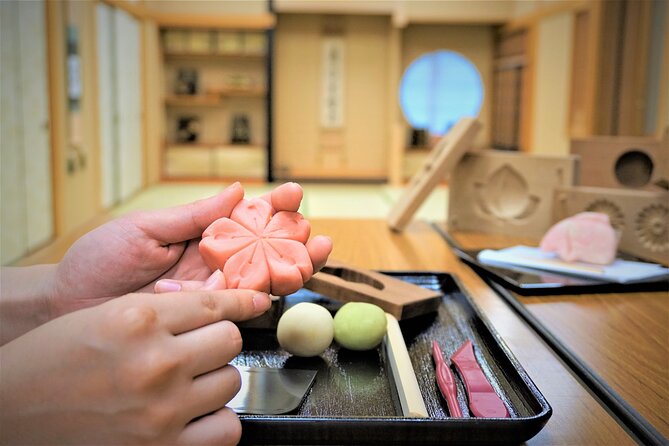
Tsukiji is included as a possible thirty-minute stop. The old fish market area is known for food stalls, seafood, and unusual things to eat. It is a useful choice if you want your tour to lean toward food rather than gardens.
Thirty minutes will give you a taste of the area, not a full market crawl. You may find yourself choosing between browsing, eating, and listening to your guide. The tour information encourages you to purchase something to support local businesses, but food purchases are your responsibility.
This is also a good place to ask about Japanese food customs. One private day with Sachi included discussion of foods such as eel, sea urchin, octopus, takoyaki, white shrimp, soba, yakitori, tempura, and beer. That specific menu is not promised for this tour, but Sachi’s food knowledge suggests you can make food a central topic if she is your guide.
If you have strict dietary needs, ask before booking. The available information does not give a menu, allergy policy, or vegetarian substitutions.
Meiji Shrine and Takeshita Street
Meiji Jingu offers a complete change of mood. The shrine honors Emperor Meiji and Empress Shoken and sits close to Harajuku Station, yet the grounds provide a break from the surrounding city.
The listed time is about thirty minutes. That allows a short visit and an explanation of shrine customs, but it may feel brief if you want to walk slowly through the grounds. Pairing Meiji Shrine with Takeshita Street creates a useful contrast.
Takeshita Street is the center of Harajuku’s youth fashion and teenage culture. Its shops and crowds represent a more playful, modern side of Tokyo than Asakusa’s temple district. The stop is also listed at thirty minutes, so think of it as a first look rather than a shopping session.
I would choose this combination if you want to compare old and new Tokyo in one day. Ask your guide to explain what is customary at a shrine and how Harajuku became known for its distinctive styles. Private touring is especially useful here because you can move on when the area is not your priority.
Other private tours in Tokyo



Three gardens, three very different choices
The possible gardens are Shinjuku Gyoen, Koishikawa Korakuen, Hamarikyu Gardens, and Rikugien. You will not have time to visit all four alongside the other districts, so choose one based on your interests.
Shinjuku Gyoen National Garden is one of Tokyo’s largest parks. Its broad lawns, winding paths, and calm scenery make it a good counterpoint to Shinjuku Station. The listed visit lasts thirty minutes, enough to slow the pace and see the garden’s main character. Admission is not included.
Koishikawa Korakuen is one of Tokyo’s oldest Japanese gardens. It was built in the early Edo period for the Mito branch of the Tokugawa family. Choose it if you want garden design and feudal-era context. The scheduled thirty minutes is a quick visit, and admission costs extra.
Hamarikyu Gardens sits beside Tokyo Bay and includes seawater ponds that change with the tides. A teahouse on an island adds to the traditional setting. The listed time is only twenty minutes, so you should see this as a compact stop. Admission is not included.
Rikugien was created around 1700 for Japan’s fifth Tokugawa shogun. Its name means six poems garden, and it is often placed alongside Koishikawa Korakuen among Tokyo’s finest traditional gardens. The stop is about twenty minutes, with admission extra.
For a first visit, I would choose one garden, not several. Gardens reward time and quiet. A rushed sequence of three can turn a pleasant day into a checklist.
The Imperial Palace without entering the palace
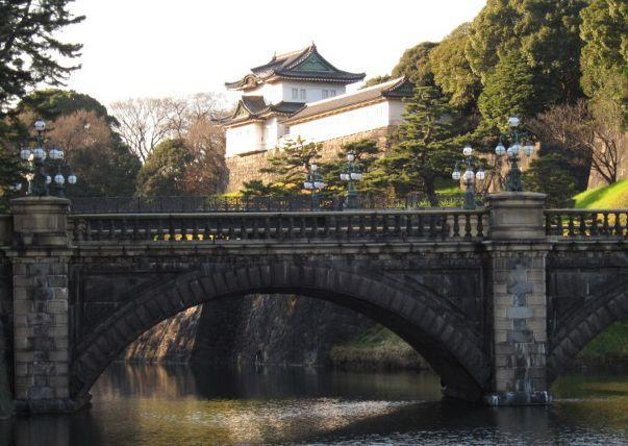
The Imperial Palace stop lasts about thirty minutes and is free on the listed itinerary. You will see the palace area from outside, around the former site of Edo Castle, with moats and large stone walls.
You cannot enter the inside of the Imperial Palace on this tour. That limitation is important because the name can suggest a palace interior visit. The value here is the setting and the chance to connect present-day Tokyo with the city’s former castle center.
Choose this stop if you want a central landmark and some political history. Skip it if you prefer markets, gardens, or neighborhood life. Your guide can help decide based on your interests.
Akihabara and Shinjuku after dark
Akihabara is a twenty-minute option known for electronics shops and, in more recent years, anime, manga, and related pop culture. It is a good choice for anyone who wants modern Japanese entertainment and technology.
The stop is short. You will not have time to inspect every store or make a serious electronics purchase, but your guide can help you understand the district and point out the kinds of shops that interest you.
Shinjuku Golden Gai is another twenty-minute stop. It sits near Kabukicho, where you can see the Godzilla figure above the streets and the Don Quijote store, known for its unusual gifts and wide range of goods. Golden Gai is associated with a dense collection of small bars and a down-to-earth city atmosphere.
The supplied details do not promise bar entry, drinks, or a night tour, so treat this as a neighborhood walk and orientation. If you want an evening food or nightlife plan, ask your guide what can fit within the six-hour schedule.
Price, transport, and private-tour value
At $172 per person, the price is easiest to justify for a small group that values personal guidance. You are not simply paying for admission to major sights, since many stops are free and the gardens cost extra. You are paying for a licensed local guide, private planning, and the wagashi workshop.
A private tour can also save mental energy. Tokyo’s train system is efficient but not always simple for a first-time user. Sachiko Horiguchi helped one group feel confident enough to travel independently to Hakone the next day, while Ted was praised for explaining both Japanese culture and the train system. That kind of practical lesson can keep paying off during the rest of your trip.
Private transportation is not included. You meet the guide in Tokyo and move on foot and by public transit. The stated 24-hour Metro Pass price is 800 yen for adults and 400 yen for children, though the tour itself is restricted to people aged 12 and older. Confirm whether that pass fits your planned route, since Tokyo travel may involve lines outside the pass.
The tour cannot combine separate groups. That keeps the experience private, but it also means the cost is calculated per person rather than shared with a larger mixed party.
Who should book this Tokyo experience?
I would recommend it to first-time Tokyo visitors who want orientation without committing to a large group. It suits couples, families with older teenagers, and friends who want to shape the day around food, temples, gardens, or pop culture.
It is particularly useful on your first or second day in the city. You can learn basic customs, practice using trains, and ask for advice about the rest of your trip. The private setup also works well if your group has a clear interest, such as Japanese sweets, gardens, local food, or anime.
I would hesitate if you want a slow, detailed tour of many sights. The six-hour limit and public transit make the full list impossible. I would also look elsewhere if you need a tour for children under 12, a vehicle, or guaranteed access inside the Imperial Palace.
The experience has a strong record of personal service. Takako is praised for customizing a route with humor and care. Sachi is noted for building an adventurous food day. Aiko is described as attentive during an Asakusa visit, while Emiko is praised for clear English and detailed explanations. These names are useful when you receive your guide assignment, since you can discuss interests in advance.
Should you book it?
Book this tour if you want a private introduction to Tokyo with a real cultural activity at its center. Choose two or three areas before the day begins, and be realistic about travel time.
My ideal plan would be Asakusa, Jidaiya, and one focused follow-up such as Meiji Shrine and Harajuku, or a single garden. That gives you old Tokyo, a hands-on sweets lesson, and a second side of the city without turning the day into a race.
Skip it if your priority is a long food crawl, inside visits at major landmarks, or a fixed sightseeing route covering every famous district. For the right group, though, the combination of flexible planning, guide attention, and wagashi making offers useful context you can carry into the rest of your Tokyo stay.
FAQ
How long does the private Tokyo tour last?
The experience lasts approximately six hours, including the sightseeing portion and the wagashi-making activity.
What does the tour include?
It includes a licensed local guide, a private tour for your group, a meeting with the guide in Tokyo, and the wagashi-making experience at Jidaiya.
Can I visit every stop listed?
No. The tour allows you to customize your day with two or three sites from the available choices. You cannot visit all the listed locations within the six-hour experience.
Is transportation included?
No. Private transportation and transportation fees are not included. The tour takes place on foot and by public transportation. A 24-hour Metro Pass is listed at 800 yen for adults and 400 yen for children.
Can I enter the Imperial Palace?
No. The tour only includes an outside visit to the Imperial Palace area and does not provide access to the inside.
Is the tour suitable for young children?
No. The experience is for people aged 12 and over and is not available for young children or babies. Most other participants can take part, and service animals are allowed.
More Dessert Tours in Tokyo




More Private Tours in Tokyo
More Guided Tours in Tokyo


More tours in Tokyo we've reviewed












Dessert Tours, compared.
 ★ 5.0Matcha Making Class in Tokyo with Authentic Japanese Sweets SetFrom $21
 ★ 4.9Tokyo: Matcha Making Experience with Mochi Sweets in AsakusaFrom $221 hour
 ★ 5.0Make Traditional Nerikiri Sweets & Matcha experience in ShibuyaFrom $60
 ★ 5.0Private Mochi Sweets Making class near Shibuya areaFrom $79
 ★ 5.0Sweets Making and Kimono Tea Ceremony at Tokyo MaikoyaFrom $112
 ★ 4.7Japanese Traditional Sweets making and Tea CeremonyFrom $181h 35m