Reviewed · SHOW
Tokyo Tower Night Show: Traditional Japan Festival Culture Dance
Tokyo Tower’s night show turns a famous landmark into a small festival stage. Instead of simply looking out over Tokyo from the observation decks, you watch dancers perform traditional styles such as Awa Odori and Gujo Odori, with modern lighting, music, and audience interaction folded into the program.
In This Article
- Key points to know before booking
- Why this Tokyo Tower show is different
- Finding the performance at Tokyo Tower 1F
- What the one-hour performance includes
- Costumes, music, and the photo opportunity
- Seating and the best time to arrive
- Is $35.82 a fair price?
- Who will enjoy this most
- What the ratings reveal about the experience
- How to build the evening around the show
- My recommendation
- FAQ
- Where does the Tokyo Tower Night Show take place?
- Are Tokyo Tower observation deck tickets included?
- How long does the experience last?
- What dances are included?
- Is seating assigned?
- Can I take photos during the performance?
- Can I take photos with the dancers?
- Is the activity close to public transportation?
- What does the ticket cost?
- What is the cancellation policy?
I like the early evening timing, which leaves room for dinner or another Tokyo sight afterward. I also like the photo opportunity with the performers, plus the chance to see Japanese festival clothing close up rather than only in a museum display.
The main caution is the sound and production quality. Most ratings are highly positive, but one detailed complaint described speakers pushed too hard and costumes in poor condition. Seating is also first come, first served, so arriving early matters.
Key points to know before booking

- The show takes place on Tokyo Tower’s first floor, not at the 150-meter or 250-meter observation decks.
- Awa Odori and Gujo Odori bring two well-known Japanese festival dance traditions into a short stage program.
- Your ticket includes a standard seat, but there are no assigned places.
- Photos with all the dancers are allowed after the show, while photography is not allowed during the performance.
- The performance lasts about one hour, making it an easy addition to an evening in Tokyo.
- The price is $35.82 per person, with free cancellation up to 24 hours before the start time.
Why this Tokyo Tower show is different
Tokyo Tower is usually treated as a viewing stop. You ride up, look across the city, take a few photos, and move on. This performance gives you another reason to enter the building: a compact presentation of Japanese festival dance in the middle of one of Tokyo’s most recognizable modern landmarks.
That contrast is the heart of the experience. The tower represents postwar Tokyo and its high-rise future. The dancers bring music, movement, costumes, and community traditions linked to local festivals. You get a brief meeting of old and new without having to spend half a day at a cultural center or travel far from central Tokyo.
The program includes lively Awa Odori and the more graceful Gujo Odori. You should not expect a formal lecture on Japanese dance forms. This is a stage show first, with cultural context delivered through the performance and its stories rather than through a long classroom-style explanation.
That makes it a good fit if you want to feel some festival energy during a short city break. If your main goal is detailed instruction about the origins, religious meaning, or regional development of each dance, the experience may feel too commercial or too quick.
A few more Tokyo tours and experiences worth a look

Finding the performance at Tokyo Tower 1F

Your ticket is for the first floor of Tokyo Tower. It does not include admission to the 150-meter or 250-meter observation decks, so keep those as a separate plan if you want the famous city views.
After entering the main entrance, turn right. The actor or staff representative will be beside a large show poster. This meeting point is simple, but Tokyo Tower can be busy, and the performance area has been described as a small basement venue. Give yourself enough time to find the poster and settle in before the dancing begins.
The location is near public transportation, which helps when you are fitting the show between other stops. Since the program lasts about an hour, you can pair it with Tokyo Tower itself, a nearby meal, or another evening activity without committing your whole night.
The first-floor setting also changes your expectations. This is not a grand theater production with a vast stage. It is a more compact presentation, and that can put you closer to the performers. The tradeoff is that the setting may feel less polished than a major concert hall.
What the one-hour performance includes
The show brings together several styles of traditional Japanese festival dance. Awa Odori is known for its upbeat movement and festive group energy. Gujo Odori offers a different mood, with more elegant and measured motion. Seeing both helps you notice that Japanese festival dance is not one single style.
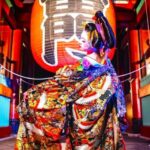
Music drives the program. The dancers use their movement, expressions, and costumes to create a clear sense of celebration. The show also adds modern lighting and some newer musical touches, giving the traditional material a stage-friendly shape for an international audience.
The strongest part of the experience is likely to be the performers’ energy. The program is designed to engage the audience, not simply place dancers on stage at a distance. Some parts may invite a response or create a shared festival feeling. You should expect entertainment with cultural content, not a quiet recital.
Several ratings describe the dancers as talented, intense, and friendly. The variety is another strength. Different dance styles, music, lighting, and costumes keep the hour moving and give you more than one visual or musical mood.
The cultural explanation is lighter. One dissatisfied assessment felt the presentation did not explain the meaning of the dances well enough. That criticism is fair to keep in mind. You will see traditional forms and hear stories connected with them, but the available information does not promise translation, a printed guide, or a detailed talk by a specialist.
Costumes, music, and the photo opportunity

The costumes are an important part of the appeal. Festival clothing gives each dance a distinct look, and the performers’ garments help communicate the difference between a lively group dance and a more graceful presentation.
You also get to see the clothing close up after the show. The included photo opportunity with the dancers is a useful extra, especially if you are interested in Japanese festival dress or want a souvenir that feels more personal than another tower photograph.
Photography is not allowed during the performance. Plan to watch rather than record, then take your photos afterward. This rule is worth noting if you normally document every stage of a trip. The post-show photo session gives you a clear moment to use your phone without distracting from the dancers.
Costume quality may vary. Most of the available ratings praise the appearance of the clothing, while one complaint described damaged, low-quality costumes. I would treat this as a production concern rather than the central character of the experience, but it is a reminder that the show may not have the finish of a premium theater production.
Seating and the best time to arrive

A standard seat is included, but seating is unassigned. Places are first come, first served, so your booking guarantees entry rather than a particular view.
That detail matters in a small venue. If you care about seeing footwork, facial expressions, or costume details, arriving early gives you a better chance of choosing a comfortable position. The exact amount of extra time is not specified, so I would avoid arriving at the last moment.
The compact room can work in your favor. A smaller audience area may make the interaction feel direct, and the dancers can seem close enough for you to notice their preparation and effort. It can also mean a less spacious or less polished atmosphere, particularly if the show is busy.
Most people can participate, and the activity is near public transportation. No special physical ability is identified as necessary. Still, the available details do not provide specific information about wheelchair access, stairs, or seating accommodations, so you should ask the provider if those points matter to you.
A few more Tokyo tours and experiences worth a look






Is $35.82 a fair price?

At $35.82 per person, this is not a throwaway add-on, but it is a reasonable price if you want a planned cultural performance rather than another general sightseeing stop.
The value comes from the combination of a one-hour show, a central Tokyo location, standard seating, and a photo opportunity with the full group of dancers. You are paying for a scheduled performance, not just entry into Tokyo Tower. The observation decks are separate, so include their ticket cost if you want both the show and the views.
I would compare the price with what else you want to do that evening. If you already plan to visit Tokyo Tower and want something beyond the observation decks, the show adds a clear purpose to the visit. If you are only seeking a panoramic view, this ticket does not replace the tower’s 150-meter or 250-meter admission.
The 96 percent recommendation and 4.8 rating from 25 ratings point to strong satisfaction overall. The high marks focus on energetic dancers, varied styles, engaging interaction, creative lighting, and the chance to spend time with the performers after the show. The lower assessment centers on sound and costume quality, so the value depends partly on how much you care about technical polish.
Who will enjoy this most

I would recommend this show to several kinds of visitors:
- You want a short introduction to Japanese festival culture without leaving central Tokyo.
- You are visiting Tokyo Tower and want an activity besides the observation decks.
- You enjoy live music, dance, costumes, and audience participation.
- You are traveling with people who may not want a long museum visit or formal cultural lecture.
- You want an early evening activity that leaves time for dinner or nightlife.
- You appreciate a photo opportunity with performers after a show.
Families and mixed-age groups may find the hour manageable, since the program is short and active. The strong movement and varied costumes can hold attention better than a long, quiet performance.
I would be more cautious if you want an in-depth academic explanation of each dance. The show presents traditional material in an accessible, modern format. It may tell stories and provide cultural clues, but it is not advertised as a detailed educational workshop.
What the ratings reveal about the experience

The most consistent praise concerns energy. The dancers are repeatedly described as enthusiastic, expressive, and good at connecting with the audience. That tells you where the show’s appeal lies: you are buying a live, high-action performance rather than a passive display.
Variety is another repeated strength. The program includes different dance types, costumes, musical styles, and lighting effects. That range can make the hour feel full, particularly if you are new to Japanese traditional dance and do not yet know which style you prefer.
The interaction after the show is also valuable. You can meet the performers on stage and take photos, which gives the experience a friendly finish. It also lets you inspect the garments and performers’ presentation at close range.
The weak point is technical consistency. One assessment found the sound too loud or distorted and felt the costumes needed better upkeep. The provider acknowledged those concerns and said it wanted to improve both the presentation and the cultural explanation. I cannot promise that sound quality will be perfect on your date, so keep your expectations realistic.
How to build the evening around the show
Because the activity lasts about one hour, it fits neatly into a larger Tokyo plan. You can visit Tokyo Tower’s exterior and first floor, attend the performance, then continue to dinner. Or you can schedule the show as a change of pace after a day spent among shops, temples, and train stations.
Do not assume the show includes tower observation access. If you want the skyline, book the observation deck separately and allow enough time for both activities. The available ticket details only cover the dance show at Tokyo Tower 1F.
The early evening schedule is one of the practical strengths. You do not have to spend a whole night at the venue, and you can still use the later hours for food, drinks, or another sight. Check the start time carefully when booking, since cancellation cutoffs use Tokyo local time.
You can cancel for a full refund if you do so at least 24 hours before the start time. Cancellations or changes made within 24 hours are not accepted for a refund. That policy is simple, but it favors people who have a settled evening plan.
My recommendation
I would book this Tokyo Tower dance show if you want an upbeat, compact cultural experience with strong performer energy and a clear sense of occasion. The combination of Awa Odori, Gujo Odori, traditional garments, modern stage effects, and a post-show photo session gives you more than a standard sightseeing stop.
I would not book it as a substitute for the observation decks, since those tickets are not included. I would also skip it if you need detailed explanations of dance meanings or expect flawless theater-level sound and costume production.
For most visitors, the best reason to go is simple: it gives Tokyo Tower a human, musical side. Arrive early for the unassigned seating, find the large poster on the first floor, watch without photographing, and save your camera for the photo session afterward.
FAQ
Where does the Tokyo Tower Night Show take place?
The show takes place at Tokyo Tower on the first floor. After entering the main entrance, turn right and look for the actor or staff member beside the large show poster.
Are Tokyo Tower observation deck tickets included?
No. The ticket includes entry to the dance show at Tokyo Tower 1F, but not admission to the 150-meter or 250-meter observation decks.
How long does the experience last?
The performance lasts approximately one hour.
What dances are included?
The program features traditional Japanese festival dances including Awa Odori and Gujo Odori. It also includes a variety of dance styles and musical presentations.
Is seating assigned?
No. Standard seating is included, but seats are first come, first served.
Can I take photos during the performance?
No. Photography is not allowed during the performance.
Can I take photos with the dancers?
Yes. The ticket includes a photo opportunity with all the dancers on stage after the show.
Is the activity close to public transportation?
Yes. The experience is described as being near public transportation.
What does the ticket cost?
The listed price is $35.82 per person.
What is the cancellation policy?
You can receive a full refund by canceling at least 24 hours before the experience start time. Cancellations or changes made less than 24 hours before the start time are not accepted for a refund.
More Evening Experiences in Tokyo
More Night Tours in Tokyo
More Shows & Performances in Tokyo

More tours in Tokyo we've reviewed












Show, compared.
 ★ 4.0Mt Fuji & Hakone Cruise, Drum Show Bullet Train 1 Day from TokyoFrom $149
 ★ 4.8Tokyo: Sumo Show Experience with Chicken Hot Pot and a PhotoFrom $1032 hours
 ★ 4.8Tokyo: Sumo Show and Dining ExperienceFrom $7990 minutes - 2 hours
 ★ 5.0the SUMO showFrom $89
 ★ 4.5Tokyo: Samurai Restaurant Show Ticket with 2 DrinksFrom $551h 30m
 ★ 4.0Mt Fuji & Hakone Cruise, Drum Show Bus 1 Day from TokyoFrom $122