Reviewed · PRIVATE
Discover Tokyo, Private Customized Tour with Expert Guides
Tokyo is too large to see well by following a fixed bus route. This private custom tour gives you a guide for your own party, a hotel meeting point in the designated Tokyo area, and room to shape the day around the places you care about. The standard route runs from Harajuku to Asakusa, linking five major sights.
In This Article
- Key points at a glance
- A private way to connect very different parts of Tokyo
- Meiji Jingu Shrine gives the day a calm start
- Takeshita Street shows Harajuku’s youth culture
- Tsukiji connects Tokyo’s food culture with its past
- Tokyo Tower supplies the big city view
- Senso-ji ends the standard route in Asakusa
- The real value is in the guide and the planning
- Is $99.10 per person a fair price?
- Timing, walking, and weather need attention
- Who will get the most from this Tokyo tour?
- Should you book this private Tokyo experience?
- FAQ
- How long does the private Tokyo tour last?
- What sights are included in the standard itinerary?
- Where does the standard itinerary start and end?
- Is hotel pickup available?
- Is this a private tour?
- Are transportation fees included?
- Is Tokyo Tower admission included?
- Is lunch included?
- What should I wear and bring?
I like the freedom to choose your stops, and I like having someone handle the route through a city where a simple transfer can eat up precious time. Guide Isao is specifically praised for fitting requested sights and extra interests into one day while keeping the timing under control.
The main catch is cost creep. The $99.10 per-person price does not include transportation, Tokyo Tower admission, lunch, or the guide’s necessary expenses. You also need sturdy shoes, since the standard schedule includes several hours of walking.
Key points at a glance
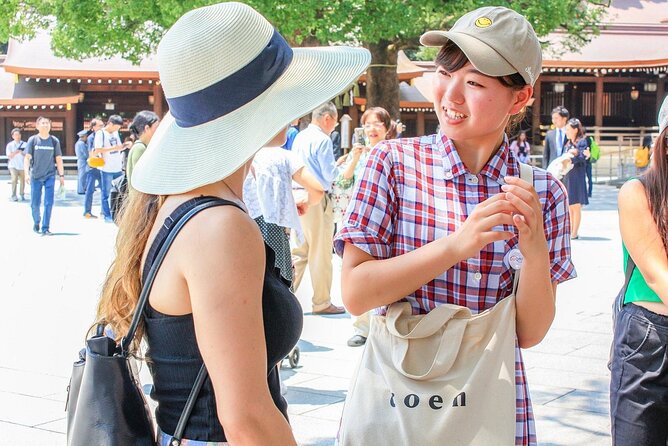
- Private route from Harajuku to Asakusa: The standard plan starts at Meiji Jingu Shrine and ends near Senso-ji Temple.
- Five major Tokyo stops: The route covers Meiji Shrine, Takeshita Street, Tsukiji, Tokyo Tower, and Senso-ji.
- Your guide contacts you two weeks ahead: This is your chance to explain interests, pace, and preferred destinations.
- About 4 to 8 hours: The listed stop times total roughly four hours and 40 minutes before transfers, meals, and any added stops.
- Transport and some admissions cost extra: Tokyo Tower is specifically excluded, and local transportation is not covered.
- Strong overall rating: The tour has a 4.9 rating from 143 reviews, with 98 percent recommending it.
A private way to connect very different parts of Tokyo
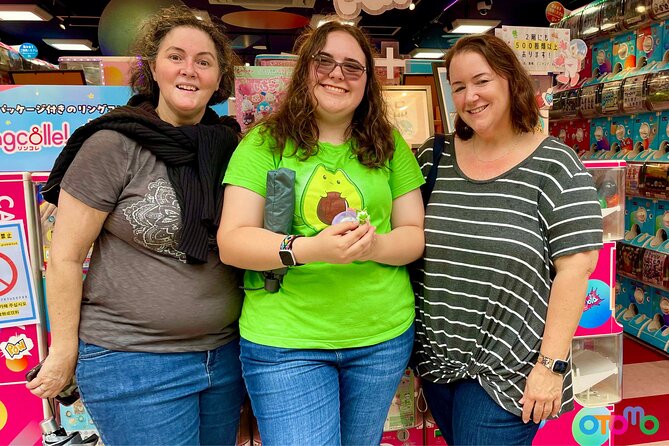
The appeal here is not simply seeing famous sights. It is having a person organize a day that moves from forested shrine grounds to youth fashion streets, a food market district, a famous city tower, and old Asakusa.
That mix gives you a useful first look at Tokyo. You get religion, modern pop culture, food, postwar city identity, and traditional temple architecture in one outing. A fixed sightseeing bus may show you many landmarks, but this format lets you spend more time on the places that match your interests.
The tour lasts approximately four to eight hours. The shorter version may suit you if you want a focused introduction. The longer version makes more sense if you add personal requests, take your time at the markets, or need a slower pace.
The standard itinerary is only a reference point. After booking, you provide information and preferences, then your guide is scheduled to contact you two weeks before the tour. If you do not respond, the standard route is used. That makes the pre-tour message important. Tell the guide if you care most about food, shrines, shopping, photography, architecture, or a particular neighborhood.
Other private tours in Tokyo

Meiji Jingu Shrine gives the day a calm start
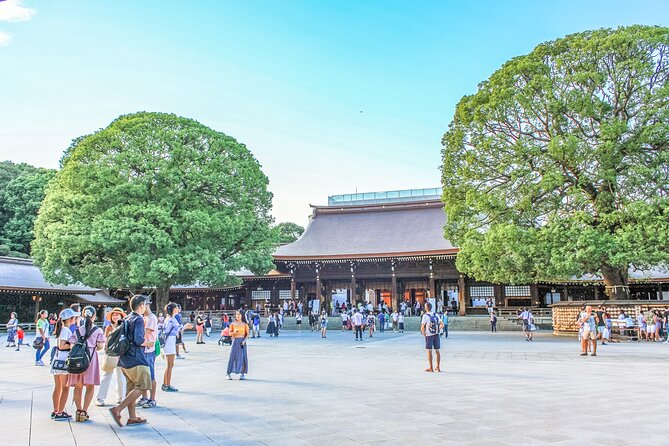
The day begins at Meiji Jingu Shrine, near Harajuku. The shrine is surrounded by broad greenery, giving you a sharp change from Tokyo’s dense streets. It is known as one of Japan’s most visited shrines and attracts worshippers as well as people sightseeing.
The scheduled visit is 50 minutes, which should give you enough time to walk through the grounds, take in the setting, and hear the guide explain the shrine’s role. It is a good opening stop because you begin with space and quiet before moving into Harajuku’s crowded shopping streets.
Admission is free. You should still plan for walking on paths and through a large shrine area. If you have mobility concerns, raise them when planning the route, since the experience involves substantial movement and the exact path can change.
Takeshita Street shows Harajuku’s youth culture
From the shrine, the route turns to Takeshita Street and Omotesando, two very different fashion areas. Takeshita Street is associated with youth culture and colorful shops. Omotesando is a major fashion street with a more polished feel.
The scheduled stop is 50 minutes. That is enough to get a feel for both areas, but not enough for a serious shopping expedition. If you already know you want to browse, tell your guide in advance and ask how the time should be divided.
This is one of the most useful places to customize. You might care about clothing, street food, design, or simply seeing how Tokyo’s retail districts change from one block to the next. The guide can help you avoid wandering without a plan, though purchases and personal spending are your responsibility.
The move from Meiji Jingu to Takeshita Street also shows why a private guide can help. The two stops are close in the city, but they offer completely different experiences. You are not spending the day looking at similar landmarks.
Tsukiji connects Tokyo’s food culture with its past
The longest scheduled stop is Tsukiji Fish Market, at one hour and 30 minutes. This is the place to give yourself time for food, small shops, and the feel of the old market district.
Tsukiji was once a major wholesale fish market. The wholesale operation moved to Toyosu in 2018, but the historical Tsukiji site remains popular with local shoppers and people looking for food. It is important to set expectations: this is not a visit to the former wholesale market in its old working form. You are seeing the surviving market area and its food culture.
The longer time allocation makes sense. You may want to stop for something to eat, browse, or ask your guide about what you are seeing. Lunch is not included, so budget separately for food. Some places accept cash only, and carrying cash is specifically recommended.
A mask is also recommended at Tsukiji, so bring one if possible. This is a small practical detail, but market areas can be crowded and food-focused, so it is worth following the advice.
Tokyo Tower supplies the big city view
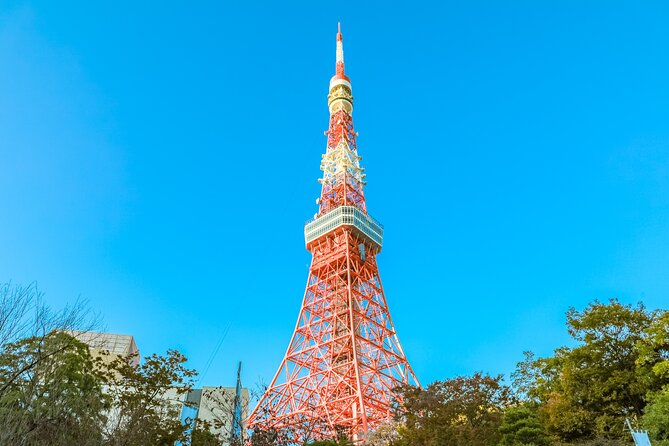
The planned visit to Tokyo Tower lasts 45 minutes. Built in 1958, the tower remains one of Tokyo’s most recognizable symbols, even though Tokyo Skytree is taller.
The stop is useful for a broad sense of the city’s size and shape. It also adds a strong contrast to the shrine and market visits. At Meiji Jingu, the city falls away behind trees. At Tokyo Tower, the city becomes the subject.
Tokyo Tower admission is not included. That means you should decide before the day begins if you want to pay for an observation level or simply see the tower from outside. The supplied price information does not state the admission cost, so check the current amount before booking or during your pre-tour planning.
This is also a stop where weather matters. If conditions are poor, the transportation method, route, or destinations may be changed. Since Tokyo Tower is an outlook stop, ask your guide how bad weather would affect the plan.
Senso-ji ends the standard route in Asakusa
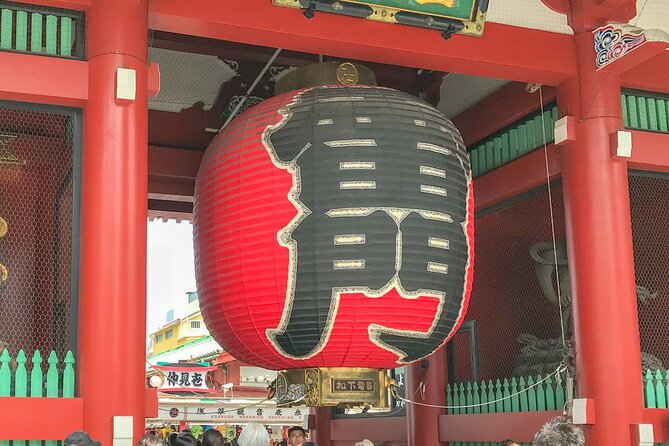
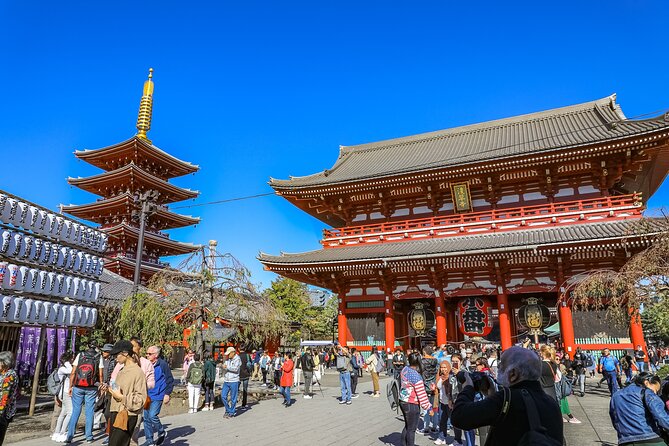
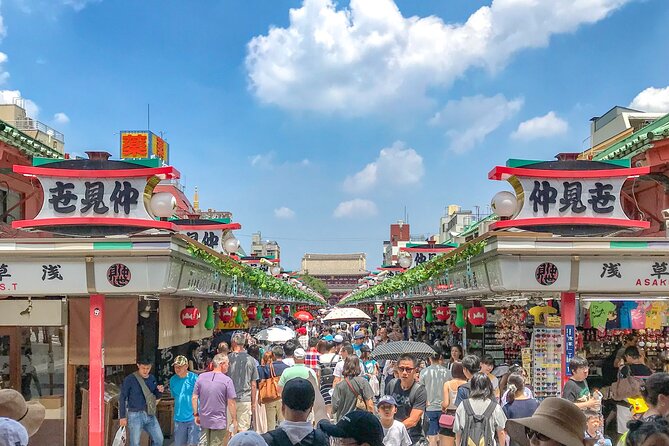
The standard day finishes at Senso-ji Temple in Asakusa, with a scheduled 45-minute visit. This is Tokyo’s oldest temple and is recognized by its large red lanterns and bold red buildings.
Senso-ji is one of the city’s most photographed sights, but it is more than a quick picture stop. The guide can help you understand the layout and the meaning of the temple area while you take in the architecture.
Ending in Asakusa works well geographically and thematically. The route begins in modern Harajuku and finishes in one of Tokyo’s best-known traditional districts. The stated end point is Asakusa Station at 1-chōme-1-3 Asakusa, though the plan can be adjusted by request.
If Asakusa is especially important to you, say so before the tour. The published 45-minute schedule is a starting point, not a promise that every private tour must follow the same timing.
The real value is in the guide and the planning
A private tour is only worth its premium if the guide makes the day easier or more personal. Here, the strongest evidence is the way the guide is expected to plan around your information and contact you two weeks ahead.
Guide Isao received specific praise for managing time well, covering the main requested sights, and adding other places of interest. That gives you a useful picture of what to ask for: list your priorities clearly, then let the guide help fit them into a sensible route.
You also avoid being placed with strangers. The activity is private, so only your own party participates. That matters for families, couples, and small groups with different energy levels. You can discuss your preferred pace rather than follow a large group’s schedule.
The guide’s necessary expenses are not included and should be discussed directly. Ask about this before the tour day. Transportation fees are also extra, and the tour does not include lunch or other personal expenses.
Is $99.10 per person a fair price?
At $99.10 per person, the cost is reasonable if you value a private guide and want to cover several parts of Tokyo in one day. You are paying for route planning, personal attention, hotel meet-up within the designated area, and the chance to adjust the itinerary.
The price is less attractive if you only want to visit one or two sights independently. Tokyo has excellent public transportation, and many of the scheduled stops have free admission. In that case, the guide fee may be more than you need.
Your final cost will be higher than the advertised amount because transportation, Tokyo Tower admission, lunch, personal purchases, and the guide’s necessary expenses are separate. Ask for a clear estimate of those added costs before confirming your plans.
Group discounts are offered, but the available information does not specify the discount amount or group size. If you are traveling with family or friends, check the total price for your party rather than judging the experience only by the per-person figure.
Timing, walking, and weather need attention
The five listed stop times add up to about four hours and 40 minutes. The full experience can last up to eight hours, so the remaining time may be used for transfers, meals, extra stops, and changes requested by your group.
Wear sneakers. You will walk through shrine grounds, shopping streets, a market district, and temple areas. The tour is near public transportation, but transport itself is not included, so you should expect to pay fares during the day.
The standard meeting point is Harajuku Station, though hotel pickup is offered within a designated area in Tokyo. Confirm the actual meeting point with your guide, especially if your custom plan differs from the standard route.
Punctuality matters. If you have not arrived at the agreed starting place within 60 minutes of the meeting time, the tour is treated as canceled. Bad weather may lead to changes in transportation, destinations, or routes.
Free cancellation is available up to 24 hours before the start time for a full refund. Changes or cancellations inside that window are not accepted or refunded.
Who will get the most from this Tokyo tour?
I would consider this a good fit for a first visit when you want a broad introduction without spending the day solving train routes. It also suits families, small groups, and anyone who wants a guide focused only on their party.
It is especially useful if you have a short stay and want to connect Harajuku, Tsukiji, Tokyo Tower, and Asakusa in one organized day. The guide can help you choose priorities when your wish list is longer than your available time.
You may want a different plan if your main goal is a slow food tour, an in-depth visit to one neighborhood, or a full day of shopping. The standard itinerary covers a lot of ground, and the number of stops may feel hurried if you want extended time at every location.
The tour is also less suitable for anyone who wants a fully independent day with no added expenses beyond public transportation and free sights. The private format is the point, but it is also what creates much of the cost.
Should you book this private Tokyo experience?
Book it if you want one flexible day covering several sides of Tokyo, and if a guide’s route planning is worth more to you than saving money. The 4.9 rating from 143 reviews and 98 percent recommendation rate support the idea that the guide service is a major strength, with Isao’s time management a particularly useful example.
Before you pay, prepare a short priority list and ask about transport, the guide’s expenses, Tokyo Tower admission, and the amount of walking. If your group agrees on those details, this tour offers a practical way to see major Tokyo sights without the limits of a large sightseeing group.
FAQ
How long does the private Tokyo tour last?
The experience lasts approximately four to eight hours. The standard stop schedule totals about four hours and 40 minutes before adding transfers, meals, or extra requested stops.
What sights are included in the standard itinerary?
The standard route includes Meiji Jingu Shrine, Takeshita Street and Omotesando, Tsukiji Fish Market, Tokyo Tower, and Senso-ji Temple.
Where does the standard itinerary start and end?
The standard route starts at Harajuku Station and ends at Asakusa Station. The meeting and ending points can be adjusted based on your request.
Is hotel pickup available?
Yes. Hotel meet-up is included within a designated area in Tokyo. Confirm the exact meeting point with your guide after booking.
Is this a private tour?
Yes. Only your own group participates in the activity.
Are transportation fees included?
No. Transportation fees are not included in the tour price.
Is Tokyo Tower admission included?
No. Tokyo Tower admission is not included. The other listed stops show free admission.
Is lunch included?
No. Lunch and other personal expenses are separate.
What should I wear and bring?
Wear sneakers because the tour involves a lot of walking. Bring cash because some stops may accept cash only, and bring a mask if possible for the Tsukiji Market visit.
More Private Tours in Tokyo
More tours in Tokyo we've reviewed












Private, compared.
 ★ 5.0Tokyo 6hr Private Tour with Government-Licensed GuideFrom $155
 ★ 5.0Private Tour to Mt. Fuji and Hakone (Fully Licenced Operator)From $497
 ★ 5.0Tokyo Customized Private Tour (Must See Places in 1 Day)From $145
 ★ 4.8Tokyo: Private City Highlights Tour with Local GuideFrom $1064 - 8 hours
 ★ 5.0Private Custom Tour: Tokyo in a DayFrom $159
 ★ 5.0Tokyo 4hr Private Tour with Government-Licensed GuideFrom $109