Reviewed · GUIDED
8-hour Tokyo tour by qualified tour guide using public transport
Tokyo can feel like several cities stitched together, and this private day tour helps you connect the pieces without wrestling with the subway map alone. You move from Meiji Shrine and youthful Harajuku to old Asakusa, Hama Rikyu Gardens, Tsukiji, the Imperial Palace area, and Tokyo Tower.
In This Article
- Key Points To Know Before You Book
- A Fast, Flexible Introduction To Tokyo
- Meiji Shrine: A Calm Start In The City
- Takeshita Street: Harajuku’s Youthful Side
- Asakusa And Sensoji Temple: Tokyo’s Traditional Heart
- Hama Rikyu Gardens: Ponds, Bridges, And Tokyo Bay
- Tokyo Tower: A Familiar View From 150 Metres
- Tsukiji Jogai Market: A Short Look At Tokyo’s Food Culture
- The Imperial Palace Area: Eastern Gyoen And Gaien
- Public Transport Is The Real Classroom
- What The $225.36 Price Really Buys
- Who Should Choose This Tokyo Day
- Booking Details Worth Checking
- Should You Book This Tour?
- FAQ
- How long does the Tokyo tour last?
- Is this a private tour?
- Is hotel pickup included?
- Does the tour use public transportation?
- Are lunch and entrance fees included?
- Can the route and start time be changed?
I like the private format, since you can adjust the route and start time around your interests. I also like the practical value of learning Tokyo’s public transport system from a licensed guide such as Nobu, who can help with navigation, translation, and cultural context.
The catch is simple: this is a high-mileage day. The planned course can involve roughly 25,000 steps and many subway rides, while lunch, fares, and admission charges are extra. It suits an energetic first day, not a slow morning in the park.
Key Points To Know Before You Book
- A private route with flexible planning: You can change the places visited and arrange a start time that suits your schedule.
- Seven major Tokyo stops in about eight hours: The day may include Meiji Shrine, Takeshita Street, Asakusa, Hama Rikyu Gardens, Tokyo Tower, Tsukiji, and the Imperial Palace area.
- Public transport is part of the lesson: You learn how to move around Tokyo by train and subway rather than sitting in a private vehicle.
- Nobu is a noted guide option: He is described as professional, engaging, helpful with translation, and good at teaching the transport system.
- Walking is a serious part of the tour: One reported day reached 26,000 steps, and the operator says guides average about 25,000 steps on this course.
- The $225.36 price covers guiding and hotel pickup only: You still pay for transport, lunch, Hama Rikyu Garden, Tokyo Tower, and other entrance costs.
A Fast, Flexible Introduction To Tokyo
This tour works best as a first look at Tokyo. In one long day, you get a shrine, a temple, a traditional shopping street, a Japanese garden, a food market, a palace district, and two very different city views.
That range is the main reason to consider it. You do not spend the whole day in one neighborhood, and you are not left to decode every train change on your own. A qualified guide licensed by the Japanese government leads the day, with the route adjusted to your interests where practical.
The private setup also changes the feel of the experience. You are not tied to a large group’s pace or forced to stay at a stop that does not interest you. If your priority is religion and history, you can give more attention to Meiji Shrine, Sensoji Temple, and the Imperial Palace grounds. If you prefer modern Tokyo, the guide can place more weight on Harajuku, Tokyo Tower, and the city views.
There is a tradeoff. Seven stops sound impressive, but Tokyo is huge, and moving between districts takes time. The day is designed for coverage rather than long, quiet visits. You will see many important places, but you should not expect a detailed museum tour or an unhurried meal.
Other guided tours in Tokyo
Meiji Shrine: A Calm Start In The City
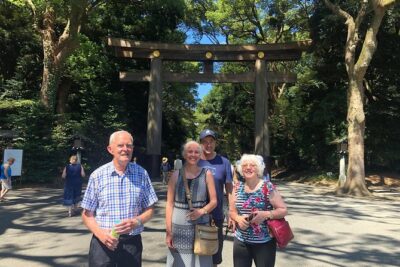
Meiji Jingu Shrine usually provides the day’s most peaceful opening. It is dedicated to the spirits of Emperor Meiji and Empress Shoken, and it is especially famous for the New Year visit during the first three days of January.
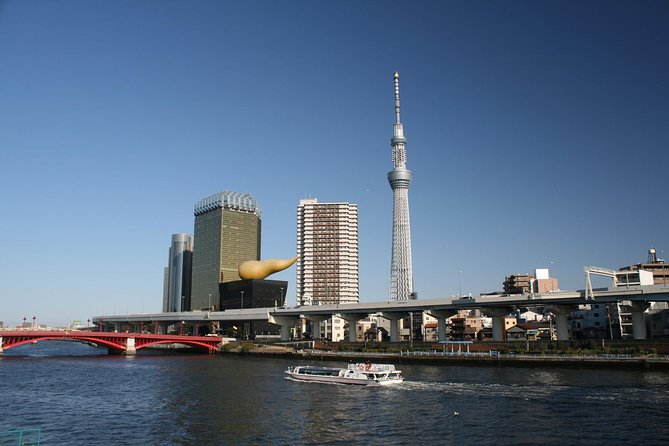
The contrast with central Tokyo is part of the appeal. You begin with a major religious site, not a shopping mall or observation deck, and your guide can explain the role of the shrine in Japanese culture. The admission fee is free, which keeps the first stop straightforward.
Plan for about an hour here. That is enough to see the main approach and shrine area, though the amount of walking can still add up before the day has properly begun. Wear shoes that can handle long stretches on foot, and avoid treating this as a quick photo stop. The setting makes more sense when you allow time to notice the transition from city streets to the shrine grounds.
Takeshita Street: Harajuku’s Youthful Side
From Meiji Shrine, the tour shifts to Takeshita Street. This is a popular shopping street for young people and international visitors, and it gives you a taste of Japanese pop culture that feels very different from the quiet shrine.
The stop lasts about an hour and has no admission fee. You can walk the street, look at the shops, and ask your guide about the styles and trends you are seeing. The value here is not a formal attraction with a long history. It is a quick way to see a more playful, commercial side of Tokyo.
Takeshita Street can be a difficult place to linger if you dislike crowds or shopping areas. The tour does not suggest a long, guided retail session, so think of this hour as an introduction. If you already know Harajuku is not for you, the private format gives you a good reason to ask for a different stop.
Asakusa And Sensoji Temple: Tokyo’s Traditional Heart
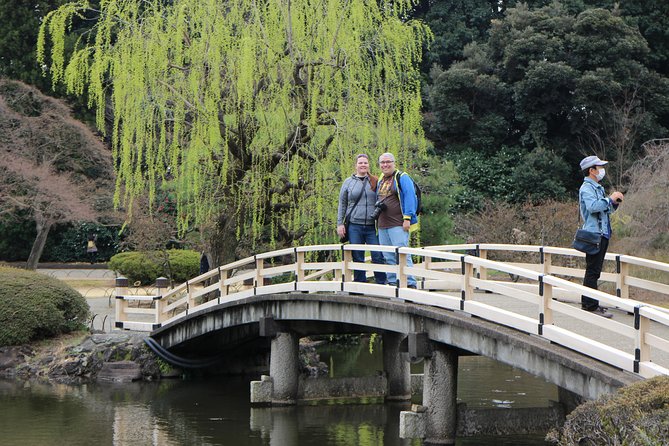
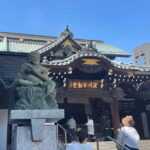
Asakusa receives the longest planned visit, about two hours, and for good reason. Its central sight is Sensoji Temple, described as Tokyo’s oldest temple, with origins dating to 628.
The temple is only part of the experience. Nakamise-dori, one of Japan’s oldest shopping streets, leads toward the temple and adds food, souvenirs, and street life to the visit. This is a useful place for a guide because it combines religious customs, architecture, local tradition, and everyday shopping in a compact area.
I would give Asakusa your full attention. It is the stop most likely to reward questions about how temples differ from shrines, what you are seeing at the religious buildings, and how the district fits into Tokyo’s past. A guide can also help with translation if you want to understand signs or ask questions in shops.
Two hours is a solid amount of time, but the pace remains active. You will be walking, looking, and moving through a popular area rather than sitting in one place. If you want a relaxed temple visit with extensive shopping, you may need to ask for a shorter route elsewhere.
Hama Rikyu Gardens: Ponds, Bridges, And Tokyo Bay
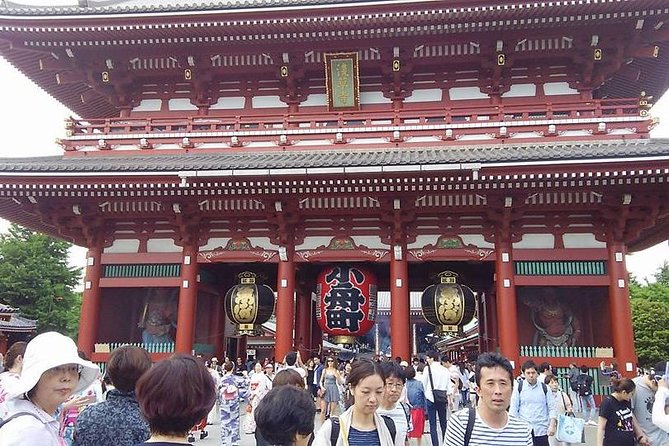
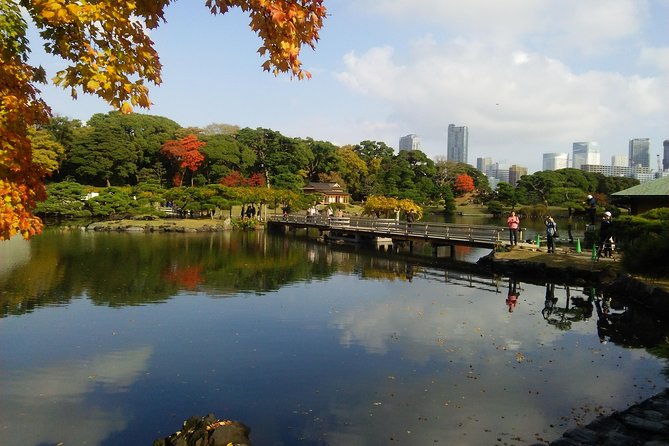
Hama Rikyu Gardens offers a sharp change of mood. This circuit-style Japanese garden has ponds, trees, and bridges designed to evoke a Buddhist paradise, while the surrounding view brings Tokyo Bay and modern buildings into the picture.
That mix makes the garden more than a standard green space. You get traditional Japanese design and a clear reminder that Tokyo is a modern capital built around dense urban districts and water. The garden is scheduled for about an hour, which gives you time to walk through its main areas without turning the stop into a full afternoon.
Admission is not included, so budget for that separately. The garden is also one of the places where weather matters. Rain can make paths less pleasant and reduce the quality of the views, and the experience provider may cancel the tour in poor weather, offering another date or a full refund.
This is a good stop for you if you want a break from shopping streets and train platforms. It is less suitable if you prefer a tightly packed list of indoor sights, especially on a short winter day when daylight is limited.

Tokyo Tower: A Familiar View From 150 Metres
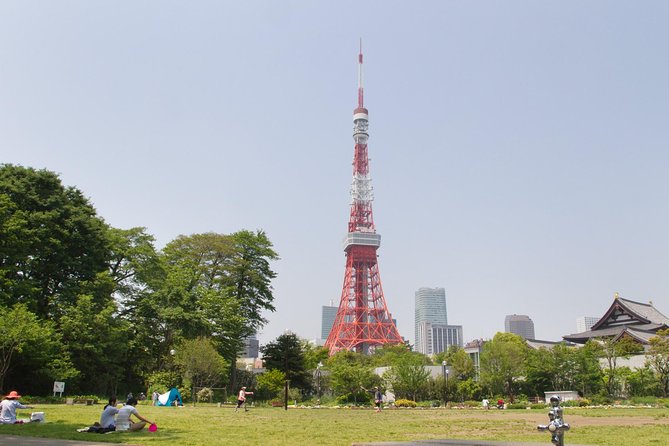
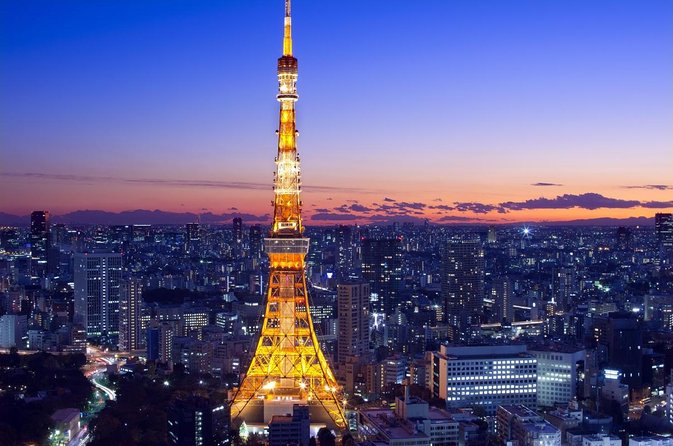
The final planned stop is Tokyo Tower, where you see the city from 150 metres above ground. Tokyo Skytree may now be taller, but Tokyo Tower remains a popular landmark and gives the tour a classic finish.
The observation experience is not included in the tour price. You pay the entrance fee yourself, so confirm the current cost before the day begins. The scheduled visit is about an hour, which leaves time for the view without requiring a long stay.
I like the way this stop rounds out the day. You have spent hours at street level, in temple grounds, and in a garden. From the tower, you can put those districts into a wider picture. After so many subway connections, a high view can help you understand how spread out Tokyo really is.
The main concern is fatigue. If you reach Tokyo Tower after a full day of walking, you may appreciate the view but have little energy for extra exploring. Your guide can help keep the visit focused, but the private format does not remove the physical demands of the day.
Tsukiji Jogai Market: A Short Look At Tokyo’s Food Culture
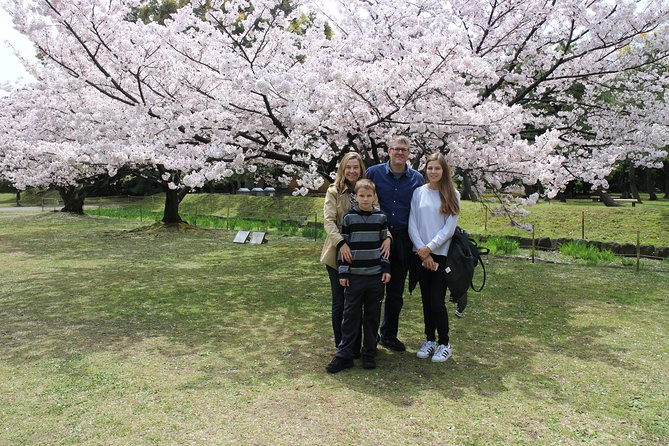
Tsukiji Jogai Market is an outside market tour lasting about an hour. The market area adds another practical, sensory stop, and it works well for anyone interested in Japanese food culture.
Lunch is not included. That gives you flexibility, but it also means you must pay for your own meal and the guide’s lunch. Since the tour runs for eight hours, you should treat the meal plan as something to discuss with your guide rather than an automatic part of the booking.
The market stop may be especially useful if you want help understanding unfamiliar foods, signs, or shopping customs. Translation support is one of the reasons to choose a private guide here. Still, an hour passes quickly, and the experience is a walk through the outside market rather than a dedicated food tour.
The Imperial Palace Area: Eastern Gyoen And Gaien
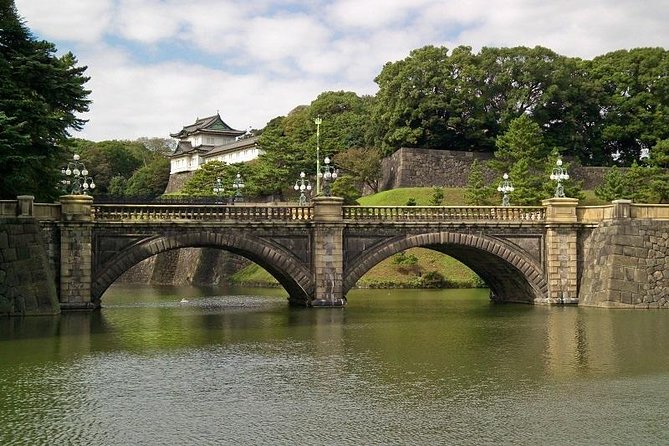
The Imperial Palace portion covers Eastern Gyoen and Gaien. These areas give the day another view of Tokyo’s political and historical center, along with open grounds that contrast with the city’s dense streets.
Admission is listed as free. The tour allows about an hour, so expect an overview rather than a lengthy examination of every section. Your guide can help place the palace grounds within the story of Tokyo and explain what you are seeing as you move through the area.
This stop is also a reminder that the tour covers broad themes rather than one single subject. In one day, you move from popular culture to religion, gardens, food, and government. That variety is valuable for a first visit, though anyone seeking a specialist history tour may want a more focused private route.
Public Transport Is The Real Classroom
The transport plan is one of the tour’s strongest features. You travel by public transport, and the guide handles the practical side of Tokyo’s network while showing you how it works.
That help matters most on a first day. You can learn how to reach different parts of the city, how to follow a guide through stations, and how to ask for help when language gets in the way. One of the best uses of the tour is to pay close attention to the routes, since you may feel more confident exploring alone afterward.
The downside is that transport is not included. You pay the fares for yourself and the guide, in addition to the tour price. If you want a private car, that can be arranged separately for an extra charge, but the standard experience is specifically built around public transport.
Expect many station walks and transfers. This is not a sightseeing bus with a seat between attractions. The train rides are part of the Tokyo experience, but they also add to the day’s physical load.
What The $225.36 Price Really Buys
At $225.36 per person, the tour is not a budget way to see Tokyo. The price covers the guide fee and hotel pickup, while lunch, transportation, and admission charges are extra.
The value depends heavily on how much help you need. For a private group, you are paying for a full day of personal attention, flexible planning, translation help, and navigation through a complicated city. If you are visiting Tokyo for only one day from a cruise ship, that concentrated coverage can make sense.
The value is also stronger for first-time visitors who want to learn the transport system. A guide who shows you how to move between districts may save time and reduce stress beyond the tour itself.
For a larger private group, group discounts may improve the price per person. For a solo participant or couple on a tight budget, the added train fares, meals, and entrance fees can make the total noticeably higher than the advertised amount.
Hotel pickup is included, which is convenient, but the exact route and start time should be settled in advance. The experience is generally suitable for most people, yet the step count should be treated as a serious warning, not a footnote.
Who Should Choose This Tokyo Day
I would choose this tour if you want a guided first day that covers several sides of Tokyo and teaches you how to get around. It is especially suited to:
- First-time visitors who feel unsure about trains and subways
- People with only one full day in Tokyo
- Cruise passengers needing a focused city introduction
- Families or friends who want a private route
- Active visitors comfortable with long walks
- People who want to adjust the stops around personal interests
I would hesitate if you want a slow pace, long meals, or deep time at each attraction. The standard plan is ambitious, and 25,000 steps is a lot for anyone with limited stamina.
Ask for a shorter course if needed. The guide has specifically indicated that shorter options are available and that the route can be customized to suit each group.
Booking Details Worth Checking
Confirmation is provided at booking, and pickup is offered from your hotel. The tour stays near public transport for much of the day, and only your group participates.
The cancellation policy allows a full refund if you cancel at least 24 hours before the start time. Cancellations or changes made inside that window are not accepted for a refund. The experience requires good weather, so a weather cancellation brings the choice of another date or a full refund.
Before you set out, confirm the start time, preferred stops, lunch plan, and the level of walking you can manage. Also allow for separate costs for train fares, Hama Rikyu Garden, Tokyo Tower, and food.
Should You Book This Tour?
Book it if you want maximum Tokyo coverage with personal guidance, especially on your first day or during a short port visit. Nobu has been singled out for professional service, clear English, translation help, and practical subway instruction, making him a strong guide option when available.
Skip it if the advertised price is already near your limit or if 25,000 steps sounds exhausting. You can ask for a shorter private route, but transport, food, and entry fees will still be separate.
For an active visitor who wants shrines, temples, gardens, markets, modern views, and a working lesson in Tokyo transport, this is a useful and unusually broad introduction. Just bring comfortable shoes, plan your energy, and treat the flexibility as something to use before the day begins.
FAQ
How long does the Tokyo tour last?
The tour lasts approximately eight hours.
Is this a private tour?
Yes. Only your group participates in the activity.
Is hotel pickup included?
Yes. Hotel pickup is included in the guide fee.
Does the tour use public transportation?
Yes. The standard tour uses public transport. A private car may be arranged separately for an extra charge.
Are lunch and entrance fees included?
No. Lunch, transportation fares, Hama Rikyu Garden admission, Tokyo Tower admission, and other entrance costs are not included.
Can the route and start time be changed?
Yes. The places visited and start time are flexible, depending on your interests and arrangements with the guide.
More Guided Tours in Tokyo



More tours in Tokyo we've reviewed





Guided, compared.
 ★ 5.0Tokyo 6hr Private Tour with Government-Licensed GuideFrom $155
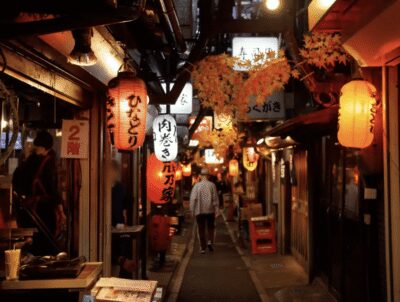 ★ 4.9Tokyo: Shinjuku Local Bar and Izakaya Guided Walking TourFrom $343 hours
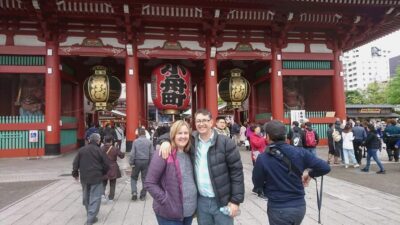 ★ 4.8Tokyo: Private City Highlights Tour with Local GuideFrom $1064 - 8 hours
 ★ 4.9Tokyo: Tsukiji Fish Market Guided Walking TourFrom $222 hours
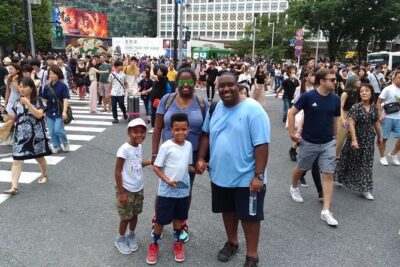 ★ 5.0Tokyo 4hr Private Tour with Government-Licensed GuideFrom $109
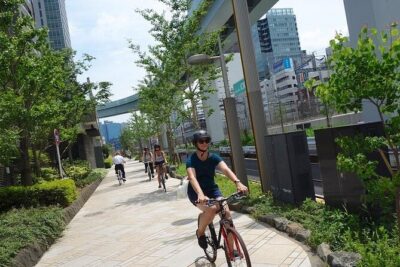 ★ 5.0Tokyo Guided Small-Group Biking TourFrom $106