Reviewed · CITY TOURS
Tokyo: Private City Highlights Tour with Local Guide
Tokyo can feel like several cities stitched together by train lines. This private tour solves that problem by letting you choose your priorities, then pairing you with a nationally licensed guide who can explain what you are seeing. One day might link Senso-ji in Asakusa, the Imperial Palace gardens, Tsukiji, and Meiji Jingu. Another might favor Harajuku, Akihabara, Nezu, or local food stops.
In This Article
- A Private First Day in Tokyo
- Starting at Senso-ji in Asakusa
- Imperial Palace Gardens and Seasonal Tokyo
- Tsukiji for Food and Local Color
- Meiji Jingu, Harajuku, and Takeshita Street
- Shibuya, Shinjuku, and Akihabara
- Nezu and Hama Rikyu for a Quieter Day
- What the Six or Eight Hour Pace Feels Like
- Trains, Taxis, and the Real Cost
- The Guides Make the Difference
- Who Should Book This Tokyo Tour
- Booking Advice and Final Verdict
- FAQ
- How long does the Tokyo private city tour last?
- What sights can I choose?
- Is the itinerary fixed?
- Does the guide meet me at my hotel?
- Are transportation costs included?
- Is lunch included?
- Is the tour available in English?
- Is this a private group tour?
- Can I cancel for a refund?
I like two things here. First, the itinerary is genuinely flexible, not a fixed bus loop. Second, the guide helps you use Tokyo’s trains, which can be as useful as the sightseeing itself. The tradeoff is clear: this is a walking and public-transport tour, not a private-car outing, and four to eight hours can mean a lot of time on your feet.
- Build your own Tokyo route: Choose from major sights such as Asakusa, Tsukiji, Meiji Jingu, Harajuku, Shinjuku, Akihabara, and Nezu.
- Meet at your hotel: Pickup and drop-off are included, but the day begins on foot rather than in a private vehicle.
- Learn the train system: Guides can show you how to move around Tokyo by public transport and local taxi.
- Go beyond sightseeing: Expect explanations of religious customs, Japanese history, daily life, food, and local traditions.
- Adjust the pace: Families, older visitors, and people traveling in summer can ask for breaks, shade, or a less demanding route.
- Plan the rest of your stay: Several guides have helped visitors choose restaurants, shopping areas, train routes, and later activities.
A Private First Day in Tokyo
At $106 per person, this experience sits in the useful middle ground between a large group tour and hiring a private vehicle. You pay for a personal guide, not for a car, attraction tickets, meals, or train fares. That matters in Tokyo, where a car often adds little value because rail travel is usually the practical way to cross town.
The price makes the most sense for a first day. You can see several districts while learning how the city is arranged. Afterward, you can return to the places you liked, use the metro with more confidence, and spend your remaining days at a calmer pace.
The guide is nationally licensed as a Tour Guide-Interpreter. That certification is issued by the Japanese government and requires formal knowledge of Japanese culture and history. Guides speak English or Japanese, and the private format gives you room to ask questions without holding up a busload of people.
Your guide contacts you before the tour to discuss what you want to see. The timing can vary, so do not treat the booking as final until that contact takes place. Most guides make contact within seven days, and the provider will reach out if a guide cannot take the tour.
Starting at Senso-ji in Asakusa
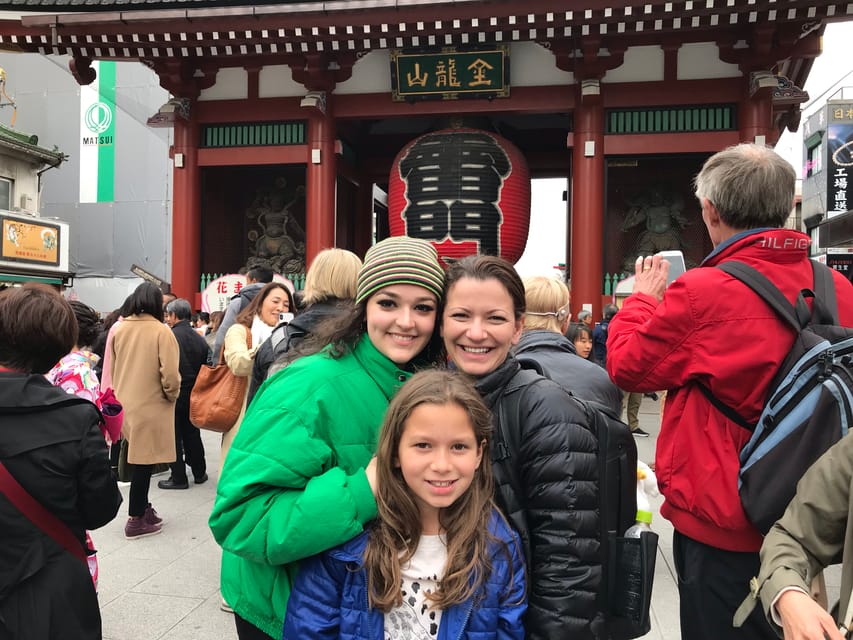
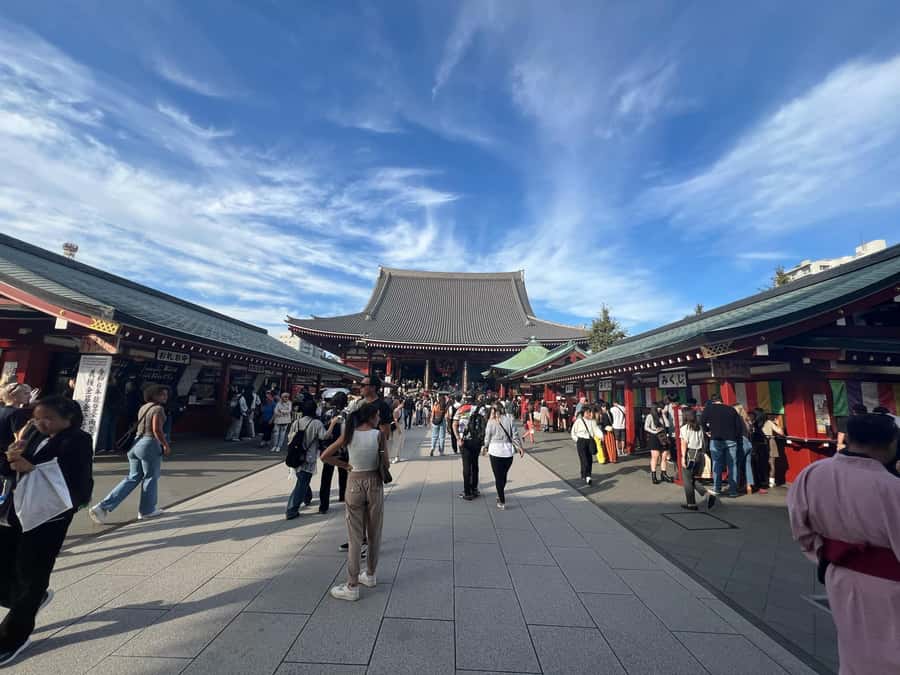
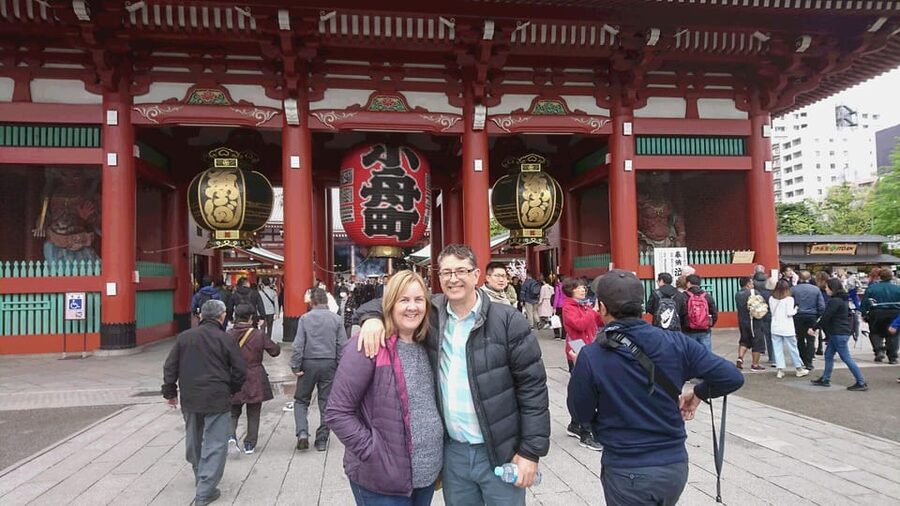
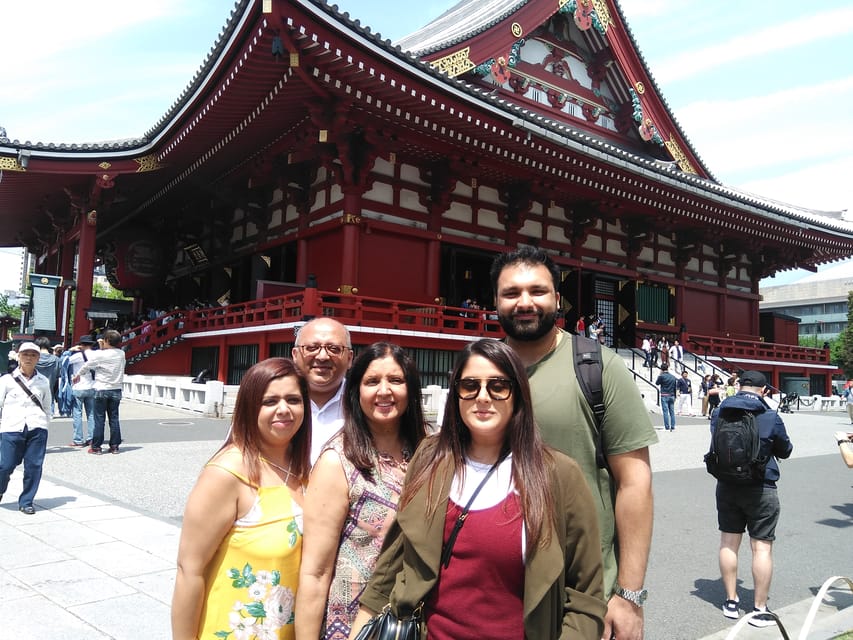
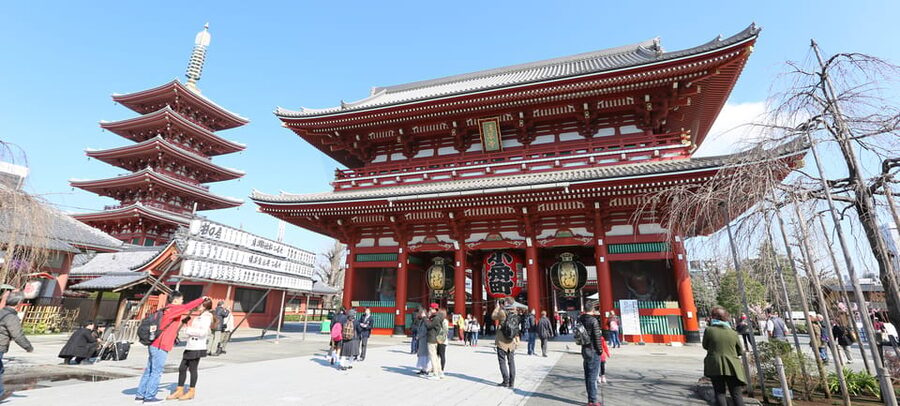
Asakusa is one of the strongest opening choices because it gives you an immediate sense of old Tokyo. Senso-ji, the famous Buddhist temple, anchors the district, while Nakamise-dori leads toward it with shops and food stalls. You will get photographs, but the better reason to come with a guide is context.
A good guide can explain how to behave at a temple, what the gates and incense mean, and how Buddhist and Shinto customs differ. Several visitors have also learned about goshuin books and stamps during this kind of visit. These temple and shrine stamps can become far more personal souvenirs than another generic key ring.
Asakusa is also a useful lesson in Tokyo’s scale. It feels traditional, yet it is connected to the rest of the city by straightforward train routes. If this is your first morning in Tokyo, starting here can make the city feel less abstract.
The drawback is crowding around the main temple approach, especially at popular times. You should not expect a quiet temple courtyard throughout the visit. Ask your guide to add nearby streets or a less crowded stop if the main approach feels too busy.
Other guided tours in Tokyo

Imperial Palace Gardens and Seasonal Tokyo
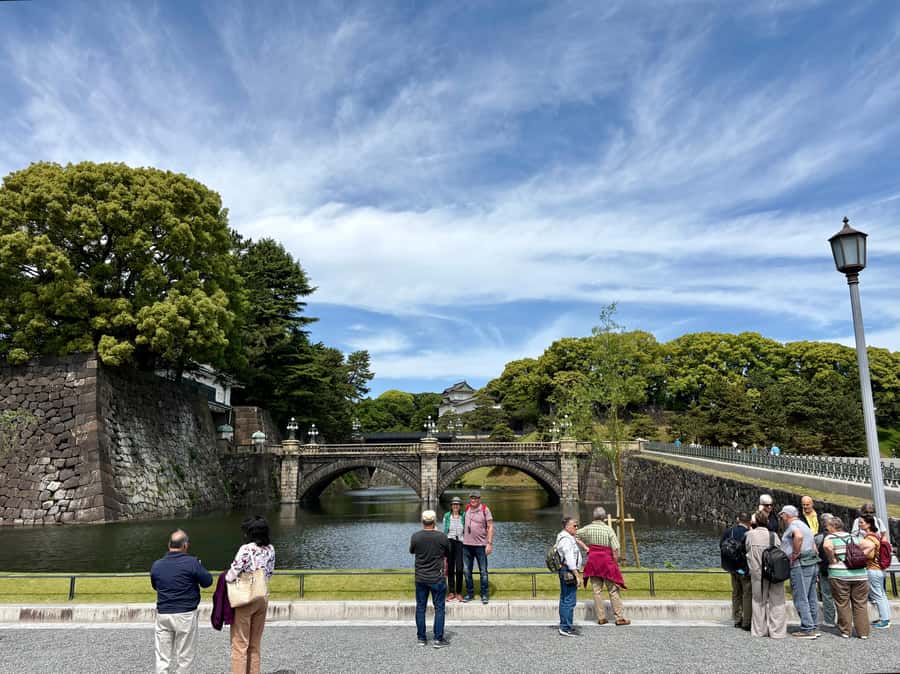
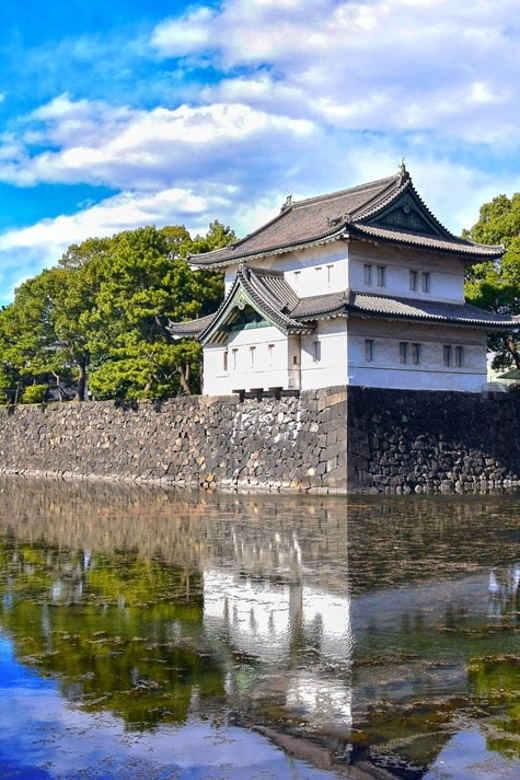
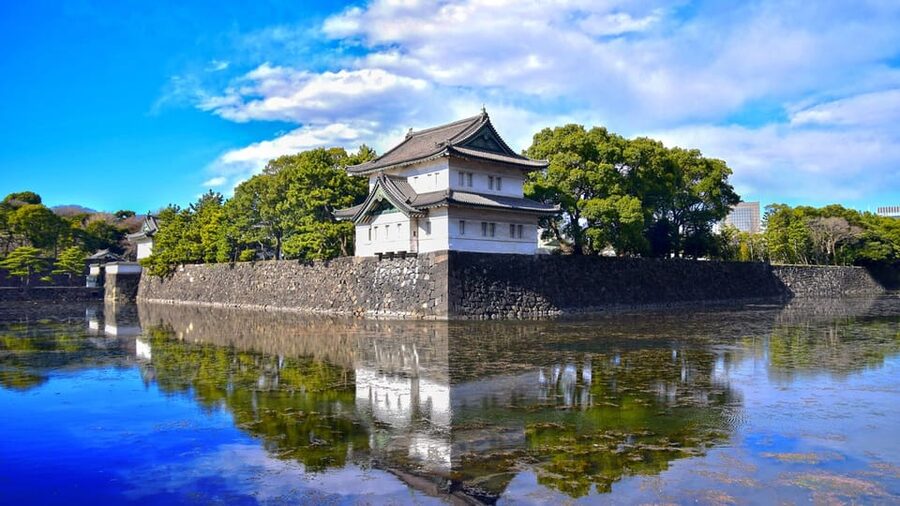
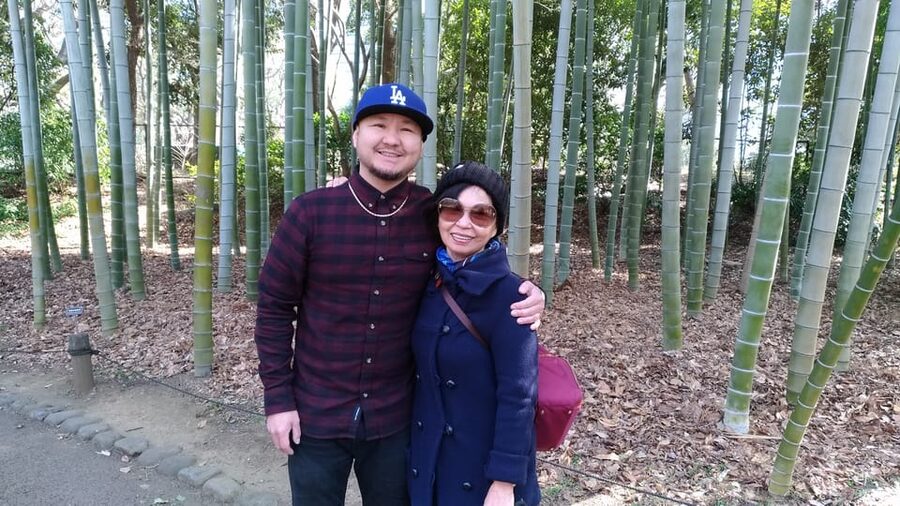
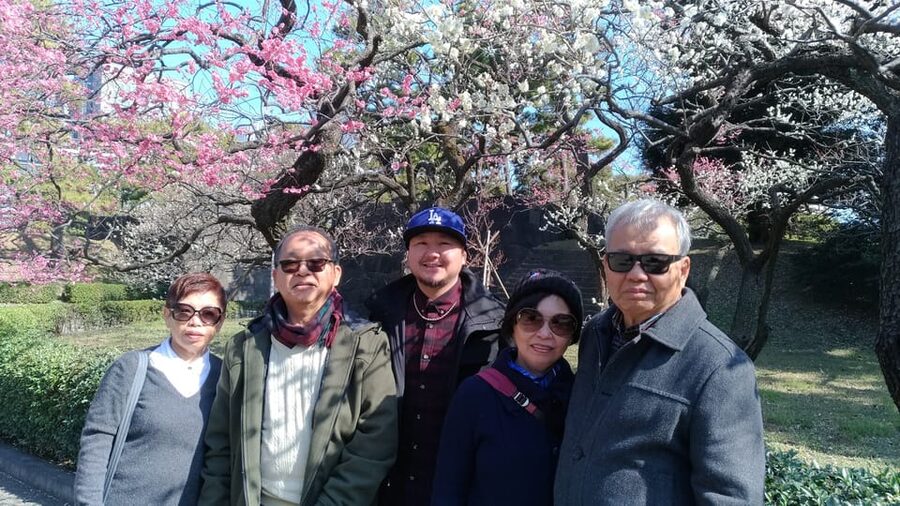
The Imperial Palace area offers a welcome change from shopping streets and train stations. The tour may include the Outer Garden, known as Gaien, or the East Gardens, depending on your chosen route and access on the day. These open spaces give you room to walk and let the guide connect modern Tokyo with the country’s political past.
The grounds are especially appealing in autumn, when foliage adds color to the garden paths. One visitor had the chance to enter palace grounds during a special access period and learned about the Japanese tradition of foliage viewing. That kind of timing is one reason to keep your route flexible. Some opportunities depend on the calendar and access rules.
Do not expect a palace interior tour as a standard part of the experience. The emphasis is on gardens, outer areas, views, and explanation. You also need to allow time for walking across broad grounds, which can be tiring in hot weather.
I like this stop as a middle part of the day. It gives you a break from neon and commerce, while still placing you near central Tokyo. If you want gardens, history, and open space, tell your guide early. If you prefer technology and shopping, use those hours elsewhere.
Tsukiji for Food and Local Color
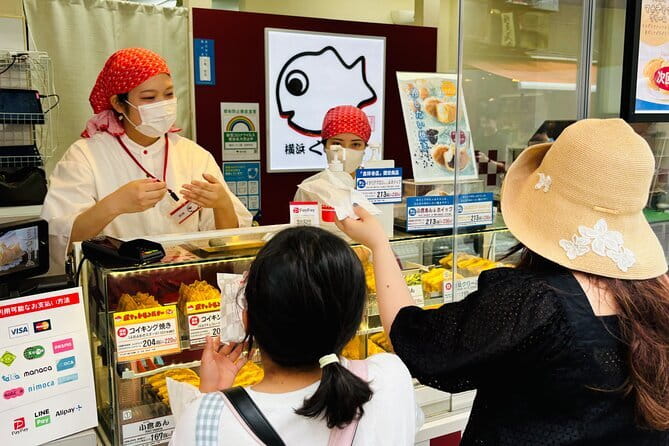
Tsukiji Fish Market is a natural choice for visitors who want Tokyo food culture without committing the entire day to eating. The area offers seafood, snacks, and small food businesses, and it can be paired with a lunch stop. Remember that lunch is not included, so you pay directly for what you choose.
The value of a guide here is practical. You can ask what a dish is, how a food is normally eaten, and where to pause when your group has different tastes. One guide helped a family find a ramen experience suited to a teenager, while another built a day around food and coffee and included Nezu Shrine as well.
Tsukiji can be lively and crowded, and some food stalls have limited space. It is not the best place to expect a long, relaxed restaurant meal if you are trying to fit several districts into six hours. Give your guide a clear idea of your appetite and budget.
For food lovers, Tsukiji may deserve more time than a quick photo stop. For everyone else, a short visit can still add a strong everyday angle to a day otherwise filled with major monuments.
Meiji Jingu, Harajuku, and Takeshita Street
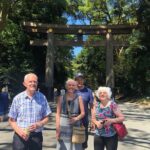
Meiji Jingu gives you a striking change of mood. The shrine sits in a forested setting between Harajuku, Shibuya, and Shinjuku, so you can move from busy city streets into a quieter religious space within the same district.
This is a place where a guide can add real value. You can learn how Shinto shrine visits work, what the purification steps mean, and how religious traditions fit into modern Japanese life. The wooden sake barrels and shrine approach are easy to photograph, but the customs are easier to understand when someone explains them as you go.
Harajuku provides the opposite experience. Takeshita Street is associated with youth fashion, colorful shops, and kawaii culture. You might stop for lunch or allow time for browsing, though shopping time naturally reduces the number of other sights you can fit in.
I would not try to combine every major district with a long Harajuku shopping session in four hours. In six to eight hours, the pairing works better. You get a cultural stop at Meiji Jingu, then a chance to see how Tokyo’s younger commercial culture expresses itself nearby.
Shibuya, Shinjuku, and Akihabara
Shibuya Crossing is an obvious Tokyo highlight, but it works best as part of a wider route rather than the whole point of a tour. Your guide can help you reach the crossing, explain the surrounding district, and point you toward a meal or later activity. The area also makes a natural ending after Meiji Jingu.
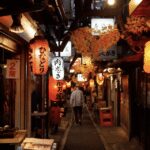
Shinjuku offers several different experiences. Shinjuku Gyoen National Garden gives you formal greenery and a slower pace, while Shinjuku Golden Gai is known for its tiny nightlife bars and narrow lanes. These are not interchangeable stops, so be specific about what interests you.
Akihabara suits visitors who care about electronics, anime, games, and Japanese pop culture. It can be especially appealing for families with older children or teenagers. The district is a poor match if your main interests are gardens, temples, or traditional crafts, and the private format lets you skip it without apology.
The key issue is distance. Tokyo’s sights are spread across the city, and every change of district costs time. A fast guide may fit a great deal into one day, but the result can feel like a checklist if you choose too many far-apart stops. I would pick three main areas and let smaller stops fit around them.
Other city tours we've reviewed in Tokyo





Nezu and Hama Rikyu for a Quieter Day
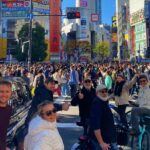
Nezu is a smart choice if you have already seen the obvious central sights or want a less standard route. The district can be paired with Nezu Shrine and nearby areas with several shrines. It offers a slower look at Tokyo and works well for visitors who prefer local streets to major photo stops.
Hama Rikyu Gardens provide another change of pace. A guide can point out garden features, explain the role of traditional garden design, and help you appreciate the contrast between carefully planned greenery and the surrounding city. One guide also used gardens to show visitors koi and discuss seasonal viewing traditions.
These quieter choices are not necessarily better than Senso-ji or Shibuya. They are simply better for a different kind of day. If this is your first visit and you want the classic Tokyo list, save Nezu or Hama Rikyu for a longer tour. If you dislike packed routes, build the day around them from the start.
What the Six or Eight Hour Pace Feels Like
The four-hour option is best treated as a focused introduction. Pick one cluster, such as Asakusa and the Imperial Palace area, or Harajuku, Meiji Jingu, and Shibuya. You can see the main points without turning the morning into a race.
Six hours gives you a more useful balance. Several people have used that length to combine Asakusa, the Imperial Palace, Tsukiji, and Meiji Jingu, though the exact pace depends on meals, shopping, and transport. This is probably the best choice for most first-time visitors.
Eight hours gives you the greatest freedom, but it does not remove the need to choose. You can add food, gardens, a shrine outside the standard route, or a district such as Akihabara. You will still walk between stations, through temple grounds, and across large public spaces.
The physical demand deserves plain warning. One family found the day manageable with young children because the guide built in stops and changed the route when needed. Another visitor specifically noted that the tour involved a lot of walking. Comfortable shoes, water, and a realistic route are essential, particularly in summer.
Trains, Taxis, and the Real Cost
The tour includes hotel pickup and drop-off, but that does not mean a car collects you. The guide meets you at the hotel and begins the day on foot. Between districts, you use public transportation or a local taxi, and you pay those fares yourself.
Bring Japanese yen for transport. The exact cost depends on your route, the number of transfers, and whether you choose a taxi for part of the day. Ask the guide to outline the likely transport costs after you agree on the itinerary.
I see the lack of a private vehicle as more advantage than flaw in central Tokyo. Trains often save time, and learning the system helps long after the tour ends. Guides have shown visitors how to use their phones for train access, how to read routes, and how to continue exploring independently.
Still, station transfers can involve stairs, long corridors, and crowded platforms. The experience is described as wheelchair accessible, but you should discuss your exact mobility needs with the guide before settling on a route. Accessibility depends partly on the stations and sights chosen.
The Guides Make the Difference
The guide assignment matters more here than on a fixed sightseeing route because your day is shaped around one person’s judgment. Past guide names include Fumiko, Nobu, Kenji, Atsushi, Yumi, Lance, Kei, Rumi, Noripy, and many others. English ability, personality, and interests can vary from guide to guide.
The strongest pattern is advance planning. Guides such as Steve, Kazuo, Koji, and Kumiko Aoki contacted visitors ahead of time, discussed priorities, and adjusted the route. That preparation is worth using. Send a short list of your must-sees, food interests, mobility limits, children’s ages, and any district you can skip.
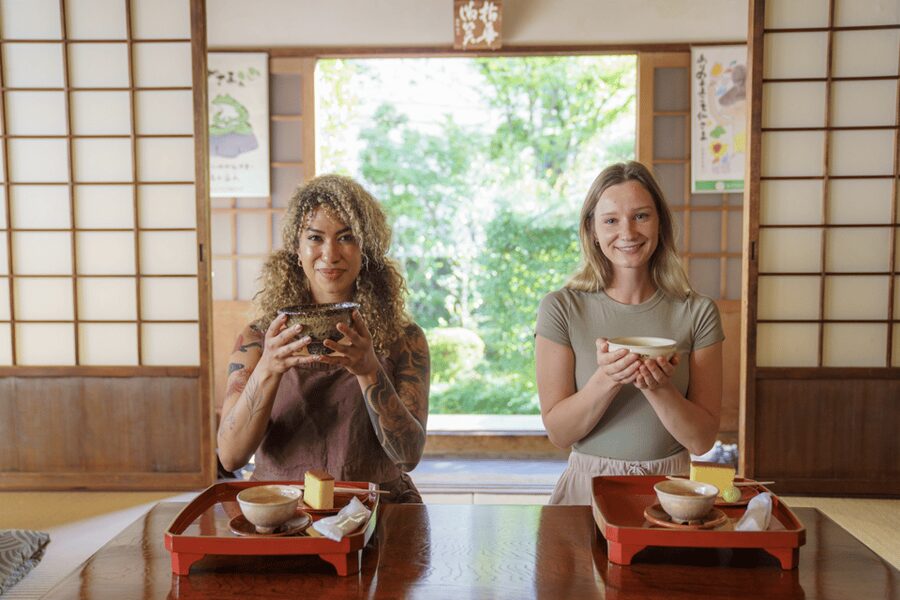
The guide’s role is not just to point at buildings. Atsushi helped explain the subway and recommended ramen. Kenji connected religious practices with goshuin stamps, foliage viewing, palace access, gardens, and Kappabashi for hobby cooks. Elly built a food-focused day around coffee, shrines, and local culture.
You should also expect practical advice beyond the tour. Some guides have suggested shopping areas, restaurants, later routes, and activities for the rest of a Japan trip. That can be especially helpful when Tokyo is your first stop and the city still feels hard to read.
Who Should Book This Tokyo Tour
I would recommend this tour most strongly to first-time visitors who want structure without surrendering control. You get the efficiency of a planned day, but you can still ask to linger, change direction, or replace a stop.
It also fits families well. Guides have adjusted routes for young children, added shade and rest stops during hot weather, and chosen accessible sights. Tell the guide about your family before the day begins rather than hoping the pace will work itself out.
Food-focused visitors can use the tour to explore Tsukiji, ramen, coffee, and casual stops. Hobby cooks may want Kappabashi added, as one guide did for a visitor with a strong interest in cooking. Fans of anime and electronics should request Akihabara, while shoppers can make room for Harajuku and Takeshita Street.
You may want a different kind of tour if you dislike walking, want a private car, or prefer a fixed schedule with all costs included. You also may find a self-guided day better value if you already understand Tokyo’s train system and have a firm plan.
Booking Advice and Final Verdict
Reserve this tour early enough to allow contact with the guide and itinerary planning. The activity is not confirmed until that communication happens. You can cancel up to 24 hours before the start for a full refund, and the reserve-now, pay-later option keeps your plans flexible.
Before the day, make three lists:
- Two or three places you most want to see
- One interest that can shape the day, such as food, shrines, gardens, shopping, or anime
- Any limits involving walking, heat, children, or mobility
At $106 per person, the tour is good value for a private introduction to Tokyo if your group wants help with transport, history, and route planning. The value is weaker if you only want a ride between sights, since private transport is not included and train or taxi costs come separately.
I would book it for the first full day in Tokyo, especially for a family, a small private group, or anyone uneasy about the rail system. Choose four hours for one compact area, six hours for a well-rounded first look, and eight hours only if you are prepared for a long day on foot. Keep the route sensible, use the guide’s local advice, and you will gain both sightseeing and the confidence to explore Tokyo on your own.
FAQ
How long does the Tokyo private city tour last?
The tour lasts from four to eight hours. Starting times depend on availability, so check the available options when booking.
What sights can I choose?
Possible stops include Asakusa, the Imperial Palace, Shinjuku Gyoen National Garden, Tsukiji Fish Market, Meiji Jingu Shrine, Akihabara, Hama Rikyu Gardens, Harajuku, Takeshita Street, Nezu, and Shinjuku Golden Gai.
Is the itinerary fixed?
No. You choose the places you want to visit, and the guide creates a route around your preferences. You can discuss the plan with the guide before the tour.
Does the guide meet me at my hotel?
Yes. Hotel pickup and drop-off are included, but the tour starts on foot. A private vehicle is not provided.
Are transportation costs included?
No. You pay for your own public transport fares or local taxi costs. The guide can discuss the expected transportation cost after you decide on the route, and you should carry Japanese yen.
Is lunch included?
No. Lunch is not included. You pay for your own meal and personal food expenses.
Is the tour available in English?
Yes. Live guides are available in English and Japanese.
Is this a private group tour?
Yes. The experience is arranged for a private group rather than a large shared group.
Can I cancel for a refund?
Yes. You can cancel up to 24 hours before the tour starts for a full refund. The booking also offers a reserve-now, pay-later option.
More Private Tours in Tokyo


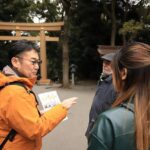
More City Tours in Tokyo
More Guided Tours in Tokyo

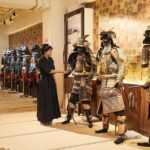
More tours in Tokyo we've reviewed












City Tours, compared.
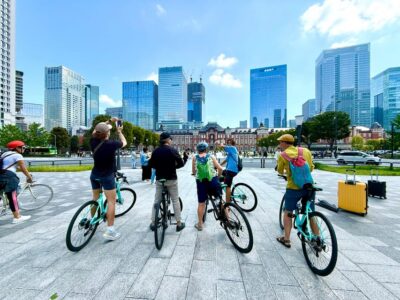 ★ 4.8Tokyo: 3-Hour Bike or E-Bike City Highlights TourFrom $453 hours
 ★ 4.8Tokyo: Sumo Morning Practice Tour at Sumida CityFrom $1162 hours
 ★ 4.5Private Haneda Airport (HND) to Central Tokyo City TransferFrom $119
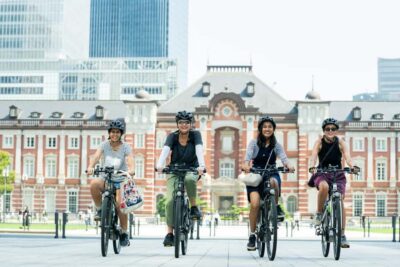 ★ 4.8Tokyo: 3-hour Guided E-Bike Tour of the City’s Hidden GemsFrom $65
 ★ 5.0Tokyo: 3-Hour Bike/E-Bike Tour of the City’s HighlightsFrom $63
 ★ 5.0Small Town in the Big City: Tasting Tokyo’s KichijojiFrom $195