Reviewed · JDM & CAR CULTURE
Tokyo: Daikoku Car Meetup & Night City Tour with Local Guide
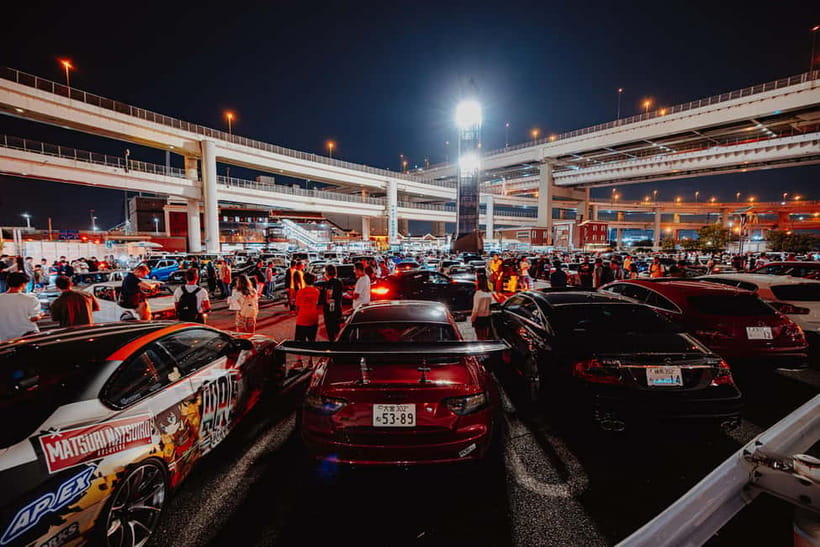
Tokyo’s Daikoku car scene is not a museum display. It is a real meeting point where the cars, owners, police activity, weather, and time of day shape the evening. You ride through Tokyo’s highway network, pass the Rainbow Bridge and Tokyo Tower, and reach Daikoku PA in a minivan with an English-speaking local guide.
In This Article
- Key points at a glance
- Why Daikoku PA matters to car fans
- The drive through Tokyo’s night highways
- APIT, engines, parts, and souvenirs
- What time at Daikoku feels like
- When Daikoku is closed or quiet
- How much value you get for $126
- Who will enjoy this most
- Pickup, comfort, and practical planning
- My advice on choosing your night
- Should you book the Daikoku tour?
- FAQ
- How long does the Daikoku car meetup tour last?
- What language is the tour conducted in?
- Does the tour include hotel pickup?
- What landmarks can I see during the drive?
- Will I definitely see many special JDM cars?
- What happens if Daikoku PA is closed?
- Is APIT included on every tour?
- Can I ride in an R34 or Silvia?
- Can I book a private group?
- What should I bring?
I like the chance to see Japan’s underground car culture with someone who actually follows it. I also like the easy hotel pickup in central Tokyo and the chance to ride the Bayside Line instead of simply taking a taxi to a parking lot. The main catch is simple: Daikoku can be quiet, closed, or redirected, so no tour can guarantee a field full of rare cars.
Key points at a glance
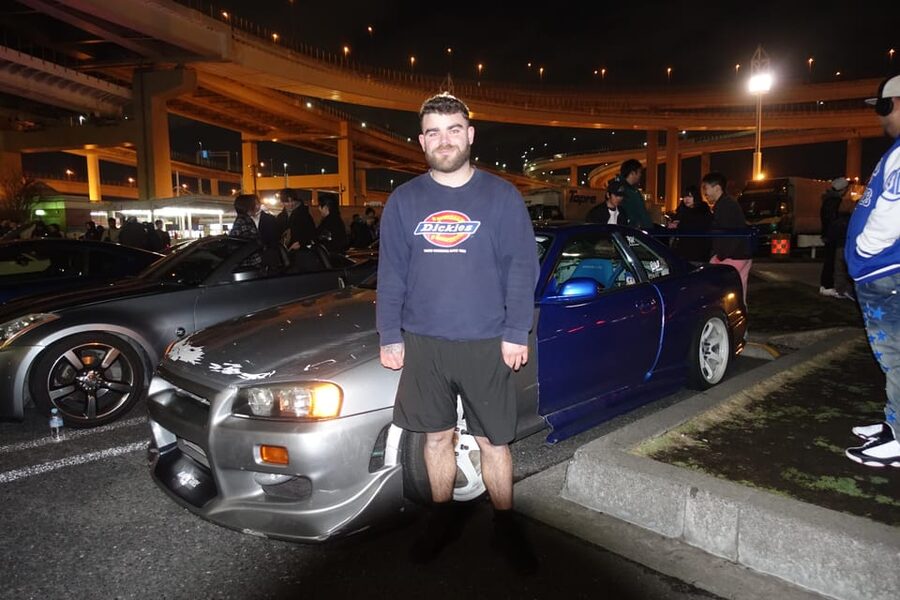
- Daikoku PA is the main event: See a changing mix of JDM cars, including the possibility of R34s, R35s, NSXs, RX-7s, Silvias, and other special builds.
- Tokyo becomes part of the tour: The drive includes major highways and views of Rainbow Bridge and Tokyo Tower, usually without stopping at the landmarks.
- APIT adds a useful first stop: On scheduled days, browse one of the area’s major car shops, see engines on display, and look for parts and souvenirs.
- The guide matters: Guides such as JJ, Renon, Reno, Ryosuke, Kai, Senju, Neno, and Re-san have been associated with friendly, car-focused commentary.
- Backup plans can save the night: If police close Daikoku, the group may be taken to another parking area such as Umihotaru PA.
- The $126 price buys more than transport: You are paying for a private or shared guided outing, central pickup, local context, highway driving, and help reaching a place that is difficult to visit on your own.
Why Daikoku PA matters to car fans
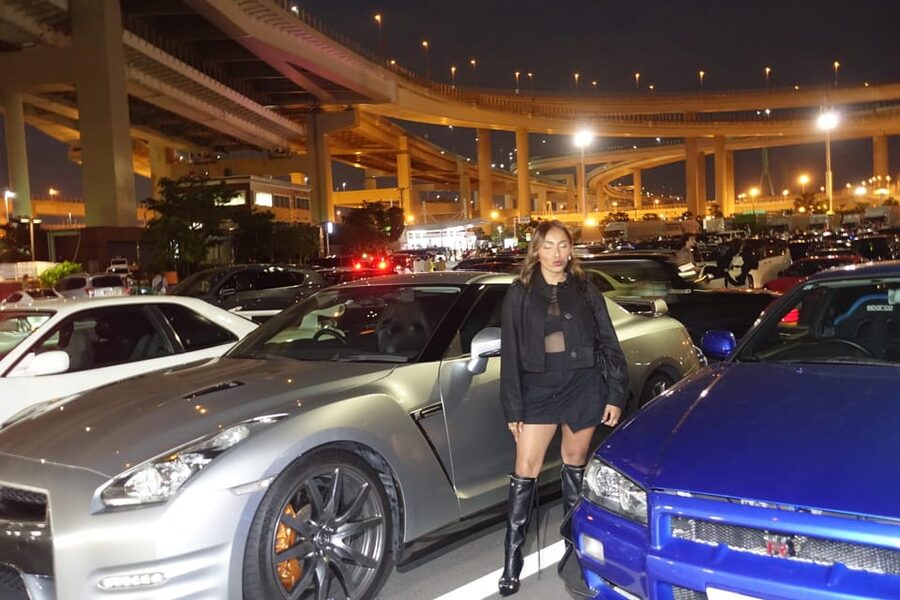
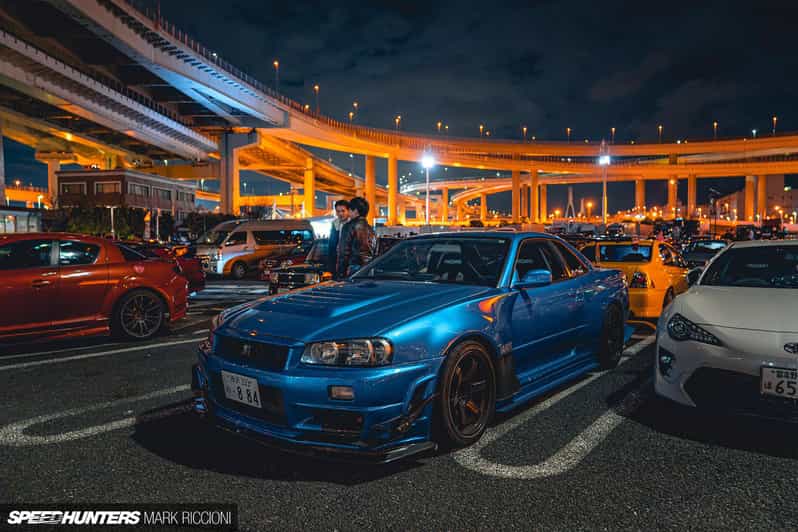
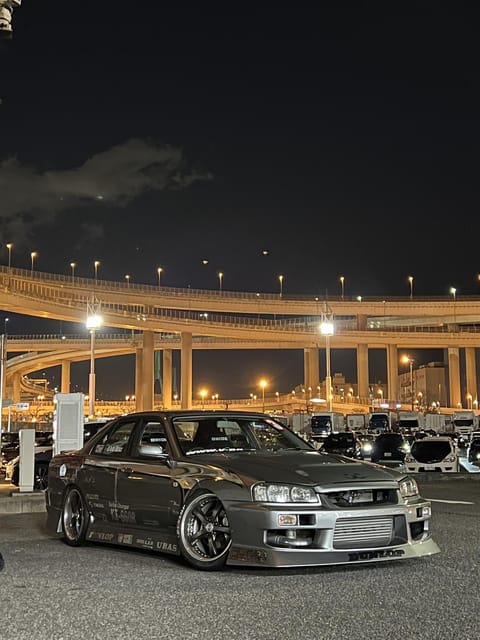
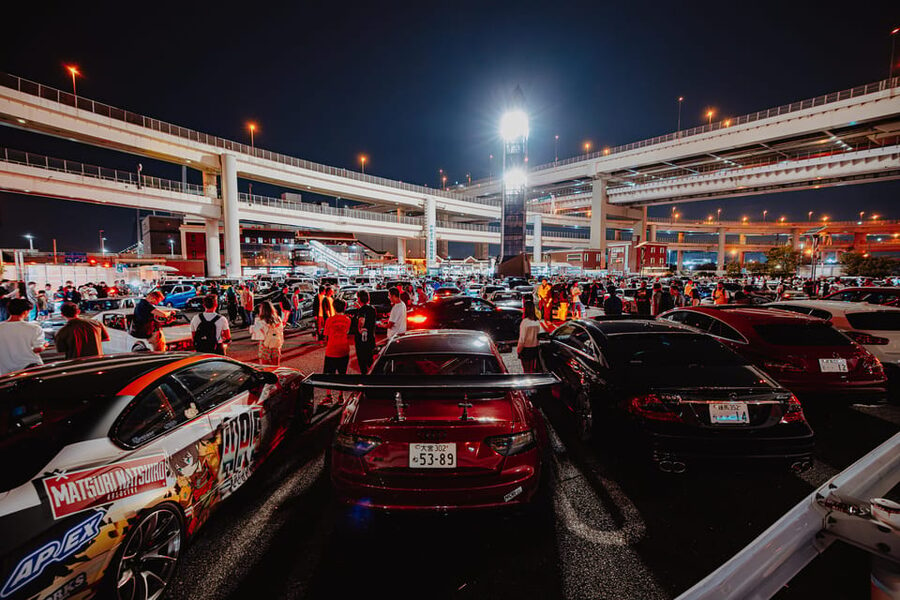
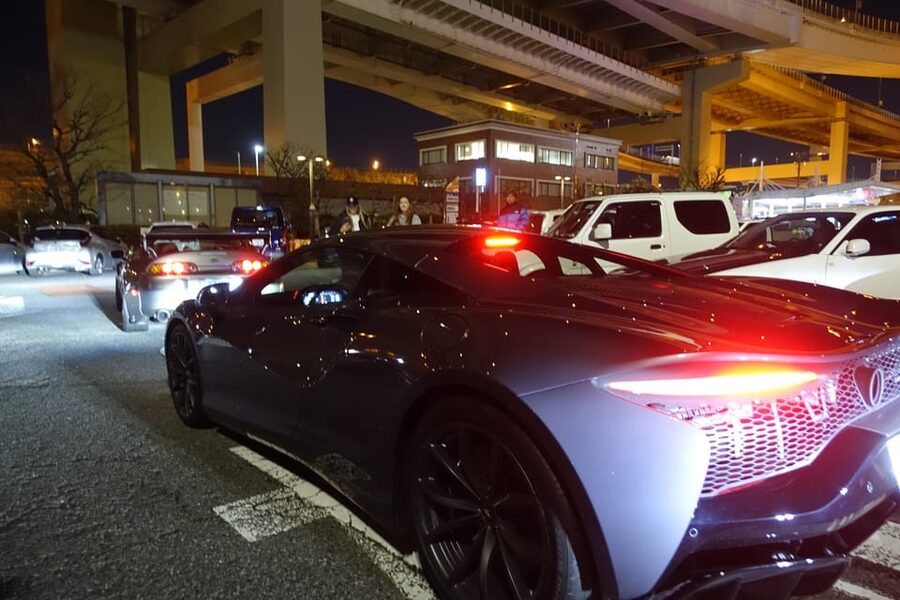
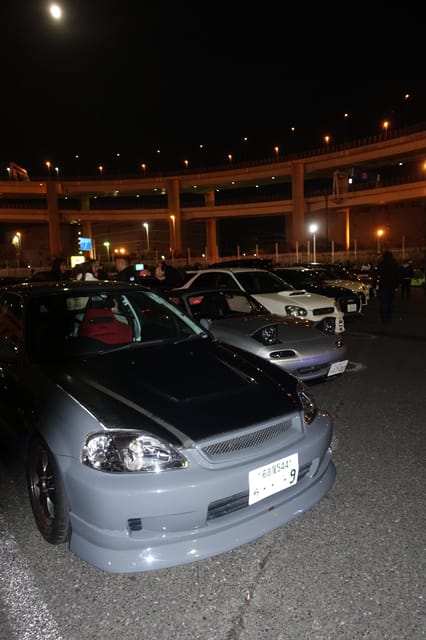
Daikoku Parking Area, usually shortened to Daikoku PA, is one of the best-known meeting points in Japan’s JDM scene. It is not just a convenient place to park. On an active evening, owners bring carefully modified cars, performance models, classic Japanese machinery, and unusual builds that you are unlikely to see gathered together at a normal Tokyo attraction.
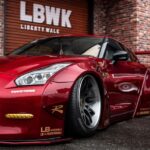
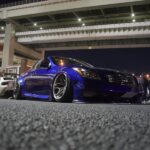
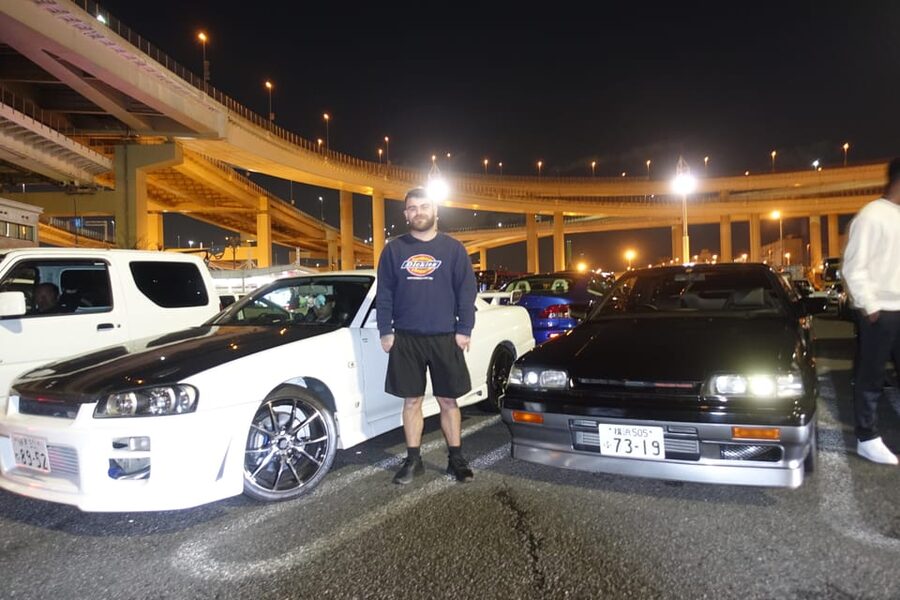
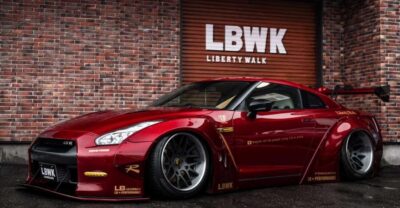
The appeal is the mix. One night might bring several Nissan Skylines, a Silvia, an NSX, or an RX-7 with a distinctive body kit. Another night may be much quieter. Some visitors have seen multiple R34 and R35 models, including cars with Liberty Walk body kits, while others have arrived to find the parking area closed or nearly empty.
That unpredictability is part of the setting, but it is also the biggest limitation. The experience provider specifically warns that weather and time of day can change the meet. Police may also close the area. You should book this for the drive and the chance to see the scene, not as a guaranteed appointment with a particular car.
A few more Tokyo tours and experiences worth a look
The drive through Tokyo’s night highways
For many people, the highway journey is nearly as exciting as the parking area. The route takes you through popular Tokyo driving roads and the Bayside Line, with views of the city’s illuminated structures along the way. You can see Tokyo Tower and Rainbow Bridge from the vehicle, although these are drive-by sights rather than photo stops.
That distinction matters. If you want to climb Tokyo Tower or walk across Rainbow Bridge, this is the wrong activity. If you want to see Tokyo from the passenger seat while heading toward a genuine car meet, it fits well.
The ride also gives the evening a sense of movement. You are not simply dropped at Daikoku and left to wander. Your guide can point out the routes used by local drivers and explain where the car scene fits into the wider city. Several guides have also used music and casual conversation to make the drive feel relaxed rather than like a formal lecture.
The minivan is included, and pickup and drop-off are available at hotels in central Tokyo. The listed pickup areas include Hibiyakoen, Shinjuku, Shibuya, and Minato City. You should wait in front of your hotel five minutes before the agreed pickup time, and allow extra room in your schedule because traffic can cause delays of up to 30 minutes.
APIT, engines, parts, and souvenirs
The first stop is APIT, described as one of the largest car shops in the Tokyo area. This stop is not scheduled on Friday, Saturday, or Sunday, so your day of travel affects the shape of the outing.
APIT gives you a different view of Japanese car culture. Instead of only looking at finished cars in a parking lot, you can browse car parts, shop for souvenirs, and see actual engines on display. If you enjoy the mechanical side of the scene, this may be the most useful stop for understanding how enthusiasts build and maintain their cars.
It is also a practical place to pick up a small car-related gift. Still, do not expect a long shopping session to be guaranteed. The experience lasts three hours in total, and the main focus remains the drive and Daikoku. APIT is an added stop on eligible days, not a separate shopping tour.
The information provided describes both a night city tour and a daytime look at Daikoku, including cars in sunlight. Since the exact sequence may depend on the selected departure, day, and current conditions, confirm the schedule before booking if the APIT visit or a nighttime meet is especially important to you.
What time at Daikoku feels like
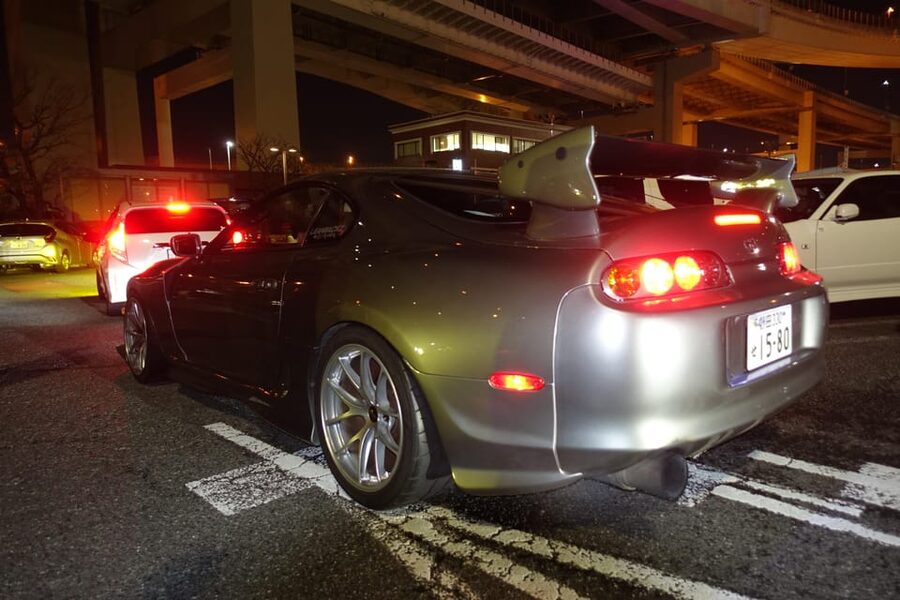
Once you reach Daikoku, you can get out and look around the cars. The tour includes interaction with local car owners, but this should be understood as a respectful, informal encounter rather than a private meet-and-greet with selected owners.
Your guide can help you understand what you are seeing and may provide photo help when requested during the tour. Bring a camera, and wear comfortable shoes. Warm clothing is a smart choice because the experience includes time outdoors and the conditions can change.
The amount of time available for walking around depends on the three-hour schedule and the driving conditions. If the meet is active, that time can pass quickly. You may want to photograph the cars, talk with owners, compare different builds, and simply watch the scene develop.
Good manners matter here. Do not treat the parking area as a photo studio. Ask before photographing people, avoid blocking cars, and follow your guide’s directions. The activity does not include riding in an R34, Silvia, or certain other special JDM cars. You are visiting the meet, not booking a drive in one of its rarest cars.
When Daikoku is closed or quiet
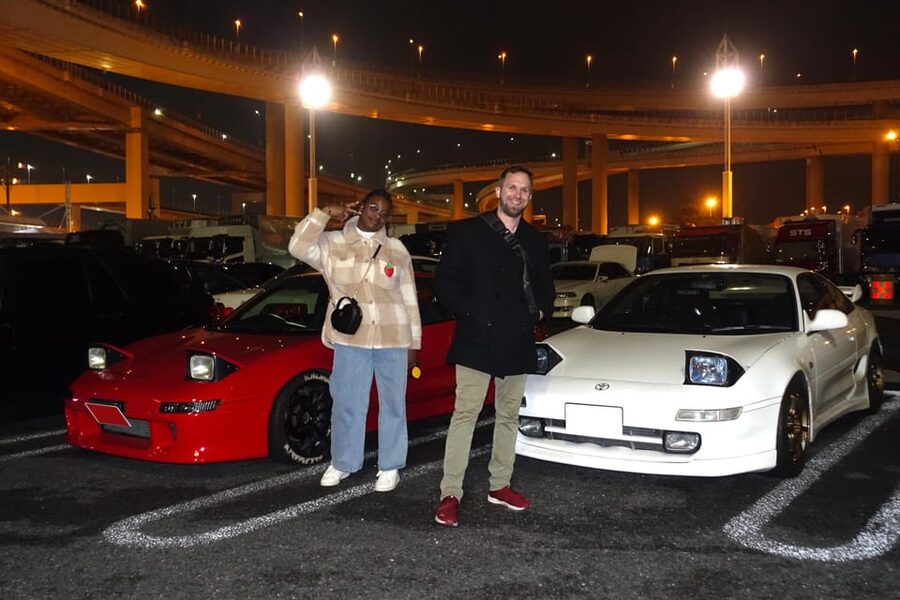
The backup plan is important. Daikoku PA can be closed by police, and one group was redirected to Umihotaru PA after the original stop was shut down. That group still saw a strong collection of cars, including R34s, R35s with Liberty Walk kits, an NSX, and an RX-7 with a VeilSide kit.
This does not mean Umihotaru will always produce the same result. It means the guide may have local awareness and can try to keep the evening moving when the planned stop changes. You should view this flexibility as useful, but not as a promise that a substitute location will match Daikoku.
A quiet night is also possible. If the weather is poor or the timing is slow, there may be very few cars. This is the honest trade-off for visiting a working car-meet location rather than a permanent exhibition. The tour is strongest for people who enjoy the drive, the setting, and the possibility of something special.
A few more Tokyo tours and experiences worth a look


How much value you get for $126
At $126 per person, this is not a cheap way to reach a parking area. The price makes more sense when you add up what would be difficult to arrange alone: central hotel pickup and drop-off, a three-hour minivan outing, a local guide, highway routes, landmark views, access to the Daikoku area, and help adjusting the plan if conditions change.
The guide is a major part of the value. Names associated with particularly strong outings include JJ, Renon, Reno, Ryosuke, Re-san, Kai, Senju, and Neno. The best guides bring real interest in Japanese cars and can explain the scene in a way that makes the night more than a simple transfer.
English ability can vary. The activity is conducted in English, but the provider notes that some guides are still building their conversational fluency. In practice, simple conversation and translation tools may be enough for a car-focused outing, but you should contact the provider ahead of time if fluent English is essential.
A private group is available, and some bookings end up being private by chance. You should not assume that, since the experience may also be shared with other participants. If you are traveling with friends and want more control over the mood and timing, ask about the private option before paying.
Who will enjoy this most
You should consider this tour if you:
- Follow Japanese performance cars, tuning, drifting, or motorsport culture.
- Want to see Tokyo from the highway rather than only from train platforms and observation decks.
- Prefer a local guide who can explain the car scene.
- Are comfortable with an experience that depends on weather, police access, and the day’s turnout.
- Want central hotel pickup instead of arranging a complicated late-night journey.
- Are traveling with someone who is not a car expert but enjoys unusual city experiences.
You may want to skip it if you need a guaranteed lineup, a long stop at Tokyo Tower, or a ride in a rare JDM car. It is also less suitable if you dislike outdoor stops, shared transportation, or plans that may change at short notice.
Even a non-car enthusiast can find something to enjoy in the highway ride and city views. One guide-led outing worked well for a couple where only one person cared deeply about cars. The key is to treat the evening as a Tokyo night drive with a car meet, not as a controlled showroom visit.
Pickup, comfort, and practical planning
Pickup is included from hotels in central Tokyo, with listed areas covering Hibiyakoen, Shinjuku, Shibuya, and Minato City. The four listed drop-off areas are the same, so check that your hotel falls within the service area before booking.
The tour lasts three hours, but the pickup time can shift with traffic. Build a little flexibility into your evening plans, especially if you have a dinner reservation or a train to catch afterward. You should arrive in front of the hotel five minutes early.
Food and drinks are not included. Bring what you need, but alcohol and drugs are not allowed. Baby strollers are also not permitted. The activity is wheelchair accessible, though you should still discuss your needs with the provider before booking so the vehicle arrangements are clear.
Free cancellation is available up to 24 hours before the activity for a full refund. You can also reserve now and pay later, which helps if you are still arranging a Tokyo itinerary. These policies reduce the risk of booking a weather-sensitive experience too far in advance.
My advice on choosing your night
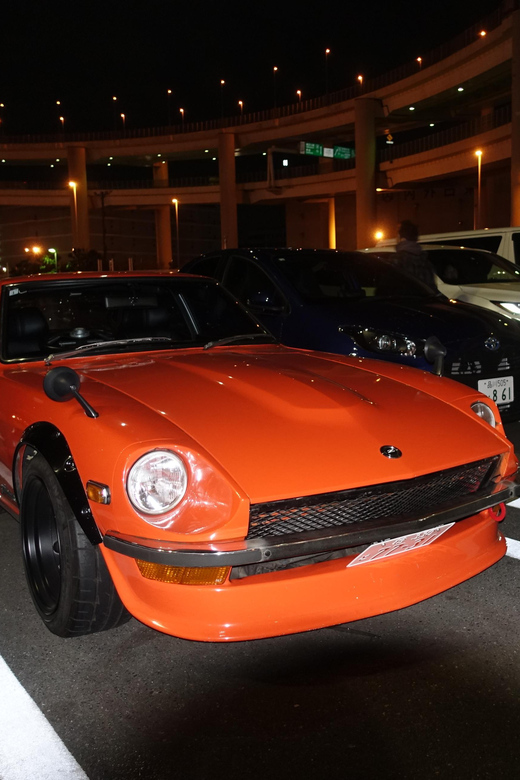
Try to choose a date when the car scene is likely to be active, while remembering that no day guarantees a full meet. Friday nights can be especially appealing for car fans, and the activity information specifically points to Friday evenings as a strong time for Daikoku, but turnout and access can still change.
Ask the provider two questions before you commit: Is APIT included on my date, and is the planned visit expected to be at night or during daylight? The supplied details describe both versions, and getting the current schedule will prevent a mismatch with your expectations.
Also request a highly fluent English guide in advance if you need one. Guides such as JJ, Renon, and Ryosuke have been praised for friendly conversation and car knowledge, while other guides may rely more on simple English and translation support.
Should you book the Daikoku tour?
I would book this if the idea of riding Tokyo’s highways with a genuine car enthusiast sounds as appealing as seeing the cars themselves. The combination of Rainbow Bridge views, the Bayside Line, APIT on eligible days, and Daikoku gives you access to a side of Tokyo that ordinary sightseeing rarely reaches.
I would not book it if you need certainty. The parking area may be closed, the car count may be low, and special models are never guaranteed. At $126, the tour is fair value for the transport, local help, and unusual access, but its success depends on your willingness to accept a little uncertainty.
For serious JDM fans, this is one of the more direct ways to connect with Tokyo’s car culture. Go with warm clothes, a camera, realistic expectations, and enough curiosity to enjoy the drive even if Daikoku has a quiet night.
FAQ
How long does the Daikoku car meetup tour last?
The experience lasts three hours. Starting times depend on availability.
What language is the tour conducted in?
The live tour guide language is English. Conversational ability can vary by guide, so contact the provider in advance if you need a highly fluent English speaker.
Does the tour include hotel pickup?
Yes. Free pickup and drop-off are included for hotels in central Tokyo. Listed pickup areas include Hibiyakoen, Shinjuku, Shibuya, and Minato City.
What landmarks can I see during the drive?
The route can include views of Tokyo Tower and Rainbow Bridge. These are driving views, and the tour does not include stops at the landmarks.
Will I definitely see many special JDM cars?
No. The number and type of cars depend on the day, weather, and time of day. Daikoku PA may occasionally have very few cars or be affected by a closure.
What happens if Daikoku PA is closed?
The tour may be redirected to another location. Umihotaru PA has been used as an alternative when Daikoku was closed by police.
Is APIT included on every tour?
No. The APIT stop is not available on Friday, Saturday, or Sunday. Confirm the schedule for your date if this stop matters to you.
Can I ride in an R34 or Silvia?
No. Riding in an R34, Silvia, and some other special JDM cars is not included.
Can I book a private group?
Yes. A private group option is available. Otherwise, there is a possibility that you will share the vehicle with other participants.
What should I bring?
Bring comfortable shoes, warm clothing, and a camera. Food and drinks are not included, and alcohol and drugs are not allowed.
More Guided Tours in Tokyo

More Night Tours in Tokyo
More JDM & Car Culture in Tokyo

More tours in Tokyo we've reviewed












JDM & Car Culture, compared.
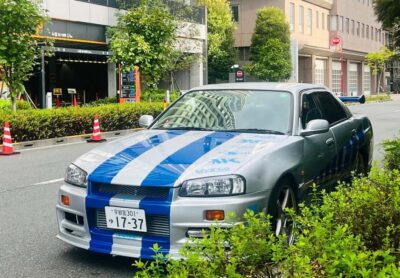 ★ 4.8Tokyo: Fast & Furious Tokyo Drift 3 Experience (Kaila Yu SP)From $157
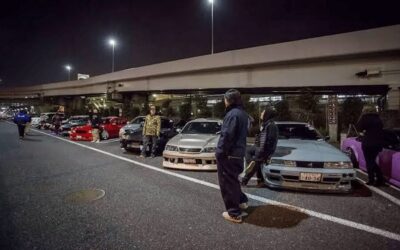 ★ 4.8Tokyo: FAST&FURIOUS EXPERIENCE Daikoku Tokyo Car ClubFrom $157
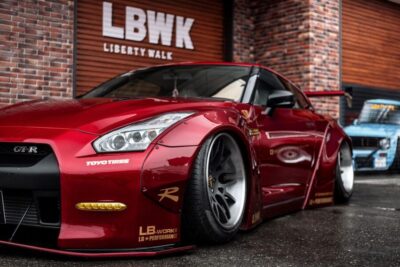 ★ 4.8Tokyo Drift: GT-R Car Club R35 Liberty Walk Daikoku meetingFrom $240
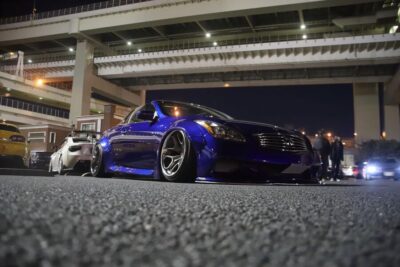 ★ 4.8Tokyo: Daikoku JDM Fast Furious Drift Style Car ExperienceFrom $123
 ★ 4.8Tokyo Drift: GO Daikoku Car Meet R34 Skyline Car ClubFrom $246
 ★ 4.7Tokyo Drift: Daikoku PA Supreme Car Experience 大黒PAFrom $583 hours