Reviewed · TOKYO
Studio Kimono Photo
A Tokyo kimono photo shoot gives you the look of old Japan without giving up half a day to a rental. At Yumenoya Studio in Asakusa, you choose a kimono, hakama, or samurai outfit, get help dressing, and pose for a private session with a professional photographer. I like the excellent costume selection and the fact that the photos come on an SD card, not just as a few rushed snapshots.
In This Article
- Key points to know before booking
- Why this short Asakusa shoot works
- Finding Yumenoya Studio in Hanakawado
- Choosing between kimono, hakama, and samurai style
- Getting dressed by the studio team
- How the 20-minute photo session unfolds
- What you receive on the SD card
- The value of $65.89 per person
- Who should book this experience
- Booking details that matter
- My call: a worthwhile souvenir with one clear warning
- FAQ
- How long does the kimono photo experience last?
- Where does the experience take place?
- Can I choose a samurai costume instead of a kimono?
- Is the kimono rental for going outside?
- How many people can join one booking?
- What do I receive after the photo shoot?
I also like the staff’s personal approach. Aya and Jiro are named in the experience details, and Jiro is repeatedly praised for patient posing advice and polished photographs. The main drawback is practical: the studio can be hard to find, and the advertised session is about 20 minutes, while some bookings have taken much longer.
Key points to know before booking

- Choose your character: Pick a kimono, traditional hakama trousers, or a samurai costume, with accessories to complete the outfit.
- Professional posing help: Jiro and the studio team guide your posture and expressions, useful if you feel awkward in front of a camera.
- Asakusa location: The studio is at 2-chōme-2-5 Hanakawado, close to Asakusa’s major sights and public transportation.
- Private session: Only your own group participates, with a maximum of five people per booking.
- Photos to take home: You receive an SD card containing the images from the shoot.
- Plan extra arrival time: The entrance is not always obvious, so follow the directions carefully and arrive early.
Why this short Asakusa shoot works
A kimono rental often means walking through Tokyo in unfamiliar clothing, managing long sleeves and wooden footwear, and returning everything on time. That can be fun, but it is not always practical on a packed sightseeing day. This experience focuses on the part many people really want: looking the part and bringing home good portraits.
The studio format also gives you a controlled setting. You do not need to worry about rain, crowds, or trying to frame a decent photograph while holding a phone at arm’s length. You can concentrate on your pose while the photographer handles the camera.
The experience is listed at about 20 minutes, so it suits a short Tokyo visit, a stop between Asakusa sights, or a family schedule with limited patience. At the same time, several accounts describe a longer session with individual portraits, couple photos, impromptu pictures, and videos. I would treat 20 minutes as the official approximate duration, but keep some flexibility if you want a relaxed experience.
If you're still narrowing it down, here are other tours in Tokyo we've reviewed.
Finding Yumenoya Studio in Hanakawado

Your meeting point is 2-chōme-2-5 Hanakawado, in Tokyo’s Taito City. The venue is called Yumenoya Studio, and it is near Asakusa’s well-known shrine area and public transportation.
This is the one part that deserves planning. The studio entrance has been difficult for some people to locate, and one person arrived late after getting lost. In another case, a staff member placed the customer’s name on a board outside a shoe store. The exact arrangement may vary, so do not leave this until the last minute.
I recommend saving the address offline, checking the route before you leave, and arriving early. If you are coming from Asakusa Station, allow time to look for the building rather than assuming the studio will be obvious from the street.
The activity begins and ends at the same place. There is no hotel pickup, no drop-off, and no walking tour in costume included. That is helpful to know if you are comparing this with a full kimono rental.
Choosing between kimono, hakama, and samurai style
Once you arrive, a studio assistant helps you select and put on your chosen outfit. The main choices are kimono style or samurai style, with traditional hakama also listed among the available garments.
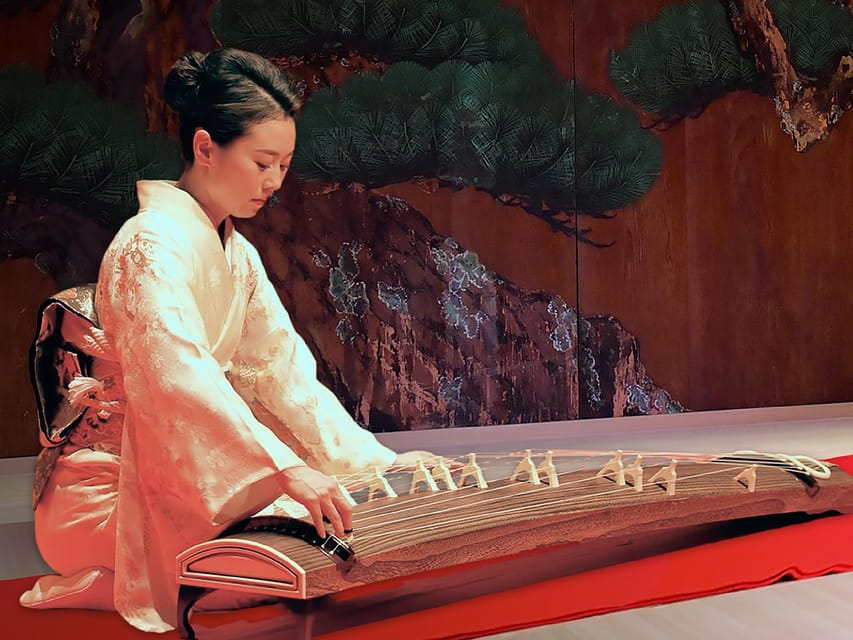
The costume choice shapes the whole mood of your photographs. A kimono gives you a classic Japanese portrait, while hakama offers a more formal, structured appearance. Samurai clothing creates a theatrical image and can work especially well for couples or families who want something playful rather than strictly traditional.
The selection appears to include many colors, patterns, and accessories. One account describes a large range of attractive kimonos, while another points out that the staff helped with accessories and hair styling. You may receive help choosing pieces that work together, rather than simply being handed a garment and left to manage it alone.
Please provide your gender when booking so the studio can prepare a suitable costume. The provider also sends requests for details such as age, height, weight, and name in some cases. Respond promptly, since proper preparation matters when the session is short.
Getting dressed by the studio team

The dressing is part of the value here. You are not expected to know how to arrange a kimono or adjust its layers. A kimono dresser helps fit the outfit, and the studio may add hair pieces or other accessories according to your selection.
That assistance makes the activity workable for first-time visitors. Traditional clothing can look simple in a photograph, but getting the folds, ties, and proportions right is not a quick job for most people. Professional dressing also keeps the costume looking neat during the shoot.
The process may be especially useful for parents dressing children or for couples who want to be photographed together. Children from age two can participate, but anyone underage must be accompanied by an adult. The experience allows most people to take part, though the supplied information does not describe specific wheelchair access or dressing accommodations.
The listed maximum is five people per booking. One larger party was moved to a bigger location, but you should not assume that arrangement is automatic. If your group is larger than five, ask before booking.
How the 20-minute photo session unfolds
After dressing, you move into position for the private studio shoot. The photographer takes a range of poses, including individual portraits and, for couples or families, group photographs.
The strongest part of the session is the direction. Jiro is praised for giving clear posing advice and for helping people feel less stiff in front of the camera. That matters because formal Japanese clothing can make ordinary movement feel unfamiliar. You may find that a small adjustment to your hands, shoulders, or expression changes the photograph considerably.
The tone appears friendly and relaxed. Staff have been described as polite, attentive, funny, and encouraging. That is useful for children, couples, and anyone who normally avoids posed photographs.
Some bookings have included extra couple shots, candid images, and short videos. One person was also allowed to take personal pictures during the session. These additions are not clearly promised as part of every 20-minute booking, so consider them possible extras rather than guaranteed inclusions.
The official experience is private, meaning only your own group participates. You will not be posing beside strangers or waiting for a large group to finish. That privacy gives you room to try different expressions without feeling watched by a roomful of people.

What you receive on the SD card
At the end, you leave with an SD card containing your photos. This is a useful souvenir because you can share the images with family, post them online, or keep them as a record of your Tokyo visit.
The number of final images is not specified, so I would not book this expecting a stated package of prints or a fixed number of edited portraits. The supplied experience includes the SD card, but it does not mention printed photographs, hotel delivery, or online galleries.
This is also why you should bring a way to view or transfer the files later. An SD card is convenient, but your phone may need an adapter or card reader. That small bit of preparation can save you from waiting until you return home to see the results.
The finished images are taken with professional equipment. Personal phone images seen during the session should not be confused with the final photographs. The difference is important: the value is not only wearing a costume, but having a photographer create more polished portraits.
The value of $65.89 per person
At $65.89 per person, this is not the cheapest way to put on a kimono in Tokyo. You can find casual costume rental options elsewhere, but this activity includes the outfit, dressing assistance, studio session, photographer, and SD card.
I see the price as fair if your priority is a lasting souvenir. You are paying for help with the clothing and for someone to direct the photographs, not simply for access to a rack of costumes. The private format also adds value for couples and small families.
The price makes less sense if you mainly want to stroll around Asakusa in traditional clothing. Going out in a kimono is specifically not included. In that case, compare this with a rental that covers several hours of outdoor wear.
The experience is also a better buy for people who care about the final images. If you already have a confident photographer in your group and only want a quick costume, you may prefer a simpler option. If you want professional portraits without arranging a separate photographer, the cost is easier to justify.
The activity is booked an average of 63 days ahead, which suggests that popular appointment times may fill early. I would reserve ahead if your Tokyo schedule is fixed, especially if you need a particular time or costume preparation.
Who should book this experience
I would recommend it to couples, parent and child pairs, families, and solo visitors who want a substantial souvenir from Tokyo without spending hours on a rental.
It also suits a short trip. You can visit Asakusa, take the photographs, and continue sightseeing without committing to a full day in traditional dress. The same-day plan can include the nearby shrine area, but remember that the shoot itself ends back at the studio.
This is a good choice for people who feel uncomfortable posing. The photographer provides direction, and the staff help with the outfit and accessories. You do not need to arrive with a plan for ten different poses.
Samurai style may appeal to children and anyone looking for a more playful photograph. Kimono and hakama styles are better for a formal family portrait or a quieter couple session. You can also combine styles within a group, subject to what is available and prepared for your booking.
I would be cautious about booking it as a last-minute stop during bad weather. The experience requires good weather and may be canceled if conditions are poor. If that happens, you are offered another date or a full refund, but a weather change can still disrupt a tightly planned itinerary.
Booking details that matter
Confirmation is sent within 48 hours of booking, subject to availability. Give yourself time to receive that confirmation and read the arrival directions carefully.
Children must have an adult with them, and the minimum age is two. Most people can participate, but the supplied details do not promise special support for every mobility or medical need, so contact the provider if you have a specific concern.
Cancellation terms are strict close to the appointment. You can receive a full refund by canceling at least six full days before the start time. Cancel two to six full days ahead for a 50 percent refund. Cancellations less than two full days before the start time are not refunded, and changes follow the same cutoffs.
The experience is provided by Cool Japan Entertainment Inc. The listed recommendation rate is 97 percent, with a 4.8 rating from 29 reviews. That is a strong record, but the small sample means I would still pay attention to the practical cautions about directions, timing, and weather.
My call: a worthwhile souvenir with one clear warning
I would book Studio Kimono Photo if you want professional-looking portraits in traditional clothing and have only a short window in Tokyo. The costume choice, dressing help, patient posing direction, and SD card make this more useful than a basic dress-up stop.
The main warning is simple: find Yumenoya Studio before your appointment day if possible, and arrive early. Also leave more than 20 minutes in your schedule if you want several poses or photographs with a partner.
Choose this experience for photographs, not for walking around Asakusa in a kimono. For that purpose, it offers a compact, personal introduction to traditional Japanese dress and a souvenir you can still enjoy long after your Tokyo trip.
FAQ
How long does the kimono photo experience last?
The listed duration is approximately 20 minutes. Some sessions described by participants lasted longer, especially when they included several individual and couple poses, so allow extra time if your schedule permits.
Where does the experience take place?
It starts and ends at Yumenoya Studio, at 2-chōme-2-5 Hanakawado, Taito City, Tokyo 111-0033, Japan, in the Asakusa area.
Can I choose a samurai costume instead of a kimono?
Yes. The available styles include kimono style and samurai style, and hakama, traditional trousers, are also listed among the clothing choices.
Is the kimono rental for going outside?
No. Going out in a kimono is not included. The activity is for dressing and taking photographs inside the studio.
How many people can join one booking?
A maximum of five people can join one booking. The activity is private, so only your own group participates.
What do I receive after the photo shoot?
You receive an SD card with your photos. Hotel pickup, hotel drop-off, and printed photographs are not included in the supplied details.
More tours in Tokyo we've reviewed












Tokyo, compared.
 ★ 5.0Mt Fuji and Hakone 1-Day Bus Tour Return by Bullet TrainFrom $163
 ★ 5.01-Day Tokyo Bus TourFrom $129
 ★ 4.6Tokyo: teamLab Planets TOKYO Digital Art Museum Entry TicketFrom $251 day
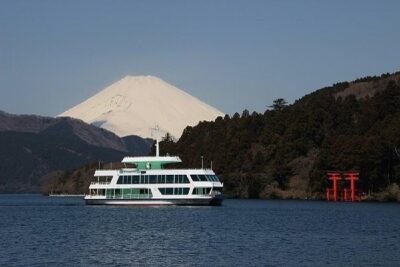 ★ 4.0Mt Fuji & Hakone Cruise, Drum Show Bullet Train 1 Day from TokyoFrom $149
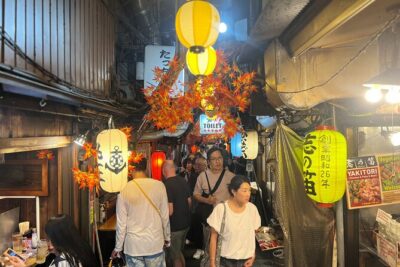 ★ 5.0Tokyo: Shinjuku Food Tour (13 Dishes at 4 Local Eateries)From $86
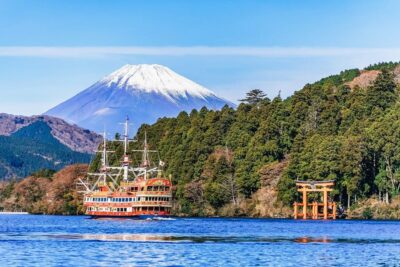 ★ 4.4Tokyo Mt Fuji 5th St & Hakone Cruise Bus Tour w/Bullet TrainFrom $15410 hours