Reviewed · SHIBUYA TOURS
Shibuya and Harajuku Highlights Walking Tour
Shibuya and Harajuku make a natural pair: one gives you Tokyo’s famous crossing and neon city rush, while the other brings shrine paths, youth fashion, and sweet matcha breaks. This small-group walk connects both districts in about three to four hours, so you see a lot without spending a full day on the outing.
In This Article
- Key points at a glance
- Why this Harajuku-to-Shibuya route works
- Meiji Jingu: a calm first hour in Tokyo
- Takeshita Street: Harajuku’s loud, playful center
- The matcha stop beside Harajuku Station
- Yoyogi Park and the 20-minute walk to Shibuya
- A quick look at Shibuya PARCO
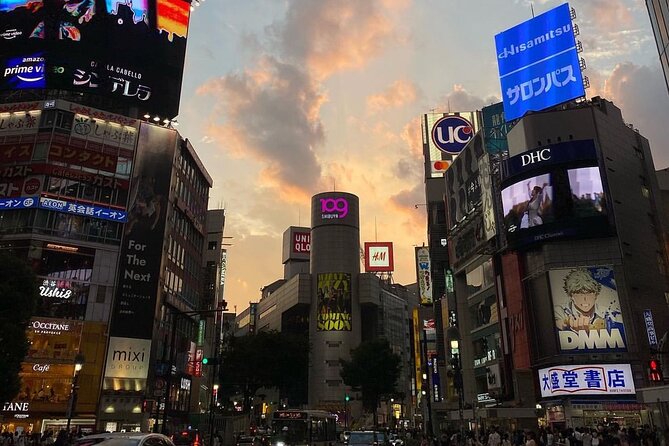
- Shibuya Crossing: Tokyo’s famous moving picture
- Hachiko: a brief story with a lasting place in Shibuya
- Guide, group size, and the feel of the morning
- Price, timing, and who gets the best value
- Practical details before you book
- Should you book this Shibuya and Harajuku walk?
- FAQ
- How long does the Shibuya and Harajuku Highlights Walking Tour last?
- What time does the tour start?
- Where does the tour meet?
- Where does the tour finish?
- What sights are included?
- Is matcha included in the price?
- How large is the group?
- Does the tour include transportation or hotel pickup?
- Is the tour suitable for people with limited mobility?
I like the route’s mix of calm and commotion, especially the wooded grounds of Meiji Jingu followed by Takeshita Street’s colorful shops. I also like the included choice of a matcha drink or matcha ice cream. The main thing to consider is the walking: you go from Harajuku to Shibuya on foot for about 20 minutes, so comfortable shoes are a must.
Key points at a glance
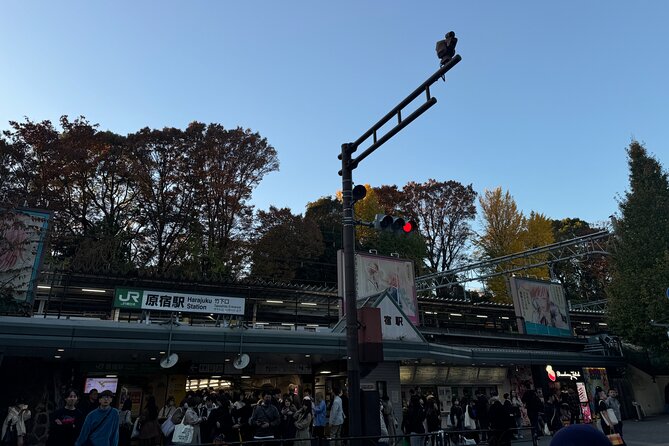
- Starts at 9:30 a.m. near Harajuku Station: Meet at @cosme TOKYO, at 1-chōme-14-27 Jingūmae.
- Covers six central sights: Meiji Jingu, Takeshita Street, a matcha shop, Yoyogi Park, Shibuya Crossing, and Hachiko.
- Small group of no more than 10 people: You should be able to hear the English-speaking guide without the strain of a large crowd.
- Matcha is part of the experience: Choose non-sweet matcha tea, a sweet matcha latte, or matcha ice cream.
- Finishes at Shibuya Station: The final stop is the Hachiko Statue, close to the crossing and station.
- Best for active sightseers: Expect several hours on your feet, with no private transport or hotel pickup.
Why this Harajuku-to-Shibuya route works
Many Tokyo outings force you to choose between traditional Japan and modern Tokyo. This one gives you both in a single morning. You begin in the quiet grounds of Meiji Jingu, walk into Harajuku’s fashion district, then cross through Yoyogi Park toward the bright center of Shibuya.
That order matters. The route starts with space and stillness, then builds toward crowds, shops, signs, and the famous intersection. By the time you reach Shibuya Crossing, you have already seen a different side of the same part of the city.
The tour is priced at $78.04 per person. That is not the cheapest way to walk around Harajuku and Shibuya, since the main sights do not charge admission. You are paying for the guide’s time, the compact route, local context, and the matcha stop. If you want help making sense of what you see and prefer not to plan the route yourself, the price can be fair. If you enjoy exploring streets alone and already know the area, you may find better value in a self-guided walk.
The group is capped at 10 people. That is a useful middle ground. You get company and guidance, but the group should not feel like a tour bus spilling through narrow streets. The experience is booked, on average, 62 days ahead, so I would not leave it until the last minute if the morning time suits your plans.
A few more Tokyo tours and experiences worth a look

Meiji Jingu: a calm first hour in Tokyo
The first stop is Meiji Jingu, a Shinto shrine dedicated to Emperor Meiji and Empress Shoken. It sits in a large forested area near Harajuku, giving you an immediate change of pace from the surrounding city.
You have about 50 minutes here. That is enough time to walk through the grounds, take in the shrine setting, and hear about its place in Japanese religious and imperial history. Admission is free, which keeps the focus on the setting and the guide’s explanation rather than on a ticketed attraction.
I like starting here because it gives you a more settled introduction to Tokyo. The shrine is not presented as a separate day trip. Instead, it acts as the quiet opening chapter before you enter Harajuku’s shopping streets.
Remember that this is an active Shinto shrine, not simply a photo stop. You should follow the guide’s lead on respectful behavior and keep your voice low in the sacred areas. The grounds also involve walking, so the total distance begins to add up well before you reach Shibuya.
Takeshita Street: Harajuku’s loud, playful center
From Meiji Jingu, the tour moves to Takeshita Street for about 50 minutes. This pedestrian street is known for kawaii fashion, trend-focused shops, and youth culture. It is one of the clearest places in Tokyo to see how clothing, food, and pop culture become part of everyday city life.
The appeal here is not just shopping. Even if you do not plan to buy anything, Takeshita Street gives you a concentrated look at Harajuku’s public style. The atmosphere can shift quickly from the quiet shrine grounds to a packed street lined with shops and displays.
You will have a guide to point out local details and explain the area’s character. That can be useful because the street can feel like a fast-moving wall of signs and storefronts when you first arrive. A guide helps you pause and understand what makes Harajuku different from nearby Shibuya.
There is a practical tradeoff. Takeshita Street is busy, and the walking pace may slow when the street is crowded. Keep your belongings close and stay aware of the group. The 50-minute visit is long enough to get a feel for the area, but not long enough for a serious shopping session.
If you have a particular store in mind, this tour may not leave time to browse at length. It is designed to show you the district, not to function as a shopping trip.
The matcha stop beside Harajuku Station
Near Harajuku Station, the guide takes you to an authentic matcha shop for a 30-minute break. You can choose one of three options:
- Non-sweet matcha tea
- Sweet matcha latte
- Matcha ice cream
This is one of the nicest touches in the plan because it gives your feet a rest at exactly the right point. You have already visited the shrine and walked through Takeshita Street, but you still have the route to Shibuya ahead.
The choice also lets you set the tone. Traditional, unsweetened matcha is the most direct taste of the tea itself. A matcha latte is the gentler pick if you want something sweet. Ice cream turns the stop into a simple treat, especially if you prefer not to drink tea.
The drink or ice cream is included, while meals are not. Do not treat this as breakfast or lunch. The tour starts at 9:30 a.m., and the matcha stop comes after the first two major sights, so you may want to eat beforehand if you need a full meal.
Yoyogi Park and the 20-minute walk to Shibuya
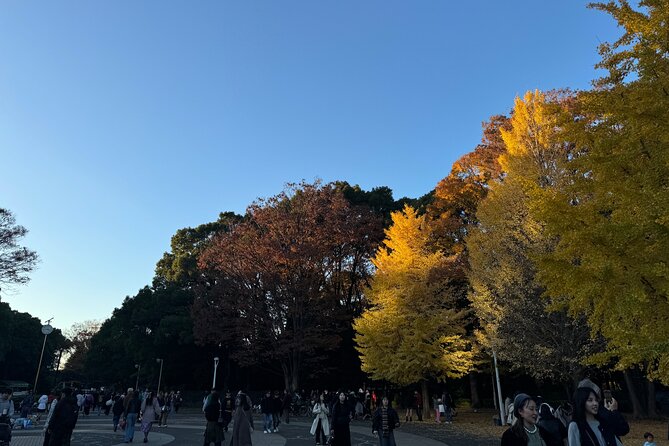
The route then passes by Yoyogi Park for about 20 minutes while heading toward Shibuya Crossing. Yoyogi is one of Tokyo’s largest parks, with room for picnics, jogging, and other outdoor activities.
This is a passing visit rather than a long park tour. That distinction matters. You get a sense of the open space and its contrast with Harajuku’s shops, but you should not expect a full exploration of the park.
The walk from Harajuku to Shibuya takes about 20 minutes. This is a key part of the experience, not just a transfer between stops. You move through two major Tokyo districts on foot, with the guide connecting the areas as you go.
For some people, that walk will be the most useful part of the morning. It shows how close Harajuku and Shibuya are while still revealing their different moods. For anyone with limited mobility, however, it is a real consideration. The experience is not recommended for people who cannot walk properly, and you should have a moderate level of physical fitness.
The tour does not include private transportation. You meet at the starting point and make the route on foot, finishing at Shibuya Station. Bring comfortable shoes rather than stylish but unforgiving footwear. Tokyo rewards practical clothing.
Other walking tours we've reviewed in Tokyo


A quick look at Shibuya PARCO
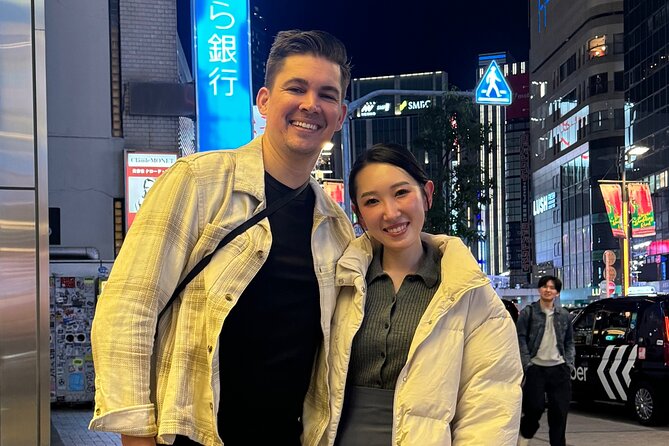
On the way to the crossing, the group passes by Shibuya PARCO. This large shopping complex is known for fashion boutiques, dining, and entertainment facilities.
It is a brief outside look, not a dedicated shopping stop. That keeps the tour moving, but it also means you should not expect time to visit the upper floors or browse in detail.
Still, the stop helps place Shibuya’s commercial side into the route. After the shrine, park, and street culture of Harajuku, PARCO shows the polished retail face of the next district. If you want to return later for shopping, the guide can at least give you a useful sense of where the complex fits into Shibuya.
Shibuya Crossing: Tokyo’s famous moving picture
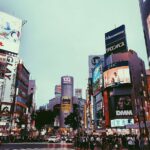
The main city spectacle arrives with Shibuya Crossing. You have about 30 minutes here, including time to take in the intersection and its surrounding signs and screens.
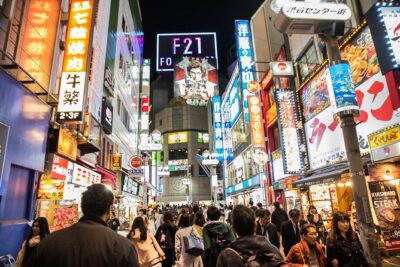
The crossing is famous for a reason. When the traffic stops, people move across the wide intersection in several directions at once, framed by giant video displays and city lights. Even in daylight, it is an unmistakable Tokyo scene.
The guide adds value by giving the crossing a place within the wider district rather than simply pointing at it. You have already walked from Harajuku, so the arrival feels earned. The tour also leaves enough time for photos and observation without turning the stop into a long wait.
Do not expect a private viewing platform or a special skip-the-line arrangement. The attraction is the public intersection itself, and the experience depends partly on the pace and flow of the city around you.
Shibuya Crossing is also a good final major sight because it delivers a strong contrast to Meiji Jingu. In one morning, you move from a wooded shrine approach to one of the most recognizable urban scenes in Japan.
Hachiko: a brief story with a lasting place in Shibuya
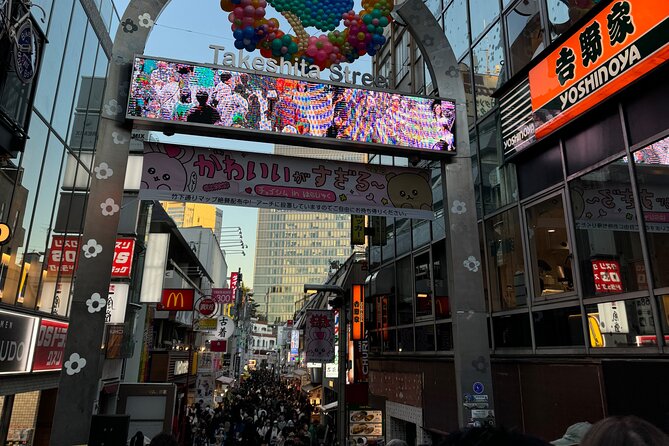
The final stop is the Hachiko Statue, located outside Shibuya Station. You have about 10 minutes here.
The statue honors Hachiko, an Akita dog who waited at the station for his deceased owner each day for nearly ten years. The story has made Hachiko a symbol of loyalty, and the statue has become a well-known meeting point in Shibuya.
Ten minutes is enough for a short explanation and a photo, but not much more. The area around the statue can be crowded, so keep track of the group and listen for the guide’s instructions.
The tour ends here, near Shibuya Station and the crossing. That is convenient if you want to continue exploring, meet someone, shop, eat lunch, or catch a train. It also means you are not returned to Harajuku, so plan your next move from Shibuya.
Guide, group size, and the feel of the morning
The experience includes a professional English-speaking guide. One review specifically praises Kayo as personable and enjoyable company, which suggests that the human side of the walk is an important part of its appeal. The listed provider is Kay, so confirm the assigned guide when booking if meeting Kayo matters to you.
The maximum group size is 10 people. A smaller group makes a real difference on a walking route. You can hear explanations more easily, regroup at crossings, and ask questions without holding up a large procession.
The tour is not private, however. The pace and conversation will still reflect the needs of the group. If you want to linger at Meiji Jingu, shop at Takeshita Street, or photograph Shibuya for a long time, a private guide would give you more freedom.
The friendly tone noted in the feedback is worth emphasizing. One detailed rating gives five stars and describes Kayo as fantastic, personable, and a joy to spend the day with. The tour itself lasts only three to four hours, but a warm guide can make a short outing feel much more personal.
Price, timing, and who gets the best value
At $78.04 per person, this is best viewed as a guided orientation to two major Tokyo districts. The cost includes the English-speaking guide and one matcha drink or matcha ice cream. It does not include breakfast, lunch, hotel pickup, drop-off, or private transportation.
You get the strongest value if:
- You are visiting Tokyo for the first time.
- You want both traditional and modern sights in one morning.
- You prefer a planned route to navigating on your own.
- You enjoy local explanation along with landmark photos.
- You are comfortable walking several hours.
- You have limited time and want to cover Harajuku and Shibuya efficiently.
You may want to skip it if you already know both districts well, want extensive shopping time, or cannot comfortably walk from Harajuku to Shibuya. The free admission at the main sights also means the guide and structure must be worthwhile to you.
The 9:30 a.m. start is useful. You reach the districts before using up an entire day, and you finish in time for lunch or another Tokyo activity. The tour’s typical advance booking period of 62 days suggests that planning ahead is sensible, especially for a specific date.
Practical details before you book
Your meeting point is outside @cosme TOKYO at 1-chōme-14-27 Jingūmae, Shibuya, Tokyo 150-0001. The end point is Shibuya Station at 2 Chome-24, Shibuya, Tokyo 150-0002.
The activity has a mobile ticket, and confirmation is received at booking. It operates near public transportation, though you arrange your own way to the start and from the finish.
Service animals are allowed. The walk is not recommended for anyone who cannot walk properly, and the physical fitness guidance calls for a moderate level. Wear supportive shoes, carry water, and avoid scheduling a demanding activity immediately afterward if you prefer a slower pace.
Cancellation is free up to 24 hours before the start time for a full refund. Changes or cancellations made less than 24 hours before the experience are not accepted for a refund.
Should you book this Shibuya and Harajuku walk?
I would book this tour if you want a friendly, efficient first look at two of Tokyo’s most recognizable districts. The route is especially useful when you want shrine grounds, youth fashion, a park walk, matcha, Shibuya Crossing, and Hachiko without building the morning yourself.
I would pass if your priority is shopping, private guiding, or a relaxed pace with long stops. The tour covers a lot in a short time, and the 20-minute walk between Harajuku and Shibuya is central to the experience.
For an active first morning in Tokyo, the combination is hard to beat. You get a clear sense of how old and new Tokyo sit side by side, with a small group, an English-speaking guide, and a matcha break to keep the route pleasant.
FAQ
How long does the Shibuya and Harajuku Highlights Walking Tour last?
The tour lasts approximately three to four hours.
What time does the tour start?
The tour starts at 9:30 a.m.
Where does the tour meet?
The meeting point is at @cosme TOKYO, 1-chōme-14-27 Jingūmae, Shibuya, Tokyo 150-0001, Japan.
Where does the tour finish?
The tour finishes at Shibuya Station after visiting Shibuya Crossing and the Hachiko Statue.
What sights are included?
The route includes Meiji Jingu Shrine, Takeshita Street, a matcha shop near Harajuku Station, Yoyogi Park, Shibuya PARCO from the outside, Shibuya Crossing, and Hachiko.
Is matcha included in the price?
Yes. You can choose non-sweet matcha tea, a sweet matcha latte, or matcha ice cream.
How large is the group?
The tour has a maximum of 10 travelers.
Does the tour include transportation or hotel pickup?
No. Private transportation and hotel pickup and drop-off are not included. The route is walked from Harajuku to Shibuya.
Is the tour suitable for people with limited mobility?
The tour requires a moderate level of physical fitness and includes about a 20-minute walk from Harajuku to Shibuya. It is not recommended for people who cannot walk properly.
More Walking Tours in Tokyo
More Shibuya Tours in Tokyo

More tours in Tokyo we've reviewed
Shibuya Tours, compared.
 ★ 5.0Official Street Go-Kart in ShibuyaFrom $76
 ★ 5.0Shibuya Meltdown Nightlife Tour: All-You-Can-Drink Bar HoppingFrom $106
 ★ 4.9Tokyo: Street Kart Experience in ShibuyaFrom $99
 ★ 5.0Shibuya Official Street Go-Kart in Shibuya AnnexFrom $69
 ★ 5.0Tokyo: Shibuya Food Tour (13 dishes and 4 Eateries)From $77
 ★ 5.0Best of Shibuya Food TourFrom $217