Reviewed · TOKYO FOOD TOURS
Best of Shibuya Food Tour
Shibuya’s neon streets are only half the story. This three-hour food walk leads you away from the famous crossing and into side-street restaurants, food halls, and compact local eating spots where you can try several Japanese specialties in one evening. You might sample sushi, ramen, okonomiyaki, yakitori, gyoza, and dessert, depending on the day’s restaurant schedule.
In This Article
- Key points to know before booking
- Starting beside Hachiko at 4:00 pm
- Shibuya Center-gai beyond the crossing
- Shibuya Crossing and the city from street level
- From Shibuya 109 to Don Quijote
- Nonbeiyokocho and the appeal of small food stops
- The Tokyu Food Show finale
- What you may eat during the three hours
- How much value do you get for $217?
- The guide can shape the whole evening
- Families, dietary needs, and group size
- Timing, weather, and cancellation details
- Should you book the Best of Shibuya Food Tour?
- FAQ
- Where does the Best of Shibuya Food Tour begin?
- Where does the tour end?
- What time does the tour start?
- How long does the tour last?
- What is included in the price?
- Can children join the tour?
- Can the tour accommodate dietary restrictions?
I like the small group limit of 10, which makes it easier to ask questions and keep up in crowded streets. I also like the way the route mixes food with Shibuya sights, including Hachiko, Center-gai, Nonbeiyokocho, and the Tokyu Food Show. The main concern is price: at $217 per person, this is not a cheap dinner, and a few menus or restaurants may feel ordinary for the cost.
Key points to know before booking
- Five food stops are included, along with dessert and one drink.
- The 4:00 pm start gives you a transition from afternoon sightseeing into Shibuya after dark.
- The route begins at Hachiko Square and ends beneath the station at the Tokyu Food Show.
- Food choices can include sushi, ramen, okonomiyaki, yakitori, gyoza, and regional dishes.
- The group is capped at 10 people, but restaurant stops can change because of schedules, holidays, weather, or other conditions.
- Vegetarian and vegan requests are accepted, and children receive chicken skewers instead of beef.
Starting beside Hachiko at 4:00 pm
The meeting point is in front of the Hachiko mural at Hachiko Exit, beside the famous statue area in Shibuya. This is a sensible place to begin, but it can be confusing if you arrive late or rely on a taxi driver to find a specific wall. Give yourself extra time and use the Hachiko Exit as your main landmark.
Your guide begins with a short introduction to Shibuya, Japanese customs, and the story of Hachiko, the loyal dog remembered throughout Tokyo. The opening is brief, so the real value comes as the group starts moving through the district.
You will likely meet one of several guides assigned to the departure. Names that have drawn particular praise include Alex, Jacob, Jane, Seika, Melissa, Sandra, Clara, Ray, Vanessa, and Yu. The quality of the evening depends partly on who leads your group. Strong guides have been described as warm, clear in English, good at explaining food traditions, and willing to offer suggestions for later meals.
Do not arrive late. The group moves between restaurants, and catching up at a later stop is not assured. One departure had a meeting-point problem because the wall mural was difficult for a taxi to locate, so independent arrival on foot from the station is the safer plan.
A few more Tokyo tours and experiences worth a look
Shibuya Center-gai beyond the crossing
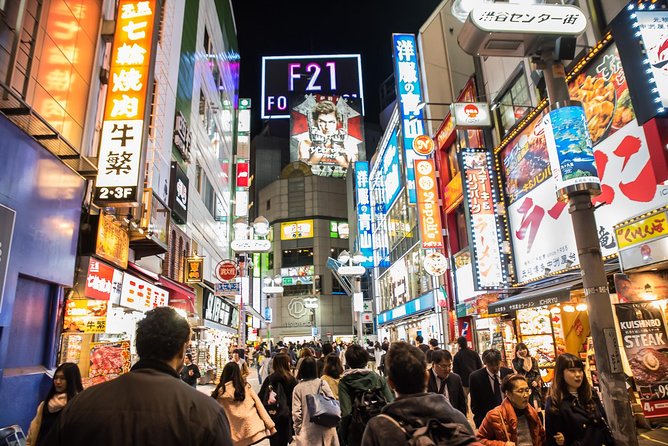
The route passes through Center-gai, one of Shibuya’s main pedestrian areas. It is an easy place to see the contrast that makes this neighborhood so interesting: huge signs and famous brands on the main roads, then small restaurants tucked into narrow lanes nearby.
The food stops are intended to show you places you might not choose on your own. That is useful in Japan, where a restaurant may have a small sign, a menu with limited English, or a crowded entrance that gives no clear clue about what happens inside.
Your guide handles the practical work of ordering and moving the group along. That matters when you are sampling several dishes rather than sitting down for one long meal. You can focus on tasting and asking questions instead of trying to decode every menu.
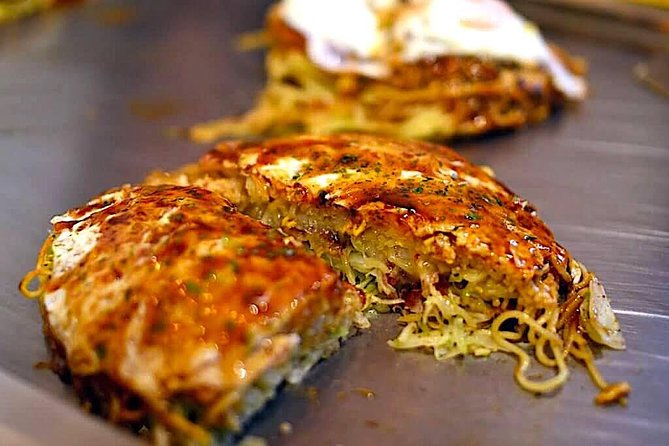
The route may include regional food such as Hiroshima-style okonomiyaki. This savory dish is cooked in layers, often with noodles and toppings, and differs from the more mixed batter style found elsewhere in Japan. The exact selection is not fixed, so treat the advertised dishes as examples rather than guarantees.
Shibuya Crossing and the city from street level
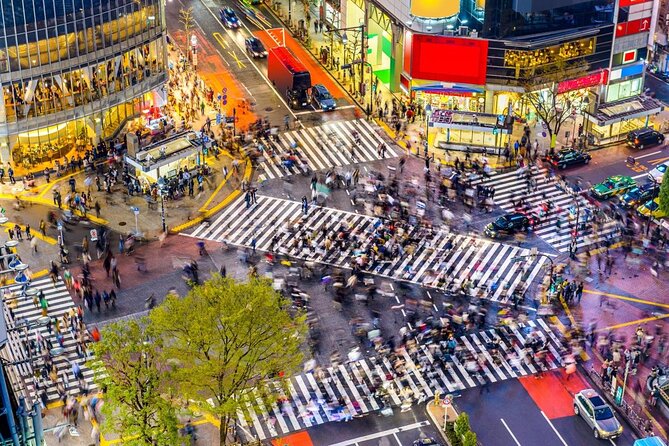
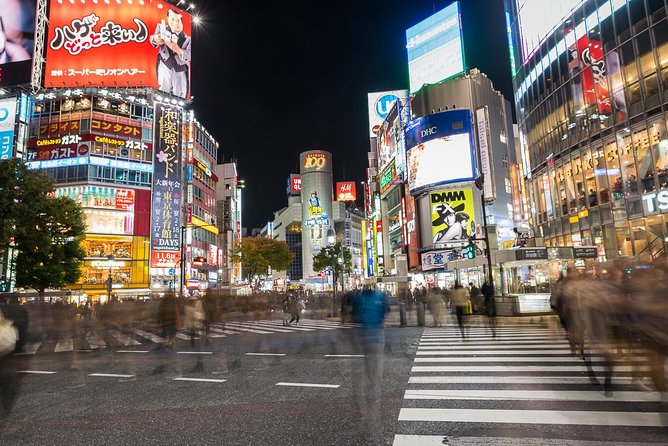
Shibuya Crossing gets only a short stop on the schedule, but it provides useful orientation. You see the famous intersection as part of a working neighborhood, not just as a photo backdrop.
Several guides have also taken groups to a good viewing point for the crossing from above. That detail is not guaranteed for every departure, but it shows how a good guide can add a little more sightseeing between meals.
The walking is moderate rather than strenuous, but you should be comfortable on your feet for about three hours. You will cross busy streets, use station areas, and move through compact restaurant spaces. Wear shoes you can walk in and avoid arriving with an oversized suitcase.
From Shibuya 109 to Don Quijote
The route includes Shibuya 109 and the MEGA Don Quijote area. These stops are short, yet they help explain modern Shibuya’s shopping culture and the odd mix of fashion, snacks, cosmetics, souvenirs, and household goods found in Japanese retail districts.
Do not expect a long shopping visit. The focus remains food, and these locations work mainly as orientation points between eating stops. If you want time to browse Don Quijote properly, return on another evening.
This part of the walk can also help you get your bearings for later independent exploring. Guides have provided restaurant suggestions and general Tokyo advice, which is one reason I would consider taking this tour early in a Tokyo visit rather than on your final night.
Nonbeiyokocho and the appeal of small food stops
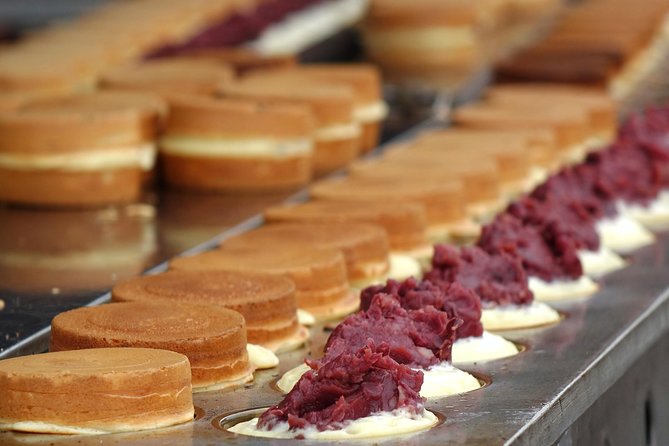
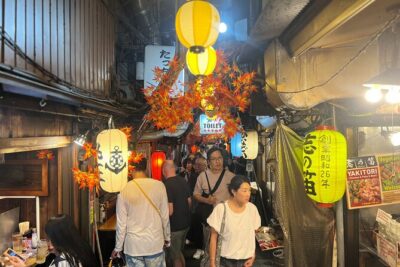
Nonbeiyokocho is associated with narrow lanes and compact drinking and eating places near Shibuya Station. The route’s side streets offer a change from the wide commercial roads and give you a closer look at how local dining fits into the city.
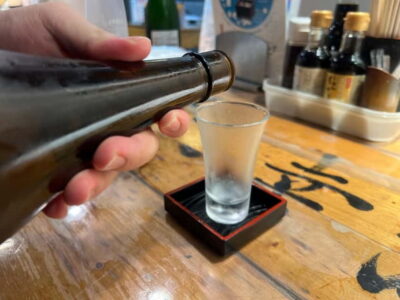
The food format is deliberately varied. Instead of five versions of the same dish, you may move from sushi to grilled skewers, a hot noodle dish, a savory egg or pancake-style item, and sweets. One drink is included, and it may help you try a Japanese beverage without ordering a full round of drinks yourself.
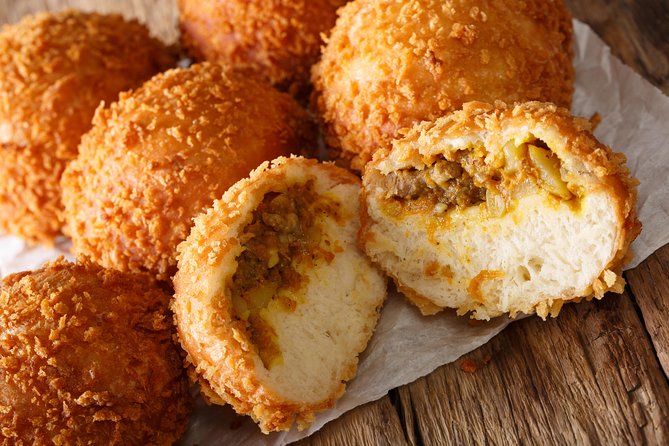
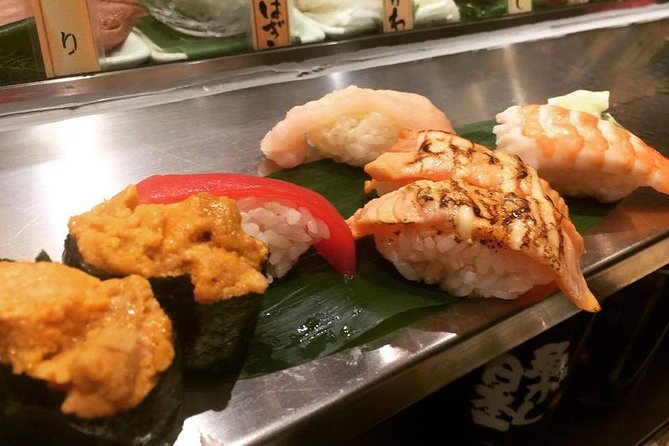
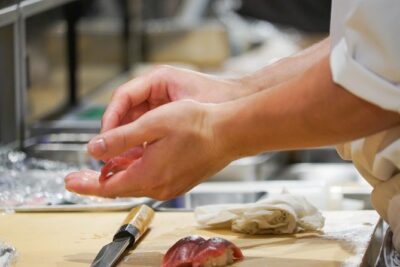
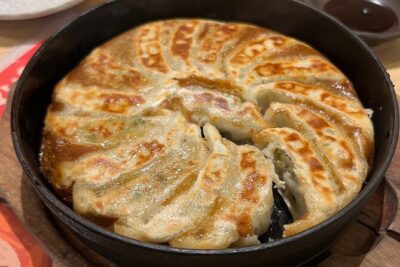
Past menus described in the feedback included ramen, eight pieces of nigiri sushi, a vegetable and egg dish with bacon, chicken wings, gyoza, cucumber, and dessert. That list should not be treated as a fixed menu, but it gives you a fair idea of the possible quantity. Several people found the portions generous and finished the walk very full.
That quantity is a strength if you want dinner covered in one outing. It is less useful if you prefer small, carefully selected tastings or plan to eat a large meal afterward.
A few more Tokyo tours and experiences worth a look

The Tokyu Food Show finale
The walk ends at the Tokyu Food Show, beneath the station and near the former Tokyu Department Store Honten area. This underground food hall is a fitting final stop because Japanese department-store basements are famous for their display of prepared foods, sweets, baked goods, boxed meals, and regional specialties.
The stop is short, but it gives you a glimpse of a food-shopping culture that many visitors miss. You can see how carefully prepared foods are presented and how much variety fits below a department store.
The ending point differs from the meeting point, so plan your next move before the tour finishes. You are well placed for Shibuya trains, but the station complex is large. If you are meeting friends for dinner, share the Tokyu Food Show location rather than simply saying Shibuya Station.
What you may eat during the three hours
The stated plan includes five food stops, dessert, and one drink. Restaurant schedules can change, so no one should book this expecting a guaranteed dish-by-dish menu.
Possible tastings include:
- Hiroshima-style okonomiyaki
- Different kinds of sushi
- Wagyu beef yakitori
- Ramen
- Gyoza
- Chicken wings
- Seasonal Japanese foods
- Dessert from a local food stop or food hall
The tour is strongest for first-time visitors who want a broad introduction. You get to compare textures, cooking methods, and regional styles while your guide explains what you are eating.
Food restrictions require advance attention. Vegan and vegetarian guests can be accommodated, and the tour is described as vegetarian-friendly. Children receive chicken skewers instead of beef. If you avoid pork, tell the provider before the tour, since one guide was able to arrange suitable choices for a couple with that restriction.
The minimum drinking age is 21. One drink is included, but additional food and drinks are not included unless specifically stated.
How much value do you get for $217?
The $217 price is high for a three-hour food walk in Tokyo. You are paying for more than the food itself: a local guide, restaurant coordination, translation help, route planning, five stops, dessert, and one drink.
That can be worthwhile if you are nervous about ordering in small Japanese eateries or want a quick introduction without spending time researching each stop. A good guide also turns the walk into a cultural outing, explaining restaurant customs, local dishes, and parts of Shibuya you might otherwise pass without noticing.
Still, this is not automatically good value for every eater. Some people found the meal generous and far beyond expectations. Others felt the food was average, with restaurants that seemed quiet or too closely tied to organized tour groups. A few felt the tour was overpriced even while enjoying the ramen and sushi.
My advice is simple: book it for access and guidance, not because it is the cheapest way to eat. If you are confident choosing restaurants alone and care most about fine dining quality, you may prefer to spend $217 across several independent meals. If you value convenience, variety, and a guide who can handle the details, the price becomes easier to justify.
The guide can shape the whole evening
The strongest element of this experience is often the person leading it. Alex has been praised for food advice, Shibuya knowledge, and a good view of the crossing. Jacob has been singled out for Japanese language ability, local history, and a particularly well-liked ramen stop. Jane has been noted for explaining the food at each of the five locations and adjusting the pace for slower walkers.
Seika has received praise for making the evening fun and helping families feel comfortable. Sandra has worked well with groups including young children, arranging restroom breaks and coordinating with restaurants. Melissa, Clara, Ray, Vanessa, and Yu have also been described as friendly and engaging guides.
You cannot normally choose a specific guide, so think of these names as examples of the level of service possible, not a promise. The guide matters because the restaurants themselves may vary. A personable guide can make a simple meal feel like a useful introduction to Tokyo. A less effective guide may leave the food doing all the work.
Families, dietary needs, and group size
The tour is family-friendly, and children must be accompanied by an adult. Families with children aged 10 and above need to provide a copy of passport information, according to the tour conditions.
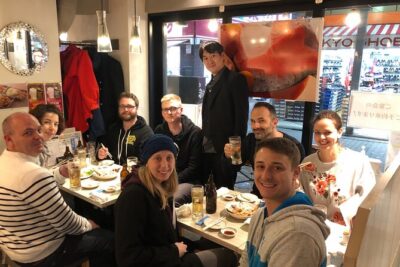
The group limit of 10 keeps the walk more manageable than a large coach-style outing. It also makes restaurant seating and conversation easier, though the small group does not guarantee private dining.
This is a good match for couples, families, and solo visitors who want company on their first evening in Shibuya. It may be less suitable for anyone with limited walking ability, since a moderate level of fitness is requested and the route changes between several stops.
A karaoke after-party is available, but it is an optional add-on rather than part of the core three-hour food walk.
Timing, weather, and cancellation details
The listed departure is 4:00 pm, with the walk moving into the evening as Shibuya lights up. That timing is useful if you want to combine afternoon sightseeing with dinner, but it leaves little room for a late start or an extended visit at Shibuya 109.
Restaurant choices can change because of business hours, public holidays, weather, or other unexpected conditions. You may receive substitutions, so keep an open mind about the exact dishes.
Free cancellation is available when you cancel at least 24 hours before the start time. Cancellations or changes made inside that window are not refunded or accepted. The tour may also be canceled if the weather is poor or the minimum number of participants is not reached, with a different date or a full refund offered in those cases.
Should you book the Best of Shibuya Food Tour?
Book this if you want a guided introduction to Shibuya’s food culture, especially early in your Tokyo stay. The combination of five stops, dessert, one drink, local context, and back-street navigation can save you a lot of trial and error.
Go in expecting a generous, varied meal rather than a high-end culinary ranking. The food and restaurant quality may change, and the $217 cost will feel steep to independent diners. But if you arrive hungry, keep your schedule flexible, and get a strong guide such as Alex, Jacob, Jane, Seika, or Sandra, this can be a friendly and practical way to understand Shibuya beyond the crossing.
FAQ
Where does the Best of Shibuya Food Tour begin?
It begins at Hachiko Family, in front of the Hachiko wall mural outside Shibuya Station at Hachiko Exit, 2 Chome-1 Dogenzaka.
Where does the tour end?
It ends at the Tokyu Food Show, on the basement level under the station near Tokyu Department Store Honten.
What time does the tour start?
The listed start time is 4:00 pm.
How long does the tour last?
The walking food tour lasts approximately three hours.
What is included in the price?
The price includes a local guide, five food stops, dessert, and one drink. Hotel transfers, transportation costs, and additional food or drinks are not included unless specified.
Can children join the tour?
Yes. The experience is family-friendly, but children must be accompanied by an adult. Children receive chicken skewers instead of beef, and a copy of passport information is required for children aged 10 and above.
Can the tour accommodate dietary restrictions?
Vegan and vegetarian options are available, and the tour is described as vegetarian-friendly. You should provide dietary information in advance so suitable substitutions can be arranged.
More Food Experiences in Tokyo
More Tokyo Food Tours in Tokyo
More Shibuya Tours in Tokyo
More tours in Tokyo we've reviewed












Tokyo Food Tours, compared.
 ★ 5.0Tokyo: Shinjuku Food Tour (13 Dishes at 4 Local Eateries)From $86
 ★ 4.9Tokyo: Shinjuku Food Tour (13 Dishes and 4 Eateries)From $97
 ★ 5.0Tokyo Night Foodie Tour in Shinjuku – Seasonal Sushi, Wagyu BeefFrom $111
 ★ 5.0Eat and Drink Like a Local: Tokyo Ueno Food Tour-Taverns&RamenFrom $95
 ★ 5.0Tokyo: Shibuya Food Tour (13 dishes and 4 Eateries)From $77
Tokyo: Shinjuku Food Tour – 15 Dishes, 3 Drinks, 4 EateriesFrom $723 hours
★ 5.0Tokyo: Shibuya Food Tour (13 dishes and 4 Eateries)From $77
Tokyo: Shinjuku Food Tour – 15 Dishes, 3 Drinks, 4 EateriesFrom $723 hours