Reviewed · TOURS
Tokyo: Ghost Tour with Scary Japanese Stories and Folklore
Tokyo’s ghost stories feel most unsettling when they are tied to places you can actually visit. This tour leads you from Tokyo Station to Yoshiwara-jinja Shrine, where a vengeful spirit is said to have haunted the area for more than 1,000 years. Office workers nearby are still said to avoid turning their backs toward the shrine.
In This Article
- Key points to know before you book
- Why Tokyo’s ghost stories work so well on foot
- Meeting inside Tokyo Station
- Tokyo Station as the opening chapter
- The haunted shrine and its long memory
- Asakusa’s Shitamachi after dark
- What the $90 price buys you
- The pace, group size, and physical demands
- What the guides add to the evening
- Camera rules and respectful behavior
- Who should book this Tokyo ghost tour
- Booking flexibility and useful planning notes
- Should you book it?
- FAQ
- Where does the Tokyo ghost tour meet?
- How long does the experience last?
- What places does the tour visit?
- What is the main ghost story on the tour?
- Is transportation included?
- What is included in the price?
- What languages are available?
- Can children join the tour?
- Can I cancel or pay later?
I like the tour’s mix of Japanese folklore and true crime, rather than a string of vague spooky tales. I also like the small-group format, the nighttime walk through Asakusa’s Shitamachi district, and the thoughtful touch of a traditional snack. The main drawback is that you pay $90 per person while handling transportation yourself, and the evening walking may not suit children under 10 or anyone with heart problems.
Key points to know before you book
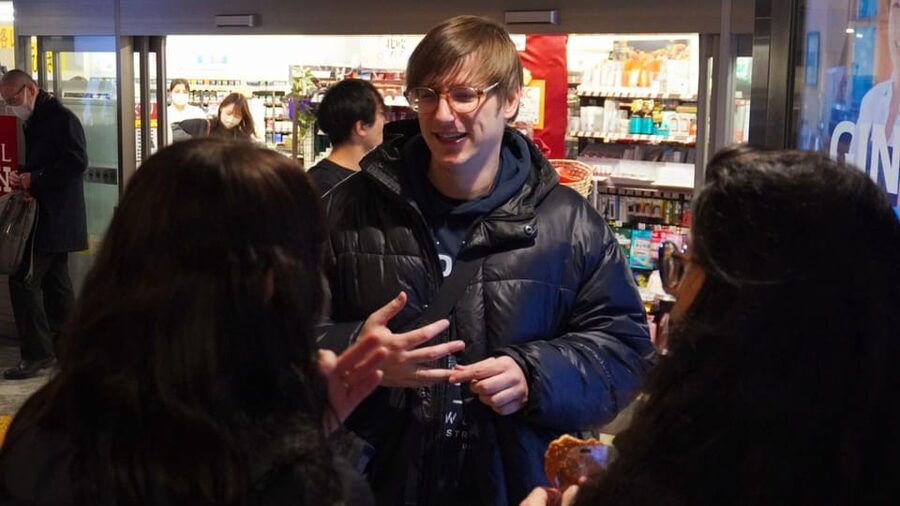
- A 1,000-year-old haunting: The tour centers on a shrine linked to a long-running tale of a vengeful spirit.
- More than ghost stories: Expect folklore, reported paranormal activity, true crime, and missing-person stories.
- A nighttime Asakusa walk: The route brings you into the old Shitamachi district after dark.
- Guides with varied language options: Tours are offered in English, French, German, and Italian. Matthias and Maikel are among the guides associated with the experience.
- A small-group feel: A private group option is available if you want a more personal evening.
- Bring practical gear: Wear comfortable shoes, dress for the weather, and do not use flash photography.
Why Tokyo’s ghost stories work so well on foot
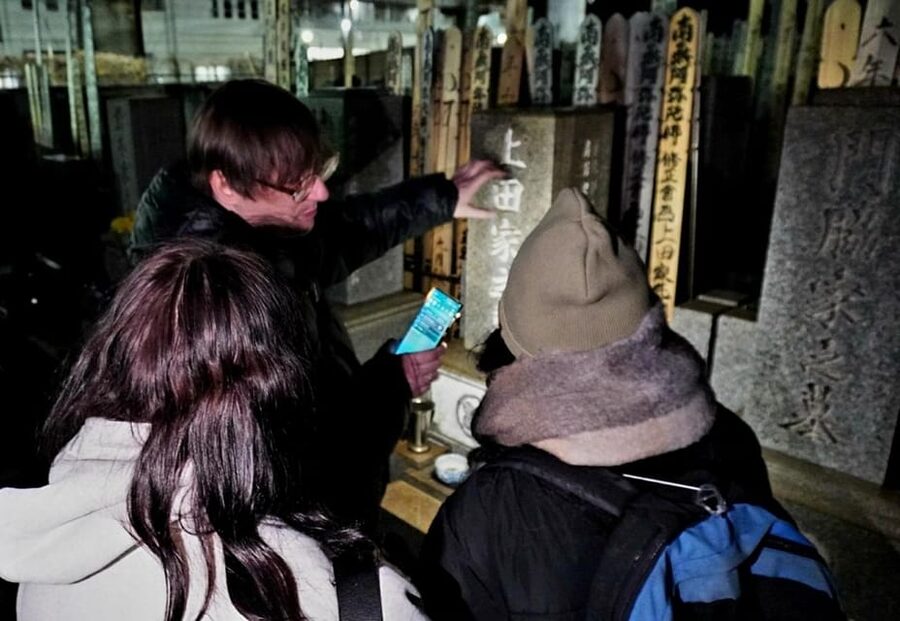
Tokyo can feel polished, bright, and efficient by day. At night, older districts reveal a different mood. Narrow streets, quiet shrine grounds, and layers of local belief give these stories a setting that a museum or lecture cannot match.
I like that this tour does not rely only on the supernatural. The guide also discusses true crime, missing persons, and stories of unusual activity through the centuries. That gives you more to think about than a simple haunted-house routine. You can listen as folklore, local memory, or a glimpse into how Japanese communities explain places that feel troubling or sacred.
The tour is also useful for people who already know Tokyo’s major sights. You may have visited Asakusa’s famous temple area, but this experience points your attention toward less obvious stories and locations. It changes the way you look at familiar streets.
Do keep your expectations sensible. This is a guided storytelling walk, not a theatrical horror production, and nothing in the information provided promises paranormal events during the tour. The interest comes from the tales, the places, and the guide’s presentation.
If you're still narrowing it down, here are other tours in Tokyo we've reviewed.


Meeting inside Tokyo Station
The meeting point is at Tokyo Station’s Marunouchi-Kitaguchi, also called the Marunouchi North Exit. You meet inside the station’s North Wing, near the Marunouchi Hotel, where the guide waits with a sign showing your name.
Tokyo Station is large, so allow time to find the correct exit. The useful detail here is that you are meeting inside the station, not somewhere on an open street. Look for signs marked Marunouchi North Exit, then stay in that part of the station until you locate the guide.
This is one of those moments when a little preparation saves stress. Have the meeting details open on your phone, arrive early, and avoid assuming that every Marunouchi exit is the same. Tokyo Station has several major sections, and a last-minute cross-station dash is not a good way to begin a nighttime walking tour.
The route after the meeting point includes transportation between attractions, but transportation to and from the attractions is not included in the price. Confirm how your particular departure handles the movement from Tokyo Station to the other locations. The supplied details make clear that you should budget separately for transport outside the guided experience.
Tokyo Station as the opening chapter
Tokyo Station is listed as a guided stop, so the tour begins in one of the city’s most recognizable places. Here, the setting is less about a single haunted room and more about placing you in Tokyo’s modern center before moving toward older districts and darker stories.
That contrast matters. Tokyo Station represents the city’s speed, business, and scale. The later stops connect you with older customs, local legends, and places where the past still shapes how people behave. The guide uses the route to show that Tokyo’s spooky side is not limited to remote forests or abandoned buildings.
The exact details of the station discussion can vary with the guide. Past bookings have included Matthias, while the tour operates under Maji Super Tours with Maikel associated with its management. The available languages are English, French, German, and Italian, so check the language offered at booking if you need something other than English.
The haunted shrine and its long memory
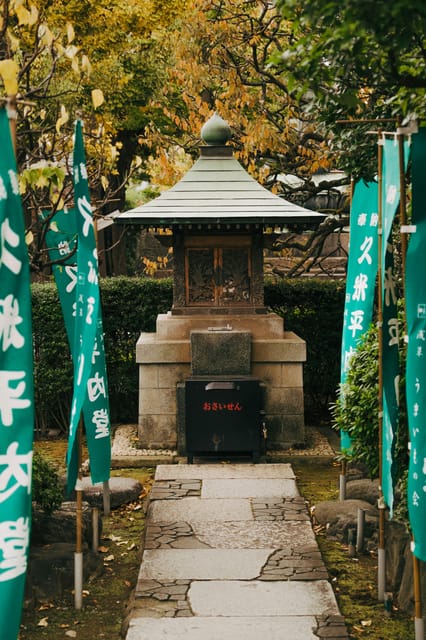
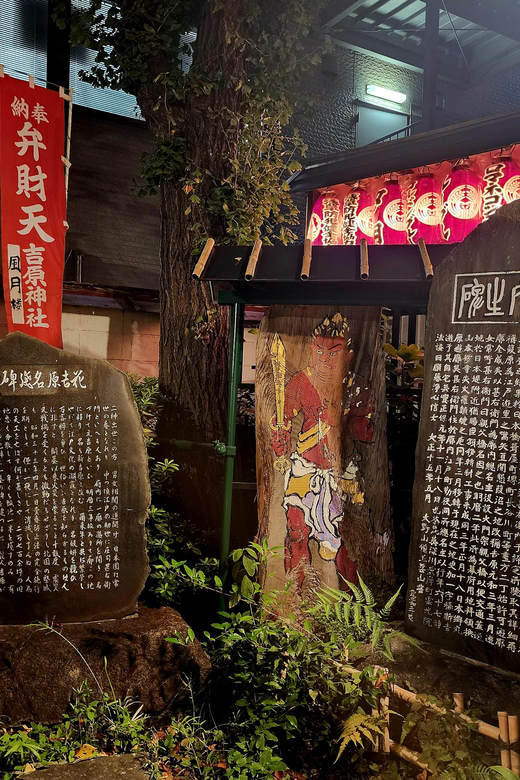
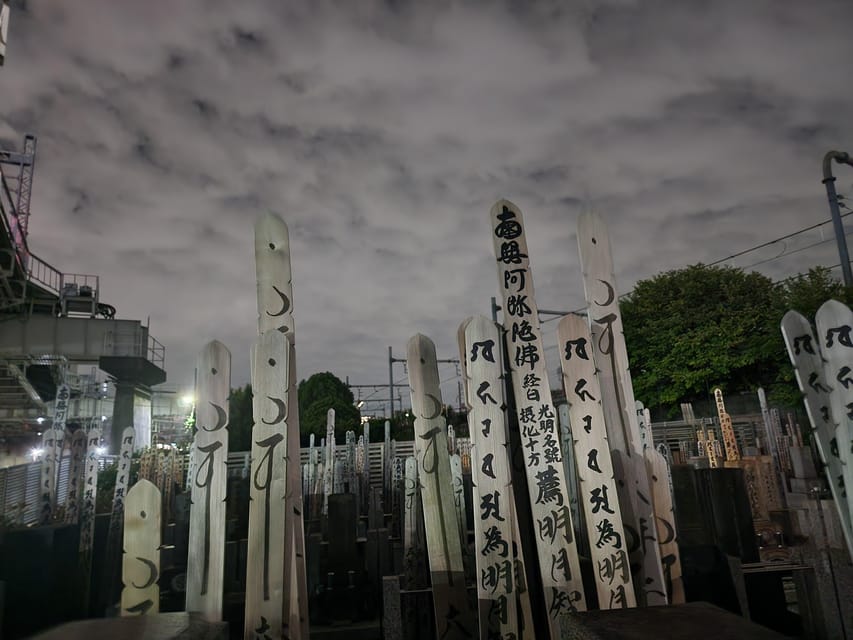
The emotional center of the tour is Yoshiwara-jinja Shrine. It is connected with a vengeful spirit said to have haunted the area for more than 1,000 years. The story becomes more striking because people working in surrounding offices are said not to turn their backs toward the shrine.
That detail gives the visit a human edge. You are not simply hearing that a place is haunted. You are hearing how a belief may influence everyday behavior, even in a modern office district. The guide explains the true stories and folklore tied to the site, along with reports of paranormal activity across the centuries.
A shrine visit also calls for respect. This is a religious place, not a movie set. Listen carefully to the guide’s instructions, keep your voice down, and avoid treating the location as a prop for dramatic photographs. Flash photography is not allowed, so use your camera without flash and be considerate of people who may be visiting for worship.
The shrine may appeal most to you if you enjoy stories with several layers. There is the old legend, the idea of a wronged or vengeful spirit, the reported behavior of nearby workers, and the modern visitor’s question of how much to accept as fact. The guide’s job is to present these strands clearly, while you decide what you make of them.
Asakusa’s Shitamachi after dark
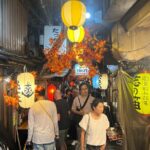
The tour continues through Asakusa’s Shitamachi district. Shitamachi refers to Tokyo’s traditional low-town neighborhoods, and the area provides a fitting setting for stories rooted in local memory and folklore.
You will see the district as part of a guided evening walk rather than as a daytime sightseeing circuit. That changes the experience. Familiar streets can feel quieter and more atmospheric, while the guide’s stories give ordinary corners a different meaning.
The supplied itinerary names Asakusa but does not provide a street-by-street route. That is worth noting if you are hoping for a precise list of alleys or landmarks. The benefit is flexibility, since the guide can focus on the stories and locations that fit the evening. The tradeoff is that you should not book this expecting a fixed sightseeing checklist.
Some of the most useful feedback about the tour points to the range of topics. One booking described an evening that covered local legends, ghost stories, true crime, and missing persons, with a route that went far and wide. That suggests you should expect a broad storytelling walk rather than one single haunted stop repeated in different ways.
A traditional Japanese snack is included. It is a small feature, but I like it because it connects the walk to local food and gives the evening a pleasant pause. Drinks are not included, so carry money for anything you want to purchase separately.




What the $90 price buys you
At $90 per person, this is not a bargain city walk. You are paying for a specialist evening experience, a professional guide, access to a small-group format, the haunted shrine visit, a set of true stories and folklore, and a traditional snack.
The value depends on what you want from Tokyo. If you only want major sights and photographs, the price may feel high. You can visit many parts of Asakusa independently for far less. But independent sightseeing will not give you the same organized collection of ghost stories, true crime, local beliefs, and explanations tied to specific places.
The price makes more sense if you enjoy guided storytelling and want an unusual evening after the standard temples and shopping streets. It is also useful for repeat visitors who have already covered Tokyo’s basic attractions. The small-group setup can make a specialist tour more engaging than a large coach excursion, and a private group option is available if you want more control over the evening.
Remember to add transportation costs. The tour price does not cover transportation to and from the attractions, and drinks are separate. Ask about the exact route and transport arrangements before booking so the final cost is clear.
The pace, group size, and physical demands
This is a walking experience at night. Comfortable shoes are essential, not optional. You should also dress for the weather, since the itinerary includes outdoor movement through Tokyo streets and shrine grounds.
The total activity is described as lasting one day, but the directions clearly frame it as an evening walk. Check the available starting times for your date, since the exact departure schedule is not fixed in the supplied information.
A small group is a good match for a story-led tour. You can usually hear the guide more easily, ask questions, and keep the mood focused. If you want the experience to feel more personal, the private group option may be worth considering, especially for a couple or a group of friends sharing the cost.
The tour is not suitable for children under 10. It is also not suitable for people with heart problems. That restriction makes sense for a nighttime ghost tour built around unsettling tales, though the walk is still a cultural storytelling experience rather than a physical scare attraction.
What the guides add to the evening
A ghost tour lives or dies by its guide. The locations provide atmosphere, but the guide supplies the context, pacing, and judgment needed to separate folklore from reported fact.
The available information connects the experience with guides including Matthias and Maikel. One guide has been praised for presenting varied stories in an engaging way, while another booking described a friendly guide who added a delicious snack to the evening. Since guides can differ, your experience may have a different voice and emphasis, but the format supports a personal, conversational approach.
You should expect the guide to cover more than one category of story. The material includes true ghost stories, folklore, paranormal activity, true crime, and missing persons. If you prefer a strictly historical tour with dates, buildings, and architectural detail, this may not be your best choice. If you like asking what happened, what people believe, and how a place acquired its reputation, it should offer more substance.
The language choice is another practical strength. English, French, German, and Italian are listed. Confirm your preferred language when you reserve, especially if the storytelling depends on subtle distinctions between legend and documented events.
Camera rules and respectful behavior
You can bring a camera, but flash photography is not allowed. That is important at a shrine and useful to remember during a nighttime walk, when a flash can disturb worshippers or disrupt the guide’s presentation.
Take photographs only where appropriate and follow local instructions. A respectful approach will improve the experience for you and for anyone using the shrine for religious reasons. The tour’s subject may be spooky, but the locations are real community spaces.
Your best accessory is a phone with enough battery for navigation and photos, though the guide will lead the group once you meet. Since exact transportation details are not included, it is also wise to have a way to check transit information before and after the tour.
Who should book this Tokyo ghost tour
I would recommend this experience to you if you:
- Enjoy folklore, ghost stories, and true crime
- Want to see Tokyo after dark in a guided small group
- Have already visited the main sights and want a different angle on the city
- Like learning how old beliefs remain part of modern local behavior
- Are comfortable walking outdoors at night
- Can follow a tour in English, French, German, or Italian
I would think twice if you want a fast-paced attraction with actors, props, or guaranteed scares. I would also skip it if you dislike walking at night, have a heart condition, are booking for a child under 10, or want all transportation and drinks included.
The strongest reason to book is the connection between story and place. You are not listening to an unrelated ghost tale in a dark room. You are walking through Tokyo districts and visiting a shrine tied to a very old account of vengeance and fear.
Booking flexibility and useful planning notes
You can cancel up to 24 hours before the activity for a full refund, and the reserve-now, pay-later option lets you hold a place without paying immediately. Availability and starting times vary, so check your chosen date rather than assuming there is one fixed departure.
Plan to arrive at Tokyo Station early. The correct meeting point is inside the North Wing at Marunouchi North Exit, and the guide uses a sign with your name. Wear walking shoes, bring a camera without flash, and dress for the nighttime weather.
The tour has an overall rating of 4.7 from seven ratings, with praise focused on the entertaining variety of stories, the guides’ friendly presentation, the nighttime locations, and the included snack. That is a small sample, so I would treat it as useful guidance rather than a guarantee of the exact evening you will have.
Should you book it?
Book this Tokyo ghost tour if you want an atmospheric, story-focused walk through Asakusa and are curious about the way folklore, true crime, and modern city life overlap. The 1,000-year-old vengeful spirit connected with Yoshiwara-jinja Shrine gives the evening a strong center, while the wider route keeps it from feeling like a single-stop attraction.
At $90, it is best viewed as a specialist guided experience, not a cheap way to see Asakusa. If the shrine stories, nighttime setting, and small-group format appeal to you, the price can be fair. If you mainly want Tokyo’s famous sights or dislike spooky subjects, spend your evening elsewhere.
FAQ
Where does the Tokyo ghost tour meet?
The meeting point is inside Tokyo Station at the Marunouchi-Kitaguchi, or Marunouchi North Exit, in the North Wing near the Marunouchi Hotel. The guide waits with a sign showing your name.
How long does the experience last?
The activity is listed as lasting one day. It is described as a nighttime walking tour, and you should check the available starting times for your chosen date.
What places does the tour visit?
The route begins at Tokyo Station, includes a guided visit to Yoshiwara-jinja Shrine, and continues through Asakusa’s Shitamachi district.
What is the main ghost story on the tour?
The tour discusses a vengeful spirit said to have haunted the area around the shrine for more than 1,000 years. It also covers true ghost stories, folklore, and reported paranormal activity.
Is transportation included?
Transportation to and from the attractions is not included. Drinks are also not included, so plan for those costs separately.
What is included in the price?
The price includes a professional guide, true ghost stories and folklore, a visit to a haunted shrine, and a traditional Japanese snack.
What languages are available?
The tour is offered in French, German, Italian, and English.
Can children join the tour?
Children under 10 cannot join this experience. It is also listed as unsuitable for people with heart problems.
Can I cancel or pay later?
You can cancel up to 24 hours in advance for a full refund. A reserve-now, pay-later option is also available.
More tours in Tokyo we've reviewed








Tours, compared.
 ★ 5.0Mt Fuji and Hakone 1-Day Bus Tour Return by Bullet TrainFrom $163
 ★ 5.01-Day Tokyo Bus TourFrom $129
 ★ 5.0Tokyo: Shinjuku Food Tour (13 Dishes at 4 Local Eateries)From $86
 ★ 4.4Tokyo Mt Fuji 5th St & Hakone Cruise Bus Tour w/Bullet TrainFrom $15410 hours
 ★ 5.0Flagship 2-Hours Official Street Go-Kart Tour – Tokyo Bay ShopFrom $642 hours to 2 hours 30 minutes (approx.)
 ★ 4.7Tokyo: Mt. Fuji Tour, Hakone Ropeway, Owakudani, Lake AshiFrom $5410 hours