Reviewed · AKIHABARA & ANIME TOURS
Akihabara – Discover the Otaku Culture & Experience the Maid Cafe
Akihabara is much more than anime figures and neon signs. This four-hour walk introduces you to the neighborhood’s wider otaku culture, from purikura photo booths and crane games to retro consoles, trading cards, cosplay shops, snacks, and a maid cafe.
In This Article
- Key points to know before you book
- Why this Akihabara walk is different
- Starting at Taito Station Akihabara
- Super Potato and Akihabara’s retro game appeal
- Don Quijote and the wider pop-culture mix
- Radio Kaikan and the roots of otaku culture
- Junk Street, Mandarake, and browsing time
- ONODEN and cosplay shopping
- Trading cards at Fukufuku TCG Akihabara
- What happens at the maid cafe
- The Wednesday maid theatrical show
- How the guides shape the experience
- Timing, walking, and meeting details
- Is $103.93 a fair price?
- Who should book this experience?
- FAQ
- How long does the Akihabara tour last?
- What time does the tour begin?
- Where does the tour start and finish?
- How many people can join the tour?
- Is a maid cafe visit included?
- Is alcohol included?
- Is the theatrical maid show included?
- Should you book the Akihabara otaku tour?
I like the small group of no more than eight and the way the route mixes famous shops with places you might not enter on your own. I also like that the guide adjusts explanations to different interests, which matters when one person loves games, another likes manga, and someone else is curious about maid cafes.
The main caution is focus. This is an introduction to several parts of Akihabara, not a specialist anime-only tour. One poor experience involved a rushed visit and disappointment over the maid-cafe show, so confirm exactly which Wednesday option you are booking if the performance is your main reason for coming.
Key points to know before you book
- Small groups of up to eight: You get a more personal walk than on a large city tour, with room to ask questions and browse.
- A broad view of otaku culture: The route covers games, manga, trading cards, cosplay, photo booths, food, and maid cafes.
- Retro gaming at Super Potato: See older Japanese consoles and games, with time to browse or buy.
- Maid cafe visit included: A non-alcoholic drink, such as coffee or tea, is included during the cafe stop.
- Wednesday theatrical option: An extra maid performance may be available, but it is optional and not included in the listed admission.
- Plan for four hours on foot: The tour begins at 1 p.m., includes about 30 minutes of walking between stops, and returns to the starting point.
Why this Akihabara walk is different

Akihabara can be easy to visit and hard to understand. You can find a specific store with a map, but the neighborhood’s character comes from how its parts fit together: electronics, games, manga, figures, cosplay, idol culture, card collecting, and themed cafes.
This tour gives you a framework for that mix. You move from an arcade to a retro game shop, then through large stores and specialist retailers before finishing at a maid cafe. That progression helps you see Akihabara as more than a shopping district.
The tour is priced at $103.93 per person. That is not a bargain for a simple walk, but the value depends on how much guidance you want. You receive about four hours with a small group, a guide, snacks, a hot drink, and a structured introduction to shops that can feel confusing on a first visit.
If you already know Akihabara well and only want to shop, you can probably spend less by exploring alone. If you want context, help choosing stops, and a first visit to a maid cafe without having to work out the etiquette yourself, the price is easier to justify.
A few more Tokyo tours and experiences worth a look



Starting at Taito Station Akihabara
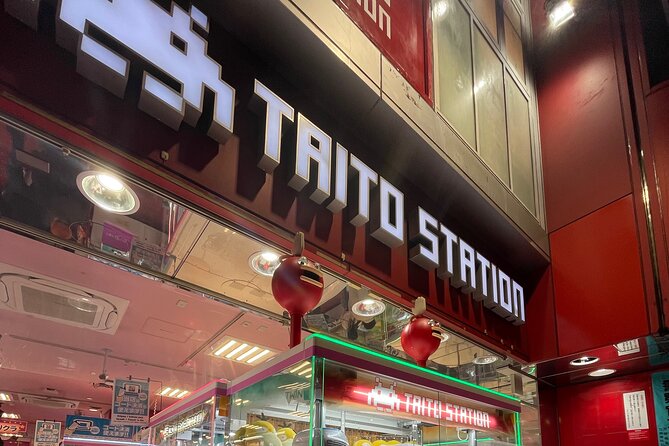
The first stop is Taito Station Akihabara, where you look at crane machines and try Japanese purikura photo booths. The stop lasts about 20 minutes, with admission included.
This is a useful opening because it shows the playful side of Japanese arcade culture right away. Crane machines are familiar in many countries, but Japanese arcades offer a large range of prizes and machine styles. Purikura is also different from a normal photo booth, with a strong focus on decoration and shared photos.
Twenty minutes is enough for an introduction, though it is not much time if you want to play several machines. Keep your expectations practical: this stop is about seeing how the machines work and understanding the setting, not spending an afternoon at the arcade.
Super Potato and Akihabara’s retro game appeal
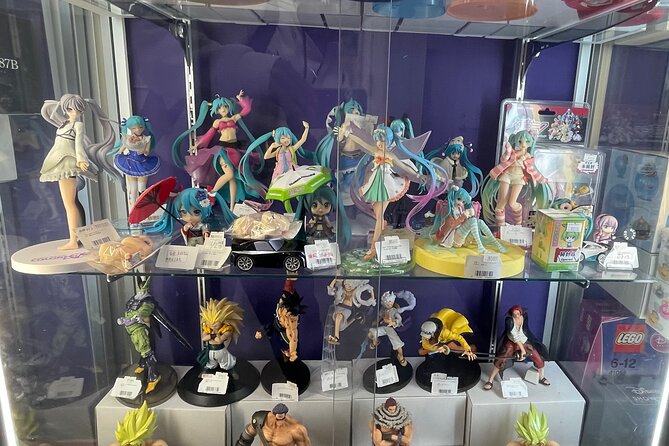
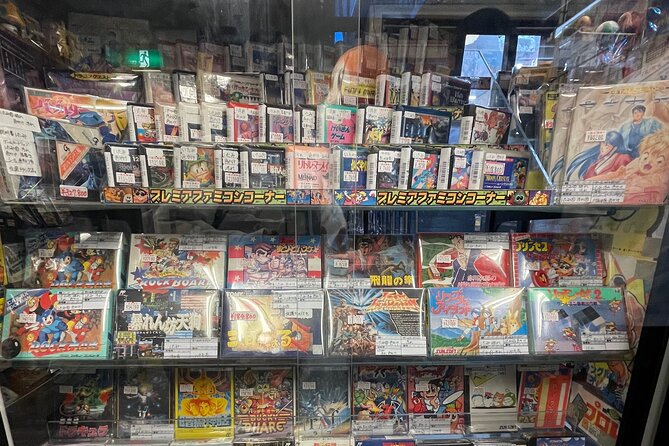
At Super Potato, you see and can buy older video games and consoles. Admission is free, and the visit lasts about 20 minutes.
This is one of the best stops for anyone who likes classic gaming. The shop gives you a look at the older side of Japanese game culture, which can be missed if you spend all your time in newer anime and electronics stores.
You may find the visit short if you want to inspect every shelf. The guide’s role is most useful here: you can ask what you are looking at, how the shop fits into Akihabara, and which parts may interest you most. If you plan to buy, remember that the tour does not include purchases.
Don Quijote and the wider pop-culture mix
The stop at Don Quijote Akihabara lasts around 20 minutes. Here you see several kinds of anime-related goods, and you may also get a look at the AKB48 Hall.
Don Quijote is a useful reminder that Akihabara’s pop culture is not limited to one audience. The store carries many types of goods, and the guide can help you make sense of the range rather than leaving you to wander through an overwhelming set of floors.
The possible AKB48 connection adds an idol-culture angle, though it should not be treated as guaranteed. The description says you may be lucky enough to see the hall, so keep this as a possibility rather than a promised attraction.
Radio Kaikan and the roots of otaku culture

Akihabara Radio Kaikan is given about 15 minutes. This stop focuses on the origins of Akihabara’s otaku culture and the changes that shaped the area.
The short visit is less about shopping and more about orientation. After seeing arcades and stores, you get a chance to connect those modern interests with Akihabara’s earlier identity.
The route also includes a further look at the origins of the electronic district and what the area was like in the past. The exact length of that portion is not clearly stated, so you should expect a brief historical explanation rather than a long museum-style lesson.
This context is valuable if you are new to Akihabara. It helps explain why electronics, games, manga, idols, and specialist stores share the same streets.






Junk Street, Mandarake, and browsing time

The main Akihabara stop lasts about 25 minutes and includes Junk Street, Mandarake, Rashinban, and places offering food and snacks.
This is where the route feels most useful for first-time visitors. Akihabara has many specialist shops, and it is easy to walk past a store because you do not know what it sells. A guide can point out the difference between broad pop-culture retailers and shops aimed at collectors.
Mandarake and Rashinban are particularly relevant if you want to browse used or collectible goods. The supplied details do not promise a specific purchase or product, so treat this as a chance to see what is available rather than a shopping guarantee.
Snacks are included as part of the experience. You may also have the chance to buy additional snack foods, but those purchases are your responsibility. The food element keeps the tour from becoming four straight hours of store interiors.
ONODEN and cosplay shopping
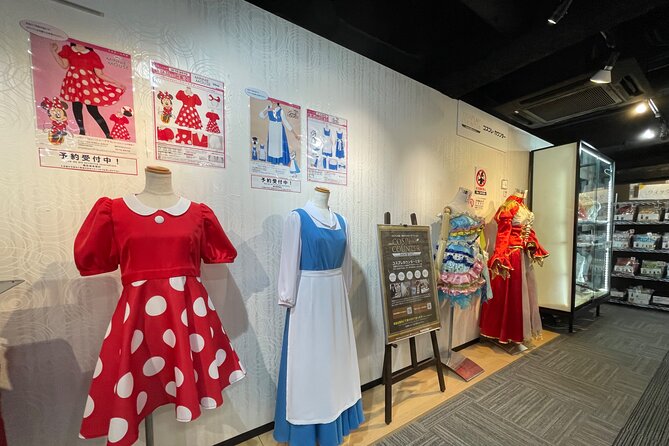
ONODEN receives about 30 minutes. The stop includes cosplay and anime-themed shopping, giving you time to consider what you might buy or try in Akihabara.
This is a good place to ask questions before purchasing. Cosplay goods can be unfamiliar if you are not part of that scene, and a guide can explain what different stores focus on. The tour presents the stop as a chance to look around, not as a required shopping session.
I would not set aside a large shopping budget unless you already know what you want. Thirty minutes gives you a useful introduction, but the route has several more stops, and the tour is designed to show range rather than let you spend long periods in one shop.
Trading cards at Fukufuku TCG Akihabara
The visit to Fukufuku TCG Akihabara lasts about 15 minutes. You look at Japanese trading-card games that appeal to younger players and older collectors alike.
This stop adds a part of otaku culture that is easy to overlook if your interests are limited to anime and manga. Card games have their own shops, collecting habits, and communities, and a short visit shows how broad the term otaku can be.
Do not expect a tournament or a long playing session. The listed plan is to inspect the store and learn about the cards. The stop works best if you are curious about Japanese collecting culture, even if you do not plan to buy anything.
What happens at the maid cafe
The maid cafe visit lasts about one hour and is listed as an included part of the tour. You receive one non-alcoholic drink, such as coffee or tea, along with the cafe experience.
For many people, this is the most unfamiliar part of the day. Maid cafes create a fantasy setting built around themed service, performance, and audience participation. The point is not simply to eat or have a drink. It is to see a particular form of Japanese entertainment in its own setting.
The tour visits a leading maid-cafe chain in Akihabara. The information provided does not name the exact cafe, and the guide names are not supplied, so you should not expect a named host or a guaranteed individual performer.
One drink is included. Alcohol and a second drink are not included, so budget extra money if you want either. The cafe stop is also not a private booking. The group setting may make the experience easier for first-time visitors, but it can limit how much attention is focused on one person.
The maid cafe is best approached with an open mind and realistic expectations. If you want a short cultural introduction, it can be a fun ending. If you are expecting a full theatrical production, make sure you understand the separate Wednesday option.
The Wednesday maid theatrical show
On Wednesdays, an optional maid theatrical show may be available. The information describes an hour-long show performed by active maids who work in real maid cafes.
The schedule details are not fully clear, and the listed itinerary shows a five-minute optional stop with admission not included. Reservations are required for the show, so confirm the exact booking arrangement before paying for the tour if this performance is essential to you.
This distinction matters. The standard tour already includes a one-hour maid cafe visit, while the theatrical show is an additional Wednesday-only feature. A previous complaint centered on expecting the show and learning about a change only at the last minute. You can avoid that problem by checking the date, reservation status, and admission cost in advance.
How the guides shape the experience
The guide is important here because the route covers several different interests. The strongest experiences described in the supplied material came from guides who adjusted the walk for families and for people interested in Japanese games, figures, manga, and store history.
One guide was praised for supporting a family and paying attention to the children’s interests. Another explanation helped a first-time visitor understand that otaku culture includes more than anime. These details point to the tour’s real strength: making a confusing district easier to read.
At the same time, this is not a specialist lecture by an anime historian. One disappointing experience came from a mismatch between what the guest expected and what the guides could provide. If you want expert-level information about one franchise, Vocaloid, a particular game series, or a narrow collectible category, ask about that before booking.
The tour is better suited to a mixed group. You can learn how different interests fit into Akihabara, then return later to the shops that caught your attention.
Timing, walking, and meeting details
The tour starts at 1 p.m. at ジェイアール東日本コンサルタンツ 東京管理所, 1-chōme-17-4 Sotokanda, Chiyoda City, Tokyo 101-0021. It ends back at the same meeting point.
The full experience lasts about four hours. The listed stops add up to a substantial amount of walking, with about 30 minutes spent moving between locations. You should have a moderate level of physical fitness and wear comfortable shoes.
A mobile ticket is provided, and confirmation is sent within 48 hours of booking, subject to availability. The meeting point is near public transportation, and service animals are allowed.
The small group size is one of the clearest practical benefits. With a maximum of eight people, you have a better chance to ask about a store or pause for an explanation than you would on a large coach tour. It also means the tour may require a minimum number of bookings to run.
You can cancel without a fee up to 24 hours before the start time for a full refund. Changes or cancellations inside that 24-hour window are not accepted for a refund, and cut-off times use Tokyo local time.
Is $103.93 a fair price?
At $103.93 per person, this is a premium introduction to Akihabara rather than a low-cost walking tour. The cost includes the guide, the planned stops, snacks, and one non-alcoholic drink at the maid cafe.
I think the price makes the most sense for someone visiting Akihabara for the first time. You are paying for structure and explanation, not for expensive merchandise or unlimited arcade play. The guide helps you find places that you might skip and gives the district some social and historical context.
The value is weaker if you already know the major shops or prefer to browse at your own pace. The route allows only short visits at several stops, and you may wish to return later to shop properly.
The Wednesday show needs separate attention. It is optional, requires a reservation, and does not have admission included in the supplied details. Do not assume it is part of the $103.93 price.
Who should book this experience?
I would choose this tour if you want a first look at several sides of Akihabara without planning every stop yourself. It suits couples, families, and mixed-interest groups where one person likes games, another likes manga, and another wants to understand maid cafes.
It also works for people who feel unsure about entering specialist stores. The guide gives you a reason to go in and a chance to ask what you are seeing.
I would skip it if you want a long shopping session, a specialist anime guide, or a private itinerary built around one franchise. The group is small, but it is still a shared tour, and the route cannot center on one person’s obsession.
FAQ
How long does the Akihabara tour last?
The experience lasts approximately four hours.
What time does the tour begin?
The tour begins at 1 p.m.
Where does the tour start and finish?
It starts at ジェイアール東日本コンサルタンツ 東京管理所, 1-chōme-17-4 Sotokanda, Chiyoda City, Tokyo 101-0021, Japan. It ends back at the meeting point.
How many people can join the tour?
The tour has a maximum of eight travelers.
Is a maid cafe visit included?
Yes. The itinerary includes about one hour at a maid cafe, and one non-alcoholic coffee or tea is included.
Is alcohol included?
No. Alcoholic drinks are not included. A second drink is also paid for separately.
Is the theatrical maid show included?
No. The Wednesday-only theatrical show is optional, requires a reservation, and admission is not included in the supplied tour details.
Should you book the Akihabara otaku tour?
Book it if you want Akihabara explained rather than simply photographed. The small group, broad mix of stops, included snack and drink, and guided maid-cafe visit give you a practical introduction to the district’s many subcultures.
Before booking, decide what you really want. If it is the Wednesday theatrical show, confirm that option and its extra cost first. If you want specialist anime knowledge or lots of shopping time, explore independently or seek a narrower tour.
For a first visit, I see this as a useful orientation walk with a playful finish. Go expecting a broad introduction to Akihabara, not an expert course on one corner of anime culture, and the experience should offer solid value.
More Akihabara & Anime Tours in Tokyo



More tours in Tokyo we've reviewed












Akihabara & Anime Tours, compared.
 ★ 5.0Official Street Go-Kart Tour – AkihabaraFrom $61
 ★ 5.0Tokyo Go Kart: Asakusa, Skytree, and Akihabara **IDP MUST**From $99
 ★ 4.5Tokyo Studio Ghibli Museum and Ghibli Film Appreciation TourFrom $193
 ★ 5.0Akihabara Anime & Game Adventure Walking Tour (Group or Private)From $90
 ★ 4.6Asakusa/Tokyo Bay & Akihabara Go Karting ToursFrom $70
 ★ 4.8Akihabara: Private Anime and Pop Culture TourFrom $953 hours