Reviewed · TEA CEREMONY & MATCHA
Tokyo: Two Types of Japanese Sweets Making and Tea Ceremony
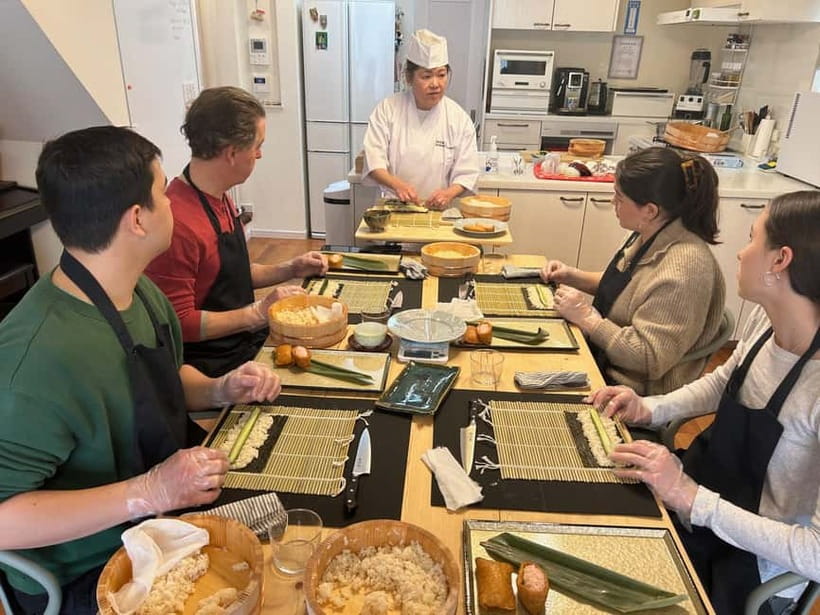
The clever part of this Tokyo experience is that you do not simply watch a tea ceremony. You make three different parts of Japanese tea culture yourself: molded wasanbon sweets, two seasonal nerikiri, and a bowl of matcha. The class turns a quiet ceremony into something you can understand with your hands.
In This Article
- Key points to know before booking
- Three Japanese sweets in one Tokyo class
- Starting with wasanbon ohigashi
- A short break before the delicate work
- Shaping two seasonal nerikiri sweets
- Matcha grinding and a casual tea ceremony
- Eating your sweets and matcha
- How much English help can you expect?
- Timing, arrival, and practical planning
- Who will get the most from this experience?
- Is $28 a fair price?
- Cancellation and booking flexibility
- Should you book the AN TOKYO sweets and tea class?
- FAQ
- Where does the Japanese sweets and tea experience take place?
- How long does the experience last?
- What sweets will I make?
- What is used to make the nerikiri?
- Is matcha included?
- What language is the class conducted in?
- Are any extras available?
- What are the operating hours?
- Can I cancel for a refund?
I like the use of bean paste from long-established Kyoto shops, and I like the clear progression from easy ohigashi to more delicate nerikiri. The main consideration is language. The instructor is Japanese, with English translation provided as much as possible, so you should be ready to watch closely and ask for help when needed.
Key points to know before booking

- Three linked activities in 125 minutes: Make ohigashi, two nerikiri sweets, and matcha.
- Kyoto-made bean paste: White and red bean pastes give the nerikiri a serious traditional base.
- Seasonal sweet designs: You make a flower-shaped nerikiri and a kinton nerikiri.
- Single-origin matcha: The tea portion includes a grinding demonstration and your own whisked bowl.
- English support is available: The class is conducted in Japanese, with translation offered as much as possible.
- Small extras cost more: A take-out box is 100 JPY, coloring is 200 JPY, and a completion certificate is 300 JPY.
Three Japanese sweets in one Tokyo class

At $28 per person, this is a reasonably priced way to spend just over two hours in Tokyo. You are paying for three hands-on activities rather than a short demonstration followed by a cup of tea.
The appeal is the combination. Ohigashi shows you a dry, molded sweet made from wasanbon, a traditional Japanese sugar. Nerikiri introduces a softer sweet made from bean paste. Matcha then brings the pieces together, since these sweets are meant to be enjoyed with tea.
I find this more useful than a basic tea ceremony for anyone who wants to understand what is actually served alongside the tea. You are not left wondering how the sweets were shaped or why they look so different. You handle the ingredients, make your own pieces, and then eat and drink at the end.
The program is offered at AN TOKYO Japanese Culture Experience in Tokyo. The exact neighborhood is not provided in the activity details, so check the meeting point carefully before setting out. The venue will not hold the class for late arrivals, and travel costs are not refunded if you miss it because of a delay.
A few more Tokyo tours and experiences worth a look

Starting with wasanbon ohigashi
The first making session begins with ohigashi, a dry Japanese sweet made from wasanbon. This traditional sugar is pressed or shaped into small forms, and the process is the most approachable part of the class.
You get an early success here. The class schedule sets aside the first 20 minutes for the explanation and ohigashi making, so you can settle into the tools and basic method without spending too long on a single task.
This sweet also gives useful context. Japanese tea culture is not only about the tea itself. The shape, texture, sweetness, and season of the accompanying confection all matter. Ohigashi is dry and firm, while nerikiri is soft and pliable. Making both helps you see the contrast rather than receiving a general talk about it.
One participant found the ohigashi simple to make, which is good news if you are not confident with craft work. I would still pay attention during the demonstration. Small molds and sugar mixtures can be less forgiving than they look, especially if you want a neat final shape.
A short break before the delicate work

The published schedule includes a break after the ohigashi portion, with the next main activity beginning at about 30 minutes. That pause is useful because nerikiri requires more care.
The break also keeps the class from feeling rushed. You have time to look at your first sweet, reset your hands, and follow the shift from dry sugar work to soft bean paste. At $28, the pacing matters. A nonstop class could feel like a production line, while this structure gives each section room to breathe.
Shaping two seasonal nerikiri sweets

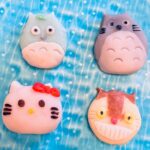
Nerikiri is the artistic center of the experience. You make two seasonal Japanese sweets from white and red bean paste supplied by long-established Kyoto shops.
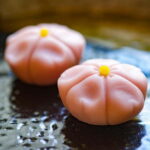
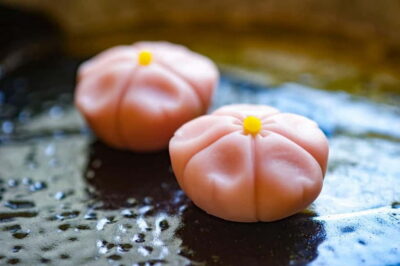
The first is a flower-shaped nerikiri. The second is a kinton nerikiri, a style with a more textured, thread-like appearance. Both are shaped by hand, and the seasonal theme means the finished designs can change during the year.
This is where you should expect the most difficulty. One German participant found the ohigashi easy, the nerikiri more demanding, and the matcha simple again. That is a useful guide to the class rhythm: the middle section asks for patience and a light touch.
Nerikiri is not just decoration. The soft paste must be handled carefully so it keeps its form without becoming rough or misshapen. You might need a little trial and error before your flower looks tidy. That is part of the value, though. A shop-bought sweet can look perfect, but making one gives you a better sense of the skill behind it.
The Kyoto bean paste is another reason this section matters. The ingredients are not presented as generic confectionery supplies. The use of white and red bean paste from established Kyoto shops connects the activity to the wider Japanese tradition of serving refined sweets with tea.
The class details do not specify the exact seasonal designs for every date. You should expect the forms to follow the time of year, but the appearance may vary.
Matcha grinding and a casual tea ceremony
After the nerikiri session and another break, the instructor explains the tea portion at about 95 minutes. You then watch a matcha grinding demonstration before taking part in the ceremony.
The activity uses single-origin special matcha. That gives the tea section a clear focus, and the grinding demonstration helps show that matcha is a powdered tea with its own preparation method, not simply strong green tea.
The distinction between green tea and matcha is explained during the class. This is a worthwhile detail because the two are often treated as the same thing outside Japan. You also receive background on different kinds of Japanese sweets and tea, so the session offers more than a recipe.
The actual tea making is casual rather than intimidating. You make your own matcha and whisk it. One participant found this part easy after the more exacting nerikiri work, which makes sense: the process is active, but it does not demand the same precision in shaping.
The ceremony portion is scheduled for roughly 20 minutes, including the explanation, demonstration, tea experience, and picture time. It is not a formal, extended tea ceremony. That is a strength for many people. You get the basic movements and atmosphere without needing prior knowledge or sitting through a long ritual.
Do not expect a silent or highly formal performance. This is an educational activity designed to let you take part. If you want a ceremonial show with no hands-on work, this is not the best match. If you want to learn the basic idea and make your own tea, it fits well.
A few more Tokyo tours and experiences worth a look


Eating your sweets and matcha

The formal program ends at about 115 minutes, followed by eating and drinking time. You can enjoy the sweets you made with the matcha you prepared.
This final step gives the class a satisfying purpose. You are not making objects only for photographs. The sweets are part of the tea experience, and you can taste the difference between the dry ohigashi and the softer nerikiri.
A take-out box is available for 100 JPY if you want to carry the sweets away. It is not included, so bring a small amount of extra money if you want that option. The supplied details do not promise that every sweet can be taken home in all circumstances, so ask the instructor about packing before the final eating time.
You can also pay 200 JPY to add color and 300 JPY for an experience completion certificate. These are optional extras, not part of the $28 base price. I would treat the certificate as a souvenir choice rather than a necessary upgrade. The color option may appeal to you if you want more control over the final appearance of the sweets.
How much English help can you expect?

The instructor is Japanese, and the listed language is Japanese. English translation will be provided as much as possible, but it is not presented as a fully English-language class.
That does not make the experience unsuitable for English speakers. The work is visual and practical, so you can learn by watching demonstrations and copying the movements. Still, you should not expect every explanation to be delivered in polished English from start to finish.
The strongest reports about the class point to the instructor being kind, well informed, and willing to explain the process in English. The teaching also covers useful background, including types of Japanese sweets and the difference between green tea and matcha.
I would recommend this class to you if you are comfortable with a little visual learning. If you need detailed verbal instruction for every step, contact the provider before booking and ask about the level of English support available on your date.
Timing, arrival, and practical planning

The full session lasts 125 minutes. The timetable is clearly divided:
- About 0 to 20 minutes: Introduction and ohigashi making
- About 20 to 30 minutes: Break
- About 30 to 85 minutes: Flower-shaped and kinton nerikiri making, with a break
- About 85 to 95 minutes: Break
- About 95 to 115 minutes: Tea explanation, matcha grinding demonstration, tea ceremony, and pictures
- About 115 to 125 minutes: Eating and drinking, then departure
The start times vary, so you need to check availability when booking. Operating hours are from 10:00 to 17:00. Reservations received after 17:00 are processed the next day.
Arrive with enough time to find AN TOKYO Japanese Culture Experience. The class will not be held for late arrivals. This is especially important in Tokyo, where a short-looking route can take longer than expected once you include station exits, crossings, and finding the correct building.
The activity is intended for people who participate. Those who do not take part are not allowed to enter. Children under two years old who sit on a parent’s lap are free, but the information does not give a wider child-pricing policy.
Who will get the most from this experience?
I would choose this for you if you want a hands-on cultural activity that fits neatly into a Tokyo day. The 125-minute length is long enough to feel substantial but short enough to pair with sightseeing before or after.
It suits first-time visitors who want a gentle introduction to Japanese sweets and tea. You do not need previous tea ceremony experience, and the final matcha portion is casual.
It also works well for anyone who enjoys food crafts, seasonal design, and taking home a clearer idea of how Japanese sweets fit into tea culture. The two nerikiri forms give you more to do than a single make-and-take class.
Families with very young children should note the participation rule. A child under two can sit on a parent’s lap for free, but a nonparticipating person cannot simply come inside to watch. Older children may enjoy the shaping work, though the activity details do not state a specific minimum age.
You may want to skip it if you want a formal ceremony only, a guaranteed full-English lesson, or an activity with no extra charges. You should also think twice if you are likely to arrive late, since the venue will not delay the start.
Is $28 a fair price?
The $28 fee is good value if you take part in all three sections. You make three different items or drinks, receive explanations, watch a matcha grinding demonstration, and have time to eat and drink at the end.
The value is strongest for people who would otherwise pay separately for a tea ceremony and a sweets workshop. Here, the two subjects are connected. The bean paste, wasanbon, seasonal forms, and matcha all belong to the same food tradition.
The price is less compelling if you mainly want a tasting. This is a practical class, so much of the time is spent making sweets and tea. The finished pieces may not look perfect, especially during the nerikiri section, but the process is the point.
Plan for the optional costs if they appeal to you. A box costs 100 JPY, added color costs 200 JPY, and a certificate costs 300 JPY. They are modest amounts, but knowing about them keeps the base price clear.
Cancellation and booking flexibility
You can cancel up to 24 hours in advance for a full refund. The reserve-now, pay-later option also lets you keep your schedule flexible and pay nothing at the time of booking.
That flexibility is useful in Tokyo, where plans can change quickly. It does not remove the need to arrive on time. A late arrival can still mean a missed class, and the provider will not compensate you for transportation costs if the activity is canceled or you cannot attend.
Should you book the AN TOKYO sweets and tea class?
I would book this experience if you want to make, not just observe. The best parts are the contrast between easy ohigashi and more delicate nerikiri, the Kyoto bean paste, and the chance to whisk single-origin matcha after seeing how it is prepared.
Go in with realistic expectations about English support and the precision needed for nerikiri. The instructor can provide English translation as much as possible, but Japanese is the stated language. Give yourself plenty of time to reach the venue, and decide in advance if you want the take-out box, added color, or certificate.
For $28, this is a friendly, focused way to spend two hours learning why Japanese tea sweets look and taste the way they do. It is a particularly good pick for food-minded visitors, couples, families with participating children, and anyone who wants a souvenir made with their own hands.
FAQ
Where does the Japanese sweets and tea experience take place?
The meeting point is AN TOKYO Japanese Culture Experience in Tokyo, on Honshu, Japan.
How long does the experience last?
The activity lasts 125 minutes, or just over two hours.
What sweets will I make?
You will make wasanbon ohigashi, a flower-shaped nerikiri, and a kinton nerikiri. The two nerikiri designs match the season.
What is used to make the nerikiri?
The experience uses white and red bean paste produced by long-established shops in Kyoto.
Is matcha included?
Yes. You will watch a matcha grinding demonstration, make your own matcha, and take part in a casual tea ceremony.
What language is the class conducted in?
The instructor is Japanese, and Japanese is the listed language. English translation will be provided as much as possible.
Are any extras available?
Yes. A sweets take-out box costs 100 JPY, adding color costs 200 JPY, and an experience completion certificate costs 300 JPY.
What are the operating hours?
The experience operates from 10:00 to 17:00. Reservations received after 17:00 are processed the next day.
Can I cancel for a refund?
You can cancel up to 24 hours in advance for a full refund. Reserve-now, pay-later booking is also available.
More Dessert Tours in Tokyo
More Tea Ceremony & Matcha in Tokyo


More tours in Tokyo we've reviewed












Tea Ceremony & Matcha, compared.
 ★ 5.0Matcha Making Class in Tokyo with Authentic Japanese Sweets SetFrom $21
 ★ 5.0Kimono Tea Ceremony at Tokyo, Asakusa MaikoyaFrom $55
 ★ 5.0Tokyo: Traditional Tea Ceremony with a Tea MasterFrom $381 hour
 ★ 4.5Dynamic Tokyo: Tokyo Tower, Tea Experience, Bay Cruise Day TourFrom $99
 ★ 4.9Tokyo: Matcha Making Experience with Mochi Sweets in AsakusaFrom $221 hour
 ★ 4.7Tokyo: Matcha and Kimono ExperienceFrom $57