Reviewed · TOKYO
Hitachi National Seaside Park`s Flowers & Ashikaga Flower Park
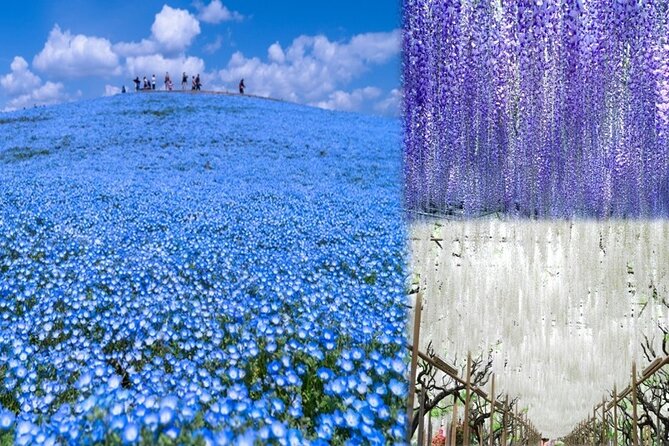
The real draw here is the chance to see two of Japan’s finest flower parks in one long day from Tokyo. Hitachi Seaside Park spreads across 200 hectares, while Ashikaga Flower Park is famed for its enormous wisteria displays. In the right week, the combination is spectacular.
In This Article
- Key points to know before booking
- Why this flower day trip works
- Hitachi Seaside Park and its famous blue nemophila
- Ashikaga Flower Park and the wisteria display
- How much time do you really get?
- The value of $84.92
- What can go wrong, and how to prepare
- Who should book this day trip?
- Should you book it?
- FAQ
- Where does the tour begin and end?
- How long does the experience last?
- How much time is planned at each flower park?
- What flowers can I see?
- Is lunch included?
- What happens if the tour does not reach its minimum group size?
I like the easy round-trip transport and the included bento lunch, which save you from planning complicated rail connections and finding food in busy parks. I also like the free time at both sites: guides such as Misa, Miki, and Yasu have been praised for keeping groups organized while allowing independent exploring.
The trade-off is simple: this is closer to a guided bus excursion than a deeply guided sightseeing tour. The drive is long, the group can reach 45 people, and several hours at each park may not feel like enough when the flowers are at their best.
Key points to know before booking

Hitachi Seaside Park and its famous blue nemophila
Book this tour if your priority is seeing two seasonal flower parks in one day with transport and lunch arranged. At $84.92, it offers solid value when the blooms are near their peak, and guides such as Misa, Miki, or Yasu may add useful help and good time control.
Before paying, check the likely flower dates and accept the possibility of traffic or a shortened stop. If you can handle a long day and make your own plan inside each park, this is an efficient way to reach Hitachi and Ashikaga from Tokyo. If you want unhurried garden time or a full guided explanation, pick one park and visit it independently instead.
FAQ
Where does the tour begin and end?
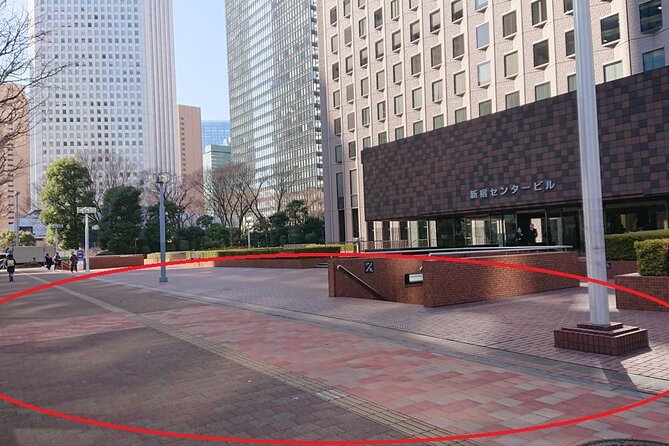
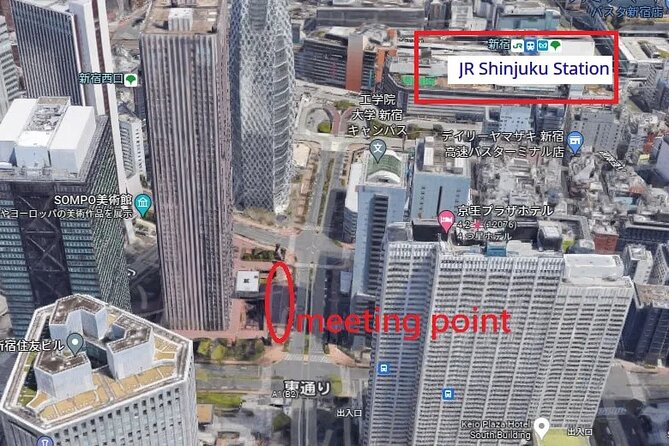
The tour begins at 7:15 am on the sidewalk outside Shinjuku Center Building, 1-chōme-25-1 Nishishinjuku, Shinjuku City, Tokyo. It returns to the same meeting point.
How long does the experience last?
The full activity lasts approximately 11 hours.
How much time is planned at each flower park?
The planned schedule allows around 80 minutes at Hitachi National Seaside Park and around 90 minutes at Ashikaga Flower Park. The order and timing may change because of traffic or other conditions.
What flowers can I see?
The flowers depend on the season and weather. Hitachi may have narcissus, tulips, nemophila, roses, cosmos, or nanohana. Ashikaga is especially known for wisteria. Blue nemophila is generally viewed from late April to mid-May.
Is lunch included?
Yes. Lunch is a special bento box, not a buffet, and you should eat it inside Hitachi Seaside Park.
What happens if the tour does not reach its minimum group size?
The tour requires at least 15 participants. If it is canceled because that minimum is not reached, you will be offered a different date or experience, or a full refund.
More tours in Tokyo we've reviewed






Tokyo, compared.
 ★ 5.0Mt Fuji and Hakone 1-Day Bus Tour Return by Bullet TrainFrom $163
 ★ 5.01-Day Tokyo Bus TourFrom $129
 ★ 4.6Tokyo: teamLab Planets TOKYO Digital Art Museum Entry TicketFrom $251 day
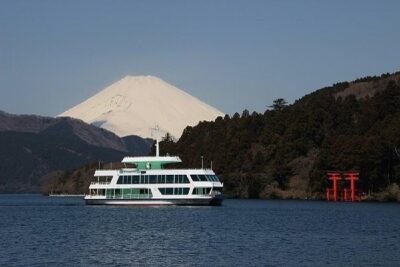 ★ 4.0Mt Fuji & Hakone Cruise, Drum Show Bullet Train 1 Day from TokyoFrom $149
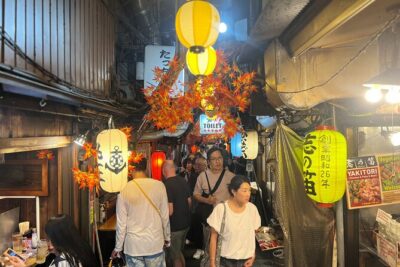 ★ 5.0Tokyo: Shinjuku Food Tour (13 Dishes at 4 Local Eateries)From $86
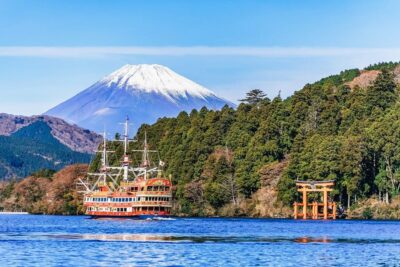 ★ 4.4Tokyo Mt Fuji 5th St & Hakone Cruise Bus Tour w/Bullet TrainFrom $15410 hours