Reviewed · 1-DAY TOURS
1 Day Private Charter Tokyo Tour (Green Number Plates)
Tokyo is huge, and this eight-hour private charter gives you a practical way to connect its far-flung sights in one day. You can move from Senso-ji in Asakusa to Meiji Jingu, Harajuku, Shibuya, and the Imperial Palace without wrestling with crowded trains or changing lines with a tired family.
In This Article
- Key points to know before you book
- Why a private car can make Tokyo easier
- Senso-ji and Asakusa, Tokyo’s traditional opening
- Tokyo Skytree and the cost of going up
- The Imperial Palace, seen from outside
- Meiji Jingu, a quiet forested pause
- Harajuku and Takeshita Street in 30 minutes
- Shibuya Crossing and Hachiko
- Shinjuku Gyoen and the cherry blossom question
- What the guide does, and what the guide may not do
- A packed day, with room for personal priorities
- What is included, and what costs extra
- Who gets the most from this Tokyo charter
- Should you book this private Tokyo day?
- FAQ
- How long is the private Tokyo tour?
- How many people can join the private charter?
- Is hotel pickup available?
- What transportation is provided?
- Are attraction entrance fees included?
- Will the driver-guide accompany the group inside every attraction?
- What happens if the weather is poor?
I like the small private group, capped at five people, and the flexibility to shape the day around your interests. I also like the option of a private vehicle when someone in your group walks slowly or when rain makes a long day outdoors less appealing. The tradeoff is important: the driver-guide may drop you at an attraction and wait for you, rather than walk through every site with you.
Key points to know before you book

- Eight hours cover Tokyo’s major districts: You can link Asakusa, the Imperial Palace area, Harajuku, Shibuya, and Shinjuku in one day.
- The vehicle saves time and energy: Private transport helps avoid crowded trains, though Tokyo traffic can still slow the schedule.
- Up to five people share the $400 price: That works out to $80 per person for a full group, before entrance fees.
- Your guide can adjust the route: Guides such as Ahamed, Zia, Zohaib, Shoaib, and Mukarram have been praised for changing stops and timing to fit individual needs.
- You may explore some sights on your own: Clarify how much guided walking you want, since the driver-guide cannot necessarily join you inside every attraction.
- Rain planning matters: The company can change the route in poor weather, but the experience may also be canceled if conditions are judged unsuitable.
Why a private car can make Tokyo easier

Tokyo’s rail system is excellent, but it is not always easy on a first day. Stations can be enormous, platforms can be crowded, and the city’s best sights are spread across districts that do not line up neatly for a quick walking route.
This charter puts you in an air-conditioned vehicle with private transportation for your group. That matters most if you are traveling with children, older relatives, luggage, or someone who cannot walk long distances. One family specifically found the service helpful for an elderly mother who needed a slower pace.
You pay $400 per group of up to five, not $400 per person. With five people, the cost is about $80 each for eight hours. That is not the cheapest way to see Tokyo, but it can be fair value when you divide it among a full group and consider the time saved.
For one or two people, the price is harder to justify. Tokyo’s trains are far cheaper, and independent visitors can reach most of these sights without much trouble. The private vehicle earns its keep when convenience, direct transport, and a custom route matter more than saving every yen.
Traffic is the catch. Tokyo roads can be slow, and a skilled driver can reduce wasted time but cannot remove congestion. Ahamed was praised for arranging the day efficiently despite difficult traffic, yet you should still treat the schedule as a broad plan rather than a minute-by-minute promise.
Other private tours in Tokyo

Senso-ji and Asakusa, Tokyo’s traditional opening
Senso-ji is the natural first stop for a traditional view of Tokyo. This old Buddhist temple is one of the city’s most important religious sites, and admission is free.
Give yourself about an hour here. The temple area offers more than a single building, with the approach through Kaminarimon and Nakamise Shopping Street leading toward the main temple grounds. You can look for small gifts, snacks, and traditional items along the shopping street, though the scheduled stop there is only about 15 minutes.
That short time is enough for a quick look, but not a leisurely browse. If you care more about local shopping and old Tokyo atmosphere than checking off every district, ask your guide to give Asakusa extra time.
Tokyo Skytree and the cost of going up

Tokyo Skytree is listed as an hour-long stop, but entry is not included. That distinction matters because the tower can change the shape of your day, especially if you want to spend time at its observation levels.
You will need to pay your own admission, and the tour price does not cover any attraction entrance. The stop can still be useful even if you decide not to go up, since the Asakusa area is already part of the route. Ask your guide how much time remains before committing to the tower.
The practical issue is meeting back with the vehicle. One person got a bit lost after leaving Skytree and had trouble finding the driver. Before you enter, confirm the exact pickup point, exchange contact details, and ask which exit to use. This is a small step, but it can save time in a large tourist complex.
The Imperial Palace, seen from outside

The Imperial Palace stop is brief, with about a 10-minute walk outside the grounds. Think of this as a photo and orientation stop, not an extended palace visit.
The area gives you a useful look at Tokyo’s central government district and the contrast between modern city streets and the palace grounds. Since entry is not part of the visit, keep your expectations modest. If you want long walks, gardens, or a more detailed palace experience, you would need to discuss how that fits with the rest of the day.
This is one of the stops most likely to be shortened if traffic or weather takes time from the schedule. The private format helps because you can ask for that adjustment directly.
Meiji Jingu, a quiet forested pause

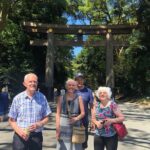
Meiji Jingu offers a different mood from Asakusa. This Shinto shrine is dedicated to the deified spirits of Emperor Meiji and Empress Shoken, and the approach gives you a quieter break from Tokyo’s dense streets.
The planned visit is about 30 minutes, with no admission charge. That is enough for a respectful look and a short walk, but not a slow exploration of every path.
Rain can make this stop feel especially atmospheric. One guide took a group through Meiji Jingu during a heavy downpour, when the wet cypress scent became part of the experience. Still, wear shoes that handle wet paths and bring rain protection. The company says poor weather can lead to a new date or a full refund, while guides may also adjust the route on a rainy day.
A few more Tokyo tours and experiences worth a look

Harajuku and Takeshita Street in 30 minutes

Takeshita Street is a pedestrian shopping street lined with fashion shops, cafés, and restaurants. It is a fast look at Harajuku’s youthful side, and the planned visit lasts about 30 minutes.
That time works for a first glimpse and a few photos. It is not enough for a relaxed shopping session, a full meal, and a careful look at the side streets. If Harajuku is high on your list, tell the guide before the day begins and consider trimming a stop that interests you less.
The value here is contrast. After the shrine, you move into a very different part of Tokyo, where fashion and food replace temple rituals and wooded paths. That quick shift helps you understand how varied the city can be.
Shibuya Crossing and Hachiko

Shibuya Crossing is a 15-minute photo stop, followed by about 30 minutes around Hachiko, the famous Akita dog associated with Shibuya Station.
The crossing is one of Tokyo’s most recognizable city scenes. Fifteen minutes is enough to see the intersection and get your bearings, but not enough for a long café break or a detailed look at the surrounding department stores.
The Hachiko stop adds a human story to the district. Hachiko continued waiting at the station after his owner, a professor, died in 1925. You can visit the statue and then use the extra time to look around the station area.
This part of the day is quick and public, with no admission charge. If you want a slower Shibuya experience, ask to combine the crossing and Hachiko time rather than treating them as two rigid stops.
Shinjuku Gyoen and the cherry blossom question

Shinjuku Gyoen National Garden is scheduled for about an hour, and admission is not included. It is especially recommended during cherry blossom season.
That seasonal note should guide your expectations. In blossom season, the garden may be one of the most rewarding stops on the route. Outside that period, it can still offer a change of pace from Tokyo’s roads and shopping streets, but you should decide if the entrance fee and travel time fit your priorities.
The garden is also the stop most vulnerable to bad weather. During rain, one guide suggested alternate sights and used pictures to help the group make the most of the day. If the garden is a must-see, confirm how weather changes will affect the plan.
What the guide does, and what the guide may not do
The English-speaking driver is both your transport provider and, in many cases, your guide. Several named guides received praise for being friendly, punctual, flexible, and clear in English. Zia was noted for outlining the day early and explaining Japanese culture. Zohaib was praised for helping with an extra luggage purchase and fitting in a visit to the Godzilla Hotel for a particular family interest.
That flexibility is one of the strongest reasons to book. You can request changes, spend more time at a favorite area, or ask for help with a practical need. The company has also been responsive to booking questions.
But you should clarify the guiding style. One guide was described as a good driver who offered fun facts early in the day, then mainly dropped the group at sights and asked them to text when ready. Another group understood in advance that the driver would give instructions before each attraction but would not necessarily join them inside.
This is not automatically a problem. Some people prefer freedom at temples, gardens, and shopping streets. If you want a guide beside you for every walk and explanation, ask before booking. The experience works best when you see it as a private driver-guide service, not a nonstop walking tour.
A packed day, with room for personal priorities
The listed stops add up to roughly five hours of sightseeing time, leaving the rest for driving, traffic, meals, pickup, drop-off, and transitions. That makes the route possible in eight hours, but it also makes the day busy.
I would choose your top three priorities before pickup. For example:
- First-time Tokyo overview: keep all major districts, accepting short visits.
- Traditional Tokyo: favor Senso-ji, Nakamise, Meiji Jingu, and the Imperial Palace area.
- Modern Tokyo: give more time to Skytree, Harajuku, Shibuya, and Shinjuku.
- Family comfort: reduce walking, keep the vehicle close, and allow extra time for meals and rest.
The private format gives you a better chance of making those choices than a fixed group tour. Guides have adjusted stops for bad weather, mobility needs, airport timing, and personal interests. One group even used the charter to reach the airport at an exact preferred time.
What is included, and what costs extra
The $400 price includes private transportation and an air-conditioned vehicle. Pickup is offered, and confirmation arrives when you book. The activity is private, so only your own group participates.
You pay separately for all attraction entry. That includes Tokyo Skytree and Shinjuku Gyoen, while Senso-ji, Nakamise, the Imperial Palace exterior walk, Meiji Jingu, Takeshita Street, Shibuya Crossing, and Hachiko have no listed admission charge.
Food is not listed as included. Plan to pay for meals and shopping yourself. Since the day moves through several districts, ask your guide when and where a meal break makes sense rather than waiting until everyone is hungry.
Who gets the most from this Tokyo charter
I would recommend this for a first visit, a short stay, or a group that wants to see several parts of Tokyo without learning the rail system on day one. It is also a strong choice for families, older relatives, and groups with limited walking stamina.
It suits you less if you prefer slow neighborhood wandering, long temple visits, or a fully guided cultural tour inside each site. Independent visitors who are comfortable with trains will likely spend less and may enjoy more freedom.
The experience has a 4.8 rating from 29 reviews, with 93 percent recommending it. Those figures fit the pattern here: the service is strongest when you value punctual pickup, a clean vehicle, flexible routing, and practical help from a friendly driver-guide.
Should you book this private Tokyo day?
Book it if you have one day, up to five people, and a clear need to cover distant districts without spending the day on trains. At $400 per group, the value improves sharply with four or five people, especially if someone needs extra help or you want a custom route.
Before you go, confirm the pickup point, your preferred stops, how much walking you want, and whether the guide will accompany you inside each attraction. If you do that, this charter can give you a useful first look at Tokyo and help you decide where to return on your own.
FAQ
How long is the private Tokyo tour?
The experience lasts about eight hours.
How many people can join the private charter?
The price covers one private group of up to five people.
Is hotel pickup available?
Pickup is offered, and one group was picked up on time at its hotel.
What transportation is provided?
Private transportation in an air-conditioned vehicle is included.
Are attraction entrance fees included?
No. Entry to any place is not included. Tokyo Skytree and Shinjuku Gyoen specifically list admission as extra.
Will the driver-guide accompany the group inside every attraction?
Not necessarily. The driver may give instructions before you enter, drop you off, and ask you to text when you are ready. Confirm the guiding arrangement if you want the guide to walk with you throughout each stop.
What happens if the weather is poor?
The experience requires good weather. If it is canceled because of poor weather, you can receive a different date or a full refund. Guides may also adjust the route during rain, including suggesting alternate sights.
More 1-Day Tours in Tokyo
More Private Tours in Tokyo
More tours in Tokyo we've reviewed












1-Day Tours, compared.
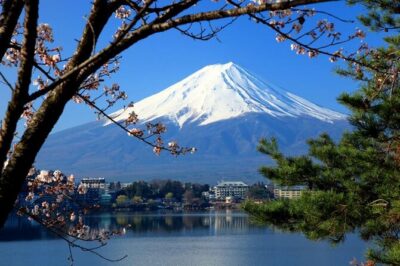 ★ 5.0Mt Fuji and Hakone 1-Day Bus Tour Return by Bullet TrainFrom $163
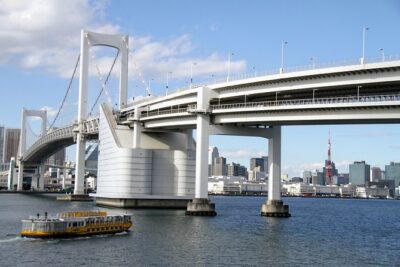 ★ 5.01-Day Tokyo Bus TourFrom $129
 ★ 4.0Mt Fuji & Hakone Cruise, Drum Show Bullet Train 1 Day from TokyoFrom $149
 ★ 4.5Tokyo: DisneySea 1-Day PassportFrom $571 day
 ★ 4.6Tokyo Disneyland 1-Day PassportFrom $571 day
 ★ 4.2Tokyo: Mt. Fuji 5th Station & Hakone Cruise 1-Day Bus TourFrom $12911 hours