Reviewed · 1-DAY TOURS
Tokyo Customized Private Tour: See Top Attractions in 1 Day
Tokyo is too large for a tidy sightseeing circuit, which is why this private tour works best as a smart first look at the city. You can pair old Asakusa with young Harajuku, taste your way through Tsukiji, or focus on gardens, shrines, shopping, and history.
In This Article
- Key points to know before booking
- Why this private Tokyo tour makes sense on a first day
- How the four to eight hours are organized
- Asakusa and Senso-ji, Tokyo’s traditional starting point
- Tsukiji Outer Market for food and local flavor
- Meiji Jingu and Harajuku, old Japan beside new Japan
- Shibuya Crossing and the city’s modern face
- Imperial Palace, gardens, and central Tokyo
- Yanaka Ginza, Ueno, and the Tokyo National Museum
- Ginza and Tokyo Skytree for shopping and views
- Shinjuku Gyoen, Odaiba, and Hama Rikyu Gardens
- Walking, trains, and the optional private vehicle
- Guides, families, and the personal touch
- What to bring and what to budget
- Who should book this Tokyo experience
- Should you book it?
- FAQ
- How long does the Tokyo private tour last?
- Is the tour private?
- What transportation is used?
- Is hotel pickup included?
- Are transportation fares included?
- Are meals and drinks included?
- Are entrance fees included?
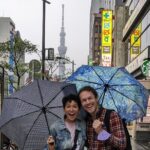
- What happens if it rains?
I like the custom itinerary, which lets you choose two stops on a half-day outing or three to five on a longer one. I also like the guide’s practical role: people such as Yoko, Ike, Tak, and Fumi have helped families learn Tokyo’s subway system while explaining customs, food, and local life.
The main drawback is that the tour does not include train fares, meals, or entrance fees, and the sightseeing pace depends heavily on your choices. If you try to cram too many far-apart districts into four to eight hours, you may spend more time changing trains than enjoying Tokyo.
Key points to know before booking
- Choose your Tokyo by theme: Combine Senso-ji and Meiji Jingu for old Japan, or select Tsukiji, Ginza, and Shibuya for food, shopping, and city energy.
- Use the guide as a subway coach: The tour is especially useful if Tokyo’s rail map feels like a plate of noodles.
- Expect a private experience: Only your group takes part, with more room to adjust the pace and stops.
- Plan for real walking: Comfortable shoes matter, and the tour runs rain or shine.
- Keep extra money ready: Public transport, food, and some admissions are paid separately by you and the guide.
- Consider the vehicle upgrade carefully: A private vehicle costs extra, covers Tokyo only, and has pickup limits near Tokyo Disney Resort.
Why this private Tokyo tour makes sense on a first day
At $145.91 per person, this is not the cheapest way to see Tokyo. It can still be good value if you want a personal guide, hotel pickup, and help with the city’s rail system rather than simply ticking off sights from a bus window.
The strongest feature is flexibility. You are not locked into a fixed route that treats every visitor the same. A family can include arcades, shopping, and food stops. A history-minded couple can choose the Imperial Palace East Gardens, Asakusa, and the Tokyo National Museum. A first-time visitor who wants the classic Tokyo picture can ask for Meiji Jingu, Takeshita Street, Shibuya Crossing, and Senso-ji.
You also get a useful orientation to Tokyo itself. Guides have helped visitors buy children’s transit passes, read train routes, follow shrine customs, and understand how different neighborhoods fit together. That practical coaching can save you time for the rest of your Japan trip.
The published record is strong, with a 5/5 rating from 1,351 ratings and a 99 percent recommendation rate. The names that come up in the feedback include Tak, Hiro, Yoko, Ike, Mieko, Fumi, Keiko, Osamu, Miki, and Toshi. Guide quality can vary from person to person, but the repeated praise centers on warmth, flexibility, English ability, cultural explanations, and family care.
Other private tours in Tokyo

How the four to eight hours are organized
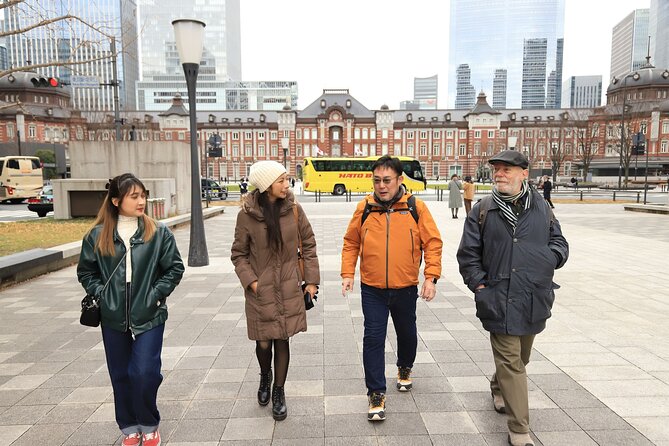
The time limit matters more than the long list of possible sights. A four-hour tour generally covers two or three places. Six hours allows three or four, while eight hours gives you about four or five.
That may sound modest for a city with this many famous districts, but it is realistic. Tokyo’s sights are spread across a huge urban area, and the subway ride between them takes time. Every stop also involves walking from a station, finding the right entrance, and pausing for explanations, photos, food, or shopping.
For a four-hour introduction, I would choose one compact pairing. Asakusa and Tsukiji work well for food, temples, and older Tokyo. Harajuku, Meiji Jingu, and Shibuya offer a strong contrast between shrine grounds, youth fashion, and the famous crossing.
With six hours, you can add a third area without making the day frantic. An eight-hour day gives you the most freedom, but even then, it is wiser to see four places properly than to collect five rushed photo stops.
The listed stop times are short, often around 15 to 30 minutes. Treat them as planning markers rather than promises of a quick visit. A temple precinct, market, or shopping street can easily deserve more time, especially if you stop to eat.
Asakusa and Senso-ji, Tokyo’s traditional starting point
Senso-ji is one of the easiest places to understand old Tokyo. The temple and surrounding Asakusa streets give you a clear introduction to Buddhist practice, local customs, and the traditional side of the capital.
Your guide can explain how to approach the temple and how to pray respectfully. This is a small but valuable detail. Many first-time visitors know that Japanese temples and shrines have rituals, but are unsure about the order or meaning. A guide can turn a quick photo stop into a more thoughtful visit.
Asakusa also works well for families. The streets around the temple offer shopping and snack opportunities, while the nearby Asakusa Culture Tourist Information Center provides a high view over the district. The center is included as an optional stop and is useful for getting a sense of how large the neighborhood really is.
Do not confuse this with a quiet temple retreat. Senso-ji is one of Tokyo’s most visited sights, and the approach can feel crowded and commercial. That is part of the experience, but if you want a slower visit, tell your guide early and allow more time around the temple grounds rather than adding another distant district.
Tsukiji Outer Market for food and local flavor
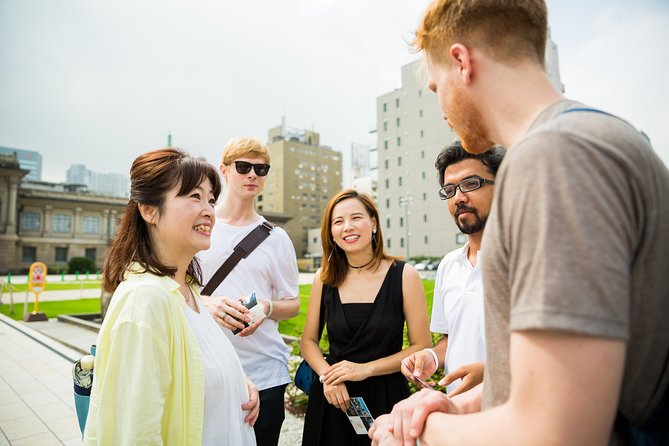
Tsukiji is one of the tour’s most practical choices for hungry visitors. The outer market is a place to browse food stalls and small shops, and it gives you a chance to taste Tokyo rather than only look at it.
One useful tip is to arrive hungry. The market is best enjoyed as a grazing stop, with your guide helping you understand what you are seeing and suggesting places to try. Food and drinks are not included, so budget separately for your purchases.
The market is also a good place to ask questions about Japanese ingredients, seafood, knives, and everyday eating. One guide, Tak, was praised for combining Tsukiji with temple visits, knife shopping, and food suggestions. That combination shows how well the market can anchor a half-day itinerary.
Tsukiji can become crowded and noisy, and the experience is more about small tastings and browsing than a formal sit-down meal. If you have food allergies, tell the guide before the tour. Ike was specifically praised for checking that a lunch spot could accommodate a child’s allergy, but you should still communicate your needs clearly before the day begins.
Meiji Jingu and Harajuku, old Japan beside new Japan
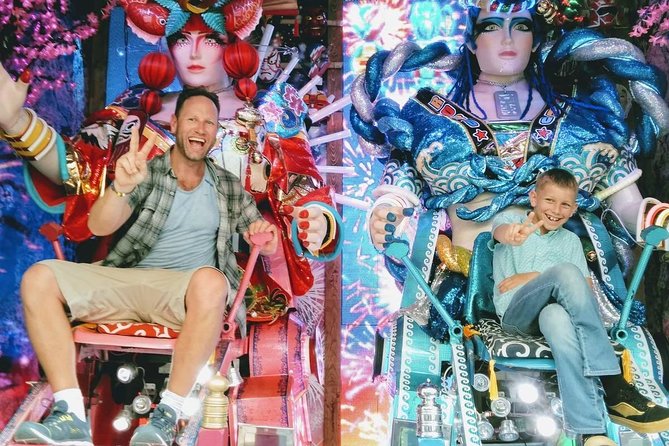
The move from Asakusa to Harajuku gives you one of Tokyo’s clearest contrasts. Meiji Jingu is a large Shinto shrine surrounded by forested grounds, while nearby Takeshita Street is associated with youth fashion, pop culture, and colorful shops.
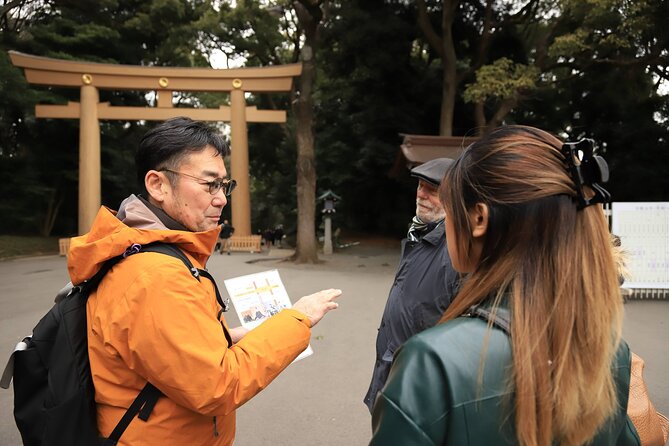
At Meiji Jingu, expect a calmer setting than the city streets outside. Your guide can explain shrine etiquette, including how to make an offering and show respect. The forested approach also offers a welcome break from concrete, signs, and train stations.
Then comes Takeshita Street, where the mood changes quickly. This is the place to see Tokyo’s younger style, busy retail scene, and playful side. The street can be crowded, so it is not ideal for anyone seeking a peaceful stroll. It is, however, an entertaining choice for teenagers and families who want something more lively than temples and gardens.
Osamu’s four-hour route, built around Senso-ji, Harajuku, and Meiji Jingu, shows how well this pairing can work. You get traditional architecture, modern fashion, and a quiet shrine in one compact story about Tokyo.
A few more Tokyo tours and experiences worth a look

Shibuya Crossing and the city’s modern face
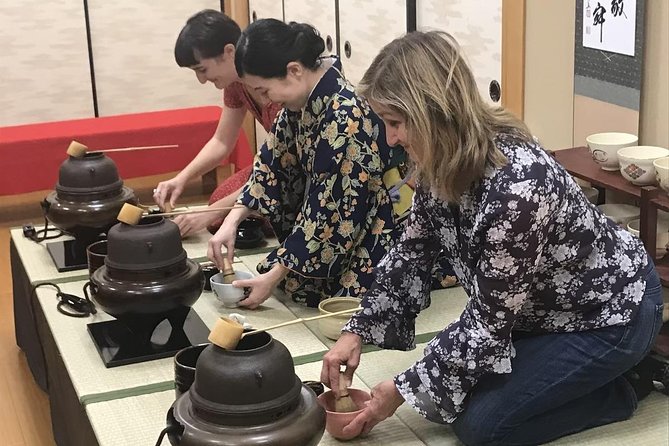
Shibuya Crossing is a quick stop with a big visual payoff. When the signals change, people move across the intersection from several directions, creating the classic image of Tokyo’s urban rush.
The crossing itself takes little time, but the surrounding district can easily absorb much longer. If you want shopping, food, or city views, tell your guide what matters most. Otherwise, Shibuya may be best used as a short stop paired with Meiji Jingu and Takeshita Street.
Guides have also helped families film themselves crossing the street, which can be a nice way to save a personal memory without asking a stranger to handle your phone. Just keep your expectations sensible: this is a city scene, not a guided attraction with a long formal presentation.
Imperial Palace, gardens, and central Tokyo
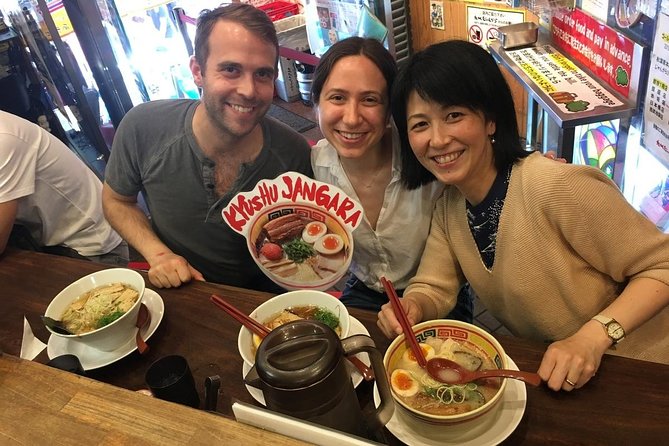
The Imperial Palace East Gardens offer a more open and formal side of central Tokyo. They are a good choice if you enjoy history, gardens, and the contrast between the capital’s modern streets and its imperial setting.
Hiro’s four-hour history-focused route included the Imperial Palace, the Asakusa Culture Tourist Information Center, and Senso-ji. That is a sensible plan for someone who wants context rather than a long list of neighborhoods.
The garden admission is listed as free, but other palace-related or museum admissions elsewhere on the tour may cost extra. Ask your guide which exact areas you will enter and what fees apply before settling on the route.
Yanaka Ginza, Ueno, and the Tokyo National Museum
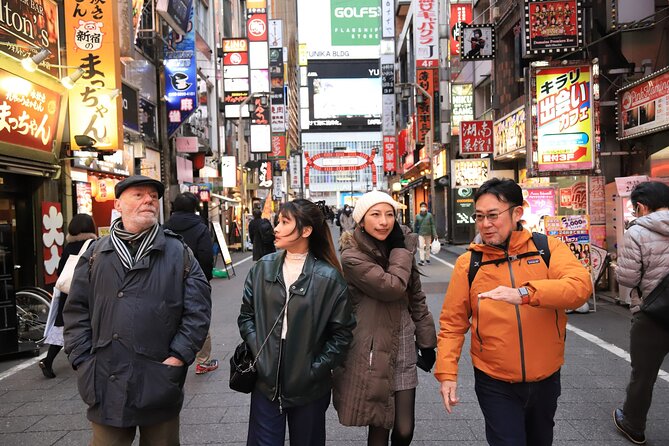
Yanaka Ginza Shopping Street is the choice for a more local-feeling neighborhood. It offers a break from the city’s giant commercial districts and fits travelers who want ordinary streets, small shops, and a less polished side of Tokyo.
Ueno Park adds open space and seasonal appeal, especially during cherry blossom time. Nearby, the Tokyo National Museum is one of Tokyo’s major museums and suits anyone who wants Japanese art, archaeology, and cultural history rather than only outdoor sightseeing.
These stops need more than a few minutes if you want to enter the museum or explore the park properly. Museum admission is extra, as is any optional admission fee at other paid sites. For a short tour, choose either Yanaka and Ueno or focus on the more famous Asakusa and Tsukiji combination.
Ginza and Tokyo Skytree for shopping and views
Ginza is Tokyo’s polished shopping district. It makes sense for visitors interested in department stores, luxury brands, and modern city life. It is less useful if your main goal is shrines, markets, or local neighborhood character.
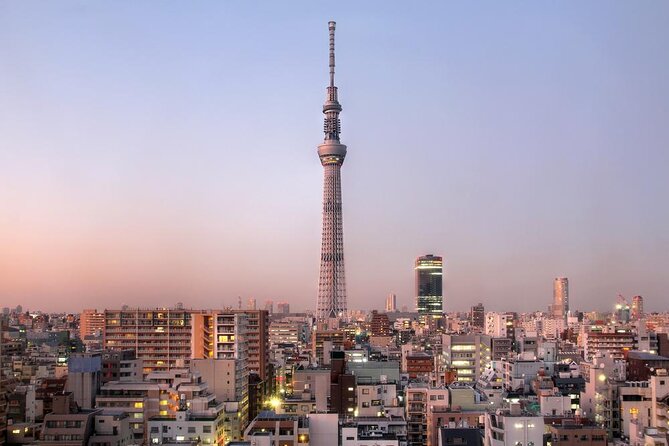
Tokyo Skytree is another optional stop, with admission charged separately. The tower is Japan’s tallest building, and it can provide a dramatic view, but the visit may take more time than the listed stop suggests. Factor in queues, elevators, and the time needed to enjoy the observation area.
An eight-hour route combining Ginza and Tokyo Skytree worked well for one group that wanted shopping followed by dinner near the tower. This is a good reminder to tell your guide about evening plans. A private tour can be shaped around where you want to finish, though exact timing depends on the route and train connections.
Shinjuku Gyoen, Odaiba, and Hama Rikyu Gardens
Shinjuku Gyoen National Garden is a strong option if you want greenery during a city-heavy day. It requires an admission fee, and its appeal is the chance to slow down among landscaped grounds after busy streets and stations.
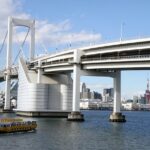
Odaiba offers a different view of Tokyo as a waterfront district. Choose it if you want modern architecture, open space, and a change from the older temple neighborhoods. Because it sits away from central Tokyo’s classic sights, it may not be the best use of a short four-hour tour.
Hama Rikyu Gardens is another garden choice, with an admission fee. It pairs naturally with Ginza or Tsukiji because of its central location, but you should ask your guide to estimate the walking and train time before adding it.
These optional areas show the tour’s range, but they also reveal its main limitation. You cannot see every district properly in one day. The best plan has a clear theme.
Walking, trains, and the optional private vehicle
The standard experience uses your feet and Tokyo’s public transport. That is a feature, not merely a way to get around. You learn how to use the subway and trains while moving between real neighborhoods, which can make the rest of your trip much easier.
Public transport fares are not included for you or your guide. Carry a payment method suitable for train travel, and expect to pay your own food and any admissions too. The tour requires moderate fitness, with a moderate amount of walking, stairs, station corridors, and time on your feet.
A private vehicle is available for an additional fee. It may help families, older visitors, or groups carrying luggage, but it changes the nature of the day. The vehicle option is limited to Tokyo metropolitan areas and cannot cover destinations outside Tokyo. Hotel pickup and drop-off are also unavailable for hotels in Urayasu, including those near Tokyo Disney Resort.
For most first-time visitors, I would choose the walking and metro format unless mobility, weather, or a very specific route makes a vehicle worthwhile. Tokyo’s rail system is part of the lesson.
Guides, families, and the personal touch
The guide is the heart of this experience. The strongest examples show guides adjusting the day for children, food allergies, weather, shopping requests, and different generations within one family.
Naoko used origami with children during lunch. Fumi brought a camera to document a family day and mixed major sights with local areas. Mieko helped a family obtain a children’s transit pass. Ike assisted with a soccer jersey search as well as finding a suitable ramen restaurant.
These details matter because a private tour is not only about information. It is also about reducing the small frictions that can make Tokyo tiring: finding the right platform, understanding shrine etiquette, locating food, or changing plans when rain arrives.
English ability appears strong among several named guides, including Tak and Yoko, but no single guide is guaranteed unless your booking specifies one. If language, history, children’s needs, or mobility is important, explain that before the tour so the provider can match the day as closely as possible.
What to bring and what to budget
Wear comfortable walking shoes. The tour runs rain or shine, so bring weather protection and dress for a day that moves between outdoor streets, temple grounds, gardens, and train stations.
Plan for these extra costs:
- Train and subway fares for you and your guide
- Meals and drinks for you and your guide
- Entrance fees for you and your guide
- The optional private vehicle
- Food and purchases at Tsukiji, Ginza, Takeshita Street, or other shopping areas
The cancellation policy is forgiving if your plans change: cancel at least 24 hours before the local start time for a full refund. Changes or cancellations inside that window are not accepted for a refund.
Who should book this Tokyo experience
I would recommend it most to first-time visitors who want a useful city orientation, families who need a flexible pace, and anyone uneasy about Tokyo’s transport system. It also suits repeat visitors who want to focus on a subject such as temples, Japanese gardens, food, shopping, or local neighborhoods.
It is less suitable if you want a low-cost group tour, a fixed lecture-style itinerary, or a long stay at every sight. The experience gives you access to a guide’s time and judgment, but you must help shape the day.
Should you book it?
Book this private Tokyo tour if you want to see several sides of the city while learning how to get around. The best plan is to choose two or three connected areas, tell your guide your priorities, and leave room for food and questions.
For a first day, I would choose Tsukiji, Asakusa, and either Meiji Jingu with Harajuku or Shibuya. For history, choose the Imperial Palace, Asakusa, and the Tokyo National Museum. For families, mix one major sight with food, shopping, or an arcade-style stop rather than filling every minute with temples.
At $145.91 per person, the value improves when shared by a group that wants personal attention and practical help. Just remember that transport, meals, admissions, and any vehicle upgrade are extra.
FAQ
How long does the Tokyo private tour last?
The tour lasts approximately four to eight hours. A four-hour tour generally covers two to three locations, a six-hour tour covers three to four, and an eight-hour tour covers four to five.
Is the tour private?
Yes. Only your group participates in the activity, so the itinerary and pace can be adjusted to your interests.
What transportation is used?
The standard tour combines walking with Tokyo’s public transportation system, including the metro and trains. A private vehicle is available for an additional fee.
Is hotel pickup included?
Hotel pickup is included as part of the tour service. The optional private vehicle cannot provide pickup or drop-off for hotels in the Urayasu area, including hotels near Tokyo Disney Resort.
Are transportation fares included?
No. You pay public transportation fares for yourself and your guide. Private transportation also costs extra if you choose that option.
Are meals and drinks included?
No. You are responsible for meals and drinks for yourself and your guide. This is useful to remember if you plan to eat at Tsukiji or stop for lunch in Asakusa.
Are entrance fees included?
No. Entrance or admission fees for you and your guide are not included. Optional paid locations include Shinjuku Gyoen National Garden, the Tokyo National Museum, Ueno Park attractions, Tokyo Skytree, and Hama Rikyu Gardens.
What happens if it rains?
The tour takes place rain or shine. A moderate amount of walking is included, so wear comfortable shoes and bring suitable rain protection.
More 1-Day Tours in Tokyo
More Private Tours in Tokyo
More tours in Tokyo we've reviewed












1-Day Tours, compared.
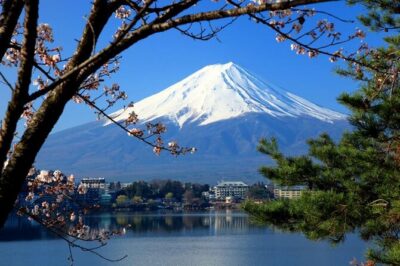 ★ 5.0Mt Fuji and Hakone 1-Day Bus Tour Return by Bullet TrainFrom $163
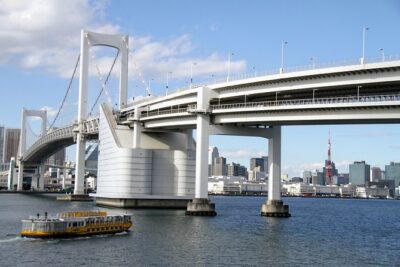 ★ 5.01-Day Tokyo Bus TourFrom $129
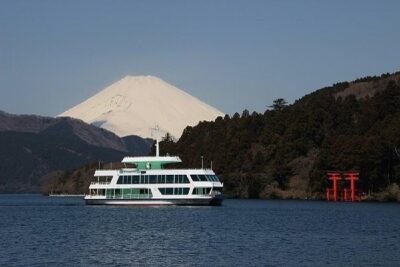 ★ 4.0Mt Fuji & Hakone Cruise, Drum Show Bullet Train 1 Day from TokyoFrom $149
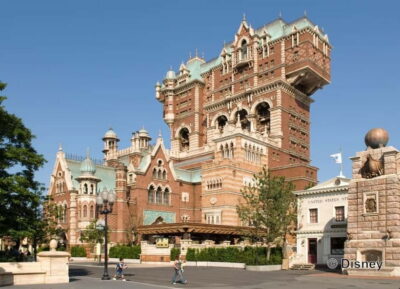 ★ 4.5Tokyo: DisneySea 1-Day PassportFrom $571 day
 ★ 4.6Tokyo Disneyland 1-Day PassportFrom $571 day
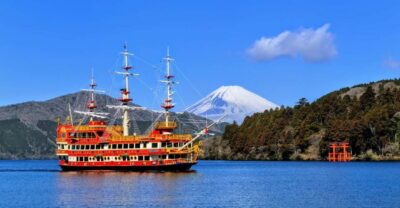 ★ 4.2Tokyo: Mt. Fuji 5th Station & Hakone Cruise 1-Day Bus TourFrom $12911 hours