Reviewed · GUIDED
Tokyo 6hr Private Tour with Government-Licensed Guide
Tokyo is too large for a tidy sightseeing loop, which is exactly why this private six-hour tour can work so well. You choose three or four places, then your licensed guide links them by foot and public transport. In one day, you might move from Senso-ji’s incense-filled temple grounds to Shibuya’s famous crossing, with useful Tokyo know-how along the way.
In This Article
- Key things to know before booking
- Why a private guide helps in Tokyo
- Building a sensible six-hour route
- Asakusa and Senso-ji: Tokyo’s old downtown
- Imperial Palace: Edo Castle foundations
- Shibuya, Harajuku, and Meiji Shrine
- Shinjuku Gyoen and Golden Gai
- Tsukiji Fish Market and Tokyo’s food scene
- Gardens for a quieter side of Tokyo
- Akihabara, Odaiba, and Tokyo Tower
- Old neighborhoods: Shibamata and Nezu
- What the $155.86 price really buys
- How to get the best guide-led day
- Should you book this Tokyo tour?
- FAQ
- How long is the Tokyo private tour?
- Is the tour private?
- How many sights can I visit?
- Does the tour include a private vehicle?
- Are subway and bus fares included?
- Are meals included?
- Are entrance fees included?
- Can I enter the Imperial Palace?
- Does the Tokyo Tower visit include the top deck?
- Where does pickup take place?
- Can I cancel for a refund?
I like the freedom to shape the day around your interests, and I like the practical help. Guides such as An, Taichi, Sho, Koba, and May have helped visitors understand shrine customs, buy train tickets, find local restaurants, and use the rail system. The catch is simple: six hours is not enough for the whole menu, and too much distance between sights can turn your tour into a race between subway stations.
Key things to know before booking
- Choose three or four sights: The long list of possible stops is a menu, not a promise to visit them all.
- Expect trains and walking: There is no private vehicle, and transport costs are yours to pay.
- Get a local orientation: Guides can explain shrine etiquette, train routes, neighborhoods, food, and Tokyo’s past.
- Build around your interests: Mix old Tokyo, gardens, pop culture, markets, museums, and skyline views.
- Allow extra money: Lunch, subway or bus fares, and entrance tickets are not included.
- Best for first visits: You get a useful introduction without being tied to a large group schedule.
Why a private guide helps in Tokyo
Tokyo rewards preparation, but it can punish a loose plan. The city is made up of distinct neighborhoods, and moving from one side of the metropolitan area to another can consume a surprising part of your day. A private guide gives you someone to handle the practical links while you pay attention to what you are seeing.
That does not mean the guide drives you around. This is a walking tour, with pickup on foot in a designated Tokyo area. You will probably use trains or the subway between districts, so keep some yen ready. Several past participants found a Suica card especially useful for getting around after the tour.
The private format is the main advantage. A family interested in temples and gardens can avoid electronics districts. A first-time visitor can focus on the Imperial Palace, Meiji Shrine, Shibuya, and Asakusa. A repeat visitor can ask for old neighborhoods such as Nezu or Shibamata.
The guides also add value beyond directions. May has shown visitors how to enter temples and shrines and how to make offerings. Koba helped visitors understand the rail system and left them better prepared to get around independently. Sho used the subway and walking paths to connect major sights while explaining Japanese history and daily life.
Other guided tours in Tokyo

Building a sensible six-hour route
The most important decision comes before the day begins: choose a compact group of sights. The provider suggests three or four locations, and that is a realistic limit for a walking and public transport tour.
Tokyo’s size makes ambitious plans risky. Asakusa, Shibuya, and Odaiba, for example, are not next-door neighbors. You can visit them in one day, but every long train ride takes time away from temples, shops, gardens, and conversation with your guide.
I would group sights by area. Asakusa works well with Ueno, the Tokyo National Museum, or Nezu. Shinjuku pairs naturally with Shinjuku Gyoen and Golden Gai. Harajuku, Meiji Shrine, Yoyogi Park, and Shibuya form another practical cluster.
Tell your guide what matters most. If Tsukiji is your priority, say so clearly and protect enough time to eat. One person found a fast market visit less satisfying because the day tried to cover too much. That is a useful warning: seeing fewer places properly is often better than collecting quick photographs.
Asakusa and Senso-ji: Tokyo’s old downtown
Asakusa is one of the strongest choices for a first Tokyo tour. It preserves the feel of shitamachi, the traditional low-city area, and its main attraction is Senso-ji, one of the city’s best-known Buddhist temples.
The temple grounds are colorful and busy, with the approach leading toward the main hall. Your guide can explain the customs that may otherwise seem mysterious, including how to behave at a Buddhist temple and how to make an offering.
The standard time shown for Asakusa is about one hour, while Senso-ji also appears as a possible short stop. In practice, treat these as one area rather than two separate destinations. If you want temple details, street food, or time to browse, Asakusa deserves the longer visit.
This is also a practical starting point for families. The area gives you history, food, architecture, and a clear introduction to Japanese religious traditions without requiring an entrance ticket for the main temple visit.
Imperial Palace: Edo Castle foundations
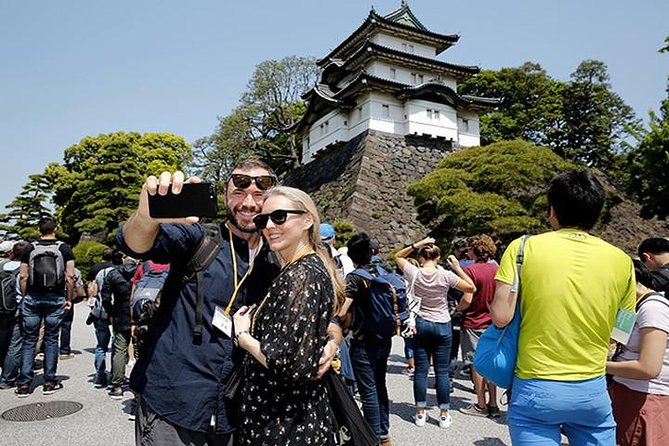
The Imperial Palace occupies the former site of Edo Castle, with broad grounds, moats, and large stone walls. It offers a useful link between Tokyo today and the city’s political past.
Be clear about the limitation: this tour does not include access inside the Imperial Palace. The visit concerns the exterior grounds and surrounding area. Admission to the listed palace stop is free, but that does not mean every garden or paid section elsewhere is included.
A half-hour stop can work if you want context and photographs. If you are especially interested in Japanese royalty, castle defenses, or the transition from Edo to modern Tokyo, ask your guide to give this stop enough attention.
The palace is best combined with nearby central Tokyo sights rather than placed in a route that zigzags across the city. Your guide can help decide if it fits with your other choices.
Shibuya, Harajuku, and Meiji Shrine
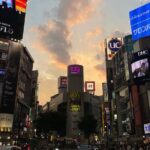
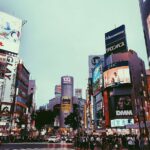
This cluster shows modern Tokyo at full volume, then gives you a quiet change of pace. Shibuya Crossing, also called Shibuya Scramble, is the famous intersection where streams of pedestrians cross from every direction. Nearby, you can see the statue of Hachiko, the loyal dog whose story has become part of Tokyo’s popular culture.
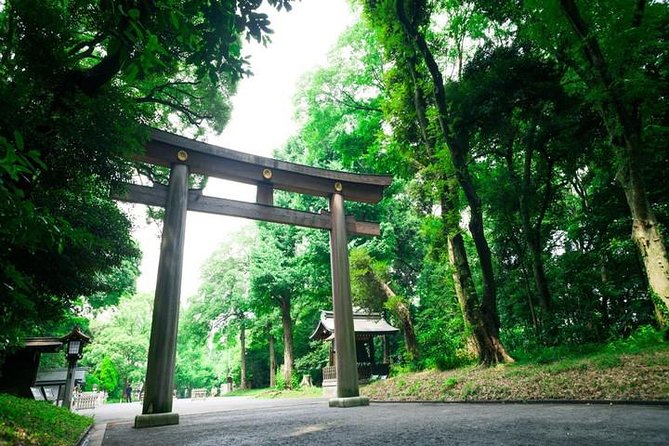
Harajuku brings a different mood. Takeshita Street is known for youth fashion and teenage styles, while the surrounding area includes more traditional sights. The tour can also include Meiji Jingu Shrine, dedicated to the deified spirits of Emperor Meiji and Empress Shoken.
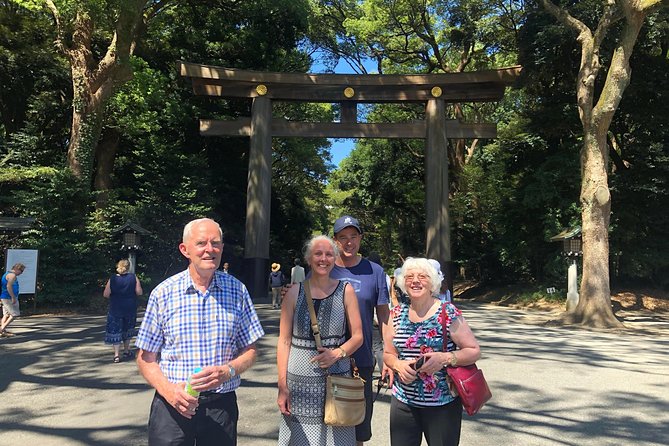
Meiji Shrine sits beside busy Harajuku Station, yet its approach feels separate from the city streets. Your guide can explain Shinto customs and show you how to pay your respects. The shrine itself is a free stop, while nearby Yoyogi Park also has no admission charge.
I like this combination because it teaches contrast without needing a long lecture. You see youth culture, a major city crossing, a modern rail hub, and a Shinto shrine in one connected section of Tokyo.
Do not try to give each part equal time if you have only six hours. Shibuya, Takeshita Street, Meiji Shrine, and Yoyogi Park can fill a day on their own if you shop, eat, and stop for photographs.
Other private tours in Tokyo


Shinjuku Gyoen and Golden Gai
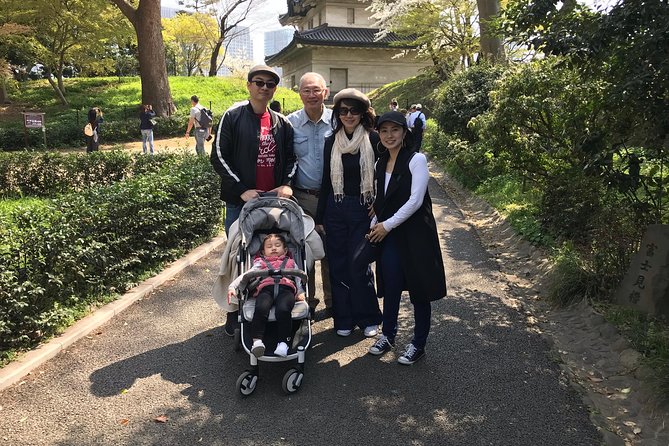
Shinjuku Gyoen is one of Tokyo’s most popular parks, with lawns, walking paths, and a calmer setting near Shinjuku Station. It is a good choice when you need a break from dense streets and train platforms.
Admission is not included, so budget for the entrance ticket. The suggested stop duration varies in the information provided, but the five-minute notation should not be treated as enough time for a meaningful garden visit. If the garden interests you, request a proper walk and consider dropping another sight.
Shinjuku Golden Gai offers the opposite experience. Its narrow lanes and small eating and drinking establishments grew from a postwar black-market district. The area is best appreciated with a guide who can explain how this compact nightlife quarter developed.
A quick look is free, but eating and drinking cost extra. If you want dinner here, it makes more sense to finish the tour nearby instead of rushing through Golden Gai as one more photograph stop.
Tsukiji Fish Market and Tokyo’s food scene
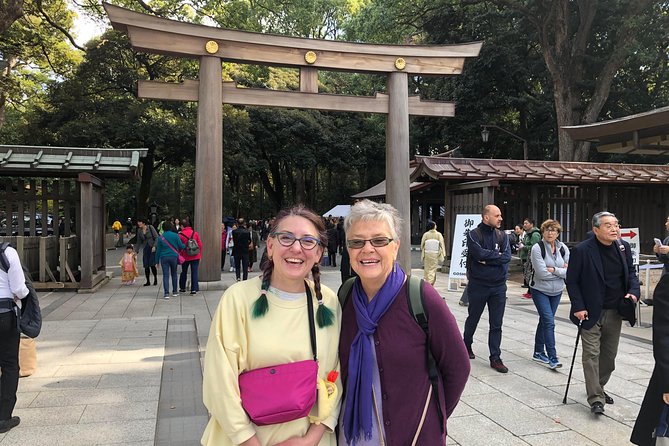
Tsukiji is the old fish market area, now known for food stalls, specialty shops, and small places to eat. It is one of the best choices if food is central to your Tokyo visit.
The market stop is listed at about 30 minutes and has no admission charge. That time may be enough for a quick introduction, but it is short if you hope to browse, ask questions, and have a full meal.
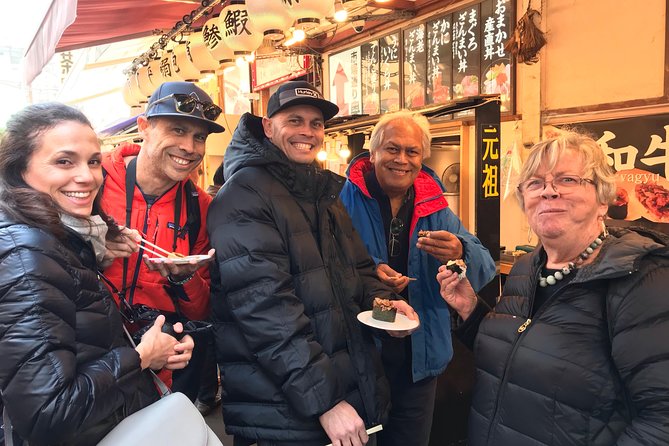
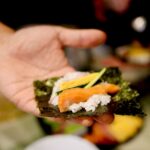
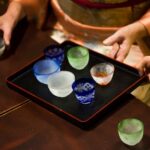
Guides have helped visitors choose sushi, Kobe beef, green tea, fruit, and local restaurants. One guide arranged a sushi and sake lunch, while another found a vegetarian-friendly restaurant. These examples show why telling your guide your food preferences in advance matters.
Food is not included, so consider the tour price only part of your budget. I would not combine Tsukiji with too many distant sights. A slower market visit, followed by lunch, may be more rewarding than adding three extra neighborhoods.
Gardens for a quieter side of Tokyo
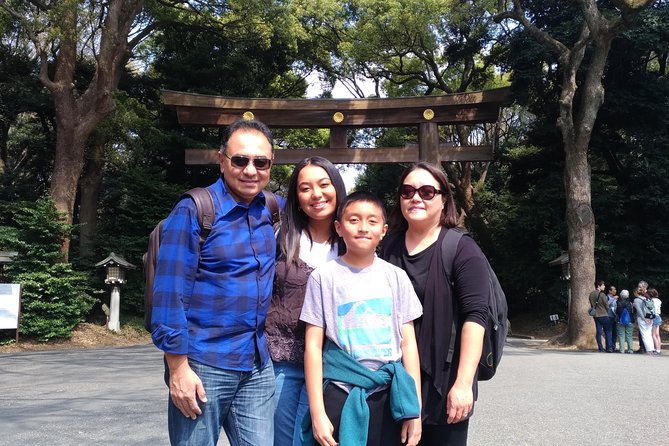
Tokyo has several excellent gardens, but they are not interchangeable. Koishikawa Korakuen is one of the city’s oldest Japanese gardens, created in the early Edo period for the Mito branch of the ruling Tokugawa family. Rikugien was built around 1700 for the fifth Tokugawa shogun and is often considered one of Tokyo’s finest traditional gardens.
Hama Rikyu sits beside Tokyo Bay and includes seawater ponds whose levels change with the tides, along with a teahouse. It offers a different setting from the inland gardens and can pair well with central Tokyo or Odaiba.
Admission is not included for these gardens. The listed stop times are often only five minutes, so ask for clarification before booking if a garden visit is important to you. A garden needs walking time, and a rushed glimpse will not show you much.
Yoyogi Park is free and more informal, with lawns, ponds, and wooded sections. Ueno Park adds museums, a zoo, Toshogu Shrine, and Shinobazu Pond, though admission may apply to individual attractions.
Akihabara, Odaiba, and Tokyo Tower
Akihabara is the place to choose if you care about electronics, anime, games, or Japan’s modern pop culture. The district is famous for electronics shops and has become a major center of anime and manga culture.
The suggested time is only five minutes, which is not enough for serious shopping. Choose Akihabara as a brief orientation stop, or ask your guide to make it a main destination and remove other locations.
Odaiba is a shopping and entertainment district on a man-made island in Tokyo Bay. Its separated location makes it a poor addition to a route already packed with central Tokyo stops, but it can suit a group seeking modern architecture, waterfront views, and leisure attractions.
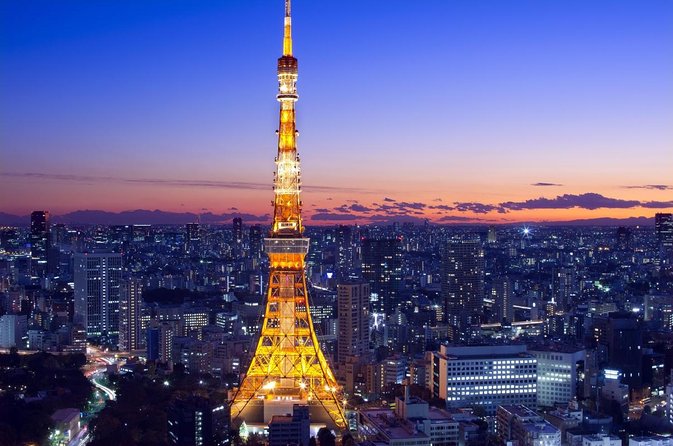
Tokyo Tower is a recognizable vermilion landmark with a retro style. The tour includes access only up to the main deck, and the top deck is not included. The stop is shown as one minute, so confirm how much time you actually want there and remember that admission costs extra.
Old neighborhoods: Shibamata and Nezu
Shibamata, in eastern Tokyo near the Edogawa River, retains an old-fashioned town feel. It is farther from the best-known central districts, so it suits repeat visitors or anyone who wants a less standard route.
Nezu forms part of old downtown Tokyo along with nearby Yanaka. These neighborhoods avoided major damage from wars and natural disasters, preserving older streets and traditional character.
Both areas can offer a more grounded look at Tokyo than the headline attractions. The tradeoff is transport time. If you choose Shibamata or Nezu, build the day around them rather than adding them as a five-minute afterthought.
What the $155.86 price really buys
At $155.86 per person, this is not a bargain sightseeing bus. You are paying for a private, licensed English-speaking guide and the ability to shape the day around your group.
The value is strongest for first-time visitors, families, and anyone uneasy about Tokyo’s rail system. A guide can help you understand train transfers, shrine etiquette, food choices, and neighborhood connections. That practical coaching may continue to help after the six hours end.
The value is weaker if you already know Tokyo well or only want transportation. One unhappy participant felt too much of the day went into subway travel and found little added explanation. That outcome usually points to a scattered route or a mismatch between expectations and the guide’s role.
Remember the extra costs: transportation, lunch, entrance tickets, and personal purchases. Group discounts may be available, but groups cannot be combined with other tour parties. Since the activity is private, only your own group participates.
How to get the best guide-led day
Contact your guide before the tour and name your top priorities. Ask for a compact route, not a greatest-hits list. If you want a market meal, a museum visit, or time inside a garden, say that early.
Come ready to walk and use public transport. Wear comfortable shoes, keep yen available, and consider a Suica card. The tour does not provide a private vehicle, and pickup takes place on foot within the designated Tokyo area.
Guide quality can vary by individual, but the strongest examples show a clear pattern. An helped visitors find an efficient route and a good lunch. Taichi explained Shinjuku, Meiji Shrine, and the National Garden in a way that suited a first day. Shigeru used visual aids and discussed culture as well as places. Lance paid close attention to timing, while Sam planned a route around the interests of a group of five.
The tour is also a useful confidence builder. After learning the rail system with Noripy or Koba, you may find the rest of your Tokyo stay easier to manage.
Should you book this Tokyo tour?
Book it if you want a private introduction to Tokyo, need help with trains, or have a mixed-interest group that would struggle to agree on a standard tour. It is especially useful on your first day, when a guide can help you understand the city and point you toward places to revisit later.
Book it with a focused plan. Three or four well-chosen sights will give you time to look, eat, ask questions, and enjoy the city. Trying to cover ten neighborhoods in six hours will leave you tired and short on time.
Skip it if you prefer to explore alone, already know Tokyo’s transport system, or expect a private car and included admission. At this price, the tour makes sense when you use the guide’s local judgment, not simply as a person to lead you from station to station.
Free cancellation is available up to 24 hours before the start time. Most people can participate, service animals are allowed, and the tour date can be changed up to two days before the experience, subject to guide availability.
FAQ
How long is the Tokyo private tour?
The tour lasts approximately six hours.
Is the tour private?
Yes. Only your own group participates, and different tour groups cannot be combined.
How many sights can I visit?
The included format is a customizable walking tour covering three to four sites from the recommended choices.
Does the tour include a private vehicle?
No. Transportation is not included, and the tour uses walking and public transportation.
Are subway and bus fares included?
No. You pay your own transportation fees. Keep some yen available, and a Suica card may be useful.
Are meals included?
No. Lunch and other personal expenses are extra. Your guide may help you choose a restaurant or food stop.
Are entrance fees included?
No. Entrance fees are generally extra. Guide entry fees are covered only for sights listed under the tour information.
Can I enter the Imperial Palace?
No. The tour does not include access to the inside of the Imperial Palace.
Does the Tokyo Tower visit include the top deck?
No. Access is limited to the main deck. The top deck is not included.
Where does pickup take place?
Pickup is on foot within the designated area of Tokyo. There is no private vehicle pickup.
Can I cancel for a refund?
Yes. You can receive a full refund if you cancel at least 24 hours before the experience start time. Changes or cancellations made less than 24 hours before the start time are not accepted for a refund.
More Private Tours in Tokyo
More Guided Tours in Tokyo

More tours in Tokyo we've reviewed
Guided, compared.
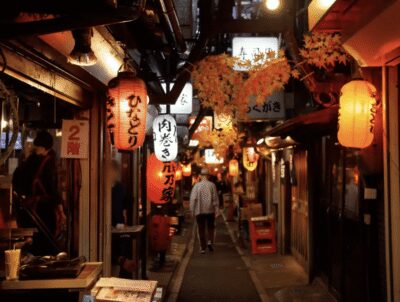 ★ 4.9Tokyo: Shinjuku Local Bar and Izakaya Guided Walking TourFrom $343 hours
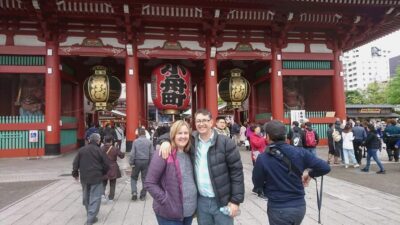 ★ 4.8Tokyo: Private City Highlights Tour with Local GuideFrom $1064 - 8 hours
 ★ 4.9Tokyo: Tsukiji Fish Market Guided Walking TourFrom $222 hours
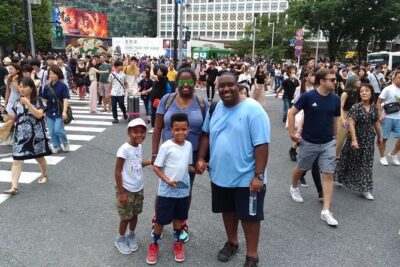 ★ 5.0Tokyo 4hr Private Tour with Government-Licensed GuideFrom $109
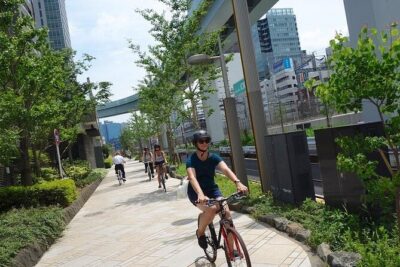 ★ 5.0Tokyo Guided Small-Group Biking TourFrom $106
 ★ 4.6Tokyo: Samurai Ninja Museum Guided tour and ExperienceFrom $27