Reviewed · TSUKIJI MARKET TOURS
Tokyo: Tsukiji walking and sushi tour with Uni Students
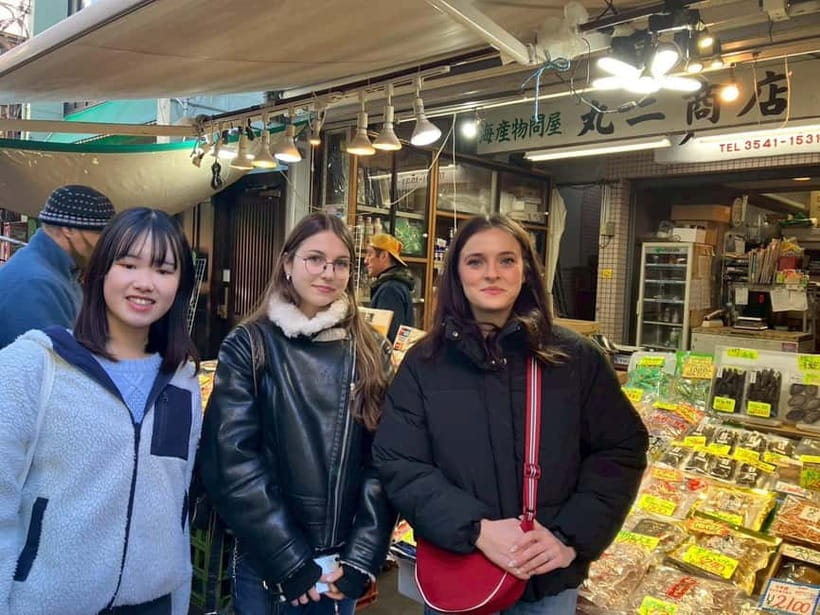
Tsukiji is best understood on foot, with your appetite ready. This three-hour private tour begins at Tsukiji Hongwanji Temple, then threads through the Outer Market before ending with sushi at a local restaurant. Your guide is a Tokyo university student, so the tour offers more than food facts. You can ask what young Japanese people think about daily life, food, and the city.
In This Article
- Key points at a glance
- Why this Tsukiji tour feels different
- Meeting at Tsukiji Hongwanji Temple
- Walking through the Tsukiji Outer Market
- Tasting tamagoyaki and traditional market foods
- Sitting down for sushi lunch
- The student guide and the private format
- Is $74 a fair price?
- Timing, weather, and practical planning
- Who should book this experience?
- Should you book the Tsukiji student tour?
- FAQ
- Where does the Tsukiji walking and sushi tour start?
- How do I reach the meeting point?
- Where does the activity end?
- How long does the tour last?
- Is the tour private?
- What languages are available?
- What food is included?
- Are drinks included?
- Does the tour include raw food?
- What should I bring?
- What happens if it rains?
I like two things here. First, the student guide gives the outing a personal angle, and past guide teams have included Nono, Yuri, Risa, Kaho, Nonoka, and Yuta. Second, tamagoyaki and sushi are included, so you get a proper taste without having to choose every bite yourself. The main caution is that guides are still studying English, so conversation may be lively and useful rather than perfectly polished.
Key points at a glance
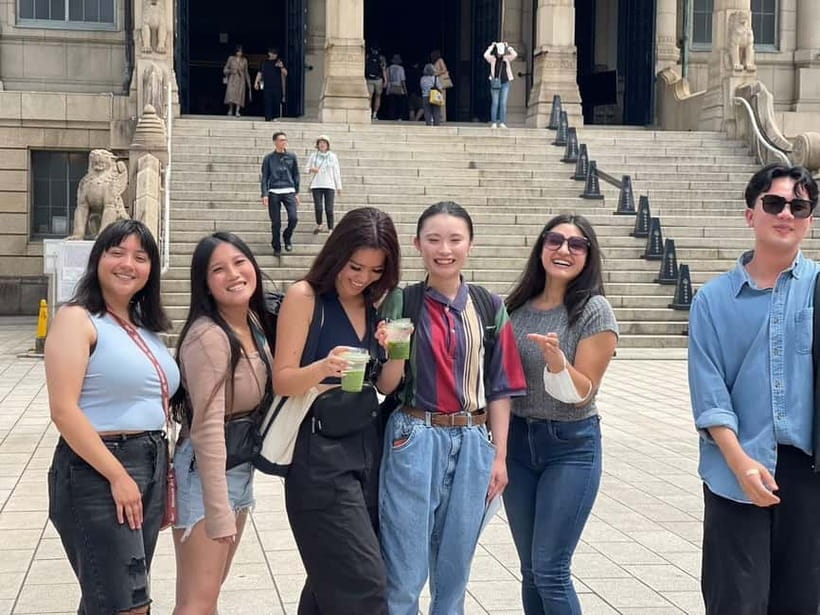
- Start at Hongwanji Temple: Meet at the main gate near Tsukiji Station and learn the basics of visiting and worshipping at this distinctive temple.
- See the working side of Tsukiji: The Outer Market remains a place for food professionals, specialist stalls, and traditional Japanese ingredients.
- Eat beyond sushi: Try tamagoyaki, dashi, beans, and dried scallops as well as sushi.
- Get a student’s point of view: The private format gives you room to ask about Japanese culture and modern life.
- Expect a seafood-focused meal: Raw food is part of the tour, and an empty stomach is a smart plan.
- Keep the pace flexible: Rain can alter the route, but light drizzle does not normally cancel the activity.
Why this Tsukiji tour feels different
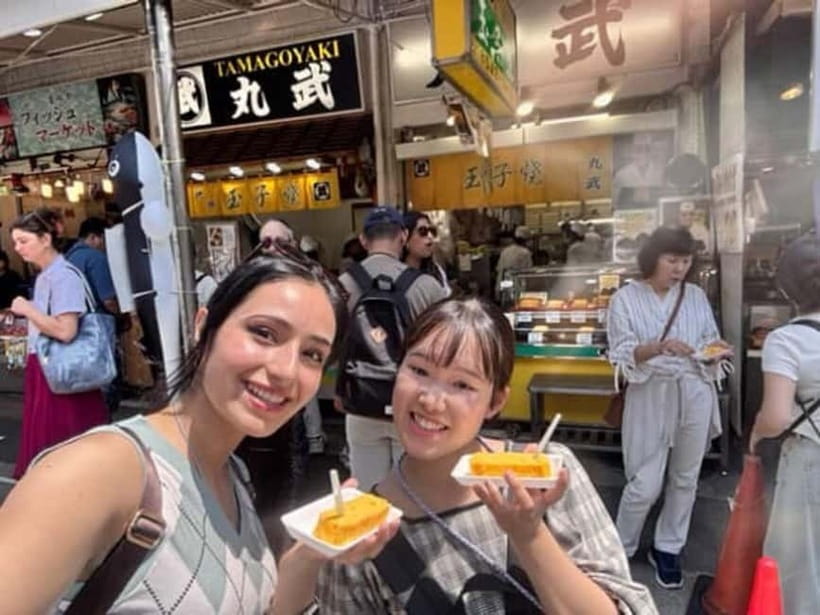
Tsukiji is often treated as a place to grab a quick seafood snack and move on. That misses much of its appeal. The market is a meeting point for cooks, shopkeepers, local families, and visitors trying to understand Japanese food. A guide who studies in Tokyo and speaks with you directly can help turn a row of unfamiliar stalls into a readable part of city life.
This is also a private group tour. That matters. In a large group, you may hear a prepared explanation and then get swept along. Here, you can stop to ask about an ingredient, compare Japanese and Western breakfast habits, or ask your guide what university life is like in Tokyo. The conversation is part of the activity, not just something that happens between stops.
The student guides are still practicing English, and the experience is open about that. You may need to speak clearly, listen patiently, and use a little gesture or repetition. In return, you get a more natural cultural exchange than a formal lecture. The people leading the tour are close to the next generation of Tokyo residents, and that gives the outing a youthful, informal feel.
A few more Tokyo tours and experiences worth a look


Meeting at Tsukiji Hongwanji Temple
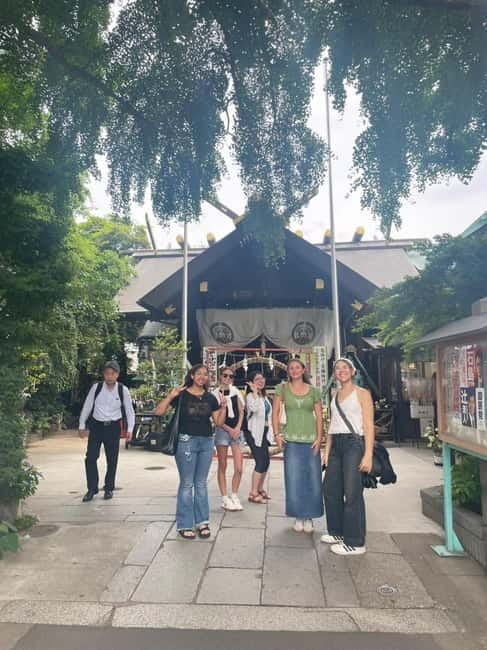
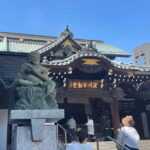
The meeting point is the main gate of Tsukiji Hongwanji Temple. Your guide will hold a sign with your name. The temple is just outside Exit 1 of Tsukiji Station on the Tokyo Metro Hibiya Line, so the starting point is simple to reach if you use the subway.
The temple is not just a place to wait for your guide. It is the first real stop. You will walk through the grounds, hear about the building, and have the opportunity to worship. The setting gives you useful cultural context before you reach the market. Food in Japan is tied to ceremony, seasonal customs, family routines, and respect for ingredients. Starting at a temple helps frame the rest of the morning or afternoon.
You do not need to be Buddhist to take part respectfully. Follow your guide’s lead, watch what people around you are doing, and treat the worship area as a religious site rather than a photo backdrop. The tour includes walking through Hongwanji Temple, but the exact amount of time there can change with the group and the day.
Wear comfortable shoes. Tsukiji is a walking experience, and the market route includes narrow streets and plenty of standing. Weather-appropriate clothing is also important because part of the activity takes place outdoors.
Walking through the Tsukiji Outer Market
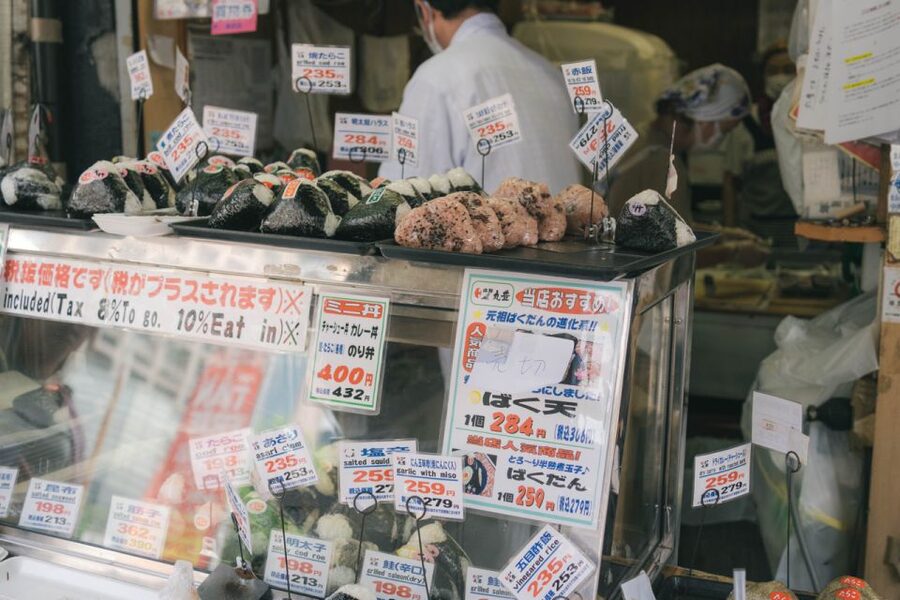
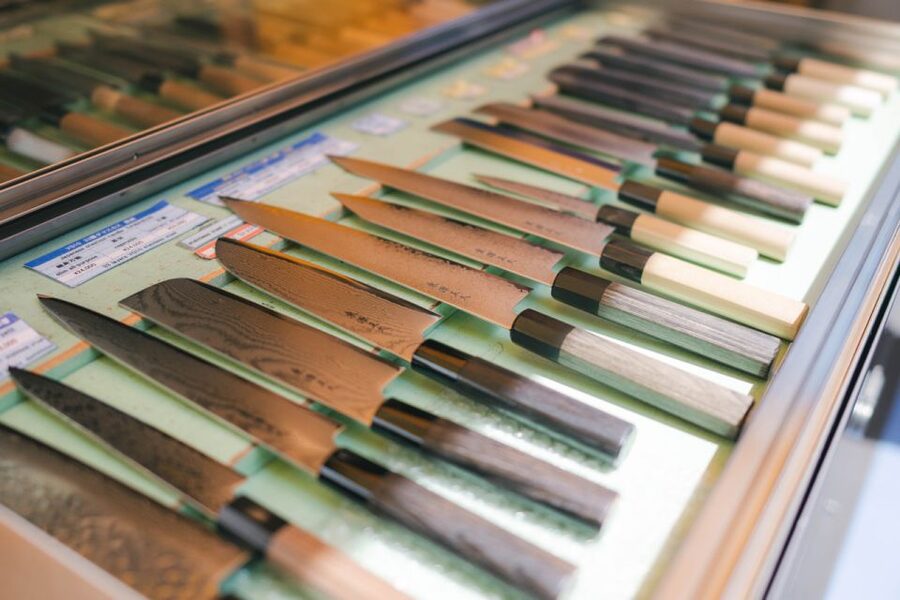
The Outer Market is the food heart of this experience. It is not the same as a single indoor market hall. Instead, you move among shops and stalls offering seafood, dried goods, seasonings, cooking ingredients, and ready-to-eat food. The market serves food professionals, so many products make more sense when you see them through the eyes of someone who cooks or shops there regularly.
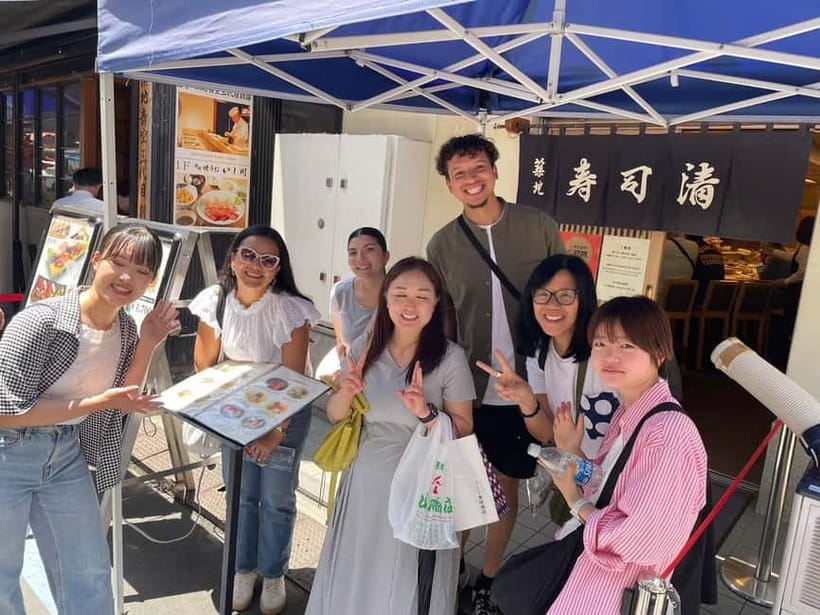
This is where a local guide can save you from wandering without a plan. Guides have taken visitors to familiar stallholders, pointed out foods that locals eat, and used shortcuts through the market’s narrow streets. One guide, Nono, has a family store with three generations connected to the market. That kind of family link can add a personal layer to what might otherwise look like a string of food shops.
You may see ingredients that are easy to overlook when you do not know how they are used. Dried scallops, beans, and dashi are included in the food discussion and tasting. Dashi, the stock used in many Japanese dishes, is especially useful to try because it gives you a direct taste of an ingredient that often sits behind the flavor of soups, sauces, and other dishes.
The market portion is not a shopping tour with a fixed list of purchases. It is a guided walk with samples and explanations. If you want to buy extra food, those purchases are not included in the price. The activity includes tamagoyaki and sushi, but food beyond those items and all drinks are separate.
Tasting tamagoyaki and traditional market foods
Tamagoyaki is Japanese rolled omelet, made by cooking layers of seasoned egg and rolling them together. It is soft, slightly sweet, and very different from the savory omelets many people know. At Tsukiji, it is a classic food to try because it is easy to eat and closely tied to the market’s food culture.
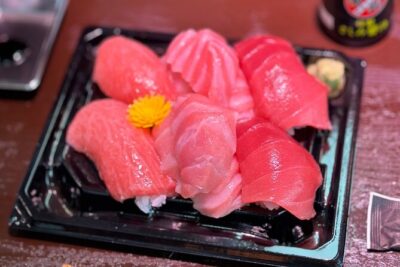
The tour includes tamagoyaki, along with sushi as lunch. You may also sample dashi, beans, and dried scallops as you walk. These smaller tastes matter because they show you that Japanese food is not only about raw fish. Preserved ingredients, broth, egg, and soy-based flavors all play a part.
Come hungry. The tour specifically recommends arriving with an empty stomach, and that advice is practical. You will be walking, sampling, and then sitting down for sushi. Eating a large breakfast could leave you too full to enjoy the meal at the end.
The food is not suited to everyone. Raw food items are included, so you should be comfortable eating sushi and other uncooked seafood. The information provided does not promise substitutions or allergy handling, so you should ask the operator before booking if you have dietary restrictions.
Sitting down for sushi lunch
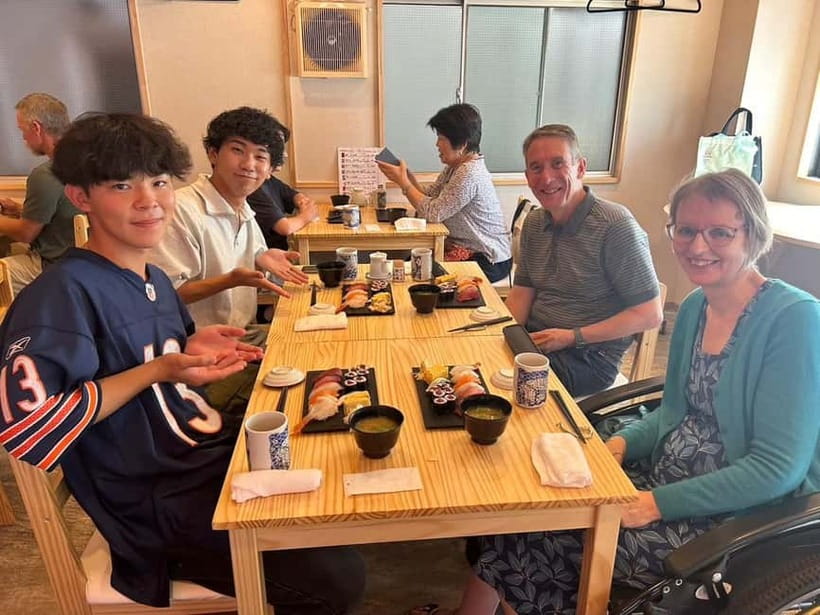
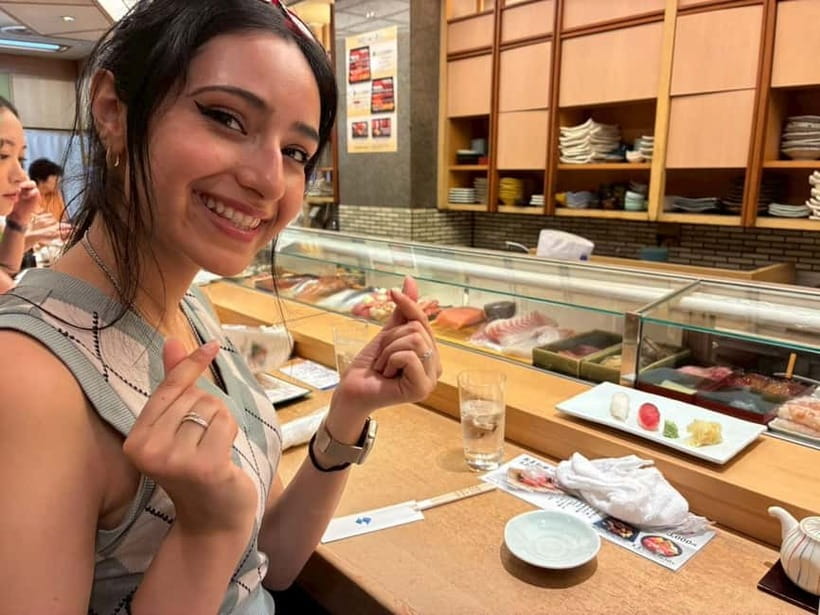
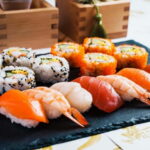
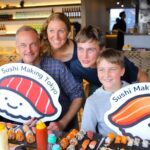
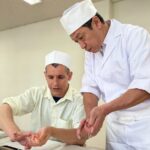
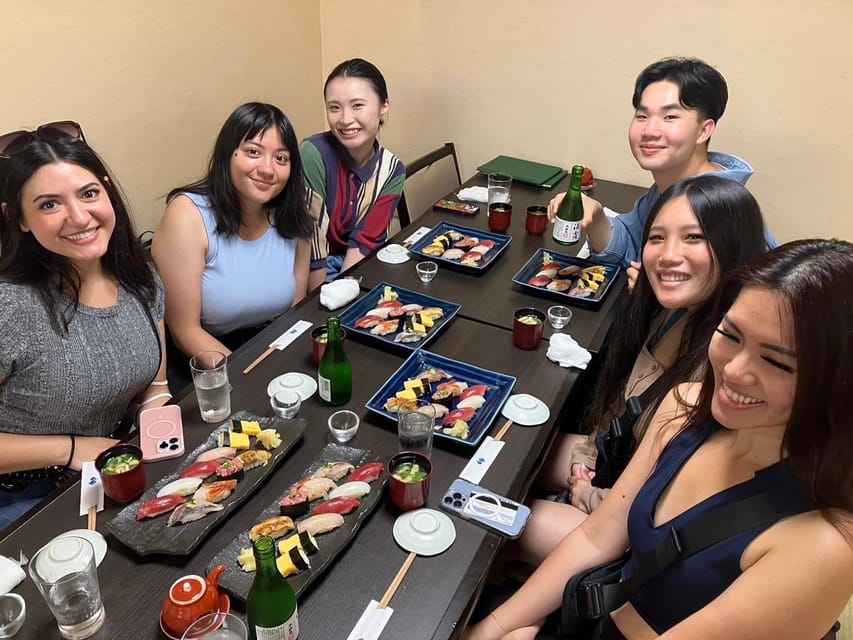
The tour takes you to a local sushi restaurant for a traditional sushi meal. This is a welcome change of pace after the market walk. Instead of grabbing one item from a stall and continuing, you have time to sit and eat sushi in a restaurant setting.
The meal is included in the $74 price, along with tamagoyaki. Drinks are not included, and food bought outside the listed tastings costs extra. Since sushi in Tokyo can become expensive when ordered piece by piece, having the main meal covered makes the price easier to judge.
The phrase traditional way of sushi restaurant does not promise a formal high-end omakase meal. Expect a local restaurant stop within the tour rather than a luxury dining reservation. The exact sushi selection is not listed, so you should not book this expecting a particular fish, chef, or menu. The value lies in combining a guided market visit with a planned sushi lunch.
That combination is useful on a first visit to Tsukiji. You get help understanding the market, then a meal that puts the morning’s food lesson into practice. If you are already an expert on sushi and want a highly technical explanation of fish varieties, preparation, and sourcing, this may feel too casual. If you want an approachable introduction with food included, it fits better.
A few more Tokyo tours and experiences worth a look

The student guide and the private format
The guide speaks English and Japanese, but the English level can vary because the guides are university students currently studying English. I would treat this as part of the character of the tour, not as a minor footnote. You are entering a conversation between cultures, and simple questions work best.
The private format gives you several advantages. You can ask follow-up questions without holding up a large group. You can also tell the guide what interests you most, within the limits of the three-hour route. Food, university life, Japanese customs, and everyday opinions are all natural subjects for conversation.
Past guide pairings have included Nono and Yuri, Nono with Risa and Kaho, and Nonoka with Yuta. The number of guides may vary, so do not book on the assumption that one named person will lead your tour. What seems consistent is the student-led approach and the effort to show the market from a local point of view.
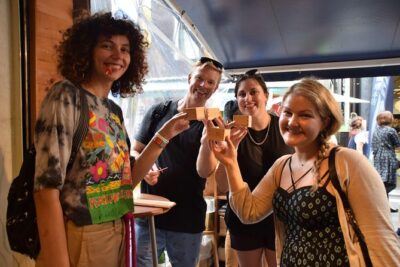
You will also receive photos taken during the tour. This is a nice extra, especially if you want to focus on the market instead of constantly holding up your own phone. It should not be the main reason to book, but it adds value to an already food-centered outing.
Is $74 a fair price?
At $74 per person, this is not the cheapest way to walk around Tsukiji. You can enter the temple and browse the market on your own for little or no cost. You can also buy individual snacks as you go.
The comparison changes once you count what is included: three hours with an English-speaking guide, a private group, temple and market walking, tamagoyaki, sushi lunch, and photos. You are paying for orientation and conversation as much as for food. The guide helps you understand what you are seeing and removes some of the guesswork from choosing market samples.
I see the price as fair for someone who wants a compact introduction to Tsukiji and does not want to plan a food route alone. It is less compelling for a repeat visitor who already knows the market, speaks Japanese, and mainly wants to eat as cheaply as possible.
The student-led format also gives the fee a particular purpose. You are supporting a local student experience while receiving a tour led by someone close to Tokyo’s younger generation. That does not replace professional guiding skills, but it can make the conversation feel more direct and personal.
Timing, weather, and practical planning
The activity lasts three hours, and starting times vary by date. Check the available time before booking. Since the tour ends back at the temple meeting point, it is easy to continue sightseeing in the Tsukiji or Ginza area afterward, though no onward itinerary is included.
Light drizzle does not normally stop the tour. Severe weather may change its status, and you will be notified by email if needed. Rain can also alter the route, so do not expect every market stop to look the same in poor weather.
Bring comfortable shoes and wear clothing suited to the forecast. The market has narrow walking areas, and you may be outside for much of the activity. An empty stomach is more useful than a packed day bag, since the food is one of the main reasons to join.
Cancellation is flexible up to 24 hours before the activity for a full refund. You can also reserve now and pay later, which helps if your Tokyo schedule is still shifting.
Who should book this experience?
I would choose this tour if you are visiting Tsukiji for the first time, enjoy seafood, and want help making sense of the market. It is also a good match if you like talking with local people and would rather hear a young Tokyo resident’s view than follow a fixed history script.
Families and small private groups may appreciate the relaxed setup, though the raw food and walking should suit everyone in your party. Food-focused visitors will get the most from it, especially those curious about ingredients such as dashi, dried scallops, and tamagoyaki.
I would hesitate if you need polished, highly detailed English explanations at every moment. I would also hesitate if you avoid raw food, want a luxury sushi meal, or prefer to explore the market independently. The tour is informal, social, and food-led rather than formal and specialized.
Should you book the Tsukiji student tour?
Book it if you want a local conversation tied to real food, not just a list of market facts. The temple, market walk, samples, and sushi lunch make a well-shaped three-hour introduction, while the private format gives you room to ask questions.
The best reason to choose it is the human connection. Guides such as Nono, Yuri, Nonoka, and Yuta have shown how a student-led visit can reveal family ties, favorite foods, and everyday opinions that a standard tour might skip. Just arrive hungry, wear good shoes, and accept that the English may be a work in progress.
FAQ
Where does the Tsukiji walking and sushi tour start?
Meet your guide at the main gate of Tsukiji Hongwanji Temple. The guide will hold a sign with your name.
How do I reach the meeting point?
The temple is just outside Exit 1 of Tsukiji Station on the Tokyo Metro Hibiya Line.
Where does the activity end?
The tour ends back at the meeting point at Tsukiji Hongwanji Temple.
How long does the tour last?
The activity lasts three hours. Starting times depend on availability.
Is the tour private?
Yes. It is offered for a private group.
What languages are available?
The tour is conducted in English and Japanese. The English-speaking guides are university students who are currently studying English.
What food is included?
Tamagoyaki and sushi lunch are included. You may also have the opportunity to sample dashi, beans, and dried scallops.
Are drinks included?
No. Drinks are not included in the activity price.
Does the tour include raw food?
Yes. Raw food items are part of the experience, including sushi.
What should I bring?
Wear comfortable shoes and clothing suited to the weather. Arriving with an empty stomach is recommended.
What happens if it rains?
The tour continues in light drizzle, but rain may change the route. In severe weather, you will be notified by email about the tour status.
More Walking Tours in Tokyo

More Sushi Making Classes in Tokyo
More Tsukiji Market Tours in Tokyo
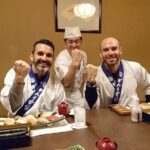
More tours in Tokyo we've reviewed





Tsukiji Market Tours, compared.
 ★ 5.0Tokyo Tsukiji Fish Market Food and Culture Walking TourFrom $99
 ★ 5.0Tokyo: Tsukiji Fish Market Food and Walking tourFrom $30
 ★ 4.9Tokyo: Tsukiji Fish Market Guided Walking TourFrom $222 hours
 ★ 5.0Tokyo Sushi Making Class in Tsukiji with Professional ChefFrom $49
 ★ 5.0Tsukiji Fish Market Guided Tour and Sushi Making with Pro ChefFrom $104
★ 4.7Tokyo: Tsukiji Fish Market Food and Culture Walking TourFrom $963 hours
★ 5.0Tsukiji Fish Market Guided Tour and Sushi Making with Pro ChefFrom $104
★ 4.7Tokyo: Tsukiji Fish Market Food and Culture Walking TourFrom $963 hours