Reviewed · TOKYO FOOD TOURS
Tokyo: Asakusa Night Waling & Food Tour
Asakusa changes character after sunset. Senso-ji glows under the night sky, lanterns line Nakamise, and the Sumida River opens views toward Tokyo Skytree. This three-hour walk pairs those sights with four included foods and two drinks, giving you a useful taste of old Tokyo without spending an entire evening at a restaurant.
In This Article
- Key points to know
- Why Asakusa Works So Well at Night
- Senso-ji Under Lantern Light
- Smaller Streets and Traditional Asakusa
- Yakitori, Seafood, and the Two Food Stops
- The Sumida River and Tokyo Skytree Views
- Is the $98 Price Fair?
- Guide Style and Group Experience
- Who Will Get the Most From This Walk?
- Practical Details Before You Reserve
- Should You Book the Asakusa Night Walking and Food Tour?
- FAQ
- How long is the Asakusa Night Walking and Food Tour?
- Where does the tour meet?
- Where does the tour end?
- What food and drinks are included?
- Is the tour available in English?
- Can the tour accommodate vegetarian, pescatarian, or halal diets?
I like the mix of temple history and local eating, and I like that the guide leads you beyond the main street into smaller lanes and traditional shops. The main consideration is dietary: vegetarian, pescatarian, and halal requests are not accommodated, so this tour suits omnivores best.
Key points to know
- Nighttime Senso-ji visit: See Tokyo’s oldest temple illuminated after dark, when the grounds are calmer and especially photogenic.
- Two food stops: Each stop includes two foods and one drink, with extra items available at your own cost.
- Sumida River views: Look toward Tokyo Skytree and the lit bridges from the riverside.
- English-speaking local guide: Guides such as Ken and Scott have helped with food choices, questions, and photos.
- Simple meeting point: Meet ten minutes early at the Starbucks Asakusa Kaminarimon branch, not another nearby Starbucks.
- Good cancellation terms: Cancel at least 24 hours ahead for a full refund, or reserve now and pay later.
Why Asakusa Works So Well at Night
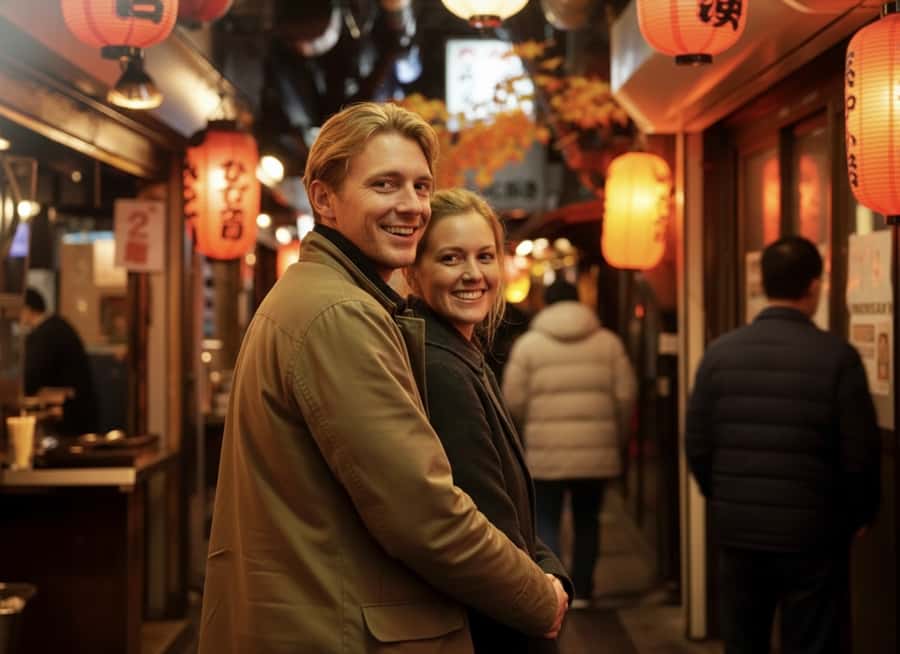
Asakusa is one of Tokyo’s best areas for seeing old and new Japan side by side. The district centers on Senso-ji, a major Buddhist temple, but it also has food stalls, small eateries, craft shops, lantern-lit arcades, and river views facing Tokyo Skytree.
After sunset, the visual mood changes. The temple buildings and gates take on a softer glow, while the crowds and daytime shopping energy ease. That makes a guided walk useful. You can focus on the details around you instead of trying to match names on a map with streets in the dark.
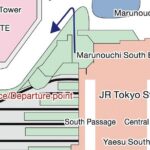
The tour begins near Kaminarimon, the large entrance gate associated with Senso-ji. You meet in front of the Starbucks at the Asakusa Kaminarimon branch. This detail matters because several Starbucks locations are close by. Arrive ten minutes before the start time and check the branch carefully.
The experience ends back at the same meeting point. Transportation is not included, so you need to arrange your own way to Asakusa and back afterward. Since the walk lasts three hours, wear shoes you can use comfortably on city streets.
A few more Tokyo tours and experiences worth a look
Senso-ji Under Lantern Light
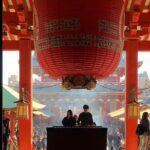
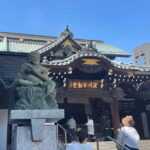
Senso-ji is the natural first stop. Founded in the seventh century, it is Tokyo’s oldest temple and one of the city’s most recognizable religious sites. The tour gives your guide time to explain its role and history while you move through the grounds.
The setting is especially appealing after dark. The temple is illuminated, and the contrast between the bright structures and the night sky makes photography easier in some ways than during the day. You also avoid the flat midday look that can make famous buildings feel less striking.
From the temple grounds, you move through Nakamise, the traditional shopping arcade leading toward Senso-ji. Its shopfronts and lanterns provide a clear sense of the area’s older commercial style. Depending on the time and the individual businesses, some shops may be closed, so treat the arcade as part of the evening scenery rather than a guaranteed shopping stop.
I would pay attention here to the guide’s explanations. A temple visit on your own can become a quick photo stop. With a local guide, you have a better chance of understanding why the buildings matter and how the area fits into Asakusa’s identity.
Smaller Streets and Traditional Asakusa
The walk then moves away from the best-known route and into narrow lanes. This is where the experience becomes more than a standard Senso-ji visit.
You might pass small shops, traditional craft businesses, and lesser-known landmarks. The exact route can vary, but the purpose is clear: to show you the everyday side of Asakusa and add local stories to the famous sights.
This portion also gives you a break from Tokyo’s large avenues and major attractions. You may notice older building fronts, small signs, and quiet corners that are easy to miss when you are rushing toward the temple or the river.
The guide’s role matters most here. Ken has been praised for pairing food and drink suggestions with conversation, while Scott has been praised for answering questions and explaining his choices. Those details suggest that the quality of the evening depends partly on the person leading your group, as it should with any food walk.
One past booking was a solo outing, which became a more personal experience with plenty of conversation and help taking photos. That does not guarantee a private tour, but it shows that the format can work well for a solo participant. If you are traveling alone, you may find the guide’s local advice and company as valuable as the sightseeing itself.
Yakitori, Seafood, and the Two Food Stops
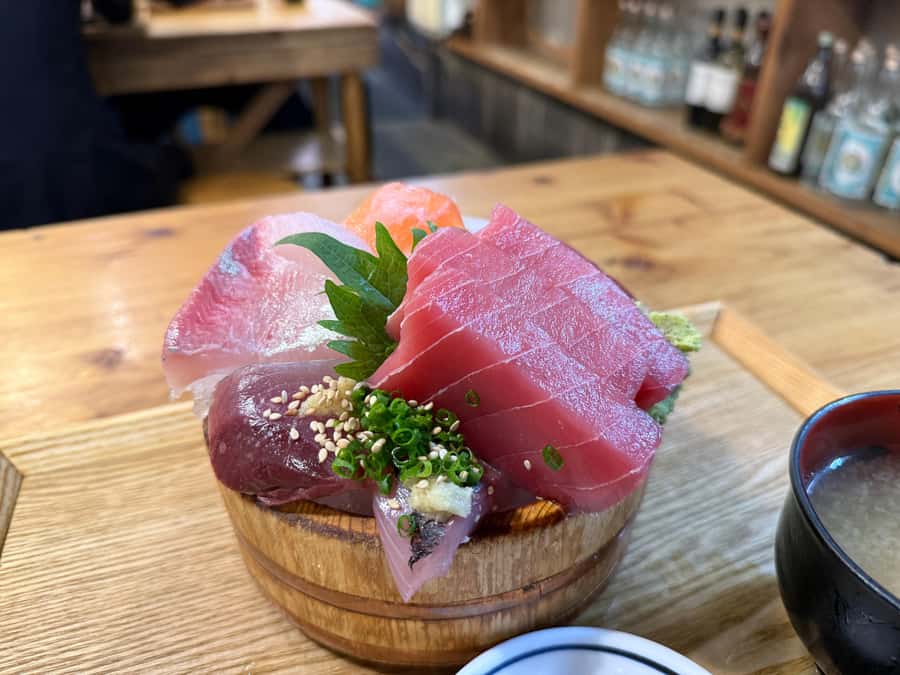
Food is not an afterthought here. The included plan provides two foods and one drink at the first stop, followed by two foods and one drink at the second stop. That means four food items and two drinks are covered in the $98 price.
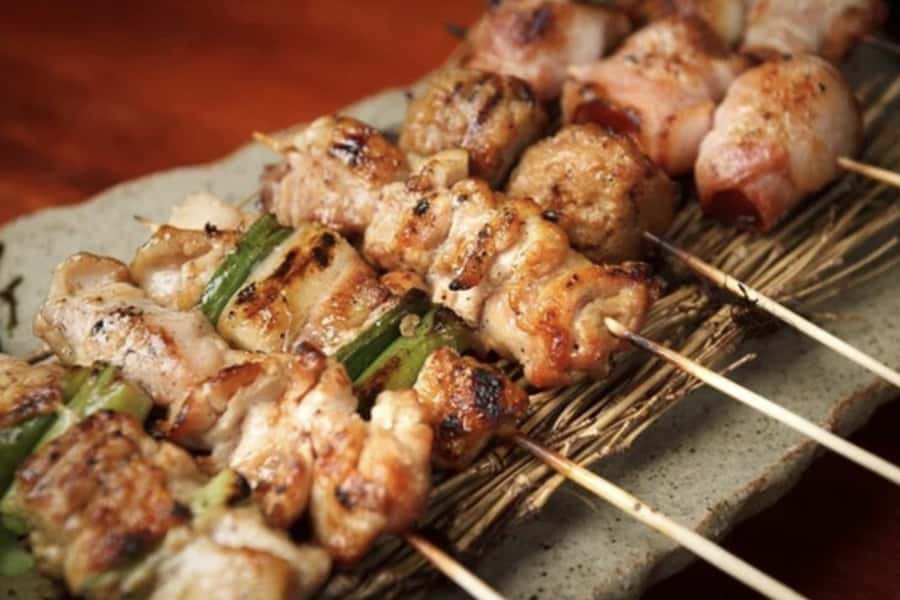
The menu is described as including yakitori, seafood, and other local dishes. Yakitori gives you a familiar introduction to Japanese street and casual dining culture: grilled food, served simply, with the flavor coming from the cooking and seasoning. Seafood adds a different taste and texture, though it also makes the dietary restriction especially important.
Your guide helps you decide what to order and how to pair food with drinks. Scott was specifically praised for suggesting dishes and drinks that matched well, while Ken was praised for food and drink pairing advice. This is one of the strongest reasons to book a guided food experience instead of simply eating at random.
The included food is enough to create a tasting evening, but it may not equal a full dinner for every person. Appetite varies, and extra foods and drinks are not included. If you usually eat a large dinner, budget for additional orders.
There is also an important point about how one solo booking handled payment. In that case, the participant ordered from the menu and split the bill with the guide, receiving the larger portion. That may have been specific to the circumstances, so ask how ordering and payment work at the time rather than assuming every group follows the same arrangement.
The tour does not accommodate vegetarian, pescatarian, or halal dietary needs. The information does not specify substitutions, so I would not book this as a flexible food tour if you avoid meat or seafood. You can still ask the provider before reserving, but the stated policy should be taken seriously.
The Sumida River and Tokyo Skytree Views
The riverside section gives the tour a change of pace. After temple grounds, shopping lanes, and food stops, the Sumida River offers open space and a broader view of the city.
From the river, you can see Tokyo Skytree and illuminated bridges. Reflections on the water can make this one of the best photo moments of the evening, especially if the weather is clear. The tour description presents this as a scenic stop, not a boat ride or a visit inside Skytree, so set your expectations accordingly.
I like this part because it connects Asakusa to modern Tokyo. Senso-ji represents the district’s religious and historic side, while Skytree shows the height and scale of the present-day city. You get both without leaving the neighborhood.
The riverside can also be a calmer stretch of the walk. If you have spent the day in crowded shopping districts, the open view and night air may be welcome. The experience still takes place outdoors, so dress for the evening conditions and be ready to walk for much of the three hours.
A few more Tokyo tours and experiences worth a look


Is the $98 Price Fair?
At $98 per person, this is not the cheapest way to eat in Asakusa. You could buy individual snacks and drinks for less, especially if you already know where to go.
The value comes from the combination. You receive a three-hour guided walk, local context at Senso-ji and in the surrounding lanes, two food stops, four included foods, and two drinks. You also get help choosing dishes, which can save you from ordering blindly when menus or customs feel unfamiliar.
For a first evening in Asakusa, that package can make sense. You are paying for guidance as well as food. The tour also covers several types of experience in one outing: temple scenery, neighborhood streets, local dining, and riverside views.
The value is weaker if you already know Asakusa well, speak Japanese comfortably, or prefer to choose every dish yourself. It is also less appealing if your main aim is a large dinner. In that case, a restaurant reservation may give you more food for the same money.
The high rating of 4.9 from 16 reviews supports the idea that the experience has been working well, but the sample is small. I would place the greatest weight on the specific praise for the guides, food suggestions, easy scheduling, and the sense of value reported by past participants.
Guide Style and Group Experience
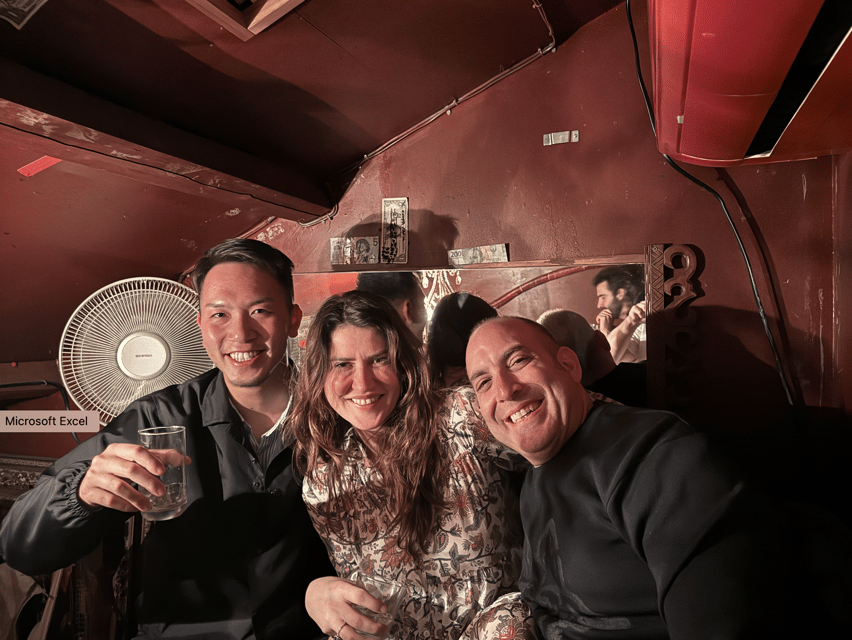
The tour is led in English by a local guide. The provider is Travel Japan Together. Specific past guides include Ken and Scott.
Ken’s strength appears to be a friendly, conversational approach. On one occasion, a solo participant spent much of the tour talking with him, received help with photographs, and benefited from his food and drink suggestions.
Scott was praised for being informative, answering many questions, and making the food choices easy. If you like to ask about local customs, ingredients, or neighborhood history, that sort of guide can add real value.
The group size is not stated, so do not assume this is always a private tour. A smaller group may allow more conversation and easier ordering, while a larger group can feel less personal. The food format should still give you a chance to try several items, but the guide’s attention will be shared when more people join.
The reviews also point to easy booking and scheduling. You can reserve now and pay later, which is useful when your Tokyo plans are still shifting. Free cancellation is available up to 24 hours before the start time.
Who Will Get the Most From This Walk?
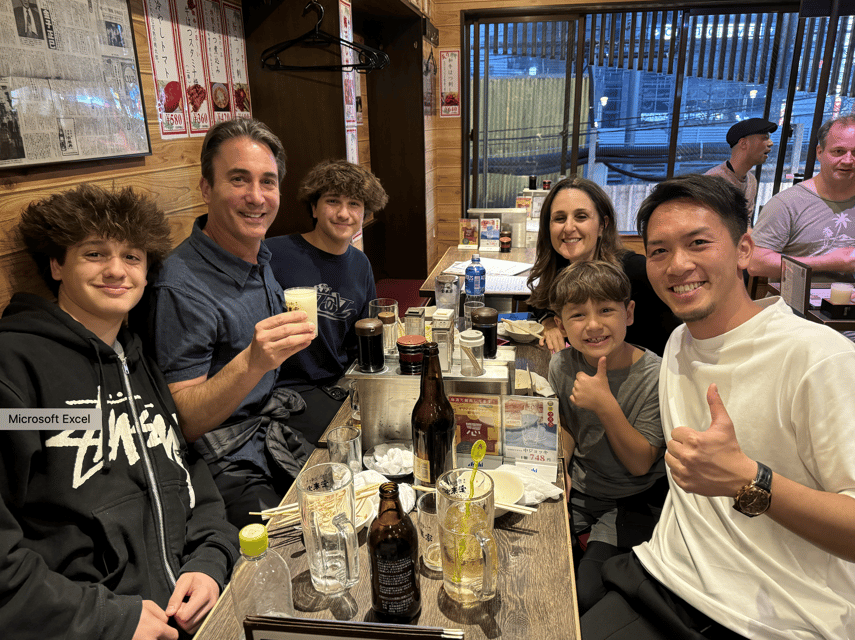
I would recommend this tour to a first-time Tokyo visitor who wants a gentle introduction to Asakusa after dark. It suits you especially well if you want someone else to explain the temple, guide you through the smaller streets, and help you order Japanese food.
It also fits solo participants. A friendly guide can make the evening feel less formal and can help with photos. Couples and small groups may appreciate the easy mix of sightseeing and eating, with enough structure to avoid spending half the night deciding where to go.
Food-curious omnivores are the best match. You should be open to yakitori, seafood, and other local dishes, and you should be comfortable paying for anything beyond the included portions.
This is not the right choice if you need vegetarian, pescatarian, or halal meals. It may also disappoint you if you want an extensive dinner, a long temple tour, or transportation between attractions. The experience is a walking and tasting tour, not a full restaurant crawl or a private sightseeing vehicle.
Practical Details Before You Reserve
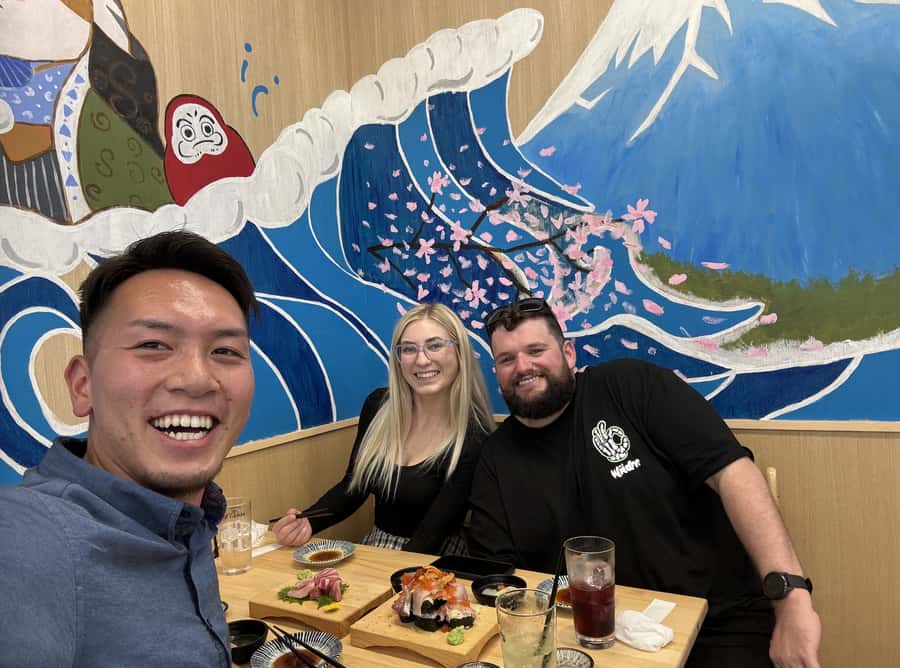
Meet at the Starbucks Asakusa Kaminarimon branch ten minutes before your scheduled start. Double-check the exact branch, since more than one Starbucks is nearby.
The tour lasts three hours, but the available starting times depend on the date. Check the schedule before booking, especially if you have a dinner reservation or evening train to catch.
The tour starts and ends at the same meeting point. Transportation is not included if you need it, and additional food and drinks cost extra. A gratuity is also not included.
The activity is offered in English. It includes a live guide rather than a self-guided route, so you should expect spoken explanations throughout the evening.
Should You Book the Asakusa Night Walking and Food Tour?
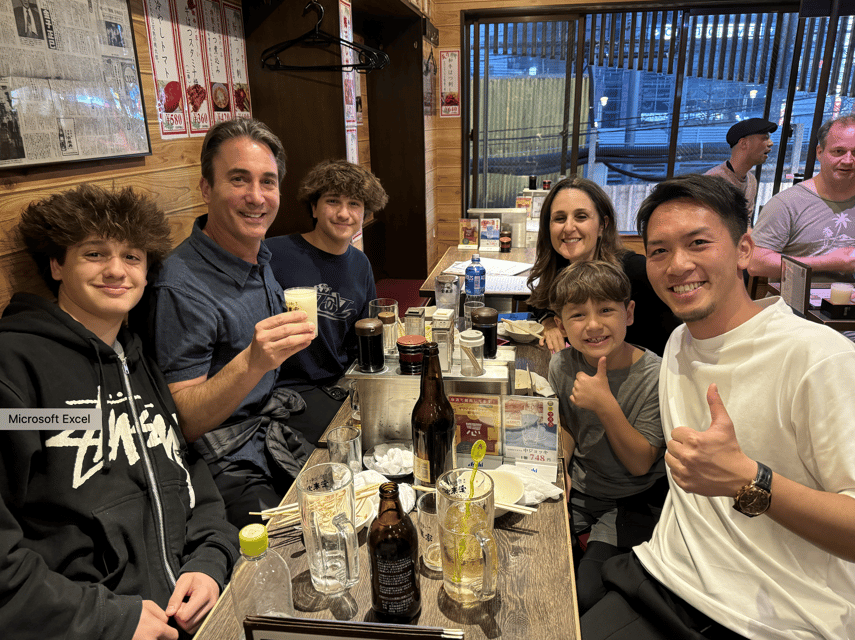
Book it if you want Senso-ji, local streets, river views, and guided food tasting in one evening. The strongest part is the balance. You do not spend all three hours eating, and you do not spend all three hours listening to temple facts. The route gives you a clear look at Asakusa from several angles.
At $98, the tour makes the most sense when you value local guidance and food advice. Ken and Scott have both been praised for making the evening personal, answering questions, and choosing dishes well.
Skip it if you need a meat-free or halal menu, want a large meal, or prefer to explore completely on your own. For everyone else, this is a practical first-night introduction to Asakusa, with enough food to keep the walk lively and enough sightseeing to make the price feel justified.
FAQ
How long is the Asakusa Night Walking and Food Tour?
The tour lasts three hours. Starting times vary, so check availability for your chosen date.
Where does the tour meet?
Meet in front of the Starbucks Asakusa Kaminarimon branch. Arrive ten minutes before the scheduled start time, and be careful not to go to a different nearby Starbucks.
Where does the tour end?
The activity ends back at the original meeting point.
What food and drinks are included?
You receive two foods and one drink at the first stop, then two foods and one drink at the second stop. Extra foods and drinks are not included.
Is the tour available in English?
Yes. The tour has a live English-speaking guide.
Can the tour accommodate vegetarian, pescatarian, or halal diets?
No. The tour does not accommodate vegetarian, pescatarian, or halal dietary requirements.
More Night Tours in Tokyo



More Tokyo Food Tours in Tokyo
More Asakusa Tours in Tokyo
More tours in Tokyo we've reviewed



Tokyo Food Tours, compared.
 ★ 5.0Tokyo: Shinjuku Food Tour (13 Dishes at 4 Local Eateries)From $86
 ★ 4.9Tokyo: Shinjuku Food Tour (13 Dishes and 4 Eateries)From $97
 ★ 5.0Tokyo Night Foodie Tour in Shinjuku – Seasonal Sushi, Wagyu BeefFrom $111
 ★ 5.0Eat and Drink Like a Local: Tokyo Ueno Food Tour-Taverns&RamenFrom $95
 ★ 5.0Tokyo: Shibuya Food Tour (13 dishes and 4 Eateries)From $77
Tokyo: Shinjuku Food Tour – 15 Dishes, 3 Drinks, 4 EateriesFrom $723 hours
★ 5.0Tokyo: Shibuya Food Tour (13 dishes and 4 Eateries)From $77
Tokyo: Shinjuku Food Tour – 15 Dishes, 3 Drinks, 4 EateriesFrom $723 hours