Reviewed · TOKYO FOOD TOURS
Retro Shibuya Food Tour
Shibuya’s famous crossing is only the opening act here. The real appeal comes after you leave the main crowds, following a local guide into back alleys, standing-only bars, old noodle shops, and a Japanese pub where you would have little chance of ordering confidently on your own. This is a food tour with a neighborhood story attached, not just a string of samples.
In This Article
- Key points at a glance
- Why this Shibuya food walk feels different
- Starting near Shibuya Station at 4 pm
- Hachiko and the Shibuya Crossing
- Center-gai, Don Quijote, and the city’s everyday side
- Local dishes, drinks, and the ramen stop
- What the guides add to the evening
- Nonbeiyokocho and Shibuya after dark
- Dietary needs and drink choices
- Is $221 a fair price?
- Who should book this experience?
- Final booking advice
- FAQ
- Where does the Retro Shibuya Food Tour start?
- What time does the tour begin?
- How long does the experience last?
- Where does the tour end?
- What food and drinks are included?
- Is ramen included?
- Can children join the tour?
- Can people with dietary restrictions join?
- Can I cancel for a refund?
I like the small maximum of 10 people, which keeps the walking group manageable in busy Shibuya. I also like the mix of three drinks, local and seasonal dishes, dessert, and an iconic ramen stop. The main drawback is the price: at $221 per person, you need to value the guide, introductions, and several included tastings rather than treat this as a cheap dinner.
Key points at a glance

- Three hours through back-street Shibuya: You move from Shibuya Station past Hachiko, the crossing, Center-gai, Nonbeiyokocho, and lesser-known food stops.
- Three included drinks: Beer, local sake, and other beverages may be served, with alcoholic and nonalcoholic choices included.
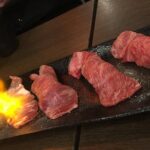
- Food beyond the main shopping streets: Expect local and seasonal dishes, an iconic ramen shop, an izakaya, and dessert.
- Showa-era context: Your English-speaking guide connects present-day Shibuya with its older neighborhood history.
- Small group format: The experience is capped at 10 people, though the walk still requires moderate physical fitness.
- Adult-only evening: You must be at least 20 years old, and a karaoke after-party is available.
Why this Shibuya food walk feels different
Shibuya is easy to reduce to one photograph: people crossing in every direction beneath giant screens. This experience gives you a wider picture. You still see the Hachiko Statue and Shibuya Crossing, but each receives only a few minutes. The food and neighborhood streets do the real work.
That balance matters. The landmarks help you get your bearings, while the back streets show how much of Shibuya sits outside the bright central strip. You may pass places that look too narrow, too plain, or too local to enter without help. That is exactly where a guide earns the fee.
The tour also uses food as a way into Japanese daily life. A standing bar tells you something about quick after-work drinking. A decades-old noodle shop offers a contrast to the polished restaurants around the station. An izakaya, or Japanese pub, adds a social side to the evening that you may miss if you only search for highly rated restaurants online.
The schedule begins at 4 pm, a useful time for an evening meal. You get daylight for the early landmarks, then a gradual shift toward the food and drink culture of the neighborhood. The precise restaurants and stops can change because of restaurant schedules, public holidays, weather, or other conditions, so you should think of the route as a guided style of experience rather than a fixed restaurant list.
A few more Tokyo tours and experiences worth a look


Starting near Shibuya Station at 4 pm

The meeting point is at Shibuya Station, at 2 Chome-24, Shibuya. Station areas in Tokyo can feel confusing, so arrive with enough time to find the correct exit and guide. Your mobile ticket is useful, but it does not replace checking the meeting instructions before you leave.
The first few minutes are used to gather the group and begin the walk. With a maximum of 10 people, introductions should be fairly quick, and the guide can keep an eye on the group as you move through crowded streets.
For solo participants, the operator asks you to email in advance. That is worth doing rather than assuming you can simply appear and join. It gives the tour team a chance to handle the booking properly.
Hachiko and the Shibuya Crossing
The Hachiko Statue is a brief stop, listed at about two minutes. That is not enough time for a long photo session, but it is enough for your guide to explain the local meaning of this famous meeting point and connect it to Japanese ideas about loyalty, public space, and everyday city life.
The same goes for Shibuya Crossing. You will not spend a long time standing at the intersection. Instead, the guide uses this landmark to explain how Shibuya developed and how the modern district relates to the Showa era, the period from 1926 to 1989.
I like this short treatment. If you have already seen photos of the crossing, you do not need a lecture beside it. A quick orientation followed by food is a better use of a three-hour evening. The only tradeoff is that anyone hoping for extended sightseeing at Hachiko, Shibuya Crossing, Shibuya 109, or Shibuya Mark City may find the pace brisk.
Center-gai, Don Quijote, and the city’s everyday side

The route continues through Shibuya Center-gai, one of the district’s best-known pedestrian areas. Here you are surrounded by shops, signs, restaurants, and the dense energy that makes Shibuya famous. The food tour does not remain on this main strip for long, though.
A stop near MEGA Don Quijote provides a look at one of the major places to buy Japanese souvenirs. The store is useful, but it is not the heart of the experience. Its role is practical: you get a quick look at a popular shopping stop while winding toward smaller streets and local drinking spots.
Shibuya 109 and Shibuya Mark City also appear along the route. These places help show the contrast between large commercial buildings and the older lanes tucked around them. The walk is strongest when it uses those contrasts to explain the neighborhood, rather than treating each shopping center as a sightseeing stop in its own right.
You should expect city walking, crossings, stairs or uneven passages where applicable, and time on your feet. The tour calls for moderate physical fitness. Comfortable shoes are more important than dressing up, even though the evening ends in drinking and dining places.
Local dishes, drinks, and the ramen stop

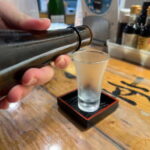
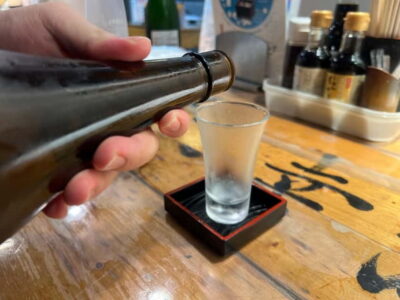
The food portion includes local and seasonal dishes, three complimentary drinks, and dessert. The drinks may include beer, local sake, or other beverages. Because the tour is for adults age 20 and older, alcohol is part of the experience, but you should not assume every serving will be alcoholic or that extra drinks are included.
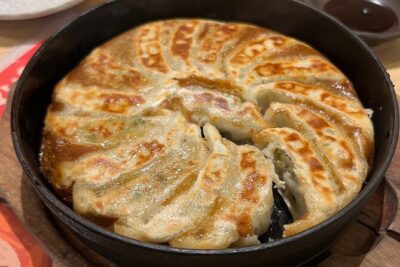
The food is presented as a range of tastings rather than one large meal at a single restaurant. That lets you compare different settings and flavors across the neighborhood. It also means portion sizes may vary, so arrive ready to sample rather than expecting a full restaurant dinner at every stop.
An iconic ramen shop is one of the key food highlights. Ramen is familiar to many people before they arrive in Japan, but a guide can make the experience easier by explaining how the shop fits into the local food scene and how to approach the meal. Since restaurant schedules can change, the exact ramen venue is not guaranteed.
You also visit an izakaya, a Japanese pub. This is one of the most useful parts of the route for first-time visitors. Izakaya dining can involve shared dishes, quick ordering, and a menu that may not be obvious if you cannot read Japanese. Having an English-speaking guide there makes the setting less intimidating and helps you focus on the food and social atmosphere.
The tour description also points to standing-only bars and decades-old noodle shops. These are not polished sightseeing venues, and that is their strength. You get a glimpse of ordinary eating and drinking places that are easy to miss when you stay near the station’s largest signs.
A few more Tokyo tours and experiences worth a look



What the guides add to the evening

The guide is central to the value. Without the guide, you could walk through Center-gai, visit Don Quijote, and search for ramen on your own. What you would miss is the connection between the landmarks, the older streets, and the places selected for the tastings.
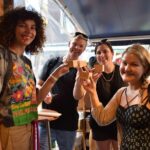
The available guide team may include Josh, Jacob, or Sharon. Josh and Jacob are noted for bringing in plenty of historical facts while leading people to good local food. Sharon is described as accommodating and strong at sharing Shibuya background while keeping the meal enjoyable.
Those details suggest the guiding style is friendly and flexible, but the exact person depends on the date. You should book this for the local explanation as much as for the dishes. If you only want to eat as much as possible for the lowest price, a self-guided food crawl will cost less.
The small group limit helps here. A group of up to 10 can fit into tighter food venues more easily than a large coach group, and you have a better chance of asking questions. Still, Shibuya is a busy place. Do not expect a quiet stroll or a private dining experience.
Nonbeiyokocho and Shibuya after dark

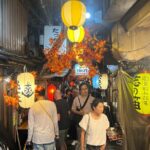
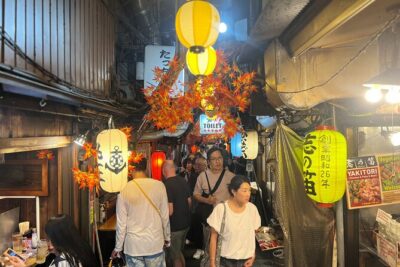
Nonbeiyokocho is one of the route’s more atmospheric areas. Its compact drinking lanes offer a sharp contrast to the giant department stores and neon-heavy avenues nearby. This is where the experience most clearly moves from landmark Shibuya to local drinking culture.
The route may take you through several back streets and smaller venues before ending in the wider Shibuya area. The exact order can shift, but the purpose remains the same: show you places that are hard to find alone and explain how they fit into the district.
The evening timing works well for this part of the tour. Starting at 4 pm gives you time to see the commercial center before the food and drink stops become the focus. You should keep your schedule open after the finish, though. The tour offers a karaoke after-party, but that is an optional addition rather than part of the core three-hour experience.
Dietary needs and drink choices

Vegetarian, pescetarian, and gluten-free diets are supported. You should state your needs when booking and confirm them with the guide at the start. Menus and restaurant substitutions can change, so dietary planning is important.
The tour is not recommended for vegans. That is a meaningful limitation, not a minor footnote, because several stops center on dishes and drinks selected for the group. If you follow a vegan diet, this is not the right food experience.
Alcohol is included, but additional food and drinks are not. You will receive three complimentary beverages, yet anything beyond that comes at your own cost. If you do not drink alcohol, ask about the available alternatives rather than assuming every stop offers a full nonalcoholic selection.
Is $221 a fair price?
At $221 per person, this is a costly food walk. The price makes the most sense if you place a high value on access, translation, local context, and the convenience of having several stops arranged for you.
You are paying for about three hours, an English-speaking guide, local food tastings, dessert, and three drinks. You also avoid the uncertainty of choosing unfamiliar bars and noodle shops on your own. For a first evening in Shibuya, that structure can save time and prevent a few ordering mistakes.
Still, the included food is served as tastings, not described as a large banquet. You may want another meal later, especially if you have a big appetite. The price is harder to justify for repeat Tokyo visitors who already know Shibuya’s food streets or prefer to choose every restaurant independently.
The 97 percent recommendation rate and 4.9 rating from 33 ratings point to a consistently well-received experience, with guide quality receiving especially strong attention. I would read that as a reason to book for the storytelling and personal help, not as a guarantee that every restaurant or guide will be identical.
Who should book this experience?
I would recommend it to first-time Tokyo visitors who want Shibuya explained rather than simply photographed. It also suits people who enjoy trying several small dishes, like an evening drink, and do not want to spend their first night guessing which narrow doorway to enter.
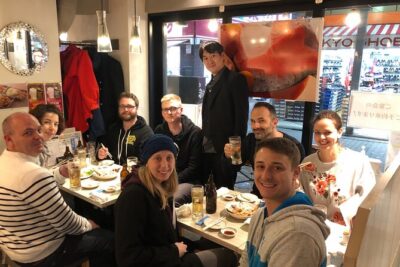
It is a good match for couples, friends, and solo participants who enjoy social food stops. The small group size keeps it more personal than a large city tour, while the varied route prevents the evening from feeling like one long restaurant sitting.
It is less suitable if you want a slow sightseeing walk, a full meal at one restaurant, a vegan menu, or a low-cost introduction to Japanese food. It is also a poor fit if you dislike walking, crowded city streets, or alcohol-centered venues.
The tour requires good weather and may be canceled if the minimum group size is not reached. If that happens, you are offered another date, another experience, or a full refund. You can cancel for a full refund up to 24 hours before the 4 pm start time. Later cancellations and changes are not accepted.
Final booking advice
Book this tour if you want Shibuya’s food culture with a guide at your side, especially on your first Tokyo visit. The best parts are the back streets, the old noodle and drinking places, the Showa-era context, and the help you receive inside an izakaya or standing bar.
Skip it if $221 feels too high for tastings, if you are vegan, or if you already know the area well. For everyone else, the combination of three drinks, local dishes, dessert, ramen, and a small English-speaking group gives the evening a clear purpose: see the famous Shibuya, then eat where the district feels less staged.
FAQ
Where does the Retro Shibuya Food Tour start?
The tour starts at Shibuya Station, at 2 Chome-24, Shibuya, Tokyo 150-0002, Japan.
What time does the tour begin?
The start time is 4:00 pm.
How long does the experience last?
The walking food tour lasts approximately three hours.
Where does the tour end?
It ends at Tokyu Department Store, at 2-chōme-24-1 Dōgenzaka, Shibuya, Tokyo 150-8019. The end point is at the basement level under the station.
What food and drinks are included?
The experience includes local food tastings, dessert, and three complimentary drinks. Drinks may include beer, local sake, and other beverages.
Is ramen included?
The tour includes a visit to an iconic ramen shop as part of its food stops. The exact restaurant may change because of schedules and other conditions.
Can children join the tour?
No. Participants must be at least 20 years old.
Can people with dietary restrictions join?
Vegetarian, pescetarian, and gluten-free diets are supported. The tour is not recommended for vegans.
Can I cancel for a refund?
Yes. You can receive a full refund if you cancel at least 24 hours before the local start time. Cancellations or changes made less than 24 hours before the tour are not accepted.
More Food Experiences in Tokyo
More Tokyo Food Tours in Tokyo
More Shibuya Tours in Tokyo
More tours in Tokyo we've reviewed












Tokyo Food Tours, compared.
 ★ 5.0Tokyo: Shinjuku Food Tour (13 Dishes at 4 Local Eateries)From $86
 ★ 4.9Tokyo: Shinjuku Food Tour (13 Dishes and 4 Eateries)From $97
 ★ 5.0Tokyo Night Foodie Tour in Shinjuku – Seasonal Sushi, Wagyu BeefFrom $111
 ★ 5.0Eat and Drink Like a Local: Tokyo Ueno Food Tour-Taverns&RamenFrom $95
 ★ 5.0Tokyo: Shibuya Food Tour (13 dishes and 4 Eateries)From $77
Tokyo: Shinjuku Food Tour – 15 Dishes, 3 Drinks, 4 EateriesFrom $723 hours
★ 5.0Tokyo: Shibuya Food Tour (13 dishes and 4 Eateries)From $77
Tokyo: Shinjuku Food Tour – 15 Dishes, 3 Drinks, 4 EateriesFrom $723 hours