Reviewed · SUSHI MAKING CLASSES
Tokyo: Sushi Making Class
Tokyo sushi is not just a meal to admire from behind a restaurant counter. In this three-hour Cooking Sun class, you handle the rice, shape nigiri, fill sweet tofu pouches, roll maki, and sit down to eat what you made. The lesson also covers tamagoyaki and miso soup, so you leave with more than a few clever rolling tricks.
In This Article
- Key points to know before booking
- A local Shinjuku setting, not a restaurant show
- The first lesson is about flavor, not rolling
- Tamagoyaki teaches patience and control
- Sushi rice is the real skill to take home
- Four sushi styles keep the afternoon moving
- A full meal at the end changes the value
- English instruction is practical and patient
- Dietary needs should be discussed before arrival
- Who will enjoy this class most
- Booking details worth handling early
- Should you book the Cooking Sun sushi class?
- FAQ
- How long does the sushi-making class last?
- What kinds of sushi will I make?
- Does the class teach how to cut raw fish?
- Is the class taught in English?
- Are ingredients and cooking equipment included?
- Can the class accommodate dietary restrictions?
- Where is the Cooking Sun studio?
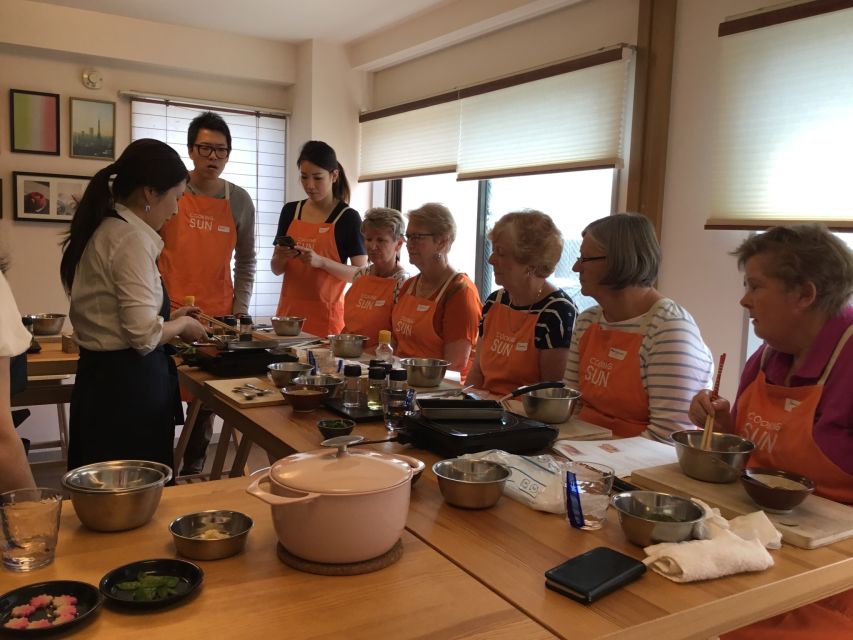
I like the small maximum of nine people, which gives instructors time to help without turning the class into a crowded demonstration. I also like the friendly cultural side: you learn about dashi, seasonings, Japanese cooking customs, and the language around the food. The main consideration is that fish arrives pre-sliced, so this is a sushi-making class, not a lesson in cutting raw fish.
Key points to know before booking
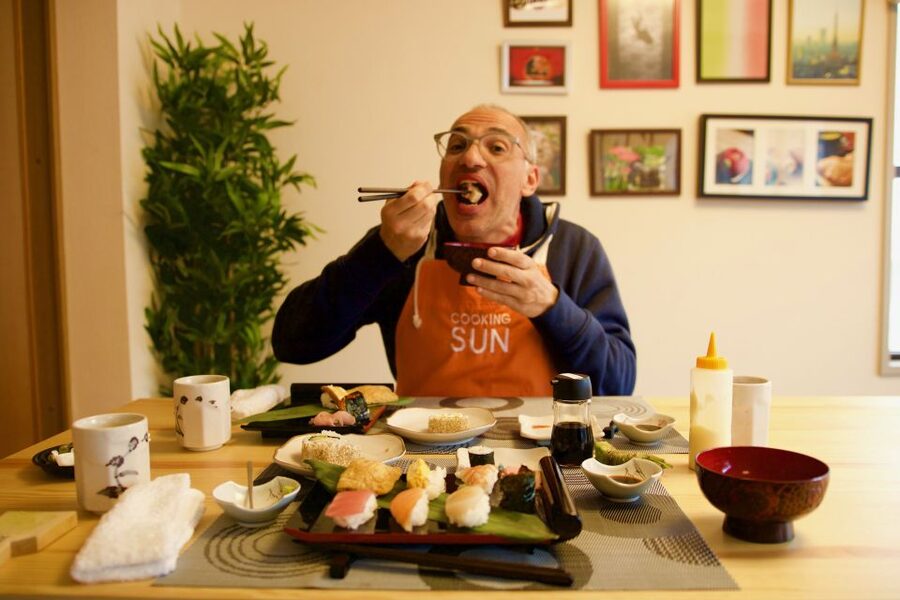
- You make four sushi styles: nigiri, inari, hosomaki, and California rolls.
- The meal is substantial: sushi, miso soup, tamagoyaki, wasabi, and pickled ginger are part of the sit-down meal.
- English instruction is built in: explanations cover ingredients, techniques, culture, history, and some Japanese language.
- Dietary substitutions are available: tell Cooking Sun about allergies, celiac disease, gluten-free needs, vegetarian preferences, or religious restrictions when booking.
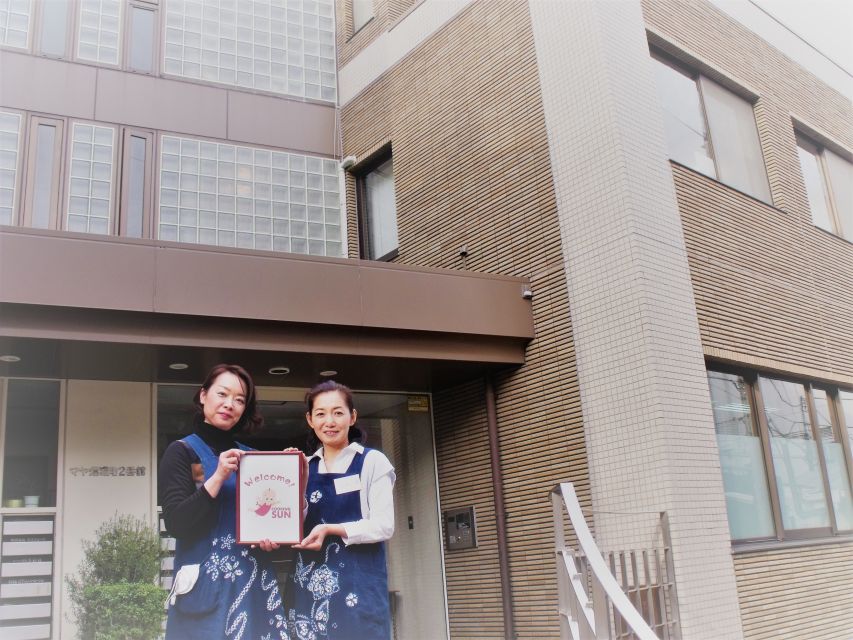
- The studio takes some finding: it is on the second floor of a beige residential building in Shinjuku, with the right-side entrance and intercom number 314.
- You receive recipes: the take-home cards make it possible to repeat the dishes after returning home.
A local Shinjuku setting, not a restaurant show
Cooking Sun’s studio is in Shinanomachi, in Shinjuku-ku, a residential part of Tokyo. That setting matters. You are not sitting in a polished tourist restaurant watching a chef work at a distance. You are entering a small cooking space where the lesson feels closer to an afternoon with local teachers.
The address is Shinanomachi 18-39. With Wi-Fi, search Google Maps for Cooking Sun Tokyo. The building can be easy to miss, so prepare the directions before leaving your hotel. Look for a beige residential building, go to the second floor, and use the right-side door. The intercom number is 314.
If you arrive by a privately arranged vehicle, ask the driver to use a nearby coin-operated parking lot rather than waiting outside. This is a quiet neighborhood, and stopping in front of the building can inconvenience residents.
That slightly awkward arrival is the one practical nuisance here. Once inside, the class is described as calm, tidy, and well organized. Some sessions have included three facilitators, while others have been led by two instructors. The teaching team may vary, but the format stays personal because the group is capped at nine.
A few more Tokyo tours and experiences worth a look
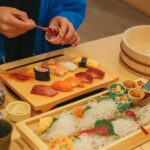
The first lesson is about flavor, not rolling
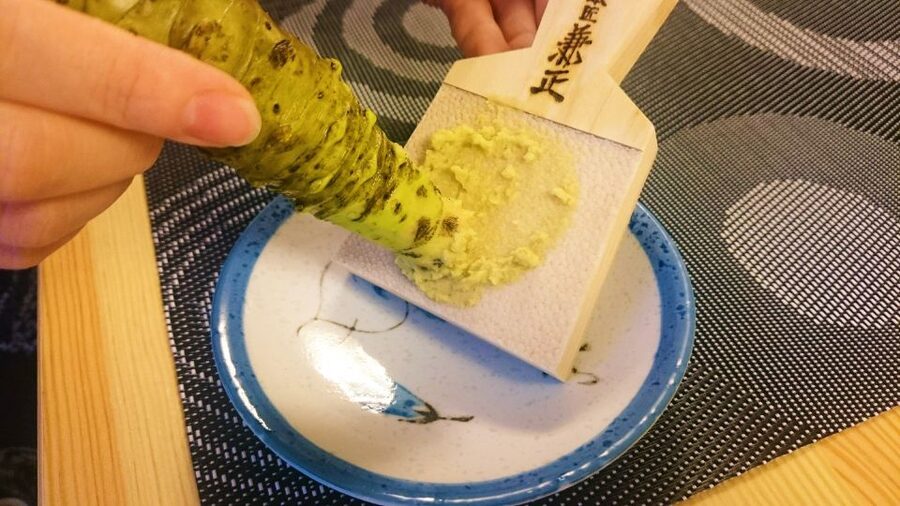
The class begins with an introduction to Japanese ingredients. This is useful because sushi often looks simple, but the flavor depends on small details. You learn about dashi, traditional seasonings, miso, and the basic balance that gives Japanese food its clean, savory taste.
The miso soup lesson adds welcome context. Instead of treating soup as an afterthought, the class shows how it fits into a Japanese meal. You will prepare the soup to enjoy with your sushi, and the recipe gives you something practical to repeat at home.
This opening also gives the instructors room to explain cooking traditions, ingredient names, and bits of Japanese language. Several sessions have been praised for blending food instruction with cultural and historical information without making the afternoon feel like a lecture.
I find this approach more useful than a class that rushes straight to rolling. If you understand why rice, dashi, miso, and seasonings are used, the finished plate makes more sense. You also gain a better chance of reproducing the meal later.
Tamagoyaki teaches patience and control
Next comes tamagoyaki, the fluffy Japanese rolled egg. It is a small but worthwhile part of the schedule because it teaches a different kind of kitchen technique from sushi.
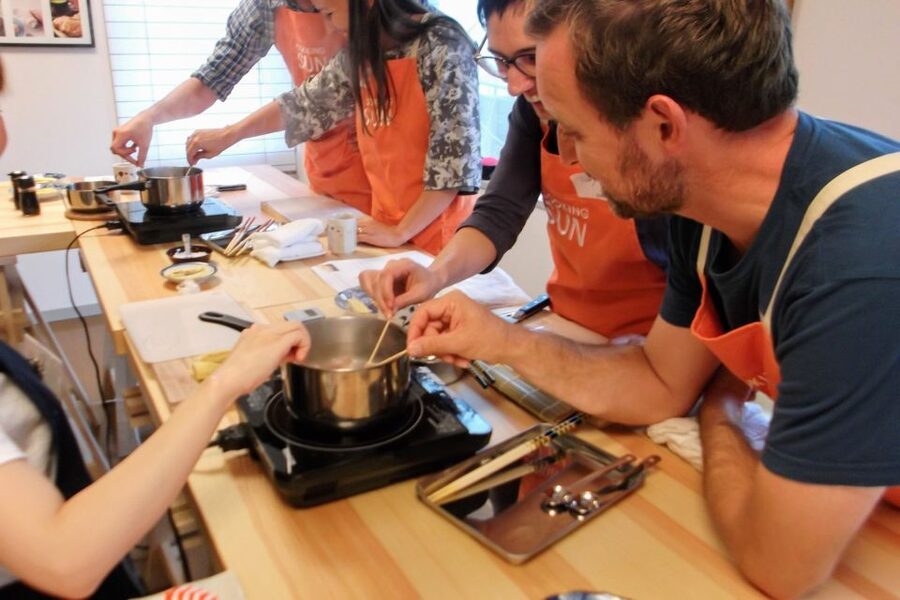
The instructor demonstrates each step, then lets you try. You work toward a neat layered omelet rather than simply scrambling eggs. The process rewards steady hands and attention, and it gives you an early success before the sushi assembly begins.
This is also a good point for beginners to settle in. The class is designed for people with no prior experience, and instructions are broken into manageable steps. If you cook often, you may already know your way around a kitchen, but the Japanese omelet still offers a technique you may not have used before.
The lesson is not only for adults who cook regularly. Families have brought children, including a seven-year-old sushi fan and a toddler, with instructors providing extra patience and help. Since the class uses utensils and food preparation, parents should still stay involved, but the teaching style is meant to be welcoming rather than intimidating.
Sushi rice is the real skill to take home
Rice is the foundation of the class. The instructors show you how to prepare sushi rice properly before you shape anything. That may sound basic, but it is the difference between sushi that holds together and rice that falls apart in your hands.
You learn the process step by step, including how the rice should feel and how it is prepared for use with different sushi forms. This is one of the strongest reasons to choose a class instead of simply following a quick online recipe. Rolling technique is easy to copy once, but good rice requires attention to texture and seasoning.
The class then prepares toppings such as shrimp and other ingredients for the sushi. Fish is pre-sliced. That keeps the focus on rice, assembly, shaping, and presentation, but you should know the limit before booking. If your main goal is to learn how to select, fillet, or slice raw fish, this is not the right course.
For most first-time sushi makers, the pre-sliced fish is sensible. It avoids adding a separate knife-skills lesson and leaves enough time for several sushi styles. It also makes the class more approachable for families and people who are cautious about handling raw fish.
Four sushi styles keep the afternoon moving
The central cooking session covers four types of sushi. Each one calls for a different hand movement, so the variety keeps the lesson active.
Nigiri is hand-pressed sushi. You learn to form a small piece of rice and pair it with a topping. This looks easy when a professional does it, but the size and pressure take practice. The instructor’s demonstration helps you understand how much rice to use and how firmly to shape it.
Inari uses a sweet tofu pouch filled with sushi rice. It is less demanding than a tight roll, but it adds a different flavor and shape to the final plate. It is also a useful reminder that sushi is not limited to raw fish.
Hosomaki, or thin roll, introduces the rolling technique. You work with a smaller roll and learn how to distribute filling, position the ingredients, and close the nori. This is the point where many beginners discover that neat sushi depends on preparation more than brute force.
California rolls provide a familiar style with a more generous filling and a different look. Making both thin rolls and California rolls lets you compare how size, filling, and assembly change the result.
The instructors demonstrate before you try, then circulate to help. This rhythm is important. A class made up only of demonstrations would leave you hungry for practice, while a lesson that gives no demonstrations would have you guessing. Here, you watch, copy, receive corrections, and make the next piece with a better sense of control.
Once the basics are in place, you can try your own ideas with local ingredients. The creative element is modest but welcome. You are not left to invent the entire menu from scratch, yet you get room to move beyond copying a single model.
A few more Tokyo tours and experiences worth a look
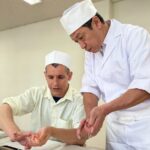


A full meal at the end changes the value
The class finishes at the table with the sushi you made, along with miso soup. Fresh wasabi and pickled ginger are served on the side. The amount of food appears generous, and several sessions have produced enough for a very filling meal, so plan to arrive hungry.
This shared meal is more than a reward for surviving the rolling mat. It lets you inspect the results while the techniques are still fresh. You can see which rolls held together, which pieces used too much rice, and how the different styles compare in texture and flavor.
The meal also gives the afternoon a satisfying shape. You start with ingredients and background, move through preparation and practice, and finish by eating the work of your own hands. I value that sense of completion, especially at $67 per person.
Tokyo offers cheaper food activities, but the price here buys three hours, a small group, ingredients, utensils, towel and apron rental, instruction in several dishes, the meal, and recipes to take home. It is not a bargain-basement class, but it is a fair price for a hands-on activity that replaces a restaurant meal and gives you a skill to repeat.
Tea or sake is not listed as part of the experience. If you are expecting a drink with the meal, adjust your expectations. The focus is cooking and eating the prepared food.
English instruction is practical and patient
English is the stated teaching language. The class is structured for clear demonstrations and step-by-step guidance, not for advanced cooks who want a rapid professional seminar.
The teaching team has included instructors named Mika, Miki, Yuko, Aya, Koyotama, and Yuki in different sessions, but your instructors may be different. The consistent strength is the teaching style: friendly, organized, encouraging, and willing to offer help at each stage.
That matters when the rice sticks to your hands or your first roll comes out loose. The class is set up so you should not feel stranded after the demonstration. Instructors have also been praised for punctual starts, tidy work areas, hand-washing breaks, and keeping tools ready.
People who already make sushi at home can still get something from the session. The rice preparation, traditional ingredients, tamagoyaki, and cultural explanations add substance beyond a simple roll-and-eat activity. At the same time, first-time cooks receive enough direction to make attractive, edible sushi.
Dietary needs should be discussed before arrival
Cooking Sun can substitute ingredients for food allergies, gluten-free diets, celiac disease, religious dietary restrictions, vegetarian preferences, and other dietary needs. You must give those details when making the booking.
That advance notice is important. Do not wait until the class begins and assume every ingredient can be changed on the spot. Clear information lets the instructors prepare suitable substitutions and explain what has been altered.
Past sessions have included careful attention to gluten-free and allergy requirements, including clear explanations of substitutions. Still, food safety depends on accurate information from you and proper preparation by the provider, so list every relevant restriction in detail.
Who will enjoy this class most
This is a strong choice for a first visit to Tokyo, especially if you want an activity that connects food with everyday Japanese culture. It works well on a rainy afternoon, and it gives you a break from temples, department stores, and long train rides.
Families should consider it. Children can take part with parental supervision, and the patient teaching style makes it less stressful than a fast-paced professional kitchen. Couples, friends, and solo participants can also fit in comfortably because the group is small and social.
I would recommend it to you if you:
- Want to learn several sushi styles rather than only one roll
- Prefer hands-on instruction to a food tasting
- Need English-language teaching
- Value cultural explanations along with recipes
- Want a filling meal included
- Have enough time for a three-hour afternoon activity
I would look elsewhere if your priority is fish butchery, advanced knife work, professional sushi training, or a formal sake pairing. The class uses pre-sliced fish and concentrates on making sushi, preparing rice, and understanding the meal.
Booking details worth handling early
The advertised price is $67 per person, and the duration is three hours. Starting times depend on availability, so check the schedule before building the class into a tight Tokyo day.
Free cancellation is available up to 24 hours in advance for a full refund. You can also reserve and pay later, which helps if your schedule is still shifting.
There is no hotel pickup or transportation. Plan your own route to Shinanomachi and allow extra time to find the residential building. I would not cut it close, since the studio entrance is the one part of the experience that demands preparation.
Should you book the Cooking Sun sushi class?
I would book this class if you want a friendly, useful Tokyo experience rather than another meal at a restaurant. The combination of rice instruction, four sushi styles, tamagoyaki, miso soup, cultural background, and a generous final meal gives the $67 price real value.
The choice is especially easy for families, beginners, and anyone with food allergies who wants a class prepared to make substitutions. Just remember that the fish is pre-sliced, the studio can take effort to locate, and tea or sake is not included.
Bring an appetite, read the directions before leaving, and tell the provider about dietary needs at booking. You should leave with a full stomach, a stack of recipes, and enough confidence to try sushi again at home.
FAQ
How long does the sushi-making class last?
The class lasts three hours. Starting times vary, so check availability when booking.
What kinds of sushi will I make?
You will learn to make nigiri, inari, hosomaki, and California rolls.
Does the class teach how to cut raw fish?
No. The fish is pre-sliced, and the class does not include instruction in cutting raw fish.
Is the class taught in English?
Yes. The listed instruction language is English.
Are ingredients and cooking equipment included?
Yes. Ingredients and utensils are included, along with towel and apron rental.
Can the class accommodate dietary restrictions?
Yes. Ingredient substitutions can be arranged for allergies, gluten-free diets, celiac disease, religious dietary restrictions, vegetarian preferences, and other needs. State your requirements when booking.
Where is the Cooking Sun studio?
The studio is at Shinanomachi 18-39, Shinjuku-ku, Tokyo, on the second floor of a beige residential building. Use the right-side entrance and press 314 on the intercom.
More Workshops & Classes in Tokyo
More Sushi Making Classes in Tokyo
More tours in Tokyo we've reviewed












Sushi Making Classes, compared.
 ★ 5.0Sushi Making Tokyo Roll and Authentic Japanese Sushi ClassFrom $59
 ★ 4.9Tokyo: Roll and Authentic Sushi Making Class in AsakusaFrom $581h 40m
 ★ 4.9Tokyo: Sushi Making Class in a Happi Coat near a Famous SpotFrom $421h 30m
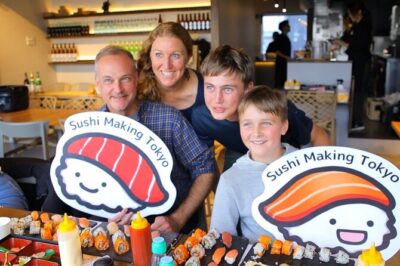 ★ 5.0Sushi Making Tokyo! Popular Maki Sushi & Japanese Sushi(+Recipe!)From $63
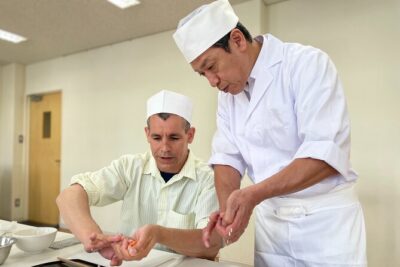 ★ 5.0Tokyo Sushi Making Class in Tsukiji with Professional ChefFrom $49
 ★ 5.0Tokyo Night Foodie Tour in Shinjuku – Seasonal Sushi, Wagyu BeefFrom $111