Reviewed · ASAKUSA TOURS
Guided Tour of Walking and Photography in Asakusa in kimono
Asakusa becomes a photo set when you wear a kimono through its old temple streets. This four-hour walk takes you from the kimono shop to Kaminarimon Gate, Senso-ji Temple, Nakamise Shopping Street, and Sumida River Terrace, with a guide who knows where the outfit fits the scenery best.
In This Article
- Key points to know
- Why a kimono makes Asakusa feel different
- Starting at Asakusa Station and the kimono shop
- Kaminarimon Gate gives you the classic first picture
- Nakamise Shopping Street adds movement and color
- Senso-ji combines prayer, a pagoda, and a Tokyo landmark
- Sumida River Terrace brings the Skytree into the frame
- What the guide adds beyond directions
- Comfort, costs, and practical limits
- Who should book this Asakusa walk
- Should you book this kimono experience?
- FAQ
- Where does the tour meet?
- How long does the activity last?
- Which languages are available?
- What sights are included?
- Is the kimono included in the price?
- Does the guide take photographs?
- Can I keep the kimono after the tour?
I like two things here: the guide helps you choose and adjust the kimono, then takes photos and videos with your own camera; and the small group, limited to seven people, gives the walk a more personal feel. Guide Emiko has also helped families with young children, restaurant suggestions, cultural questions, and souvenir shopping.
The main caution is timing. Kimono selection and dressing take about an hour, and a missed or late arrival is not refundable. The standard fee covers the kimono, but hairstyle upgrades and other options cost extra.
Key points to know
- One hour is set aside for dressing: Choose a kimono, hairstyle, and fit with cultural advice from the guide.
- Your guide takes your pictures: Bring the camera or phone you want to use, and expect help with photo locations and posing.
- The route links Asakusa’s classic sights: You visit Kaminarimon, Nakamise, Senso-ji, and the Sumida River Terrace.
- The Skytree and temple can share one frame: The river area offers views with Tokyo Skytree and, in season, cherry blossoms.
- Small groups keep the walk manageable: The tour accepts up to seven participants and is offered in English, Chinese, or Japanese.
- A next-day return option changes the value: If selected, you can keep the kimono after the tour and continue sightseeing.
Why a kimono makes Asakusa feel different
Asakusa is one of the easiest places in Tokyo to connect a traditional outfit with a traditional setting. The old temple approach, red gate, souvenir stalls, pagoda, and river views give you a series of backdrops instead of one quick photo stop.
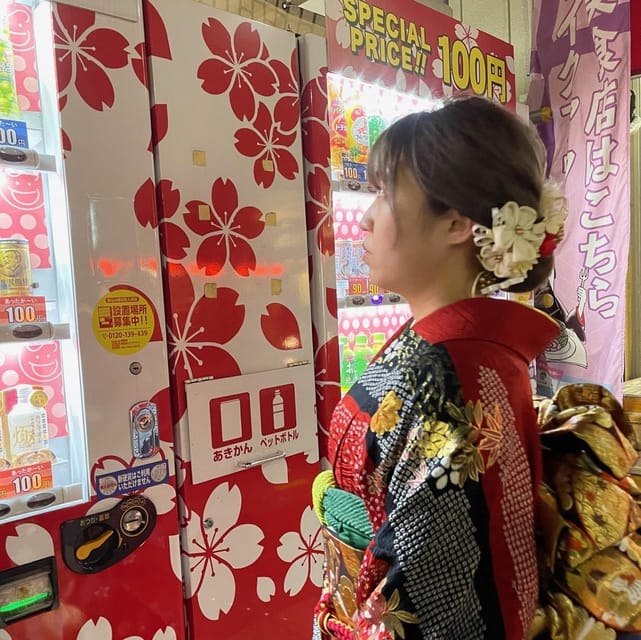
You are not simply renting clothes and wandering off. The guide helps you choose a kimono, select a hairstyle, and have the outfit adjusted. That matters because the fit and styling affect both comfort and photographs. You also receive advice from someone familiar with Japanese customs, rather than having to guess what works.
The dressing appointment takes roughly one hour. For a four-hour activity, that is a substantial share of the time, but it is also the part that makes this more than a standard Asakusa walking tour. If you want a fast temple visit, this will feel slow. If you want a cultural activity with a visual record of the day, the time is well used.
The available experience is designed for both women and men. The presentation describes the result as cute and beautiful for women and more masculine for men, but the practical point is simpler: you choose from the available styles, then the shop adjusts the outfit to you.
A few more Tokyo tours and experiences worth a look
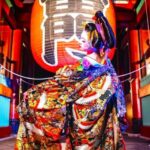


Starting at Asakusa Station and the kimono shop
Meet at Ginza Line Asakusa Station, Exit 1. Look for the guide holding the company sign with the LightSpeedStar logo, which is orange. This detail is worth noting because Asakusa Station has several exits and nearby railway lines. Give yourself enough time to reach the correct gate.
From the station, the group walks about five minutes to the kimono shop, shown in the route information as 東洋. The guide assists with the selection and fitting. Hair styling is available, and the shop offers extra choices for an additional fee. Those extras are optional, so you can keep the price closer to the advertised $116 per person if the standard arrangement suits you.
The advertised price includes the kimono’s fixed standard fee, an English-speaking guide, and guidance from a qualified domestic travel itinerary managing supervisor. It does not include option fees, food, drinks, transportation, entrance costs, or personal purchases.
At $116, the value depends on what you want from the morning or afternoon. It is not cheap for a four-hour walk, especially if you add styling charges. But you are paying for the kimono rental, fitting time, a guide, cultural help, route planning, and personal photographs. A standard sightseeing tour would not normally include the outfit and photo assistance.
Kaminarimon Gate gives you the classic first picture
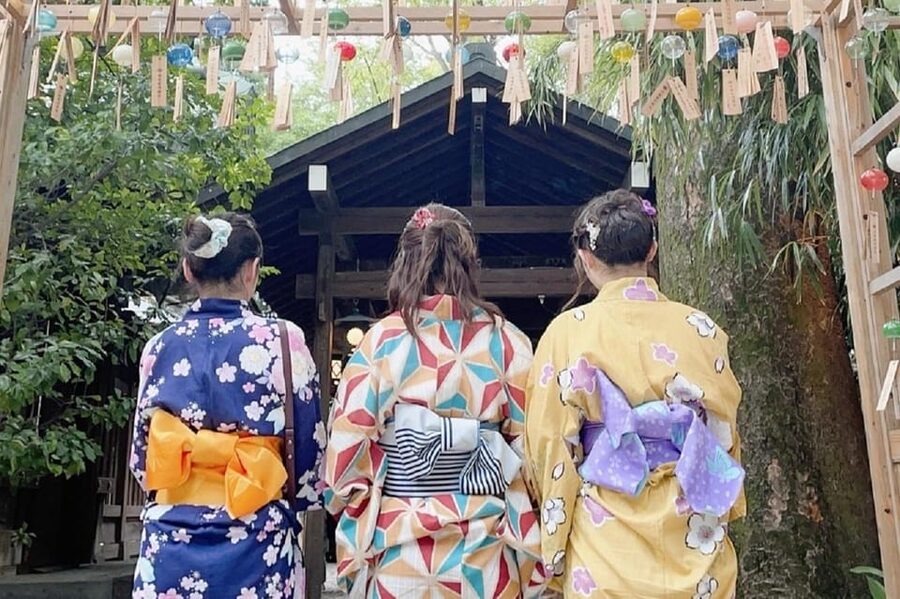
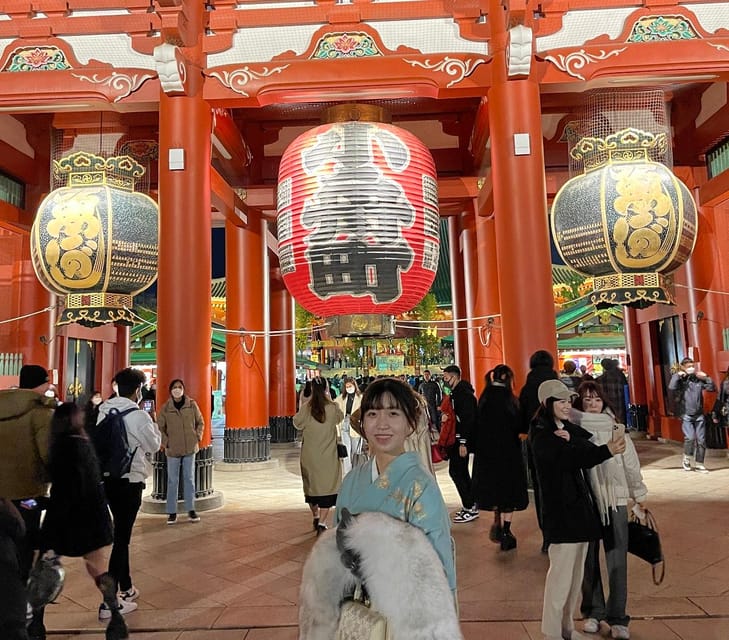
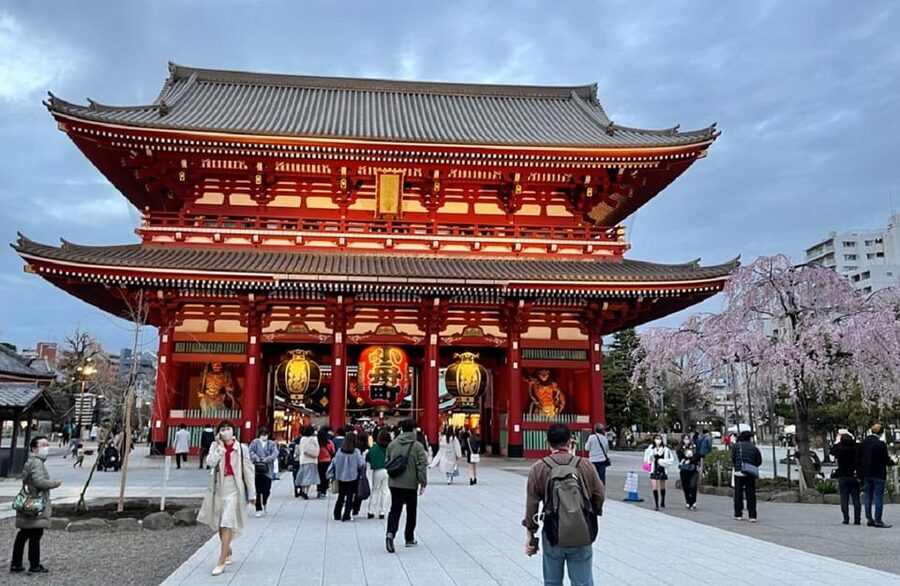
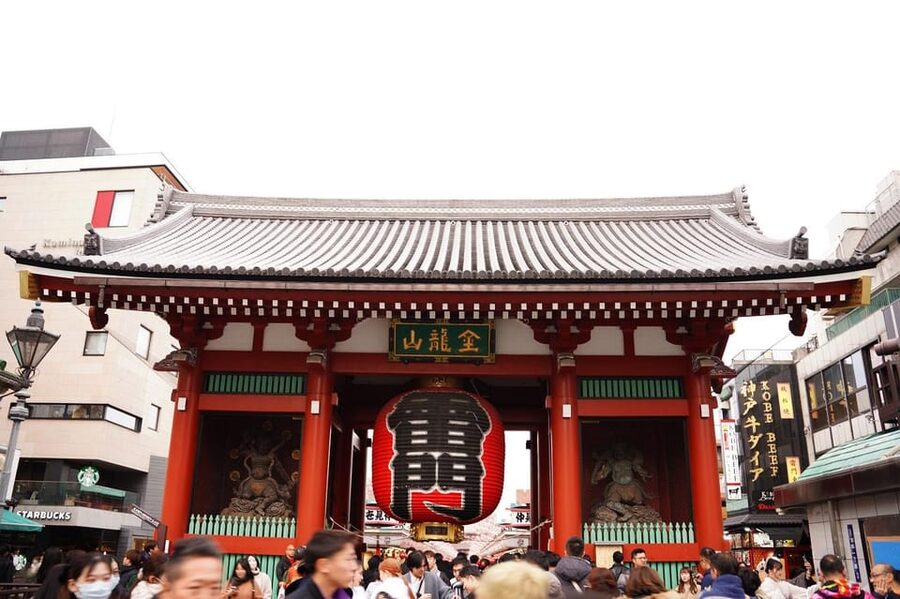
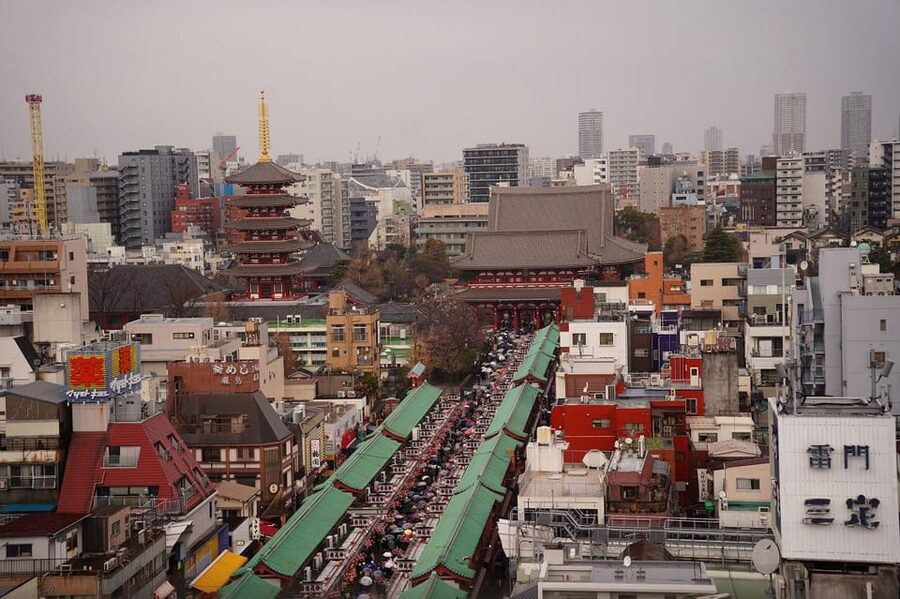
Once dressed, you walk about five minutes to Kaminarimon Gate, the main entrance to Senso-ji. Its official name is Kaminari Gate, but most people know it as Kaminarimon. The large gate is one of Asakusa’s familiar symbols, and a kimono fits the setting naturally.
The planned visit here includes sightseeing and a photo stop, with about 10 minutes listed for the first visit. That is enough for a focused picture, but not a long architectural study. Your guide’s role is useful because the best photograph is not always taken directly in front of the gate. The guide can suggest a position that includes the gate, your outfit, and enough surrounding detail to make the setting clear.
The guide takes pictures using your camera or phone. That saves you from relying on a stranger to frame the shot, though you should arrive with your device charged and ready. The information does not promise professional camera equipment or edited images, so think of this as guided personal photography rather than a formal studio session.
Nakamise Shopping Street adds movement and color
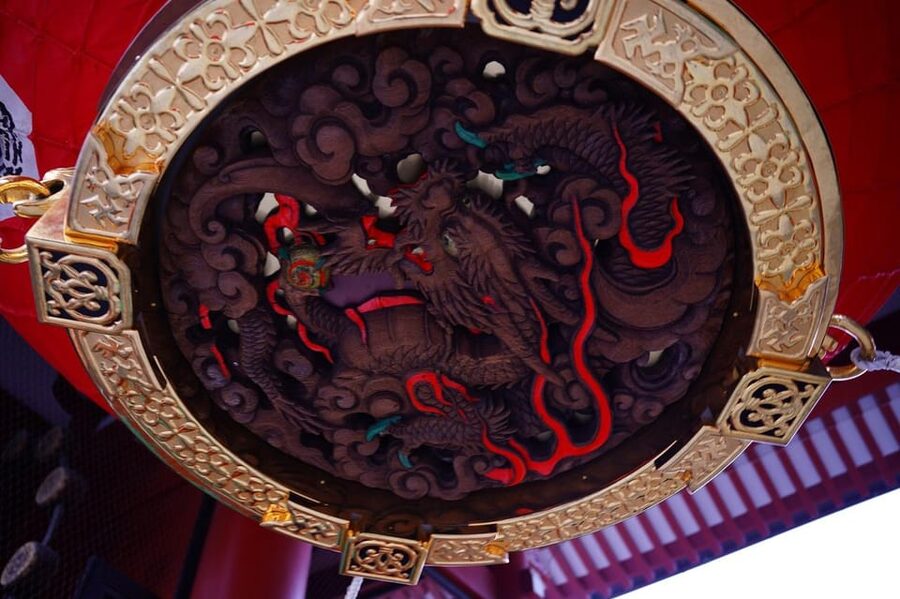
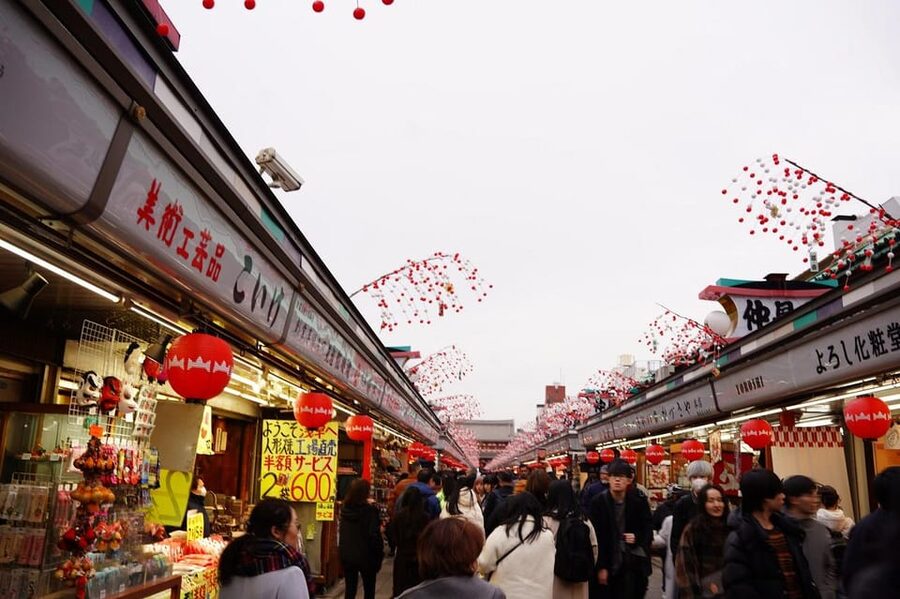
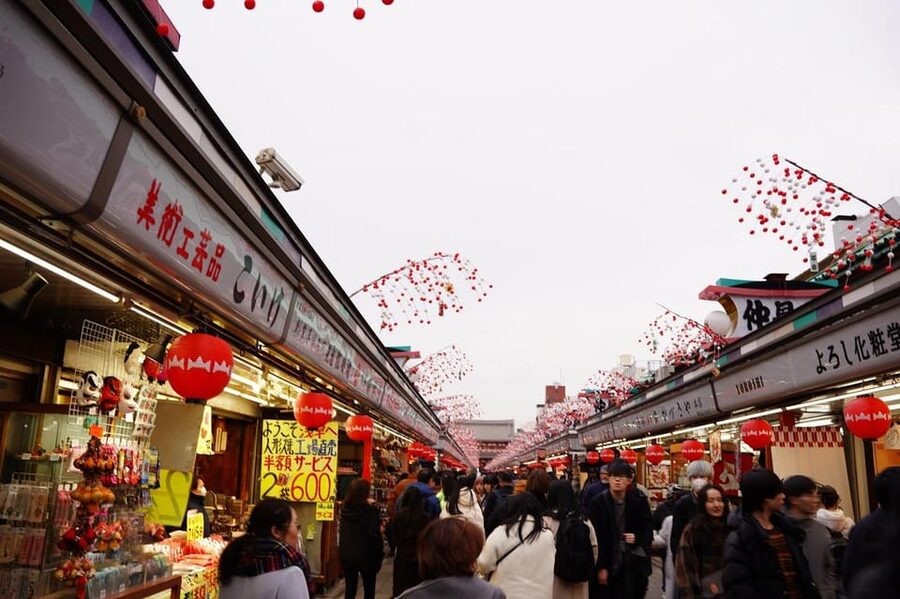
From Kaminarimon, you continue along Nakamise Shopping Street. This is one of Japan’s oldest shopping streets, lined with long-established stores and souvenir shops. The route allows about 15 minutes for shopping and sightseeing.
That is a short window, so treat it as a taste rather than a full shopping trip. You can browse traditional souvenirs and enjoy the temple approach, but you may need to return later if you want to compare several purchases. The guide can help with souvenir shopping, based on the support provided during this experience.
Nakamise works well for photographs because it gives you a change from the open space around the gate. The line of shops creates a clear sense of place, while the kimono gives the pictures a traditional frame. Keep in mind that the street is also a working shopping area. Be respectful when taking pictures near shops and other people, and follow the guide’s lead.
Senso-ji combines prayer, a pagoda, and a Tokyo landmark
Senso-ji is said to have more than 1,000 years of history and is the main cultural stop on the route. You have time to walk through the temple area and offer prayers. The planned visit lasts about 25 minutes, so the guide can explain the setting while keeping the group moving.
The five-story pagoda is an important Asakusa image and a useful background for photographs. From the temple area, you may be able to frame cherry blossoms, Senso-ji, and Tokyo Skytree together. That combination gives the picture a distinctly Tokyo balance: an old temple in the foreground, seasonal nature around it, and the modern city beyond.
The exact quality of that view depends on the season and conditions. Cherry blossoms are not guaranteed year-round, and the supplied details do not promise a particular bloom date. Still, the composition remains worthwhile even without blossoms because the temple and Skytree provide the main contrast.
The route later returns to Kaminarimon for about 30 minutes of free time. This is helpful if the first stop felt rushed or if you want another look at the gate after seeing the temple. It also creates room for personal photographs, browsing, or a short pause before the river walk.
Other walking tours we've reviewed in Tokyo



Sumida River Terrace brings the Skytree into the frame
After the temple district, you walk about five minutes toward Sumida River Terrace, at the left bank downstream from Shirahige Bridge. The visit lasts around 30 minutes, followed by a five-minute walk back to the shop.
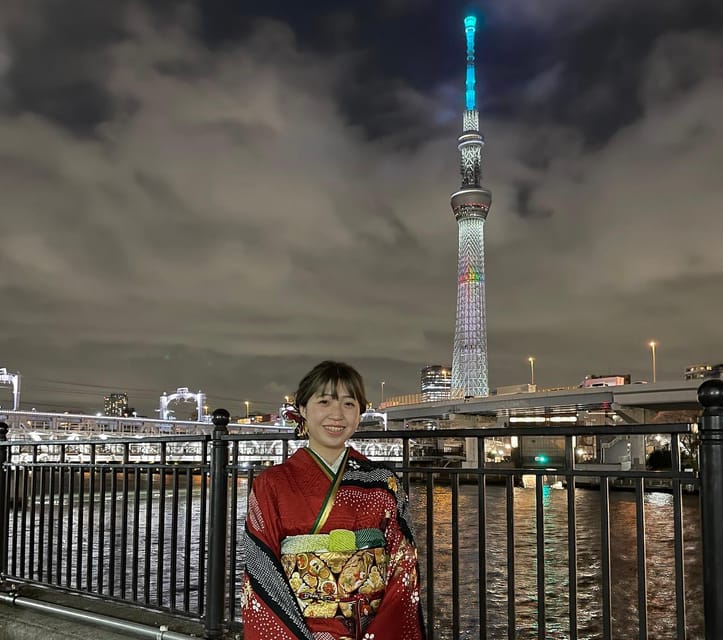
This is the tour’s most open setting. The river terrace lets you photograph the kimono with Tokyo Skytree behind you, and cherry blossoms may add a seasonal touch. The contrast is strong: a traditional outfit beside a major modern tower, with the river providing space between the two.
The river stop also gives the walk a different pace. After the close streets of Nakamise and the temple grounds, you have room for wider pictures and full-length views of the kimono. If photography is your main reason for booking, this stop may be the most useful one for showing the whole outfit.
The route description lists a second photo stop at the kimono shop for about 15 minutes before you return to Asakusa Station. This suggests time to finish photographs, change, and return the outfit. The precise order may feel flexible on the day, especially with dressing and group timing, so do not schedule a tight appointment immediately after the tour.
What the guide adds beyond directions
The guide is qualified in kimono dressing and tour guiding, and the activity is offered with English, Chinese, and Japanese support. That combination matters because clothing customs and sightseeing information are tied together here. You can ask about the outfit while also learning how the temple district fits into Tokyo.
Emiko is the guide named in the supplied experience details. She has been particularly helpful with kimono selection, dressing, photography, cultural information, food suggestions, and souvenir shopping. One family also found her patient and helpful with a two-year-old child. Guide availability can vary, so do not assume Emiko will lead every departure, but her role gives you a useful picture of the kind of personal assistance offered.
You should also expect the guide to take photographs and videos with your own device. This is a real benefit for solo visitors, couples, and families who want everyone in the picture. It is less useful if you prefer to control every frame yourself or want a professional photographer with dedicated equipment.
The small-group limit of seven is another plus. A group that size can stop for photographs without the delays of a large coach tour. It also makes it easier to ask questions. The tradeoff is that you will still follow a shared route and shared timing, not a fully private photo session.
Comfort, costs, and practical limits
Kimono can be less casual than ordinary sightseeing clothes, so plan to walk at a comfortable pace and allow for the dressing time. The information confirms wheelchair accessibility, but it does not describe the exact kimono setup or the surface conditions at every stop. If you use a wheelchair, contact the provider before booking to discuss fitting and the walking route.
The tour does not include meals or drinks. Asakusa has many places to eat, but the four-hour schedule does not build in a meal stop. Bring what you need and plan lunch or dinner before or after the activity.
Transportation expenses are also separate. The walking route begins at Asakusa Station, and the listed stops are reached on foot, but getting to and from Asakusa is your responsibility.
The cancellation policy is friendly if your plans change: cancel up to 24 hours ahead for a full refund. The strict point is punctuality. No-shows and late arrivals are not refunded, and one past booking problem involved a 45-minute wait after a reservation was lost. The provider says the guide will contact you about the kimono around seven days before the date and offers WhatsApp contact. Check those messages carefully and confirm the meeting details.
The next-day return option can improve the value. Instead of returning the kimono at the end, you can continue sightseeing in it and return it the following day. The guide can advise you where to go. This option is not included in the standard description as a universal feature, so select it when available and check its additional cost and return instructions.
Who should book this Asakusa walk
I would choose this for a first Tokyo visit if you want one half-day devoted to traditional culture and photographs. It suits couples, families, solo visitors, and small groups who would rather have help with the outfit and camera than manage every detail alone.
It is also a good choice for anyone who wants a cultural activity without spending a full day outside central Tokyo. The route stays in Asakusa and connects famous sights with a personal styling experience.
I would hesitate if your priority is a fast, low-cost temple tour. Around one hour goes to dressing, optional styling raises the bill, and the route includes several short stops rather than long visits. You also need to be on time at the station.
The overall rating is 4.3 from five reviews, with strong praise for Emiko’s kindness, photo help, kimono advice, and family support. One serious scheduling complaint means you should confirm the booking and meeting arrangements in advance rather than simply arriving and hoping everything is in place.
Should you book this kimono experience?
Book it if you want guided photos in a traditional Tokyo setting, help choosing a kimono, and a compact route through Asakusa’s main sights. The combination of Kaminarimon, Senso-ji, the pagoda, river views, and Tokyo Skytree gives you more variety than a single kimono rental.
Skip it if you want independent sightseeing, dislike fixed timing, or would not use the photo assistance. At $116, it earns its price through the guide, fitting, cultural help, and camera support. Add the next-day return or hairstyle options only if you will make real use of them.
FAQ
Where does the tour meet?
Meet at Ginza Line Asakusa Station, Exit 1. The guide will hold a sign with the LightSpeedStar logo, which is orange.
How long does the activity last?
The tour lasts four hours. Starting times vary, so you need to check availability for the date you want.
Which languages are available?
Live guiding is available in English, Chinese, and Japanese.
What sights are included?
The walking route includes Kaminarimon Gate, Nakamise Shopping Street, Senso-ji Temple, and Sumida River Terrace near Shirahige Bridge.
Is the kimono included in the price?
The fixed standard kimono fee is included. Optional kimono features and hairstyle choices cost extra.
Does the guide take photographs?
Yes. The guide will take photos with your camera or phone and will suggest places where the kimono works well with the scenery.
Can I keep the kimono after the tour?
If you choose the next-day return option, you can continue sightseeing in the kimono and return it the following day. Ask about this option when booking.
More Guided Tours in Tokyo


More Walking Tours in Tokyo
More Asakusa Tours in Tokyo
More tours in Tokyo we've reviewed












Asakusa Tours, compared.
 ★ 4.8Tokyo: Japanese Dance Cabaret Theater Asakusa-Kaguwa TicketFrom $492 hours
 ★ 4.7Tokyo: Meiji Shrine, Asakusa, Skytree Bus Tour and CruiseFrom $12210 hours
 ★ 4.9Tokyo: Roll and Authentic Sushi Making Class in AsakusaFrom $581h 40m
 ★ 4.8Tokyo: Asakusa Walking Tour with Sensoji Temple VisitFrom $222 hours
 ★ 5.0Tokyo Asakusa Rickshaw TourFrom $42
 ★ 4.5Tokyo Panoramic 1 Day: Meiji Shrine, Asakusa, Odaiba and SKYTREE®From $85