Reviewed · ASAKUSA TOURS
Tokyo: Asakusa Highlights Walking (OP : Rickshaw Experience)
Asakusa is at its most fun when you move slowly, and this tour combines a 20-minute rickshaw ride with a walk through Tokyo’s oldest-feeling district. You’ll see Kaminarimon, Nakamise Shopping Street, Senso-ji, Asakusa Shrine, and views toward Tokyo Skytree while a local guide explains the customs and stories behind them.
In This Article
- Key points to know before booking
- Why Asakusa works well on foot
- Meeting at the Asakusa Culture Tourist Information Center
- The rickshaw ride through Asakusa
- Kaminarimon and the first look at Senso-ji
- Nakamise Shopping Street and the temple approach
- Senso-ji and Asakusa Shrine
- Nishi Sando, Hoppy Street, and the wider neighborhood
- Tokyo Skytree and Sumida Park views
- Guide communication and group comfort
- Is $93 a fair price?
- Timing, weather, and what to bring
- Who should book this Asakusa tour?
- Should you book it?
- FAQ
- How long does the Asakusa tour last?
- Where does the tour start and finish?
- Is the rickshaw ride included?
- What sights are included?
- What language is the tour conducted in?
- How large is the group?
- Is the tour suitable for wheelchair users?
I like the compact group size, limited to eight people, and the route, which links Asakusa’s major sights without wasting time on transfers. The rickshaw can also save you from waiting in the long public queue. The main caution is that the rickshaw is presented as an option, so confirm exactly what your booking includes before paying. Clear English communication may also be difficult at times.
Key points to know before booking
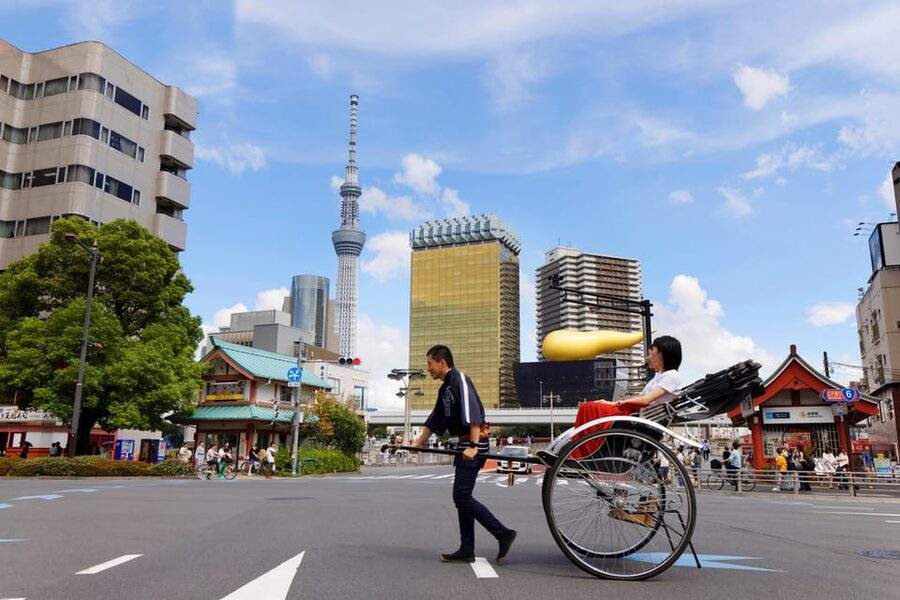
- A 20-minute rickshaw ride adds a classic Asakusa experience and can include views of Kaminarimon, Sumida Park, and Tokyo Skytree.
- The route covers the essential sights, from the Asakusa Culture Tourist Information Center to Senso-ji and Asakusa Shrine.
- The group is limited to eight people, a useful size for a busy pedestrian area.
- The tour is conducted in English, but the guide may be hard to hear in crowded places.
- You meet and finish at the Asakusa Culture Tourist Information Center, with no hotel pickup or drop-off.
- Comfortable shoes matter, since this is a walking tour held rain or shine.
Why Asakusa works well on foot
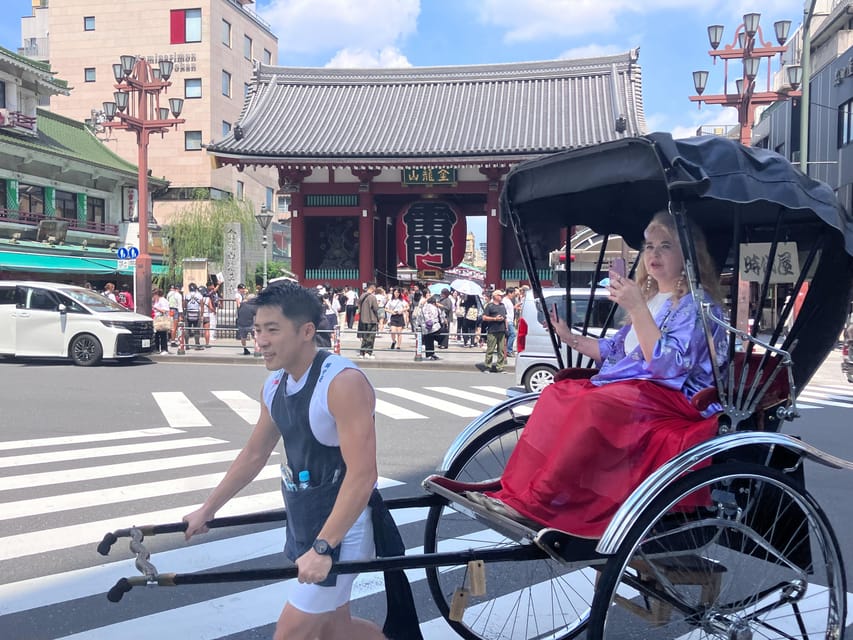
Asakusa gives you a quick lesson in old and modern Tokyo. The district is known for Senso-ji, traditional shopping streets, Buddhist and Shinto sights, and the familiar red rickshaws that pass through the lanes. At the same time, Tokyo Skytree rises nearby, giving you a sharp reminder that this is still a modern capital.
This three-hour experience is built for first-time visitors who want the main sights explained rather than simply photographed. You move between famous gates, temple grounds, shopping streets, and quieter nearby areas while learning about Japanese culture and the part Asakusa played in the city’s past.
The walking pace should be manageable for most active visitors, but do not mistake the tour for a short photo stop. The route includes several walking sections and may involve stairs. The operator specifically says it is not suitable for wheelchair users or people who have difficulty going up and down stairs.
A few more Tokyo tours and experiences worth a look


Meeting at the Asakusa Culture Tourist Information Center
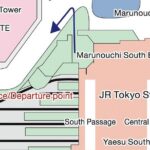
Your starting point is in front of the Asakusa Culture Tourist Information Center. This is a practical meeting place near the main sights, but it can become difficult to spot a guide in a large crowd, especially on a busy Saturday or during cherry blossom season.
One useful improvement would be to arrive early and agree on a clear meeting detail, such as the guide’s clothing or exact position. A past tour had no held-up sign, which made the guide harder to find. Since the tour ends at the same meeting point, you will not need to arrange transport from another neighborhood afterward.
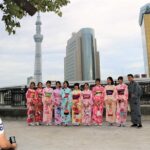
The group limit of eight is helpful here. Asakusa’s main approach can be crowded, and a small group is easier to keep together than a large walking party. Still, you should stay close to the guide and make sure you can hear before the group leaves the meeting area.
The rickshaw ride through Asakusa
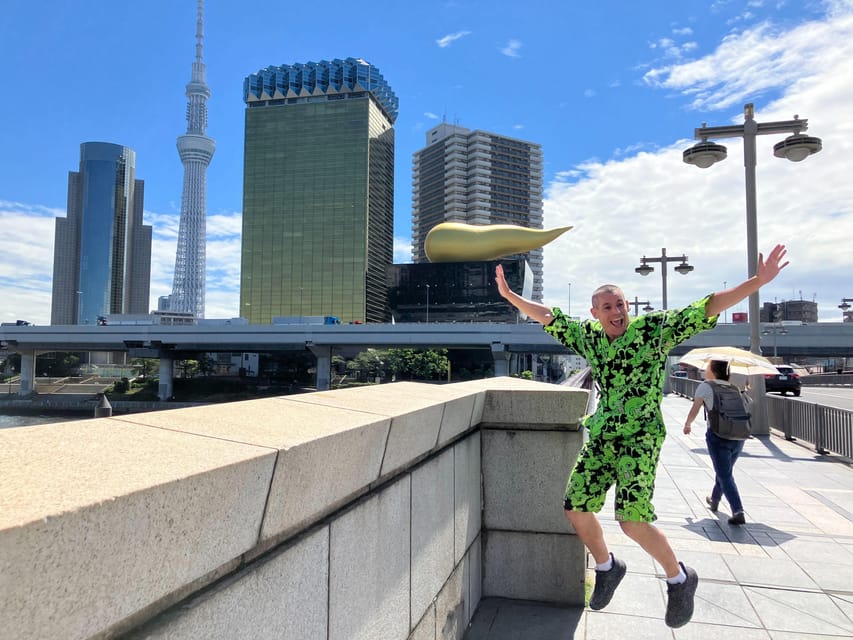
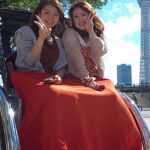
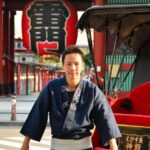
Rickshaws are one of Asakusa’s signature sights. Sitting above the street gives you a different view from walking, and the driver can point out landmarks while taking you around the district. The ride lasts 20 minutes, so it is a pleasant introduction rather than a full tour of the neighborhood.
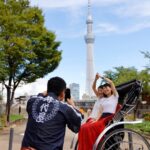
The route may include Kaminarimon, Sumida Park, Tokyo Skytree, and other photo-friendly views. The driver also takes photos for you, which is useful when you want a picture of the entire group rather than another solo shot taken at arm’s length.
The important detail is the word optional. The experience information describes a reserved rickshaw ride, but it also labels the ride as an option. That wording has already caused confusion for at least one person who expected a rickshaw-and-walking outing and instead understood the booking as walking only.
I would confirm these points before booking:
- Is the 20-minute ride included in the $93 price?
- Is the rickshaw shared or private for your party?
- Does the full group ride at the same time?
- Where does the rickshaw portion fit into the three-hour schedule?
If the ride is included, it adds real character to the outing. If it costs extra, you should compare the price with simply arranging a rickshaw ride separately. The value depends heavily on that detail.
Kaminarimon and the first look at Senso-ji
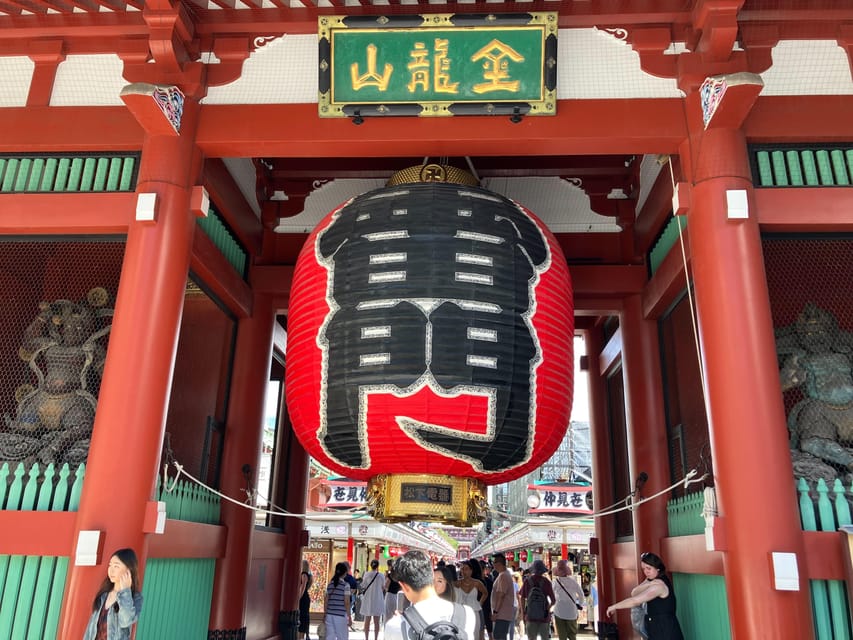
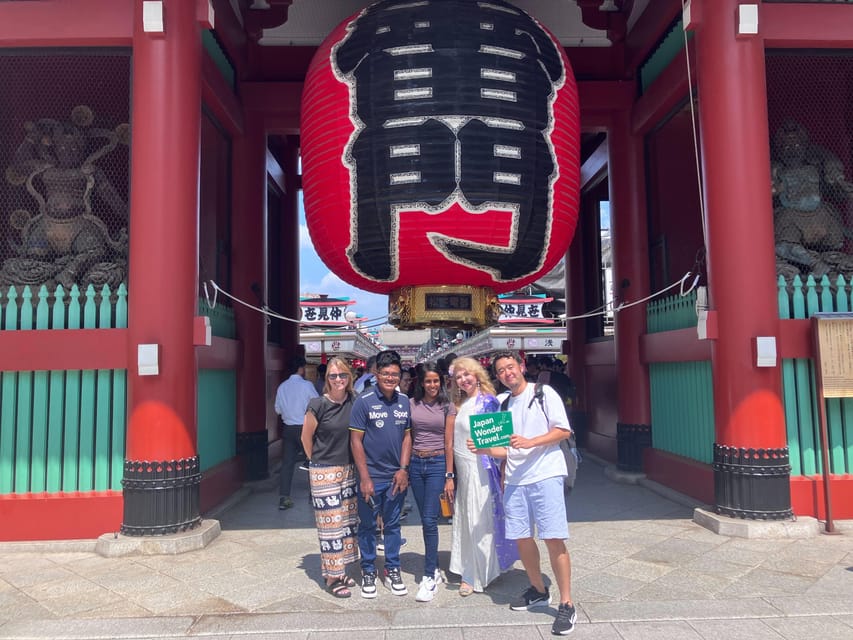
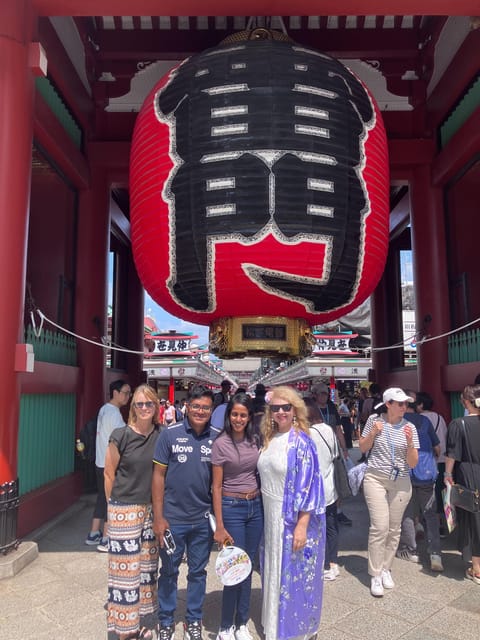
Kaminarimon, or Thunder Gate, is one of Asakusa’s most recognizable sights. Its large lantern makes an easy meeting landmark and a strong first photo stop. The guide uses the gate to introduce the area before leading you toward the temple approach.
The stop is listed for about 10 minutes, enough for photos and a short explanation. You should expect crowds around the gate, so the best pictures may require patience. This is also one of the places where hearing the guide could be difficult if people and traffic are moving around you.
From Kaminarimon, you walk toward Nakamise Shopping Street. This straight approach leads to Senso-ji and is lined with shops selling snacks, souvenirs, small crafts, and traditional-style goods. The tour gives you an overview rather than a dedicated shopping session, so do not expect time to browse every storefront.
I like having this street explained in context. It is not just a route to the temple. It shows how a major religious site and a commercial street function together, with food, gifts, and local products shaping the visitor experience.
Nakamise Shopping Street and the temple approach
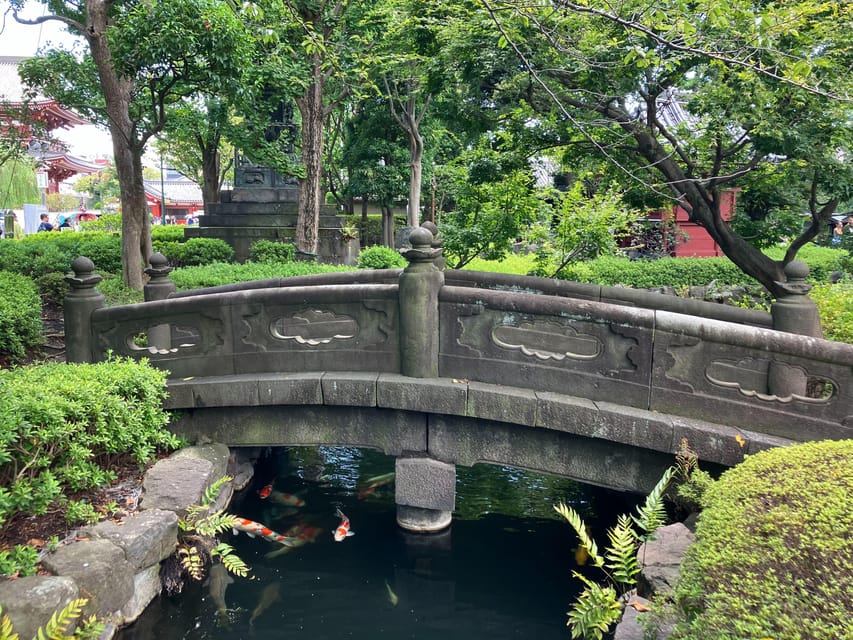
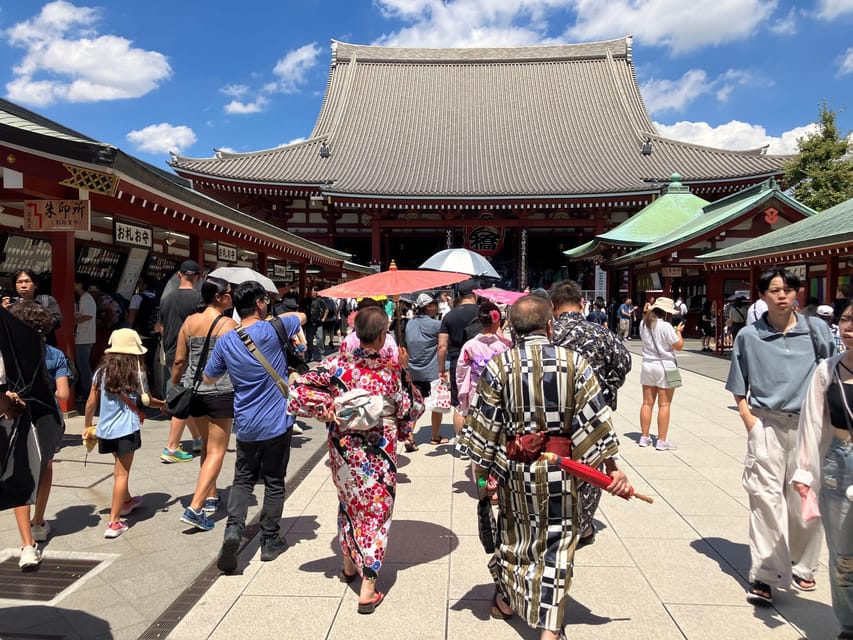
Nakamise is one of the liveliest parts of the route. You can watch the flow of people toward Senso-ji, look at the shop displays, and learn about items connected with Japanese culture. The listed visit lasts about 10 minutes, which is enough for a quick orientation but short for serious shopping.
Keep your camera ready, but remember that the street is narrow and busy. Stop to take pictures only when you can do so without blocking the walkway. If you want sweets or souvenirs, note what catches your eye and return after the tour, since the guided portion is designed to keep moving.
The guide’s role is especially useful here. Without explanation, Nakamise can seem like a colorful shopping lane leading to a temple. With context, you get a better sense of how the shops, approach, gates, and religious buildings fit together.
A few more Tokyo tours and experiences worth a look

Senso-ji and Asakusa Shrine
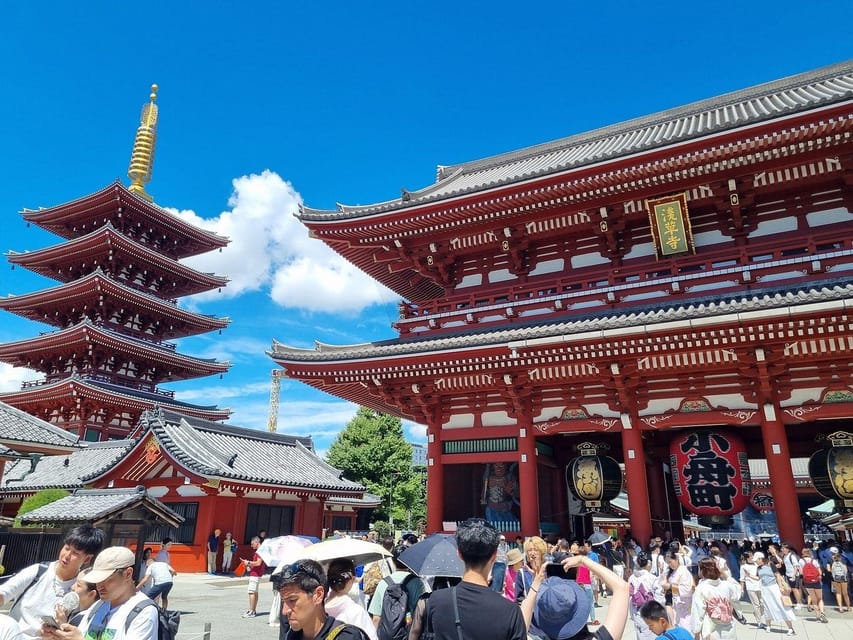
Senso-ji is the central sight of the outing. The temple retains an atmosphere connected with Japan’s samurai period, and the guide explains its history and cultural meaning as you pass through the grounds.
The schedule also includes Asakusa Shrine, with about 10 minutes for a visit and guided explanation. Having both Buddhist and Shinto sites in one route helps you notice the difference between them without needing a separate cultural lecture.
You should treat the temple and shrine as active religious places, not only as backdrops. Follow the guide’s instructions about where to stand and how to behave, and be respectful when people are praying. The tour promises information about Japanese customs, objects, and history, so this is the part where the cultural explanation matters most.
The time at each site is fairly brief. That is good if you want a broad first look at Asakusa, but less suitable if you prefer to sit quietly, study architecture, or explore every side path. You can return independently later if one place catches your interest.
Nishi Sando, Hoppy Street, and the wider neighborhood
The route also brings you near Nishi Sando Shopping Street and Hoppy Street. These places help broaden the picture beyond the main temple gate. You get a sense of Asakusa as a neighborhood with food, shopping, local streets, and everyday activity, not just a single famous temple.
Hoppy Street is known for casual drinking and dining, while Nishi Sando adds another shopping stop. The available information does not promise a meal or drink, so bring your own budget if you want to return for food afterward. Food and drinks are not included in the tour price.
This wider route is one of the better reasons to choose a guided walk instead of visiting only Senso-ji on your own. The major sights are easy to find, but a guide can connect them and point out why nearby streets matter.
Tokyo Skytree and Sumida Park views
The rickshaw portion may include views of Tokyo Skytree and beautiful Sumida Park. These sights provide a change from temple gates and covered shopping streets. Skytree gives you a modern city reference, while the park offers a more open setting along the Sumida River.
Do not book this expecting a dedicated Skytree visit or an observation-deck ticket. The tour offers views of the tower, not entry to the tower. Likewise, Sumida Park is presented as part of the sightseeing route rather than a long park walk.
The photo opportunities are a practical benefit. A rickshaw driver can take pictures while you enjoy the ride, and the guide can help position you at key sights. You should still expect conditions to vary with weather and crowds.
Guide communication and group comfort
The live guide speaks English and explains Asakusa’s history, Japanese culture, and local objects. The small group should make it easier to ask questions than on a large coach excursion.
The main concern is sound. One tour experience found the guide difficult to understand and hear, even with only four people. In Asakusa, crowds can swallow a soft voice quickly. Stand close, ask the guide to repeat important points, and do not hesitate to say that you cannot hear.
The guide was also described as short, which made it harder to locate the person in a crowd. This is not a problem unique to this tour, but it matters at Kaminarimon and during busy seasonal periods. Arrive at the meeting point early, confirm the guide’s appearance, and keep the group in sight.
The information provided does not give the guide’s name. You should not expect to choose a particular guide when booking.
Is $93 a fair price?
At $93 per person, this is not a bargain-priced stroll. The value depends on what the price includes. You are paying for a three-hour English walking tour, a professional local guide, a small group capped at eight, cultural explanations, photo stops, and, if confirmed, a reserved 20-minute rickshaw ride.
The reserved ride is the key value question. Rickshaws are a staple Asakusa attraction, and avoiding a wait can make a difference during crowded periods. If the ride is included and the guide gives you useful context at the temple, shrine, and shopping streets, the price may be reasonable for a visitor who wants one organized introduction.
If the rickshaw is not included, the value is harder to judge. Asakusa’s main sights are close together and can be visited independently. You may prefer to explore at your own speed, spend longer in Nakamise, or return to Senso-ji after dark.
I would choose this tour when convenience and explanation matter more than saving money. I would skip it if you mainly want a rickshaw ride and have no interest in a structured walking route.
Timing, weather, and what to bring
The activity lasts three hours, with starting times shown according to availability. The listed stops include short visits at the information center, Kaminarimon, Nakamise, Asakusa Shrine, and another Kaminarimon sightseeing section. The rickshaw ride adds 20 minutes when selected.
Wear comfortable walking shoes. The tour takes place rain or shine, so check the forecast and bring suitable rain protection or sun protection. A camera is recommended, especially for Kaminarimon, Senso-ji, Skytree, Sumida Park, and the rickshaw ride.
Smoking is not allowed. Children must be accompanied by an adult. The activity is not suitable for wheelchair users, people with mobility impairments, or people over 95 years old.
Free cancellation is available up to 24 hours before the start for a full refund, and you can reserve now and pay later. Those policies help if your Tokyo schedule is still changing, but they do not remove the need to clarify the optional rickshaw arrangement.
Who should book this Asakusa tour?
This experience suits a first visit to Tokyo, especially if you want the district’s main sights explained in one morning or afternoon. It is also a good fit if you like taking photos, prefer a small group, and want to combine a short rickshaw ride with walking.
It may suit families with children who are comfortable walking, since the rickshaw adds variety. Adults must accompany children, and anyone with difficulty on stairs should choose another activity.
Independent visitors who enjoy setting their own pace may find the three-hour structure restrictive. The same applies if you want a long meal on Hoppy Street, extended shopping time on Nakamise, or a slow visit inside Senso-ji.
Should you book it?
Book this tour if you want a guided introduction to Asakusa with the major landmarks arranged into one clear route. The small group, cultural explanation, and possible reserved rickshaw ride give you more structure than wandering alone.
Before booking, confirm that the 20-minute rickshaw ride is included in your exact option. That single detail affects the value and prevents the misunderstanding that caused one cancellation. If the ride is confirmed, you are paying for a distinctive Asakusa experience as well as a useful orientation walk. If it is not, you may get better value by visiting the sights independently and arranging a rickshaw ride separately.
FAQ
How long does the Asakusa tour last?
The activity lasts three hours. Starting times depend on availability.
Where does the tour start and finish?
You meet in front of the Asakusa Culture Tourist Information Center. The activity ends back at the meeting point.
Is the rickshaw ride included?
The experience includes a 20-minute rickshaw ride as an option. Confirm the exact booking option and price before reserving, since the ride is not presented as mandatory in every version of the activity.
What sights are included?
The route includes the Asakusa Culture Tourist Information Center, Kaminarimon, Nakamise Shopping Street, Senso-ji Temple, Asakusa Shrine, Nishi Sando Shopping Street, and Hoppy Street. The rickshaw route may also include Tokyo Skytree and Sumida Park views.
What language is the tour conducted in?
The live tour guide speaks English.
How large is the group?
The group is limited to eight participants.
Is the tour suitable for wheelchair users?
No. The activity is not suitable for wheelchair users or people with mobility impairments, and it may involve going up and down stairs.
More Walking Tours in Tokyo


More Rickshaw Rides in Tokyo
More Asakusa Tours in Tokyo
More tours in Tokyo we've reviewed












Asakusa Tours, compared.
 ★ 4.8Tokyo: Japanese Dance Cabaret Theater Asakusa-Kaguwa TicketFrom $492 hours
 ★ 4.7Tokyo: Meiji Shrine, Asakusa, Skytree Bus Tour and CruiseFrom $12210 hours
 ★ 4.9Tokyo: Roll and Authentic Sushi Making Class in AsakusaFrom $581h 40m
 ★ 4.8Tokyo: Asakusa Walking Tour with Sensoji Temple VisitFrom $222 hours
 ★ 5.0Tokyo Asakusa Rickshaw TourFrom $42
 ★ 4.5Tokyo Panoramic 1 Day: Meiji Shrine, Asakusa, Odaiba and SKYTREE®From $85