Reviewed · CYCLING TOURS
Tokyo Private Sightseeing Tour by Bike with Water Bus
Tokyo looks different from a bicycle, especially when your route leaves the big avenues for quiet riverside paths, old shopping streets, and local neighborhoods. This private tour adds a Sumida River waterbus ride, giving you two pleasant ways to cross central Tokyo in about six hours.
In This Article
- Key points to know before booking
- Why this bike tour shows you a more ordinary Tokyo
- Boarding the waterbus near Asakusa
- Tsukiji and Toyosu, two very different market stops
- Tsukishima, Tsukudakobashi, and the old waterfront
- Fukagawa’s temple and shrine traditions
- Riding through Oyokogawa Water Park toward Skytree
- Kyojima Minami Park and daily neighborhood life
- What the private format adds
- Bike fit, effort, and what to bring
- Who should book this Tokyo cycling tour
- Should you book it?
- FAQ
- How long does the Tokyo private bike and waterbus tour last?
- Is this a private tour?
- Are the bicycle and waterbus included?
- Is lunch included?
- What rider heights suit the included bikes?
- What happens if the weather is poor?
I like the mix of gentle exercise and everyday Tokyo. I also like the personal format: guide Takeshi has adjusted stops and meals to suit each group, including finding vegan ramen for one party and a riverside restaurant for another. The main drawback is simple: six hours on a bicycle is a long outing, so you need basic fitness and comfortable cycling clothes.
Key points to know before booking
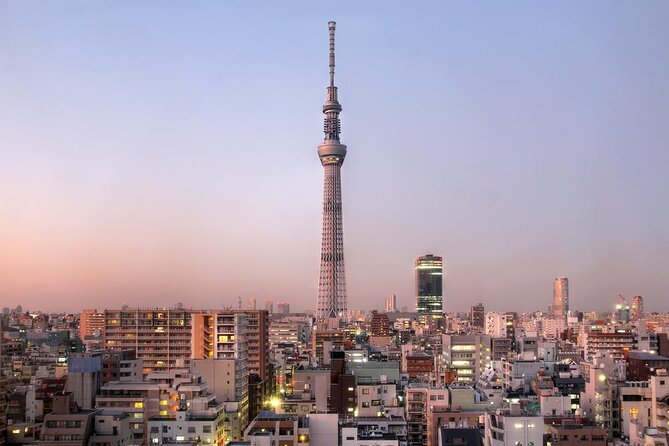
- A private route through central Tokyo: Only your group takes part, with room for questions and requests.
- Two ways to see the city: Ride through back streets and parks, then cruise the Sumida River by local waterbus.
- A strong guide-led experience: Takeshi is known for friendly explanations, local stories, and a flexible approach.
- Markets are part of the route: You may visit both Tsukiji’s outer market area and Toyosu Market, but lunch is not included.
- Folding bikes suit most average-height riders: The bikes fit people from about 140 to 180 centimeters. Tell the operator in advance if you are taller.
- The route is full but not rushed on foot: Stops include shrines, old neighborhoods, Skytree, bridges, markets, and shopping streets.
Why this bike tour shows you a more ordinary Tokyo
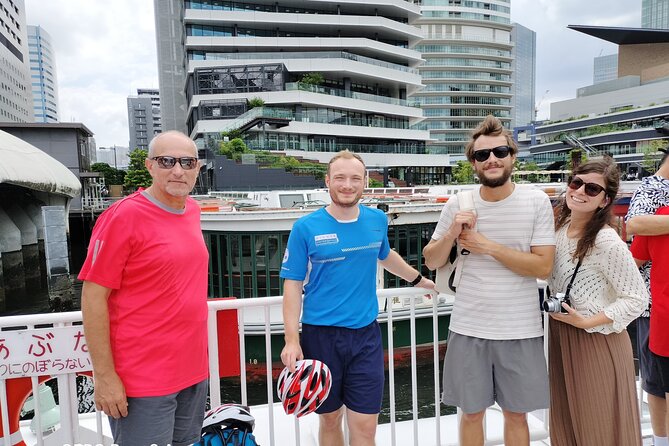
Tokyo rewards visitors who get away from the main tourist corridors. The city’s major sights are impressive, but a bicycle lets you notice smaller details: a narrow lane beside a canal, a neighborhood shrine, a line of small restaurants, or an old shopping arcade beneath newer apartment buildings.
This tour links those details into one long route. You begin near Asakusa, take a waterbus along the Sumida River, and continue by bicycle from the waterfront toward markets, bridges, temples, shrines, parks, and Tokyo Skytree. The route covers a lot, so you will not linger for hours at any one sight. That is the tradeoff for seeing such a broad slice of central Tokyo in one outing.
Because this is a private activity, I would expect a more conversational pace than on a large group tour. You can ask about what you see, and the guide has shown a willingness to stop when a group wants a closer look. That flexibility matters in Tokyo, where the most memorable moments are often not the headline sights.
The cycling itself is described as calm, and Tokyo is a surprisingly comfortable city for riding in the right areas. Still, this is not a short recreational spin. The tour includes cycling between nearly every stop, and the route takes about six hours from start to finish.
Other cycling tours in Tokyo
Boarding the waterbus near Asakusa
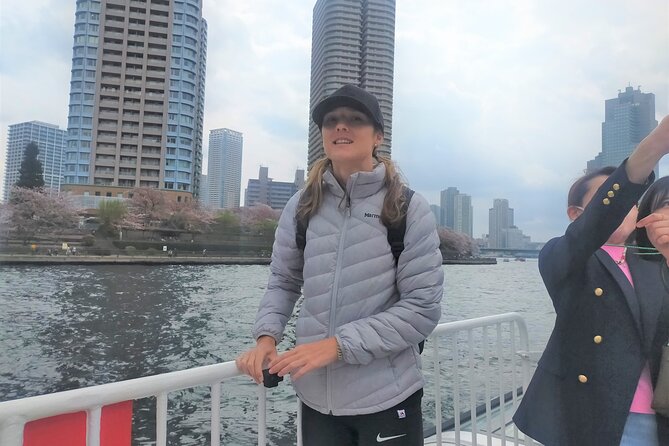
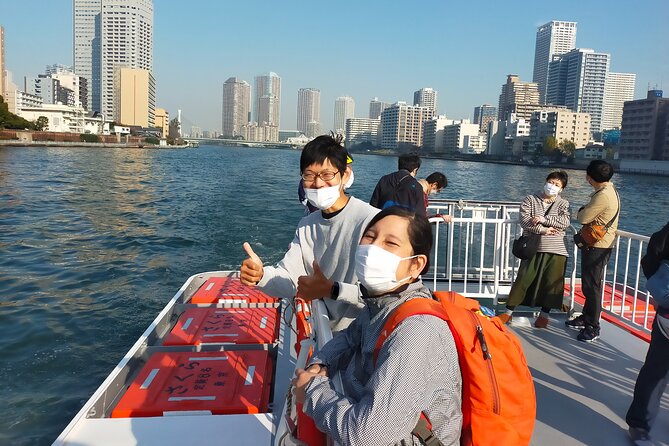
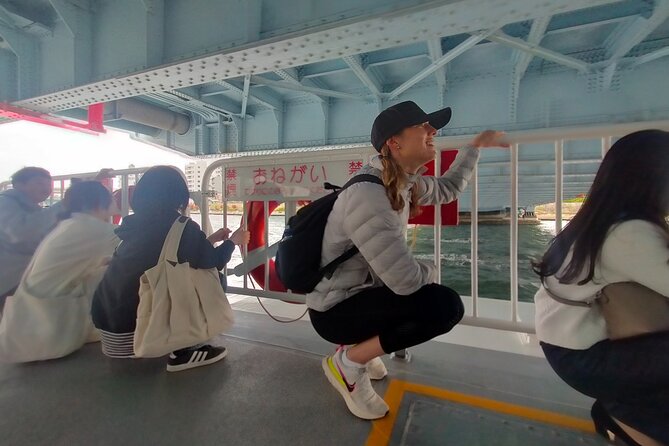
The day begins around Asakusa, one of Tokyo’s best-known historic districts. The waterbus portion takes about 30 minutes, with roughly 15 minutes set aside for boarding and getting settled.
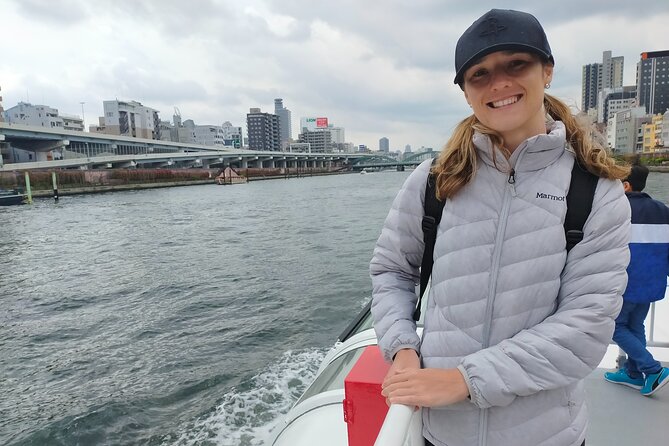
The ride gives you a useful change of pace. Instead of viewing the city from street level, you see the Sumida River and Tokyo’s waterfront from the water. This is one of the tour’s most unusual features, since many sightseeing outings stay entirely on land.
A restroom is available on board, and the boat fare is included. That keeps the morning simple, since you do not need to arrange a separate river cruise or work out a boat ticket on your own.
After disembarking at Toyosu Pier, you get back on the bicycle. Cycling time between stops is included in the schedule, but the listed stop times should not be read as a promise of long visits at every location. The tour is best for people who enjoy steady movement and variety.
Tsukiji and Toyosu, two very different market stops
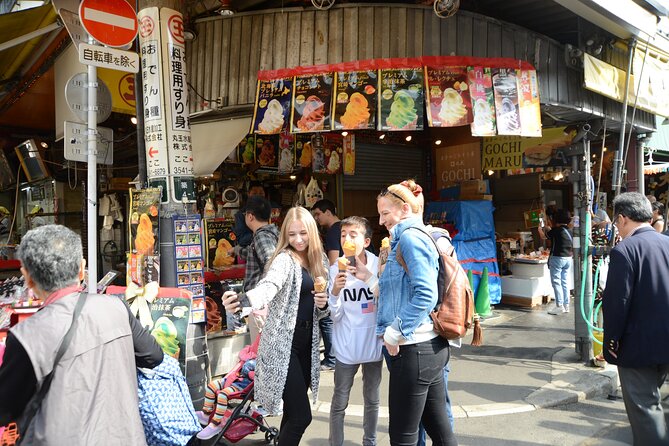
The route includes the Tsukiji Jogai Market, the outer market area that remains after the main wholesale market moved elsewhere. You can find fish shops, seafood products, small restaurants, and other food businesses here. It is a good place to see how Tokyo’s food culture continues beyond the famous name of the former fish market.
Lunch is not included, so you should budget separately. The guide can help you choose a place, and the route has included a meal at a riverside restaurant for one group and vegan ramen for another. That suggests useful flexibility, but you should still explain dietary needs before the tour.
Toyosu Market offers a different picture. It is Japan’s largest fish and fresh vegetable market, with restaurants inside the market area. The two market stops can make this a particularly good tour for people interested in seafood, food shopping, and the way Tokyo’s wholesale trade has changed.
There is also a practical point here. The schedule gives about an hour to Tsukiji and about an hour to Toyosu, both with lunch references. Since lunch is excluded and the full route contains many other stops, ask the operator how the market timing will work on your date. The tour may adapt the food stop to your interests, appetite, and available time.
Tsukishima, Tsukudakobashi, and the old waterfront
The ride through Tsukishima includes Monjya Street, lined with restaurants serving monjayaki, a Tokyo specialty often described as a softer, more fluid cousin of okonomiyaki. The information provided does not promise a meal here, but the street gives you a chance to see a neighborhood built around a distinctly local dish.
At Tsukudakobashi Bridge, the mood shifts again. This central waterfront district combines older waterside scenes with modern condominium buildings. That contrast is one of the most useful themes of the ride: Tokyo does not separate old and new into neat zones. They often sit side by side, sometimes within the same view.
I like this part of the route because it gives context to the city beyond temples and towers. You are not only checking off attractions. You are seeing how people live beside canals and rivers while new housing continues to rise around them.
The bridge stop lasts about 30 minutes, including the surrounding cycling time in the day’s schedule. Do not expect an extended walking tour of every neighborhood. The value is in the connected route and the guide’s explanation as you move.
Fukagawa’s temple and shrine traditions
Fukagawa Fudodo is a Buddhist temple where you may have the chance to watch a worship ceremony. Nearby, traditional sweets shops and restaurants offer another look at local customs and food.
A possible ceremony is an added benefit, not a guaranteed part of the visit. The stop is planned for about 30 minutes, and the guide can give you a sense of what you are seeing. If you are interested in religious practice, this is a good place to ask questions rather than simply take photographs.
Next comes Tomioka Hachimangu, described as one of Tokyo’s oldest shrines. Its traditional architecture gives the route a strong visual change after the modern waterfront and market districts.
The shrine visit is listed at about 15 minutes. That is enough for a focused stop, but not for a slow, detailed study of the entire grounds. I would see it as part of the tour’s wider story about Tokyo, not as a substitute for a dedicated shrine visit.
Other private tours in Tokyo

Riding through Oyokogawa Water Park toward Skytree
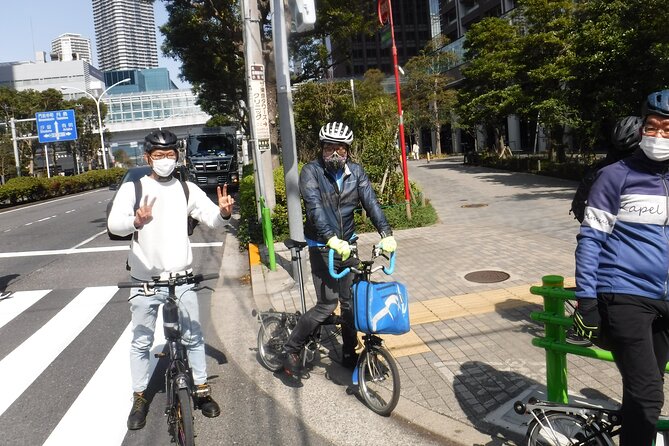
Oyokogawa Water Park provides a green and waterside section of the ride. You cycle through the park in the direction of Tokyo Skytree, with about 30 minutes assigned to this part of the route.
The park section should appeal to you if you prefer a break from traffic and dense city streets. It also helps explain why this outing is not simply a series of urban photo stops. The route uses Tokyo’s waterways and public open spaces as much as possible.
At Skytree, the bicycle passes under the tower. The stop itself is short, about 10 minutes, so this is not a ticketed ascent or an observation-deck visit. You get the dramatic underside and scale of the tower, but you should book a separate Skytree visit if you want the indoor views from above.
That short stop can still work well in a bike tour. You see one of Tokyo’s most recognizable landmarks without spending a large part of the day waiting in queues or navigating a busy attraction complex.
Kyojima Minami Park and daily neighborhood life
The final listed area is Kyojima Minami Park, near old-fashioned shopping malls where you can see more of daily Japanese life. This is the sort of stop that can mean more to you after seeing the major markets, temples, and tower.
The shopping streets are not presented as a formal attraction with an included purchase or tasting. Instead, they offer a glimpse of local routines and older commercial districts. You may find the contrast with Skytree especially striking: a famous modern landmark nearby, and a more traditional neighborhood rhythm around it.
The activity ends back at the starting meeting point. That return is useful if you plan an evening reservation, though I would leave some extra time rather than schedule something immediately afterward. Cycling times, meal choices, and the pace of a private group can affect the finish.
What the private format adds
A private tour changes the feel of a long cycling day. You are not trying to keep up with a large group, and you have more room to ask why a neighborhood, shrine, bridge, or market matters.
The strongest feature is the guide’s role. Takeshi has been described as friendly, engaging, and willing to give history and background at each stop. He has also made time for individual requests, including finding a vegan lunch. If he is leading your tour, tell him early what you want from the day, such as food, architecture, local life, or photography.
The private format also makes the price easier to judge. At $195.09 per person, this is not a budget bicycle rental. But the price includes the folding bike, helmet, bottled water, and waterbus fare, while a guide leads you across a broad route that would take effort to plan independently.
The value is strongest for a small group that wants personal attention and does not want to combine separate bookings for a bike, river boat, and sightseeing route. Group discounts may also improve the per-person cost when several people book together.
It is less compelling if you only want to see one or two major sights, or if you would rather spend a slow morning in a single market. This tour gives you range, not long free time at each stop.
Bike fit, effort, and what to bring
The rental bikes are folding bikes with wheels from 14 to 20 inches. They are intended for riders from about 140 to 180 centimeters tall. If you are over 180 centimeters, contact the operator before the tour so the bike arrangement can be discussed.
Helmets and bottled water are included. Lunch is not, and neither is private transportation to the meeting point. The activity is near public transportation, but you are responsible for reaching the start at Tokyo Backstreets Bike Tour, in Sumida City.
Wear clothes that let you pedal comfortably and shoes suited to a full day of riding. You do not need to treat this as a race. The route is described as gentle and calm, but the length means you should be comfortable spending much of the day in the saddle.
The tour requires good weather. If poor weather forces cancellation, you can take a different date or receive a full refund. Normal cancellation is free up to 24 hours before the start, but changes or cancellations inside that window are not accepted and are not refunded.
Who should book this Tokyo cycling tour
I would choose this outing if you have already seen some of Tokyo’s central sights and want a broader sense of the city. It is also a strong first-day option for an active visitor who likes learning by moving through different neighborhoods rather than spending hours inside one museum.
Food-focused visitors should pay attention to the market stops and the chance to ask for a suitable lunch. Architecture fans will get traditional shrines, a temple, old shopping streets, modern condominiums, and Skytree in one route.
Families and friends may appreciate the private setting, but everyone in the group should be comfortable with the six-hour duration. The smaller folding bikes may not suit every rider, so height is worth checking before booking.
I would skip it if you dislike cycling, need a slow pace, or want a tour built around long visits at Tsukiji, Toyosu, or Skytree. The route is full and active, with many shorter stops.
Should you book it?
Book this tour if you want to see Tokyo through its waterways, back streets, markets, shrines, and ordinary shopping districts, all with one guide and one private route. The included boat ride and bike rental add real convenience, while the guide’s flexibility can make the day feel personal rather than fixed.
Before paying, confirm the bike fit if you are taller than 180 centimeters, tell the operator about dietary needs, and understand that lunch costs extra. If you are ready for a long but manageable day of cycling, this is an unusual and useful way to connect the old, modern, and everyday sides of Tokyo.
FAQ
How long does the Tokyo private bike and waterbus tour last?
The tour lasts approximately six hours, from about 10:30 AM to 4:00 PM.
Is this a private tour?
Yes. Only your group participates in the activity.
Are the bicycle and waterbus included?
Yes. The bicycle, helmet, bottled water, and boat fare are included. A restroom is also available on board the waterbus.
Is lunch included?
No. Lunch is not included. The route includes market areas with restaurants, and the guide may help you find a suitable place to eat.
What rider heights suit the included bikes?
The folding bikes have 14 to 20 inch wheels and are suitable for people about 140 to 180 centimeters tall. You should inform the operator in advance if you are over 180 centimeters.
What happens if the weather is poor?
The tour requires good weather. If it is canceled because of poor weather, you will be offered another date or a full refund. You can also cancel for a full refund up to 24 hours before the start time.
More Private Tours in Tokyo
More Cycling Tours in Tokyo
More tours in Tokyo we've reviewed












Cycling Tours, compared.
 ★ 5.0Tokyo Guided Small-Group Biking TourFrom $106
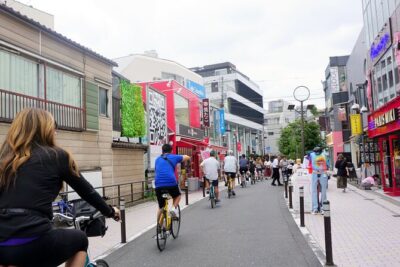 ★ 5.0Tokyo Great Cycling TourFrom $99
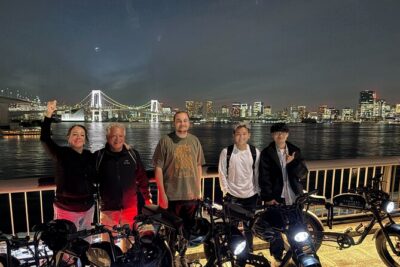 ★ 5.0Tokyo Top Highlights 3h Guided E-bike TourFrom $63
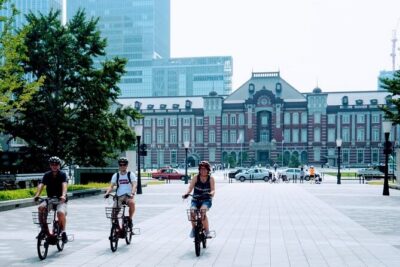 ★ 5.03h Tokyo E-Bike Tour: Hidden Gems, and Local Life with guideFrom $63
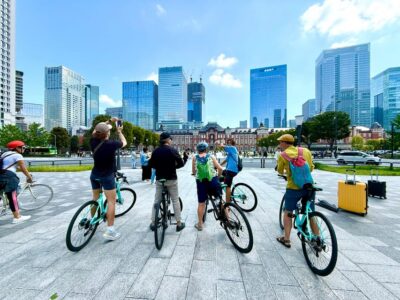 ★ 4.8Tokyo: 3-Hour Bike or E-Bike City Highlights TourFrom $453 hours
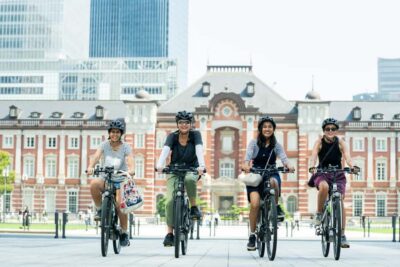 ★ 4.8Tokyo: 3-hour Guided E-Bike Tour of the City’s Hidden GemsFrom $65