Reviewed · TOKYO
Tokyo: Taiko Drumming Experience
Taiko drumming gives you a direct feel for Japanese performance culture: you do not just watch the rhythm, you help create it. In one lively hour near Ōkubo Station, you learn how to hold the sticks, strike with force, and move with the beat.
In This Article
- Key points at a glance
- Why taiko feels different from a standard music lesson
- Meeting the instructor at Ōkubo Station
- The first strikes: sticks, stance, and power
- Finding a rhythm in a six-person group
- What you get for $35
- The sound, movement, and cultural connection
- Handling the practical details
- The reliability question you should consider
- Who should book this taiko lesson?
- My call: fun and memorable, with sensible expectations
- FAQ
- Where does the taiko drumming experience meet?
- How long does the taiko class last?
- How much does the activity cost?
- Is previous drumming experience required?
- What languages does the instructor speak?
- How many people can join the group?
- What is included in the price?
- What should I wear and bring?
I like the small group of six or fewer, which gives the instructor room to guide beginners. I also like that all equipment and instruction are included, and that the class starts from scratch. The main caution is reliability: one scheduled session was missed by the instructor, forcing a participant to return the next day, so confirm the class details before setting out.
Key points at a glance
- Hands-on taiko practice: You spend the session playing, not simply watching a performance.
- Beginner-friendly instruction: The lesson covers stick grip, striking technique, and rhythm from the very start.
- Small six-person maximum: A limited group should make it easier to follow corrections and keep your turn at the drum.
- English or Japanese guidance: You can select an instructor who teaches in English or Japanese.
- One hour and $35: The price is reasonable for a short cultural activity if the personal instruction and setup meet your expectations.
- South Exit meeting point: Arrive 15 minutes early at the South Exit of Ōkubo Station.
Why taiko feels different from a standard music lesson
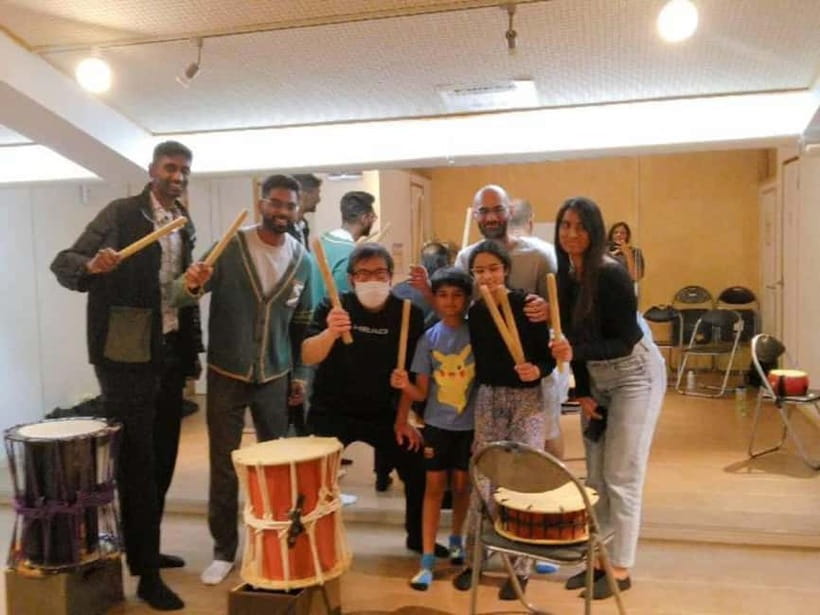
Taiko is often linked with Japanese festivals, but this class presents it as an active art form rather than a show you watch from the sidelines. The appeal is physical. You feel the drum vibrate through the sticks and your arms, and the sound comes from your own timing and strength.
That makes the session a good break from temple visits, shopping streets, and museum rooms. You get an hour of movement and noise, with no musical background required. It is not designed to turn you into a professional drummer in one lesson, but it can give you a clear sense of the discipline behind a polished taiko performance.
I would expect the class to focus on simple patterns that a complete beginner can copy. The supplied details specifically mention learning the correct way to hold the drumsticks, strike with power, and move with the rhythm. Those basics matter because taiko is not just about hitting a large drum as hard as possible. Your stance, timing, arm movement, and coordination all affect the sound.
If you're still narrowing it down, here are other tours in Tokyo we've reviewed.



Meeting the instructor at Ōkubo Station
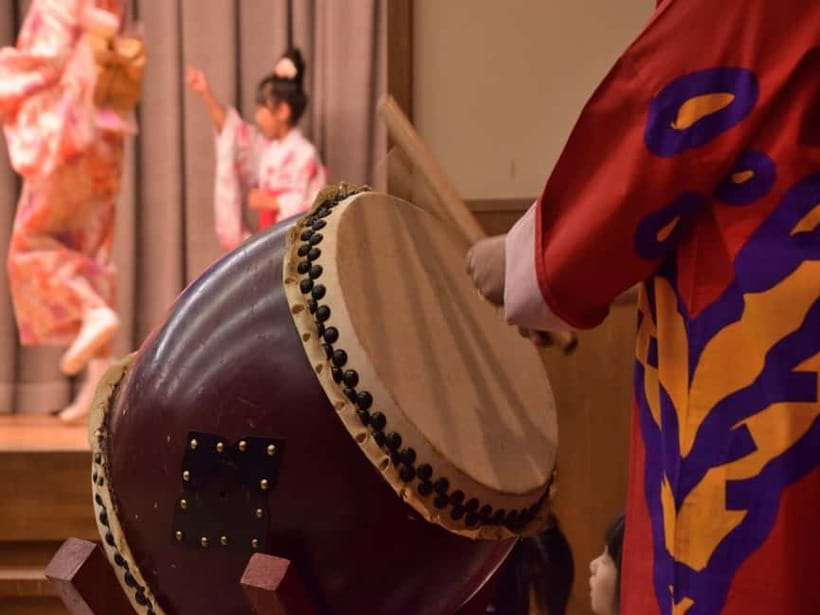
Your starting point is the South Exit of Ōkubo Station in Tokyo. This is a meeting-point activity, so transportation to the venue is not included. You need to make your own way there and wait for the instructor at the stated exit.
Arrive 15 minutes before the scheduled start. That extra time is useful for finding the correct exit, checking in, and avoiding a rushed start. Tokyo railway stations can have several exits and nearby streets, so do not treat the meeting point as a vague suggestion. Go to the South Exit itself and wait there.
The instructor teaches in English or Japanese. The available information does not give the instructor’s name, so you should not book this expecting a named teacher or a particular performer. The important point is language choice and the small class size, not a celebrity instructor.
There is a practical reliability concern here. One participant arrived for a scheduled class, found that the instructor had not shown up, and had to return the following day. The replacement class was enjoyable, and the teacher was described as encouraging and clearly skilled at drumming, but the missed appointment was not explained at the second session. I would confirm the booking and meeting details shortly before going, especially if your Tokyo schedule is tight.
The first strikes: sticks, stance, and power
The lesson begins at entry level, so you do not need to know how to read music or have any previous drumming experience. You start with the mechanics: how to hold the sticks, how to position yourself, and how to make a controlled strike.
That simple beginning is one of the strongest features for a first-time participant. Taiko looks easy from a distance, but the sound depends on more than force. A beginner who swings wildly may tire quickly and lose the rhythm. Clear instruction helps you use your body better and understand how a firm, well-timed strike produces a stronger result.
The class also asks you to move with the rhythm. This gives the experience more energy than a seated music lesson, but it means you should dress for activity. Comfortable clothing and shoes are required. Avoid anything restrictive, fragile, or likely to distract you while moving your arms and body.
The activity is not suitable for people with back problems. That warning deserves attention because the session involves physical movement, repeated arm action, and the posture needed to play the drum. If you have a condition that makes this type of activity uncomfortable, this may not be the right cultural class for you.
Finding a rhythm in a six-person group
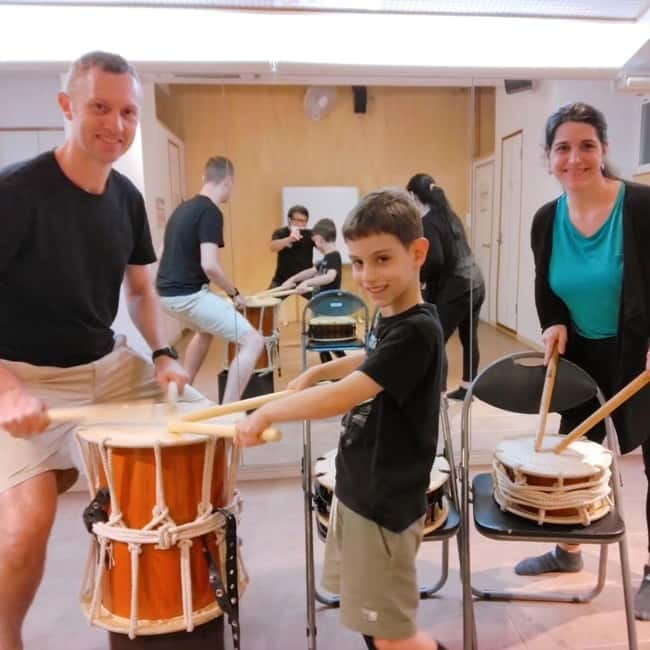
The group limit is six participants. That is a useful size for a practical lesson because you are not lost in a large room with dozens of people. You should have a better chance to see the instructor’s movements, hear corrections, and get time at the drum.
Small groups also make the activity feel more personal. If the instructor demonstrates a rhythm, you can watch closely and copy it without the confusion of a crowded class. The exact amount of individual coaching is not specified, so I would keep expectations realistic. Six people is small, but it is still a group lesson rather than a private session.
The supplied experience details describe the teacher as encouraging and fun during the successful class. That matters for beginners. You may feel awkward at first, especially when trying to coordinate the sticks, the beat, and your body position. An instructor who keeps the mood light can make it easier to keep trying after a missed rhythm.
At the same time, the physical setup may be basic. One participant described the instructor securing drums to low stools with sellotape. That suggests an amateurish room arrangement rather than a polished studio setup. It did not prevent the class from being fun, but it may affect your expectations. You are paying for a hands-on cultural lesson, not a formal concert hall or luxury workshop.
What you get for $35
The price is $35 per person for one hour. Expert instruction and all necessary equipment are included. Transportation, food, and drinks are not included, so you need to budget separately for getting to Ōkubo and for anything you want before or after the class.
At first glance, $35 is a fair price for a small, instructor-led activity in Tokyo. A group limit of six gives the fee more value than a large demonstration where you only watch. The class also offers something difficult to reproduce on your own: access to drums, a teacher, and a structured introduction to a traditional Japanese art.
The value becomes less convincing if you judge the experience by duration alone. One hour passes quickly, and you should not expect a full course in taiko technique. You will learn the basics and get the satisfying rush of making the sound yourself. You will not leave as a true taiko master after a single class, despite the playful promise in the activity description.
The equipment setup is another part of the value question. A low-stool arrangement held in place with tape can feel improvised, particularly at this price. Some people will accept that in exchange for a fun, physical activity. Others may prefer to spend $35 on a longer workshop, a performance, or a more formal cultural lesson.
My advice is to book it for the experience, not for production polish. If your goal is to try taiko, make noise, learn basic technique, and enjoy a short activity with a small group, the fee can make sense. If you want a highly refined venue or extensive training, you may find it expensive.





The sound, movement, and cultural connection
The best part of taiko is the physical sound. The drumbeat is not delicate background music. It has weight, and you feel that vibration as you strike. That direct connection between movement and sound gives the class its strongest cultural value.
You also gain a better appreciation for the control behind traditional Japanese music. A good performance can look effortless, but even the beginner version requires timing, posture, and attention. The lesson lets you see that process from the inside.
This is especially useful if you have already spent several days taking in Tokyo’s cultural sights at a distance. You may have seen festival drums or heard traditional instruments in performances. Here, you take part rather than simply observe. The session will not explain every historical or regional aspect of taiko, since no such lecture is included in the details, but it does give you a physical introduction to the tradition.
The class could suit couples, friends, solo visitors, and families with participants who can manage physical activity. The data does not specify a minimum age, so do not assume that young children are accepted without checking before booking. The same applies to specific venue facilities and changing areas, which are not described.
Handling the practical details
Wear comfortable shoes and clothes suitable for movement. You will need free arm movement, a stable footing, and clothing that does not make physical activity difficult. Smoking is not allowed.
The session lasts one hour, with starting times available according to the date you select. Since the class is short, being late matters. Arriving 15 minutes early is not just a formality. It protects your full lesson time and gives you a chance to find the instructor without cutting into the opening explanation.
The activity offers free cancellation up to three days in advance for a full refund. That is helpful if your Tokyo plans change, but it does not solve a same-day problem. If you are uncertain about your schedule, make your decision before that cutoff.
No meals or drinks are provided. Plan your food separately, and do not count on refreshments at the venue. The meeting point is at Ōkubo Station, but transportation from your hotel or another Tokyo sight is your responsibility.
The activity is offered in English and Japanese. English instruction is a major convenience for international visitors, since the early explanations about grip and body movement need to be clear. Still, the experience is physical enough that watching the demonstration may also help bridge any language gap.
The reliability question you should consider
The strongest negative detail is not the basic room setup or the short length. It is the missed appointment. One participant spent an evening reaching the meeting point and waiting, then rebooked for the next day. The next class was described as fun, with an encouraging teacher who was clearly a good drummer, but there was no explanation for the earlier absence.
That single incident does not prove that every session will fail to run. The overall rating is 2.4 from three reviews, though the available written account also says the successful class itself was enjoyable. Still, a missed class can cause real trouble in Tokyo, where you may have timed reservations, evening meals, or a train connection to catch.
I would take three simple precautions. Save the meeting point and time in your phone, arrive early, and check the booking details before leaving your hotel. If the class is important to your schedule, allow some flexibility around it rather than placing a nonrefundable dinner or show immediately afterward.
Who should book this taiko lesson?
I would recommend this activity to you if you want a short, active cultural experience and like the idea of making traditional music with your own hands. It is especially suitable for beginners who might feel intimidated by a formal music class, since the lesson starts with basic instructions and does not require previous experience.
It also suits people who value small groups. Six participants or fewer should offer a closer look at the teacher and a better chance to follow the rhythm than a large public workshop.
I would hesitate if you have back problems, dislike physical activity, or expect polished professional facilities. I would also think twice if your schedule has no room for a change, given the reported instructor absence.
My call: fun and memorable, with sensible expectations
Book this taiko class if you want one energetic hour, a friendly introduction, and the pleasure of feeling a Japanese drum respond to your own strikes. The small group, bilingual instruction, equipment inclusion, and beginner focus all work in its favor.
Go in knowing what the $35 buys: a compact lesson with basic equipment, not an in-depth course or luxury production. Confirm the appointment, arrive early, wear practical clothes, and leave room in your itinerary in case plans go wrong. For the right person, the physical sound and encouraging instruction can make this a memorable Tokyo break. For anyone seeking polished organization or a longer lesson, the value is less certain.
FAQ
Where does the taiko drumming experience meet?
Meet the instructor at the South Exit of Ōkubo Station in Tokyo, on Honshu, Japan.
How long does the taiko class last?
The experience lasts one hour.
How much does the activity cost?
The listed price is $35 per person.
Is previous drumming experience required?
No. The lesson starts from scratch and is designed for beginners.
What languages does the instructor speak?
Instruction is available in English and Japanese.
How many people can join the group?
The group is limited to six participants.
What is included in the price?
Expert instruction and all necessary equipment are included.
What should I wear and bring?
Wear comfortable clothing and comfortable shoes suitable for physical activity. Smoking is not allowed, and the experience is not suitable for people with back problems.
More tours in Tokyo we've reviewed












Tokyo, compared.
 ★ 5.0Mt Fuji and Hakone 1-Day Bus Tour Return by Bullet TrainFrom $163
 ★ 5.01-Day Tokyo Bus TourFrom $129
 ★ 4.6Tokyo: teamLab Planets TOKYO Digital Art Museum Entry TicketFrom $251 day
 ★ 4.0Mt Fuji & Hakone Cruise, Drum Show Bullet Train 1 Day from TokyoFrom $149
 ★ 5.0Tokyo: Shinjuku Food Tour (13 Dishes at 4 Local Eateries)From $86
 ★ 4.4Tokyo Mt Fuji 5th St & Hakone Cruise Bus Tour w/Bullet TrainFrom $15410 hours