Reviewed · PRIVATE CAR WITH DRIVER
Tokyo Private Chauffeur Tour – Fully Guided
Tokyo is a huge city, and this private chauffeur tour gives you a smart way to cover its major sights without learning the rail system on your first day. You can start at your hotel, ride in a private vehicle with WiFi and bottled water, and shape the day around your own pace.
In This Article
- Key points
- A private way to get your Tokyo bearings
- Senso-ji and the old heart of Asakusa
- Tsukiji Outer Market for lunch
- Tokyo Skytree and the price of the view
- Shibuya Crossing, Tokyo’s famous pause
- Meiji Jingu, a quiet change of pace
- Takeshita Street and Harajuku style
- What the guides add to the day
- Is $67 good value for Tokyo?
- Who should book this private tour?
- My call: book it for a flexible first day
- FAQ
- How long does the Tokyo private chauffeur tour last?
- Is hotel pickup available?
- Is the tour private?
- Which sights are included in the suggested route?
- Is lunch included?
- Are entrance fees included?
- What is the cancellation policy?
I like the flexible route, which lets you choose the standard stops or request your own plan. I also like the personal guide service, with guides such as Mattia, Mattias, Oriol, Riadh, Guy, Isam, and Goriel praised for clear explanations, humor, and thoughtful adjustments. The main catch is that Tokyo traffic can eat into your sightseeing time, and tower admission, lunch, and other entrance fees cost extra.
Key points
- Hotel pickup and private vehicle: Your group travels together instead of changing trains across Tokyo.
- A useful first-day route: The schedule links Asakusa, Tsukiji, Tokyo Skytree, Shibuya, Meiji Shrine, and Harajuku.
- Flexible planning: You can follow the suggested route or request a custom itinerary.
- Guides make the difference: Mattia, Mattias, Oriol, Riadh, Guy, Isam, and Goriel are named in the tour feedback.
- Tower visits are self-guided: Tokyo Skytree is included as a stop, but its admission and guided explanation are not included.
- Good for mixed mobility: The route can be adjusted for people who cannot walk long distances.
A private way to get your Tokyo bearings
The tour lasts about seven to nine hours, long enough to see several very different parts of Tokyo in one day. You are not simply driven past the sights. At the temples, shrines, markets, and street districts, your guide can explain what you are seeing and help you use your time well.
The private format matters in Tokyo. A standard group tour has to keep everyone on one schedule. Here, you can spend longer at Senso-ji, shorten a shopping stop, change the order, or swap in a personal request if the timing allows. One guide, Riadh, was specifically praised for changing the plan around knee problems, which tells you what this service is designed to do: adjust the day instead of forcing you to keep up.
The vehicle also gives you a place to rest between stops. Tokyo can involve a great deal of walking, station stairs, crowds, and transfers. A chauffeured ride does not remove all walking, but it can make a packed sightseeing day less tiring.
There is a practical limit. Tokyo is spread out, and roads can be slow. Senso-ji, Tsukiji, Skytree, Shibuya, and Harajuku are not all in one compact neighborhood. The driver can reduce the effort of getting around, but no vehicle can guarantee a quick crossing of the city.
Other guided tours in Tokyo
Senso-ji and the old heart of Asakusa
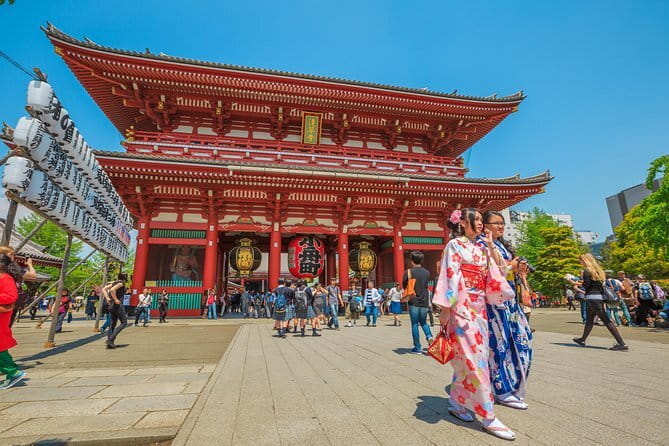
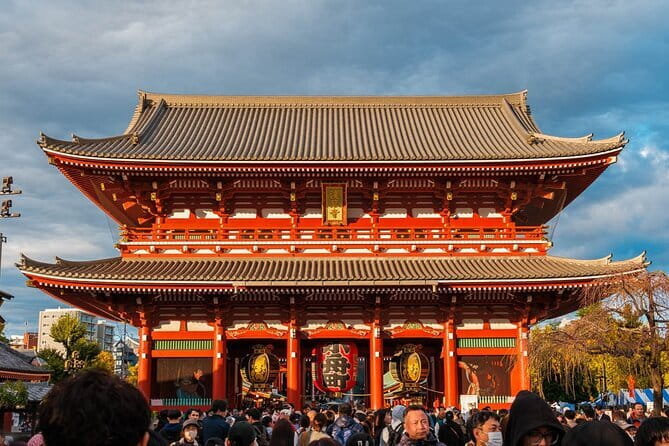
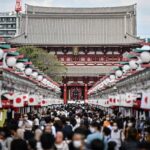
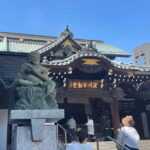
Your day begins, in the suggested plan, at Senso-ji Temple, Tokyo’s oldest and most prominent Buddhist temple. The site is nearly 1,400 years old and remains the symbol of Asakusa.
Allow about 50 minutes here. That is enough for a purposeful first look at the temple grounds, the approach, and Nakamise Street, the traditional shopping lane leading toward the main temple area. Your guide can add the cultural background that turns a quick temple visit into something more meaningful.
Senso-ji is a strong opening stop because it shows you a side of Tokyo that contrasts sharply with the glass towers and neon districts later in the day. The temple is free to enter, so there is no surprise admission charge at this point.
The time limit is worth noting. Asakusa rewards slow wandering, and you may want more than 50 minutes if you enjoy browsing small shops, taking photographs, or pausing at the temple. The private format gives you a chance to request extra time, but adding time here may mean cutting another stop.
Tsukiji Outer Market for lunch
Next comes Tsukiji Outer Market, a natural place to eat and one of the day’s most enjoyable stops for anyone interested in Japanese food. The outer market has street-food stalls, small shops, and restaurants serving both raw and cooked fish.
The planned stop lasts about an hour. Lunch is not included, so you pay for your own meal. That is a drawback if you prefer an all-inclusive tour, but it also gives you control over what and how much you eat. You can choose a restaurant or snack from the stalls rather than accept a fixed menu.
I would treat Tsukiji as both a food stop and a cultural one. The market offers a close look at Tokyo’s seafood traditions, but you should expect a busy setting and a lot of tempting choices. Keep the schedule in mind. An hour can pass quickly if you stop often for snacks.
Your guide can help you make better use of the visit, especially if you are unsure how to approach the market. Still, the tour description does not promise a private food tasting or included meal. You should budget separately for lunch and any food purchases.
Tokyo Skytree and the price of the view
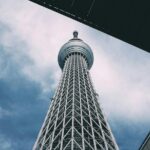
Tokyo Skytree is scheduled for about an hour. At 634 meters, it towers over the city and offers broad views from its observation levels.
This part of the day is not guided, and admission is not included. That distinction is important. The driver can take you to Skytree and help with the overall schedule, but you should not expect the guide to accompany you through the tower or explain the view from inside.
The tower is an optional cost on top of the advertised $67 price. If the weather is poor, you may want to ask yourself if the extra admission is worthwhile. On a clear day, the height gives you a useful sense of Tokyo’s scale. You can see how far the city spreads, which makes the earlier drives and later neighborhoods fit together in your mind.
The one-hour allocation may work well for a quick visit, but it leaves limited room for long lines or a leisurely stop. Ask about current timing and admission arrangements before the day begins. The supplied information confirms that the fee is separate, but it does not give a specific ticket price.
Shibuya Crossing, Tokyo’s famous pause
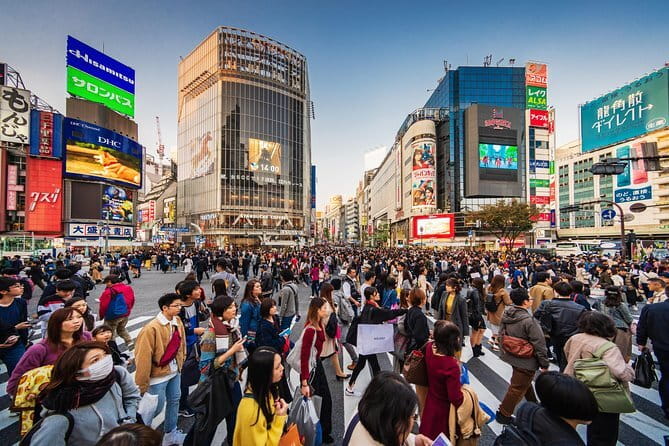
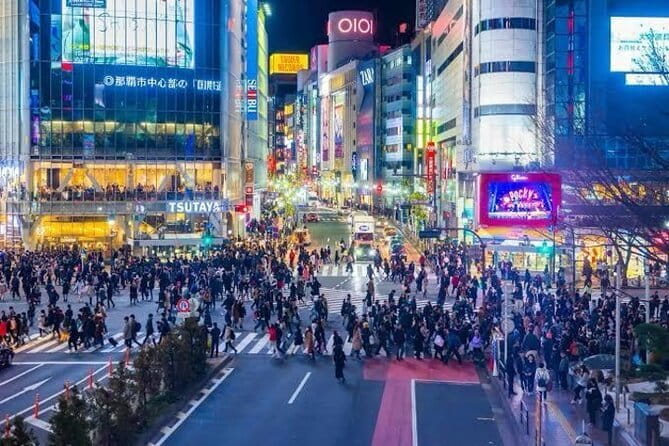
A 30-minute stop at Shibuya Crossing gives you time to see one of Tokyo’s best-known urban scenes. It is described as the busiest intersection in the world and is a landmark of the city.
Half an hour is short, but that is probably the point. Shibuya Crossing is less about entering a formal attraction and more about watching the city move. You can take photographs, absorb the scale of the intersection, and see the sharp contrast between Tokyo’s older religious sites and its modern commercial center.
The private car is useful here because your guide can get you close to the district without making you navigate another major train station. Even so, the crossing area is crowded, and you will need to walk once you leave the vehicle.
If you want time for department stores, cafés, or the wider Shibuya neighborhood, you will need to ask for a longer stop. The standard schedule gives you a snapshot, not a full afternoon in the district.
Other private tours in Tokyo

Meiji Jingu, a quiet change of pace
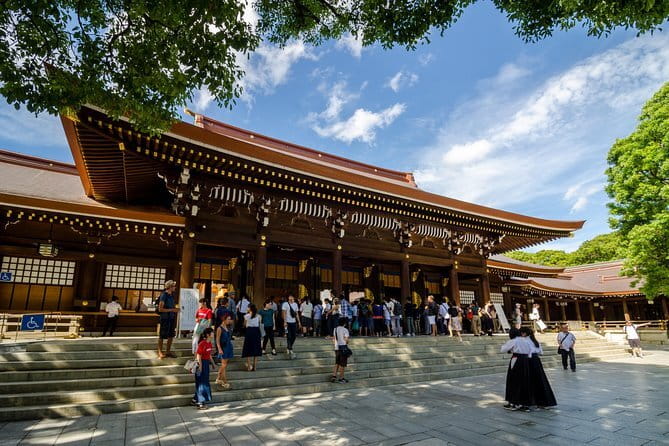
Meiji Jingu Shrine provides the day’s calmest setting. It is dedicated to the deified spirits of Emperor Meiji and Empress Shoken, and it was completed in 1920.
The planned visit lasts about 45 minutes. The entrance is known for its peaceful approach, and traditional Shinto weddings may sometimes be seen at the shrine. That possibility is not guaranteed, but it adds a distinctly Japanese cultural element to the stop.
This is another free attraction, so your main cost is time and transport. Your guide can explain the difference between a Buddhist temple such as Senso-ji and a Shinto shrine such as Meiji Jingu. That distinction is useful, especially if this is your first time in Japan and the architecture and customs seem unfamiliar.
The grounds can require walking, even though the overall tour is designed to reduce long transfers. If you have mobility concerns, tell the operator in advance and ask how much of the shrine visit can be adapted. The experience with Riadh adjusting a route around knee limitations suggests that flexibility is part of the service, but you should discuss your needs before booking.
Takeshita Street and Harajuku style
The final scheduled stop is Takeshita Street, the center of Harajuku’s youth fashion and teenage culture. The 30-minute visit gives you a quick look at the trendy shops and unusual street style associated with the district.
Takeshita Street is a useful counterpoint to Meiji Jingu. The shrine presents a solemn, traditional side of Japan, while the nearby shopping street is youthful, commercial, and playful. Seeing both in one visit helps you understand why Harajuku is such a memorable Tokyo district.
Thirty minutes will let you walk a short section and look at the shops, but it is not enough for serious shopping. If you want to browse carefully, eat in the area, or visit more of Harajuku, ask your guide about changing the timing. The benefit of a private tour is that you can trade some time at another stop for a longer stay here.
What the guides add to the day
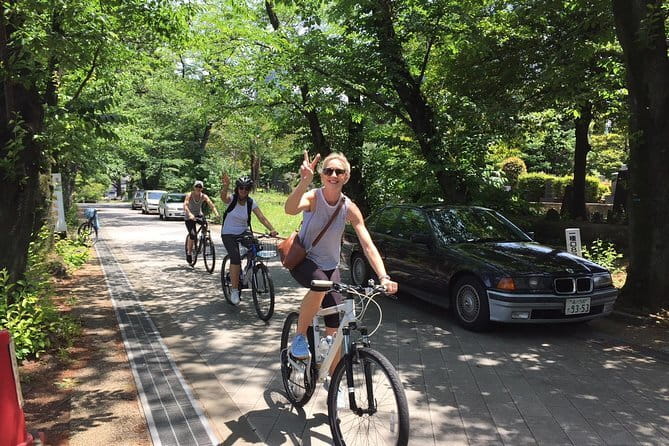
The vehicle is useful, but the guide is what determines how much you learn. The named guides receive repeated praise for being friendly, flexible, and good at explaining Japanese culture and Tokyo’s past.
Mattia and Mattias are described as engaging guides who bring history and local details to life with humor. Oriol is praised for being accommodating and for showing both major sights and less-visited places. Goriel is described as helpful not only during the tour but also when planning the rest of a Tokyo visit.
Riadh’s communication before pickup and his willingness to adjust the schedule are especially useful details. If you have limited mobility, children with short attention spans, or a long list of personal requests, ask for the most flexible guide available. The information does not promise a particular guide, so requesting a name is sensible but not a guarantee.
The service is fully private, meaning only your group participates. That gives you a quieter setting for questions and avoids the stop-and-go pace of a large coach tour. It also means the quality of the day depends heavily on how clearly you share your priorities.
Is $67 good value for Tokyo?
At an advertised $67, this tour can be strong value for a private full-day experience, especially if the price applies to your group rather than each person. The supplied details do not clarify the exact pricing structure, so confirm that point before paying.
Private transport, hotel pickup, WiFi onboard, bottled water, and a guide are included. Those inclusions matter in Tokyo, where moving between districts can take time and where public transport, though excellent, can feel demanding on a first visit.
The price does not include lunch or admission fees. Tokyo Skytree is the main planned paid attraction, and any other requested sights may add more expense. You should also ask about special pickup needs. One party used the service from Yokohama port with substantial luggage and paid an additional luggage charge in advance.
For a solo visitor or couple who enjoys trains and already knows Tokyo, the price may feel less compelling. You could reach most of these areas by rail at a lower transport cost. For a family, older relatives, cruise passengers, or anyone with limited time, the value improves because the private vehicle and flexible schedule reduce the work of planning.
Who should book this private tour?
I would point this tour toward several types of visitors:
- First-time visitors who want a broad introduction in one day
- Families who need a private schedule
- Older people or anyone who cannot walk long distances
- Cruise passengers with limited time in Tokyo or nearby Yokohama
- Small groups that want a guide rather than a self-guided sightseeing day
- Visitors who want to combine famous sights with a few personal requests
It is less suitable if you want long, detailed visits at every stop. The standard schedule covers six locations, so several visits are brief. It is also not the best match if your main goal is a guided tower experience, since Skytree is not guided and admission is separate.
Pickup is offered, and confirmation is sent when you book. Most people can participate, but the details do not promise wheelchair access or a specific vehicle type for every booking. Contact the provider with mobility needs, luggage, or a port pickup request before the tour.
Free cancellation is available if you cancel at least 24 hours before the start time. Within 24 hours, the payment is not refunded, and changes are not accepted.
My call: book it for a flexible first day
I would book this tour if you want to get your bearings fast without spending your first Tokyo day studying train maps. The mix of Senso-ji, Tsukiji, Skytree, Shibuya, Meiji Jingu, and Harajuku covers temples, food, views, city streets, and youth culture in one sweep.
The best reason to choose it is control over the day. Tell the guide what matters most, mention any walking limits, and decide in advance if Skytree is worth the extra ticket. If you prefer slow neighborhood wandering or want a deep visit at just one or two sights, use the private format to replace some stops rather than trying to do everything.
At $67 before food and entrance fees, it offers a practical way to see a lot of Tokyo with your own guide and vehicle. Just keep your expectations clear: this is a broad city introduction, not six long guided tours packed into one day.
FAQ
How long does the Tokyo private chauffeur tour last?
The experience lasts approximately seven to nine hours.
Is hotel pickup available?
Yes. Pickup is offered, including pickup from the comfort of your hotel.
Is the tour private?
Yes. Only your group participates in the activity.
Which sights are included in the suggested route?
The planned route includes Senso-ji Temple, Tsukiji Outer Market, Tokyo Skytree, Shibuya Crossing, Meiji Jingu Shrine, and Takeshita Street.
Is lunch included?
No. Lunch is not included in the tour price. Tsukiji Outer Market is suggested as a place to eat, but you pay for your own meal.
Are entrance fees included?
No. Entrance fees are not included. Tokyo Skytree admission is specifically listed as an extra cost, and the tower visit is not guided.
What is the cancellation policy?
You can cancel at least 24 hours before the experience for a full refund. Cancellations or changes made within 24 hours are not accepted and are not refunded.
More Private Car with Driver in Tokyo

More Private Tours in Tokyo
More Guided Tours in Tokyo

More tours in Tokyo we've reviewed



Private Car with Driver, compared.
 ★ 5.0Tokyo Private Sightseeing Tour by Car- English speaking chauffeurFrom $268
 ★ 5.0Tokyo Private Tour by Vehicle with English-Speaking ChauffeurFrom $468
Mt FUJI Day Tour with Private Car and English Speaking GuideFrom $440
★ 5.0Tokyo Private Tour by Vehicle with English-Speaking ChauffeurFrom $468
Mt FUJI Day Tour with Private Car and English Speaking GuideFrom $440
 ★ 5.0Private Car Tour to Mt. Fuji Lake Kawaguchiko or HakoneFrom $1,286
 ★ 5.0Tokyo Private Driving Tour by Car/Van with English ChauffeurFrom $320
 ★ 5.0Mt Fuji Exclusive Tour with Private Car English GuideFrom $445