Reviewed · BAR HOPPING & IZAKAYA TOURS
Private Tokyo food scene 6 hour experience: Depatika, street food, izakaya
Tokyo’s food scene is too large for one neighborhood, so this private six-hour outing moves from Ikebukuro’s department-store food halls to Jujo’s old-school shopping arcade and Akabane’s lantern-lit drinking lanes. It gives you a useful cross-section of everyday eating, from polished takeaway food to street snacks and small izakayas.
In This Article
- Key points at a glance
- Three Tokyo neighborhoods, one long meal
- Starting underground at Seibu Ikebukuro
- Jujo Ginza and the old shopping arcade
- Akabane after dark, with izakaya food and drinks
- What the private format is worth
- Timing, walking, and transport details
- What I like most about the experience
- Who should book, and who should skip it
- FAQ
- Where does the tour begin?
- Where does the tour end?
- How long does the experience last?
- Are food and drinks included?
- Is this a private tour?
- Is there much walking?
I like the private format, which lets the guide adjust the pace and food choices to your group. I also like that the route ends in Akabane after dinner and drinks, rather than sending you back to the same tourist center where you began. The main caution is simple: this is a walking-and-eating workout, and smoking is allowed in some Japanese bars and restaurants.
Key points at a glance
- Three very different neighborhoods: Start in Ikebukuro, shop and snack in Jujo, then finish among Akabane’s small bars.
- Simon guides the experience: The guide handles the ordering, navigation, and local context, helping you get beyond familiar tourist stops.
- Food and alcohol are included: Dinner, snacks, and alcoholic drinks are part of the price, with soft drinks for anyone under 20.
- A private and customizable outing: Only your group takes part, so the day can respond to your appetite and interests.
- Plan for serious walking: Wear comfortable shoes and expect a full afternoon and evening on foot.
- The route is one-way: You begin near Ikebukuro Station and finish at JR Akabane Station, with transport between areas not included.
Three Tokyo neighborhoods, one long meal
This is not a single-stop food tasting with a few samples. You spend roughly 45 minutes in Ikebukuro, two hours around Jujo, and three hours in Akabane. The result feels closer to an afternoon food crawl with a local friend than a formal restaurant tour.
I particularly like the progression. Ikebukuro gives you a quick introduction to Japanese food presentation and department-store food culture. Jujo shifts the mood to local shopping streets and casual snacks. Akabane supplies the evening finish, with tiny bars and izakayas where the focus is food, drinks, and conversation.
The route also takes you away from the city’s most familiar visitor zones. You will still use major train stations, but the food stops are aimed at local habits rather than famous Tokyo sights. That makes this a good choice if you already know you want to eat like a resident for one afternoon, not simply collect a few photogenic dishes.
A few more Tokyo tours and experiences worth a look
Starting underground at Seibu Ikebukuro
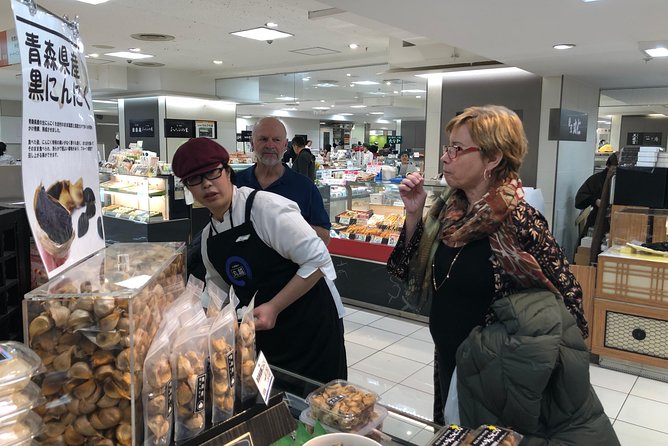
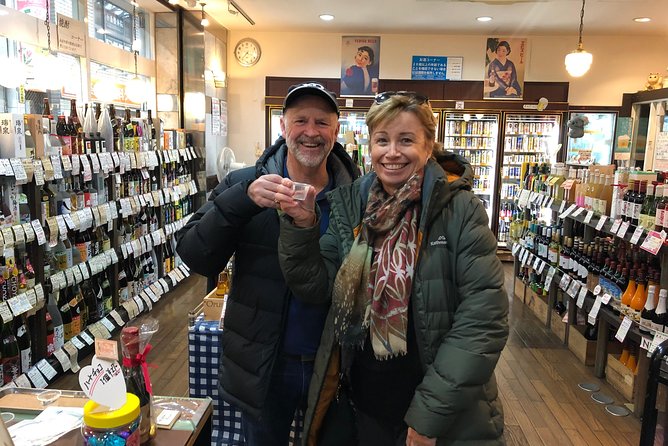
The meeting point is at Ikebukuro Station, at 1 Chome-28 Minamiikebukuro in Toshima City. The first stop is the Seibu Ikebukuro main store, where you spend about 45 minutes exploring one of Tokyo’s major department-store food halls.
Department-store basements are an important part of Japanese food culture. They are places to buy beautifully prepared food, sweets, gifts, and ready-to-eat dishes. For a first-time visitor, they can also feel confusing. Displays are polished, labels may not be easy to read, and the range of food is enormous.
A guide is useful here because the point is not just to walk through the counters. You get to see how food is bought and presented in Tokyo, and you can sample gourmet treats along the way. One of the guide’s jobs is to explain what is worth trying and how the food fits into local gift-giving customs.
This opening stop is short, so do not expect a full meal at Seibu. Think of it as an introduction and a chance to start tasting before the larger food stops later in the day. It is also a smart beginning because it eases you into Japanese food choices before you reach the more informal streets of Jujo.
Jujo Ginza and the old shopping arcade
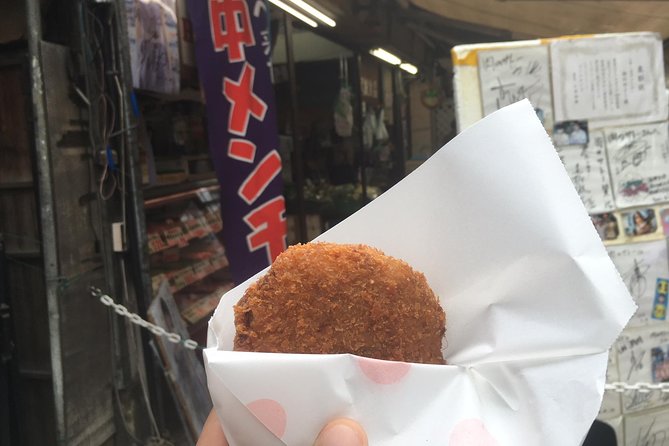
From Ikebukuro, the experience moves to Jujo Ginza Shopping Arcade for about two hours. Jujo’s shoutengai, or traditional shopping street, is the kind of place many visitors miss when they stay near Tokyo’s major sightseeing districts.
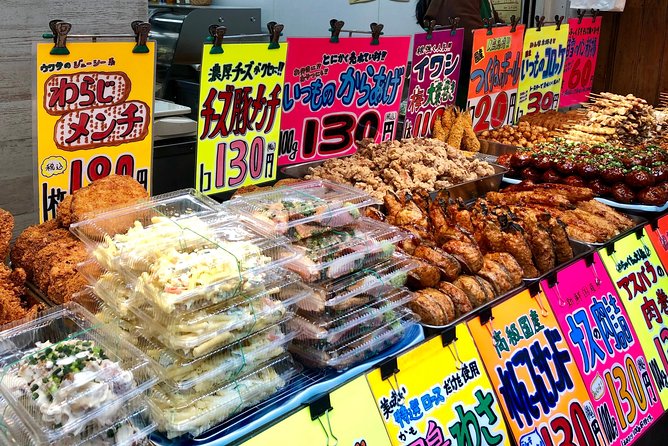
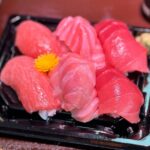
Here, you shop and snack alongside local routines. The arcade is known as one of the better places in Tokyo to sample street food, and the long stop gives the guide time to point out several choices instead of rushing you through one preset tasting.
This is where the private format matters most. If you are curious about a food, you can ask about it. If something does not appeal to you, the group can focus elsewhere. Specific dietary requirements should be given when booking, so the guide can plan with those needs in mind.
You should arrive hungry but not empty. The department-store samples come first, and Jujo adds more snacks before the evening meal in Akabane. A moderate level of appetite is better than trying to save every calorie for dinner.
The arcade is also a useful contrast to the department store. Ikebukuro shows Tokyo’s polished food retail side, while Jujo offers a more ordinary neighborhood setting. You might find small takeaway foods, casual bites, and shops that feel aimed at regular customers rather than sightseeing groups.
Do not treat this section as a guided history walk. The main purpose is food and local shopping, not a long lecture about the neighborhood. If your priority is Tokyo street eating and a less tourist-focused setting, this is likely to be one of the strongest parts of the route.
Akabane after dark, with izakaya food and drinks
The final stop takes about three hours in Akabane, ending near Akabane Ichiban-gai Shopping District and its promotion association office. This is the longest section, and it functions as dinner, bar time, and the evening heart of the experience.
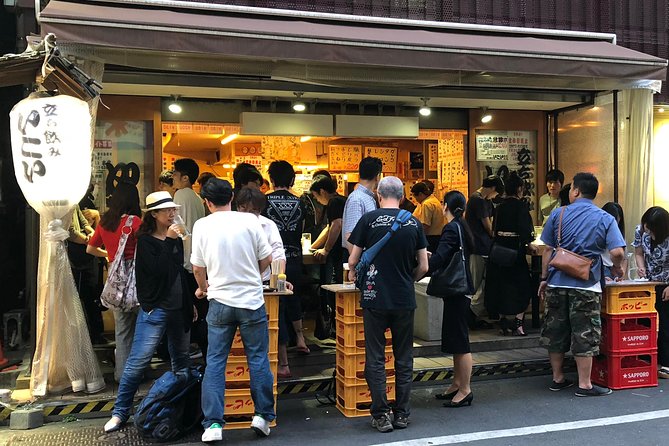
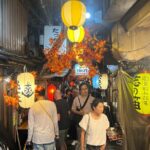
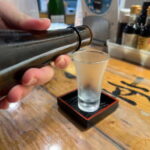
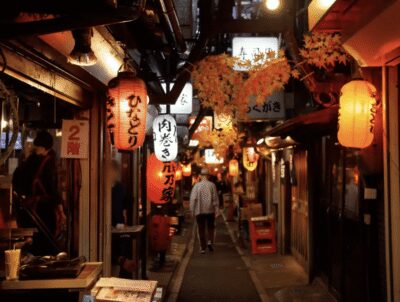
Akabane is known for retro entertainment streets, lantern-lit alleys, tiny bars, and izakayas. An izakaya is a Japanese drinking-and-dining place where people order several small dishes to share while having beer, sake, or other drinks. For many visitors, this style of eating is more rewarding with a guide because menus and ordering customs can be difficult to navigate on your own.
Simon, the named guide associated with this experience, has been praised for clear meeting instructions, easy communication, and a friendly, personal style. That matters in Akabane, where the appeal comes from entering small local places rather than choosing a large restaurant with an obvious tourist menu.
Dinner is included, as are snacks and alcoholic beverages. You do not need to keep calculating the cost of every plate or drink, which makes the evening easier. Still, included does not mean unlimited. The exact dishes and drinks can vary, especially on a private customizable tour, so ask the guide at the start if you have a particular food interest or drinking preference.
This section may be the most memorable for people who enjoy casual nightlife. It is less suitable if you want a quiet meal in a spacious dining room. Small bars can be close, smoky, and lively, and smoking is allowed in Japanese bars and restaurants. The experience is not recommended for pregnant women for that reason.
You finish at JR Akabane Station, where the guide drops you off. That is convenient if you plan to continue exploring northern Tokyo or return by train, but it means you are not returned to Ikebukuro. Treat the route as a one-way food journey.
What the private format is worth
The price is $247.45 per person. That is a substantial amount for a six-hour activity, but it covers a private guide, dinner, snacks, alcoholic drinks, and tastings across three areas. You are also paying for the work that makes the route possible: choosing suitable places, handling the language gap, explaining unfamiliar foods, and moving the group from one neighborhood to the next.
For a couple or small group that wants personal attention, the price can make more sense than booking several separate meals and hoping each place works out. Group discounts are available, which may improve the value when more people share the private outing.
The value is less convincing if you are already comfortable ordering in Japanese, know Tokyo’s food districts well, or prefer to spend the same money on one carefully chosen restaurant. Independent eating can cost less, especially if you skip alcohol and choose inexpensive dishes.
The experience is also booked, on average, about 40 days ahead. That suggests you should not leave it until the last day of a short Tokyo visit. If you have only a few nights in the city, this route is best placed early enough that you can use the guide’s food and neighborhood advice later in the trip.
A few more Tokyo tours and experiences worth a look
Timing, walking, and transport details
The published schedule is Monday from noon to 6 p.m., covering the period from December 22, 2021, through February 20, 2027. Confirm the operating date and time when booking, since the information supplied lists that specific Monday schedule.
The tour lasts about six hours. The listed stop times add up to nearly the full duration, with travel between districts included in the overall outing. You are responsible for getting to the starting point and for any transportation needed to reach the attractions. The meeting point is near public transportation, and the tour ends at JR Akabane Station.
A moderate amount of walking is involved. That means comfortable footwear is not a minor suggestion. You will be moving through stations, shopping streets, and entertainment lanes, with food stops along the way. Anyone who prefers a slow seated tour should think carefully before booking.
The tour is private, so only your group participates. Most people can take part, but the combination of walking, food, and alcohol makes the pace worth discussing with the guide at the beginning. The route is customizable, which gives you room to explain dietary needs, dislikes, or a preference for more food and less drinking.
Japan’s legal drinking age is 20. Anyone under 20 receives soft drinks instead of alcohol. Specific dietary requirements should be provided at the time of booking, not after the tour starts.
What I like most about the experience
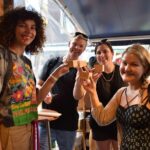
The strongest feature is the change of setting. Many Tokyo food tours remain in one central district, but this one shows you three different ways food fits into city life. You see prepared food in a department store, snack in an old shopping arcade, and spend the evening in local-style bars.
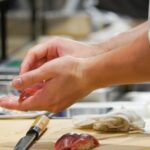
I also like the human scale. The experience is not built around a large group following a flag. A private guide can explain a food before you try it, answer questions as they arise, and adjust the outing to your group.
The past praise for Simon focuses on exactly this quality. He is described as easy to communicate with and able to make the day feel like time spent with a friend who knows where to go. That is a useful distinction. The success of this tour depends heavily on the guide’s judgment and social ease, and Simon appears to be a strong part of the experience.
The other major plus is the range of food and drink included in one price. You get snacks early, more street food in Jujo, and dinner with drinks in Akabane. That makes the tour feel like a full food day rather than a short sampling session.
Who should book, and who should skip it
Book this if you want local neighborhoods over famous landmarks, enjoy trying several foods in one day, and like the idea of ending in a small bar. It is particularly good for first-time visitors who want help with ordering and context, as well as repeat visitors who have already covered the standard Tokyo districts.
It also suits friends, couples, and families with adults who want a private pace. Group discounts may help larger parties, and the private setup means you are not tied to strangers’ appetites or interests.
Skip it if you dislike walking, do not drink, need a smoke-free setting, or want a single refined dinner. The tour is also a poor match if you need a fully fixed menu in advance. The food is part of the discovery, and the private format allows choices to change.
At $247.45, this is not a bargain food crawl. I see it as a convenience-and-access purchase: you pay for six hours of guidance, food, alcohol, neighborhood changes, and a route that would take more effort to build on your own. If those are the things you want, the price is defensible. If you mainly want cheap street food, explore Jujo or Akabane independently instead.
FAQ
Where does the tour begin?
It begins at Ikebukuro Station, at 1 Chome-28 Minamiikebukuro, Toshima City, Tokyo 171-0022, Japan.
Where does the tour end?
The guide drops you off at JR Akabane Station, at 1 Chome-1 Akabane, Kita City, Tokyo 115-0045, Japan.
How long does the experience last?
The experience lasts approximately six hours, from about noon to 6 p.m. on the published Monday schedule.
Are food and drinks included?
Yes. Dinner, snacks, and alcoholic beverages are included. Soft drinks are served to participants under 20.
Is this a private tour?
Yes. Only your group participates, and the tour can be customized.
Is there much walking?
Yes. A moderate amount of walking is involved, so comfortable footwear is recommended. Transportation to and from the attractions is not included.
More Private Tours in Tokyo


More Food Experiences in Tokyo
More Bar Hopping & Izakaya Tours in Tokyo
More tours in Tokyo we've reviewed












Bar Hopping & Izakaya Tours, compared.
 ★ 5.0Tokyo Bar Hopping Tour in Shinjuku (All-You-Can-Drink + Dinner)From $106
 ★ 4.9Tokyo: Shinjuku Local Bar and Izakaya Guided Walking TourFrom $343 hours
 ★ 5.0Shibuya Meltdown Nightlife Tour: All-You-Can-Drink Bar HoppingFrom $106
 ★ 4.5Tokyo: Pub Crawl and Bar TourFrom $275 hours
 ★ 5.0Tokyo: Shinjuku Local Bar & Izakaya Crawl TourFrom $39
 ★ 4.5Tokyo Pub CrawlFrom $25