Reviewed · TOKYO
Discover the Secrets of Pachinko, Japan’s Traditional Game
Pachinko looks like a wall of flashing machines until someone shows you how to read it. This Tokyo experience gets you inside BB Station near Nippori Station, explains the rules and parlor manners, then lets you play with an instructor beside you. You learn the flow from loading credits onto an IC card to flicking the handle and guiding balls through the machine.
In This Article
- Key points before you book
- Why pachinko makes a good Tokyo lesson
- Meeting at Nippori Station
- Entering BB Station near Nippori
- From IC card credits to the first balls
- What the instructor adds
- Winning, spending, and the real value
- Group size and the pace of the lesson
- Who will enjoy this experience
- Booking details and cancellation
- My call: book it for the lesson, not the payout
- FAQ
- Where does the pachinko experience start?
- Where does the activity end?
- Which pachinko parlor does the group visit?
- How long does the experience last?
- How many people can join?
- What will I learn during the activity?
- Is the token or ball rental fee included?
- Are gratuities included?
- Is bottled water included?
- Can I cancel for a full refund?
I like the hands-on format and the small maximum group of 10. You are not just watching a demonstration. You get a real machine, real balls, and help with the handle position and center pocket. I also like the practical setting near Nippori, a part of Tokyo that makes a useful meeting point without adding a long sightseeing transfer.
The main consideration is cost. The listed price is $70.73 per person, and the fee for renting tokens or balls, 4,000 JPY per person, is extra. Winning is possible, but it is not promised, so book this to understand pachinko and enjoy the experience, not as a plan to make money.
Key points before you book
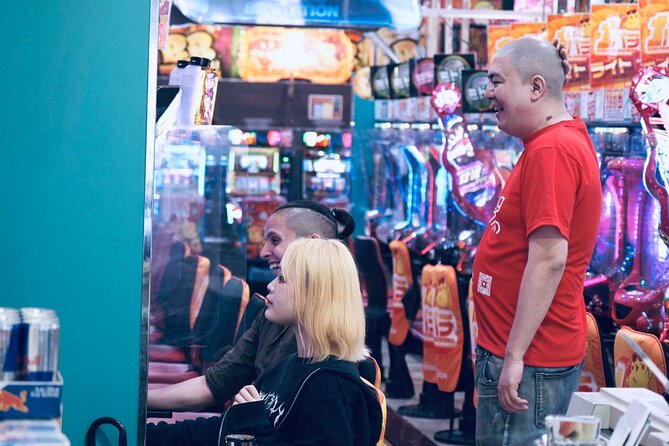
- A real pachinko parlor: You play inside BB Station near Nippori Station rather than learning only from a dry explanation.
- A short rules briefing: Allow 5 to 10 minutes for the basic rules and manners before the playing begins.
- Practical machine coaching: Your instructor explains IC card credits, handle control, and how to aim toward the center pocket.
- A compact group: The activity accepts a maximum of 10 people, which keeps the lesson fairly manageable.
- A possible winning session: You might win money, but the experience makes no guarantee.
- Extra playing cost: The 4,000 JPY token or ball rental fee is not included in the tour price.
Why pachinko makes a good Tokyo lesson
Pachinko is easy to spot and hard to understand. The machines flash, balls move quickly, and the controls are not designed for a first-time visitor. Without help, you could spend your whole session wondering which button to press or how to adjust the handle.
This experience gives you a way into that everyday Japanese pastime without pretending the rules are obvious. You learn the basic game flow, then put the explanation to work at a machine. That change from watching to trying matters. Pachinko makes more sense once you have handled the controls and seen how small adjustments affect the balls.
I also like that the activity focuses on the mechanics rather than dressing the experience up as a broad tour of Tokyo. You are here for pachinko. The lesson stays close to the game, the parlor, and the practical choices that a beginner needs to make.
The experience lasts about 1 hour and 15 minutes. That is enough time for an introduction and a genuine attempt at playing, but it is not a long gambling session. If you want an extended period at the machines, you should understand that the scheduled duration is fairly short, even though an instructor may sometimes stay longer when the session is going well.
If you're still narrowing it down, here are other tours in Tokyo we've reviewed.



Meeting at Nippori Station
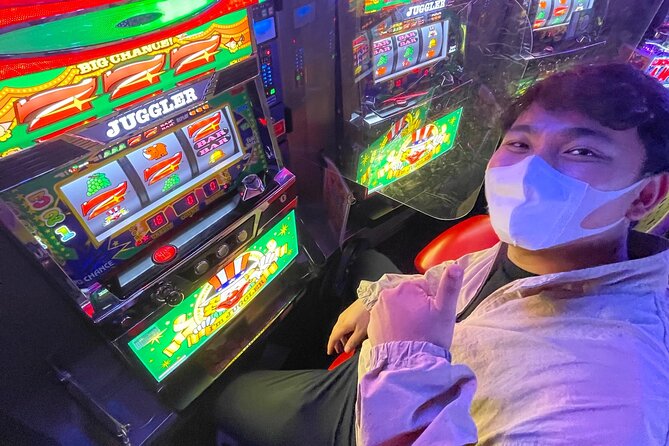
The meeting point is Nippori Station at 2 Chome-19 Nishinippori, Arakawa City, Tokyo 116-0013. The activity begins and ends at the meeting point, so you do not need to arrange a separate return transfer after the lesson.
This location works well if Nippori is already part of your day. It is also near public transportation, which makes the meeting point practical for a short activity. Still, give yourself enough time to find the precise meeting location. The information supplied identifies the station area and address, but it does not provide a detailed landmark or platform instruction.
The end point is simple: you return to the meeting point. That helps if you have a dinner reservation, another tour, or a train to catch. I would avoid scheduling anything too tightly, though. Pachinko can take a few minutes to explain, and the activity may run longer if you are still learning a machine at the end.
Entering BB Station near Nippori
The group goes to BB Station, a pachinko parlor near Nippori Station. This is the part that gives the activity its local feel. You are not being shown a special exhibit or a staged replica. You enter a working parlor and learn how to behave in that setting.
Before playing, the instructor gives a 5 to 10 minute explanation of the rules and manners. That briefing is short, but it serves an important purpose. A pachinko parlor has its own rhythm, and knowing the basic etiquette helps you feel less out of place when the machines are running around you.
The briefing also gives you a chance to understand the order of play before spending the extra ball rental fee. Listen closely here, especially if this is your first time with an IC card system or a pachinko handle. The point is not to memorize every detail at once. It is to know what you are doing when the machine is in front of you.
The parlor setting can be a consideration for some people. This is an activity centered on machines, lights, and game play, not a quiet cultural talk. If you prefer a calm museum or a slow walking tour, the atmosphere may feel intense. If you want to see how a traditional Japanese game works in its natural setting, the parlor is the right place to learn.
From IC card credits to the first balls
The instructor explains how to purchase credits with an IC card. This is one of the most useful parts for a beginner because it removes the awkward first step. You do not have to guess how to begin or watch someone else from a distance.
After the credits are ready, you launch the balls by flicking the machine handle. That action is simple in theory, but the session gives you guidance on adjusting the handle position. The instructor also explains how to aim for the center pocket with more precision.
The words adjusting the handle are important here. The experience is not only about pressing start and watching the machine. You learn that control matters, and the instructor points out the position that can help you guide the balls toward the central target.
Keep your expectations realistic. Better aim does not turn pachinko into a guaranteed result. It gives you a clearer understanding of the machine and a better chance to play with purpose. The activity makes a useful distinction between learning the method and controlling the outcome.
What the instructor adds
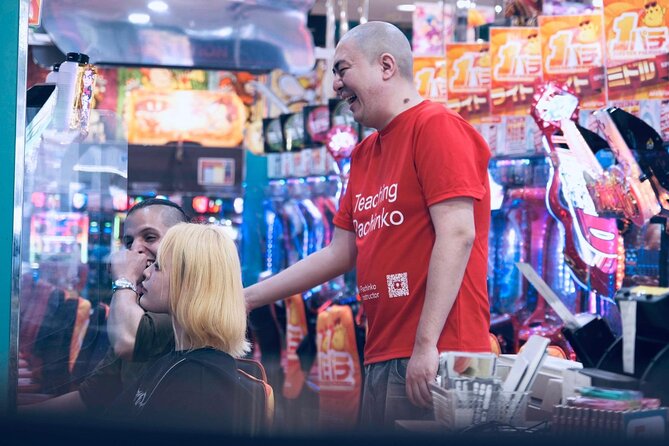
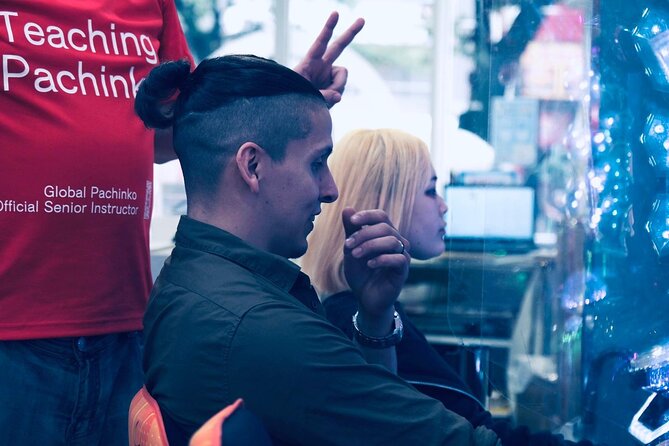
A professional pachinko instructor is with you as you move through the basic steps. No personal guide name is provided, but the instructor’s role is clear: explain the rules, show proper manners, help you find a machine, and coach you as you play.
That support is especially valuable during the first few minutes. You can ask about the machine flow while you are looking at it, rather than trying to remember a long lecture later. The instructor can also help you make sense of the handle and the center-pocket aim in real time.
The practical help may continue beyond the scheduled hour when circumstances allow. One session included extra time because an early machine seemed to be doing well, giving the participant a chance to try different games and continue learning. Do not treat extra time as a guaranteed part of the booking, but it suggests the instructor may be flexible when the session is still useful.
The most praised part of this experience is the teaching. One participant received clear information, won during the session, and came away feeling that the lesson itself was the sure result. That is the right way to judge the activity. A win is a pleasant bonus. Understanding how to play is what you are paying for.





Winning, spending, and the real value
The activity price is $70.73 per person. Gratuities are included, which keeps the listed price easier to read. But the fee for renting tokens or balls is separate, at 4,000 JPY per person, and bottled water is not included.
That extra 4,000 JPY matters when you compare this with other short Tokyo activities. Your actual cost is the booking price plus the playing fee, not the advertised price alone. Check the current exchange rate before deciding if the hands-on lesson fits your budget.
Is it good value? I think it can be, if you want a guided introduction to something you would otherwise struggle to understand. The instructor saves you the confusion of entering a parlor alone, choosing a machine without context, and working out the handle by trial and error.
The value is weaker if you are mainly hoping to win money. The activity does not promise a payout, and pachinko results remain uncertain. Even a successful session should be viewed as part of the entertainment, not as a way to recover the tour price.
One participant won a good amount and enjoyed staying longer after the first machine showed promise. That makes the possible upside clear, but it also highlights the risk of reading too much into one result. You might win, or you might simply finish with a better understanding of the game.
Group size and the pace of the lesson
The maximum group size is 10 people. That is small enough to keep the activity more personal than a large coach outing, though your exact experience depends on how many people book your date.
A smaller group matters in a pachinko parlor because the lesson involves individual machine controls. You may need help with the handle position or the IC card process, and the instructor has to move around the group while people play.
At 1 hour and 15 minutes, the pace is focused. The rules and manners take 5 to 10 minutes, leaving roughly an hour for the practical portion if the activity follows its scheduled length. That is enough for a first attempt, but you should not expect a full afternoon of different machines.
The compact timing is useful for a Tokyo itinerary. You can fit the activity around other plans without giving up half a day. On the other hand, if you learn slowly or want repeated attempts, the session may feel brief. The possibility of extra instruction is helpful, but it is not something to build your schedule around.
Who will enjoy this experience
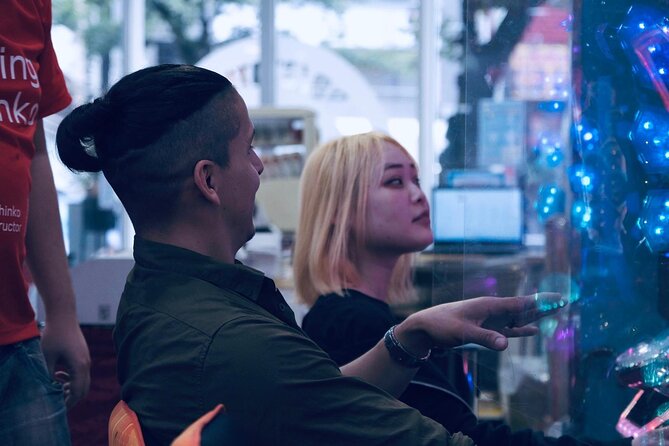
I would choose this for a first-time visitor who has seen pachinko parlors but never understood what was happening inside. The instructor gives you a safe way to try the game and explains the details that are easy to miss from the sidewalk.
It also suits anyone who enjoys learning through their hands. You will not simply hear about pachinko. You will use an IC card, launch balls, adjust the handle, and try to guide play toward the center pocket.
This is a good pick for a small group of friends who want an unusual Tokyo activity. The maximum of 10 people also makes it workable for a larger party, though the lesson may feel less individual as the group grows.
I would be more cautious if you dislike gambling-style activities, flashing machines, or uncertain outcomes. The experience is educational, but it is still built around playing pachinko with rented balls or tokens. You should be comfortable paying for that game time even if you do not win.
Booking details and cancellation
Confirmation is received at the time of booking. The activity accepts mobile tickets, which is convenient when you are moving around Tokyo and do not want to print paperwork.
Free cancellation is available if you cancel at least 24 hours before the experience start time. Cancellations made less than 24 hours before the start are not refunded, and changes inside that same window are not accepted. The cut-off follows local Tokyo time.
The activity is booked, on average, 25 days in advance. That does not mean every date sells out, but it is a useful sign that you should not assume last-minute availability, especially if your Tokyo schedule is fixed.
My call: book it for the lesson, not the payout
Book this experience if you want a direct introduction to pachinko and would rather have an instructor guide your first attempt than figure out the parlor alone. The Nippori meeting point, short duration, mobile ticket, and return to the starting point make it easy to fit into a day.
The strongest reasons to go are the practical coaching and the chance to play inside a real parlor. You will learn the IC card process, handle control, center-pocket aiming, and basic manners in a compact session.
Skip it if your main goal is guaranteed winnings or a long stretch at the machines. Add the 4,000 JPY playing fee to the $70.73 booking price, and remember that success is never promised. For curious visitors who value an unusual lesson over a sure payout, this is a fun and focused way to make sense of one of Japan’s most recognizable games.
FAQ
Where does the pachinko experience start?
It starts at Nippori Station, at 2 Chome-19 Nishinippori, Arakawa City, Tokyo 116-0013, Japan.
Where does the activity end?
The activity ends back at the meeting point.
Which pachinko parlor does the group visit?
The group visits BB Station, a pachinko parlor near Nippori Station.
How long does the experience last?
The scheduled duration is approximately 1 hour and 15 minutes.
How many people can join?
The maximum group size is 10 people.
What will I learn during the activity?
You will learn the game flow, how to purchase credits with an IC card, how to launch balls with the handle, how to adjust the handle position, and how to aim toward the center pocket. You will also receive a short explanation of rules and parlor manners.
Is the token or ball rental fee included?
No. Renting tokens or balls costs 4,000 JPY per person and is not included in the listed activity price.
Are gratuities included?
Yes. Gratuities are included.
Is bottled water included?
No. Bottled water is not included.
Can I cancel for a full refund?
Yes, if you cancel at least 24 hours before the experience start time. Cancellations made less than 24 hours before the start are not refunded, and changes during that period are not accepted.
More tours in Tokyo we've reviewed






Tokyo, compared.
 ★ 5.0Mt Fuji and Hakone 1-Day Bus Tour Return by Bullet TrainFrom $163
 ★ 5.01-Day Tokyo Bus TourFrom $129
 ★ 4.6Tokyo: teamLab Planets TOKYO Digital Art Museum Entry TicketFrom $251 day
 ★ 4.0Mt Fuji & Hakone Cruise, Drum Show Bullet Train 1 Day from TokyoFrom $149
 ★ 5.0Tokyo: Shinjuku Food Tour (13 Dishes at 4 Local Eateries)From $86
 ★ 4.4Tokyo Mt Fuji 5th St & Hakone Cruise Bus Tour w/Bullet TrainFrom $15410 hours