Reviewed · SAMURAI & NINJA EXPERIENCES
Tokyo: Samurai Kendo Practice Experience
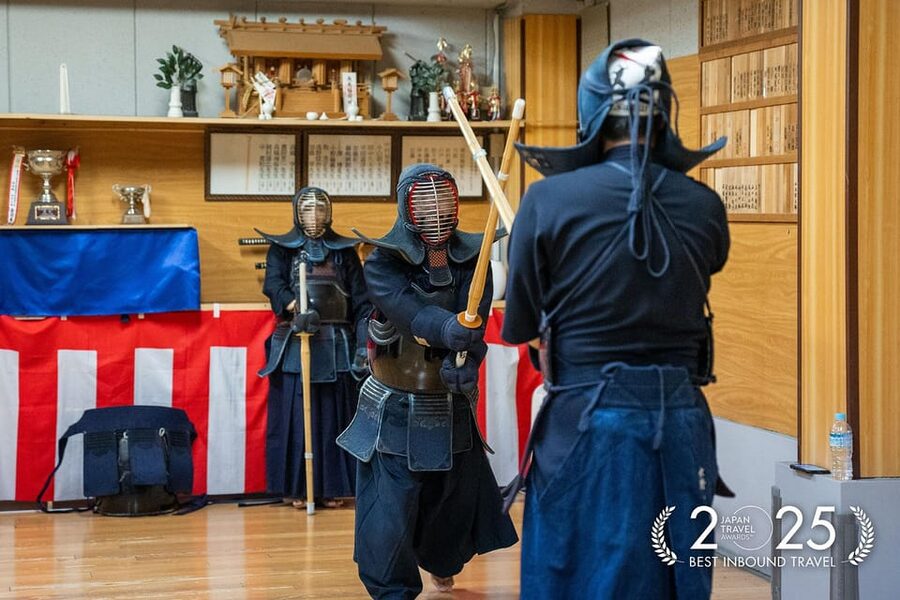
A bamboo sword cracks against armor, and suddenly samurai cinema feels a lot less glamorous. At this small Tokyo dojo, you learn kendo by moving, striking, shouting, and taking part in controlled practice bouts, not by standing in the corner for a lecture. Nagamatsu-sensei and his assistants teach the basics in a friendly but disciplined setting.
In This Article
- Key points to know before you book
- What the two-hour kendo session is really like
- Meeting Nagamatsu-sensei and learning dojo etiquette
- Putting on the armor and picking up the shinai
- Learning the three basic kendo strikes
- From drills to light sparring and playful combat
- What the dojo teaches beyond swordplay
- Is $116 a fair price for two hours?
- Finding the dojo near JR Uguisudani
- Who will enjoy this most
- Practical tips for a smoother visit
- Should you book the Tokyo Samurai Kendo experience?
- FAQ
- How long does the Tokyo Samurai Kendo experience last?
- Where does the kendo experience take place?
- What languages are available?
- Is kendo equipment included?
- What should I wear?
- Can I wear glasses during the activity?
- Can I cancel or pay later?
I like the small groups of up to six, which give you room to ask questions and receive hands-on help. I also like the chance to wear full kendo armor and learn the three basic targets: men for the head, kote for the wrist, and do for the torso. The main consideration is communication. Instruction is in English and Japanese, and some visitors find the English explanations quick or blunt.
Key points to know before you book
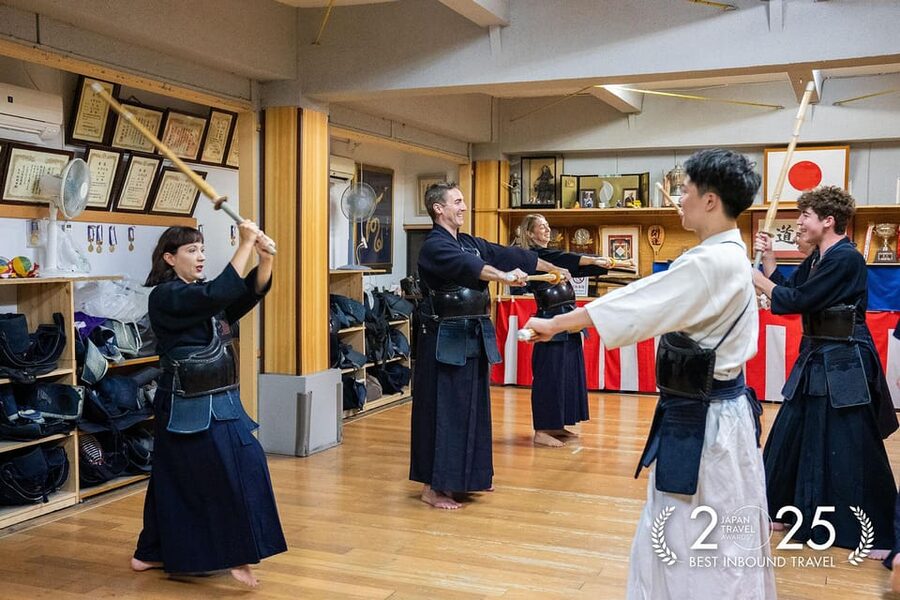
- You actually practice: Beginners learn footwork, strikes, tactics, and light combat rather than simply watching a demonstration.
- Full kendo equipment is provided: You receive rental armor, a bamboo sword, and the gear needed for the session.
- The class is small: Groups are limited to six people, making this more personal than a large cultural workshop.
- The dojo is near Uguisudani: Allow 10 to 12 minutes to walk from the station’s North Exit, and pay attention to the house-style entrance.
- Expect a workout: Kendo armor is warm, and the practice involves repeated movement and strikes. Bring fresh clothes.
- The price is $116: That is a serious fee for two hours, but it includes instruction, equipment, water, and a hand towel.
What the two-hour kendo session is really like
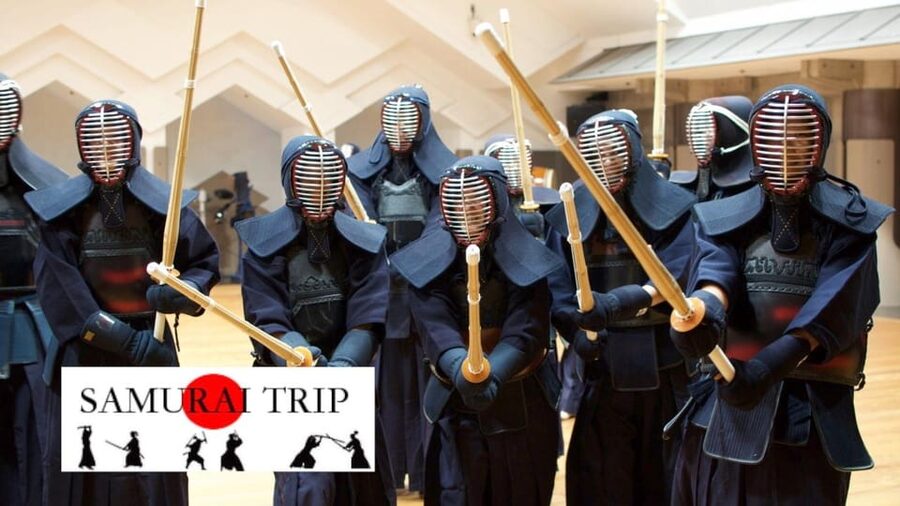
This is not a staged samurai show. It is a beginner-friendly introduction to kendo, a Japanese martial art built around bamboo swords, formal etiquette, controlled strikes, and practice combat.
The session takes place at 誠道館, written in English as Seidokan, at 4-7-2 Higashinippori in Arakawa-ku. The location is about 10 to 12 minutes from JR Uguisudani Station’s North Exit. It operates out of a house, so finding the entrance can take a little patience. Give yourself time to get there rather than arriving at the last minute in full Tokyo sightseeing mode.
Once inside, the atmosphere changes. A dojo is quieter and more focused than the street outside. You will see the training space, the equipment, and, depending on the timing, experienced practitioners training together. That glimpse matters. It shows you that kendo is not simply people waving swords around. The stance, footwork, timing, and control take years to develop.
The class is limited to six participants. That is a useful limit for a physical activity. You are not lost in a crowd, and the instructor can watch your posture and correct your movements. Small groups also make the sparring and practice games more manageable for first-timers.
A few more Tokyo tours and experiences worth a look
Meeting Nagamatsu-sensei and learning dojo etiquette
The instruction is led by a professional kendo teacher, with English and Japanese used during the class. Nagamatsu-sensei is described as having more than 60 years of kendo experience, and the teaching style combines strict discipline with humor and patience.
Expect the instructor to care about how you stand, hold the sword, move your feet, and behave in the dojo. Kendo has a strong etiquette tradition, so the session is not only about hitting a target. You learn to show respect, follow the rules, and stay controlled even when the practice becomes exciting.
That strict tone will suit some people more than others. It can feel authentic and useful when you need to improve a movement. It can also feel abrupt if you are unsure what the instructor means, especially when an English explanation moves quickly. If you need a point repeated, ask. The group is small, and clarification is part of learning.
The cultural value here is practical. You are not just hearing that Japanese martial arts value discipline. You are asked to follow that discipline through your posture, greetings, movement, and attention.
Putting on the armor and picking up the shinai
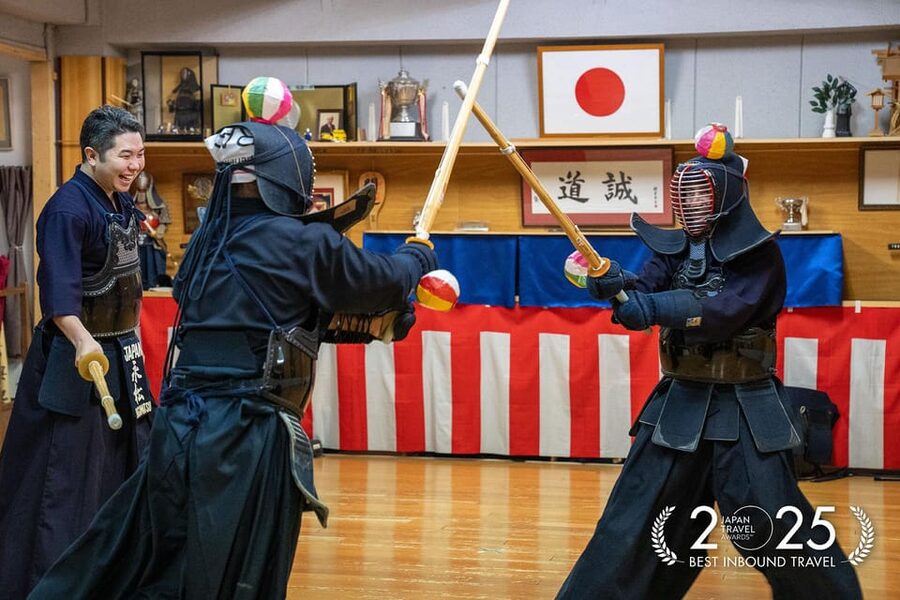
The equipment is one of the strongest parts of the experience. You receive rental kendo armor and a bamboo training sword called a shinai. The armor makes the activity feel serious, but it also protects the areas used for controlled practice.
You will need loose exercise clothing underneath if possible. Uniform sizes may be limited, and you could be asked to practice in your own clothes if the right size is unavailable. That is not a reason to cancel, but comfortable clothing will make the session easier.
Kendo armor is warm and can feel bulky at first. Once you begin moving, you will understand why fresh clothes are a smart idea. One participant described the activity as a very good workout, and another advised bringing spare clothing because you are likely to sweat.
Glasses need special attention. The head protector can be difficult to wear over spectacles, and the glasses could be damaged. Contact lenses are recommended if you use them. This is one of the few practical points you should settle before booking, not after you arrive.
The session may also include an opportunity to handle a real katana under instruction. The main practice uses the bamboo sword, but the chance to see or wield a real sword adds a memorable connection to traditional Japanese swordsmanship. Treat that part with care and follow every direction from the instructor.
Learning the three basic kendo strikes
The teaching moves from simple movements toward practice combat. You learn the basic attacks used in kendo, including:
- Men, a strike to the head
- Kote, a strike to the wrist
- Do, a strike to the torso
You also work on footwork and counter techniques. This is where the activity becomes more demanding than it first appears. You must move your feet correctly, keep your balance, control the shinai, and strike the right target with proper timing.
The teachers demonstrate the movements, then guide you through them. Do not expect to master kendo in two hours. You will, however, gain a clear sense of how much precision sits behind a clean strike.
The class is structured for beginners, but it does not treat you like a spectator. Even first-time students are guided toward something resembling a real match. That can feel like a lot to absorb, particularly if you have no martial arts background.
Previous martial arts experience may help with footwork and body control, but it is not presented as a requirement. The teaching includes basic moves and rules, and the instructors help you adapt. Children and pre-teens have taken part with their parents, while family groups have found the workout enjoyable.
From drills to light sparring and playful combat
The most exciting part comes when you use the techniques against another person. The sparring is light and controlled, but it gives the lesson purpose. You learn why distance, timing, movement, and accuracy matter.
Practice may include bouts with other participants and against the instructor. There can also be playful games, including balloon-based combat. These lighter activities stop the session from becoming too stiff and help beginners relax inside the armor.
Do not confuse light sparring with a soft theatrical performance. You may feel more action than expected, and strikes to the helmet can seem forceful to some people. The activity is designed as safe instruction, but it still involves actual practice fighting, even for beginners. Listen carefully, use the equipment properly, and tell the instructor if you are uncomfortable.
The best part is the contrast between your first awkward movement and the speed of an experienced sensei. Watching trained practitioners reveals how much control the art requires. The swordplay seen in films often looks effortless, but this session gives you a more realistic sense of the work behind it.





What the dojo teaches beyond swordplay
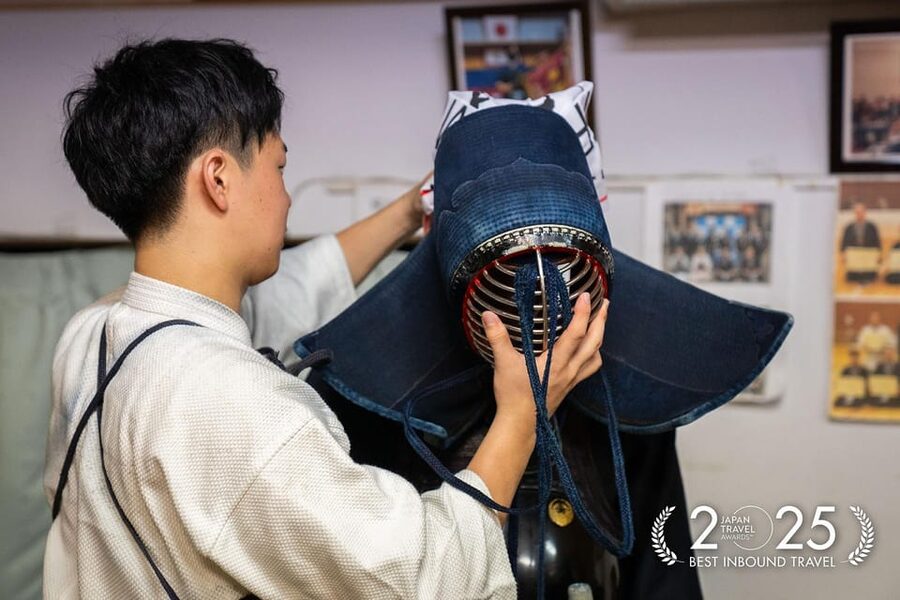
Kendo is often described as a way to train both mind and body. That idea becomes clearer through the structure of the class.
You must pay attention to instructions, remember the target areas, and repeat movements until they feel less strange. You also need to control your energy. Swinging harder is not the same as striking well.
The etiquette adds another layer. The dojo asks you to be alert, respectful, and willing to accept correction. That can feel refreshing after a day spent moving through crowded shopping streets and famous sights.
You also get a glimpse of the community around kendo. At times, other people may join the dojo to train, giving you the chance to watch experienced practitioners work together. That part is not a guaranteed performance, but if it happens during your visit, it is worth paying attention to. Their speed and accuracy make the beginner lesson easier to understand.
The activity is also a useful correction to the word samurai. The title makes this sound like a historical reenactment, but the actual experience is modern kendo practice. You learn a living martial art with traditional values, not a staged battle from Japan’s past.
Is $116 a fair price for two hours?
At $116 per person, this is not a cheap add-on. You are paying more than you would for a simple museum visit or a short cultural demonstration.
The value comes from the combination of a professional instructor, a small group, full rental armor and equipment, hands-on practice, and light sparring. You also receive mineral water and a Japanese hand towel. If you want to try kendo properly rather than take a quick photo with a sword, the package offers more substance.
The two-hour length is both a strength and a weakness. It is long enough to learn the basic strikes, put on the armor, practice footwork, and try combat. It is short enough to fit into a busy Tokyo schedule.
Still, some people will wish for more time. Once you begin to understand the basics, the session can feel as though it ends just as the activity becomes comfortable. For a first meeting with kendo, two hours is a sensible introduction. For serious martial arts students, it is only a starting point.
The small group helps protect the value. With only six people, you have a better chance of receiving corrections and taking part in practice. A larger class would make the price harder to justify.
Finding the dojo near JR Uguisudani
The meeting point is 4-7-2 Higashinippori, Arakawa-ku, Tokyo, at Seidokan, written as 誠道館. From the North Exit of JR Uguisudani Station, the walk takes about 10 to 12 minutes.
The address is specific, but the venue is run from a house, so it may not look like a large martial arts center from the street. I would arrive early and keep the Japanese name available on your phone. One participant had trouble locating the place at first, though there were no problems once the dojo was found.
There is no hotel pickup. You handle your own route to the meeting point, and the activity schedule can vary by starting time. The stated duration is about two hours, but the full program may run a little shorter or longer depending on what happens that day. Avoid placing a tight restaurant booking or train connection immediately afterward.
Who will enjoy this most
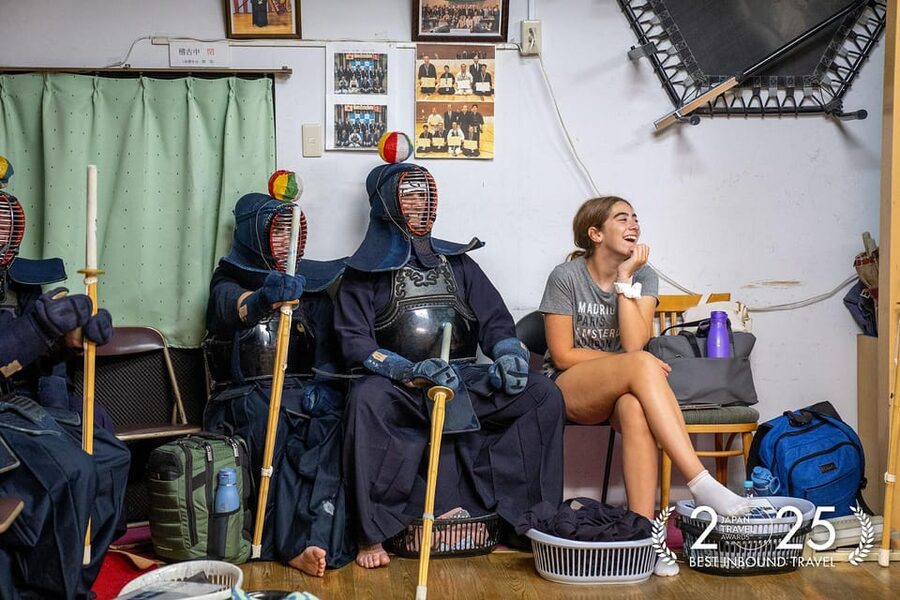
I would choose this for you if you want an active cultural experience and are curious about martial arts. It suits solo visitors, couples, families with older children, and small groups of friends.
It is especially good for people who:
- Want to do more than watch a cultural demonstration
- Enjoy physical activities and do not mind sweating
- Have an interest in Japanese martial arts or swordsmanship
- Prefer small classes to large tour groups
- Are comfortable receiving direct correction from an instructor
- Want a memorable Tokyo activity away from the standard sightseeing route
It may not suit you if you have limited mobility, dislike physical contact, or want a relaxed photo session. The activity requires movement and practice fighting. One account also raised concern about fit for plus-size participants, so contact the provider in advance if uniform sizing or armor fit is important to you.
Families should decide based on the child’s comfort with rules and protective equipment. Pre-teens have enjoyed the activity, but the class remains a martial arts lesson, not a free-play session.
Practical tips for a smoother visit
Wear loose exercise clothing. If a suitable kendo uniform is not available, you may need to practice in your own clothes.
Bring fresh clothes for afterward. The armor and physical drills can make this a warm, sweaty activity.
Use contact lenses instead of glasses if possible. The head armor may be difficult to wear with spectacles, and the glasses could be damaged.
Arrive with spare time. The dojo is around 10 to 12 minutes from Uguisudani Station, but the house-style location may take a moment to identify.
Keep your schedule flexible. The two-hour estimate can change slightly, and you do not want to rush through the final practice.
Expect English and Japanese only. The instructors can guide English-speaking participants, but explanations may sometimes move quickly. Watch the demonstrations closely and ask for a repeat when needed.
You receive a free mineral water and Japanese hand towel. They are useful little extras, though the towel may be printed in English rather than Japanese, which makes it less distinctive as a souvenir.
Should you book the Tokyo Samurai Kendo experience?
Book it if you want a hands-on introduction to kendo, not a polished samurai show. The strongest reasons are the small class, full armor, clear basic targets, practical instruction, and chance to take part in light sparring.
The main warnings are the $116 price, the warm and physical nature of the class, the sometimes quick English instruction, and the less obvious house-style meeting point. You should also be comfortable with controlled strikes to the armor and with a strict dojo atmosphere.
For many visitors, this will be one of the more unusual two-hour activities in Tokyo. You leave with a better sense of how kendo works, a good workout, and a sharper respect for the skill of trained practitioners. If that sounds more appealing than another passive sightseeing stop, this is a worthwhile booking.
FAQ
How long does the Tokyo Samurai Kendo experience last?
The scheduled duration is two hours. The full program may take a little more or less time depending on the circumstances, so avoid booking a tight appointment afterward.
Where does the kendo experience take place?
It takes place at Seidokan, written as 誠道館, at 4-7-2 Higashinippori, Arakawa-ku, Tokyo. The dojo is about 10 to 12 minutes from the North Exit of JR Uguisudani Station.
What languages are available?
The service is conducted in English and Japanese. The instructor and assistants provide guidance in those languages.
Is kendo equipment included?
Yes. Rental kendo armor and equipment are included, along with a bamboo training sword. You also receive mineral water and a Japanese hand towel.
What should I wear?
Wear loose-fitting exercise clothing if possible. If a suitable kendo uniform or size is unavailable, you may need to practice in your own clothes.
Can I wear glasses during the activity?
Glasses are not advised while wearing the kendo head armor because they may be difficult to fit and could be damaged. Contact lenses are recommended.
Can I cancel or pay later?
You can cancel up to 24 hours in advance for a full refund. The reserve-now, pay-later option allows you to book without paying at the time of reservation.
More Samurai & Ninja Experiences in Tokyo


More tours in Tokyo we've reviewed












Samurai & Ninja Experiences, compared.
 ★ 4.5Tokyo: Samurai Restaurant Show Ticket with 2 DrinksFrom $551h 30m
 ★ 4.6Tokyo: Samurai Ninja Museum Guided tour and ExperienceFrom $27
 ★ 5.0Skip the lines Basic Ticket at SAMURAI NINJA MUSEUM TOKYOFrom $28
 ★ 5.0Tokyo: Authentic Samurai Training at a DojoFrom $211
 ★ 5.0Best Samurai Experience in TokyoFrom $65
 ★ 4.6Tokyo: Legend Samurai Entertainment Night in Kanda ShrineFrom $44