Reviewed · NIKKO DAY TRIPS
Tokyo: Nikko Kegon Falls Lake Chuzenji Toshogu Temple & More
Nikko packs sacred shrines, mountain views, a highland lake, and one of Japan’s best-known waterfalls into a long but rewarding day. This private tour gives you a comfortable vehicle and a driver who can adjust the order of stops, which matters when traffic, weather, or your group’s energy changes.
In This Article
- Key points at a glance
- Why a private car makes Nikko easier
- Toshogu Shrine and Futarasan Shrine
- Shinkyo Bridge and the old gateway to Nikko
- Kanmangafuchi Abyss and the Narabi Jizo statues
- Akechidaira Ropeway and the mountain view
- Lake Chuzenji at the foot of Mount Nantai
- Kegon Falls, Nikko’s dramatic natural stop
- Edo Wonderland and the limits of a short visit
- Timing, traffic, and how to shape the day
- Guides, comfort, and group arrangements
- What to bring and what to budget
- Who should book this Nikko day trip?
- Should you book it?
- FAQ
- How long does the Nikko tour last?
- How many people can join the private tour?
- Is hotel pickup included?
- Can I be picked up in Yokohama or Kanagawa?
- Are attraction admission fees included?
- Is lunch included?
- Which languages are available?
- Is the tour wheelchair accessible?
- What happens if the weather is poor?
I especially like the door-to-door pickup and the freedom of having a vehicle for up to six people. The chance to combine Toshogu Shrine with Kegon Falls and Lake Chuzenji is another strong point. The catch is simple: ten hours is a tight schedule for Tokyo, central Nikko, the lake area, and Edo Wonderland, particularly on a busy day.
Several guides receive praise for careful driving and useful advice. Cheema is singled out for helping with photographs and keeping a curvy mountain road comfortable, while Baba is praised for friendly guiding. Malik Ali is also noted for taking a group to a quieter photo spot, a useful skill in a popular area.
Key points at a glance
- A private vehicle for up to six people: Share the $361 group price with family or friends and the per-person cost becomes much more reasonable.
- Toshogu Shrine is the cultural heart of the day: Allow time for its ornate gates, forest setting, and famous sleeping cat carving.
- Kegon Falls and Lake Chuzenji pair naturally: The waterfall is close to the lake, making this the strongest nature section of the outing.
- The Akechidaira Ropeway adds a high viewpoint: You can look toward Mount Nantai, Lake Chuzenji, and Kegon Falls from above.
- Edo Wonderland changes the mood: Traditional crafts, performances, and period-style buildings offer a more staged but entertaining look at old Japan.
- The schedule needs active management: Admission fees and lunch are extra, and traffic between Tokyo and Nikko can reduce sightseeing time.
Why a private car makes Nikko easier
Nikko is roughly a full-day outing from Tokyo, and the sights are spread across several areas. Toshogu Shrine and Shinkyo Bridge sit near the town center, while Lake Chuzenji and Kegon Falls are higher in the mountains. Kanmangafuchi Abyss is another short ride away, and Edo Wonderland is separate again.
A private car removes the need to match your day to public transport timetables. You can leave your hotel lobby, store your daypack in the vehicle, and move between the shrine district and mountain sights without changing trains or buses. The included air conditioning, Wi-Fi hotspot, highway tax, and coffee or tea add comfort during a long day on the road.
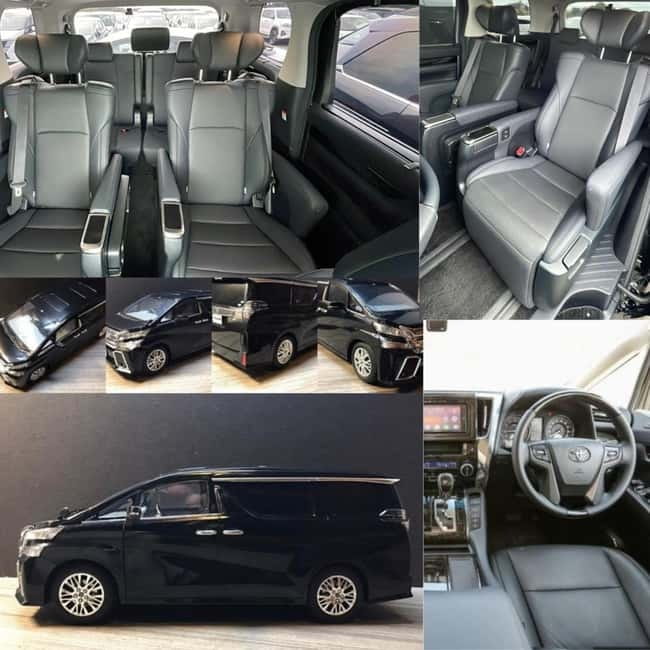
The vehicle choices are a real part of the value. The operator lists luxury options including the Land Cruiser, Crown, Vellfire, Prado, and Alphard. The exact vehicle can depend on your booking and group size, so confirm it if the car itself is important to you.
For six people, $361 works out to about $60 per person before attraction fees and lunch. That is a fair figure for a private vehicle, hotel pickup, and a full day of driving. For one or two people, it is a much larger expense than using public transport. I would consider it most worthwhile for families, older relatives, small groups, or anyone who values time and flexibility over the lowest possible price.
A few more Tokyo tours and experiences worth a look
Toshogu Shrine and Futarasan Shrine
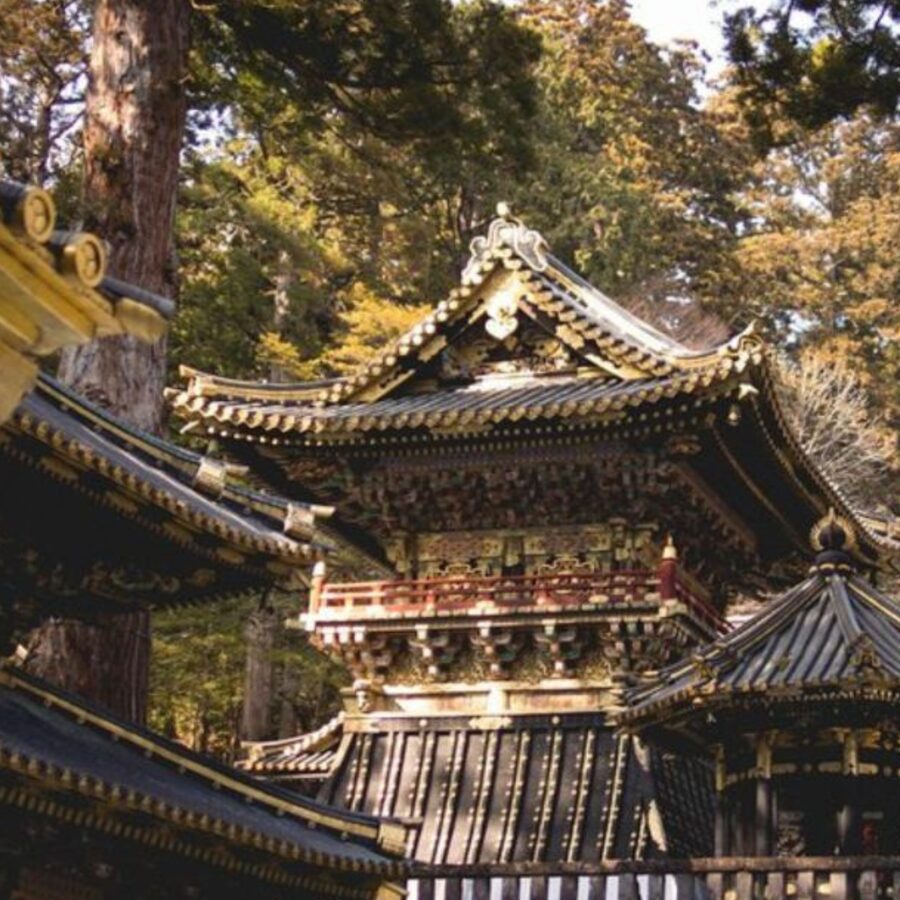
Begin with Nikko’s most important cultural sights. Toshogu Shrine honors Tokugawa Ieyasu, founder of the Tokugawa shogunate, and its design is far more decorative than the restrained wooden temples many people picture when they think of Japan.
The Yomeimon Gate is the visual star. Look closely at its dense carvings and painted details rather than rushing straight through. The famous sleeping cat sculpture is another small feature worth seeking out. The shrine sits among tall trees, so even the approach has a quiet, ceremonial feel.
You should expect an admission charge here, since attraction fees are not included. Ask your driver how much time remains before entering, especially if you want to see the grounds properly. One hour is enough for a focused visit, but it may feel short if you enjoy architectural details or want to visit every area.
Futarasan Shrine offers a different mood. It is connected to Nikko’s sacred mountain tradition and helps place Toshogu within the wider shrine district. The one-hour stop can work well as a second cultural visit, though you may need to choose between a careful look at both shrines and the other stops on the schedule.
Shinkyo Bridge and the old gateway to Nikko
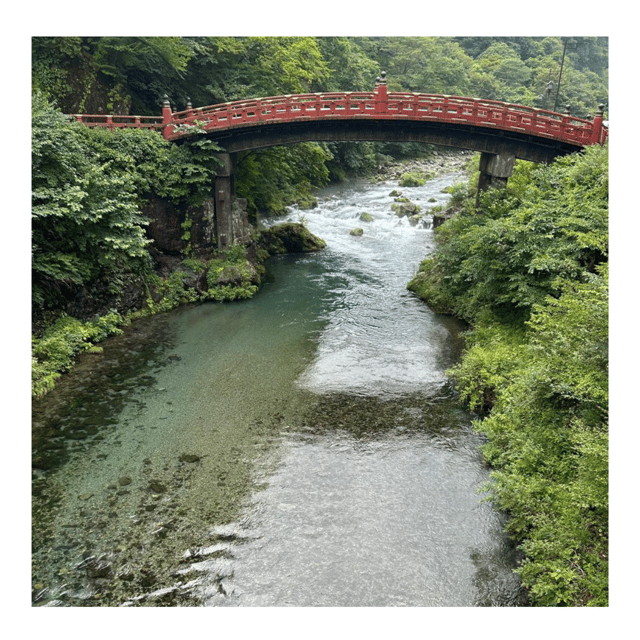
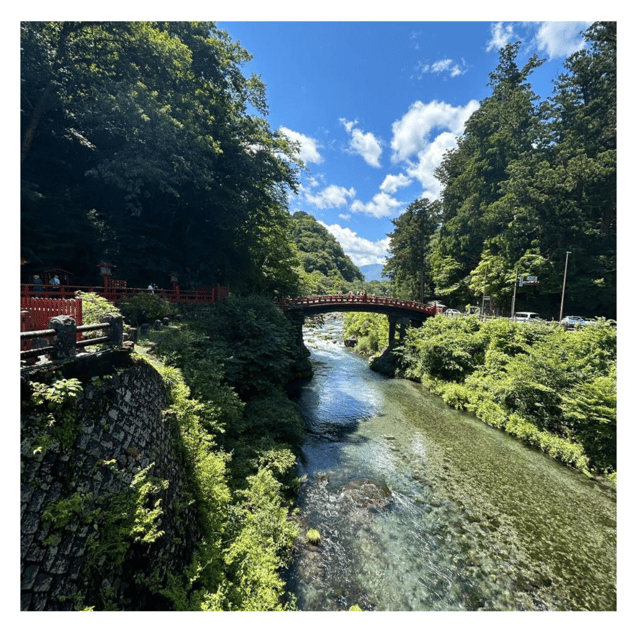
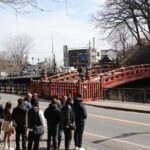
Shinkyo Bridge is one of Nikko’s signature views. The red bridge crosses the Daiya River and marks the approach to the religious center of town. Greenery frames it in warmer months, while autumn color can make the setting especially striking.
This is a quick stop, but it earns its place because it gives you a strong photograph with little walking. The bridge is also a useful orientation point. After seeing it, you understand how the river and surrounding hills shape Nikko’s historic center.
Do not expect a long bridge walk or an extended riverside outing here. The attraction works best as a short photo and history stop. If you want a picture without rushing, tell the driver before the day begins that Shinkyo Bridge matters to you.
Kanmangafuchi Abyss and the Narabi Jizo statues
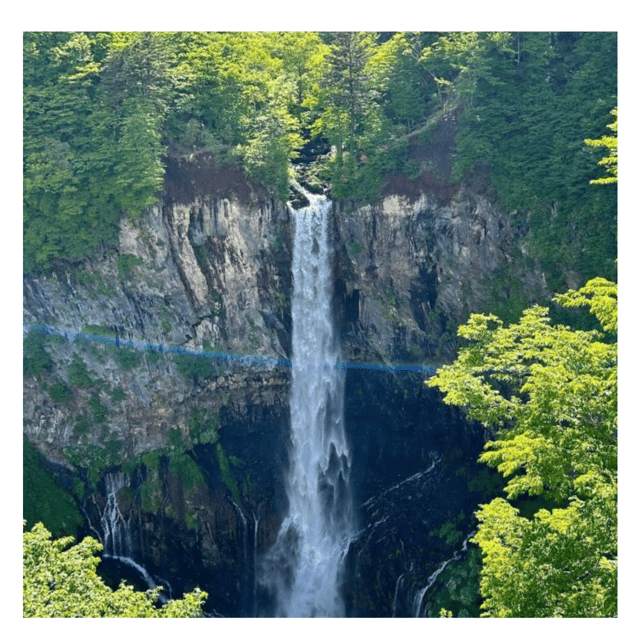
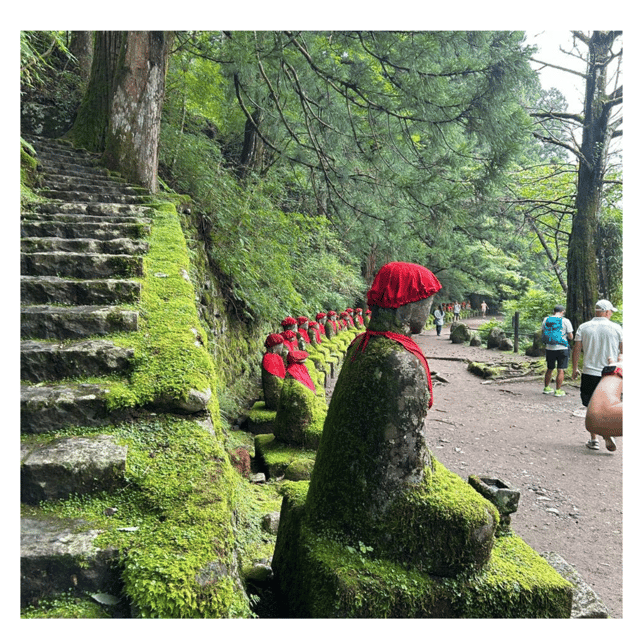
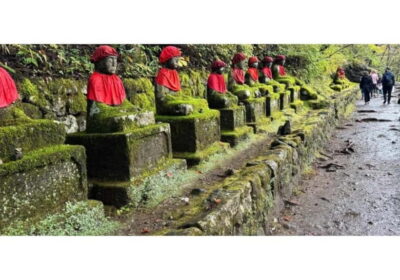
Kanmangafuchi Abyss provides the most reflective walk of the day. The path follows the river and passes a line of more than 70 Jizo statues. These figures represent the spirits of children and travelers, and their repeated forms create a calm, slightly mysterious atmosphere.
The route leads toward Jiunji Hondo Temple, described as a small retreat along the path. This is not a grand shrine complex. Its appeal comes from the sound of the river, the trees, and the chance to walk somewhere quieter than the main shrine grounds.
Wear comfortable shoes here. The tour recommends them for good reason, since the day includes nature paths and several walking stops. If someone in your group has back problems, this experience may not be a good match. Wheelchair access and child seats are available on request, but you should mention mobility needs before the day starts.
Akechidaira Ropeway and the mountain view
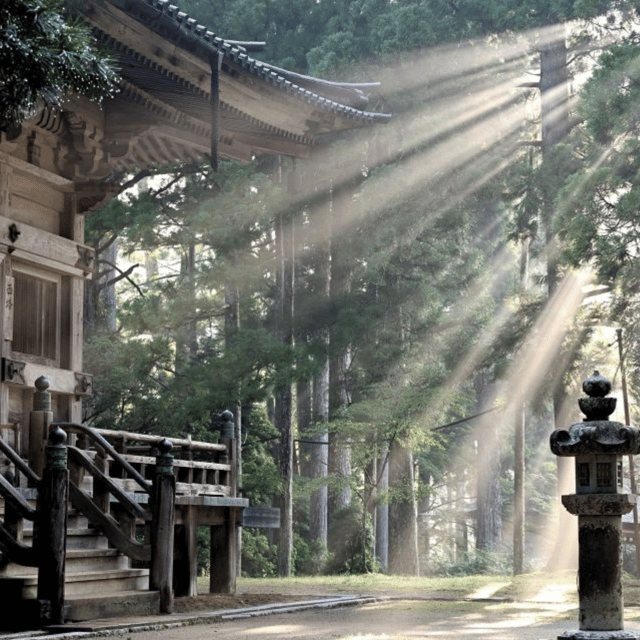
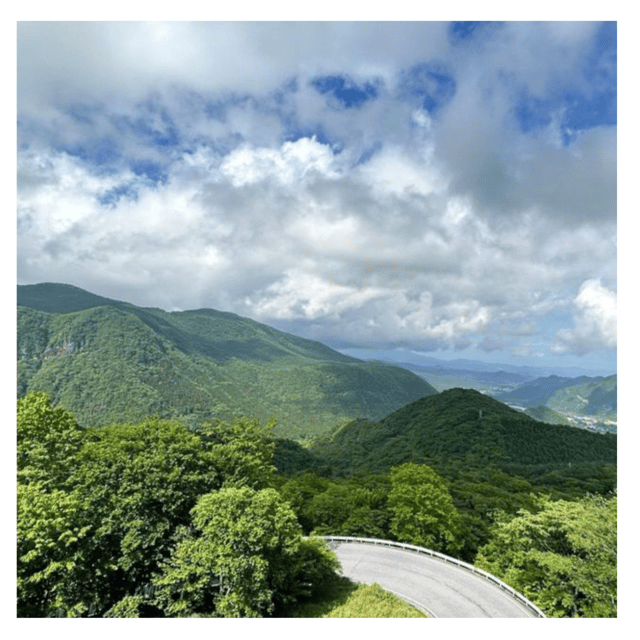
The Akechidaira Ropeway is the scenic link between the lower Nikko area and the mountain viewpoint. From the observation deck, you can see Mount Nantai, Lake Chuzenji, and Kegon Falls in one broad view.
This stop depends more on weather than the shrine visits do. Clouds can limit the outlook, and the tour may be rescheduled during bad weather or other unforeseen conditions. If visibility is poor, the ropeway may not deliver the view you hoped for, but the ride itself still offers a change from the town’s temples and bridges.
The ropeway also helps you understand Nikko’s geography. From the ground, the lake, waterfall, and mountain can feel like separate destinations. From above, they come together as one mountain region shaped by volcanic activity.
A few more Tokyo tours and experiences worth a look


Lake Chuzenji at the foot of Mount Nantai
Lake Chuzenji is a highland lake formed by volcanic activity. Its setting at the foot of Mount Nantai gives the middle of the day a cooler, more open feel than central Tokyo or the shrine district.
The planned visit allows about an hour for photographs, sightseeing, and a walk. You might use that time for a short lakeside stroll, a picnic-style pause, or simply a break from the vehicle. Boating and hiking are listed as possible activities in the area, but the schedule may not leave room for a longer excursion.
Autumn is a particularly attractive time around the lake, when the surrounding trees change color. The season also brings more visitors, so traffic and parking can affect the timing. Your private driver can help adjust the order of stops, but cannot remove congestion on the mountain roads.
Lunch is not included. You can eat at a local restaurant in Nikko, but the exact restaurant and meal are not specified. Budget separately for food, and tell the driver early if lunch is a priority rather than treating it as an afterthought.
Kegon Falls, Nikko’s dramatic natural stop
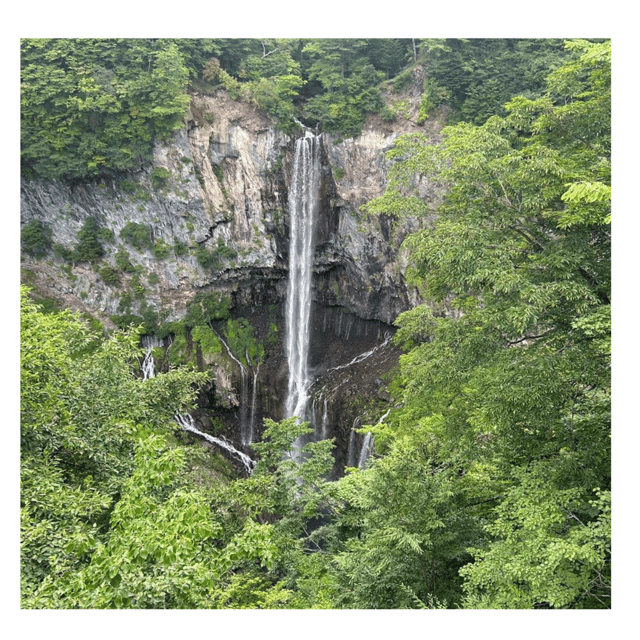
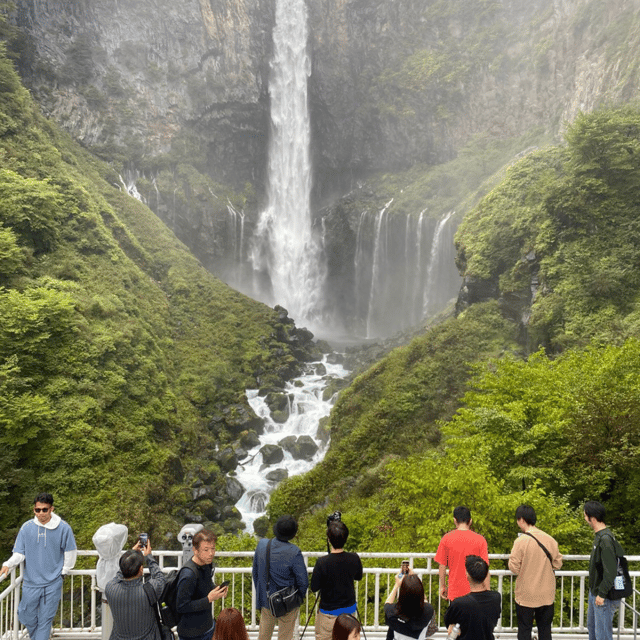
Kegon Falls drops 97 meters into a rocky gorge and is one of Japan’s best-known waterfalls. The main observation area is reached by a short walk from Lake Chuzenji, so these two stops fit naturally together.
The falls change with the seasons. Water remains the main attraction year-round, while winter can produce ice formations. The viewing platform gives you the essential sight quickly, and nearby paths and viewpoints offer more if time allows.
I would protect this stop even if the day starts running late. Toshogu Shrine supplies the cultural centerpiece, but Kegon Falls gives the trip its strongest natural image. The combination is what makes Nikko more than a shrine excursion.
Again, admission is extra. Ask about the viewing area before you arrive so you know which fees apply. The tour price covers transport, not entry to the paid attractions.
Edo Wonderland and the limits of a short visit
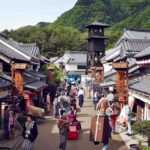
Edo Wonderland is a historical theme park designed around the Edo period. Its buildings, activities, traditional craft workshops, and performances create a lively, accessible way to learn about period culture.
The listed visit is 45 minutes, which is enough for a look around but not enough for a full theme-park day. If you want stage performances, hands-on crafts, and several attractions, you will need to discuss the schedule with your driver. The park also has its own admission fee.
This stop will suit families and anyone who prefers interactive history to quiet shrine visits. If your priority is Nikko’s sacred sites and mountain scenery, Edo Wonderland may feel like the least essential part of the route. It is best treated as an optional addition, not the reason to book the day.
Timing, traffic, and how to shape the day
The advertised duration is about ten hours, including commuting. That sounds generous until you account for the long drive from Tokyo, mountain roads, eight sightseeing stops, meals, and possible queues.
Traffic in Japan can extend the travel time. A late departure, a crowded autumn weekend, or a slow return to Tokyo can reduce the time available at the final stops. The driver may wait up to 60 minutes after the scheduled pickup time, but you should be ready in the hotel lobby ten minutes before pickup to protect your day.
I would decide in advance which sights matter most. For a first visit, my priorities would be Toshogu Shrine, Shinkyo Bridge, Lake Chuzenji, and Kegon Falls. Add Kanmangafuchi if you want a quiet walk, the ropeway if the weather is clear, and Edo Wonderland if your group enjoys staged cultural attractions.
The published route includes both the major shrine sites and every nature stop, but you should not assume every stop will receive a full hour. The itinerary lists one hour for several locations, yet driving, parking, ticket lines, and lunch all come from the same ten-hour window.
Guides, comfort, and group arrangements
The tour offers English, Hindi, Japanese, Urdu, Arabic, and Punjabi. Guide quality matters on a private day because your driver is also the person helping manage time, directions, and stops.
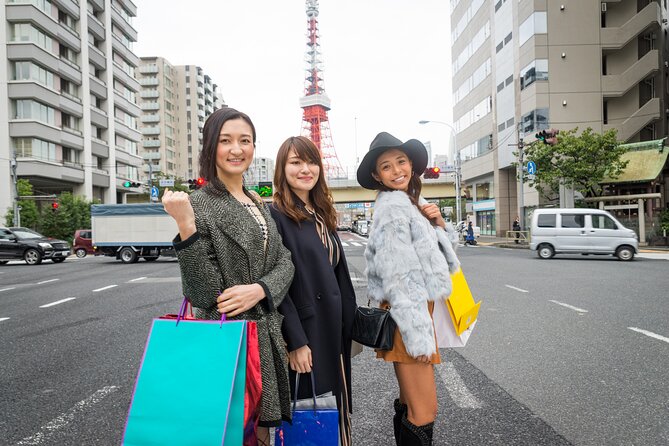
Cheema receives especially strong praise for safe driving, helpful suggestions, and making curvy roads comfortable. Baba is described as friendly and good company, and one group even asked to add Tokyo sights such as Shibuya Crossing and Tokyo Tower. That kind of flexibility may be possible, but adding Tokyo stops to a Nikko day will make the schedule even more demanding.
The service is private, so only your group participates. It accommodates up to six people, with child seats and wheelchair access available by request. People with back problems may find the long drive and mountain roads uncomfortable, and babies under one year are not considered suitable for the activity.
Pickup is included from hotels and accommodations in Tokyo’s 23 wards. The information also lists locations such as Yokohama, Kanagawa, Saitama, and Ibaraki among possible pickup areas, while the detailed conditions specify Tokyo’s 23 wards. If you are outside Tokyo proper, confirm the pickup point before paying. Airports and ports are not included.
What to bring and what to budget
Bring comfortable shoes, a camera, and a daypack. You will move between paved shrine grounds, bridge viewpoints, forest paths, and waterfall areas, so practical clothing is more useful than dressing for a formal temple visit.
Set money aside for three items:
- Shrine, ropeway, waterfall, and Edo Wonderland admission fees
- Lunch and any other food
- Optional activities at Lake Chuzenji or Edo Wonderland
Coffee or tea, Wi-Fi, highway tax, air conditioning, photography help, and hotel transport are included. The private vehicle is the main saving of effort. You are paying for convenience and control, not for an all-inclusive ticket.
Free cancellation is available up to 24 hours before departure, and you can reserve now and pay later. Weather can lead to a rescheduled tour, so keep some flexibility in your wider Tokyo plans.
Who should book this Nikko day trip?
I would recommend it to a group of up to six that wants to see both Toshogu Shrine and the mountain sights without handling several train and bus connections. It is also a good fit for families, mixed-age groups, and anyone who wants a private driver rather than a fixed coach tour.
It is less suitable for a couple focused on the lowest price, or for someone who wants to spend a full day slowly studying shrine carvings. The schedule is broad, and that breadth comes at the cost of depth.
Before booking, decide if Edo Wonderland belongs in your day. If yes, ask the driver to help protect that stop. If no, use the extra time for Toshogu, Kanmangafuchi, Lake Chuzenji, or a slower lunch.
Should you book it?
Book this tour if you value a private car, hotel pickup, flexible routing, and the chance to combine Nikko’s major cultural and natural sights in one day. The $361 price is strongest when divided among four to six people.
Skip it if you prefer a relaxed pace, plan to spend hours inside every attraction, or dislike long drives. For most small groups with limited time in Tokyo, this is a practical way to reach Nikko, but you should set priorities before departure. Ask for a clear pickup point, confirm your vehicle and pickup area, and remember that tickets and lunch are extra.
FAQ
How long does the Nikko tour last?
The tour lasts approximately 10 hours, including commuting time. Heavy traffic in Japan can make the total travel period longer.
How many people can join the private tour?
The private tour accommodates up to six people.
Is hotel pickup included?
Yes. Hotel pickup and drop-off are included for accommodations within Tokyo’s 23 wards. Pickup from airports and ports is not available.
Can I be picked up in Yokohama or Kanagawa?
The listed pickup choices include Yokohama and Kanagawa, and a past booking used pickup from the Kanagawa region. The detailed conditions specify accommodations within Tokyo’s 23 wards, so confirm your exact pickup address before booking.
Are attraction admission fees included?
No. Attraction fees are not included in the tour price.
Is lunch included?
No. Meals are not included. You can arrange a Japanese lunch at a local restaurant in Nikko, but the meal cost is separate.
Which languages are available?
Drivers and guides are available in English, Hindi, Japanese, Urdu, Arabic, and Punjabi.
Is the tour wheelchair accessible?
Yes. Wheelchair access and child seats are available upon request. You should provide those requirements in advance.
What happens if the weather is poor?
The tour may be rescheduled because of bad weather or other unforeseen circumstances. Visibility at the Akechidaira Ropeway can also depend on conditions.
More Temples & Meditation in Tokyo
More Nikko Day Trips in Tokyo
More tours in Tokyo we've reviewed



Nikko Day Trips, compared.
 ★ 4.5Tokyo: Nikko Toshogu Shrine and Kegon Waterfall TourFrom $8410h 30m
 ★ 5.0Nikko, Kegon Waterfall & Chuzenji Lake from TokyoFrom $89
 ★ 4.4From Tokyo: Nikko, Toshogu Shrine, Waterfall & Chūzenji LakeFrom $54
 ★ 4.3Nikko: Edo Wonderland Edomura Cultural Theme Park TicketFrom $351 day
 ★ 4.8Tokyo: Nikko World Heritage Private Day Trip Hotel Pick-upFrom $39011 hours - 1 day
From Tokyo: Nikko World Heritage Sight Full Day Private TourFrom $36210 hours
★ 4.8Tokyo: Nikko World Heritage Private Day Trip Hotel Pick-upFrom $39011 hours - 1 day
From Tokyo: Nikko World Heritage Sight Full Day Private TourFrom $36210 hours