Reviewed · MUSEUMS
Japan Football Association museum tour at 「blue-ing!」
The Japan Football Association museum at blue-ing! gives you a compact look at how football took root in Japan. You move through Japanese football exhibits, try digital football content, and see how the facility uses an artificial-turf floor to suggest a football ground rather than a standard museum hall.
In This Article
- Key points
- What blue-ing! Adds to a Tokyo Football Day
- Beginning at the Discovery Area Reception
- Japanese Football Exhibits and the Story They Tell
- Digital Content, Including Generative AI
- The Artificial Turf and Football Ground Feeling
- CAFE&BAR, the Free Drink, and the Goods Shop
- Is the $25 Price Good Value?
- The Best Time and Place to Fit It In
- Who Will Enjoy This One-Hour Tour Most?
- Should You Book Blue-ing!?
- FAQ
- Where is the Japan Football Association museum located?
- How long does the tour last?
- Is the tour available in English?
- How much does the experience cost?
- What is included in the admission?
- How large is the tour group?
- Is the museum wheelchair accessible?
- Can I cancel for a full refund?
I like the English guided tour and the free drink, which make the $25 price easier to justify. I also like the mix of old and new: historic football material sits beside generative AI and other digital features. The main drawback is its size. One hour is enough for a focused visit, but serious football historians may want more objects and more detailed coverage of the sport’s past.
Key points
- Japanese football in a modern setting: Learn about the development of football in Japan while moving through a technology-led museum.
- Generative AI and digital content: The visit is not only about framed displays. Interactive digital features give the experience a more active feel.
- English-speaking guide: A live guide leads the one-hour tour, with groups limited to 10 people.
- Artificial turf with a purpose: The turf represents the football ground and helps give the Discovery area its identity.
- A free drink included: You can use the CAFE&BAR space after the tour, with one drink covered by admission.
- Easy to pair with Tokyo Dome City: The museum works well as a short stop during a day in the wider entertainment complex.
What blue-ing! Adds to a Tokyo Football Day
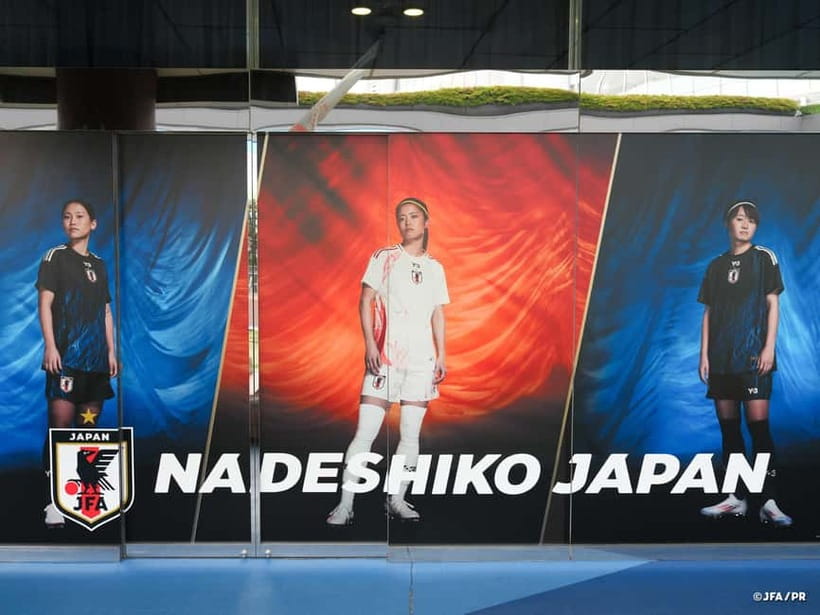
Blue-ing! is the Japan Football Association’s football museum in Tokyo Dome City. Its stated idea is a place for future communication and creativity, and that explains the balance between football history, digital tools, and social space.
I would not approach this as a huge national museum that requires half a day. It is better understood as a focused football experience. In about one hour, you get a guided introduction to Japanese football, a look at historic exhibits, digital content, and time to enjoy the facility’s wider spaces.
That compact format is useful in Tokyo. You can fit the visit around other plans in Tokyo Dome City instead of building an entire day around it. The location also makes sense for football fans who want something more specific than a general sightseeing attraction.
The museum is operated by the Japan Football Association, so the subject is not football in the abstract. The focus is Japanese football and the culture around it. If you follow the national team, Japanese clubs, or the sport’s growth in Japan, the displays should give your visit a clear purpose.
If your interest is only casual, the modern design and digital material help keep the experience accessible. You do not need to arrive with a detailed knowledge of Japanese football to understand the basic idea. The guide provides the structure, while the digital features add something to look at and interact with.
Other museum experiences in Tokyo
Beginning at the Discovery Area Reception
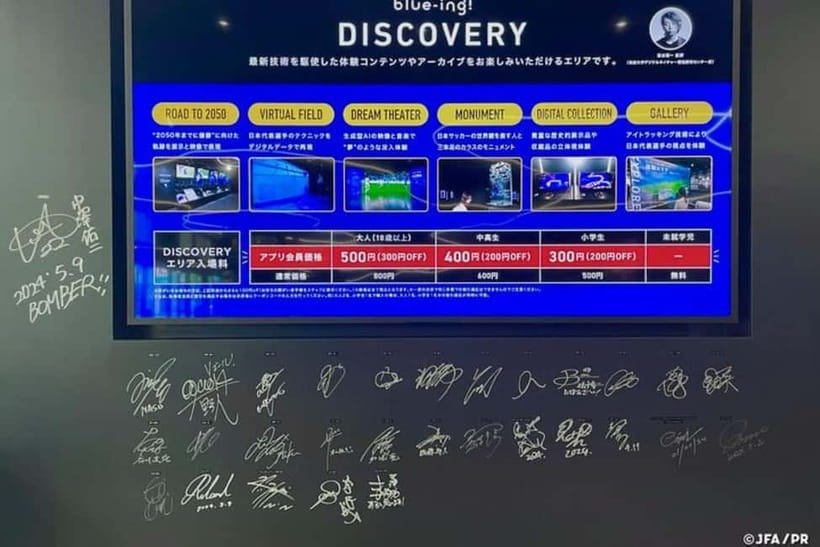
Your meeting point is the reception desk in the blue-ing! Discovery area. This matters because the facility contains more than a simple row of museum cases. Starting at reception gives you a clear place to check in before the guided portion begins.
The tour is conducted in English, and the small group limit is 10 people. I consider that one of the better features of the booking. A small group gives you a better chance to hear the guide and ask a question without competing with a crowd.
The tour lasts one hour. That is long enough for an introduction, but not so long that the experience becomes tiring for people who are only moderately interested in football. If you want to take every display slowly or study each item in detail, you should allow extra time around the guided hour if the facility permits it.
The English guide is central to the experience. A display can show you a name, date, or image, but a guide can explain why it matters and connect different parts of Japanese football. The available feedback gives particular credit to the guides’ friendly and entertaining manner, so you can expect the human side of the tour to be important.
No individual guide names are provided, so do not book expecting a particular person. The useful point is that the tour is live, in English, and kept to a small group.
Japanese Football Exhibits and the Story They Tell
The historical displays are the heart of the museum. You can expect material connected with Japanese football and the Japan Football Association, presented within a newer facility rather than an old-fashioned sports archive.
For a football fan, this is the part that gives the visit its local character. A generic football museum could be found in many countries. Here, the subject is how the sport developed in Japan and how it fits into Japanese football culture.
The amount of historical material appears to be modest. If you are hoping for a very large collection of shirts, trophies, match programmes, or player memorabilia, set your expectations carefully. The experience is designed around communication and creativity as well as display cases, so history shares the room with newer forms of presentation.
That limitation is also part of the appeal. You get a manageable introduction rather than an information overload. The guide can help you notice the important themes, and you can use the visit as a starting point for learning more about Japanese football afterward.
One useful detail comes from an international football perspective. A visitor from Scotland suggested that the museum research Stirling Albion’s 1966 tour of Japan, described as the first tour by a British side there. You should not assume that this specific story is currently displayed, but it points to the kind of connection that could make the museum more interesting to football fans from outside Japan.
If you have a favorite national team, club, or era, ask the guide about its connection to Japan. The available information does not promise that every club or international story appears in the displays, so a question is more reliable than expecting a particular exhibit.
Digital Content, Including Generative AI
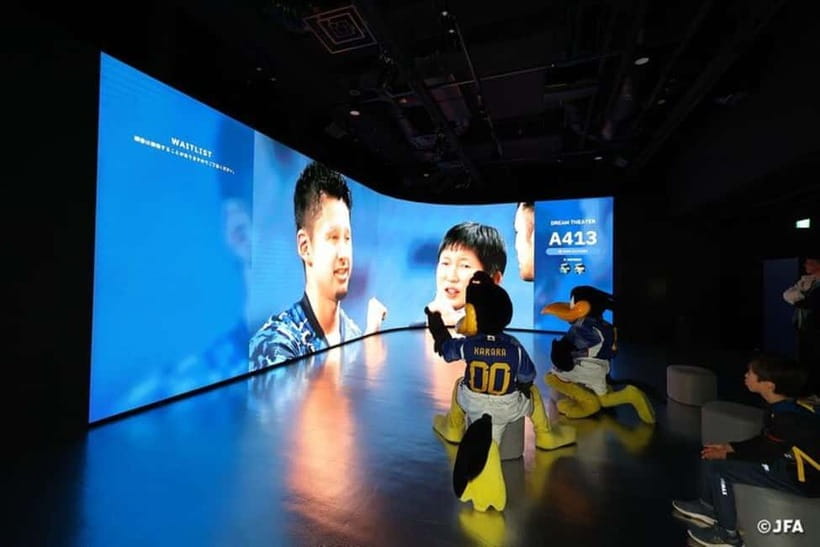
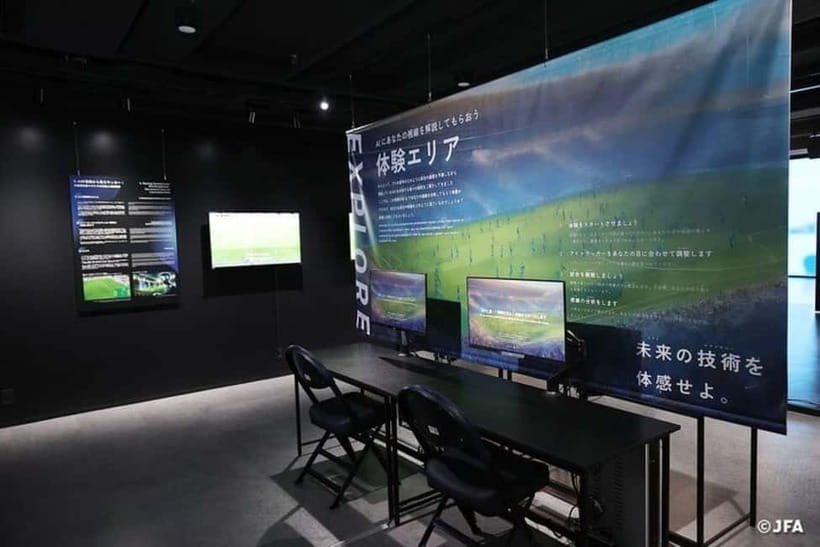
Blue-ing! is not built only around traditional objects. Digital technology is part of the visit, and generative AI is specifically included among the available content.
This changes the pace. Instead of walking past one exhibit after another, you may find moments that ask you to watch, interact, or think about football in a more creative way. The exact digital activities can change, so it is best to treat them as a feature of the visit rather than expect a fixed list of games.
I like this approach for mixed groups. A committed football fan can focus on the Japanese football material, while someone less interested in old match details may find the digital side more approachable. Families and younger visitors may also respond better to content that feels active, though the available information does not specify a minimum age or particular child-focused activities.
Generative AI is an unusual addition for a football museum. It signals that blue-ing! wants to ask where football communication and creativity may go next, not only record what has already happened. You may find the technology more memorable than a conventional display, but visitors looking for a large collection of physical football objects could see this balance differently.
The guide helps here. Digital content can sometimes feel confusing if you walk through it alone. A live explanation gives you a better sense of how each feature fits the museum’s larger idea.
The Artificial Turf and Football Ground Feeling
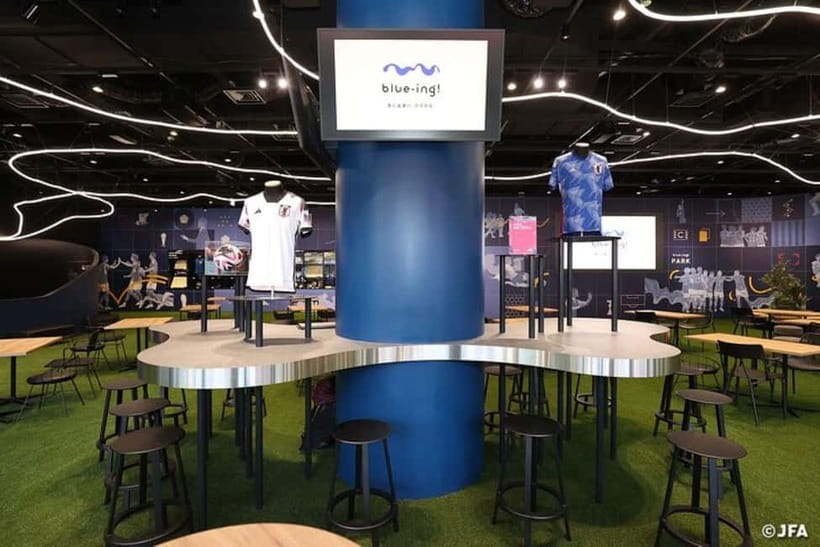
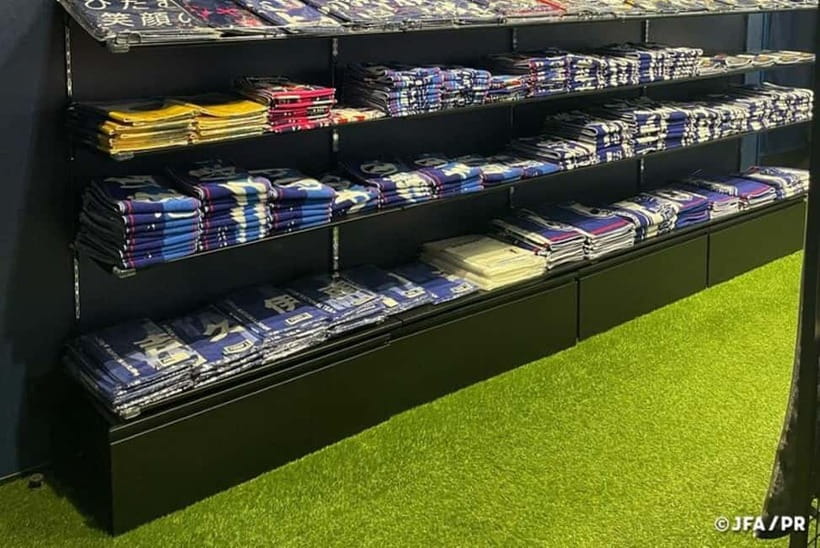
The artificial turf is more than a decoration. It represents football culture by bringing the idea of a football ground into the facility.
That choice gives the Discovery area a clear identity. You are not simply standing in a neutral gallery. The ground-like surface reminds you that football is played, watched, discussed, and shared in a physical place.
For a short tour, this symbolic detail matters. Museums can feel passive, particularly when the main activity is reading. The turf helps connect the exhibits to the sport itself, even though the visit is not described as a match or a training session.
Do not arrive expecting a full football activity on the turf. The information provided presents it as part of the facility’s design and concept, not as a scheduled playing session. Its value is atmosphere and meaning rather than a separate sports programme.
The turf also makes the space feel less formal. That works well with the cafe, bar, shop, and digital content. Blue-ing! is trying to function as a meeting place for football culture, not only as a room where objects are stored.


CAFE&BAR, the Free Drink, and the Goods Shop
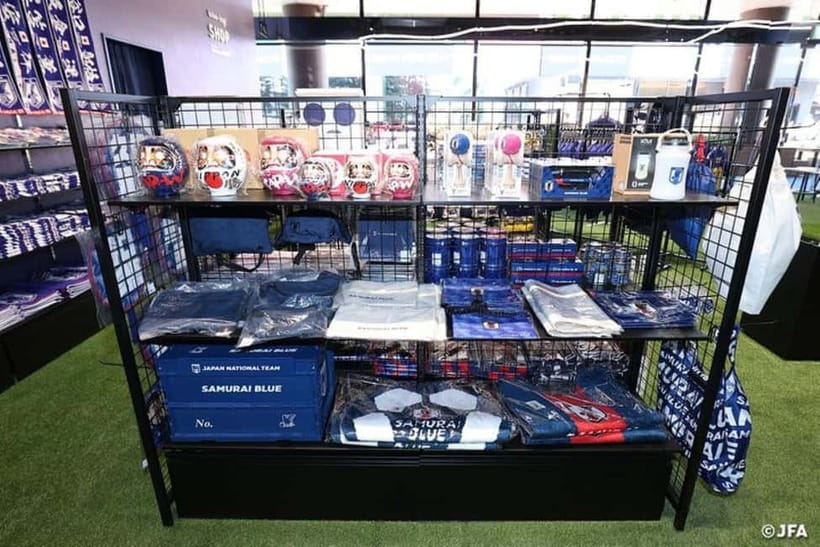
Your admission includes one free drink. At $25 per person, that is a practical extra, especially if you are already planning to spend time in Tokyo Dome City.
The drink is not the main reason to book, but it improves the overall value. After the guided section, you have a natural reason to pause in the CAFE&BAR space instead of leaving as soon as the tour ends. It also gives non-football companions something simple to enjoy while the football fan focuses on the exhibits.
The available information does not specify the drink menu, size, or whether particular items require an additional payment. Treat the included drink as one complimentary beverage, and check the current choices on arrival if you have dietary needs or a strong preference.
The goods shop adds another useful stop. The details do not list the exact merchandise, so I would not book specifically for a particular shirt, scarf, book, or souvenir. Still, a JFA-operated facility is a sensible place to look for football-related goods after the tour.
These spaces help explain why non-football fans can enjoy blue-ing! too. The museum content may not hold everyone’s attention for a full day, but the cafe and shop provide a social reason to visit together. The experience remains football-led, so a companion who strongly dislikes the sport may still find the main hour less appealing.
Is the $25 Price Good Value?
At $25, the price is fair if you value the guide and the combination of exhibits and digital content. Admission includes the Discovery gate fee, an English-speaking guide, and one free drink. For a one-hour experience, that is not the lowest museum price, but it is more than a walk through an unguided room.
The strongest value comes from the small group. With no more than 10 people, the guide can give the visit shape and answer questions. That matters at a museum where the subject may be unfamiliar to an international audience.
The price is less attractive if you only want to browse football memorabilia. The historical collection is not presented as enormous, and the visit is deliberately mixed with technology and social spaces. A serious collector may prefer a larger sports museum or a longer football-focused attraction.
I would compare the cost with your interests, not only the clock. A one-hour guided introduction, digital content, and a drink can fit neatly into a Tokyo itinerary. If you are already nearby, the convenience improves the value. If you must cross the city only for a short visit, you need to be a stronger football fan to make the trip worthwhile.
The reserve-now-and-pay-later option also helps if your Tokyo schedule is still shifting. You can hold a place without paying immediately, and cancellation is free up to 24 hours before the tour for a full refund. Keep those terms in mind when deciding how far ahead to book.
The Best Time and Place to Fit It In
Blue-ing! is in Tokyo Dome City on Honshu, Japan. The surrounding complex makes the museum easier to combine with other plans than a stand-alone attraction in a remote area.
Plan around the one-hour duration and check available starting times before you commit to a larger schedule. The information provided does not give a fixed daily timetable, so you should select a start time based on current availability.
One practical warning is important: clicking the Google Maps link can point to the wrong location. Use the map shown in the profile image, which is identified as the correct location, and confirm the meeting point at the blue-ing! Discovery area reception.
That small navigation issue could cause needless stress in Tokyo, where a wrong pin can cost you more than the length of the tour. Give yourself enough time to find Tokyo Dome City and the correct reception area, especially if you have a timed start.
The skip-the-ticket-line feature is helpful once you arrive. It does not remove the need to find the correct entrance, but it keeps the check-in process more direct.
Who Will Enjoy This One-Hour Tour Most?
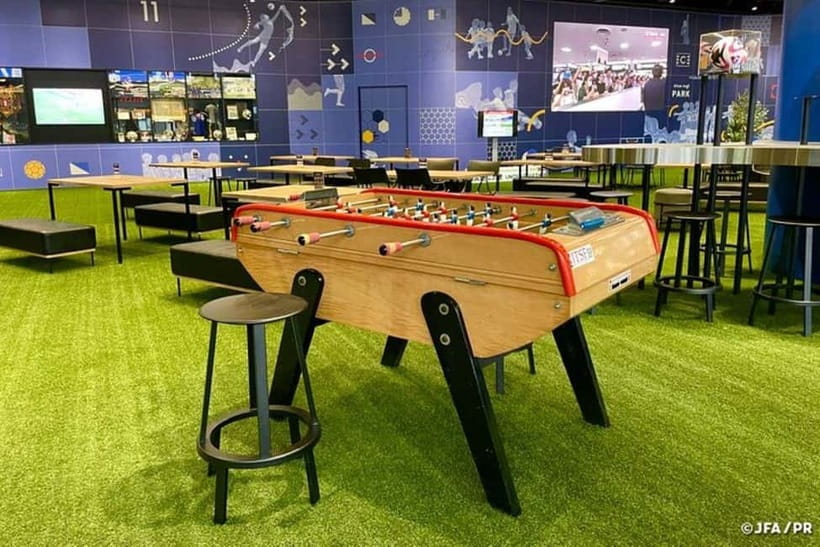
I would recommend blue-ing! first to football fans who want Japanese context. It is a good choice if you enjoy learning how the sport developed in different countries, not just looking at famous European clubs and tournaments.
It also suits fans who like modern museum design. The mix of football history, generative AI, digital features, artificial turf, and a cafe gives you several ways into the subject.
An English-speaking visitor may find the live guide especially useful. You can ask about unfamiliar names, events, or cultural details instead of trying to work everything out from labels.
Non-football companions can come along, particularly if they appreciate technology, design, or a relaxed cafe stop. Still, I would not describe this as a general Tokyo attraction with a small football corner. Football remains the main subject, and your enjoyment will depend on how much that interests you.
The tour is wheelchair accessible, which makes it a practical option for visitors who need an accessible venue. The supplied information does not give further details about toilets, seating, or access routes, so contact the provider if you need specific arrangements.
Should You Book Blue-ing!?
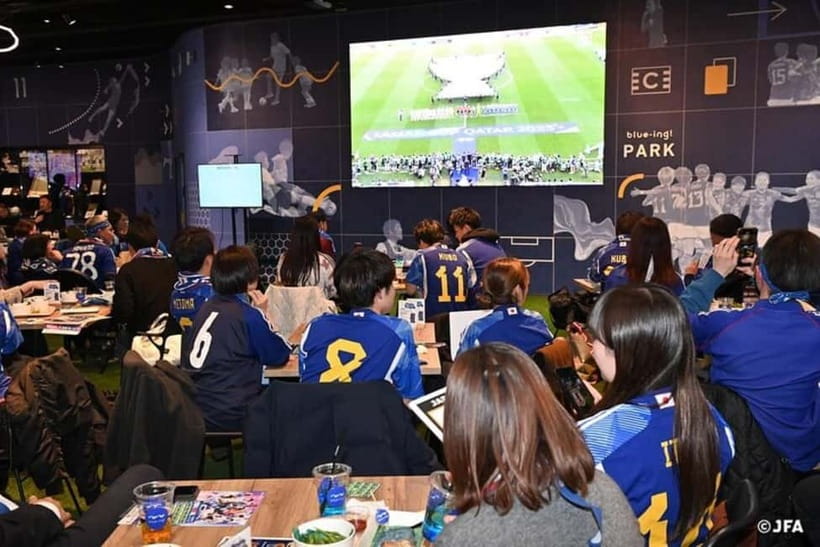
Book it if you want a short, guided introduction to Japanese football with modern digital material and a small-group English tour. The friendly guide style, one free drink, and Tokyo Dome City setting make it easy to fit into a busy day.
Think twice if you want a large archive packed with physical football memorabilia or a long, detailed account of every period in Japanese football. The museum’s strength is its blend of history, technology, and social space, not its scale.
For most football fans already spending time in Tokyo Dome City, $25 is a reasonable price for the one-hour experience. Use the correct map pin, arrive at the Discovery reception, and treat the visit as a focused look at Japanese football culture rather than a full-day museum trip.
FAQ
Where is the Japan Football Association museum located?
The museum is at blue-ing! in Tokyo Dome City on Honshu, Japan. The meeting point is the Blue-ing! Discovery Area reception.
How long does the tour last?
The guided experience lasts one hour.
Is the tour available in English?
Yes. The tour includes a live guide in English.
How much does the experience cost?
The listed price is $25 per person.
What is included in the admission?
Admission includes the gate fee for the Discovery area, the English guided tour, and one free drink.
How large is the tour group?
The experience is offered as a small group limited to 10 participants.
Is the museum wheelchair accessible?
Yes, the activity is listed as wheelchair accessible.
Can I cancel for a full refund?
Yes. You can cancel up to 24 hours in advance for a full refund. You can also reserve now and pay later.
More Museum Experiences in Tokyo

More tours in Tokyo we've reviewed












Museums, compared.
 ★ 4.6Tokyo: teamLab Planets TOKYO Digital Art Museum Entry TicketFrom $251 day
 ★ 4.6Tokyo: Samurai Ninja Museum Guided tour and ExperienceFrom $27
 ★ 5.0Skip the lines Basic Ticket at SAMURAI NINJA MUSEUM TOKYOFrom $28
 ★ 4.5Tokyo Studio Ghibli Museum and Ghibli Film Appreciation TourFrom $193
 ★ 5.0Tokyo Sword Experience – includes Museum Ticket/Ninja ExperienceFrom $84
 ★ 4.8Samurai Ninja Museum Asakusa: Samurai Sword Lesson & TourFrom $632 hours