Reviewed · WALKING TOURS
Tokyo: Private Walking Tour with a Local Guide
Tokyo is best understood one neighborhood at a time, and this private walking tour lets you choose the pieces that matter most to you. Your guide can build a day around old temples, local markets, anime, food streets, shopping, or Tokyo’s major sights instead of pushing you through a fixed route.
In This Article
- Key points at a glance
- A private introduction to Tokyo that adapts as you go
- Choosing four, six, or eight hours
- Asakusa and Senso-ji, Tokyo’s traditional opening act
- Ueno, museums, temples, and the Ameya Yokocho market
- Akihabara for anime, games, and electronics
- Shibuya and the Hachiko story
- Omoide Yokocho and the neon of Shinjuku
- Harajuku, Takeshita Street, and Meiji Jingu
- Tsukiji for seafood and market food
- The Imperial Palace East Garden for a quieter finish
- How the train travel changes the experience
- What the $132.91 price really covers
- Who will get the most from this tour
- Should you book Tokyo Vibes?
- FAQ
- How long does the private Tokyo walking tour last?
- How much does the tour cost?
- Is the tour private?
- Can the itinerary be customized?
- Does the tour include hotel pickup?
- Is airport pickup included?
- Does the tour use public transportation?
- Are train fares included?
- Are food and drinks included?
- What cancellation terms apply?
I especially like the freedom to choose between four, six, or eight hours, and the help with Tokyo’s enormous train stations. Guides such as Saya and Gabriel have been praised for adding practical advice about Japanese customs and getting around. The tradeoff is that the $132.91 per-person price does not include trains, meals, or extra attractions, and a short tour cannot cover every district listed.
Key points at a glance
- A route shaped around you: Choose specific neighborhoods, interests, and sights instead of following one rigid schedule.
- Useful first-day help: Your guide can show you how to manage Tokyo’s large train stations and public transportation.
- Wide choice of districts: Possible stops include Asakusa, Ueno, Akihabara, Shibuya, Shinjuku, Harajuku, Tsukiji, and the Imperial Palace gardens.
- A private experience: Only your group takes part, so the pace and focus can be adjusted.
- Three tour lengths: Four hours suits a focused introduction, while six or eight hours allow more districts.
- Know the extra costs: Food, drinks, train fares, private vehicles, airport transfers, and additional attractions are not included.
A private introduction to Tokyo that adapts as you go
The biggest strength here is flexibility. You are not locked into a sightseeing script, so you can ask for temple architecture, Japanese food, anime shopping, imperial history, street photography, or simple help finding your way around.
That matters in Tokyo because the city is spread across very different districts. Asakusa feels traditional and ceremonial. Akihabara is built around anime, manga, games, and electronics. Shibuya and Shinjuku offer giant crossings, neon, shops, restaurants, and nightlife. A local guide can help you connect these areas in a way that matches your energy and interests.
The tour is private, with only your group participating. That gives you more room to stop, ask questions, change the pace, or spend longer in a place that catches your attention. It also makes the experience useful for families, couples, and first-time visitors who want personal help rather than a large group moving on a strict timetable.
Your guide meets you at your hotel or accommodation. Airport pickup and drop-off are not included, although one guide, Gabriel, reportedly accommodated an airport meeting during a last-minute booking. Treat that as an example of possible flexibility, not as a standard feature.
Other walking tours we've reviewed in Tokyo

Choosing four, six, or eight hours
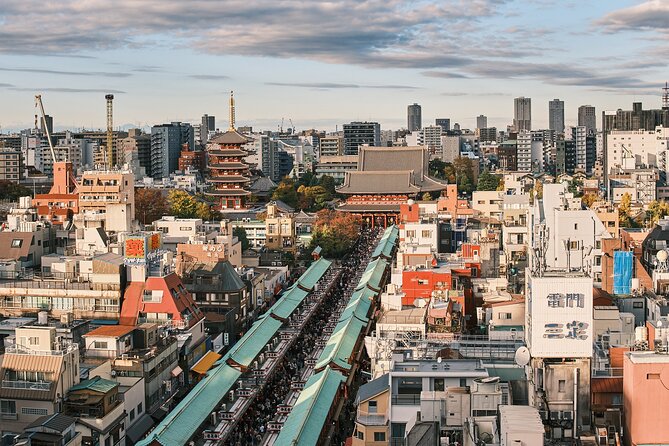
The four-hour option works best if you want a focused introduction to one or two nearby areas. Asakusa and Ueno make a sensible pairing, as do Shibuya and Harajuku. You could also use the time for a practical orientation, especially if Tokyo is your first stop in Japan.
Six hours gives you a more useful cross-section of the city. You might combine a historic district with a market and a modern shopping area, though you will still need to accept some travel time between them. Eight hours is the strongest choice if you want several districts or need a full first-day orientation.
Do not read the long list of possible stops as a promise that you will see them all. Tokyo’s trains are fast, but stations are large, transfers take time, and the tour is on foot once you arrive. Ask for a realistic route when you book. A shorter, well-planned day is better than racing through six neighborhoods.
The tour averages 41 days of advance booking, so reserve early if your schedule is tight. Confirmation is provided at booking, and free cancellation is available up to 24 hours before the start time. Changes or cancellations inside that window are not accepted for a refund.
Asakusa and Senso-ji, Tokyo’s traditional opening act
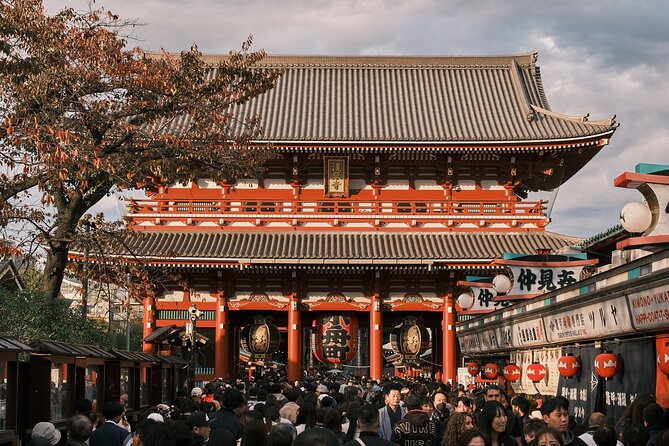
Asakusa is the clearest place on this route to get a sense of old Tokyo. Senso-ji, the city’s oldest temple, draws visitors through the famous Kaminarimon gate and along Nakamise-dori, a shopping street lined with traditional snacks, small gifts, and souvenirs.
Your guide can explain what you are seeing instead of leaving you to guess at the temple rituals and symbols. The included temple and shrine entrance tickets are useful here, although additional attractions may cost extra.
The main drawback is crowding. Asakusa is one of Tokyo’s best-known historic areas, so this is not a quiet, undiscovered corner. Still, it is an important stop, and a private guide can help you focus on the details rather than simply follow the flow of people.
Ueno, museums, temples, and the Ameya Yokocho market
Ueno gives you several different ways to spend your time. The district includes the Tokyo National Museum, the National Museum of Western Art, Ueno Zoo, Ueno Toshogu Shrine, and smaller historic temples.
If you want museum time, say so before the tour. A walk past these institutions is not the same as visiting them, and extra attraction requests are not included in the price. The guide can help you decide what fits, but you should not expect a full museum visit and several other districts in the same short session.
Ameya Yokocho adds a more everyday side of Ueno. This open-air market has a nostalgic 1980s feel, with food stalls, standing bars, and local shopping. It is a good place to see Tokyo away from grand monuments. Food and drinks are your responsibility, but the guide can help you understand what you are seeing and may help with tastings.
Akihabara for anime, games, and electronics
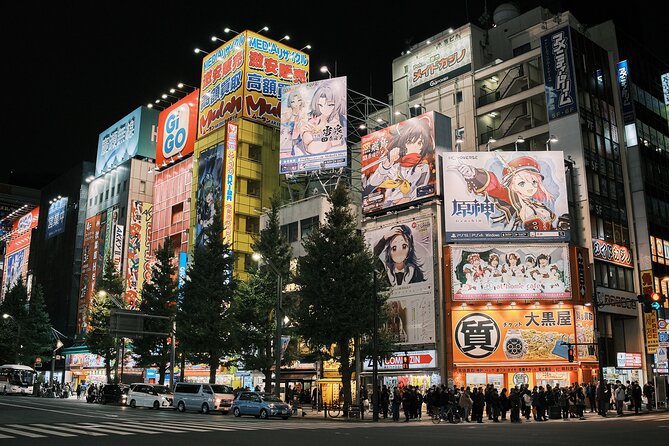
Akihabara is the stop for Japanese pop culture and technology. You can browse retro and modern game centers, look for anime figures and manga, and check out tax-free shopping for electronics.
This district works best when you arrive with a clear interest. Tell your guide if you want collectibles, games, manga, or electronics, since each focus can lead you toward different shops. Tax-free shopping is mentioned as part of the area, but eligibility and store rules are not specified, so confirm details at the point of purchase.
Akihabara can also consume time quickly. A few minutes in a game center can turn into an hour, which is fine if that is your priority. It is less useful to include this stop simply to say you saw it.
Other guided tours in Tokyo



Shibuya and the Hachiko story
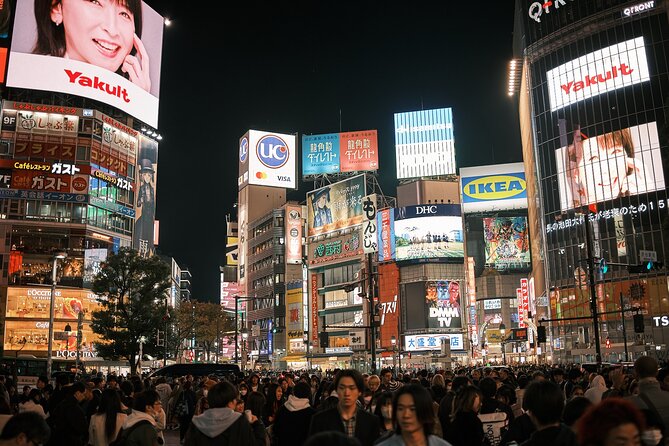
Shibuya Crossing is one of Tokyo’s signature sights. From the crossing, the tour includes a short stop at the Hachiko statue, honoring the Akita dog remembered for his loyalty to his owner.
The statue is small compared with the crowds and screens around it, but the story gives the district a human touch. Your guide can explain why Hachiko became a symbol of loyalty in Tokyo and place the statue in the context of the surrounding neighborhood.
Shibuya is a strong choice for a first visit because it shows Tokyo’s modern scale in a compact area. It is also a practical place to ask your guide about navigating stations, meeting points, and local customs. The station is famously large, so having help at the start of your trip can save frustration later.
Omoide Yokocho and the neon of Shinjuku
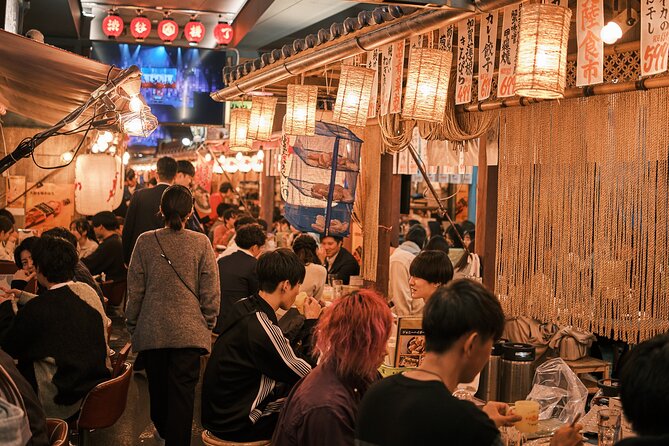
Omoide Yokocho offers a sharp change of mood. This narrow historic alley is filled with small izakayas and street food, giving you a glimpse of an older, more intimate Tokyo.
The lanes are tight, and the atmosphere is focused on eating and drinking rather than sightseeing. Since food and drinks are not included, treat this as an optional stop for a snack or meal, not part of the prepaid tour cost.
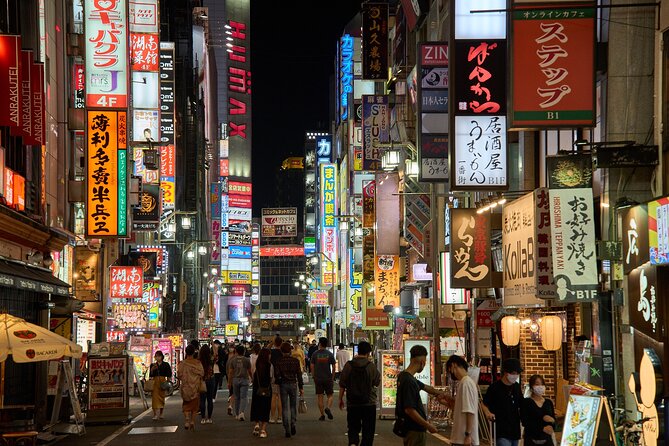
Nearby Shinjuku brings a much larger scale. Neon-lit streets, shopping, dining, and nightlife make it one of Tokyo’s main entertainment districts. A daytime visit will feel different from an evening visit, so mention your preferred timing when shaping the route. The guide can help you focus on the parts that fit your plans, but the district is too large to experience fully in a brief stop.
Harajuku, Takeshita Street, and Meiji Jingu
Takeshita Street is the lively, youthful side of Harajuku. The pedestrian street is packed with quirky shops, fashion boutiques, and street food. It can be fun for browsing and people-watching, but it is also busy and commercial, so do not expect a quiet local market.
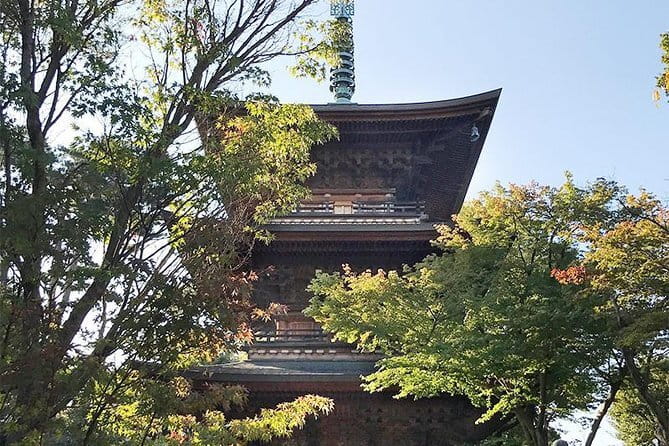
Meiji Jingu offers the needed pause. Its forested grounds, large torii gates, and shrine buildings create a calm setting near Harajuku. The shrine honors Emperor Meiji and Empress Shoken, giving your guide a chance to explain the religious and imperial context.
This pairing works well because the two stops are close and feel completely different. You get crowded fashion streets followed by a quiet shrine walk. The included temple and shrine entrance tickets help here, though the experience remains primarily a guided walk rather than a series of separately booked attractions.
Tsukiji for seafood and market food
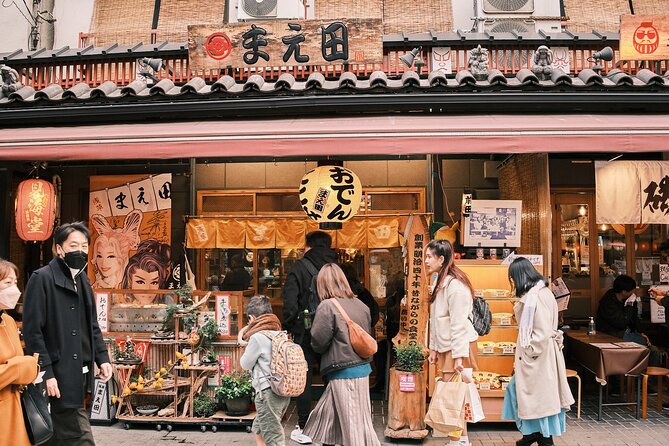
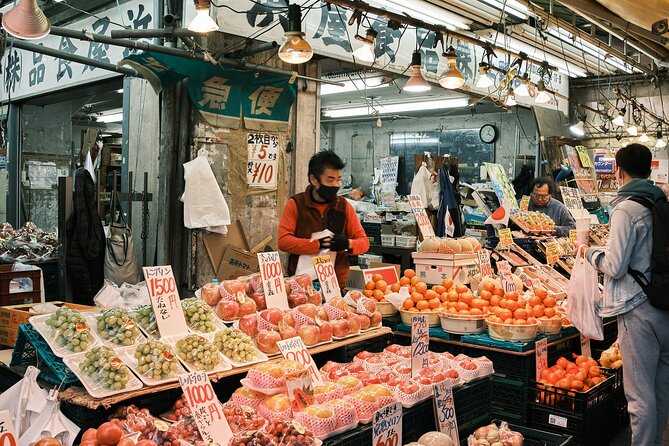
Tsukiji is a good choice if you want Tokyo through its ingredients and food culture. The market area includes fresh seafood, unusual ingredients, and local delicacies, with plenty to look at even if you are not buying a full meal.
Food is not included, so budget separately for anything you want to taste. Ask your guide to shape the visit around browsing, specific foods, or a meal. The market can be especially useful for someone who feels unsure about ordering or identifying unfamiliar items.
Tsukiji also makes an efficient stop if food is a major reason you booked the tour. If your main interests are temples or museums, placing Tsukiji into a four-hour route may leave too little time elsewhere.
The Imperial Palace East Garden for a quieter finish
The East Garden of the Imperial Palace provides a change from commercial Tokyo. You can walk among carefully maintained gardens, old stone walls, and historic ruins while learning about Japan’s imperial past.
This is not the place for a long list of shops or food stops. It is better suited to you if you want open space, history, and a calmer pace. It can balance a day that also includes Shibuya, Shinjuku, or Akihabara.
As with the other areas, confirm how much time the garden visit receives. The full route can cover many districts, but travel time and walking distance will determine how long you actually spend at each one.
How the train travel changes the experience
This is a walking tour that uses public transportation between neighborhoods. Trains are not included, and you should budget for your own fares.
The practical value is not just getting from one sight to another. Tokyo stations can be enormous, and a local guide can show you how to manage transfers, exits, and meeting points. One especially useful first-day approach is to choose a route that teaches you the train system while also visiting places you care about.
Travel time varies across Tokyo. The route may feel relaxed in one district and rushed after a long cross-city transfer. Tell the provider your top priorities, and put the must-see area first. If your group includes children, older adults, or anyone who dislikes long walks, a shorter route with fewer transfers may be the better choice.
What the $132.91 price really covers
At $132.91 per person, this is not the cheapest way to sightsee. You are paying for a private guide, a custom route, local insight, hotel or accommodation meeting, and help using Tokyo’s public transportation. For a group, discounts may improve the value, so check the final per-person cost before booking.
The price does not include trains, food, drinks, private cars, airport transfers, or additional attractions. Those costs can add up, especially if your plan includes museum entry, a meal in Omoide Yokocho, or repeated train rides.
I see the best value for first-time visitors who want to get oriented quickly. A guide who can explain customs, point out useful areas, and make the train system less intimidating may save you time for the rest of your trip. If you already know Tokyo well and only want a simple walk, the price may be harder to justify.
Who will get the most from this tour
This experience suits you if you:
- Are visiting Tokyo for the first time
- Want a private guide rather than a large group
- Have specific interests that do not fit a standard sightseeing route
- Need help using public transportation
- Want to combine famous sights with markets and local streets
- Prefer a flexible four, six, or eight-hour schedule
It may be less suitable if you want every attraction prepaid, a private vehicle, airport transport, or a fixed luxury itinerary. It also requires walking and public transportation, and the number of stops depends on the time you choose.
The strongest praise has focused on customization and practical help. Saya has been praised for adding cultural information and city-navigation advice beyond the planned route. Gabriel has been praised for flexibility with a last-minute booking and an airport meeting. These examples suggest that communication is important: tell the provider what you want, and ask clearly about any special request.
Should you book Tokyo Vibes?
Book this tour if you want Tokyo explained by a local guide and would rather shape your day than follow a fixed sightseeing checklist. Choose four hours for one focused area, six hours for a balanced introduction, and eight hours if you want several districts without making every stop a hurried photo break.
Before paying, decide on your top two or three priorities and ask how they fit together by train. Also budget for fares, food, and any attraction tickets beyond the included temple and shrine entries.
This is a practical orientation tour with real value for first-time visitors. It is not a fully prepaid sightseeing package, and it cannot cover all of Tokyo in one day. Used as a tailored introduction, it can make the rest of your stay easier and more rewarding.
FAQ
How long does the private Tokyo walking tour last?
You can choose an approximately four, six, or eight-hour tour.
How much does the tour cost?
The listed price is $132.91 per person.
Is the tour private?
Yes. Only your group participates in the activity.
Can the itinerary be customized?
Yes. You can tailor the route to your interests and request specific areas.
Does the tour include hotel pickup?
Pickup is offered at your hotel or accommodation for the meeting point.
Is airport pickup included?
No. Airport pickup and drop-off are not included.
Does the tour use public transportation?
Yes. The walking tour uses public transportation between locations.
Are train fares included?
No. Train costs are not included in the tour price.
Are food and drinks included?
No. You pay separately for food and drinks.
What cancellation terms apply?
You can cancel for a full refund up to 24 hours before the experience start time. Cancellations or changes made less than 24 hours before the start time are not accepted for a refund.
More Private Tours in Tokyo


More Guided Tours in Tokyo
More Walking Tours in Tokyo
More tours in Tokyo we've reviewed












Walking Tours, compared.
 ★ 5.0Tokyo Tsukiji Fish Market Food and Culture Walking TourFrom $99
 ★ 4.9Tokyo: Shinjuku Local Bar and Izakaya Guided Walking TourFrom $343 hours
 ★ 5.0Tokyo: Tsukiji Fish Market Food and Walking tourFrom $30
 ★ 4.8Tokyo: Asakusa Walking Tour with Sensoji Temple VisitFrom $222 hours
 ★ 4.9Tokyo: Tsukiji Fish Market Guided Walking TourFrom $222 hours
 ★ 4.7Tokyo Castle & Imperial PalaceーShogun Walking TourFrom $232 hours