Reviewed · TOURS
Tokyo Full Course Tour: Explore 10 Must-See Sights & Hidden Gems
Tokyo is hard to grasp in one day, but this seven-hour route gives you a useful first look at both famous sights and everyday city life. You move on foot and by subway from Meiji Shrine and Shibuya to Tsukiji, Akihabara, and Asakusa, ending near Asakusa Station.
In This Article
- Key points to know before booking
- A fast way to get your Tokyo bearings
- Meiji Shrine and Harajuku at the start
- Hachiko and Shibuya Crossing
- Tsukiji combines food and tradition
- The Imperial Palace, Marunouchi, and Tokyo Station
- Akihabara brings in modern Japanese subculture
- Senso-ji and Asakusa provide the final chapter
- The pace, walking, and subway travel
- What the $78.18 price really buys
- Who should book this Tokyo day tour
- Should you book it?
- FAQ
- How long does the Tokyo Full Course Tour last?
- What time does the tour start?
- Where does the tour begin?
- Where does the tour end?
- How many people can join the tour?
- Are transportation costs included?
- Is lunch included?
- Are admission tickets included?
- What happens if I arrive late?
I like the small group limit of five, which should make it easier to stay with the guide and ask questions. I also like the practical focus: guides such as Sam and Takashi explain local customs, Japanese culture, and how to manage Tokyo’s complicated public transport. The tradeoff is clear: this is a fast day with plenty of walking, and some stops may feel short.
Key points to know before booking
- Twelve listed stops in about seven hours: The route covers a remarkable amount of ground, but you will not have long at each place.
- Small groups of up to five: This makes subway transfers and street crossings easier to manage.
- Local guides such as Sam and Takashi: The tour emphasizes cultural background, etiquette, daily life, and practical transit skills.
- Tsukiji lunch is extra: Sushi is suggested at about $13, but food and drinks are not included and one meal option may cost more.
- Transportation is extra: Bring a loaded Suica or PASMO card, or another usable IC transit card, plus some cash.
- Good shoes are essential: You need a moderate level of fitness, and the route can feel tiring after several hours on your feet.
A fast way to get your Tokyo bearings
At $78.18 per person, this tour is priced as a guided orientation rather than a ticketed attraction package. Admission is free at the listed stops, so the value comes from the guide, route planning, cultural explanations, and help with Tokyo’s subway system.
That matters in Tokyo. The city is not difficult because its transport is poor. It is difficult because the network, stations, exits, and streets can be confusing, especially when you are trying to fit several neighborhoods into one day. A guide who knows the area can save you time and reduce the stress of figuring out every transfer yourself.
You should also understand what you are buying. This is not a leisurely temple tour or a food walk with long tastings. It is a broad survey of Tokyo, designed to show you many of the places first-time visitors usually want to see. You will get orientation and context, but you will give up some time at each stop.
The group size helps. With a maximum of five people, the guide can keep the party together through stations and crowded streets. Guides named Sam and Takashi have been praised for clear English, good preparation, friendly service, and useful explanations. The operator may assign another guide, so do not book solely for a particular person unless the provider confirms that arrangement.
If you're still narrowing it down, here are other tours in Tokyo we've reviewed.

Meiji Shrine and Harajuku at the start
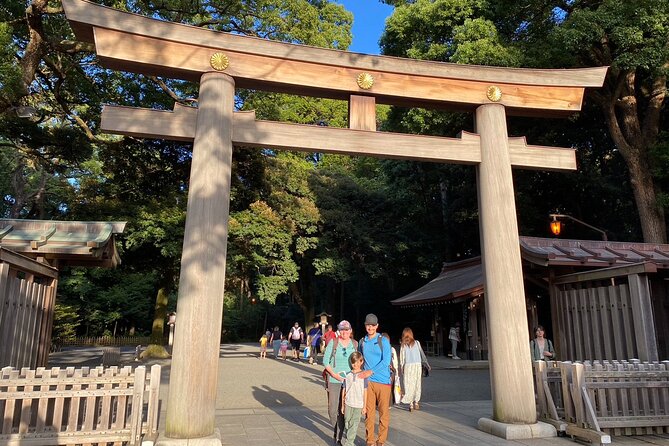
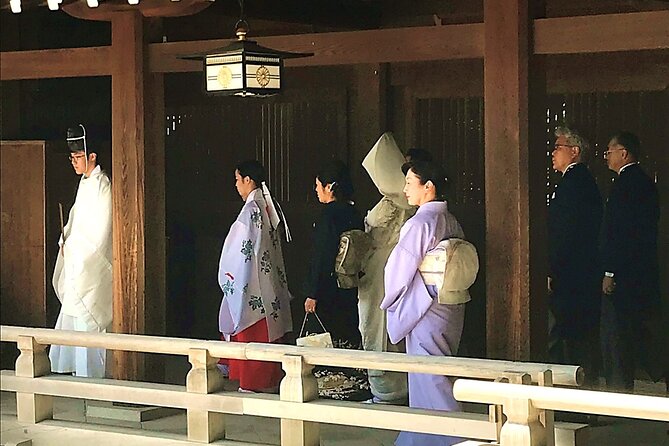
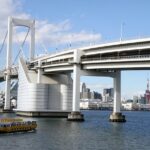
The morning begins at Yoyogi Station at 9:30 am, with Meiji Jingu Shrine as the first major stop. This is a good opening because the shrine gives you an early introduction to Shinto, one of Japan’s traditional religious practices, before the day turns toward shopping districts, markets, and modern Tokyo.
You have about 30 minutes at Meiji Shrine. That is enough for an introduction and a look at the setting, but not enough for a slow visit or a detailed exploration. The guide can explain shrine customs, local etiquette, and the meaning of the site as you walk.
Harajuku follows as an optional fashion-street stop, also listed at about 30 minutes. The area gives the tour a quick change of mood. Instead of quiet shrine grounds, you see Tokyo’s youth culture and fashion side.
The word optional matters here. The precise balance between Meiji Shrine and Harajuku may depend on the group and the guide, so ask early if one matters more to you. If you want time for shopping, browsing, or photographs, this schedule will probably feel tight.
Hachiko and Shibuya Crossing
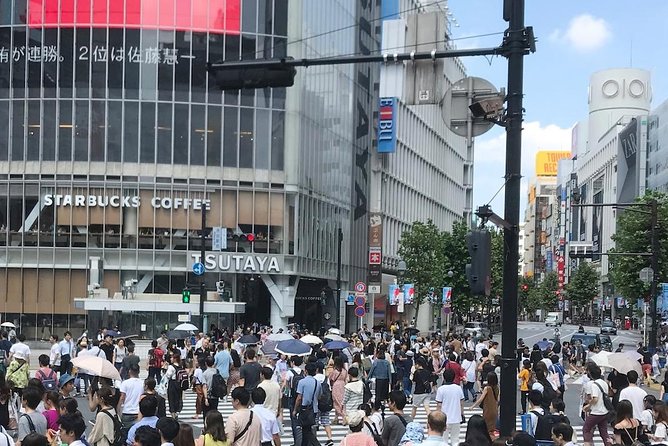
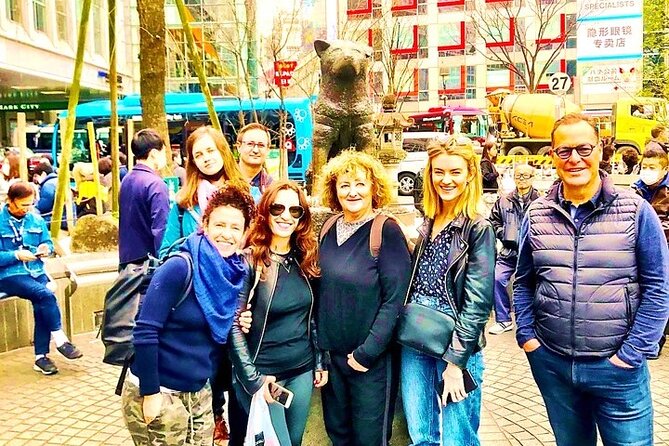
The route then heads to Shibuya for two familiar sights: the Hachiko statue and Shibuya Scramble Crossing. The Hachiko stop connects a small public monument with one of Tokyo’s best-known local stories, while the crossing shows the sheer scale and order of the city.
You are scheduled for roughly 30 minutes at Hachiko and another 30 minutes at the crossing. That gives you time to see both places without treating them as separate half-day activities. The guide can also help you understand how to approach the crossing and where to stand for a good view.
This part works especially well for someone visiting Tokyo for the first time. You get a recognizable image of the city, but you also learn how to move through a major transport and shopping district.
Do not expect a long stop for shopping or neighborhood exploration. Shibuya is a place where you can easily spend hours, and this tour gives you only a quick look. If you already know Shibuya well, the value here will depend on how much you want the guide’s local explanation.
Tsukiji combines food and tradition
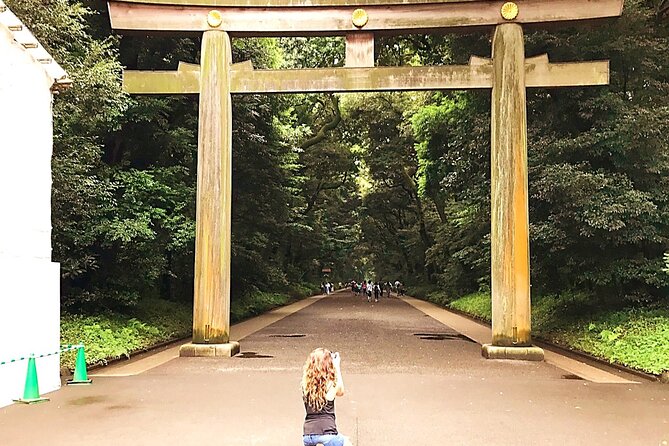
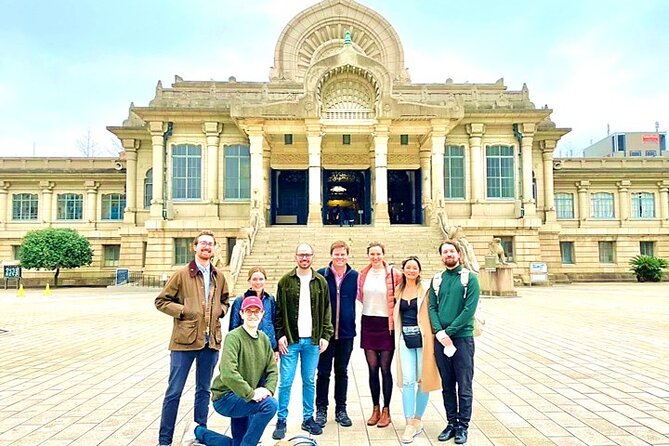
Tsukiji is one of the more useful sections of the day because it combines a food market with a religious site. Before visiting Tsukiji Hongwanji Temple, the schedule includes lunch at a sushi restaurant, listed at about $13, though food costs are not included.
The meal arrangement deserves attention. You should carry cash, and you should not assume that the listed price covers every restaurant choice. One person found the selected restaurant more expensive than expected and would have preferred more freedom to choose where to eat.
That does not make lunch a bad idea. A market district is a natural place to eat, and a guide can help you navigate a menu or local dining custom. Still, lunch can consume valuable time in a seven-hour tour. If you are more interested in seeing Tsukiji than having a set meal, ask how the lunch stop works before you arrive.
Tsukiji itself offers a look at Tokyo’s food culture and traditional market atmosphere. The stop is scheduled for about 30 minutes, so expect an introduction rather than an extended tasting session. Food and drinks remain your responsibility.
Tsukiji Hongwanji Temple adds another layer to the visit. The guide can explain the temple’s role and Japanese religious traditions, helping you connect the site to the shrine visits earlier in the day. This contrast between Shinto and Buddhism is one of the tour’s stronger educational features.
The Imperial Palace, Marunouchi, and Tokyo Station
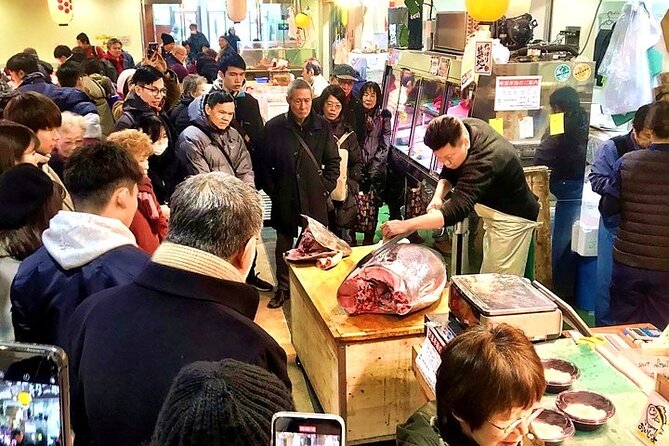
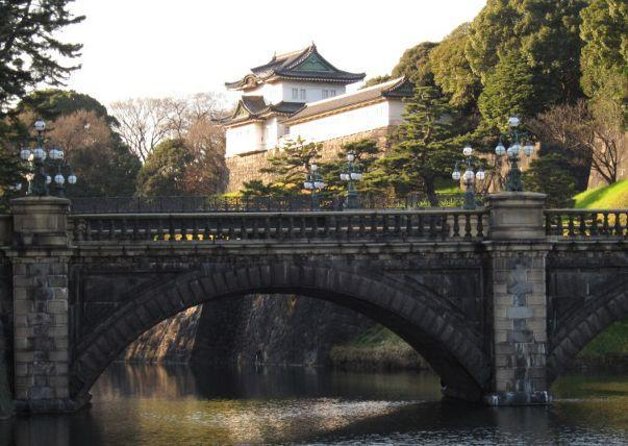
After Tsukiji, you walk outside the Imperial Palace area. The itinerary specifically says the palace is viewed from outside, so you should not expect entry into palace buildings or private grounds.
Even from outside, the stop helps explain Tokyo’s political and civic center. The guide can place the palace area within Japan’s modern capital and point out how it relates to the surrounding business district.
Marunouchi comes next, described as the center of the economy, followed by Tokyo Station’s Marunouchi plaza. This section gives you a useful contrast with the temples and markets. Here, the emphasis is on business, rail travel, architecture, and the daily working city.
Each stop receives about 30 minutes. That is enough to orient yourself, take photographs, and hear the guide’s explanation. It is not enough for a museum visit, a long station exploration, or a detailed architectural study.
I see this section as particularly helpful for first-time visitors who want Tokyo to make sense as more than a string of tourist sights. The tour links religious sites, government, commerce, transport, and popular culture in one continuous day.


Akihabara brings in modern Japanese subculture
Akihabara is the tour’s stop for Japanese subculture. It offers a sharp change from the Imperial Palace and Marunouchi, with the focus shifting to the shops, signs, and entertainment associated with the district.
The visit lasts about 30 minutes. That is a short introduction, so you should not expect time to browse every store or pursue a specific collectible. If Akihabara is a major reason for your trip, plan a separate visit.
For everyone else, the stop works as a snapshot of another side of Tokyo. The route does not present Japan as only temples and old customs. It shows a city where traditional religious sites and highly modern popular culture sit within the same transport network.
The guide’s role is useful here because a local can explain what the district represents in Japanese society. You may also learn how to reach the area again by subway after the tour, which is one of the practical benefits of the day.
Senso-ji and Asakusa provide the final chapter
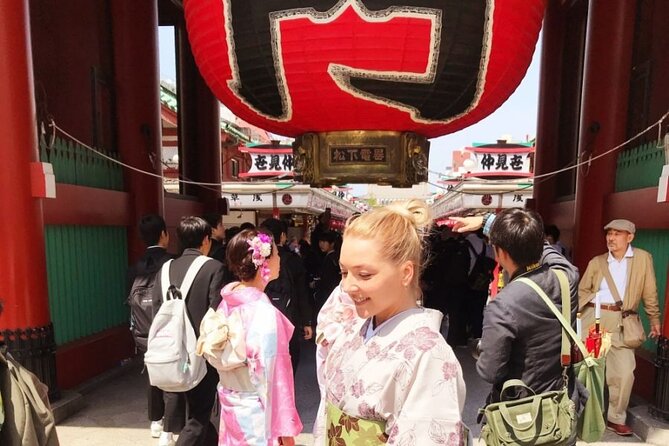
The tour ends in Asakusa, with Senso-ji Temple and Asakusa Shrine. Senso-ji is identified as Tokyo’s oldest Buddhist temple and one of the country’s most popular sightseeing spots. The stop gives the day a strong finish, especially after the modern districts earlier in the route.
You have about 30 minutes at Senso-ji, followed by another 30 minutes at Asakusa Shrine. The schedule lets you see both Buddhist and Shinto sites in the same neighborhood, reinforcing the cultural comparisons introduced at Meiji Shrine and Tsukiji Hongwanji.
Asakusa is also a practical ending point. The tour finishes at Asakusa Station, so you can continue exploring the district or use the subway to reach your next destination. Since the official end point is metro Asakusa Station, confirm the exact meeting spot in your booking details and stay with the guide until the tour is finished.
This final section may feel more crowded than the morning shrine visit, especially because Senso-ji is a major sight. Keep personal belongings close, follow the guide’s instructions, and remember that the group is expected to stay together.
The pace, walking, and subway travel
The route is ambitious. The schedule lists twelve stops of roughly 30 minutes each, plus walking, subway transfers, lunch, and explanations. That means the day can feel energetic and efficient, but it can also become tiring.
Several people have described the walking as a major part of the experience. One person who considered themselves very fit still found the pace exhausting, especially after several hours on foot. Another found the guide’s pace sensible, which shows that comfort may vary by group, weather, and the guide’s timing.
You should arrive ready to walk for much of the day. Wear comfortable shoes, carry water, and avoid bringing a heavy bag. A moderate fitness level is required, but I would treat that as a minimum rather than a promise of an easy stroll.
Transportation costs are not included. Prepare a Suica, PASMO, or similar IC card before the tour, and keep cash available for transit, lunch, and drinks. The guide teaches you how to use public transportation, but you still need to pay your own fares.
Late arrival is a serious issue. The tour starts at 9:30 am and late arrivals are not permitted to join, with no refund. Arrive at Yoyogi Station early enough to find the correct exit and meeting point without rushing.
What the $78.18 price really buys
The $78.18 fee includes the tour fee and consumption tax. It does not include transport, meals, drinks, or admission charges. The listed attractions are free to enter, so the price is mainly for the guide’s time and the carefully linked route.
For a visitor with only a few days in Tokyo, that can be fair value. You see major districts across the city without having to plan every transfer, and you get explanations that a self-guided route may not provide. You also learn the subway system while using it, which can help you explore independently afterward.
The price is less compelling if you prefer slow sightseeing, already know Tokyo’s transport network, or want to spend a long time in one neighborhood. You could visit many of these areas on your own, but you would need to organize the route and manage the timing yourself.
The small group limit strengthens the value. A large tour can make complicated stations and street crossings frustrating. With no more than five people, the guide can offer more direct help and adjust the route when possible. Takashi has adjusted the tour for a participant, showing that some flexibility may be available, though you should not count on major changes.
Who should book this Tokyo day tour
I would choose this experience if you are visiting Tokyo for the first time and want a broad introduction in one day. It suits you if you value cultural explanations, need help with the subway, and would rather follow a prepared route than spend your first morning studying maps.
It also suits solo visitors, couples, and small groups who like active sightseeing. English-speaking guides such as Sam have been praised for clear explanations, Japanese words, cultural background, and friendly guidance.
I would hesitate if you have limited mobility, dislike long walks, need frequent breaks, or want to linger at each sight. The schedule is not designed for a relaxed pace. Children under 13 require a request for a private tour, and anyone under 18 must be accompanied by a guardian.
The activity requires good weather. If poor weather causes cancellation, you are offered another date or a full refund. Otherwise, the booking is non-refundable and cannot be changed, so check your plans carefully before paying.
Should you book it?
Book this tour if you want to see a lot of Tokyo quickly and learn how the city works along the way. The strongest reasons are the small group, local guidance, cultural context, and practical subway instruction.
Skip it if your ideal day includes long meals, extended shopping, or quiet time at temples. Bring an IC transit card, cash, water, and very comfortable shoes. If you accept the brisk schedule, this can be a useful first-day introduction that leaves you better prepared to explore Tokyo on your own.
FAQ
How long does the Tokyo Full Course Tour last?
The tour lasts approximately seven hours.
What time does the tour start?
It starts at 9:30 am.
Where does the tour begin?
The meeting point is Yoyogi Station, at 1 Chome-34 Yoyogi, Shibuya, Tokyo 151-0053, Japan.
Where does the tour end?
The tour ends at Asakusa Station, at 1-chōme-1-3 Asakusa, Taito City, Tokyo 111-0032, Japan.
How many people can join the tour?
The maximum group size is five people.
Are transportation costs included?
No. You pay your own transportation expenses. A Suica, PASMO, or similar IC card is recommended.
Is lunch included?
No. Food and drinks are not included. Sushi before the Tsukiji Hongwanji Temple visit is listed at about $13, but the actual meal cost is your responsibility.
Are admission tickets included?
The tour fee includes the tour and consumption tax. The listed stops have no admission charge.
What happens if I arrive late?
Late arrivals are not allowed to participate, and no refund is provided. The tour begins promptly at 9:30 am.
More tours in Tokyo we've reviewed












Tours, compared.
 ★ 5.0Mt Fuji and Hakone 1-Day Bus Tour Return by Bullet TrainFrom $163
 ★ 5.01-Day Tokyo Bus TourFrom $129
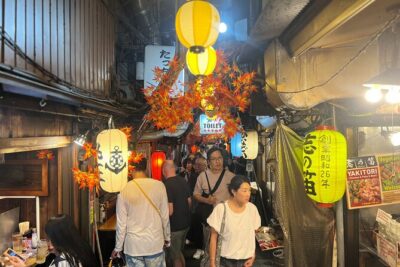 ★ 5.0Tokyo: Shinjuku Food Tour (13 Dishes at 4 Local Eateries)From $86
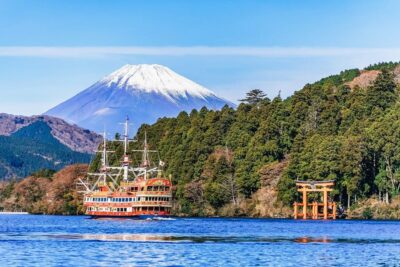 ★ 4.4Tokyo Mt Fuji 5th St & Hakone Cruise Bus Tour w/Bullet TrainFrom $15410 hours
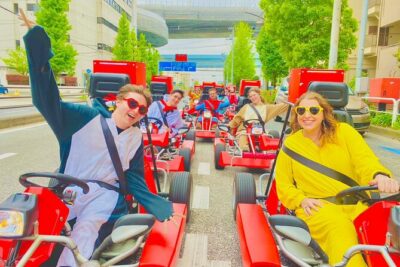 ★ 5.0Flagship 2-Hours Official Street Go-Kart Tour – Tokyo Bay ShopFrom $642 hours to 2 hours 30 minutes (approx.)
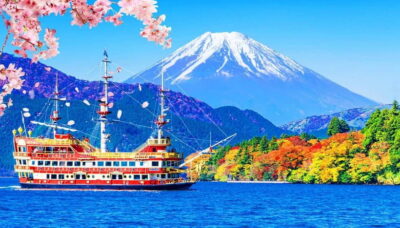 ★ 4.7Tokyo: Mt. Fuji Tour, Hakone Ropeway, Owakudani, Lake AshiFrom $5410 hours