Reviewed · COOKING CLASSES
Tokyo: Japanese Home-style Cooking Class with Meal
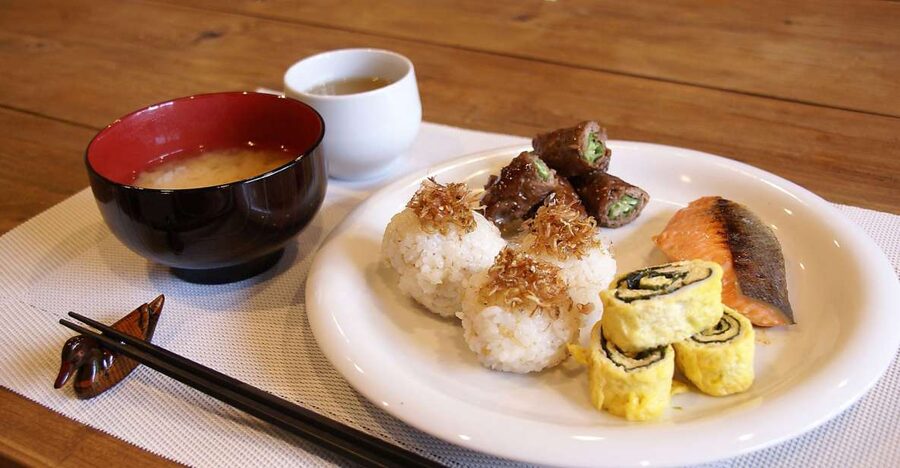
Japanese home cooking is the focus here, not sushi theatrics or a chef’s show. In 150 minutes, you prepare dashi, saikyo-yaki fish, dashi-maki tamago, rice, and miso soup, then sit down to eat it. I like the family-style recipes and the chance to learn how seasoning, nutrition, and presentation fit together. I also like that ingredients, drinks, and the meal are included.
In This Article
- Key points at a glance
- Why Japanese home cooking makes a good Tokyo activity
- The cooking studio location requires careful planning
- From dashi stock to a complete Japanese meal
- Japanese dashi stock
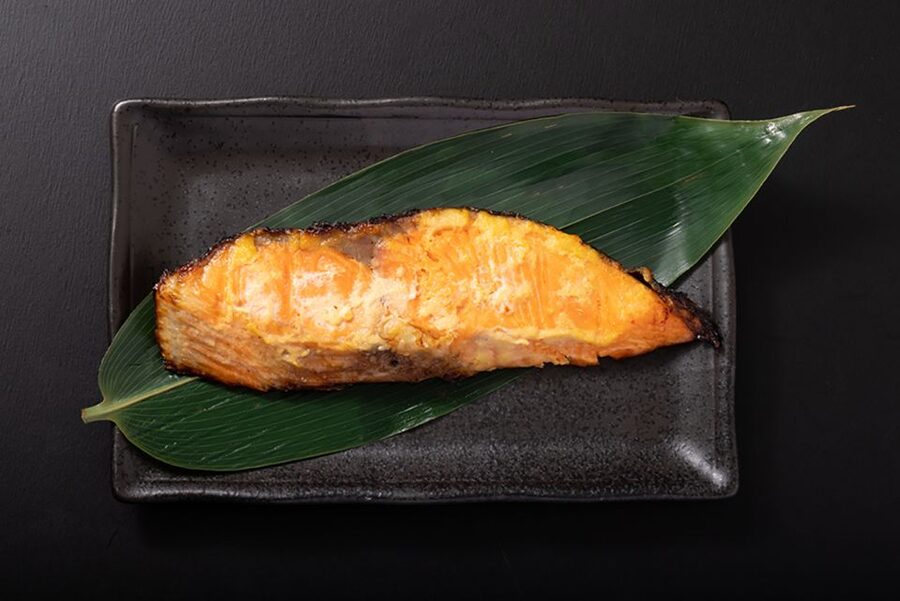
- Saikyo-yaki grilled fish
- Dashi-maki tamago
- Rice ball and miso soup
- The 11:00 to 13:00 lesson is hands-on, but not rushed
- The 13:00 meal is part of the lesson
- What the price tells you about the experience
- The mixed feedback is useful when setting expectations
- Who will enjoy this class most
- Practical advice before you book
- Should you book Patia’s Japanese Cooking Class?
- FAQ
- How long does the Japanese cooking class last?
- What dishes will I prepare?
- Is the meal included?
- Is the class taught in English?
- Where does the cooking class take place?
- Is hotel pickup available?
- Is the class suitable for vegans?
- Can young children join the class?
- Can I cancel for a full refund?
The main caution is that the class quality may depend on your particular instructor. Nao and Erika received warm praise for clear help and recipes you can recreate at home, but one participant found the lesson amateurish, with blunt knives and steps checked from the recipe. You should book this for a friendly, practical introduction, not a polished professional cooking school.
Key points at a glance
- Cook four useful Japanese staples: Make dashi, miso soup, rice balls, and grilled fish with saikyo-yaki seasoning.
- Learn home recipes, not restaurant tricks: The dishes are simple enough to repeat in your own kitchen.
- Eat what you prepare: Cooking runs from 11:00 to 13:00, followed by tasting from 13:00 to 13:30.
- Ask about technique and variations: The class covers nutritional balance, seasoning, and presentation, though the amount of extra coaching may vary.
- Plan around the meeting point: The studio is near Shinjuku, Chiyoda, or Minato, with the exact address sent three days before the date.
- Know the food limits: This class is not suitable for vegans, children under three, or people with back problems.
Why Japanese home cooking makes a good Tokyo activity
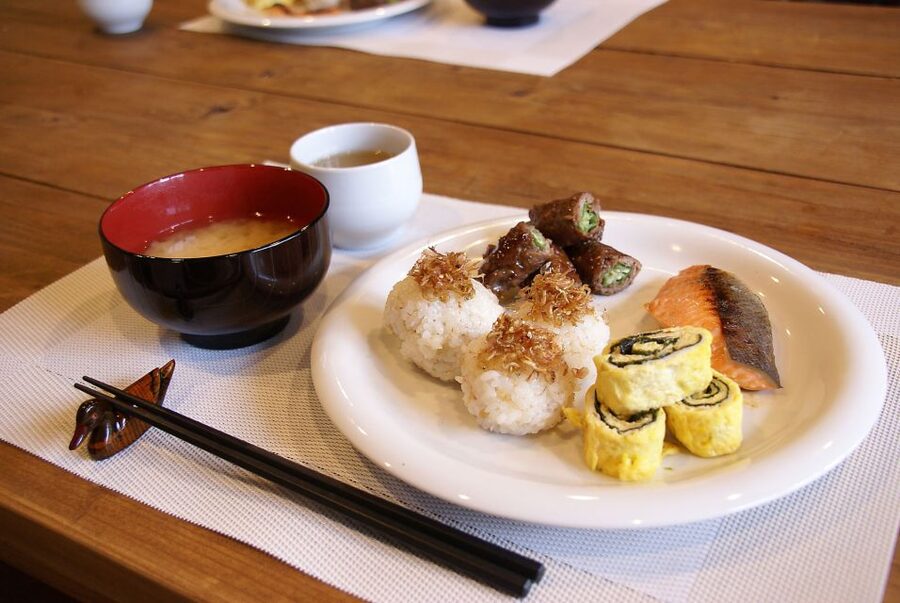
Tokyo offers plenty of food tours, but a cooking class gives you a different kind of souvenir. You do not simply taste a dish and move on. You learn the building blocks behind an everyday Japanese meal, then eat the results at the same table.
That matters because Japanese home cooking often depends on small choices rather than long, difficult recipes. Dashi provides a savory base. Miso adds depth. A sweet-salty marinade changes the character of fish. Rice and soup round out the meal. The class uses these parts to explain balance and seasoning, two ideas that can be hard to understand from a restaurant menu alone.
I especially like the practical nature of the menu. Dashi-maki tamago, the rolled omelet, is a familiar Japanese dish that also teaches control, timing, and texture. Saikyo-yaki uses miso-marinated fish, giving you a clear lesson in how preparation before cooking affects the finished food.
This is not presented as a formal chef-training session. It is better viewed as a guided introduction to dishes made in Japanese homes. If you want recipes you can try again after returning home, that is a useful trade-off.
Other cooking classes in Tokyo

The cooking studio location requires careful planning
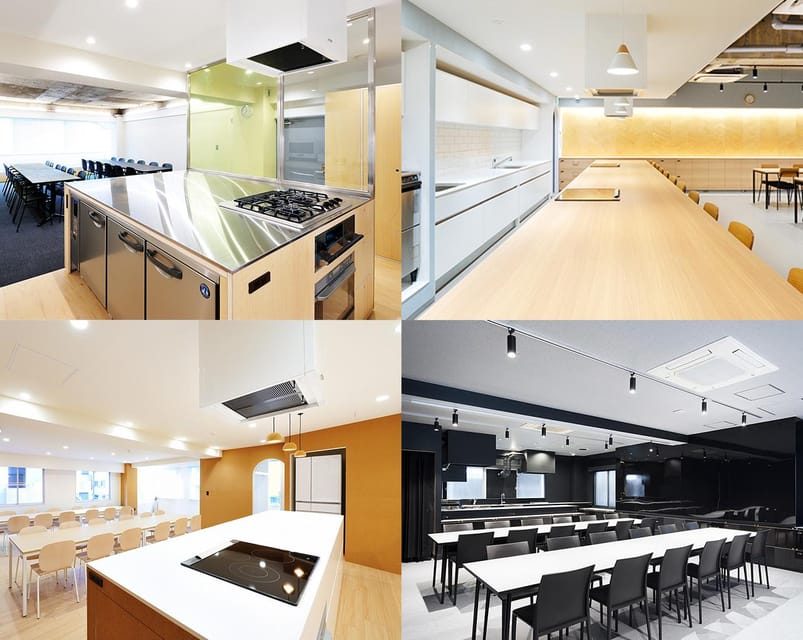
The class takes place at a cooking studio in Tokyo, near one of three central wards: Shinjuku, Chiyoda, or Minato. You receive the exact location three days before your reservation date.
That late address is the biggest logistical detail to watch. The Google Map address shown during booking is not the correct place, so do not simply follow that map pin. Wait for the designated studio information and allow enough time to reach it before the start.
No hotel pickup or drop-off is provided. You need to make your own way to the studio, and the activity begins at a set time. The schedule is listed as 11:00 to 13:00 for cooking, followed by 13:00 to 13:30 for the meal.
Because the final location may be in different parts of central Tokyo, check the studio address before planning another activity immediately afterward. A class ending at 13:30 gives you a useful afternoon start, but the commute to your next stop will depend on which ward you visit.
From dashi stock to a complete Japanese meal
The class menu is short, but it covers the key parts of a home-style meal. You prepare Japanese dashi stock, grilled fish with saikyo-yaki seasoning, a rice ball, and Japanese miso soup.
Japanese dashi stock
Dashi is the starting point for much Japanese cooking. It gives soups and other dishes a savory base without requiring a heavy sauce. Here, it is part of the lesson rather than an afterthought, so you can see how a basic stock supports the rest of the meal.
The useful point for you is not only learning one recipe. It is understanding how a mild base lets the other flavors remain clear. The class also discusses seasoning and nutrition, so dashi provides a natural way to think about how a meal gets flavor without becoming overly rich or salty.
Saikyo-yaki grilled fish
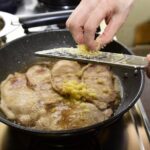
Saikyo-yaki is fish prepared with Saikyo-style miso. The miso marinade brings sweetness and savory flavor before the fish is grilled. It is one of the more distinctive dishes on the menu, and it gives the class a clear connection to traditional Japanese home cooking.
You should expect a hands-on lesson in preparing and cooking the fish, but the supplied details do not specify the fish variety or the exact marinating time. If that matters to you, ask the instructor during the class. You can also ask how to adapt the method to fish available where you live.
The recipe is a good fit for cooks who want a Japanese dish that feels special without requiring a long list of ingredients. It is also one of the dishes most likely to reward follow-up questions about substitutions and cooking times.
Other cooking classes in Tokyo

Dashi-maki tamago
The class highlights dashi-maki tamago, a rolled omelet made with dashi. This is a classic home dish and a useful lesson in how a few ingredients can produce a layered result.
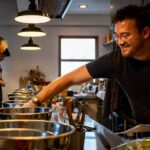
Rolling an omelet takes more care than simply scrambling eggs, so this part may be the most hands-on section of the class. You can watch the instructor’s method, then try it yourself. The recipe is simple enough to recreate, but technique matters, which makes this a good place to ask for help rather than quietly follow the printed instructions.
The menu description does not list every step or ingredient, so you should treat the class as your chance to learn the method directly. Ask about heat, rolling, and texture while you are working.
Rice ball and miso soup
The rice ball and miso soup complete the meal. These dishes add familiar everyday elements and show how Japanese food is often served as a balanced combination rather than one large main course.
The rice ball is straightforward, but it helps you understand how rice fits into the meal. Miso soup brings the dashi lesson back into the bowl. Together with fish and omelet, these dishes create a lunch that feels like a home meal instead of a single cooking demonstration.
The 11:00 to 13:00 lesson is hands-on, but not rushed
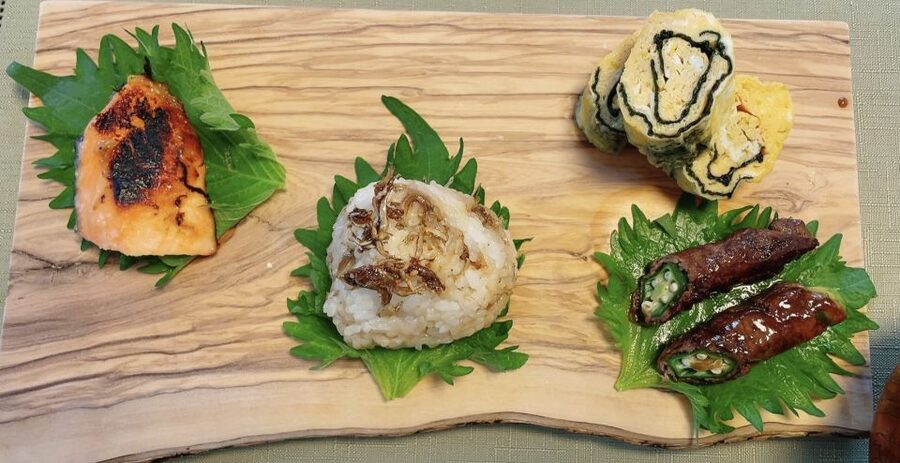
The schedule gives you about two hours for cooking. That is enough time for a guided introduction to several dishes, while still leaving 30 minutes to eat.
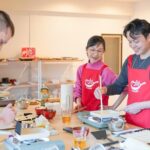
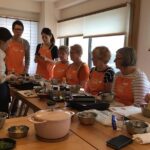
The instructor teaches in English. The class covers nutritional balance, seasoning, and presentation, so the lesson aims to explain more than the basic order of steps. You should expect to take part in preparing the food rather than only watching someone cook.
The exact teaching style may differ by instructor. Nao and Erika were specifically praised for helping participants and choosing recipes that were easy to make at home. That is the best version of what this class offers: useful guidance, a relaxed setting, and dishes you can repeat.
There is also a reason to keep your expectations realistic. One participant felt the class was delivered in an amateur fashion, noting blunt knives and an instructor who sometimes checked the next recipe step during the lesson. That person also wanted more advice beyond the written recipes, especially ideas for variations.
I would handle this in a simple way: come ready to ask questions. Ask how to adjust seasoning, what fish to use at home, and how to change the dishes without losing their Japanese character. The class promises instruction in food and presentation, but the amount of extra culinary coaching may depend on how actively you engage.
The 13:00 meal is part of the lesson
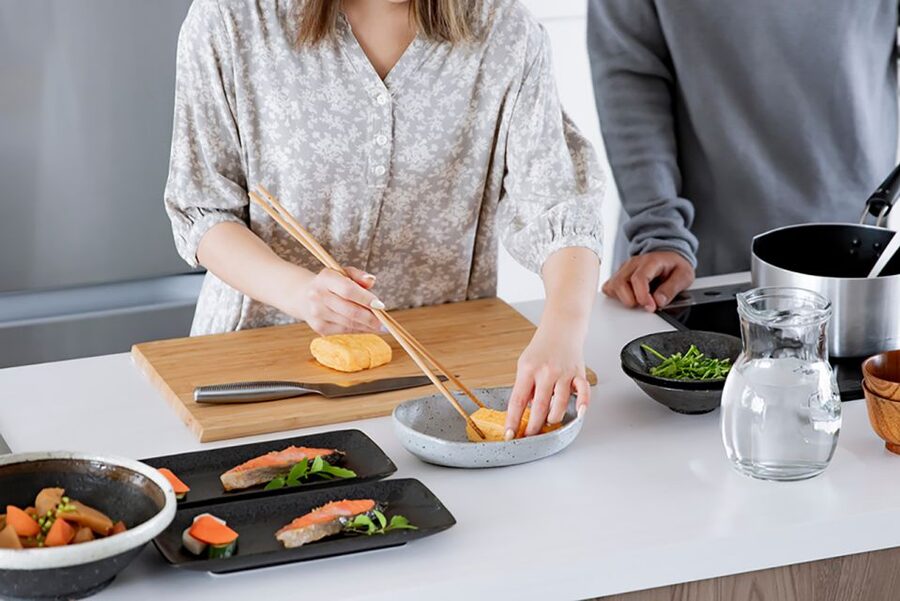
At 13:00, you sit down to eat the food prepared during the class. This final half hour is more than a convenient lunch. It lets you judge the balance of the meal as a whole.
You can see how dashi, miso, fish, eggs, and rice work together. You also get a chance to compare the finished dishes with the techniques you just practiced. For many people, this is the most satisfying part because the meal has a clear connection to their own work.
Drinks are included, along with the ingredients and cooked meal. That makes the $90 price easier to assess. You are paying for instruction, food, a prepared lunch, and an English-speaking guide, not just a restaurant meal.
Still, the value depends on what you want from the class. If you only want to eat Japanese food, $90 is a high price for a meal. If you want a two-and-a-half-hour activity with practical recipes and a sit-down tasting, the cost is more reasonable. The best value comes when you remember the techniques and cook the dishes again at home.
What the price tells you about the experience
At $90 per person, this is a mid-to-high priced food activity. The price includes the cooking class, ingredients, meal, and drinks. There is no separate charge for the food you prepare, which keeps the final cost clear.
The experience is strongest for someone who values participation. You get direct contact with Japanese home-style dishes and a meal at the end, but you are not booking a long professional course with advanced culinary instruction.
I would compare it with the cost of an ordinary Tokyo lunch only if you are deciding how to use your budget. The class takes 150 minutes and fills a large part of the day, so its value is also tied to the time it replaces. You are buying an activity, not just calories.
The included drinks and ingredients are helpful, especially in Tokyo, where a visitor may not want to buy unfamiliar items in large quantities just to try one recipe. If you return home and make the miso soup or saikyo-yaki again, the class has a longer payoff.
The mixed feedback is useful when setting expectations
The overall rating is 4.5 from three reviews, with two five-star ratings and one three-star rating. The positive side is clear: participants enjoyed cooking with Nao and Erika, found the food good, and valued recipes that were simple enough to repeat at home.
Patience was also praised. That matters in a cooking class because English may not be your first language, and some techniques, especially rolled omelet, are easier to learn when the instructor gives you time to try.
The lower score points to a real limitation. An instructor can be friendly and still lack the depth or polish of a trained chef. If you expect professional knife skills, advanced technique, and a long discussion of recipe variations, this may not meet your hopes.
You can reduce that risk by treating the class as a home-cooking workshop. Focus on learning the flavor logic, ask questions, and take mental notes on methods you can repeat. Do not book it expecting a chef certification-style lesson.
Who will enjoy this class most
I would recommend this experience to:
- First-time visitors who want a food activity with direct participation
- Cooks who enjoy learning recipes they can make at home
- Couples, friends, or solo visitors who prefer a calm indoor activity
- People curious about dashi, miso, fish preparation, and Japanese meal balance
- Anyone who wants lunch included at the end of an organized class
It may be less suitable for advanced cooks seeking professional instruction. The menu is designed around accessible family recipes, and one participant felt the recipes could be made without taking the class.
It is also not suitable for vegans because the menu includes fish and the activity specifically excludes vegans. Children under three cannot participate, and people with back problems are advised not to book. Smoking indoors is not allowed.
Practical advice before you book
Wait for the exact studio address before finalizing your route. The location shown on Google Maps during the booking process is different from the actual meeting point, and the studio may be near Shinjuku, Chiyoda, or Minato.
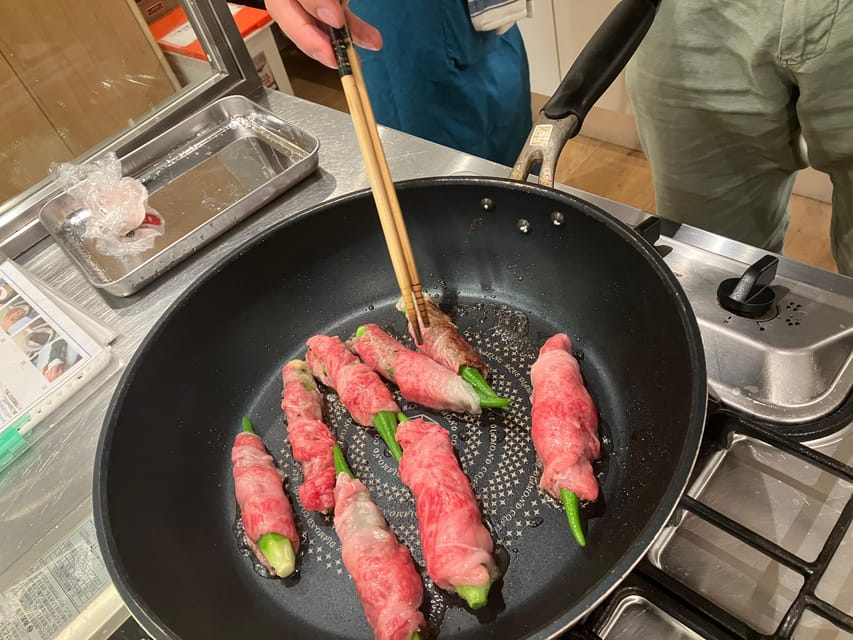
Arrive ready to work. This is not simply a demonstration followed by a meal. You should expect to handle ingredients and take part in preparing the dishes.
Use the English-speaking instructor as a resource. Ask for advice that may not appear in the recipe, such as how to vary the fish, how to adjust seasoning, or what to do if you cannot find the same ingredients at home.
Wear something practical for cooking, though no special clothing requirement is given. The class does not provide hotel transportation, so build your own travel time into the morning.
Free cancellation is available up to 24 hours before the activity for a full refund. You can also reserve now and pay later, which helps if your Tokyo schedule is still changing.
Should you book Patia’s Japanese Cooking Class?
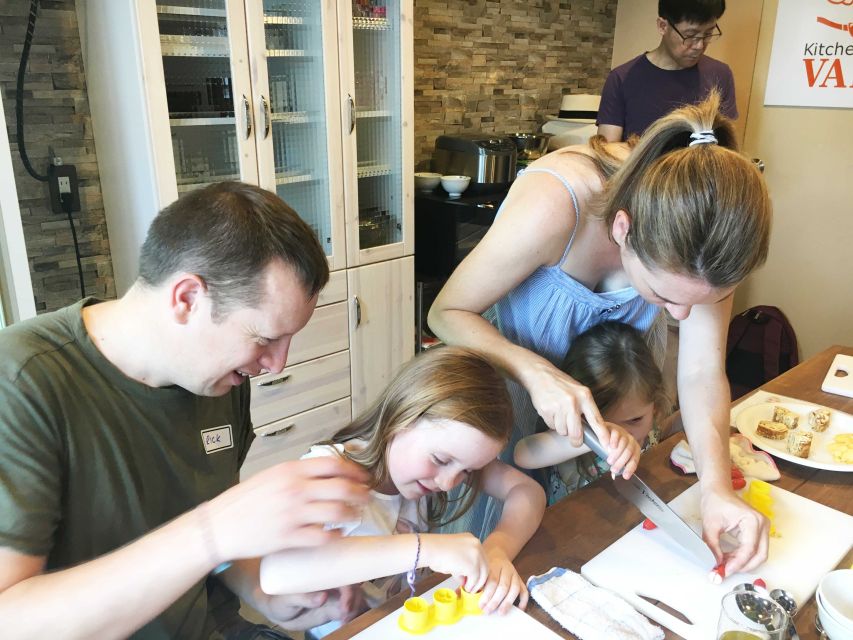
Book it if you want to make a small Japanese meal, understand the role of dashi and miso, and eat what you prepare. The recipes are approachable, the food is included, and the class offers a useful look at everyday cooking rather than a staged restaurant performance.
Skip it if you want advanced chef instruction or a guaranteed high-end teaching setup. The mixed feedback suggests that the instructor’s experience and equipment may vary.
For most visitors, I would call this a good choice when the goal is simple Japanese cooking with a meal attached. Keep your expectations at the home-kitchen level, confirm the meeting point three days ahead, and ask plenty of questions. That is how you get the most from the $90 price.
FAQ
How long does the Japanese cooking class last?
The full activity lasts 150 minutes. Cooking runs from 11:00 to 13:00, followed by tasting time from 13:00 to 13:30.
What dishes will I prepare?
The menu includes Japanese dashi stock, grilled fish prepared in the saikyo-yaki style, a rice ball, and Japanese miso soup. Dashi-maki tamago, a rolled omelet, is also listed as a family recipe taught in the class.
Is the meal included?
Yes. You eat the dishes prepared during the cooking class, and drinks are included as well.
Is the class taught in English?
Yes. English is the listed language for the instructor and activity.
Where does the cooking class take place?
The studios are located near Shinjuku, Chiyoda, or Minato. The exact studio details are sent three days before your reservation date.
Is hotel pickup available?
No. Hotel pickup and drop-off are not included, so you must make your own way to the designated cooking studio.
Is the class suitable for vegans?
No. The activity is not suitable for vegans.
Can young children join the class?
Children under three years old are not permitted to participate.
Can I cancel for a full refund?
Yes. You can cancel up to 24 hours in advance for a full refund. Reserve now and pay later is also available.
More Workshops & Classes in Tokyo
More Cooking Classes in Tokyo
More Cooking Classes in Tokyo
More tours in Tokyo we've reviewed





Cooking Classes, compared.
 ★ 5.0Ramen & Gyoza Cooking Class in Tokyo with Local Supermarket VisitFrom $122
 ★ 5.0Ramen and Sushi Cooking Class with Sake Pairing Set in TokyoFrom $79
 ★ 4.9Tokyo: Wagyu and 7 Japanese Dishes Cooking ClassFrom $673 hours
 ★ 5.0Tokyo Washoku 4-hour Cooking Class: From Market to TableFrom $79
 ★ 5.0Professional Ramen & Gyoza with Ramen Chef in a restaurant!From $159
 ★ 5.0Small-Group Wagyu Beef and 7 Japanese Dishes Tokyo Cooking ClassFrom $72