Reviewed · GUIDED
Private Tour in Tokyo with Local Guide
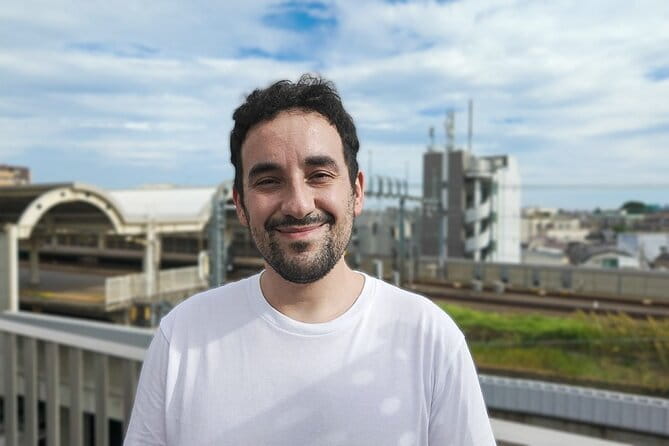
Tokyo is easier to understand when someone helps you connect its very different districts. This private tour lets you move from Senso-ji’s Buddhist traditions to Akihabara’s anime shops, then on to Harajuku and Shibuya, with Juan Pablo adjusting the day to your pace.
In This Article
- Key points to know before booking
- A Tokyo day built around your interests
- Starting at Senso-ji and the Kaminarimon Gate
- Finding anime, electronics, and games in Akihabara
- Harajuku’s sharp contrast of youth style and shrine calm
- Seeing Shibuya from the crossing to Hachiko
- What the guide adds to the day
- Walking, transport, and the true cost
- Who should book this private Tokyo tour?
- Is Juan Pablo’s private Tokyo tour worth booking?
- FAQ
- How long does the private Tokyo tour last?
- Is hotel pickup included?
- Is this a private tour?
- Are transport costs included?
- Are food and drinks included?
- Can I cancel for a full refund?
I like the hotel pickup and the freedom to stop for a coffee, a purchase, or a meal when you want. I also like that Juan Pablo asks about your wishes ahead of time, so the day can focus on figurines, food, fashion, culture, or the classic sights. The main catch is that transport, food, and attraction costs are extra, and the $160 per-person price makes the most sense when your group values personal attention.
Key points to know before booking
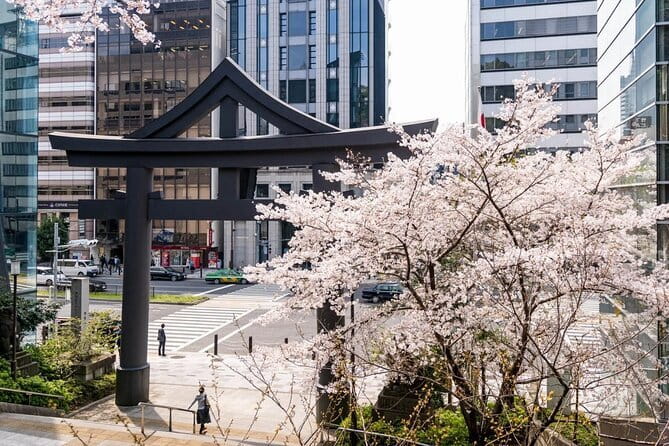
- Private guide Juan Pablo: Your group spends the day with one local guide rather than following a fixed group schedule.
- Hotel pickup included: The day begins at your Tokyo hotel, which saves you the trouble of finding a meeting point.
- Flexible route: You can follow the suggested four-area route or shape the outing around shopping, food, temples, anime, or culture.
- Mostly on foot: Expect a lot of walking, with trains or other transport available at your expense.
- Five to nine hours: The length gives you room for a short outing or a full day across several Tokyo districts.
- Extra costs matter: Food, drinks, transport, and paid attractions are not included in the $160 price.
A Tokyo day built around your interests
The best reason to book this experience is flexibility. A fixed sightseeing tour gives you a set route and a set pace. This one gives you a private guide who can adjust the day as your interests become clearer.
You might want a culture-first day, with Senso-ji and Meiji Shrine as the main stops. You might care more about anime figures and retro games, or you may want help finding a good local restaurant. You can also mix the themes, spending the morning around temples and the afternoon in Shibuya shops.
Juan Pablo asks about your wishes before the tour, which is useful in a city as large as Tokyo. Your interests can shape the route instead of getting squeezed into a standard schedule. If you find a shop, street, or restaurant worth more time, you can stop there rather than hurry to the next marked sight.
That private setup works especially well for families, couples, first-time visitors, and small groups with different priorities. It can also help if you want cultural context while shopping, rather than simply being dropped at a busy district and left to figure it out.
The tour runs for about five to nine hours. That is a wide range, but it reflects the custom format. A shorter booking could focus on one or two areas. A longer day could connect Senso-ji, Akihabara, Harajuku, and Shibuya.
Other guided tours in Tokyo
Starting at Senso-ji and the Kaminarimon Gate
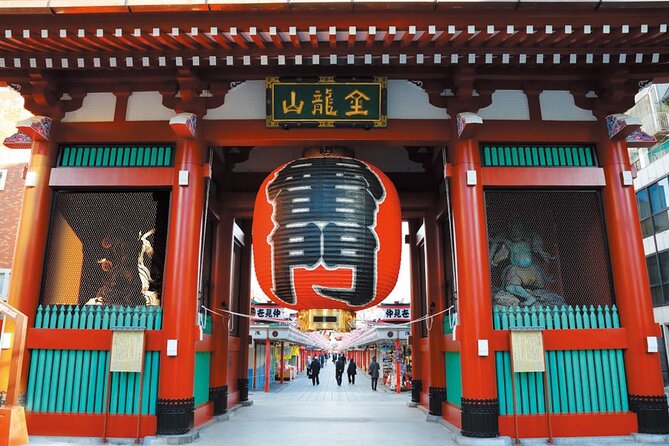
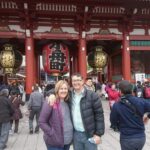
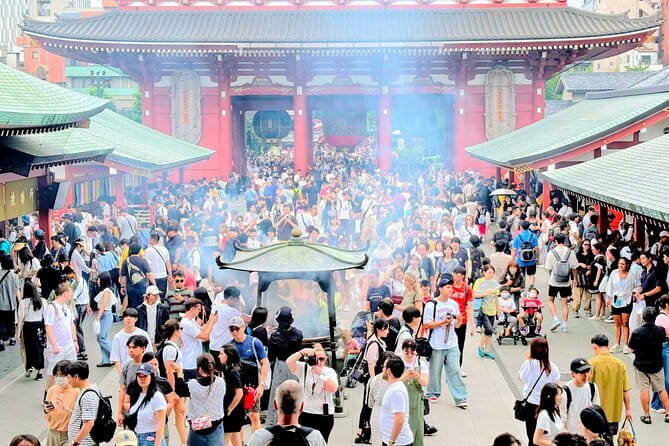
If you choose Senso-ji, your introduction begins at Kaminarimon Gate, marked by its huge red lantern. It is one of Tokyo’s most recognizable entrances and leads toward one of the city’s best-known Buddhist temples.
From there, you walk along Nakamise shopping street. This is not only a path to the temple. It is also a place to browse traditional souvenirs, including kimonos and small gifts, while trying snacks such as ningyo-yaki, little cakes filled with red bean paste.
Your guide can help make sense of the customs here. At the purifying water fountain, you can take part in the customary cleansing practice. You can also draw an omikuji fortune, a small paper prediction that may be good or less favorable.
The main hall and five-story pagoda provide the visual focus, but the value of a private guide is the explanation between the photos. Juan Pablo can help you understand the Buddhist setting and the meaning behind the actions you are taking.
Senso-ji is a good choice if you want a strong cultural start. It is less ideal if you dislike shopping streets or crowded public places. Nakamise is lively and commercial, so you should expect souvenir stalls as well as religious architecture.
The stated time here is about two hours, with no admission fee listed. That gives you enough time for the gate, shopping street, temple grounds, and basic customs without making this one stop consume the whole day.
Finding anime, electronics, and games in Akihabara
Akihabara changes the mood completely. Here, the focus turns to electronics, anime, manga, figurines, gaming, and the many specialist shops that make the district famous.
This is the stop to prioritize if you are searching for a particular collectible. You can tell Juan Pablo what you want before the tour, and his role is especially useful when you need help narrowing down the area’s many stores. If you only want to look around, he can help you make sense of the district’s pop-culture atmosphere.
The suggested visit includes electronics shops, anime merchandise stores, retro gaming arcades, manga cafes, and themed cafes such as maid cafes. Not every option has to be included. The private format lets you decide how much time to give each one.
The listed time is about three hours, the longest single stop on the route. That makes sense for collectors and serious fans. Akihabara can easily become a shopping mission, and a longer visit gives you time to compare items rather than grab the first thing you see.
Keep your budget in mind. The tour price does not include anything you buy, nor does it cover food, drinks, transport, or fees for attractions. If you are looking for rare items, set a spending limit before the day begins.
For someone with little interest in anime, games, or electronics, three hours may feel too long. Tell Juan Pablo that early and use the private format to replace Akihabara with another district or shorten the stop.
Harajuku’s sharp contrast of youth style and shrine calm
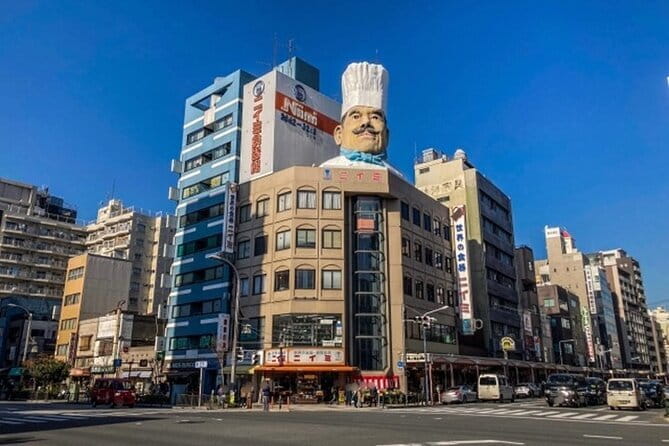
Harajuku offers two very different experiences close together. Takeshita Street is known for colorful youth fashion, cute accessories, quirky clothing, crepes, and oversized rainbow cotton candy. It is a good place to browse if you want to see Tokyo’s playful side.
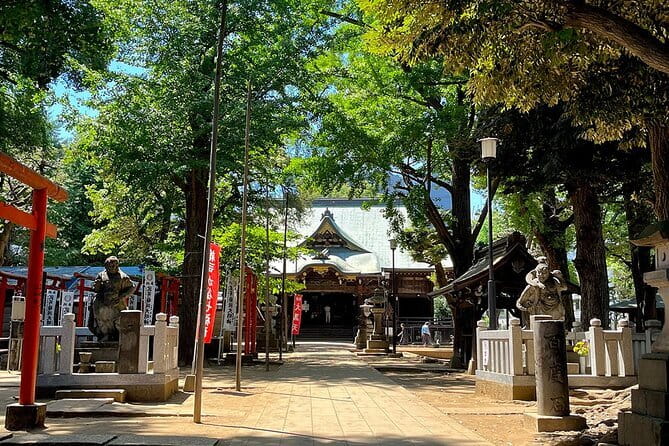
After the shops and street food, Meiji Shrine provides a much quieter setting. Its forested grounds and Shinto traditions offer a change of pace, and a guide can explain the customs and purpose of the shrine as you walk.
The route may also include Omotesando, an elegant tree-lined avenue with upscale boutiques and designer stores. That gives you three versions of Harajuku in one area: youth fashion, shrine culture, and high-end shopping.
The planned time is about 90 minutes. That is enough for a taste of the district, but it may feel tight if you want to shop seriously, eat, visit the shrine, and walk Omotesando in one go. This is a good example of why you should state your priorities before starting.
If you care most about Meiji Shrine, ask for more quiet walking time. If clothing and snacks matter more, focus on Takeshita Street. If you are not interested in shopping, the shrine can become the center of the visit.
Seeing Shibuya from the crossing to Hachiko
Shibuya supplies the modern Tokyo finale. At Shibuya Crossing, you can watch the famous pedestrian flow and take the classic city photo. The appeal is not just the crossing itself. It is the feeling of several streams of people moving through the same space, then disappearing into the surrounding streets.
The district also gives you choices in shopping. Shibuya Hikarie is associated with luxury fashion, while Shibuya 109 is known for youth fashion and trend-focused shops. You can ask Juan Pablo to steer you toward the type of shopping that fits your group.
The Hachiko Statue is another standard stop. The memorial to the loyal dog is both a popular meeting point and a small story about devotion in the middle of a major transport district.
Food is part of Shibuya’s appeal, and the tour can include a local place for ramen or street food. Juan Pablo has also been praised for finding a good coffee break and a local restaurant, details that matter on a long walking day. Food is not included, so you choose and pay for what you order.
The listed time is about two hours. That works for the crossing, Hachiko, some shopping, and a meal or snack. If you want serious shopping, you may need to give up another stop or extend the day.
Other private tours in Tokyo


What the guide adds to the day
A private guide is most useful when the route needs constant small decisions. Which shop is worth entering? How long should you stay? Where can you pause for coffee? Is your group more interested in a temple custom or a collectible store?
Juan Pablo’s style, based on the details available about this experience, is patient and responsive. He has adapted the pace for visitors who wanted time to look around, and he can make room for breaks rather than treating the schedule as a race.
His train expertise is another practical advantage. Transport is not included, but trains are often part of getting between Tokyo districts. If you choose to use them, you pay the fares yourself. Having a guide who can explain the train plan can make the day less stressful, especially when your group is trying to connect several neighborhoods.
Still, do not expect every possible sight to fit into one day. Senso-ji, Akihabara, Harajuku, and Shibuya together add up to roughly eight and a half hours before allowing for transport, meals, shopping delays, or longer stops. Since the overall duration is five to nine hours, you will probably need to choose your priorities.
Walking, transport, and the true cost
The experience includes hotel pickup and is mainly on foot. That is a major part of its appeal, since walking lets you notice street-level details that can disappear from a vehicle. It also means you should be ready for a moderate level of physical activity.
Trains or other transport can be used, but you pay the cost yourself. The same applies to food, drinks, purchases, and any attraction fee. There is no admission fee listed for the four named stops, but optional activities and purchases can add to the day’s total.
At $160 per person, this is not the cheapest way to see Tokyo. The value comes from having a private day shaped around your needs, hotel pickup, and help with the practical side of moving through several districts.
For a group of two or more, compare that price with the cost of separate private guiding, taxis, and the time lost from poor planning. If you already know Tokyo well and only want to walk around on your own, the price may be hard to justify. If you want a personal route and help combining culture, shopping, food, and pop culture, it becomes more reasonable.
The tour is booked an average of 69 days ahead, so you should not leave it until the last moment if you want a particular date. Free cancellation is available up to 24 hours before the start time. A cancellation inside that window is not refundable.
Who should book this private Tokyo tour?
I would consider this a strong choice for a first visit when you want both famous sights and personal interests. It is also a good match for anyone hunting for a specific figurine, shopping for unusual items, or hoping to eat at a local restaurant rather than follow a generic food route.
Families may appreciate the ability to slow down, take a break, or switch districts if one stop loses the children’s attention. Couples and friends can create a day that feels personal instead of spending hours with a larger group.
You should think twice if you prefer a tightly fixed itinerary, dislike walking, or want all costs included upfront. The tour gives you freedom, but freedom also means making choices and paying separately for trains, meals, and purchases.
Is Juan Pablo’s private Tokyo tour worth booking?
Book it if you want a flexible day with a guide who can connect Tokyo’s temples, anime shops, fashion streets, and food stops around your own interests. The strongest reasons are hotel pickup, a private group, patient pacing, and help with train travel and local dining.
Skip it if you only want a quick highlights tour or a low-cost way to see the city. At $160 per person plus extras, the value depends on using the customization well. Before booking, send Juan Pablo a clear wish list, decide which two or three districts matter most, and be honest about how much walking and shopping your group wants.
FAQ
How long does the private Tokyo tour last?
The experience lasts approximately five to nine hours. The final length depends on the route and the interests you choose.
Is hotel pickup included?
Yes. Pickup at your hotel is included.
Is this a private tour?
Yes. Only your group participates in the activity.
Are transport costs included?
No. The experience is mainly on foot, but trains or other transport may be used at your expense.
Are food and drinks included?
No. You pay separately for food and drinks.
Can I cancel for a full refund?
Yes, if you cancel at least 24 hours before the experience start time. Cancellations made less than 24 hours before the start are not refunded.
More Private Tours in Tokyo
More Guided Tours in Tokyo

More tours in Tokyo we've reviewed


Guided, compared.
 ★ 5.0Tokyo 6hr Private Tour with Government-Licensed GuideFrom $155
 ★ 4.9Tokyo: Shinjuku Local Bar and Izakaya Guided Walking TourFrom $343 hours
 ★ 4.8Tokyo: Private City Highlights Tour with Local GuideFrom $1064 - 8 hours
 ★ 4.9Tokyo: Tsukiji Fish Market Guided Walking TourFrom $222 hours
 ★ 5.0Tokyo 4hr Private Tour with Government-Licensed GuideFrom $109
 ★ 5.0Tokyo Guided Small-Group Biking TourFrom $106