Reviewed · GINZA TOURS
Tokyo’s Upmarket District: Explore Ginza with a Local Guide
Ginza is Tokyo with its polished shoes on, but this private walk lets you see more than department stores and designer windows. Your host can lead you from Wako’s famous clock tower to Kabukiza, then switch gears completely for tiny eateries beneath the Yamanote railway line. That freedom is the main attraction.
In This Article
- Key points at a glance
- Ginza beyond the luxury storefronts
- Starting beside the Lion Sculpture
- Wako’s clock tower and Ginza’s grand face
- Kabukiza and the culture of kabuki
- Yurakucho Gado-shita, Ginza’s cheaper counterpoint
- Bakeries, tea shops, and a useful lunch plan
- Hakuhinkan Toy Park for families and the young at heart
- What the $64 price really buys
- Choosing the right guide and setting expectations
- Walking, transport, and practical planning
- Who should book this Ginza walk?
- Should you book it?
- FAQ
- How much does the Ginza tour cost?
- How long does the tour last?
- Is this a private tour?
- Where does the tour meet?
- Can the host pick me up at my accommodation?
- Which languages are available?
- Is transportation included?
- Can I cancel for a refund?
I like the personal matching process, which aims to pair you with a host who suits your interests and personality. I also like the chance to ask for practical help, such as vegetarian lunch advice, bakeries, tea shops, or lower-cost shopping. The tradeoff is clear: the tour depends heavily on your guide. One poor experience reported little explanation and weak value, so send detailed requests before you arrive.
Key points at a glance
- A private Ginza walk for up to six people: You get a personal host rather than a large sightseeing group.
- Your interests set the route: Ask for luxury shopping, food, kabuki, history, toys, bakeries, tea shops, or less costly stores.
- Ginza’s polished and scruffy sides meet: Pair Wako and designer boutiques with Yurakucho Gado-shita’s small railway-side restaurants.
- Flexible from start to finish: The route can change during the two to four-hour walk.
- Useful city advice is part of the value: Your host can suggest things to do and places to eat beyond Ginza.
- A strong guide matters: Alberto, Shoko, and Noriko received especially warm praise, while one booking received a very poor assessment.
Ginza beyond the luxury storefronts

Ginza is famous for expensive labels, grand department stores, and elegant dining. That image is accurate, but incomplete. The district also has small food shops, old entertainment traditions, railway-side dining, toy stores, and streets where you can spend very little.
This tour works best when you treat it as a conversation with a local rather than a fixed checklist. You can say, I want Ginza without the luxury prices, or I want to understand kabuki, or I need a good vegetarian lunch. Your host then shapes the walk around that request.
The route is not fixed in advance. You will be contacted within 24 hours to discuss what you want, and the supplier asks you to book at least 72 hours ahead. That extra planning time matters because a vague request may produce a general Ginza stroll, while a precise one can give your host a much clearer target.
A few more Tokyo tours and experiences worth a look
Starting beside the Lion Sculpture

The stated meeting point is beside the Lion Sculpture near the main entrance to Mitsukoshi Ginza. This is a practical central spot, but Ginza has many grand buildings and several busy station exits, so give yourself time to find the correct entrance.
Pickup from your accommodation may be possible if you are within a reasonable distance. It is not automatically included for every location, so confirm this when you discuss your plans. If you are meeting at Mitsukoshi, the Lion Sculpture is the detail to keep in mind, not simply the name of the department store.
From here, your host can set the pace. You might begin with the broad commercial streets, or move quickly toward a particular shop, restaurant area, or cultural stop. Since this is a private group, you can pause for photos, ask questions, or change course without holding up strangers.
Wako’s clock tower and Ginza’s grand face
Wako is one of the most recognizable sights in Ginza. Its clock tower gives the area a formal, almost European-looking landmark, while the store itself represents the district’s luxury side.
You can ask your host to use Wako as a starting point for shopping advice. That does not mean you must buy anything. A good guide can help you understand where the high-end stores are, then point you toward less expensive options if you prefer browsing without the pressure of a major purchase.
This is one place where your budget should shape the conversation. If you want luxury goods, tell your host which type of shopping interests you. If you want Japanese products at a lower price, say so plainly. The tour can include both designer stores and more affordable shops, but your host needs to know which direction you prefer.
The drawback is that shopping time can swallow the whole walk. Ginza has enough stores to fill several days, so ask your host to set priorities. You may want one or two major shops, followed by food or culture, rather than an endless succession of storefronts.
Kabukiza and the culture of kabuki

Kabukiza is Ginza’s major theater for kabuki, the traditional Japanese stage art known for elaborate costumes, stylized movement, and formal performance conventions. Even if you do not attend a performance, the theater provides a useful cultural anchor for the neighborhood.
Ask your host to explain how kabuki fits into Ginza’s identity and what you should notice about the building and surrounding area. The attraction here is context. A local explanation can help you understand why this theater belongs on a Ginza route, rather than treating it as just another grand facade.
Tickets are not included. If you want to attend a performance or enter an attraction that requires admission, those costs are extra and should be arranged in advance. The supplied information does not promise a ticket, a reserved seat, or a backstage visit, so you should view Kabukiza as a possible stop unless your booking confirms something more specific.
For a short tour, even a brief cultural stop may be enough. You can then use the rest of your time for food or shopping. If kabuki is your main reason for booking, say that clearly during the planning call.
Yurakucho Gado-shita, Ginza’s cheaper counterpoint

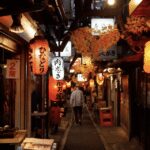
The most appealing contrast on this walk is Yurakucho Gado-shita, a collection of small restaurants built beneath the Yamanote railway line. Here, the mood shifts from luxury retail to compact, informal dining.
The area offers a wide mix, from French wine to inexpensive local street food. That range makes it a useful stop for people who want to see how Tokyo dining changes from one block to the next. You can spend heavily in Ginza, but you can also eat simply and well in a small place beneath the tracks.
Food and drinks are not included in the $64 price, so plan to pay for anything you order. The tour also does not promise a particular restaurant. Your host can guide you toward options that fit your taste, but availability and your own spending remain part of the decision.
I would ask for Yurakucho Gado-shita if you want atmosphere and food without making the entire outing feel formal. It is also a good request for a group with mixed budgets. One person can seek a modest meal while another looks for a more polished dining stop nearby.
Other guided tours in Tokyo
Bakeries, tea shops, and a useful lunch plan

The tour can be shaped around smaller pleasures, including bakeries and tea shops. These stops may suit you better than a long visit to a luxury department store, especially if you prefer to understand daily life through food and local habits.
One highly praised guide, Shoko, was described as kind and talkative. Another guide, Noriko, was praised for doing more than expected. Those comments point to the kind of personal attention this format can offer when the pairing works well. You can make that more likely by explaining your pace, dietary needs, and interest in food before the tour begins.
Vegetarian visitors should mention this early. A guide helped one group find a good vegetarian lunch, which shows the practical value of having someone who can steer you toward suitable choices. Still, food is not part of the base cost, and the tour does not guarantee a specific vegetarian restaurant.
If you have a short list of foods you want to try, send it before arrival. If you simply want a good break during the walk, ask for a bakery or tea shop and let your host make suggestions. Keep in mind that a two-hour tour leaves less room for long meals than a four-hour outing.
Hakuhinkan Toy Park for families and the young at heart

Hakuhinkan Toy Park gives the route a playful option. It is known as one of Japan’s famous toy stores, with giant stuffed animals and many other products.
This stop can work well for families, but it is not limited to children. If you enjoy Japanese character goods, unusual toys, or simply want a break from Ginza’s serious luxury mood, it offers a change of pace.
Again, purchases are your responsibility. The attraction is the chance to browse, not a guaranteed activity or included gift. Tell your host if toys are a priority, since a flexible route can otherwise favor shopping streets, food, or cultural sights.
For families, also discuss walking needs and timing. The tour is wheelchair accessible, but the route is a walking tour, and specific arrangements for transportation or attractions may cost extra. The more clearly you describe your group, the easier it is for the host to plan a comfortable route.
What the $64 price really buys

At $64 per person, this is not the cheapest way to look around Ginza. You are paying for a private host, personal planning, and flexibility rather than for admission to a major attraction or a meal.
The price makes more sense for a small group that can share the attention of one host. Private groups are normally no larger than six people. If your party is bigger, state that when booking so arrangements can be made.
I see the strongest value in three situations. First, you have limited time and want local advice quickly. Second, your interests are specific, such as vegetarian food, kabuki, toys, or lower-cost shopping. Third, you want to combine Ginza with practical suggestions for the rest of your time in Tokyo.
The value is weaker if you only want a basic orientation walk and are happy to follow a map. You will also pay extra for food, tickets, and transportation during the tour. Walking is included, but public or private transport is not.
The duration ranges from two to four hours. That is a meaningful difference. Two hours is enough for a focused route with one main theme. Four hours gives you room to combine shopping, culture, food, and local advice without rushing.
Choosing the right guide and setting expectations

The guide is the heart of this experience. Alberto was praised for showing interesting and historic areas and explaining their background. Shoko was singled out for her friendly, talkative manner. Noriko received praise for going beyond expectations. Michael’s guide combined charming corners, bakeries, tea shops, historical places, and help finding vegetarian lunch.
Those examples suggest that the best results come when you give your host a clear brief. Tell the supplier:
- What you want to see
- How much walking you prefer
- Whether food or shopping matters most
- Any vegetarian or other dietary needs
- Your budget for purchases and meals
- Whether children are in the group
- If you want historical explanation or mostly local recommendations
You should also be realistic about the format. This is not a guaranteed specialist tour of every major Ginza sight. It is a personal route led by the host you are matched with. One very poor assessment described a guide who explained almost nothing and offered poor value. That is a serious warning for anyone expecting detailed commentary at every stop.
The best protection is preparation. Contact the supplier promptly, book at least 72 hours ahead, and ask for the sort of host you want. If history matters, say you want explanations rather than simple directions. If shopping matters, explain your price range.
Walking, transport, and practical planning

The included experience is a walking tour. Transportation to the meeting point is not included, and transportation during the walk costs extra if you choose to arrange it.
Ginza is a district where walking makes sense because stores, theaters, department stores, and dining areas can be close together. Still, a private route can change if you ask to cover more ground. Confirm any transport needs before the day.
The tour is wheelchair accessible, but accessibility is route-specific in practice. Tell the supplier about your needs during the planning stage, especially if you want particular shops, restaurants, or stops. The stated accessibility makes the experience more promising for wheelchair users, but it does not guarantee that every possible venue has identical access.
English and Japanese are available. The private format also helps if you need to ask repeated questions or want explanations at your own pace.
You can cancel up to 24 hours ahead for a full refund, and you can reserve now and pay later. Those policies help if your Tokyo plans are still changing, but they do not replace the need to plan early. The supplier asks for at least 72 hours to build the route.
Who should book this Ginza walk?
I would recommend it most strongly to first-time visitors who want an introduction to Ginza without spending the whole afternoon in luxury stores. It also suits repeat visitors who already know the headline sights and want food, smaller shops, or local advice.
Families can request Hakuhinkan Toy Park. Food-focused visitors can ask for bakeries, tea shops, or Yurakucho Gado-shita. Vegetarian visitors should flag their needs before the tour. Shoppers can request a mix of Wako, designer stores, and lower-cost shops.
It is less suitable if you want a fixed historical tour with guaranteed commentary, a ticketed Kabukiza performance, or included meals. Those elements are not part of the base experience.
Should you book it?
Book this tour if you value personal advice and a flexible route more than a fixed list of sights. It gives you a useful way to connect Ginza’s polished shopping streets with food, theater, toys, and railway-side dining.
I would book four hours for a first visit and ask for a balanced route: Wako or Mitsukoshi, Kabukiza, Yurakucho Gado-shita, and one food or tea stop. Choose two hours if you have a narrow goal, such as vegetarian lunch and affordable shopping.
At $64 per person, the tour earns its price when your host listens, explains, and adjusts the plan. Send a clear request, confirm any extra costs, and treat the guide match as central to your decision. If you want those things, this can be a smart way to get your bearings in Ginza without seeing only its expensive side.
FAQ
How much does the Ginza tour cost?
The experience costs $64 per person. Food, drinks, attraction tickets, and transportation during the tour are not included.
How long does the tour last?
The tour lasts between two and four hours. Starting times depend on availability.
Is this a private tour?
Yes. It is a private group experience, normally for no more than six people. Larger groups should be declared when booking.
Where does the tour meet?
The host waits beside the Lion Sculpture near the main entrance to Mitsukoshi Ginza.
Can the host pick me up at my accommodation?
Pickup may be available if your accommodation is within a reasonable distance. Confirm this during the planning process.
Which languages are available?
The tour is available in English and Japanese.
Is transportation included?
No. The included activity is a walking tour. Public or private transportation to the meeting point and during the tour is not included, though additional arrangements may be possible at extra cost.
Can I cancel for a refund?
Yes. You can cancel up to 24 hours in advance for a full refund. You can also reserve now and pay later.
More Guided Tours in Tokyo
More Ginza Tours in Tokyo


More tours in Tokyo we've reviewed












Ginza Tours, compared.
 ★ 4.8Chopstick Making Workshop in GinzaFrom $251 hour
 ★ 4.5Tokyo: Art Aquarium Museum GINZA Entry TicketFrom $171 day
 ★ 5.0Tokyo: Best Ginza Food Tour at 3 Local EateriesFrom $150
 ★ 4.5Official Japan Go-Kart Through Tokyo Bay / Ginza (IDP Required)From $85
 ★ 5.0Private Ginza Architecture Walking TourFrom $132
 ★ 4.8Tokyo GINZA: KONPARU Japanese Cabaret Show with DrinkFrom $502 hours