Reviewed · UENO & YANAKA WALKS
Tokyo : Yanaka and Nezu-Old Traditional Town Cultural Experience
Tokyo : Yanaka and Nezu Old Traditional Town Cultural Experience
In This Article
- Key points at a glance
- Why Yanaka and Nezu feel different from central Tokyo
- Starting at Nezu Shrine
- A quiet pause at Tennoji Temple
- Reading old Tokyo in Yanaka
- A slower residential walk through Nezu
- Walking through Yanaka Cemetery
- From Yuyake Dandan to Yanaka Ginza
- Wooden shops at Ueno Sakuragi Atari
- Ending with food and shopping at Yanaka Ginza
- What the three-and-a-half-hour pace feels like
- Group size, guide style, and practical value
- Who should book this Yanaka walk?
- Should you book it?
- FAQ
- How long does the Yanaka and Nezu cultural experience last?
- Where does the tour begin?
- Where does the activity end?
- What is the price per person?
- How many people can join the group?
- Is admission included?
- Does the tour include food or souvenirs?
- Can I cancel for a full refund?
- Can service animals join the experience?
Tokyo’s Yanaka and Nezu districts give you a rare look at a quieter city, where temple grounds, old wooden houses, family-run shops, and narrow residential lanes still shape daily life. This small-group walk links those places at an easy pace, with guide Sui explaining the customs and stories that are easy to miss on your own.
I like the small maximum group of nine, which makes it easier to ask questions and keep up in the older neighborhoods. I also like the practical food and sightseeing advice at Yanaka Ginza, where you can continue exploring after the tour ends.
The main consideration is that this is a walking tour with several outdoor stops. The itinerary gives you a broad look at the area rather than long visits inside major attractions, so it suits curious walkers more than anyone seeking a formal museum tour.
Key points at a glance

- Learn shrine customs at Nezu Shrine: Your guide shows you how to pray, write a wish, and use the fortune-telling service.
- Walk through several eras of Tokyo: Yanaka preserves traces of the Meiji, Taishō, and Showa periods in its houses, shops, and temples.
- Enjoy a genuinely small group: The experience is limited to nine people, giving you room to speak with Sui and ask local questions.
- Pause at Yanaka Cemetery: The cemetery offers a calm walk among old graves and is the resting place of important Japanese figures.
- Finish at Yanaka Ginza: You receive suggestions for street foods, Japanese sweets, and souvenirs before choosing how to spend your own money.
- Expect a relaxed three-and-a-half-hour walk: The pace is designed for conversation and observation, not racing between sights.
Why Yanaka and Nezu feel different from central Tokyo

If your Tokyo plans focus on Shibuya, Shinjuku, Asakusa, and the Imperial Palace, Yanaka adds a different note. The streets here show older layers of the city, from buildings linked with the Meiji period through the Taishō and Showa periods. You see modest houses beside newer ones, small shops passed through generations, temples, graveyards, and local shopping streets.
I like this setting because it gives you context for ordinary Tokyo. The experience is not built around one famous landmark. Instead, it helps you notice how a neighborhood works, how religious sites fit into daily life, and how old buildings continue to serve new purposes.
The walk begins at Nippori Station and ends back at the meeting point after the route reaches Yanaka Ginza. The total duration is about three hours and 30 minutes. At $39.41 per person, the price is reasonable if you want a guide to explain customs and local history while showing you places that are less obvious on a first visit.
A few more Tokyo tours and experiences worth a look


Starting at Nezu Shrine
Nezu Shrine is the tour’s first major stop, with about 30 minutes set aside and no admission charge. Its most recognizable feature is the picturesque path lined with torii gates, which gives you a strong visual start to the day.
This is also where the tour becomes more than a neighborhood walk. Sui explains aspects of Japanese religion and shows you how to pray, write a wish, and have your fortune told. Those details matter because shrine etiquette can feel unclear when you are on your own. A short explanation helps you take part with more confidence and respect.
You should not expect a long religious lecture or a private ceremony. The stop is brief, but it gives you useful basics that you can apply at other shrines during your time in Japan. Bring questions, since the small group makes this one of the better moments to ask about customs.
A quiet pause at Tennoji Temple
The route continues to Tennoji Temple, one of the oldest temples in Yanaka. The scheduled visit is only about five minutes, so think of this as a compact stop rather than a full temple tour.
The main feature is the large bronze seated Buddha. You also have a moment to appreciate the garden around the temple. After the busy energy of central Tokyo, this pause can feel wonderfully simple: a historic religious site, a large statue, and a calm setting.
The short timing is the one limitation here. If you want detailed architectural study or a long period for quiet reflection, you may wish you had more time. Still, the stop works well within a walking route that has several different types of places to see.
Reading old Tokyo in Yanaka

The Yanaka district receives about 50 minutes, making it one of the more substantial sections of the experience. This is where you see remains and examples connected with the Meiji, Taishō, and Showa periods, along with older small shops that have stayed in the same family over generations.
I especially like this part because Sui can explain what you are looking at as you move. A row of modest buildings may seem ordinary at first, but details about age, use, and neighborhood life make the streets more meaningful. You are not simply checking off old architecture. You are learning how Tokyo changed while some parts of its local character remained.
The route is also a chance to talk directly with your guide. Previous feedback gives Sui particular credit for explaining more than a guidebook would and for speaking clear English with enthusiasm. That makes a difference here, where the value comes from interpretation rather than entrance tickets.
A slower residential walk through Nezu

The Nezu section lasts about 30 minutes and takes you through a local residential area. You see old and new houses together, along with neighborhood shops and streets that are easy to pass by without noticing.
This is the part I would value most if you want a sense of everyday Tokyo. The route is not centered on a grand landmark. It is about scale, quiet streets, and the contrast between traditional homes and newer construction. Sui’s familiarity with the area helps connect those details to the neighborhood’s past and present.
The tradeoff is simple: if you prefer nonstop attractions, this portion may feel slow. That is also the point. The walk gives you breathing room and lets you see a residential side of Tokyo without turning the experience into a rushed photo stop.





Walking through Yanaka Cemetery

Yanaka Cemetery takes about 20 minutes and is described as one of Tokyo’s largest and most scenic cemeteries. Important figures are buried here, but the appeal is not only historical. The cemetery gives you a peaceful route among trees, stone markers, and old paths.
A cemetery visit may not suit everyone, especially if you want a conventional sightseeing itinerary. For me, though, it adds a thoughtful layer to the experience. Japanese temples, shrines, neighborhoods, and cemeteries are not isolated attractions. They are part of the same local fabric, and this stop helps you see that connection.
Along the way, the route passes a 100-year-old Himalayan cedar tree. It is a small detail, but exactly the sort of detail that makes a guided walk worthwhile. You might not identify an old tree or understand its local importance without someone pointing it out.
From Yuyake Dandan to Yanaka Ginza

Yuyake Dandan, or sunset staircase, is a quick two-minute photo stop. From the stairs, you can look toward Yanaka Ginza and the street below. The name suggests the best atmosphere comes near sunset, but the experience duration and start time are not specified, so you should not book it solely for a sunset view.
The stop is brief, yet it provides a useful visual link between the quiet lanes and the shopping street. You see how the older neighborhood opens toward a more active local street.
The route also passes a bath house about 200 years old that has been converted into an art gallery. You do not receive a listed admission visit there, so treat it as an exterior sight or passing point rather than a guaranteed gallery tour. It is a good example of how old structures can take on a new use.
Wooden shops at Ueno Sakuragi Atari

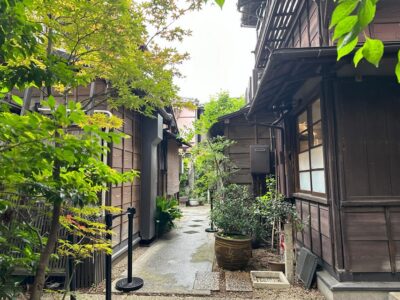
At Ueno Sakuragi Atari, you spend about 15 minutes exploring wooden houses that have been converted into shops. Admission is included, and the stop adds a commercial side to the older architecture you have been seeing.
I like the way this section balances preservation with daily use. These are not simply buildings kept behind ropes. They have become places where you can browse and see how traditional structures can remain part of a working neighborhood.
The visit is short, so you should not expect a long shopping session. It is better understood as a compact introduction to the site before the final stop at Yanaka Ginza.
Ending with food and shopping at Yanaka Ginza
The tour finishes at Yanaka Ginza, an old shopping street, with about 10 minutes formally set aside. Sui introduces popular local street foods, Japanese desserts, and souvenir ideas. You then choose what you want to eat or buy.
The short scheduled time does not mean you need to leave immediately. Since the activity ends at Yanaka Ginza, you can continue on your own after the guided portion. This is useful because a shopping street is best enjoyed without a strict group schedule. You can sample something, browse, or return later if you want more time.
I would pay close attention to Sui’s food suggestions. Specific advice is one of the most praised parts of the experience, and it can save you from choosing at random. The tour does not include food, so budget separately for anything you purchase.
What the three-and-a-half-hour pace feels like
The timing gives you a broad route through several districts, but many stops are short. Nezu Shrine and Yanaka district receive the most attention, while Tennoji Temple, Yuyake Dandan, and Ueno Sakuragi Atari are more compact visits.
That structure works if you want an overview with explanation. You see religious sites, residential streets, historic buildings, a cemetery, converted wooden houses, and a shopping street in one morning or afternoon. You will not spend long inside any single attraction.
The pace is described as relaxed, with enough time to stop and enjoy each site. That is important in Yanaka, where the details are small: a doorway, a shopfront, a garden, a cemetery path, or a building with a new purpose. I would wear comfortable shoes and leave room in your schedule after the tour for Yanaka Ginza.
Group size, guide style, and practical value
The group maximum is nine people, which is a meaningful advantage in narrow streets and residential areas. A small group also makes it easier to hear explanations and ask about customs, food, and places to visit later in Tokyo.
Guide Sui is named in the available information and receives strong praise for her friendly, engaging manner, clear English, local recommendations, and even walking pace. One useful detail is that she can help set the tone for your wider Tokyo visit, especially if you take this experience near the start of your stay.
The price includes the guided experience and admission to Ueno Sakuragi Atari. The other listed stops are free, and food and shopping purchases are your responsibility. At $39.41, you are mainly paying for Sui’s interpretation, route planning, and local advice rather than a long list of paid attractions.
Confirmation arrives when you book. The meeting point is Nippori Station at 2 Chome-19 Nishinippori, Arakawa City. The activity is near public transportation, service animals are allowed, and most people can participate. Free cancellation is available if you cancel at least 24 hours before the local start time. Changes or cancellations within 24 hours are not refunded.
Who should book this Yanaka walk?
I would choose this experience if you want a gentle introduction to older Tokyo and prefer local streets to major-city spectacle. It is especially useful early in your visit, since Sui’s recommendations can help with later meals and neighborhood planning.
It also suits you if Japanese shrine etiquette feels unfamiliar. The explanations at Nezu Shrine give you practical guidance without requiring prior knowledge. The small group is another plus if you prefer conversation over a large guided procession.
You may want a different experience if your priority is extensive time inside temples, major museums, or paid attractions. The route is mostly outdoors, and some stops last only a few minutes. It also may not be ideal if you dislike walking through residential neighborhoods or visiting a cemetery.
Should you book it?
Book this tour if you want to see Tokyo at street level, learn how to behave at a shrine, and get useful food and neighborhood advice from Sui. The combination of Nezu Shrine, old houses, Yanaka Cemetery, converted wooden shops, and Yanaka Ginza gives you a well-rounded look at a part of the city many first-time visitors skip.
Skip it if you want dramatic landmarks or a tightly packed attraction schedule. For everyone else, the $39.41 price is fair for a relaxed three-and-a-half-hour walk with a group capped at nine, especially if authentic neighborhood detail matters more to you than collecting famous sights.
FAQ
How long does the Yanaka and Nezu cultural experience last?
The experience lasts approximately three hours and 30 minutes.
Where does the tour begin?
It begins at Nippori Station, at 2 Chome-19 Nishinippori, Arakawa City, Tokyo 116-0013, Japan.
Where does the activity end?
The activity ends back at the meeting point.
What is the price per person?
The listed price is $39.41 per person.
How many people can join the group?
The activity has a maximum of nine travelers.
Is admission included?
The listed stops at Nezu Shrine, Tennoji Temple, Yanaka district, Nezu, Yanaka Cemetery, and Yuyake Dandan have no admission charge. Admission is included for Ueno Sakuragi Atari.
Does the tour include food or souvenirs?
Food and souvenirs are not listed as included. At Yanaka Ginza, the guide introduces local foods, desserts, and souvenir choices, and you decide what you want to purchase.
Can I cancel for a full refund?
Yes. You can cancel at least 24 hours before the experience start time for a full refund. Cancellations or changes made less than 24 hours before the start time are not refunded or accepted.
Can service animals join the experience?
Yes. Service animals are allowed.
More Ueno & Yanaka Walks in Tokyo
More tours in Tokyo we've reviewed












Ueno & Yanaka Walks, compared.
 ★ 5.0Eat and Drink Like a Local: Tokyo Ueno Food Tour-Taverns&RamenFrom $95
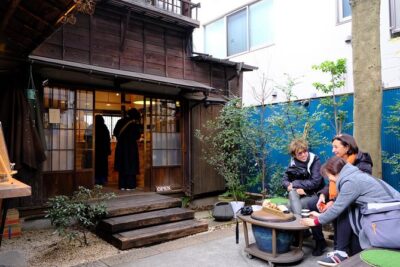 ★ 4.5The Old Quarter of Tokyo – Yanaka Walking TourFrom $40
 ★ 5.0Yanaka Walking Tour: Historic and Traditional District of TokyoFrom $72
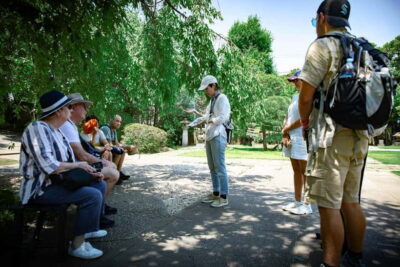 ★ 4.8Tokyo: Old Quarter Yanaka Walking TourFrom $323 hours
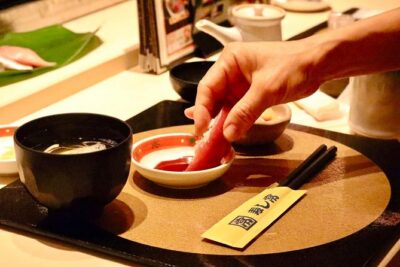 ★ 5.0Tokyo: Food Tour in Ueno with 10+ Tastings of Japanese ClassicsFrom $142
 ★ 4.9Tokyo:Stroll in Old traditional culture towns~Yanaka & NezuFrom $293h 30m