Reviewed · MT FUJI DAY TRIPS
Tokyo: Mount Fuji and Hakone private sightseeing tour
Mount Fuji and Hakone make a tempting day trip, but fitting both into one outing takes careful planning. This private tour gives you a driver-guide, hotel pickup, and room to adjust the day around your group. You can focus on Fuji’s famous viewpoints or choose Hakone’s ropeway, lake cruise, and open-air art.
In This Article
- Key points to know before booking
- Why a private Fuji and Hakone day can work well
- Starting from Tokyo, Yokohama, Fujiyoshida, or Hakone
- Arakurayama Sengen Park and the classic Fuji view
- Kitaguchi Hongu Fuji Sengen Shrine
- Mount Fuji 5th Station and the limits of altitude
- Lake Kawaguchi, the ropeway, and Oishi Park
- Oshino Hakkai and rural Fuji country
- Hakone’s ropeway and Owakudani Valley
- Lake Ashi and the Hakone sightseeing cruise
- Hakone Open Air Museum
- Your guide can shape the day, but ask clear questions
- What is included, and what will cost extra
- Who should book this private day trip?
- Should you book it?
- FAQ
- How long does the Mount Fuji and Hakone tour last?
- Where can pickup and drop-off take place?
- Is this a private tour?
- Is an English-speaking guide included?
- Which Mount Fuji itinerary can I choose?
- Which Hakone sights are included in the other itinerary?
- Are meals and attraction tickets included?
- Can I cancel for a full refund?
I like the easy door-to-door transport, especially for a group of up to five, and I like the chance to shape the route around the weather. Guides such as Ali, Khan, and Zohib have been praised for clear English, patience, helpful tips, and a warm manner. The main catch is time: ten hours is a full day, and traffic near Owakudani or popular Fuji sights can cut into your stops.
Key points to know before booking

- Choose your main focus: Itinerary A centers on Mount Fuji and the Fuji Five Lakes, while Itinerary B concentrates on Hakone.
- Ride in a private vehicle: Parking, fuel, and toll charges are included, with pickup and drop-off available in Tokyo, Yokohama, Fujiyoshida, or Hakone.
- Expect a weather gamble: Fuji may hide behind clouds, even when the rest of the day is enjoyable.
- Plan for extra costs: Lunch, the Mount Fuji 5th Station fee, the Hakone cruise, and cable car tickets are not included.
- Think about group size: At $338 per group of up to five, the price makes more sense for three to five people than for one or two.
- Allow for traffic: Owakudani can involve long vehicle queues, so ask how the guide plans to handle busy periods.
Why a private Fuji and Hakone day can work well

The big advantage here is control. You are not joining a large coach group with fixed meal stops and little room to pause. Your party travels together, and the driver-guide can adjust the order or spend more time at a place that suits you.
That matters around Mount Fuji. Clear views are never guaranteed, and weather can change quickly around the mountain. If the summit disappears, your day still has shrines, gardens, villages, hot-spring scenery, art, and lake views to fill the schedule.
The tour is priced at $338 for a group of up to five. Split five ways, that is a sensible rate for a private vehicle and English-speaking driver-guide. For two people, the cost per person is much higher, so compare it with public transport or a shared excursion before booking.
The listed duration is ten hours. That sounds generous, but Fuji and Hakone are separate areas, and traffic can be serious. You should think of this as a broad sightseeing day, not a slow, detailed visit to every stop.
A few more Tokyo tours and experiences worth a look
Starting from Tokyo, Yokohama, Fujiyoshida, or Hakone
Pickup is available in Tokyo, Fujiyoshida, Yokohama, and Hakone, with drop-off in those same areas. You wait for five minutes in your hotel lobby or at your accommodation, and the guide contacts you before pickup.
The pickup location makes a major difference to value. Starting in Tokyo gives you the convenience of a private day trip, but it also means more road time. Starting in Hakone or Fujiyoshida can leave more time for sightseeing.
One important detail deserves a direct question before you pay: ask how the pickup and drop-off location affects the route and price. One booking involved an additional ¥15,000 charge for a Hakone drop-off, even though the group was already in Hakone. That may not apply to every booking, but it shows why you should confirm the exact end point and any supplement in advance.
Arakurayama Sengen Park and the classic Fuji view

Arakurayama Sengen Park is one of the most recognizable photo stops in the Fuji area. The view combines Chureito Pagoda, Mount Fuji, and the surrounding town in one frame.
You will need to walk through the park, and the viewpoint is reached by steps. The stop is listed at about 40 minutes, so you may have time for photographs and a short look around, but not a long visit.
This is an excellent first stop when Fuji is visible. If clouds cover the mountain, the pagoda and town still make a worthwhile picture, but the famous composition loses its main subject. Your guide can help with timing, yet no private tour can control the weather.
Kitaguchi Hongu Fuji Sengen Shrine

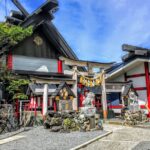
Kitaguchi Hongu Fuji Sengen Shrine offers a quieter change of pace. It is a sacred site tied to the traditional routes up Mount Fuji, and its forested setting gives you a glimpse of Japan beyond the standard scenic stops.
The visit lasts around 30 minutes. That is enough for a walk, photographs, and a quick explanation from your guide. It is not enough for a long, unhurried study of every detail.
I like this stop because it gives the day some cultural weight. The tour is not only about pointing a camera at Fuji. You also get a sense of the religious traditions that have shaped the mountain for centuries.
Mount Fuji 5th Station and the limits of altitude

The 5th Station sits roughly halfway up Mount Fuji’s road-accessible route. It is the highest point included in the Fuji-focused plan, and it gives you a closer look at the mountain’s upper slopes.
The entrance fee is listed separately at ¥2,100 per group. Add that to the cost of the cruise, ropeway, and other paid activities when working out your budget.
Conditions can be very different from the lakes below. Wind, cloud, and cold may appear even when the weather in Tokyo feels warm. If Fuji is hidden, the 5th Station may offer less than you hoped, so keep your expectations practical.
The supplied schedule also lists Lake Kawaguchi, Oishi Park, and Oshino Hakkai, but the description presents two route choices. Ask the provider to confirm if the 5th Station and all of those Fuji stops fit your selected plan. A private tour gives you flexibility, but it does not create extra hours.
A few more Tokyo tours and experiences worth a look
Lake Kawaguchi, the ropeway, and Oishi Park
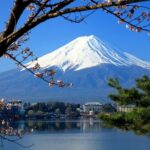
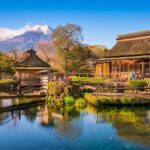
Lake Kawaguchi is one of the Fuji Five Lakes and one of the most useful places for mountain views. The calm water can reflect Fuji, while the open shoreline gives you space for photographs and a slower walk.
The schedule allows about an hour for the lake, including a boat cruise. The cruise ticket is not included, so check the price and departure timing with your guide. A boat ride can add a pleasant change from road travel, but it also uses time that might otherwise go to a park or village.
Oishi Park is known for seasonal flowers and views toward Fuji. It is a good stop for a short break, photographs, and a little shopping. The display changes with the season, so the experience will not look identical throughout the year.
I would treat Oishi Park as a scenic pause rather than a major attraction. It works best when you want fresh air and a few good views, not when you are seeking a long museum visit or a demanding walk.
Oshino Hakkai and rural Fuji country
Oshino Hakkai is a traditional village area with clear spring ponds fed by snowmelt from Mount Fuji. That water is the heart of the place, and the ponds, old-style houses, and mountain backdrop create a more rural setting than the large sightseeing centers.
The stop is scheduled for about an hour. You can walk, take photographs, sample food, and browse small shops. It is also a useful place to see a little of everyday local presentation and village tradition.
This stop can get busy, but the private format helps you avoid feeling rushed by a large group. Keep some cash available for food or shopping if those interest you, since lunch is not included and purchases are your responsibility.
Hakone’s ropeway and Owakudani Valley
The Hakone route shifts from Fuji viewpoints to volcanic scenery, hot-spring country, and art. The Hakone Ropeway is the visual centerpiece, carrying you above valleys toward views of Mount Fuji and Lake Ashi when conditions are clear.
The cable car ride is about 30 minutes in the listed schedule, and the ticket is not included. Confirm exactly which section you will ride, since the order of the road trip and ropeway can affect both the experience and the waiting time.
Owakudani Valley is known for its sulfurous volcanic ground, steam, and stark natural scenery. The stop lasts about 30 minutes and includes time for photographs, walking, and shopping.
Traffic is the practical problem here. One group spent about 45 minutes in a queue of cars waiting to reach the cable car area. If the road is crowded, ask your guide if you can be dropped at an earlier point and take the ropeway round trip instead. That approach may save time, though the ticket cost and exact feasibility need to be confirmed on the day.
Lake Ashi and the Hakone sightseeing cruise
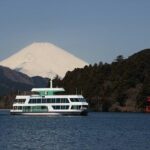
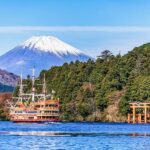
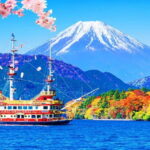
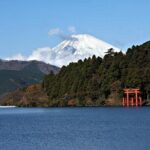
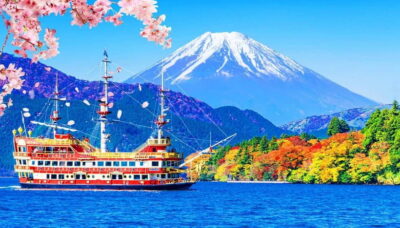
Lake Ashi gives you a calmer section after Owakudani. The cruise lasts about an hour and offers views across the water, the surrounding hills, and the torii gate associated with Hakone Shrine.
The boat ticket is extra. The cruise is a strong choice if you want to sit back after a morning of driving and walking, but it works best when you know the sailing schedule before you arrive.
Mount Fuji may be visible from Lake Ashi, though clouds can easily block it. Even without Fuji, the lake cruise adds variety to the day and keeps the route from feeling like a string of roadside photo stops.
Hakone Open Air Museum
The Hakone Open Air Museum places sculptures and installations in an outdoor setting. It is the main art stop on the Hakone route and gives you something quite different from shrines, lakes, and mountain viewpoints.
The tour information does not give a fixed visit length for the museum. That is worth discussing with your guide, since a quick visit will feel very different from a proper walk through the grounds.
Choose this route if you like combining nature with art. If your priority is seeing as many Fuji viewpoints as possible, the Fuji Five Lakes plan will suit you better.
Your guide can shape the day, but ask clear questions
The English-speaking driver-guide is central to the experience. Ali has been singled out for detailed explanations, local tips, patience, and a friendly sense of humor. Khan has been praised for clear English, safe driving, and a spacious van, while Zohib has been described as flexible when adjusting the plan.
Those names give you a useful idea of the service level to expect, but the assigned guide may vary. The strongest part of this tour is not a scripted lecture. It is the ability to ask questions, change priorities, and get practical help during a long day.
There is one less consistent point: some feedback described the guide as too quiet and the vehicle as quite dirty. That is a reminder to judge the experience as a private transport service as well as a sightseeing tour. If a clean vehicle matters to you, request confirmation before the pickup.
What is included, and what will cost extra
The price includes:
- Private vehicle
- English-speaking driver-guide
- Parking fees
- Fuel and toll charges
- Hotel or accommodation pickup and drop-off within the listed areas
You pay separately for:
- Lunch
- Mount Fuji 5th Station entry, listed as ¥2,100 per group
- Hakone sightseeing cruise
- Hakone Ropeway or cable car
The included vehicle costs become more valuable with a full group. Five people sharing $338 is far better value than one person paying the entire amount alone. You also avoid sorting out several train and bus connections, though you trade some independence for a long day in a car.
Cancellation is flexible, with a full refund available when you cancel at least 24 hours ahead. You can also reserve and pay later, which helps if your weather plans are still uncertain.
Who should book this private day trip?
I would recommend it most to families, friends, and small groups who want to see a lot without managing transport. It also suits first-time visitors who want an English-speaking guide to explain shrines, local customs, and the geography around Fuji and Hakone.
It is less suitable if you prefer slow travel. Ten hours can cover many sights, but it cannot give every stop the attention of a separate day. It may also disappoint you if your only goal is a perfect Mount Fuji photograph, since cloud cover is a real possibility.
For the best value, bring three to five people and decide your priority before pickup. Tell the guide if you care most about shrine visits, mountain photos, village scenery, the Hakone cruise, or the open-air museum. That conversation can make the difference between a satisfying day and a rushed checklist.
Should you book it?
Book this tour if you want private transport, flexible sightseeing, and a broad look at Fuji or Hakone in one day. The strongest reasons are the hotel pickup, group pricing, and guides who can offer clear English explanations and practical changes to the schedule.
Before booking, confirm which route you are getting, which stops fit into ten hours, the exact pickup and drop-off cost, and the plan for Owakudani traffic. If your party is small or you prefer a slower visit, choose one area and spend more time there. If you want a convenient, full day with several major sights, this is a solid choice, especially when Fuji decides to show itself.
FAQ
How long does the Mount Fuji and Hakone tour last?
The tour lasts 10 hours. Starting times depend on availability.
Where can pickup and drop-off take place?
Pickup and drop-off are available in Tokyo, Fujiyoshida, Yokohama, and Hakone. You should confirm the exact location and any additional charge before booking.
Is this a private tour?
Yes. The experience is for your private group, with a maximum of five people per group.
Is an English-speaking guide included?
Yes. An English-speaking driver-guide is included. Guides named in the available information include Ali, Khan, and Zohib, though the assigned guide may vary.
Which Mount Fuji itinerary can I choose?
Itinerary A focuses on Mount Fuji and the Fuji Five Lakes, with places such as Arakurayama Sengen Park, Kitaguchi Hongu Fuji Sengen Shrine, the 5th Station, Lake Kawaguchi, Oishi Park, and Oshino Hakkai.
Which Hakone sights are included in the other itinerary?
Itinerary B focuses on Hakone and includes Arakurayama Sengen Park, Oishi Park, the Hakone Ropeway, a Lake Ashi cruise, and the Hakone Open Air Museum. The detailed route also lists Owakudani Valley.
Are meals and attraction tickets included?
No. Lunch is not included. The Mount Fuji 5th Station fee, Lake Ashi cruise, and cable car or ropeway tickets are also paid separately.
Can I cancel for a full refund?
Yes. You can cancel up to 24 hours in advance for a full refund. You can also reserve the tour and pay later.
More Private Tours in Tokyo


More Hakone Day Trips in Tokyo
More Mt Fuji Day Trips in Tokyo

More tours in Tokyo we've reviewed












Mt Fuji Day Trips, compared.
 ★ 5.0Mt Fuji and Hakone 1-Day Bus Tour Return by Bullet TrainFrom $163
 ★ 4.0Mt Fuji & Hakone Cruise, Drum Show Bullet Train 1 Day from TokyoFrom $149
 ★ 4.4Tokyo Mt Fuji 5th St & Hakone Cruise Bus Tour w/Bullet TrainFrom $15410 hours
 ★ 4.5From Tokyo: Mount Fuji Full-Day Sightseeing TripFrom $6810 hours
 ★ 4.7Tokyo: Mt. Fuji Tour, Hakone Ropeway, Owakudani, Lake AshiFrom $5410 hours
 ★ 4.4Tokyo:Mt.Fuji,Kawaguchiko Oishi Park,Arakurayama Sengen ParkFrom $5410 hours