Reviewed · GUIDED
Edo Tokyo & Japanese Culture Tour with Government Licensed Guide
Tokyo’s modern face can hide its older one. This private tour helps you find the city behind the glass towers, using places such as the former Edo Castle grounds, the sumo district of Ryogoku, old Nihonbashi, and museums that recreate everyday life. The best feature is the custom route: you choose three or four sites instead of being pushed through a fixed schedule.
In This Article
- Key points at a glance
- Why this tour works for Tokyo’s older side
- Imperial Palace: Edo Castle without palace access
- Ryogoku and the living world of sumo
- Hokusai’s art in a focused museum
- The Kanto Earthquake Memorial Museum
- Nihonbashi and the old road network
- The Sumida River as Tokyo’s everyday artery
- Fukagawa Edo Museum: a street you can picture
- The Open Air Architectural Museum, with a timing warning
- How much value do you get for $154.37?
- How to build a sensible six-hour route
- Who should book it?
- FAQ
- How long does the tour last?
- Is this a private tour?
- Is hotel pickup included?
- Are transport costs included?
- Are admission fees included?
- Can I choose the places I visit?
- Can I enter the Imperial Palace?
- Is lunch included?
- Can I cancel for a full refund?
I like the chance to learn Tokyo’s past while moving through real neighborhoods, and I like that your guide can help you use the local transport system. Guides including Shinji, Kei-san, Andy, and Show have been praised for clear English, patient answers, and thoughtful route planning. The main drawback is distance: six hours can disappear quickly if you choose far-flung stops, and transport, lunch, and admission fees are extra.
Key points at a glance
- Choose three or four sites: Build a day around imperial Tokyo, sumo, Hokusai, earthquake history, old bridges, or Edo-era town life.
- Walk with a licensed local guide: Your guide can explain context that is easy to miss when you visit alone.
- Expect public transport: This is not a private-car tour, and local train or subway costs come from your pocket.
- Ryogoku gives the tour character: Sumo culture, chanko restaurants, and an Edo-style food hall make this more than a museum visit.
- Plan for added costs: Entrance fees, meals, and fares are not included in the $154.37 per-person price.
- Keep the route realistic: A six-hour tour works best when your chosen sites are reasonably close together.
Why this tour works for Tokyo’s older side

I see this as a history lesson with your feet on the ground. Instead of treating Tokyo as one giant city tour, you can connect major chapters: Edo Castle and the shoguns, the old road network, sumo, ukiyo-e art, the Great Kanto earthquake, and ordinary neighborhood life between 1603 and 1868.
The private format matters. Only your group participates, so you can ask questions, adjust the pace, and spend more time on the subjects that interest you. If architecture is your thing, Kei-san has been praised for his eye for design and aesthetics. If you need help with trains and fare cards, Show and other guides have helped visitors learn to use an IC card and manage Tokyo’s initially bewildering transport system.
The advertised duration is about six hours. That is enough for three or four carefully selected places, not for every stop in the full description. The Imperial Palace, Ryogoku, Hokusai Museum, Nihonbashi, Sumida River, Kanto Earthquake Memorial Museum, Fukagawa Edo Museum, and the Edo-Tokyo Open Air Architectural Museum cannot all receive proper attention in one half-day, especially when trains are involved.
Other guided tours in Tokyo
Imperial Palace: Edo Castle without palace access

The tour may begin at the Imperial Palace, set on the former site of Edo Castle. You will see a large park area, moats, and the remains of the setting that once controlled political life in Japan.
Set your expectations correctly: you cannot enter the inside of the Imperial Palace on this tour. The value here is not an indoor palace visit. It is the chance to understand how today’s central Tokyo grew from the old castle town, with your guide pointing out the relationship between the defensive moats, open grounds, and present-day city.
I would choose this stop if you want a broad introduction to Tokyo’s political past or if it is your first look at the city’s historical core. I might skip it if your priority is a vivid reconstruction of daily Edo life, since other stops offer more interiors and objects.
Admission is not included, and the stop is planned for about an hour. Confirm the exact meeting point and route with your guide, since pickup is on foot within a designated Tokyo area rather than by private vehicle.
Ryogoku and the living world of sumo
Ryogoku is Tokyo’s sumo district. The area around Ryogoku Kokugikan includes the sumo stadium, sumo stables, chanko restaurants, and other places connected with Japan’s national wrestling tradition.
The scheduled visit here is about 30 minutes and has no admission charge. That makes it a useful stop even when you are watching the budget, though it is not the same as attending a sumo tournament or entering a stable. The tour information does not promise a match, training session, or wrestler encounter, so treat this as a neighborhood and cultural introduction.
I like Ryogoku because it gives the history a human scale. Sumo is not presented only as an old custom in a display case. The district still organizes daily life around it, from training facilities to restaurants serving chanko, the hearty hot pot associated with wrestlers.
If you want lunch with a local theme, Ryogoku Edo Noren offers Tokyo-style dishes in a food court designed to resemble Edo-period Japan. Allow about 45 minutes, and remember that food is extra. This is a practical place to eat, but it is also a modern recreation rather than an untouched Edo street.
Hokusai’s art in a focused museum

The Sumida Hokusai Museum is dedicated to Katsushika Hokusai, the ukiyo-e artist best known for works such as The Great Wave off Kanagawa. The museum gives the tour an art angle and helps you see Edo culture through prints, rather than only through castles and old roads.
The planned visit lasts around 30 minutes, with admission extra. That is a short museum stop, so I would ask your guide how much time you will actually have inside. A quick visit can work if you want an introduction to Hokusai or if you are combining the museum with Ryogoku and the Sumida River area. It may feel rushed if you already have a strong interest in ukiyo-e.
This is one of the reasons the private format earns its keep. You can tell the guide in advance that Hokusai matters to you and ask for more attention here, or choose a different site if art is not your priority.
The Kanto Earthquake Memorial Museum

Tokyo’s past is not only about the Edo period. The Kanto Earthquake Memorial Museum explains the Great Kanto earthquake and how Tokyo rebuilt afterward. The planned visit takes about an hour, and admission is extra.
This stop adds a serious and important chapter to the day. It helps you understand that Tokyo has repeatedly had to repair, reorganize, and rebuild itself. When you visit with a guide, you can connect the museum’s displays to the city outside instead of treating the earthquake as an isolated event.
I would pick this museum if you want modern history, disaster history, or a clearer sense of how Tokyo changed over time. It may not suit you if you prefer art, food, or reconstructed streets. The subject is also sobering, so it gives the tour a different mood from the lighter sumo and food stops.
Nihonbashi and the old road network

Nihonbashi was once the starting point of five main roads crossing Japan. It prospered as the center of Edo, and the district still offers a sense of old Tokyo beneath its modern commercial setting.
The old bridge is especially useful for understanding how the city functioned. Edo was not simply a castle with neighborhoods around it. Roads, trade, bridges, and the river connected the capital to the rest of Japan. Your guide can turn a short look at the bridge into a larger explanation of how movement and commerce shaped the city.
There is no stated admission charge for this outdoor stop, which makes it a good addition when you want to limit extra costs. I would pair Nihonbashi with the Imperial Palace for a political and civic view of old Tokyo, or with the Sumida River for a water-and-trade theme.
Do not expect a preserved medieval street scene. Nihonbashi is a working part of modern Tokyo. Its appeal comes from layers, with the old route and bridge existing inside a much newer city.
The Sumida River as Tokyo’s everyday artery

The Sumida River is one of Tokyo’s main rivers and one of the waterways most familiar to visitors. It begins directly north of Tokyo and runs east through the city.
A riverside stop can be brief, but it gives you useful geographic bearings. After seeing Ryogoku, the river helps explain why the district developed where it did and how eastern Tokyo relates to the old center. I like this kind of stop because it links separate attractions instead of leaving you with a pile of unrelated facts.
The river is also a sensible choice for a customized route that needs an outdoor break. Still, weather matters. This is a walking tour, and the schedule may need to change in rain or uncomfortable conditions. Wear shoes for pavement and be ready to adjust the order of stops.
Fukagawa Edo Museum: a street you can picture

The Fukagawa Edo Museum recreates an entire Edo-era neighborhood with streets, houses, shops, and other details of daily life. Unlike a conventional display of objects behind glass, it gives you a physical setting for imagining how people lived during the period from 1603 to 1868.
The planned visit is about 30 minutes, with admission extra. That is enough for a clear introduction, but you may want to request more time if domestic life interests you most. I would choose Fukagawa over the Imperial Palace if you want to understand ordinary homes, work, and neighborhood routines rather than political power.
This museum is particularly useful for children and for anyone who finds dates and rulers hard to remember. A recreated street gives the period scale: where homes sat, how shops related to one another, and how a neighborhood might have felt.
The Open Air Architectural Museum, with a timing warning

The Edo-Tokyo Open Air Architectural Museum, located in western Tokyo, offers an off-the-beaten-track look at Japanese culture through historic buildings. It was established by the Tokyo Metropolitan Government in 1993.
The stated stop is only 15 minutes, with admission extra. That is a warning sign for planning. The museum is likely to work only if you have a particular reason to visit and your route is already near western Tokyo. It is not a sensible add-on to a day that also includes eastern Tokyo sites such as Ryogoku, Fukagawa, and the Sumida River.
Ask your guide to prioritize it only if the travel time makes sense. The word open air also means this stop depends on weather more than an indoor museum does.
How much value do you get for $154.37?
At $154.37 per person, this is not a bargain sightseeing pass. You are paying for a private licensed English-speaking guide, custom planning, and six hours of personal attention. The value is strongest for couples, families, or a small group that wants a history-focused day without assembling the route alone.
The price does not include train or subway fares, admission tickets, lunch, or other personal expenses. Bring local cash. One practical warning from the experience is that public transport may not accept credit cards in the way you expect, and some ATMs can be troublesome depending on your card and country. An IC card is useful, but you still need money for food and admissions.
Group discounts may improve the per-person value for larger parties, but you cannot combine separate tour groups. The tour also does not include a private vehicle. You meet the guide on foot, and you use public transport when required.
Compare the price with the time you would spend planning museum hours, train connections, and historical context. If you are comfortable doing that work yourself, a self-guided day will cost less. If you want a flexible route and help making sense of Tokyo’s transport system, the guide can justify the cost.
How to build a sensible six-hour route
I would choose sites by area, not by personal wish list. A practical eastern Tokyo route could combine Ryogoku Kokugikan, the Hokusai Museum, the Sumida River, and Ryogoku Edo Noren. This keeps the theme tight and leaves room for lunch.
A central route might pair the Imperial Palace with Nihonbashi, then add one museum if transport time allows. This gives you castle-town history, roads, bridges, and a focused indoor stop.
For a daily-life route, choose Fukagawa Edo Museum with Ryogoku and the food court. For art and modern history, combine the Hokusai Museum with the Kanto Earthquake Memorial Museum, but ask your guide to be realistic about travel and museum time.
One group previously chose sites far apart and ran well over the planned time. That can happen easily in Tokyo. Your guide may be able to make the route work, but a long day can reduce the value of a six-hour booking and may create extra costs or scheduling stress. Andy, Shinji, Kei-san, and Show have each been singled out for communication, tailoring, English, patient answers, or practical help, so use that strength before the day begins: explain your interests and ask for a route that fits the clock.
Who should book it?
I recommend this tour for history enthusiasts, first-time visitors who want context, and anyone nervous about Tokyo’s public transport. It also suits families or private groups that need a flexible pace.
You should book it if you want to ask plenty of questions, focus on a particular period, or see several historical sites without planning every connection. You might skip it if you want a fast list of famous sights, a private car, a sumo match, or a palace interior.
The strongest version of this experience is not the one with the most stops. It is the one with three or four well-matched places, a guide who understands your interests, and enough time to notice how old Tokyo still shapes the city.
FAQ
How long does the tour last?
The tour lasts approximately six hours.
Is this a private tour?
Yes. Only your group participates, and you cannot combine multiple tour groups.
Is hotel pickup included?
Pickup is offered on foot within a designated area of Tokyo. The tour does not include a private vehicle.
Are transport costs included?
No. Public transport may be used, and transportation fees are paid separately.
Are admission fees included?
No. Entrance fees are extra. Guide entry fees are covered only for sights listed under the tour’s expected stops.
Can I choose the places I visit?
Yes. The tour is customizable, and you choose three or four sites from the available options.
Can I enter the Imperial Palace?
No. This tour does not include access to the inside of the Imperial Palace.
Is lunch included?
No. Lunch and personal expenses are extra. Ryogoku Edo Noren is available for Tokyo-style dishes in an Edo-themed food court.
Can I cancel for a full refund?
Yes, if you cancel at least 24 hours before the experience start time. Cancellations or changes made less than 24 hours before the start time are not accepted for a refund.
More Guided Tours in Tokyo

More tours in Tokyo we've reviewed












Guided, compared.
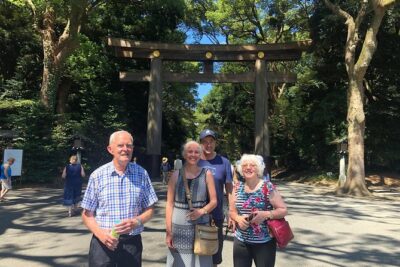 ★ 5.0Tokyo 6hr Private Tour with Government-Licensed GuideFrom $155
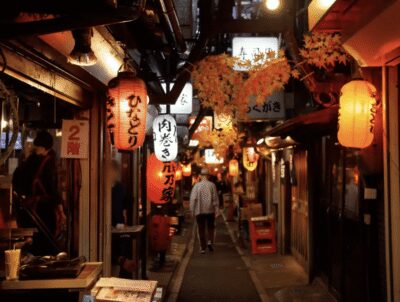 ★ 4.9Tokyo: Shinjuku Local Bar and Izakaya Guided Walking TourFrom $343 hours
 ★ 4.8Tokyo: Private City Highlights Tour with Local GuideFrom $1064 - 8 hours
 ★ 4.9Tokyo: Tsukiji Fish Market Guided Walking TourFrom $222 hours
 ★ 5.0Tokyo 4hr Private Tour with Government-Licensed GuideFrom $109
 ★ 5.0Tokyo Guided Small-Group Biking TourFrom $106