Reviewed · LUNCH EXPERIENCES
5-Hour Tokyo & Edo Hidden Gem Bike Tour with Lunch
Tokyo makes the most sense from a bicycle seat, especially when your route leaves the big avenues for temple lanes, river crossings, sumo country, and old neighborhoods. This five-hour ride links Asakusa, Ryogoku, Fukagawa, and Ningyocho in one well-paced outing.
In This Article
- What makes this Tokyo bike tour worth your time
- A practical ride through old and modern Tokyo
- BANDAI statues bring a playful start
- Kaminarimon and Senso-ji, Tokyo’s classic temple pair
- Crossing toward Ryogoku and the Sumida River
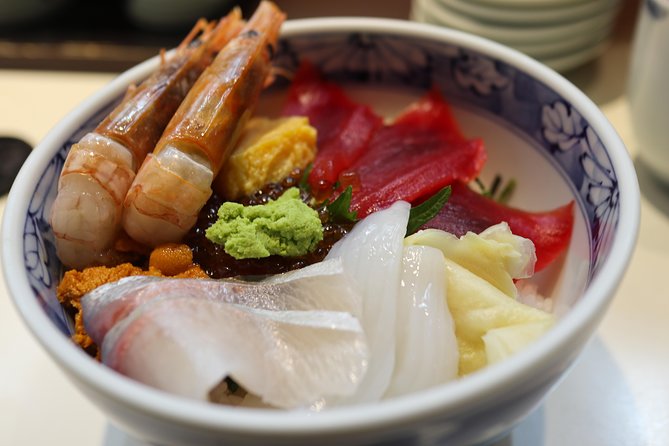
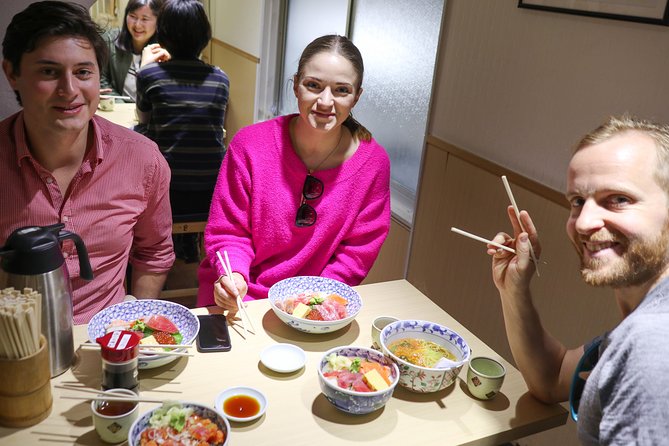
- Lunch adds a social and local break
- Fukagawa Fudo-son shows everyday worship
- Edo life comes alive at the Fukagawa Edo Museum
- Ningyocho ends the ride with taiyaki
- Guides, group size, and the pace of the day
- Is the $85.79 price good value?
- Who should book this ride?
- My verdict on the Tokyo and Edo cycling tour
- FAQ
- How long does the Tokyo and Edo bike tour last?
- Where does the tour start?
- What is included in the price?
- Is the tour suitable for beginners?
- What is the minimum age?
- Can I cancel for a full refund?
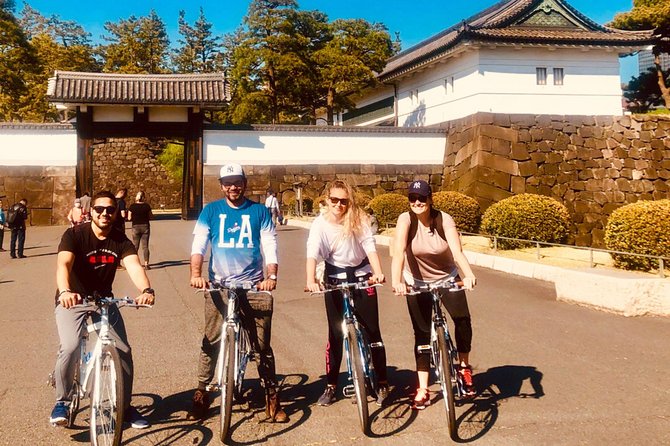
I like the small maximum of six people, which gives guides such as Shoto and Shogun room to answer questions and adjust the day. I also like that the fee covers the bike, water, lunch, and Edo Museum admission, so you are not paying extra at every stop.
The main consideration is the weather. Tokyo can be hot and humid, and this is an outdoor ride on city streets, not a leisurely park cycle. You should also be comfortable cycling for several hours and be at least 15 years old.
What makes this Tokyo bike tour worth your time
- Six-person maximum: A small group keeps the ride personal and makes it easier to adapt the route.
- Seven distinct stops: You move from anime statues and Senso-ji to sumo culture, Buddhist worship, Edo-era streets, and Japanese sweets.
- Easy cycling pace: The tour is designed for different experience levels, though you still need to cycle in Tokyo traffic.
- Lunch is included: You receive a meal during the Ryogoku portion, with the tour description also highlighting Tsukiji Fish Market.
- Real neighborhood variety: The route shows Tokyo beyond its famous train stations and major roads.
- Free cancellation up to 24 hours: Poor weather may lead to a different date or a full refund.
A practical ride through old and modern Tokyo
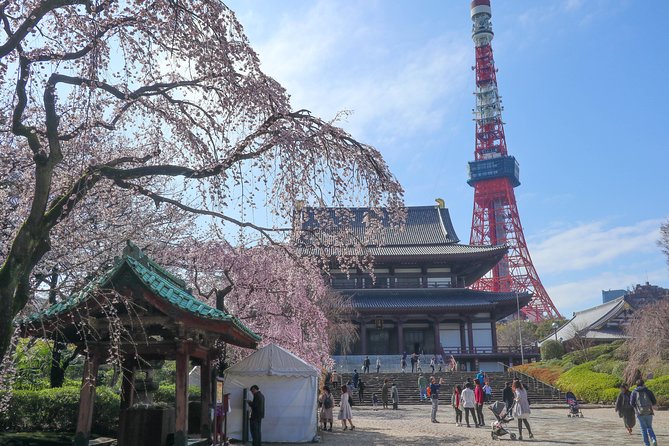
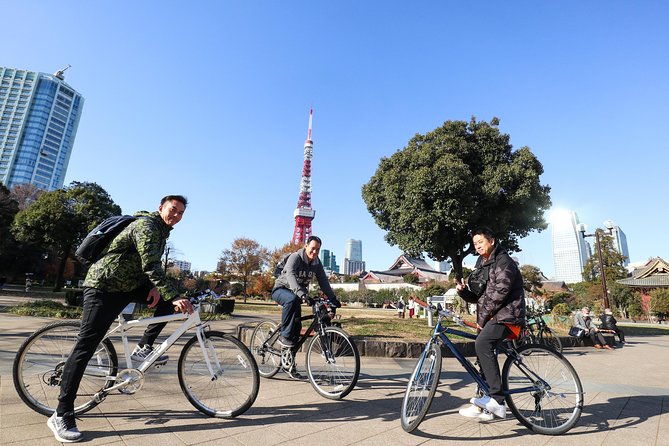
I see this tour as a useful first look at Tokyo rather than a specialist cycling workout. In roughly four and a half to five hours, you get a broad sense of how the city layers pop culture, religion, food, sumo, riverside views, and the Edo period into a surprisingly compact route.
The meeting point is outside Asakusabashi Station at 10:00 a.m. That start works well for a morning activity, since you can reach the station by public transportation and finish back where you began. The ride includes a rental bicycle and bottled water, but you should wear comfortable cycling clothes and bring only what you can manage easily on a bike.
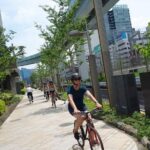
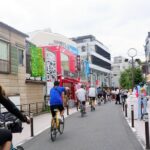
The route is not entirely off-street. The company name might suggest otherwise, but the ride uses city streets as it travels between neighborhoods. That is part of the appeal, since you see ordinary Tokyo at street level, but it also means you should pay attention to the guide and feel comfortable riding in an urban setting.
Other cycling tours in Tokyo
BANDAI statues bring a playful start
The first stop is the BANDAI headquarters building, where you can photograph statues connected with well-known Japanese anime and character series, including Dragon Ball, Doraemon, and Anpanman. The stop lasts about 15 minutes and costs nothing beyond the tour price.
This is a clever opening because it gives you a quick introduction to a side of Japan that many temple-focused tours skip. The statues also make an easy photo stop before the route turns toward older Tokyo.
Do not expect a long visit or a museum-style presentation here. The value is the contrast. You begin with Japan’s international pop-culture image, then pedal toward places shaped by centuries of worship, commerce, and traditional neighborhoods.
Kaminarimon and Senso-ji, Tokyo’s classic temple pair
The ride continues to Kaminarimon Gate, the grand entrance associated with Senso-ji. You get about 10 minutes for an explanation of the gate before entering the temple area from the north side.
Senso-ji is described as Tokyo’s oldest temple, and its approach is lined with shops selling food, souvenirs, and traditional items. The tour allows about 30 minutes here, enough to see the main setting and absorb the feel of the temple grounds without letting one famous sight consume the entire morning.
I like the order of these stops. Kaminarimon gives you the famous first view, while the temple visit adds more context. The route does not simply take you to a photo point and hurry you away. It gives you time to enter the grounds and notice the busy shopping approach.
The drawback is that Senso-ji is one of Tokyo’s best-known sights, so it can feel crowded. A bicycle tour cannot remove the crowds, but entering from the north side may offer a different approach from the one many independent visitors use. Your guide can also help explain what you are seeing rather than leaving you to work it out from signs.
Crossing toward Ryogoku and the Sumida River
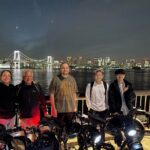
After Asakusa, you cycle toward Ryogoku, the neighborhood linked with sumo. The route includes a bridge crossing with views of the Sumida River and Tokyo Skytree, which rises 634 meters and is identified in the tour description as the world’s highest radio tower.
This is one of the strongest parts of the route for understanding Tokyo’s scale. From a bicycle, you are not sealed inside a bus or train. You can stop, look across the river, and connect the older temple district with the modern tower and broad city skyline.
The timing matters. This section follows the temple visit and leads into lunch, so it gives the morning a natural change of pace. You have already seen religious and commercial Asakusa, and now you are moving into a neighborhood with a strong sumo identity.
The route includes a short walk in Ryogoku to explore sumo history before lunch. One especially memorable detail from the food portion is chanko nabe, the hot pot associated with sumo wrestlers. It offers a more place-specific meal than a generic restaurant stop.
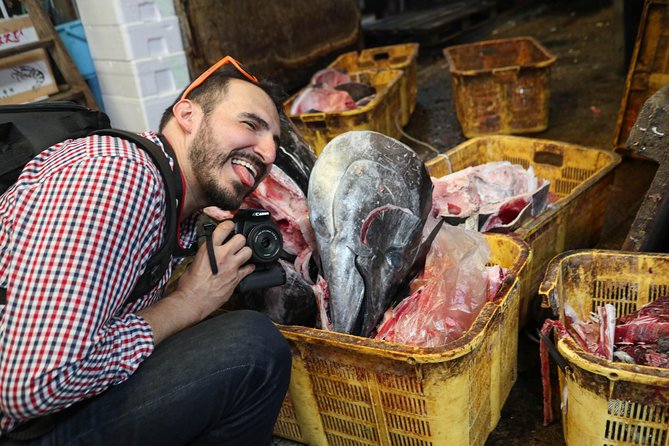
There is some uncertainty in the supplied route details about the exact lunch location. The main description highlights lunch at Tsukiji Fish Market, while the detailed stop description places lunch at a local restaurant in Ryogoku. If Tsukiji is important to you, ask the operator to confirm the day’s lunch location before booking. Either way, lunch is included, but additional food and drinks are not.
Lunch adds a social and local break
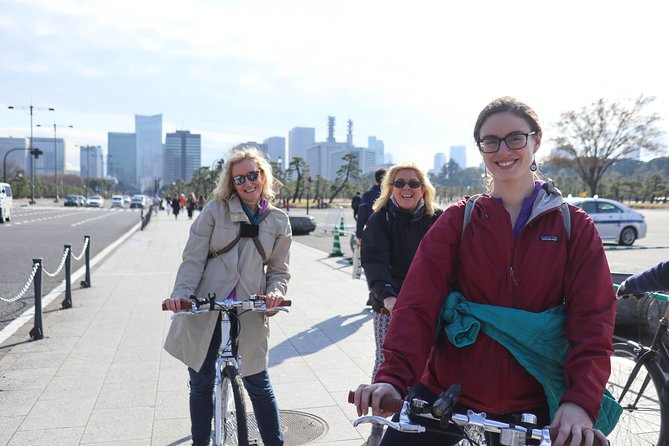
A meal in the middle of a cycling tour is practical, not just a bonus. It gives you time to rest, talk with the guide, and meet the other people in your group. The tour description sets aside about 45 minutes for the Sumida and Ryogoku portion, including the short walk and meal.
Past participants particularly enjoyed the food and the fun of eating together. That matters because small-group tours can sometimes feel like a string of quick photo stops. Here, lunch gives the outing a shared pause and helps the day feel less rushed.
You should mention dietary restrictions in advance. The guide Shoto is specifically noted for adjusting a tour for a family that did not eat sushi, which suggests that advance communication can make a real difference. Do not assume every request can be handled on the day, though. Tell the operator what you cannot eat before you arrive.
A few more Tokyo tours and experiences worth a look

Fukagawa Fudo-son shows everyday worship
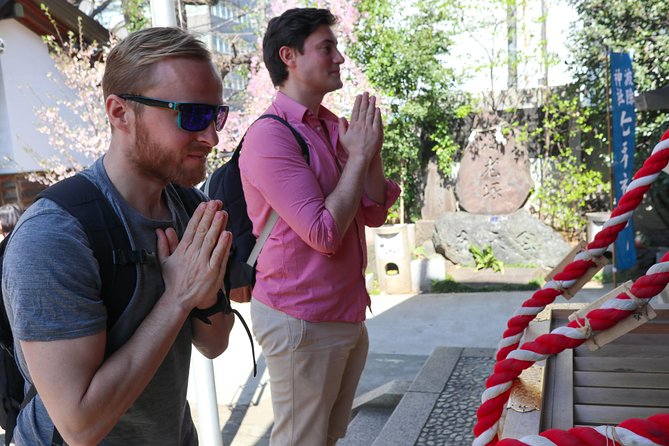
From Ryogoku, the ride continues to Fukagawa Fudo-son Temple. The visit lasts about 35 minutes and includes a chance to observe Goma-taki, a Buddhist fire ritual connected with worship.
This stop gives the tour a useful shift in focus. Senso-ji is a major temple visited by almost everyone who comes to Asakusa. Fukagawa Fudo-son is presented more as a place where you can watch how Japanese people worship in daily life.
That distinction is valuable. You are not only collecting famous buildings. You are seeing a religious practice and learning how a temple functions for local worshippers. The guide’s explanation is important here, since the ritual may not be obvious if you simply walk through on your own.
You should remain respectful and follow instructions during the visit. The tour sets aside enough time for observation, but this is not a long religious study session. Think of it as a focused introduction to a living practice.
Edo life comes alive at the Fukagawa Edo Museum
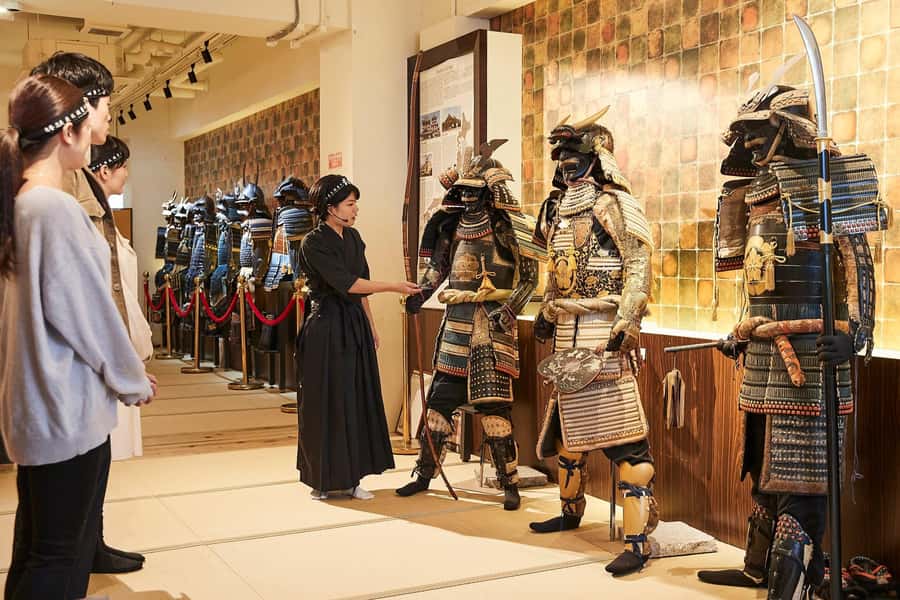
The Fukagawa Edo Museum is one of the most useful stops for putting Tokyo’s older neighborhoods into context. You spend about 35 minutes learning how people lived during the Edo period, described here as roughly 150 years ago, through a recreation of streets from that time.
This museum admission is included, which strengthens the value of the tour. A guide can point out details that you might pass over, while the recreated street setting gives you something more concrete than a few dates and names.
I especially like having the museum after Fukagawa Fudo-son. First you see a place of worship in the present day. Then you step into a representation of an earlier Tokyo and consider how homes, streets, and daily routines once worked. The two stops make the neighborhood feel more than a quick sightseeing label.
The scheduled 35 minutes is enough for an introduction, but not enough for a slow museum visit. If you love historical museums and want to read every display, you may wish for more time. If you prefer a varied day with several different stops, the shorter visit keeps the route moving.
Ningyocho ends the ride with taiyaki
The final listed stop is Ningyocho Street, where you can try a Japanese confectionery. The itinerary describes ningyo-yaki, a small sponge cake filled with red bean paste and other ingredients, while the stop title also refers to taiyaki. These are related street sweets, but they are not the same shape, so it is worth confirming which treat is served on your particular outing.
This is a nice way to finish. After temples, bridges, sumo culture, and a museum, a small sweet gives you a simple food memory from an older commercial neighborhood. The stop lasts about 15 minutes, so it is a taste rather than a full food tour.
The route then returns to the original meeting point. Since the tour ends where it starts, you do not need to work out a new transportation plan while carrying a rental bike or rushing to another part of Tokyo.
Guides, group size, and the pace of the day
The experience has a maximum of six participants. That is small enough for a guide to keep an eye on the group, explain stops clearly, and respond to preferences. It also creates a better chance of having a conversation rather than simply following a flag.
Shoto and Shogun are the guide names connected with the supplied tour details. Shoto is noted for adapting the route to a family’s food needs and for listening to requests about how much time to spend at shrines and the fish market. Shogun is described as bringing humor and a broad understanding of Tokyo to the outing.
The tour is advertised for all experience levels and uses an easy pace. Still, easy pace does not mean effortless. You are cycling for most of a half day, and the route includes city streets, bridge crossings, and stops where you get off the bike and walk.
The weather is a serious factor. A hot, humid day can make five hours outdoors tiring, even if the cycling itself is not strenuous. The operator requires good weather and will offer another date or a full refund if poor conditions cancel the tour. Travel insurance is recommended.
Is the $85.79 price good value?
At $85.79 per person, the price is reasonable if you want a guided overview rather than simply a bicycle rental. You receive the bike, water, lunch, five hours with a local guide, and museum admission. Those inclusions reduce the small extra charges that can add up on a day of sightseeing.
The value is strongest for a first or second Tokyo visit. In one morning and early afternoon, you cover several districts that would take more planning by train and on foot. You also gain the context that makes the stops connect: anime culture, temple life, sumo, the Sumida River, Edo streets, and local sweets.
The price is less compelling if you already know these neighborhoods well or want a serious road-cycling route. This is a sightseeing tour with bicycles, not a race, fitness outing, or deep museum visit. You are paying for the guide’s route, explanations, meal, and convenience.
The 98 percent recommendation rate and 4.9 rating from 113 reviews point to a consistently strong experience, especially for the route design, bicycles, lunch, and guide quality. I would still judge the purchase against your own habits. If you dislike cycling in urban areas, prefer air-conditioned transport, or need a very slow sightseeing pace, this may not be the right fit.
Who should book this ride?
I would recommend it to first-time Tokyo visitors who want more than the standard bus route. It also suits couples, families with participants aged 15 or older, and small groups that like moving between neighborhoods instead of spending a whole day at one attraction.
It is a good choice if you want:
- A broad introduction to eastern Tokyo
- A small group rather than a large sightseeing party
- A guide who can explain temples and local customs
- A meal included in the day’s plan
- A mix of famous sights and less obvious neighborhood stops
- A manageable cycling pace rather than a demanding workout
I would hesitate if you have mobility limits that make mounting a bicycle, riding for several hours, or walking at stops difficult. The supplied information says most people can participate, but it does not give detailed accessibility information. Ask the operator directly if you have specific concerns.
Book at least a day ahead if your schedule is tight, since the experience is often reserved well in advance, with an average booking lead time of 44 days. You can cancel for a full refund up to 24 hours before the 10:00 a.m. start. Changes or cancellations inside that window are not accepted, except that poor weather may lead to a new date or a refund.
My verdict on the Tokyo and Edo cycling tour
I like this tour because it gives you a clear sense of Tokyo’s variety without trying to make every stop a major attraction. You see the playful BANDAI statues, the grand Kaminarimon Gate, Senso-ji, the Sumida River, Skytree, sumo country, Buddhist worship, Edo-era streets, and a traditional sweet in one connected ride.
The best reasons to book are the small group, the strong guide-led route, the included lunch, and the chance to see Tokyo at street level. The main cautions are heat, city traffic, limited time at the museum, and the need to confirm whether lunch is in Ryogoku or at Tsukiji.
If you are comfortable on a bicycle and want a practical introduction to eastern Tokyo, I would book it. If you want a slow, highly detailed temple tour or a food-only outing, choose something more focused.
FAQ
How long does the Tokyo and Edo bike tour last?
The tour lasts approximately four and a half to five hours. It begins at 10:00 a.m. and ends back at the meeting point.
Where does the tour start?
The meeting point is Asakusabashi Station at 1 Chome-18 Asakusabashi, Taito City, Tokyo 111-0053, Japan. The tour ends at the same location.
What is included in the price?
The price includes a rental bicycle, bottled water, lunch, five hours with a local guide, bicycle use, and admission to the Fukagawa Edo Museum.
Is the tour suitable for beginners?
The tour is designed to proceed at a comfortable pace and is suitable for different experience levels. You should still be comfortable cycling on city streets for several hours.
What is the minimum age?
The minimum age is 15 years.
Can I cancel for a full refund?
Yes. You can cancel at least 24 hours before the start time for a full refund. Cancellations or changes made less than 24 hours before the tour are not accepted. If poor weather cancels the activity, you will be offered another date or a full refund.
More Lunch Experiences in Tokyo
More Cycling Tours in Tokyo

More tours in Tokyo we've reviewed












Lunch Experiences, compared.
 ★ 4.6From Tokyo: Snow Monkey 1 Day Tour with Beef Sukiyaki LunchFrom $1511 day
 ★ 4.8Tokyo: Sumo Experience and Chanko Nabe LunchFrom $95
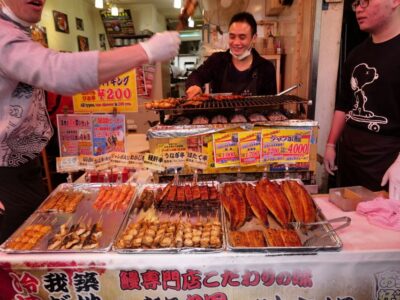 ★ 4.5Tokyo: Tsukiji Fish Market Tour with 6 Stops & Seafood LunchFrom $943 hours
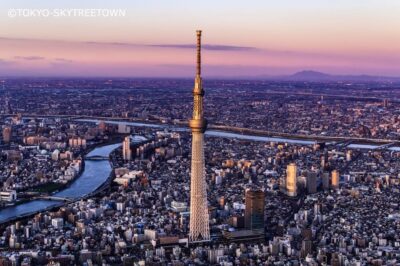 ★ 4.6Tokyo: 1 Day Bus Tour with Meiji-Jingu,Odaiba,lunch&SkytreeFrom $839 hours - 570 minutes
 ★ 4.9Tokyo: Full-Day Tour w/Tea Experience,Buffet Lunch & CruiseFrom $105
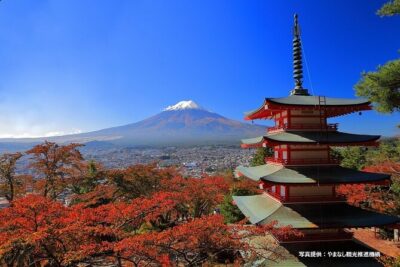 ★ 5.0Mt. Fuji, Oishi Park & Arakurayama Pagoda Bus Tour with LunchFrom $99