Reviewed · SUMO EXPERIENCES
Tokyo: Sumo Experience and Chanko Nabe Lunch
Sumo is much more than two large men pushing each other out of a ring. This two-hour Tokyo experience explains the rituals, rules, training, and strength behind Japan’s national sport, then lets you step into the ring for a playful bout with retired professionals. Audrey and Jumbo bring plenty of humor to the lesson.
In This Article
- Key points
- Why this Tokyo sumo experience works
- Arriving in Asakusa or Ryogoku
- Learning the rules before the show
- Watching former professionals at close range
- Trying a playful bout in the ring
- Chanko Nabe turns lunch into part of the lesson
- How much time and money should you allow
- Choosing this over a tournament visit
- Who will enjoy it most
- Practical advice before booking
- Should you book the sumo experience?
- FAQ
- Where does the sumo experience take place?
- What time does the activity start?
- How long does the experience last?
- Is the experience conducted in English?
- Is lunch included?
- Can I request a vegetarian or Halal meal?
- Is the activity wheelchair accessible?
I like the close-up setting and the chance to ask questions in English. I also like that lunch is part of the experience, with Chanko Nabe prepared by the wrestlers themselves. The main consideration is timing: the activity begins promptly at 1 PM, and the exact meeting place arrives with your voucher.
Key points
- Retired wrestlers explain the sport in English, including its rituals, rules, training, and competitive side.
- You may enter the ring yourself for a lighthearted match with a former professional.
- Chanko Nabe lunch is prepared by the wrestlers, turning the meal into part of the lesson.
- Monday sessions take place in Asakusa, while Thursday sessions are held in Ryogoku.
- The group is limited to six people, although the venue may include a larger audience.
- The $95 price includes admission, participation, and lunch, with free cancellation up to 10 days before the date.
Why this Tokyo sumo experience works
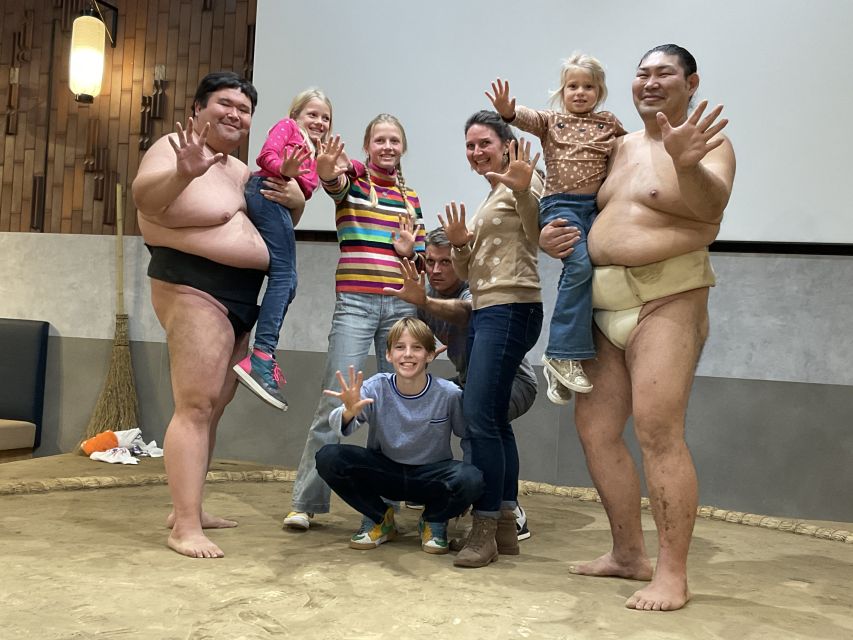
Many first-time visitors see sumo during a tournament broadcast or at a ceremonial performance and enjoy the spectacle without fully understanding what is happening. This activity fills in those missing pieces.
You learn why wrestlers perform certain movements before a bout, how the ring is used, and what makes sumo different from an ordinary wrestling match. The teaching is in English, so you do not need prior knowledge of Japanese customs or sumo vocabulary.
I like the mix of explanation and action. You are not sitting through a long lecture. The wrestlers demonstrate techniques, show their strength, and keep the mood playful. Then willing participants can try their own bout. That makes the rules easier to understand because you feel, in a small way, how difficult it is to move someone who has trained for professional sumo.
The activity is also friendly for families. Children have been included in the interaction, and the retired wrestlers are described as patient, warm, and funny. You should still understand that participation is voluntary, and the organizers may select only some people to wear a sumo costume during the demonstration.
A few more Tokyo tours and experiences worth a look
Arriving in Asakusa or Ryogoku
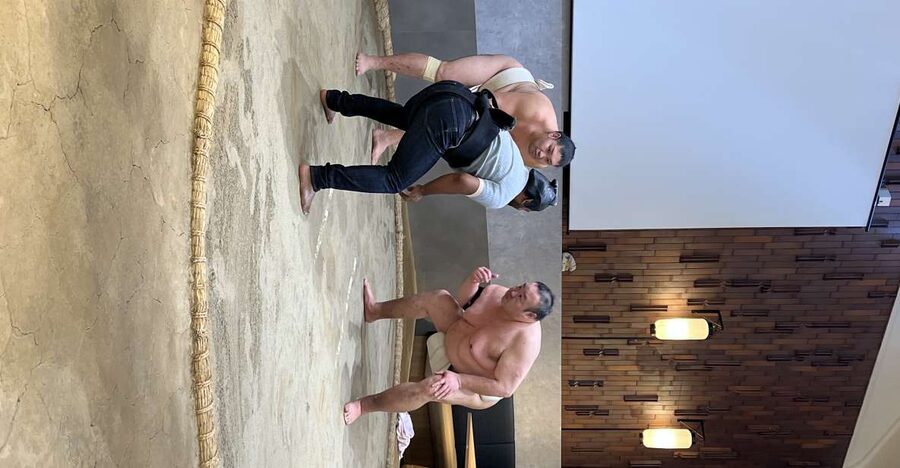
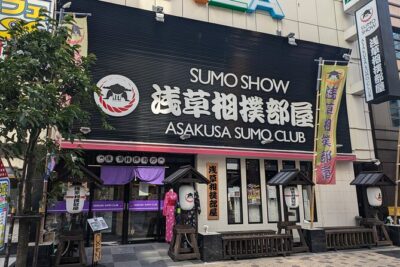
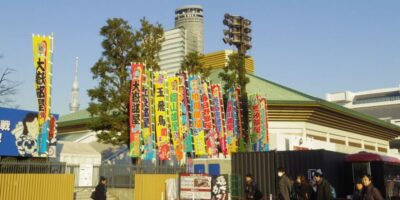
The location changes by day. On Mondays, the experience takes place in Asakusa. On Thursdays, it takes place in Ryogoku, Tokyo’s best-known sumo district. Your voucher provides a map and the exact meeting place, so do not rely on a general search for a sumo venue.
The start time is 1 PM. Doors open at 12:40, according to the supplied meeting information, though the voucher is the right place to confirm the exact arrival details. I would arrive early rather than cut it close. The activity is designed for a small group, and late arrivals could miss the opening explanation.
There is no hotel pickup or drop-off. You make your own way to the meeting point, then return there when the two-hour program ends. That makes the activity easy to fit into a day of sightseeing, especially if you are already visiting Asakusa or Ryogoku.
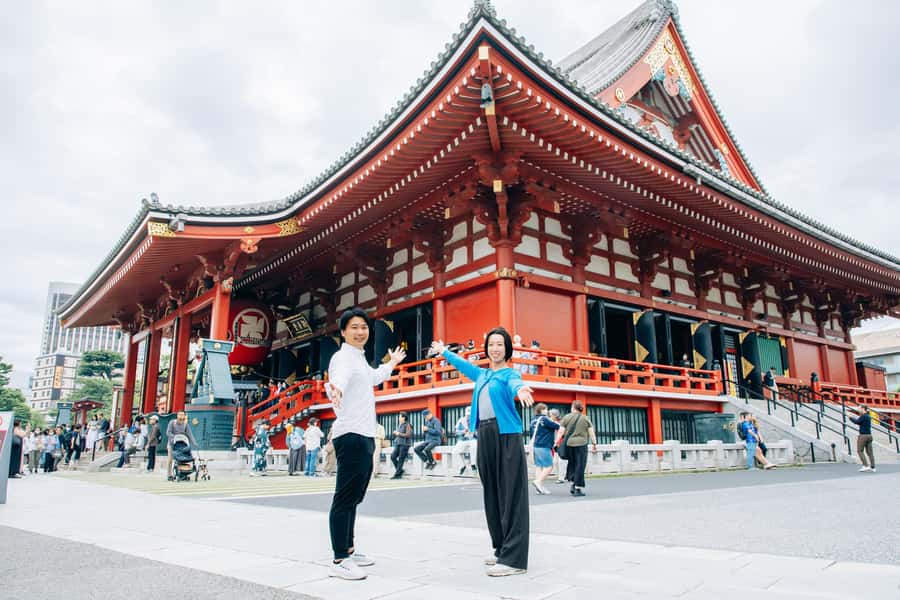
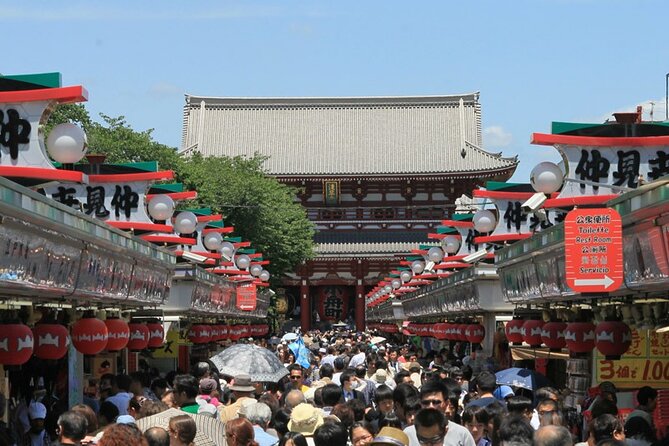
The two neighborhoods offer different surroundings. Asakusa gives you access to Tokyo’s traditional temple district, while Ryogoku connects naturally with sumo culture. The experience itself is the same kind of activity, but your choice of day can help shape the rest of your afternoon.
Learning the rules before the show
The first part introduces sumo as a sport and a cultural practice. The former wrestlers explain the basics in English, including the rituals that can seem mysterious if you have only watched a match casually.
That context matters. Sumo bouts are short, but the ceremony around them gives the sport its formal character. The demonstrations help you understand why wrestlers prepare in a particular way and how training and competition fit together.
You should expect an entertaining lesson rather than an academic seminar. The performers use humor and physical demonstrations to make the material clear. That approach works well for families and for anyone who wants useful cultural background without spending several hours in a formal class.
The instruction also helps you watch future sumo with better eyes. You begin to notice the balance, footwork, timing, and tactics rather than seeing only a contest of size. One of the strongest parts of the activity is this change in perspective. The wrestlers show that power matters, but technique and position matter too.
Watching former professionals at close range
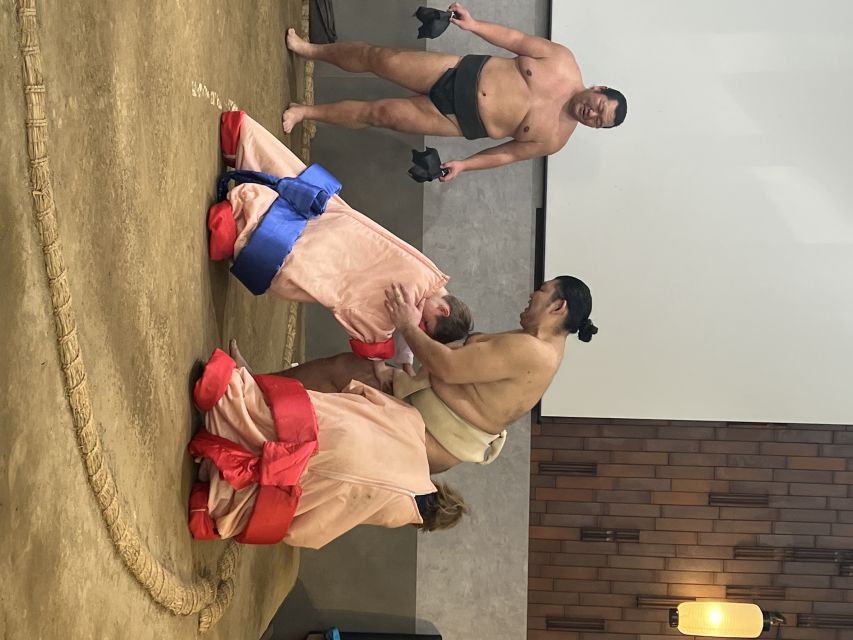
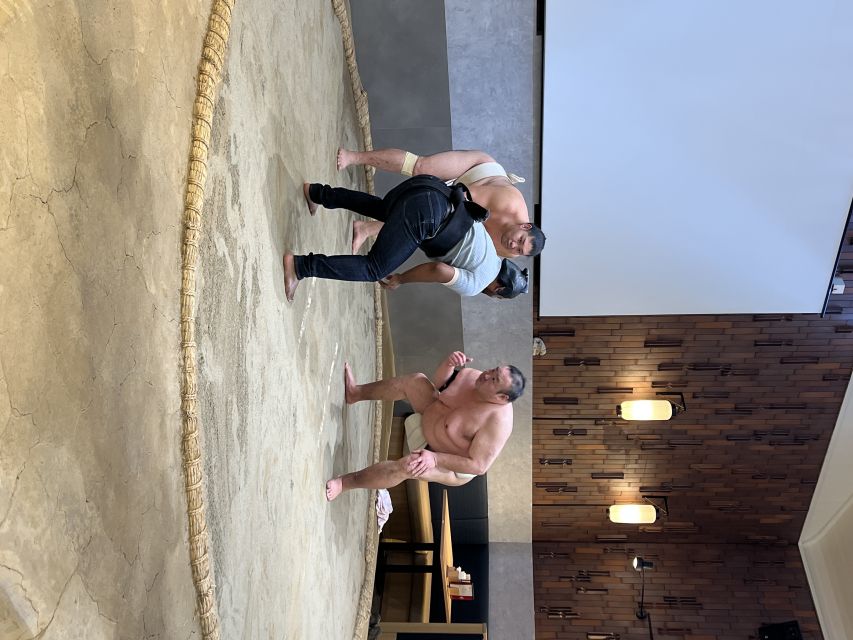
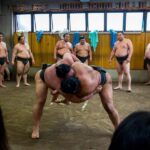
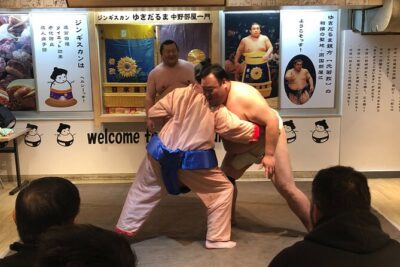
After the explanation, the retired wrestlers demonstrate sumo techniques. This is where the physical scale of the sport becomes clear. A professional wrestler’s strength is hard to grasp from a television screen, but it is obvious when you see the movement close by.
The demonstrations are not presented as a stern competition. The performers use comic timing and audience interaction to keep the mood light. You get a look at the force and control involved while still having plenty of chances to laugh and take pictures.
The performers identified in the activity feedback include Audrey and Jumbo, both praised for clear English, warmth, and showmanship. Their role is not just to wrestle. They explain, demonstrate, answer questions, and draw the audience into the program.
Photo time is part of the social appeal. You can take pictures with the wrestlers, and some participants may get the chance to try sumo themselves. If you hope to enter the ring, be ready to volunteer, but do not assume every person will be selected for the costume demonstration.
Trying a playful bout in the ring
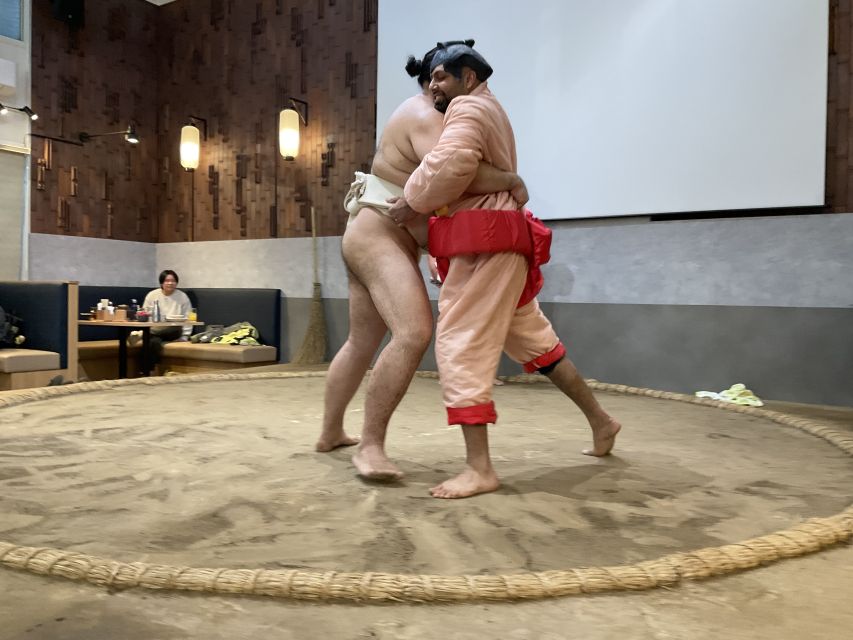
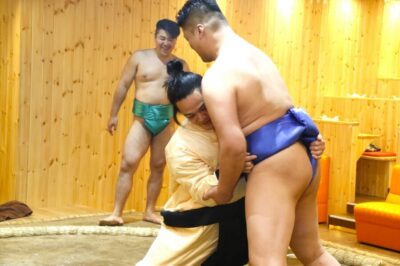
The audience participation is the part many people remember most. You may put on a sumo wrestler costume and help with a demonstration, or you may step into the ring for a playful match against one of the former professionals.
This is not presented as a serious athletic contest. The point is to experience the sport, enjoy the humor, and see the difference between ordinary strength and trained sumo technique. One detailed account described a participant weighing 105 kilograms feeling surprisingly small against a retired wrestler. That gives you a fair idea of the power involved.
You do not need to be athletic to enjoy this part. You can watch if you prefer. The activity is meant to include different ages and comfort levels, and participation is voluntary.
I would wear comfortable clothing and avoid arriving in anything that restricts movement. The supplied information does not list a clothing requirement, but a playful bout is easier in practical clothes than in stiff sightseeing attire.
The chance to participate also gives the sport a human scale. Instead of treating sumo wrestlers as distant figures in a national spectacle, you meet them, speak with them, and see their personalities. That friendly contact is a major reason the activity works so well for families and small groups.
A few more Tokyo tours and experiences worth a look



Chanko Nabe turns lunch into part of the lesson
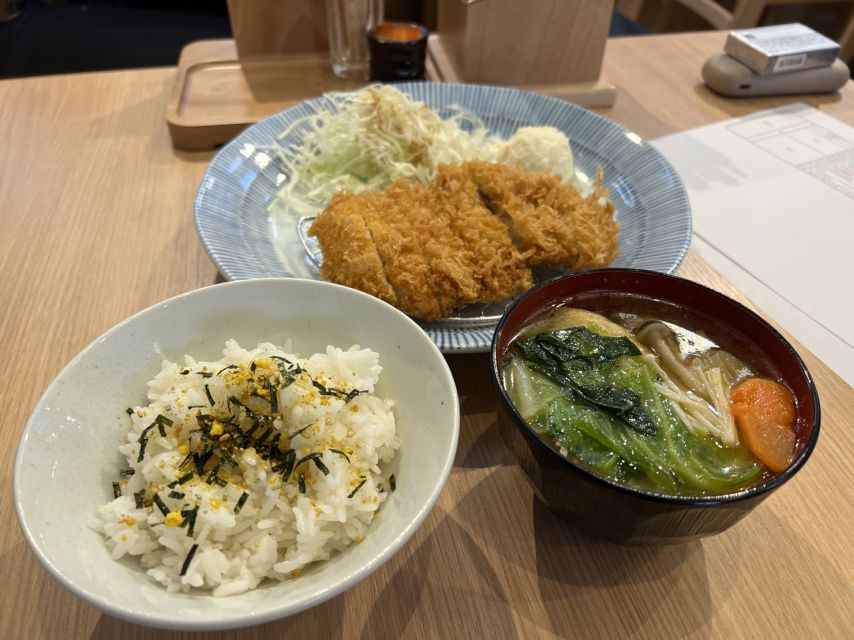
After the demonstrations, you sit down to Chanko Nabe, the hot pot traditionally associated with sumo wrestlers. The dish is served as lunch and is prepared by the wrestlers themselves.
Chanko Nabe is practical food: warm, filling, and made to support the stamina needed for demanding training. Here, it is not just a convenient meal added to a tour. It connects directly to the life of the wrestlers and gives you another way to understand their daily routine.
The meal has been described as plentiful and delicious, with some detailed accounts noting a three-course format as well as drinks and dessert. The formal inclusions list confirms lunch, but exact meal details can vary, so check the booking information if the extras matter to you.
The food is one of the strongest parts of the experience because it gives you time to talk and relax after the demonstrations. You are not rushing from one attraction to another. The meal creates a natural pause and lets the lesson continue in a more casual setting.
Vegetarian and Halal meals can be requested, but you need to note this when reserving or contact the provider by email at least two days before the activity. Do not wait until arrival. The supplied information does not provide a full ingredient list, so anyone with allergies should ask the provider directly before booking.
How much time and money should you allow
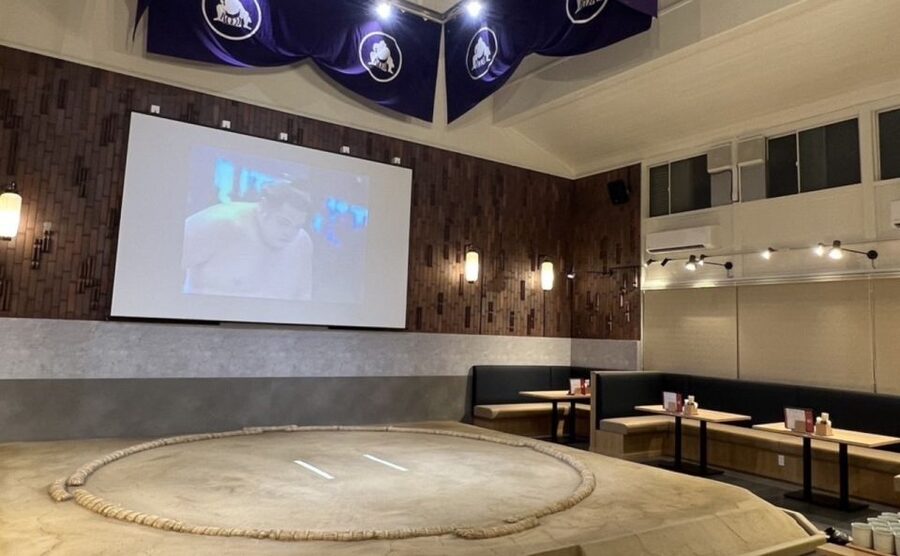
The price is $95 per person. That includes the entrance fee, participation, and lunch. You also receive a two-hour program taught in English by former professional sumo wrestlers.
I see the price as reasonable if you want both cultural explanation and personal interaction. A brief demonstration alone would be easy to find disappointing at this cost, but this experience adds instruction, audience participation, photographs, and a substantial meal.
The value is strongest for people who are new to sumo. You are paying for access to retired professionals, not simply a seat in a performance. The wrestlers explain what you are seeing and let you test the sport’s physical challenge in a safe, playful way.
The tradeoff is that the program is short. In two hours, you will get an introduction rather than a full study of sumo. You will not attend a major tournament, watch a full day of professional bouts, or tour every part of a training stable. If your main goal is live tournament action, this is a different kind of experience.
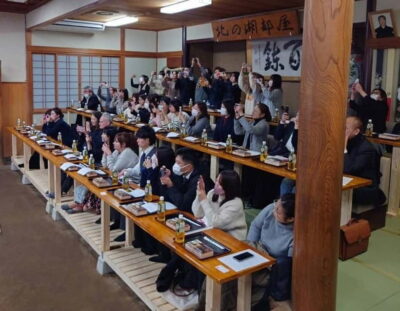
The advertised group size is limited to six participants, which should allow for personal interaction. One note says the room can include more tables and people than expected, but the operation remains organized and efficient. I would think of the six-person limit as the activity group rather than a guarantee that you will be alone in a tiny room.
Choosing this over a tournament visit
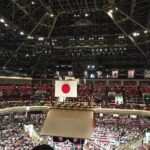
A tournament and this experience serve different purposes. At a tournament, you watch official bouts and see sumo as a major public sport. At this activity, you get explanation, direct contact, and a chance to participate.
Choose this experience if you want to understand the rituals and rules, or if you are visiting Tokyo outside the tournament calendar. It is also a strong choice when your group includes children or adults who may not sit through a full day of matches.
Choose a tournament instead if you mainly want the excitement of real competition. This activity uses former professionals and playful demonstrations, so it should not be mistaken for an official match.
For many people, the best plan would be to do both if time and budget allow. The workshop gives you the tools to appreciate a tournament later. After learning about stance, movement, and ritual, professional bouts become easier to follow.
Who will enjoy it most
I would recommend this experience to first-time visitors to Japan, families, couples, and small groups who want an activity with both food and culture. You do not need to know anything about sumo before arriving.
It also suits people who enjoy hands-on activities more than passive sightseeing. The lesson becomes memorable because you can watch the wrestlers, ask questions, take pictures, and possibly enter the ring.
The English instruction is a major help. You can learn the meaning behind the rituals without depending on a translation app or a short printed explanation.
People with mobility needs should note that the activity is wheelchair accessible. The supplied information does not explain the exact seating or ring layout, so it is sensible to confirm any specific access needs when booking.
This may be less suitable if you dislike audience participation or want a quiet, formal cultural presentation. The humor and playful wrestling are central to the format. You can choose not to participate, but you will still be part of an interactive room.
Practical advice before booking
Reserve dietary requests at least two days ahead. Vegetarian and Halal meals are available by request, but the provider needs advance notice.
Keep your voucher handy, since it contains the map to the exact meeting place. This matters because the venue changes between Asakusa on Mondays and Ryogoku on Thursdays.
Arrive before 1 PM. The activity starts on time, and the supplied information lists the doors opening at 12:40. If your voucher displays a different door time, follow the voucher.
Plan your afternoon around the meeting point. Since the tour ends where it begins and does not include transportation, you can continue sightseeing nearby after lunch rather than crossing Tokyo immediately.
The cancellation rule is generous but not last minute: cancel at least 10 days before the date for a full refund. That is worth remembering when arranging a packed Tokyo schedule.
Should you book the sumo experience?
I would book this if you want an approachable introduction to sumo with food, humor, and real contact with former professionals. The strongest features are the English explanations, the playful chance to wrestle, and the Chanko Nabe lunch prepared by the wrestlers.
I would skip it only if your priority is watching an official tournament bout or if you strongly dislike participating in group demonstrations. For everyone else, the two-hour format gives you a useful look at Japanese culture without taking over your day.
At $95, it is not a cheap lunch. It is a compact cultural program with instruction, entertainment, participation, and a meal. If that combination fits your interests, this is one of the better ways to make sense of sumo before you encounter it elsewhere in Japan.
FAQ
Where does the sumo experience take place?
On Mondays, it takes place in Asakusa. On Thursdays, it takes place in Ryogoku. The voucher provides a map and the exact meeting location.
What time does the activity start?
The activity starts at 1 PM and begins on time. The supplied information says the doors open at 12:40, so you should arrive before the start.
How long does the experience last?
The experience lasts two hours and ends back at the meeting point.
Is the experience conducted in English?
Yes. The instructor language is English, and the sumo explanations are given in English.
Is lunch included?
Yes. Lunch is included in the price, and the wrestlers prepare the Chanko Nabe hot pot themselves.
Can I request a vegetarian or Halal meal?
Yes. You need to note the request when booking or contact the provider by email at least two days before the activity.
Is the activity wheelchair accessible?
Yes. The activity is listed as wheelchair accessible. For detailed seating or access questions, contact the provider before booking.
More Lunch Experiences in Tokyo
More Sumo Experiences in Tokyo
More tours in Tokyo we've reviewed












Sumo Experiences, compared.
 ★ 4.8Tokyo: Sumo Show Experience with Chicken Hot Pot and a PhotoFrom $1032 hours
 ★ 4.8Tokyo: Sumo Show and Dining ExperienceFrom $7990 minutes - 2 hours
 ★ 5.0the SUMO showFrom $89
 ★ 5.0Tokyo Sumo Entertainment Show with Chicken Hot Pot and PhotoFrom $106
 ★ 4.6Tokyo: Sumo Tournament Tour with Chair Seat TicketsFrom $141
 ★ 5.0Tokyo Grand Sumo Tournament Viewing Tour with TicketsFrom $124