Reviewed · MT FUJI DAY TRIPS
Tokyo: Mt Fuji Area Guided Tour with Traditional Lunch
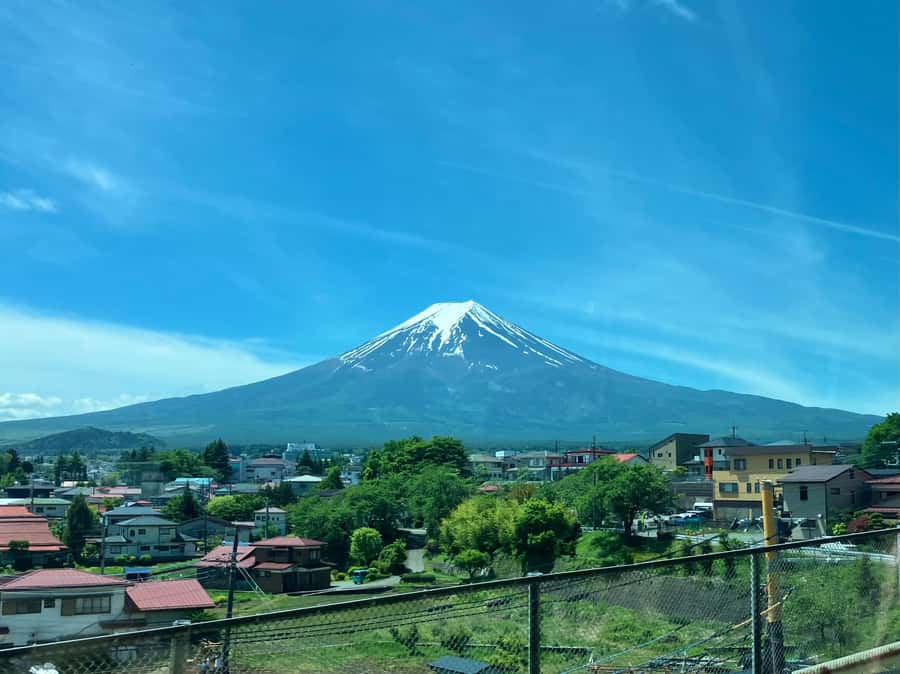
The big draw here is the chance to see several classic Mt. Fuji views in one day without sorting out buses, train connections, lunch, and local transport yourself. From Shinjuku, you ride into the Fuji area for the mountain’s 4th or 5th station, Lake Kawaguchi, Oishi Park, and the famous pagoda view at Arakura Sengen Shrine.
In This Article
- Key points to know before booking
- Why this day trip works from Tokyo
- The long ride from Shinjuku
- Mt. Fuji’s 4th or 5th station
- Oshino Hakkai when the mountain road is closed
- A traditional lunch at Hotel Regina Kawaguchiko
- Oishi Park and Lake Kawaguchi
- Arakura Sengen Shrine and the famous pagoda view
- The weather question: how much does it matter?
- How much time do you spend on the bus?
- Who will get the most from this tour?
- Booking details that affect your day
- Should you book this Mt. Fuji day trip?
- FAQ
- How long is the Mt. Fuji tour from Tokyo?
- Where does the tour start?
- Where does the tour finish?
- Does the tour always visit Mt. Fuji’s 5th station?
- Is lunch included?
- Can I request a vegetarian lunch?
- How difficult is the walk to the Arakura Sengen Shrine viewpoint?
- Is Mt. Fuji guaranteed to be visible?
- Is the tour suitable for children and wheelchair users?
I like the traditional Japanese lunch, served at Hotel Regina Kawaguchiko, and I like the way the guide fills the long bus rides with useful cultural context. Guides such as Makoto, Aki, Atsushi, Kiki, and Yumi have been praised for keeping the day friendly and informative. The main drawback is time: with roughly five and a half hours on the bus, this is a long day of sitting, and Fuji can disappear behind clouds despite your best plans.
Key points to know before booking
- Mt. Fuji’s 5th station depends on road conditions: If the Fuji Subaru Line is open, the bus goes to the 4th or 5th station. If it is closed, the route switches to Oshino Hakkai Village.
- The Chureito Pagoda view requires about 400 steps: Arakura Sengen Shrine is rewarding, but this is not a completely gentle sightseeing day.
- Lunch is a genuine Japanese-style meal: Vegetarian food is available only if requested by 15:00 the day before. Halal and vegan menus are not offered.
- Oishi Park gives you a Lake Kawaguchi photo stop: You get about 20 minutes, enough for pictures and a quick look, but not a long lakeside visit.
- The English guide matters: Guides have used maps, pictures, Japanese counting lessons, songs, and local stories to make the bus time useful.
- You return to Shinjuku, not Tokyo Station: The tour finishes near Shinjuku Station’s West Exit around 17:30 to 18:30, depending on traffic.
Why this day trip works from Tokyo
Mt. Fuji is close enough to visit from Tokyo, but reaching the best viewing points on your own takes planning. Trains do not take you to every stop, buses can be affected by weather and seasonal road closures, and the area spreads around several lakes and mountain access roads.
This tour solves that problem with one coach and one English-speaking guide. You leave from Shinjuku, ride directly toward the Fuji area, and spend the day moving between mountain viewpoints, a village, a lakeside park, a shrine, and lunch.
The price is about $96 per person. That is a fair deal if you value convenience and want a broad first look at the area. You are paying for the coach, licensed guide, organized route, and lunch, not just transportation. A self-guided visit could cost less in some cases, but it would not be as simple, and you would likely spend more time working out connections.
The tradeoff is fixed timing. You cannot linger at one favorite view or replace a crowded stop with a quiet walk. This is a sampler of the Mt. Fuji region, not a slow rural escape.
A few more Tokyo tours and experiences worth a look
The long ride from Shinjuku
There are two possible starting points: the Hato Bus Shinjuku Station East Exit meeting point or the Hato Bus Tokyo office, depending on the option you book. Check your booking carefully, then allow time to find the correct departure point. Hotel pickup is not included.
The outward bus ride takes about three hours. That sounds long, and it is. The upside is that your guide can explain the region while you sit comfortably and watch Tokyo give way to the countryside.
Makoto has been especially good at making this time feel less like dead travel time. He has used printed maps to explain the lakes around Mt. Fuji, taught basic Japanese counting, and even introduced the group to a Mt. Fuji song. Other guides, including Kiki, Aki, Atsushi, Sophie, and Yumi, have also been praised for their humor, patience, and clear explanations.
The quality of the day depends partly on the guide’s style. English ability can vary, but the strongest guides make a clear effort to answer questions and keep everyone on schedule. You should expect commentary and entertainment, though not a private guide tailored to your interests.
There are comfort breaks during the day, but remember that the return ride can take around two and a half hours. Traffic around Tokyo can stretch the schedule, so do not book a tight evening reservation after the tour.
Mt. Fuji’s 4th or 5th station
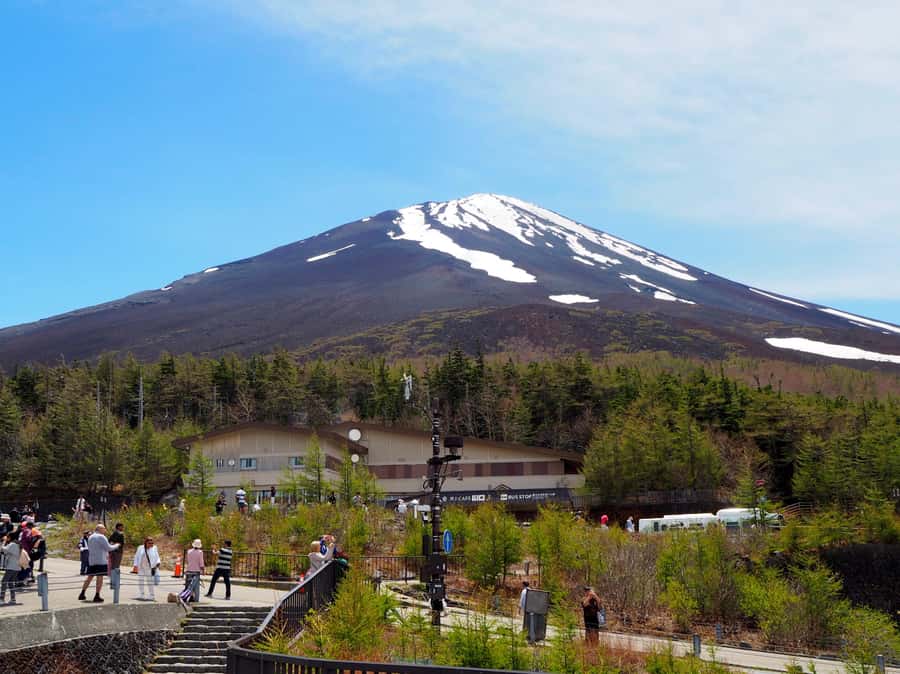
When the Fuji Subaru Line is open, the coach climbs toward Mt. Fuji’s 4th or 5th station. The scheduled stop lasts about 40 minutes.
The 5th station is the highest point most visitors can reach by road on the mountain. It is not the summit, and this visit is not a hiking expedition. Think of it as a mountain access point with high-elevation views, a chance to feel closer to Fuji, and time for photos.
The weather can change quickly here. Even on a clear day in Tokyo, clouds may cover the mountain or block the view from the station. A jacket is a smart choice, and comfortable clothes and shoes are recommended.
The 40-minute stop is enough for a look around and pictures, but not enough for a long walk. If the weather is poor, the stop may feel brief and underwhelming. If the mountain is clear, it can be one of the most memorable parts of the day.
Road access is not guaranteed. If the Fuji Subaru Line is closed, the tour visits Oshino Hakkai Village instead. This is an important point when comparing the tour with a trip built around the 5th station alone.
Oshino Hakkai when the mountain road is closed
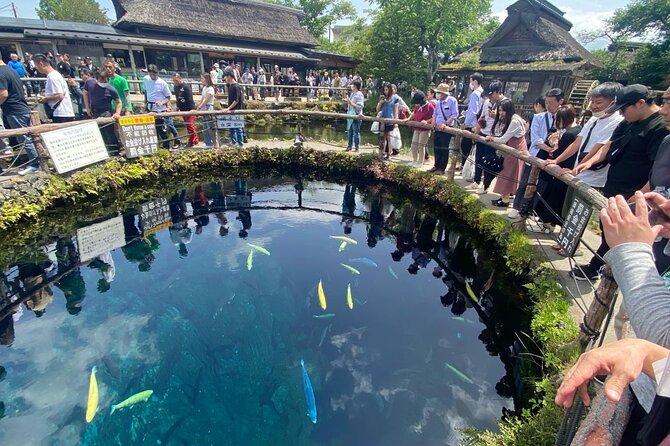
Oshino Hakkai is the backup destination when the road to the 4th or 5th station cannot be used. It offers a different view of the Fuji area, with traditional-style Japanese buildings and a rural village setting.
This substitution makes sense because it gives you a place-based experience rather than simply removing a stop. You may find the village more atmospheric than the mountain station, especially when clouds are already hiding Fuji.
Still, if reaching the 5th station is your main reason for booking, you should understand that it is conditional. The tour does not guarantee the station, and weather or road conditions can change the route.
A traditional lunch at Hotel Regina Kawaguchiko
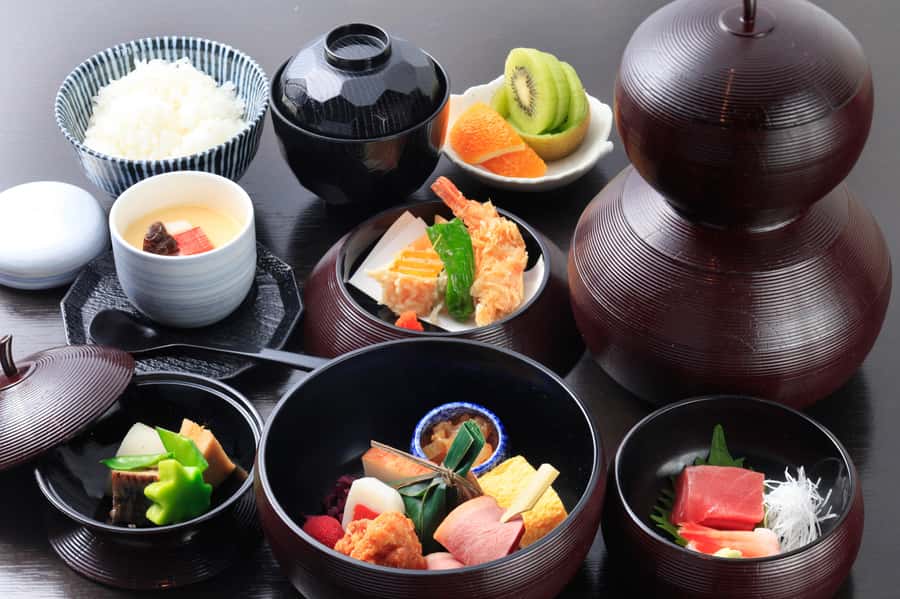
Lunch is scheduled at Hotel Regina Kawaguchiko and lasts about 50 minutes. The meal is Japanese-style, with a range of dishes rather than a single basic entrée.
This is one of the tour’s strongest features. You get to try a traditional meal without having to choose a restaurant in an unfamiliar area or worry about losing time. Several people have described the food as a highlight, and the meal has been praised for its variety and presentation.
Vegetarian food is available, but you must request it in advance, no later than 15:00 the day before the tour. Be specific when booking. Halal and vegan menus are not available.
Drinks at lunch are not included. Bring money if you want something beyond the meal provided. The schedule is fairly tight, so lunch is a planned stop, not an open-ended restaurant visit.
Other guided tours in Tokyo


Oishi Park and Lake Kawaguchi
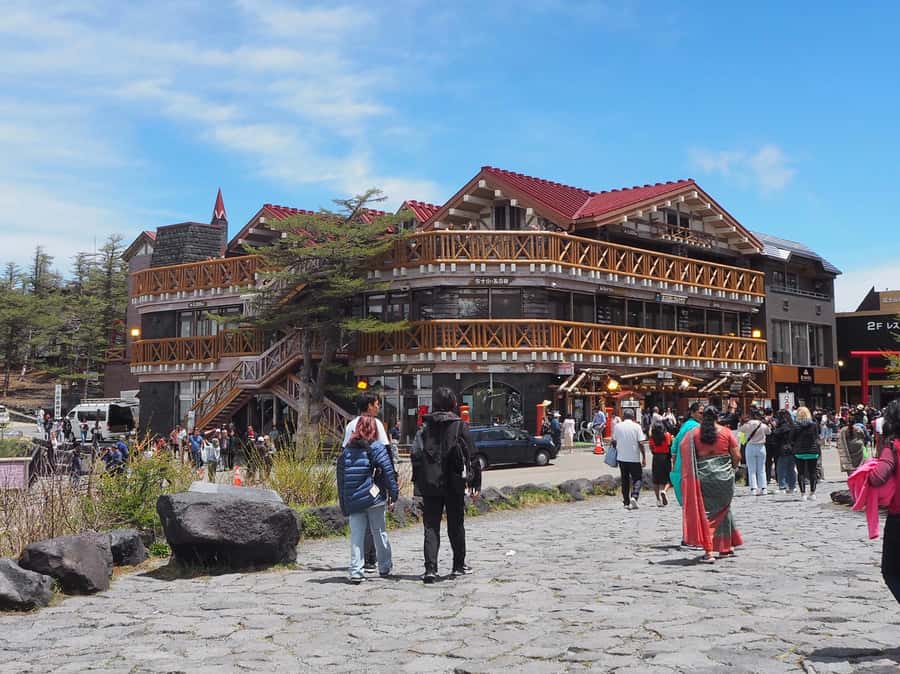
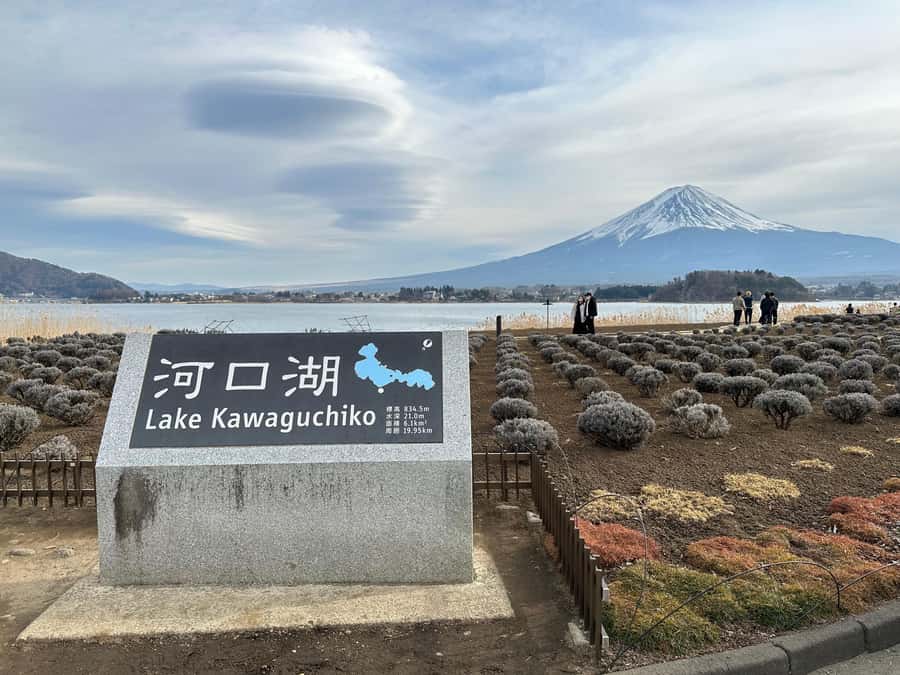
Oishi Park is the tour’s main Lake Kawaguchi photo stop. You get around 20 minutes to see the park, take pictures, and look across the lake toward Mt. Fuji when the weather cooperates.
The view here is often the classic one people hope to find: water in the foreground, Fuji rising beyond it, and seasonal gardens or local produce adding interest around the park. The exact scene changes with weather and time of year.
Twenty minutes goes quickly. You can take photographs and get a taste of the area, but you will not have time for a long lakeside stroll or a relaxed visit to every part of the park. If Lake Kawaguchi is a personal priority, you may wish for more time here.
That limitation is part of the tour’s design. The coach is trying to cover several well-known sights in one day. You see more places, but each visit is short.
Arakura Sengen Shrine and the famous pagoda view
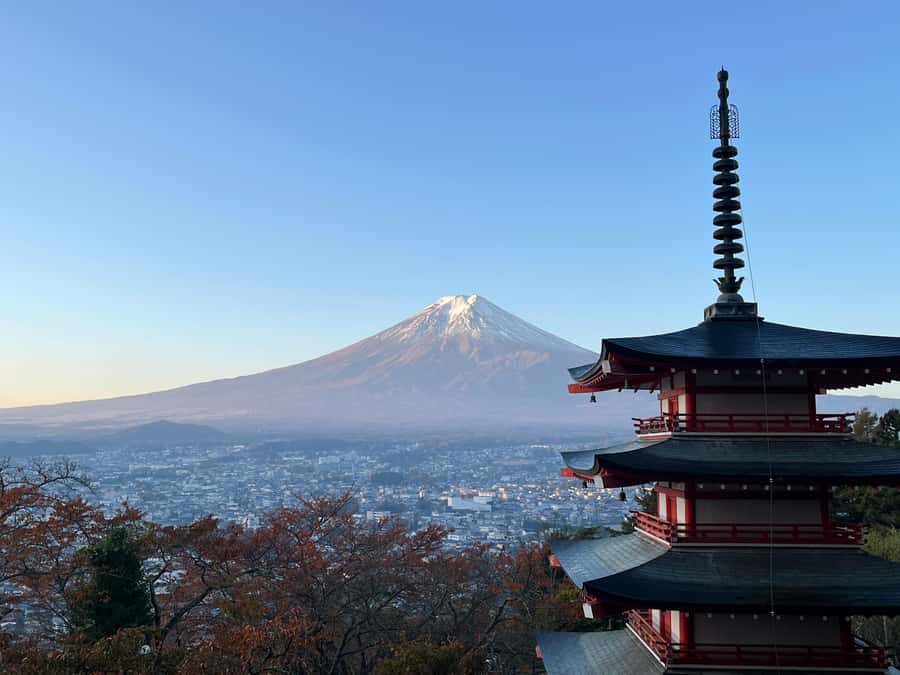
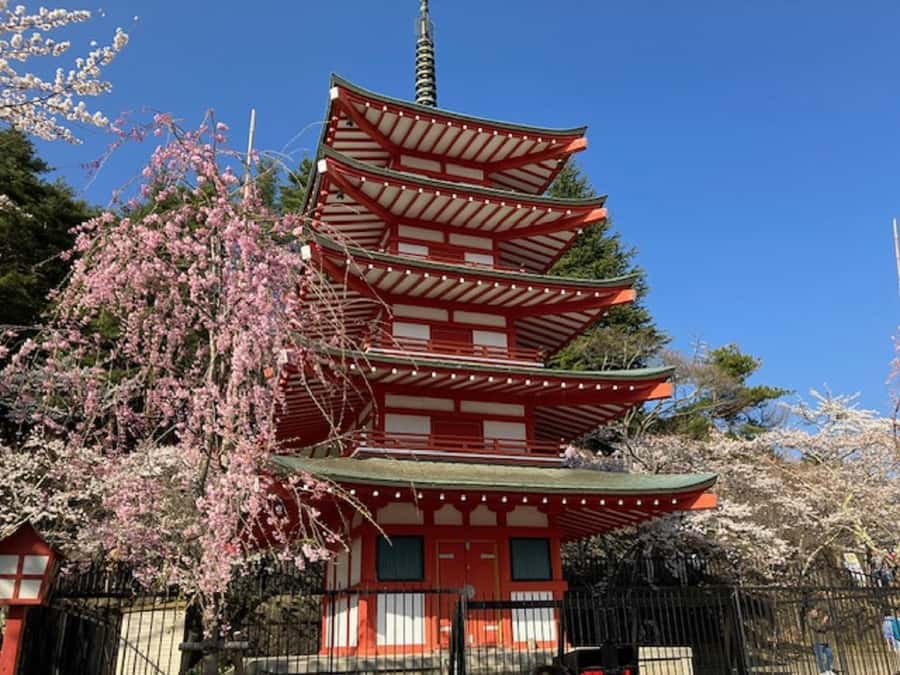
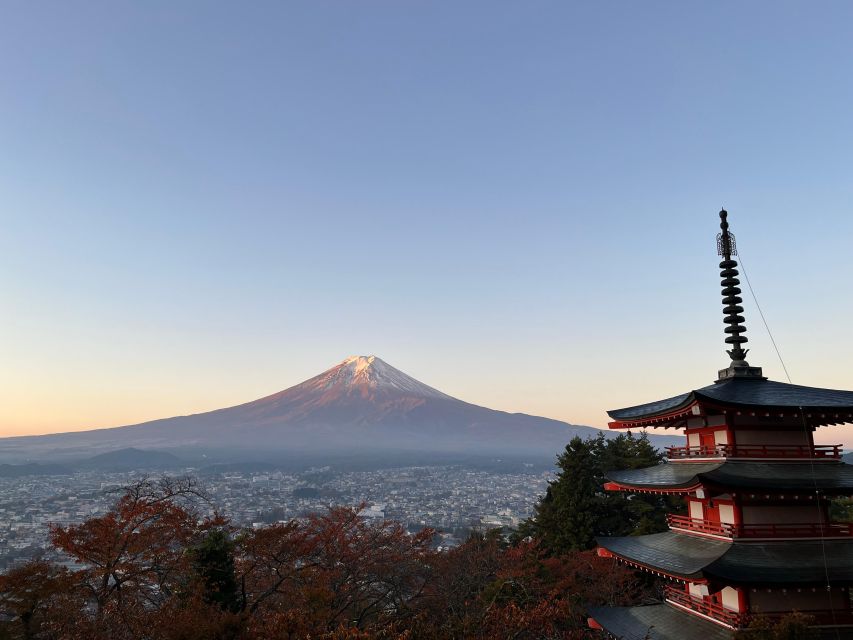
The final major sightseeing stop is Arakura Sengen Shrine, known for the view of Mt. Fuji behind the traditional five-story pagoda. This is the picture many people associate with Japan, and the viewpoint is a major reason to choose this day trip.
The scheduled visit lasts about 70 minutes. Reaching the viewpoint requires roughly 400 steps, so wear shoes with a good grip and be ready for a climb. The route is manageable for many people, but it can be tiring after a full day of sightseeing.
The climb gives the stop more substance than a simple roadside photo break. You walk through a shrine setting and earn the view rather than stepping off the bus directly beside it. On the other hand, anyone with limited mobility should consider the stairs carefully. The tour is listed as wheelchair accessible, but the viewpoint itself involves steps, and getting on and off the bus also requires navigating a few steps.
Try to keep your pace steady. You will need enough time at the top for photos and enough time to return to the bus. The guide will keep the group moving, since a late departure can affect every stop and the return to Tokyo.
Mt. Fuji may be hidden from this viewpoint too. The tour does not offer a refund when clouds or rain block the mountain. That policy is reasonable for a natural sight, but it is important to accept before booking.
The weather question: how much does it matter?
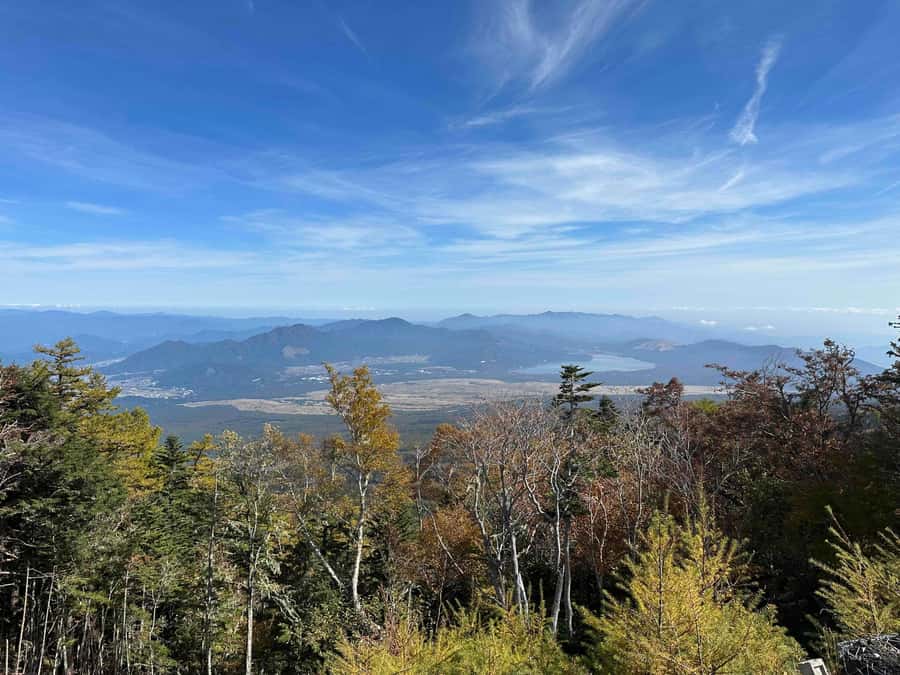
Weather is the biggest variable in this experience. The tour can still provide a good day when Fuji is hidden, but the emotional payoff changes.
On clear days, you can see the mountain from several angles: from the 5th station or Oshino Hakkai, from Oishi Park across Lake Kawaguchi, and from the pagoda viewpoint. In spring, the combination of Mt. Fuji and cherry blossoms can be striking. In other seasons, the lake, gardens, and village scenery still give the day variety.
On cloudy or rainy days, the shrine, pagoda, lunch, and cultural explanations remain. One person described the tour as worthwhile even after seeing only the peak briefly at the mountain base. Another found the day disappointing because rain blocked Fuji almost completely.
I would check the forecast before booking if your dates are flexible. Do not assume that a clear morning in Tokyo means a clear view at Fuji. If seeing the mountain is your only goal, a tour with no visibility guarantee carries real risk.
How much time do you spend on the bus?
The total duration is nine hours, or 630 minutes. The stated driving schedule is roughly three hours out and two and a half hours back. Once traffic, stops, and local roads are included, you should expect a large part of the day to be spent seated.
That is the main weakness of the trip. One participant estimated six to seven hours on the bus and found the sitting tiring. The timing is understandable because the Fuji area is spread out and Tokyo traffic can be heavy, but you should not book this expecting a relaxed half-day outing.
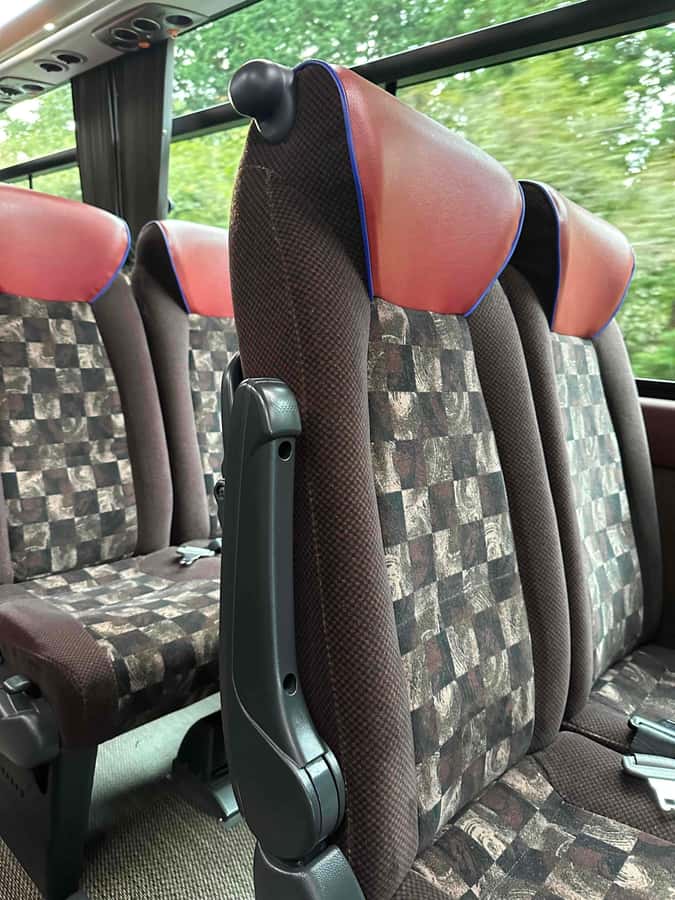
The bus is a useful advantage for families and first-time visitors. You can rest between stops, avoid transfers, and let the driver handle unfamiliar roads. The driver may not provide English commentary, but the guide handles the explanations.
Bring water, a light jacket, and anything that helps you stay comfortable during a long ride. Keep your shoes practical for the shrine stairs rather than dressing only for photographs.
Who will get the most from this tour?
I would recommend this trip to you if you are staying in Tokyo for a limited time and want a broad introduction to the Mt. Fuji region. It suits first-time visitors who want the famous views, a traditional meal, and a guide to explain what they are seeing.
It is also a good fit if you do not want to manage several local buses or worry about weather-related changes. The guide can adjust the route when the Fuji Subaru Line is closed, and the schedule keeps the day organized.
Families should note that children under six can travel free, but they do not receive their own seats. That may be fine for a very young child, but it is worth considering during a long bus day.
You may want another plan if you dislike coach tours, need substantial free time, or want to hike. The 400-step climb is short compared with a mountain trek, while the 5th station visit does not take you near the summit. The schedule is busy, and the stops are popular rather than secluded.
Booking details that affect your day
The tour is conducted in English with a live English-speaking guide. A licensed guide is included, as is the Japanese lunch. Hotel pickup and drop-off are not included.
You can cancel up to 24 hours before departure for a full refund, and the reserve-now, pay-later option gives you some flexibility. Starting times vary, so check availability for your chosen date.
The tour returns to the Shinjuku Station West Exit area around 17:30 to 18:30, depending on traffic. It does not return to Tokyo Station. The guide can explain how to continue to your hotel or another part of Tokyo, but you should leave some time for the final journey.
Should you book this Mt. Fuji day trip?
Book it if you want convenience, several famous viewpoints, and a Japanese lunch in one organized day. At $96, the coach, guide, route planning, and meal make the price reasonable, especially for a first visit.
Go in with clear expectations. The day is long, the bus rides are substantial, and Fuji may be hidden. The 5th station can be replaced by Oshino Hakkai, Oishi Park gets only about 20 minutes, and the Chureito viewpoint requires 400 steps.
For a first look at Mt. Fuji from Tokyo, I think this is a sensible choice. Guides such as Makoto and Atsushi have added real value with stories, maps, humor, and practical help. If you want to hike, linger by Lake Kawaguchi, or control every hour of your day, take the train and plan independently instead.
FAQ
How long is the Mt. Fuji tour from Tokyo?
The tour lasts nine hours, or 630 minutes. The return time to the Shinjuku area is usually around 17:30 to 18:30, depending on traffic.
Where does the tour start?
The available meeting point may be the Hato Bus Shinjuku Station East Exit or the Hato Bus Tokyo office, depending on the option booked.
Where does the tour finish?
The tour finishes at the Shinjuku Station West Exit area. It does not return to Tokyo Station.
Does the tour always visit Mt. Fuji’s 5th station?
No. If the Fuji Subaru Line is open, the coach goes to the 4th or 5th station. If the road is closed, the tour visits Oshino Hakkai Village instead.
Is lunch included?
Yes. A Japanese-style lunch at Hotel Regina Kawaguchiko is included. Drinks are not included.
Can I request a vegetarian lunch?
Yes, but you must request it by 15:00 the day before the tour. Halal and vegan menus are not available.
How difficult is the walk to the Arakura Sengen Shrine viewpoint?
The viewpoint requires a climb of about 400 steps. Comfortable shoes and clothes are recommended.
Is Mt. Fuji guaranteed to be visible?
No. Visibility depends on the weather, and there is no refund when clouds or rain block the mountain.
Is the tour suitable for children and wheelchair users?
Children aged zero to under six can travel free, but they do not receive their own seats. The tour is listed as wheelchair accessible, though you still need to manage a few steps when boarding and leaving the bus, and the shrine viewpoint has about 400 steps.
More Lunch Experiences in Tokyo



More Guided Tours in Tokyo
More Mt Fuji Day Trips in Tokyo

More tours in Tokyo we've reviewed












Mt Fuji Day Trips, compared.
 ★ 5.0Mt Fuji and Hakone 1-Day Bus Tour Return by Bullet TrainFrom $163
 ★ 4.0Mt Fuji & Hakone Cruise, Drum Show Bullet Train 1 Day from TokyoFrom $149
 ★ 4.4Tokyo Mt Fuji 5th St & Hakone Cruise Bus Tour w/Bullet TrainFrom $15410 hours
 ★ 4.5From Tokyo: Mount Fuji Full-Day Sightseeing TripFrom $6810 hours
 ★ 4.7Tokyo: Mt. Fuji Tour, Hakone Ropeway, Owakudani, Lake AshiFrom $5410 hours
 ★ 4.4Tokyo:Mt.Fuji,Kawaguchiko Oishi Park,Arakurayama Sengen ParkFrom $5410 hours