Reviewed · LUNCH EXPERIENCES
Nagano Snow Monkey 1 Day Tour with Beef Sukiyaki Lunch from Tokyo
The great hook here is simple: you leave Tokyo’s towers behind and reach a snowy mountain valley where wild Japanese macaques sometimes sit in steaming hot springs. The monkeys are close, calm, and wonderfully unconcerned with your camera.
In This Article
- Key points to know before booking
- What this Tokyo day trip is really like
- The long ride from Shinjuku to Nagano
- Shinshu Fruitsland and the sukiyaki lunch
- The walk to Jigokudani Monkey Park
- Watching the snow monkeys at the hot springs
- The seasonal Kamakura snow huts
- Weather, clothing, and the best season
- Who will enjoy this trip most
- Is $151.96 a fair price?
- Final advice: should you book it?
- FAQ
- How long is the Snow Monkey tour from Tokyo?
- Where does the tour meet in Tokyo?
- Is lunch included?
- How difficult is the walk to the monkey park?
- Are crampons included?
- Will I definitely see monkeys in the hot springs?
- Can I cancel for a refund?
I like two things especially. The coach removes a complicated day of connections, and the included sukiyaki lunch gives the outing a proper Japanese meal rather than a rushed snack. I also like the guides’ role: Yoshi, Harry, Mary, Chee, Shin, Thomas, and Jay have all been praised for making the long ride more enjoyable with useful commentary.
The catch is the distance. This is about 13 hours, with roughly four hours each way on the road and a 30 to 45 minute walk from the parking area to the monkey park. In snow or ice, that walk can be slippery, tiring, and much less relaxing than the word day trip might suggest.
Key points to know before booking
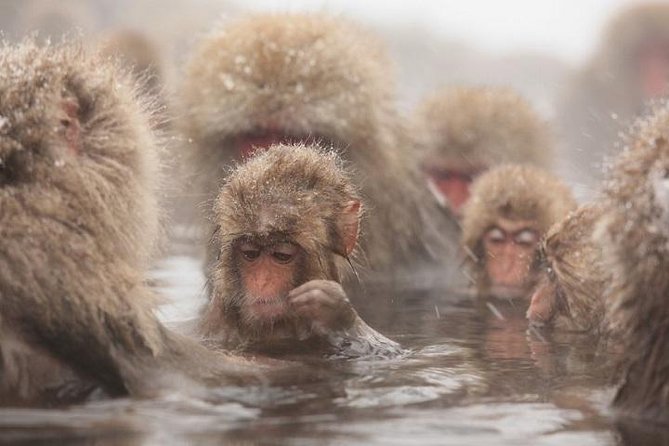
- The monkeys are wild: They may not enter the hot springs, especially in warmer weather, and you must not touch, feed, or stare at them.
- The walk takes 30 to 45 minutes: Expect an uphill route of more than 2 kilometers from the parking area, often on snow or ice.
- Sukiyaki comes first: Lunch at Shinshu Fruitsland includes beef hot pot, with pork, vegetarian, and vegan alternatives available if requested at booking.
- Winter gives you the best odds: Cold or snowy days are most likely to bring macaques into the hot springs.
- The coach ride is long but organized: The tour leaves Shinjuku at 8:00 a.m., uses a comfortable vehicle, and includes service-area stops.
- The snow huts are seasonal: Kamakura no Sato is an extra stop during the winter festival period, with dates varying by season.
What this Tokyo day trip is really like
At $151.96 per person, this is not a cheap add-on to a Tokyo visit. But it solves a real travel problem. Jogokudani Monkey Park is far from the capital, and arranging the trains, local transport, park entrance, lunch, and return trip on your own takes time and careful coordination.
You are paying for a full-day coach outing, an English guide, guided commentary, park admission, and lunch. The value is strongest if you have limited time in Japan and want the snow monkeys without changing hotels or working out a complicated route.
The tradeoff is time. You spend much of the day seated on the bus, and the park visit can feel short once the long drive and mountain walk are counted. If you have several spare days in Nagano, an overnight stay would give you more freedom. If you have only one Tokyo base and a strong interest in the macaques, this organized trip makes practical sense.
The tour begins at 8:00 a.m. beside the Robert Indiana LOVE sculpture near Shinjuku Station. Arrive early. The bus may leave at the scheduled time, and late arrivals are not allowed to join later or receive a refund.
A few more Tokyo tours and experiences worth a look

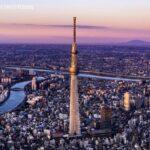
The long ride from Shinjuku to Nagano
The coach is climate-controlled and generally comfortable, which matters on a day that lasts from morning until evening. The route usually includes a drive of about two hours before a rest stop, followed by another hour or more before lunch, though road conditions can change the timing.
Guides provide English commentary during the ride. The strongest departures seem to benefit from guides who balance information with restraint. Mary and Chee, for example, helped make the long journey more enjoyable, while Yoshi was praised for adding useful information about Japan. Harry and his assistant also received warm praise for making the day feel relaxed and educational.
Guide quality can vary by departure, and English pronunciation may not always be easy to follow. Still, the guide is useful for keeping the schedule clear, explaining the park rules, and helping the group understand what to expect at the mountain entrance.
Traffic is the biggest unknown. The advertised duration is approximately 13 hours, and one departure returned to Shinjuku around 7:45 p.m. If traffic is heavy, time at the service area on the way back may be limited. Dinner is not included, so plan to buy snacks or something simple during the return stop.
Shinshu Fruitsland and the sukiyaki lunch
The first scheduled stop is Shinshu Fruitsland, where lunch is served before the monkey park visit. The meal is beef sukiyaki, a Japanese hot pot in which thinly sliced beef and other ingredients are cooked at the table in a sweet-savory broth.
That warm meal is a smart choice before the cold walk. Several menus are possible depending on supplies, so do not treat the exact dish as guaranteed. Beef can be changed to pork, and vegetarian or vegan meals are available. Vegetarian meals include egg and dairy, while the vegan option is fully plant-based. Request your choice when booking.
The lunch stop lasts about an hour. You can also browse local delicacies and souvenirs at Shinshu Fruitsland, though this is not a major shopping excursion. Think of it as a useful meal stop with a chance to see regional products.
I like having lunch near the start rather than waiting until after the hike. You can eat properly, warm up, and then focus on the park. The limitation is that the menu is set for the group, so this is not the outing for travelers who want a long, flexible restaurant experience.
The walk to Jigokudani Monkey Park
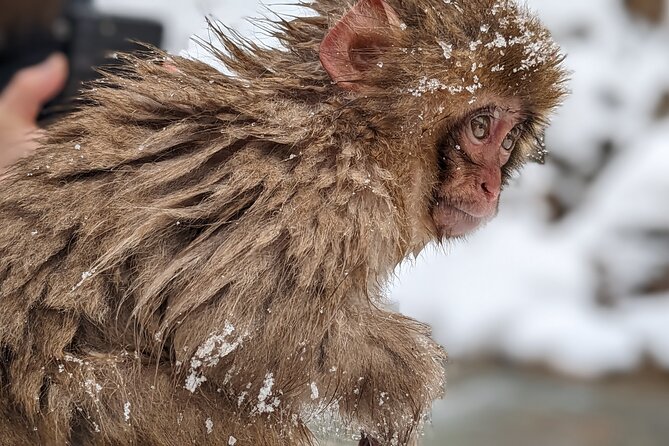
This is the part many people underestimate. From the parking area, it takes more than 30 minutes to reach Jigokudani Yaen-Koen, the official name of the monkey park. A normal pace may take closer to 45 minutes, especially in snow, mud, or ice.
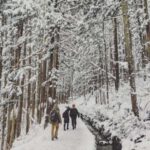
The route is uphill for much of the way and covers roughly 2 to 3 kilometers before you reach the viewing area. It is not a technical mountain hike, but it does require steady walking and good balance. Recent snowfall can leave the path muddy and slick, while packed ice can be more troublesome than fresh snow.
Wear waterproof shoes with a strong grip. Non-slip footwear is essential. Optional crampons, or small traction devices for your shoes, are sold on the bus when available. Bring cash for them, since buying a pair may be the easiest way to protect yourself on an icy day. One person found the walkway treacherous without ice spikes, and another saw several people lose their footing.
The guide may not be able to wait for every person to fit crampons, so put them on promptly when offered. Walk carefully, leave enough space around other people, and do not assume that a sunny day means safe conditions.
This walk is part of the experience, not just an inconvenient transfer. The snowy forest and mountain setting are a large part of the appeal. But if you have knee, balance, or mobility concerns, consider the physical demands seriously before paying.
Watching the snow monkeys at the hot springs
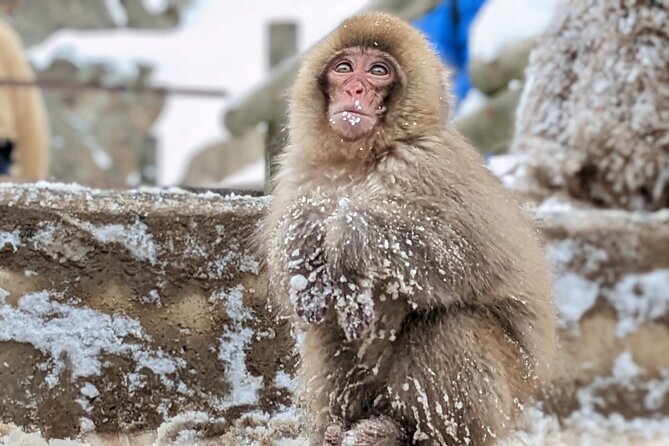
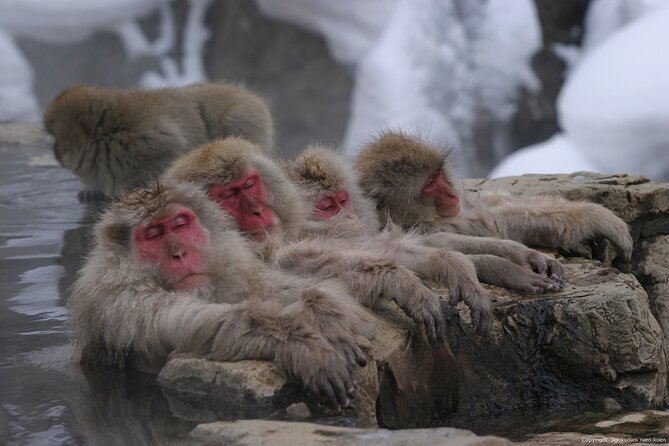
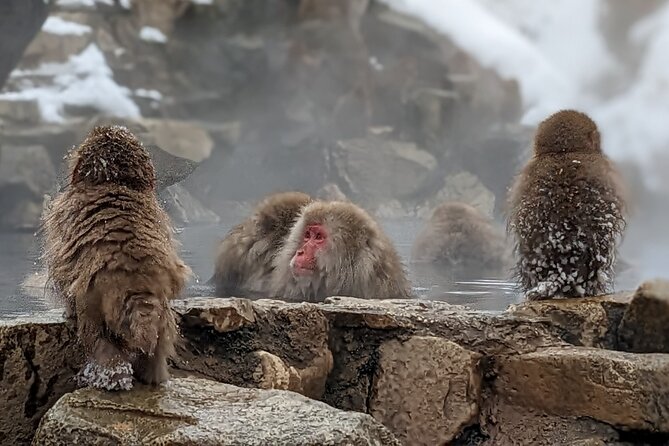
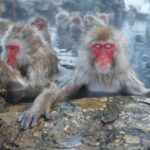
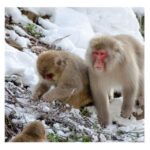
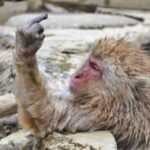
Jigokudani Monkey Park sits about 850 meters above sea level in Nagano Prefecture. Its Japanese macaques are famous for using the outdoor hot springs during cold weather, giving you the unusual sight of red-faced monkeys sitting in warm water while snow covers the surrounding area.
The best viewing is not a staged animal show. These are wild animals living in their own territory. They may groom one another, wander along the paths, sit near the water, or ignore the hot springs completely. The macaques do not spend most of their time bathing, and warm weather can keep them out of the pools.
Your best chance of seeing bathing monkeys comes on a cold or snowy day. Around 0 degrees Celsius is favorable, and fresh snowfall can make the scene especially memorable. From mid-March, the monkeys may stop entering the hot springs depending on the weather. Even in late March, a snowy day gives you better odds than a mild one.
Do not touch or feed the macaques. Do not stare directly into their eyes, since they can react aggressively. Keep your distance and follow park instructions. The animals may come close to the path, sometimes passing near your feet, but closeness is not an invitation to interact.
The scheduled park visit lasts about two hours. That sounds generous until you subtract the walk in and out. You may have roughly an hour near the monkeys, depending on the pace of the group and the conditions. Some people find that enough, especially when many macaques are present. Others wish they had more time.
Photography is easy in theory, but cold hands, crowds, falling snow, and moving animals make patience useful. The reward is not a single guaranteed bathing pose. It is watching the macaques behave naturally in a remarkable setting.
A few more Tokyo tours and experiences worth a look


The seasonal Kamakura snow huts
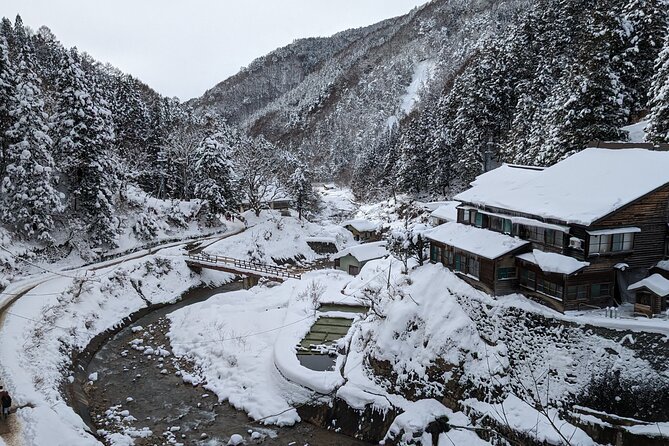
Between late January and late February, the tour may include a 30-minute stop at Kamakura no Sato to see illuminated snow huts. These small structures, known as kamakura, give the day a second winter scene beyond the monkey park.
The extra stop is seasonal and should not be treated as part of every departure. The general tour information lists the additional visit from January 20 to February 26, while the 2026 festival information gives an opening period of January 23 to March 1. Check the date attached to your booking, since festival schedules and road conditions can affect the plan.
The stop is brief, but it adds atmosphere after the park. You will not have time for a long visit, so think of it as a short viewing stop rather than a second full attraction.
Weather, clothing, and the best season
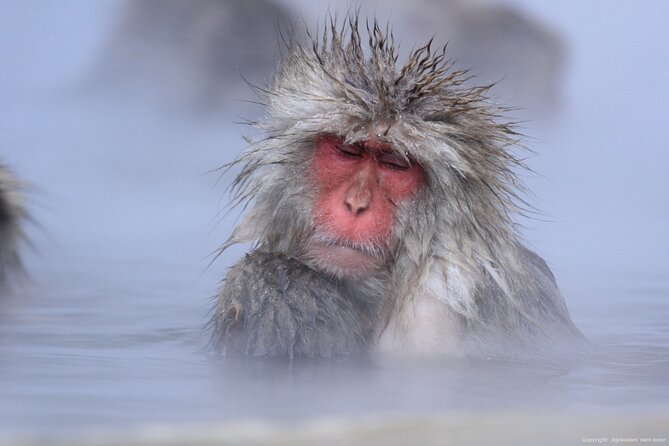
Winter is the clear choice if the hot springs are your main goal. Cold weather encourages the macaques to use the pools, and snow makes the setting look as you probably imagined it.
Dress in warm layers, and protect your hands and feet. Waterproof footwear with grip matters more than fashionable footwear. You should also be prepared for a cold wait outside, since the monkeys decide when and where they move.
Weather can change the schedule, and the tour may be canceled in poor conditions. If that happens, you are offered another date or a full refund. Road conditions can also change the order and length of stops.
Spring is less predictable. From mid-March, warmer days may mean fewer monkeys in the hot springs. A late-March snowfall can still produce a good sighting, but there is no guarantee.
Who will enjoy this trip most
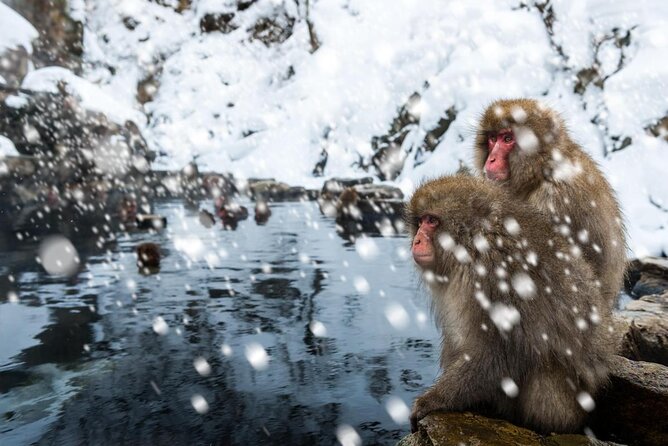
I would choose this outing if you have a Tokyo hotel base, one free day, and a real interest in wildlife or winter scenery. It also suits families and small groups who prefer having transport, lunch, and a guide arranged in advance.
The tour is a good fit for people with moderate fitness who can manage a long day, a lengthy coach ride, and an icy uphill walk. The park is not a place for casual city shoes.
I would hesitate if you dislike buses, have little patience for fixed schedules, or want several relaxed hours with the monkeys. I would also think twice if your main goal is a hot spring visit rather than animal watching. The monkeys use the water, but you cannot count on seeing them there.
A self-planned overnight trip near Nagano would offer more time and flexibility. This coach tour wins on ease. You meet in central Shinjuku, ride directly toward the park, eat lunch, receive commentary, and return to the same meeting point without changing hotels.
Is $151.96 a fair price?
The price makes sense when you add up the distance and included items. You receive round-trip transport from Tokyo, an English guide, commentary, the monkey park admission ticket, and a full Japanese lunch.
It is less compelling if you already have transport in Nagano or plan to spend several days in the area. In that case, paying for a fixed Tokyo day trip may limit your time.
For most Tokyo-based visitors, I see the cost as a convenience fee for a difficult day trip. You are not buying a luxurious expedition. You are buying a practical way to reach a remote attraction without handling the logistics yourself.
The maximum group size is 45 people, so this is a coach tour rather than a private experience. That keeps the price below a private guide, but it also means you need to stay aware of meeting times and follow the group’s walking pace.
Final advice: should you book it?
Book this tour if seeing Japanese macaques in a snowy mountain setting is high on your Japan wish list and you want the simplest route from Tokyo. The combination of direct coach transport, sukiyaki lunch, English commentary, and park admission is useful, and the monkeys can be extraordinary when cold weather brings them into the pools.
Do not book it expecting a quick attraction or a guaranteed bathing scene. Plan for a long day, a 30 to 45 minute slippery walk each way, limited time at the park, and no included dinner.
My practical call is yes, with the right preparation: choose a cold-season date, wear waterproof shoes with serious grip, arrive early at the LOVE sculpture, request your meal preference in advance, and carry money for crampons and return snacks. For a one-day wildlife outing from Tokyo, that is a fair exchange for a memorable view of animals behaving on their own terms.
FAQ
How long is the Snow Monkey tour from Tokyo?
The tour lasts approximately 13 hours. It starts at 8:00 a.m. in Shinjuku and ends back at the same meeting point, with one departure returning around 7:45 p.m.
Where does the tour meet in Tokyo?
The meeting point is the Robert Indiana LOVE sculpture at 6-chōme-5-1 Nishishinjuku, Shinjuku City, Tokyo 160-0023, Japan.
Is lunch included?
Yes. Lunch is beef sukiyaki at Shinshu Fruitsland. Beef can be changed to pork, and vegetarian or vegan meals are available if requested when booking. The exact menu may change based on available provisions.
How difficult is the walk to the monkey park?
The walk from the parking area to Jigokudani Yaen-Koen takes more than 30 minutes and may take about 45 minutes at an average pace. It is uphill in places and can be snowy, muddy, or icy. Moderate physical fitness and non-slip shoes are recommended.
Are crampons included?
No. Optional crampons are sold onboard the bus when available. The tour advises you to bring non-slip shoes, and crampons can be useful on icy sections.
Will I definitely see monkeys in the hot springs?
No. The macaques are wild animals and may not be present when you visit. They do not spend most of their time in the water, and from mid-March they may avoid the hot springs during warmer weather. Cold or snowy conditions offer the best chance.
Can I cancel for a refund?
You can cancel at least 24 hours before the experience start time for a full refund. Cancellations or changes made less than 24 hours in advance are not accepted for a refund. If poor weather or an insufficient number of participants cancels the tour, you are offered another date or a full refund.
More 1-Day Tours in Tokyo

More Winter Activities in Tokyo
More Lunch Experiences in Tokyo
More tours in Tokyo we've reviewed












Lunch Experiences, compared.
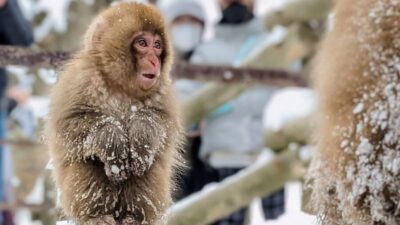 ★ 4.6From Tokyo: Snow Monkey 1 Day Tour with Beef Sukiyaki LunchFrom $1511 day
 ★ 4.8Tokyo: Sumo Experience and Chanko Nabe LunchFrom $95
 ★ 4.5Tokyo: Tsukiji Fish Market Tour with 6 Stops & Seafood LunchFrom $943 hours
 ★ 4.6Tokyo: 1 Day Bus Tour with Meiji-Jingu,Odaiba,lunch&SkytreeFrom $839 hours - 570 minutes
 ★ 4.9Tokyo: Full-Day Tour w/Tea Experience,Buffet Lunch & CruiseFrom $105
 ★ 5.0Mt. Fuji, Oishi Park & Arakurayama Pagoda Bus Tour with LunchFrom $99